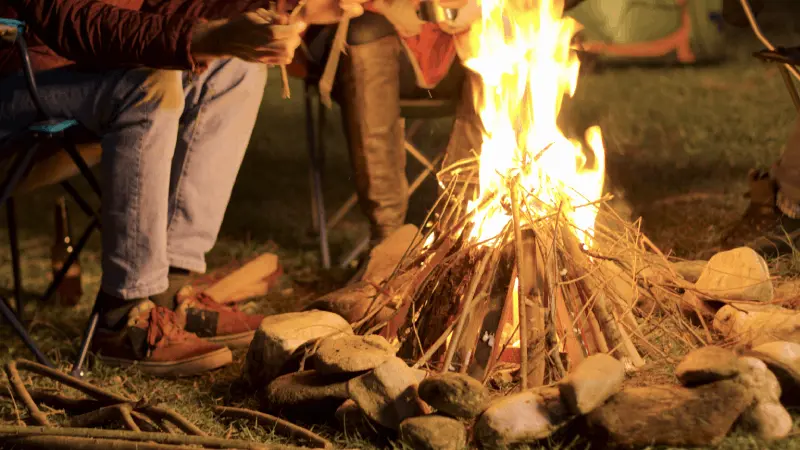
Why is Pasta with Tuna the Strongest Candidate for Camp Meals?
Camping life is a process that requires maximizing efficiency with limited resources. Pasta with tuna is the most loyal friend of this process because almost all of its ingredients can be stored for a long time without spoiling at room temperature. A pack of pasta and a few cans of tuna take up very little space in your backpack while providing you with the carbohydrates and protein you need simultaneously. Especially after challenging climbs or long hikes, the body needs to replenish its glycogen stores and initiate muscle repair. The Omega-3 fatty acids and quality protein in tuna, combined with the complex carbohydrates provided by the pasta, create an excellent recovery meal. The fact that it can be prepared in less than 15 minutes is an invaluable advantage for a tired camper.
Which Type of Pasta Cooks the Fastest and Most Efficiently While Camping?
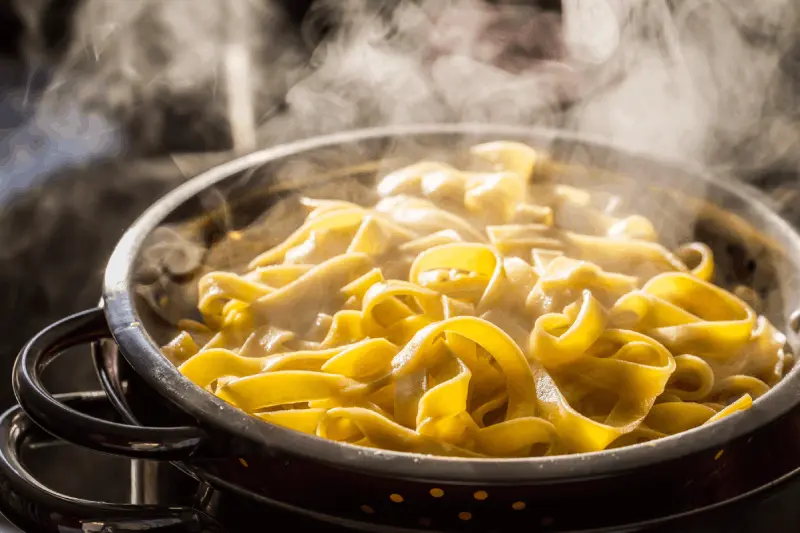
Your camping stove's fuel is limited, so minimizing cooking time is a strategic move. Instead of thick and large-shaped pastas (like penne or rigatoni), you should prefer those with a larger surface area but thinner structure. Very thin stick pastas known as "spaghettini" or "Angel Hair" become ready in 3-5 minutes. Additionally, "butterfly" (farfalle) or "twist" (fusilli) pastas are more satisfying in terms of flavor because they hold the pieces of tuna and sauce better in their twists. If your water supply is very limited, "couscous" is actually a type of pasta and you can simply add boiling water and cover it to let it steep for 5 minutes. This option saves not only fuel but also the effort expended.
Should Canned Tuna or Pouch Tuna be Preferred?
Traditional canned tuna is durable, but in camping, "lightness" is everything. Tuna in vacuum-sealed pouches, which have become popular in recent years, allows you to avoid the weight and bulk of metal cans. Pouch tuna usually contains less liquid, which prevents your meal from becoming watery when you add it after draining the pasta. However, the oil inside metal cans (if it's olive oil) is actually a great base for sauces. If you're camping in a vehicle, metal cans are not a problem, but if you're on a trekking tour with a backpack, pouches are also easier in terms of waste management; you can fold the empty pouch and reduce it to a small volume. In either case, it would be wise to check the protein content inside to choose the one that best meets your energy needs.
What Methods Should be Applied to Use Pasta Water Economically While Camping?
In nature, water is more valuable than gold. The traditional pasta cooking method of "boiling in plenty of water" is not very efficient while camping. Instead, you can try the "absorption" method. Place the pasta in a pot and add just enough water to cover it by two fingers. As the water boils, the pasta will absorb the water and combine its starch with it, creating a natural, thick sauce. With this method, you won't need to drain water, thus preventing water waste and preserving the nutritional values (vitamins and minerals) instead of pouring them away. Additionally, if you need to drain water, you should never throw it away. You can use pasta water to make soup for the next meal or to rinse your dishes without pre-cleaning them. The starch in the water acts as a natural cleaner that helps clean greasy pots.
What Spice Mixes Should We Have on Hand for a Practical Sauce?
Spices are what turn pasta with tuna from an ordinary meal into a gourmet dish. A small ziplock bag or mini spice container that you prepare at home can be a lifesaver. This mixture should definitely include dried garlic, red pepper flakes, and oregano. Garlic powder saves you from the hassle of carrying and peeling fresh garlic while deepening the flavor. If you want a Mediterranean touch, dried basil and a bit of lemon salt (or a small packet of lemon juice) work wonders. Black pepper is essential to break the unique metallic taste of tuna. If you like it spicy, smoked isot or hot pepper powder will create a thermogenic effect that helps raise your body temperature on cold camping nights.
How is the One-Pot Pasta Cooking Technique Successfully Applied?
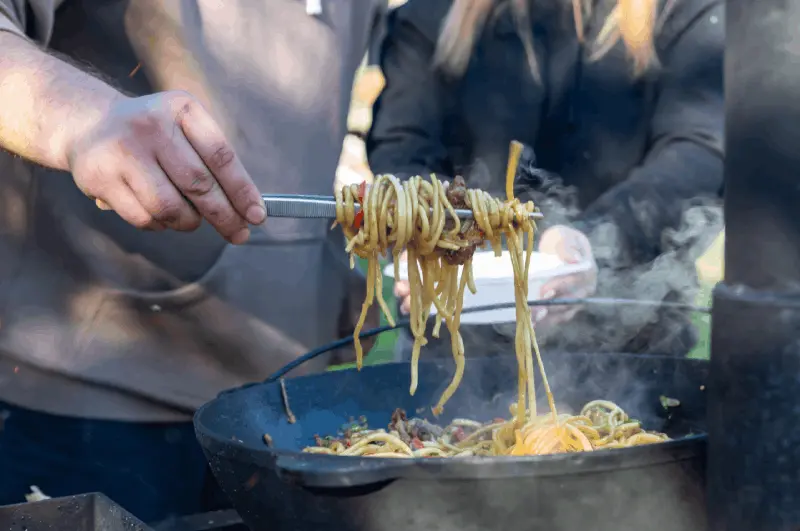
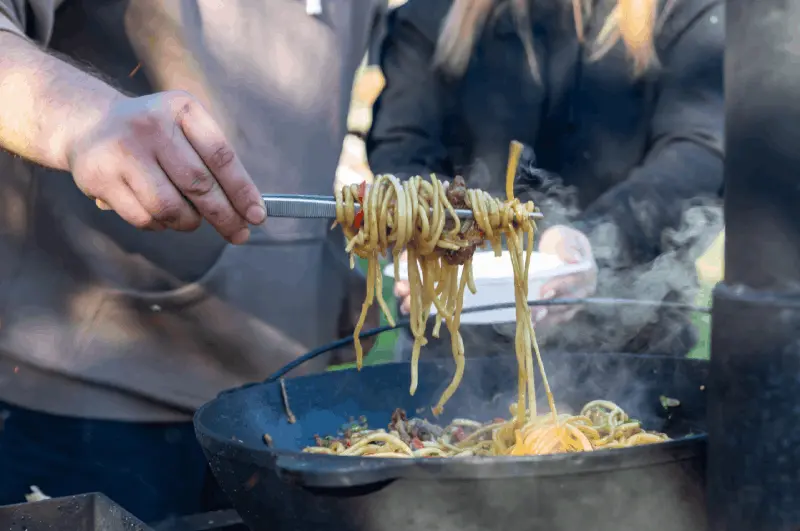
The "One-pot" technique is a golden rule for campers who want to reduce the number of dishes. In this method, you first sauté any onions or dried vegetables in a little oil, then add the pasta and water at the same time to the pot. The amount of water is a critical balance; generally, 2 parts water to 1 part pasta is ideal. With the lid on, the pasta is cooked over low heat until it absorbs all the water. In the last minute of cooking, the tuna is added to the pot. This way, the tuna warms up with the heat of the pasta, and the oil and aroma of the tuna spread evenly throughout the pasta. The result is a delicious dish that combines with the rich and flavorful starchy sauce left at the bottom of the pot. This method also reduces the waiting time at the stove in windy weather.
What Dried Vegetables Should be Added to Pasta to Increase Nutritional Value?
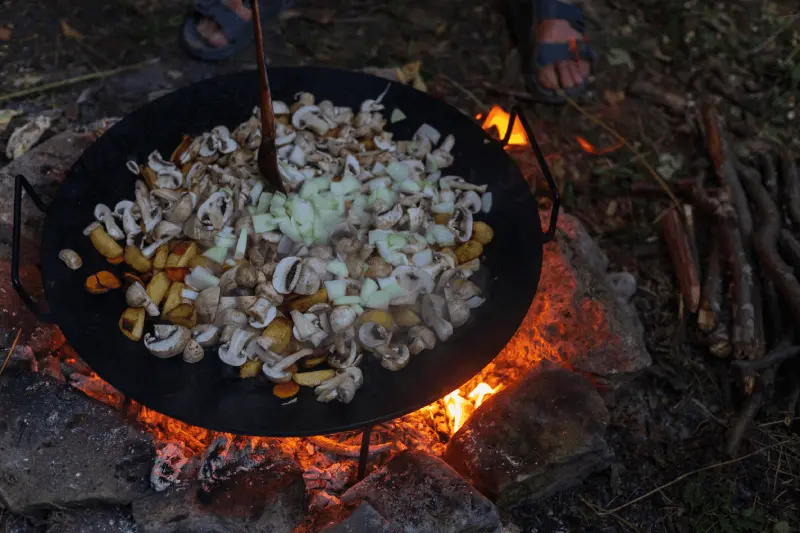
Just pasta and fish can sometimes feel monotonous. Dried vegetable mixes are great additions for nutritional variety. Dried tomato pieces, dried peppers, onion flakes, and even dried mushrooms that you can buy from herbalists or supermarkets add both texture and extra fiber to your pasta. These vegetables... If you throw dried pasta into the water while it is boiling, they will rehydrate with the heat of the water (rehydration). The acidity and sweetness provided by dried tomatoes create a perfect contrast with the saltiness of tuna. Additionally, these vegetables are rich in magnesium and potassium; these minerals are vital for preventing cramps in the legs of a camper who is hiking all day. A small packet of dried vegetables will increase the volume of your meal while having almost no effect on its weight.
What Measures Should Be Taken to Use the Fuel of the Camping Stove Efficiently?
Running out of fuel may mean you have to eat raw pasta. The first rule for efficiency is to always use a pot lid. Using a lid reduces the boiling time of the water by 30%. Secondly, using a windscreen is essential. Even the slightest breeze can dissipate the heat of the stove, extending the cooking time. Instead of waiting for the water to boil completely before adding the pasta, putting the water and pasta in at the same time (cold soak start) is a technique that also reduces total fuel consumption. If the weather is very cold, you can warm your fuel canister inside your jacket to increase pressure and achieve a stronger flame. After your pasta is cooked, immediately turn off the stove and wrap the pot in a "food jacket" or a wool hat to let it steep in its own heat, ensuring the last 2-3 minutes of cooking is done without fuel.
How Does Protein Balance Affect Your Camping Performance in the Long Term?
Many campers fall into the trap of focusing only on carbohydrates. However, while carbohydrates provide instant energy, protein ensures that this energy is sustainable and aids in tissue repair. Tuna is a high-bioavailability protein source. By balancing the glycemic index in pasta, it prevents your blood sugar from spiking and crashing. This leaves you with a more refreshed resting period instead of that sudden "sleepiness" feeling after dinner. Insufficient protein intake during long-term camping can lead to muscle loss and a weakened immune system. Therefore, adding at least 80-100 grams of tuna to every pasta dish helps you climb the next day's steep hills with stronger legs. Protein also extends the feeling of fullness, preventing you from waking up in the middle of the night searching for snacks.
How Can You Better Heat Your Tuna Pasta in Cold Weather?
In winter camping, cooking is not just about nutrition; it is also a means of warming up. The extra fat (a packet of butter or quality extra virgin olive oil) you add to your tuna pasta means extra calories your body will burn, ensuring you warm up from the inside. Additionally, adding plenty of hot chili flakes or ginger powder to your meal speeds up blood circulation, allowing more warm blood to reach your fingers and toes. Eating directly from the pot without letting your meal sit too long also helps retain heat. While metal plates quickly transfer heat to the air, titanium or plastic camping dishes keep the food warm for a longer time. The steam from the pasta is also a great opportunity to warm your face before increasing the humidity inside the tent.
What Are the Alternatives for Gluten-Free Campers for Tuna Pasta?
Camping cuisine can sometimes be challenging for those with gluten sensitivity, but you don't have to miss out on the joy of tuna pasta. Gluten-free pastas made from corn, rice, or buckwheat flour are now available in every supermarket. The point to be careful about is that these pastas tend to leave more starch compared to traditional wheat pasta and can clump together more quickly. Therefore, it is better to soak them with a bit more water instead of using the "soaking" method and to monitor the cooking time second by second. Alternatively, rice noodles that do not require cooking can be prepared by soaking them in hot water for just 3 minutes. Tuna itself is naturally gluten-free, but you should definitely check the contents of any sauces you add to it.
How Can We Dispose of Pasta Water Without Harming Nature?
According to the "Leave No Trace" principles, dumping pasta water directly into a lake or stream disrupts the ecosystem. The starch and salt in the water can alter the balance of aquatic life and attract wildlife to the area. The best method is to consume this water as mentioned earlier. If you must dump it, you should spread it out in a wide area at least 60 meters away from the campsite, where the soil can absorb it. Never dump it all in one spot; this can cause animals to dig in that area. You should definitely strain any solid pasta pieces from the water using a sieve or bandage and take them with you in a trash bag. Leaving nature cleaner than you found it is a fundamental duty of every camper.
How Does Olive Oil Tuna Elevate the Flavor to a Higher Level?
When buying tuna, you are often presented with options like "sunflower oil" or "olive oil." Choosing the one with olive oil while camping fundamentally changes the quality of the meal. Olive oil is not just a storage liquid; it is a sauce ingredient in its own right. After cooking your pasta, pour the olive oil tuna with all its contents into the pot. The olive oil coats the pasta grains, preventing them from drying out and adding a fruity aroma. If you have a small container of oregano or rosemary with you, these herbs will capture the aroma of the oil much better. Additionally, olive oil is heart-healthy and can help regulate your digestive system, preventing common digestive issues encountered in camping conditions. The depth of flavor elevates a simple meal cooked on a camping stove to something akin to an Italian trattoria dish.
What Practical Alternatives Can Be Used Instead of Fresh Garlic While Camping?
While fresh garlic gives a wonderful aroma, it is also a challenge to carry and prepare in the field. The issue of the smell of the skins and their disposal can be annoying at camp. The best alternative to this is garlic powder. However, if you want a stronger flavor, you can prefer "garlic-infused oils" or the garlic pastes sold in small containers in supermarkets. Another creative solution is to put a clove of garlic in a small bottle filled with olive oil before leaving home; this way, you will have created a garlic-flavored oil. If you are using dried vegetable mixes, adding plenty of garlic powder will also do the trick. Garlic not only adds flavor but is also a natural antibiotic and a small but effective helper that supports your immunity during the camp.
How to Make Tuna Pasta More Appealing in Camps with Children?
Children may sometimes complain about the "fishy smell." To overcome this, you can turn tuna pasta into a "treasure meal." Adding small canned corn (which adds sweetness and beautifies the appearance) will attract children's attention. Additionally, choosing pasta shapes like "animal figures" or "alphabet" makes the meal a game. If you mash the tuna thoroughly with a fork and blend it completely with the pasta, the fish pieces will be less noticeable, and the taste will feel more homogeneous. Adding a bit of ketchup or grating a type of cheese that children love (or ready-made powdered cheeses) will create a plate that is hard to refuse. Remember, appetite is usually high in nature, but presentation is still important for little campers.
Why is Carbohydrate Loading After Long-Distance Hiking So Important?
You may have heard the terms "hitting the wall" or "bonking"; this is the sudden fatigue that occurs when glycogen stores are completely depleted. Especially on long hikes with a backpack, the body burns hundreds of calories per hour. The big plate of tuna pasta you had for dinner does not just satisfy your immediate hunger; it provides the energy that will be stored in your muscles. Carbohydrates are also the brain's primary fuel and reduce focus loss due to fatigue, thus lowering the risk of accidents. The B12 vitamin in tuna plays a critical role in energy metabolism, helping you wake up refreshed the next morning. Therefore, when planning your camp rations, you should position pasta not as "empty calories" but as "strategic fuel."
How to Maintain Hygiene and Safety at the Highest Level in Camp Kitchens?
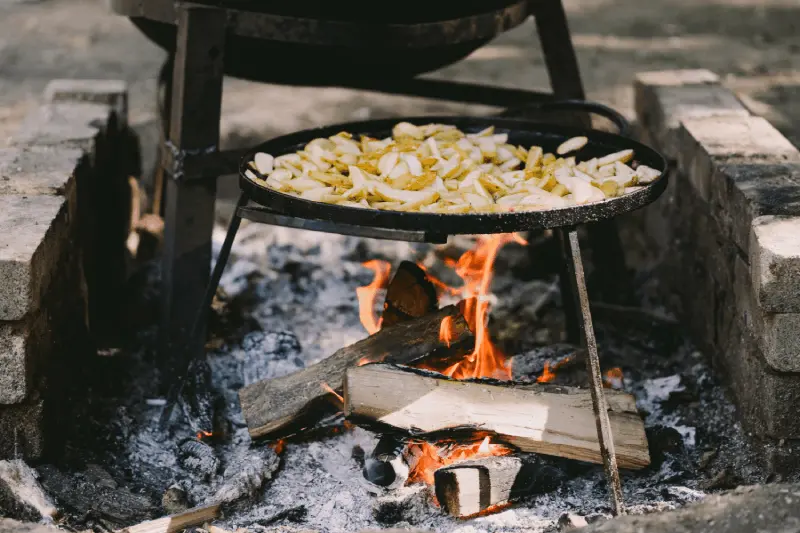
Getting poisoned or having stomach issues in nature can turn a camping trip into a nightmare. Canned tuna should never be left out after opening. If you haven't finished a can (which is usually finished), you must put the leftovers in an airtight container and consume them immediately if it's very hot. Since tuna is a high-protein food, it can quickly produce bacteria. It is essential to wash your hands with biodegradable soap or alcohol-based sanitizer before cooking. You should also be careful of the sharp edges that occur when opening the can; even a small cut can pose a risk of infection while camping. You should clean the fork and spoon you used immediately after eating; because dried pasta and fish remnants can turn into a breeding ground for bacteria in the next meal.
How to Evaluate Leftover Pasta for Breakfast the Next Morning?
If you have leftover pasta from dinner, don't throw it away. You can sauté this pasta in your camp pan with a bit of oil until it gets crispy. When you crack an egg and mix it in, the resulting "tuna pasta omelet" is surprisingly delicious and a high-energy breakfast. This will provide you with "slow-burn" energy that will last until your next meal. If you don't have eggs, you can also consume the pasta as "morning pasta" by adding a bit of water and heating it up, along with some more spices. Eating cold pasta directly (as a pasta salad) can also be a refreshing option on hot days. An efficient camp kitchen is both an ethical and practical approach.
Can Different Cheese Varieties Turn This Recipe into a Gourmet Dish?
While the combination of cheese and fish may be taboo in some kitchens, it can work wonders in tuna pasta. Especially, grated "parmesan" or hard "aged cheese" adds umami flavor and extra saltiness to the dish. Non-perishable "powdered parmesan" packets are tailored for this purpose in camping conditions. If you want a creamy texture, you can add a tablespoon of "cream cheese" or "labneh" at the final stage of the pasta. The calcium in cheese supports the bone structure that works throughout the day. Cheese also acts as a binder that helps the pasta and fish hold together better. Establishing a "cheese-tuna" balance according to your taste allows you to create the signature dish of your camp kitchen.
How to Protect Against Sharp Edges and Waste from Canned Goods?
After opening canned goods, bending the lids inward prevents them from puncturing your trash bag and protects you or a curious animal from cutting their hand/mouth. It is very important to rinse empty cans with water and leave no food remnants inside; because these remnants can attract animals like raccoons or wild boars to your campsite. You can crush the rinsed can with your foot to reduce its volume and stash it in a corner of your backpack. If you are using a pouch of tuna, your job is easier, but you can also take advantage of the metal cans' ability to conduct heat (carefully) by lighting a small candle inside the can to create a mini lantern. However, the most basic rule is: take back what you bring. When you add a bit of crumbled seaweed (nori) and lemon to chickpeas, it offers a taste and texture very similar to tuna. Additionally, "soy protein" pieces are a lightweight and easy-to-cook protein source to carry while camping. Canned "plant-based tuna" sold in stores will also do the job. To cover your Omega-3 intake in a vegan diet, adding a spoonful of "flaxseed" or "chia seeds" to your pasta will enhance its nutritional value. These vegetable-based versions are often preferred by some campers because they are generally easier to digest.
Does Cooking Pasta at High Altitudes Change the Cooking Time?
As you ascend above sea level, air pressure decreases, causing water to boil at lower temperatures. For example, at 3000 meters, water boils at about 90 degrees instead of 100 degrees. This situation significantly extends the cooking time of pasta. If it normally takes 8 minutes for "al dente" (slightly firm) pasta, at high altitude this time can reach 12-15 minutes. This means you will consume more fuel. As a solution, you can soak the pasta in cold water for 15-20 minutes before cooking (pre-soaking), then proceed to the boiling process. Additionally, at high altitudes, water evaporates more quickly, so you should add a bit more water than usual to your pot and never lift the lid.
How Does Carrying Fresh Lemon Change the Flavor Profile?
Lemon is the "secret hero" of tuna pasta. It cuts through the heavy and oily taste of the fish, adding freshness and acidity to the dish. Squeezing a fresh lemon over your pasta not only adds flavor but also provides a boost of vitamin C. Vitamin C enhances iron absorption; it helps your body utilize the iron in tuna better. If you don't want to carry an entire lemon, you can get small plastic "lemon juice" bottles or use "dried lemon peel" that you can find at herbalists. The bright flavor that lemon provides has a psychological effect that helps you shake off camping fatigue and restores your appetite.
How Does Choosing the Right Camping Knife Make Meal Preparation Easier?
Your camping knife is not just for carving wood; it is also your most important tool in the kitchen. A sharp and clean knife allows you to chop onions, garlic, or vegetables in seconds (if you are using fresh). A stainless steel knife is more hygienic for food preparation. Folding knives are easy to carry in your pocket, while fixed blade knives offer a sturdier grip. After meal preparation, you should clean and dry your knife immediately; the salt and acid from the tuna can stain the knife blade. A good knife gives you more time to enjoy the taste of your food by reducing the time spent in the camp kitchen.
How Should Portion Control and Work Distribution Be Done in Group Camps?
Cooking for a large group can be both fun and complicated. The standard portion is about 100-125 grams of dry pasta and half a can of tuna per person. Distributing tasks speeds up the process: while one person boils water, another opens cans and prepares, and another sets the table/equipment. When cooking pasta in large pots, you should start preparations early, considering that the water will take longer to boil. Making everyone responsible for washing their own camp plate and fork helps distribute the large pile of dishes that accumulate after the meal. A tuna pasta shared in a group turns into a collective success that deepens conversations around the campfire.
What Are the Best Drinks to Pair with Tuna Pasta?
A drink that complements the taste of your meal enhances the experience. If you consume alcohol, white wine or a light beer pairs well with the flavor of the fish. However, if you are looking for a healthier and refreshing option, you can mix the "electrolyte powders" you brought with you into water to create a tasty and body-replenishing drink. As a warm option, a cup of "green tea" or "herbal tea" consumed right after the meal aids digestion and soothes the stomach. In cold weather, hot water with plenty of ginger helps retain the warmth of the meal inside. Be mindful of the sugar content in your drink; as you will already be getting enough energy from your main meal.
Why Is Psychological Satisfaction Important When Eating Outdoors?
Camping is as much a mental challenge as it is a physical one. A bad, tasteless, or insufficient meal can dampen your spirits and lower your motivation. "Guaranteed" flavors like tuna pasta play the role of a "comfort food" that makes you feel at home. The steam from a warm plate is the greatest reward after a tough day. Therefore, don't rush your meal; savor the scenery and eat slowly. Turning the act of eating into a ritual reduces stress hormones and improves your sleep quality. A happy camper in nature is one who is well-fed and enjoys their meal.
What Are the Cleaning Advantages of the "One-Pot" Method?
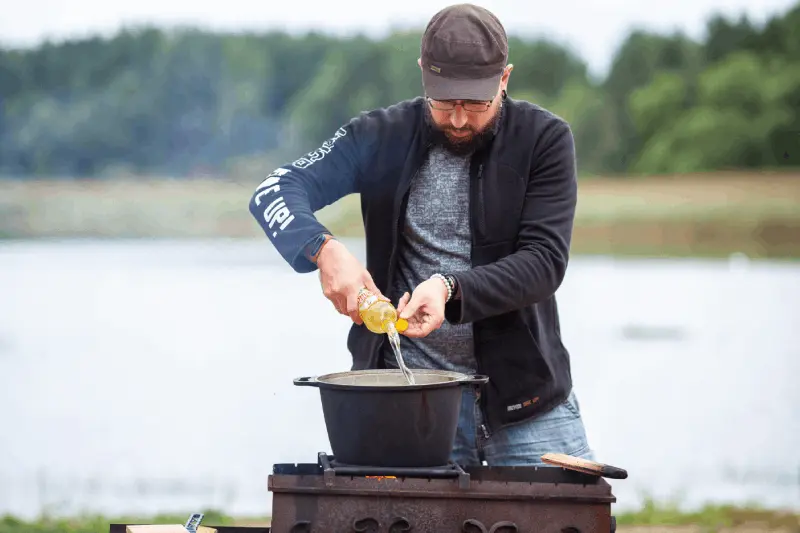
Washing dishes after camping is often the least favorite task. With the "one-pot" method, you only dirty one pot and one spoon. Since you don't strain the pasta, there is no need for a sink or strainer. Scraping the sauce left at the bottom of the pot with a piece of bread (which is the tastiest part) makes the washing process about 80% easier. You can quickly clean your pot with a small amount of hot water and a few drops of biodegradable soap. Leaving the cleaned pot to dry in the wind also reduces the need for towels. Less dirty dishes mean less water usage and less chemicals mixing with nature. This practicality, For those who will set off early the next morning, it is a significant time saver.
What Are the Non-Perishable Items in Summer Camps?
Food safety is even more critical in hot weather. Canned tuna is the safest food as long as it remains unopened. Dried pasta does not spoil. Items like "dried tomatoes", "olives" (in vacuum-sealed packaging), "capers", and "dried spices" maintain their freshness even in high temperatures. Instead of fresh cheese, you should prefer durable varieties like "tulum cheese" or single-use "grated parmesan". If you are going to use tomato sauce, choosing single-use small "tetra pak" cartons instead of glass jars minimizes the risk of spoilage after opening. Ensuring that the food in your bag is safe under the summer sun is the key to a peaceful camping experience.
Why Should We Keep a Small Grater Among Camping Supplies?
A grater may seem trivial, but it makes a big difference in camping life as a "multi-tool". With small, credit card-sized flat graters, you can grate your cheese fresh over your pasta, elevating your meal. Additionally, grating fresh ginger or a clove of garlic ensures that the flavor penetrates the pasta better. You can even use it to add some edible roots or wild fruits you find (and know!) in the forest to your meal. A lightweight grater is a sign of "professionalism" in your camp kitchen. Remember, small details can turn a simple camp meal into an unforgettable moment.
How Do We Turn Tuna Pasta into a "Luxurious" Dinner?
It's your last night of camping, and you want to treat yourself. Drizzling a bit of "truffle oil" on your tuna pasta or adding a few "walnut pieces" and "dried grapes" you brought from home creates a surprisingly sophisticated flavor. Lighting a small candle next to your meal or placing your plate on a beautiful stone can also change the atmosphere. For visual presentation, sprinkle fresh-picked (and safe) wild mint or oregano leaves on top. The silence and scenery offered by nature create a more luxurious decor than the most expensive restaurant. This time you set aside for yourself is valuable enough to make you forget all the physical challenges of camping.
What Are Our Responsibilities Towards Nature as We Conclude This Blog Post?
The last thing to do after a wonderful tuna pasta feast is to leave the area cleaner than you found it. Put all packaging, cans, and food scraps in your trash bag. The idea that "food waste is natural" is misleading; this waste disrupts the ecosystem and attracts wild animals. Make sure that the fire or stove you used is completely extinguished. Do not pollute water sources and respect the soil. Nature offers us this magnificent kitchen, and we should show our gratitude by protecting it. When you set off for your next camping trip with a pack of pasta and a can of tuna in your pocket, remember these tips and enjoy the moment. Bon appétit, may nature be with you!