Why is the One-Pot Method a Lifesaver for Campers?
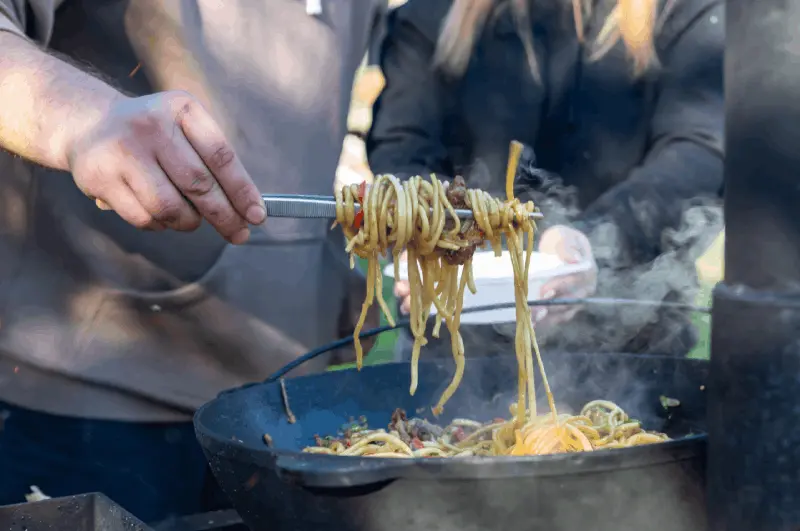
Every gram in your backpack and every milliliter of water is of great importance when camping. The one-pot method not only reduces the number of dishes but also saves fuel and significantly optimizes cooking time. Boiling water and draining pasta in the traditional method is a huge waste of water in nature. However, in this method, the pasta absorbs its own sauce while cooking, and all the flavors are trapped inside the pot. This approach is the most efficient nutrition strategy, especially for long-distance hikers and those camping with limited resources.
Which Pasta Shapes Have the Fastest Cooking Time While Camping?
Not every type of pasta performs the same on a camp stove. Thick and large-shaped pastas require more water and take longer to cook their inner parts. To save time and fuel while camping, it is generally recommended to choose "bowtie," "penne," or "fusilli." However, the fastest solution is the "noodle" or "egg noodle" varieties, which have a large surface area but a thin structure. Additionally, pasta labeled as "quick-cook" is pre-steamed and dried, making it ready to eat in just a few minutes, which prevents you from having to leave your stove in windy conditions.
How is the Absorption Method Applied to Save Water While Camping?
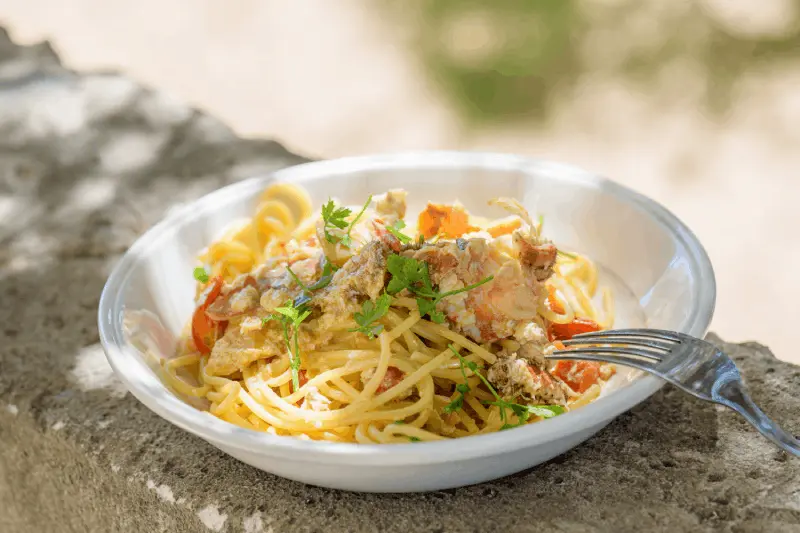
Rinsing pasta in plenty of water and draining it is contrary to camping ethics and resource management. The absorption method starts by putting about twice the amount of water as pasta into the pot. When the water starts to boil, the pasta is added, and the lid is tightly closed. The water level should be adjusted to just cover the pasta by about an inch. During the cooking time, the pasta absorbs all the water while releasing its starch; this starch combines with the fat and spices you add to create a naturally thick sauce. With this technique, not a single drop of water goes to waste, and there is no loss of flavor.
How to Overcome the Boiling Point Problem When Cooking Pasta at High Altitude?
As you ascend above sea level, air pressure decreases, causing water to boil at well below 100 degrees. At 2500 meters and above, water can boil at around 90 degrees; this leads to the pasta becoming mushy on the outside but remaining hard on the inside. To overcome this problem, a pot with a lid must be used, and heat loss should be minimized. Additionally, soaking the pasta in warm water before starting to cook it allows the water to penetrate the pasta fibers at lower temperatures. It is important to remember that cooking time at high altitude will increase by 25% to 50% and to be patient.
What Material Should the Lightest and Most Efficient Camping Pots Be Made Of?
In camping kitchens, pot selection is based on heat conduction speed and weight balance. Titanium pots are the lightest option, but they can cause the pasta to stick to the bottom because they only concentrate heat at the base. Anodized aluminum is a professional choice that distributes heat most evenly and is satisfying in terms of weight. Stainless steel is the most durable but is heavier and conducts heat slowly. When making pasta in one pot, it is important for the heat to spread to the side walls for the sauce to thicken; therefore, models with a wide base and aluminum alloys are the most ideal equipment for one-pot meals.
What Are the Ways to Increase Stove Efficiency in Windy Conditions?
When cooking outdoors, wind can carry away a large portion of the heat produced by your stove before it reaches the pasta. This can quickly deplete your fuel and prevent your meal from cooking properly. As a solution, you should use a lightweight windscreen that surrounds your stove. If you don’t have a windscreen, you can use natural barriers in the campsite (rocks, tree trunks, or your backpack) to block the wind. However, be careful to keep your backpack or flammable items at a safe distance from the stove. A good wind protection can cut the boiling time in half and extend the life of your fuel tank.
How to Maximize Nutritional Value with Dried Vegetables?
Carrying fresh vegetables while camping adds weight and poses a risk of spoilage. Dried vegetables like tomatoes, peppers, mushrooms, and spinach that you dehydrate at home or buy ready-made are excellent sources of nutrition for your pasta. You should add these vegetables to the pot just before throwing the pasta into the water or along with the water. As the water heats up, the vegetables rehydrate (absorb water) and gain volume. Dried vegetables not only add volume to the meal but also maintain the balance of vitamins and minerals. Especially dried onion and garlic provide a more intense aroma than their fresh counterparts, transforming your pasta into a gourmet dish.
Should Canned or Dried Meat Be Preferred for Protein Support?
After a day of hiking, muscles need protein for repair. While canned tuna or chicken is practical, the weight of the cans and the space they take up in your backpack is a disadvantage. Instead, vacuum-packed dried meats, sausages, pastrami, or jerky are much more sensible choices. These products last longer and are much lighter. If you don’t consume meat, packaged cooked chickpeas or dried soy proteins (textured vegetable protein) are great alternatives. Adding proteins to the pasta just 3-4 minutes before the end of cooking prevents the textures from breaking down.
How to Organize Spice Mixtures in Your Backpack?
Should It Be Prepared And Transported?The thing that saves your pasta from being bland is the right spice touch. However, transporting dozens of spice jars is impossible. The solution is to create "camp spice mixes" that you can prepare at home. You can put salt, pepper, oregano, chili flakes, and garlic powder into small zip-lock bags or empty medicine capsules. You can even prepare thematic mixes like "Italian Mix" or "Spicy Mexican Mix" to experience a different flavor every evening. To protect the spices from moisture, they should definitely be stored in airtight containers and added at the end of the cooking process to prevent the aroma from evaporating.
How to Thicken Sauce Using Milk Powder Instead of Cream?
Carrying liquid cream or milk while camping is nearly impossible because they spoil quickly. However, if you want a creamy, thick pasta sauce, milk powder (not coffee creamer, real milk powder) is a great trick. When your pasta is almost done, take a spoonful of hot water from the pot and mix it with milk powder in a small bowl until it reaches a paste consistency, then pour it back into the pot. This process creates a wonderful imitation of Alfredo or carbonara sauce when combined with the starchy water from the pasta. When you add a bit of parmesan or dried cheese on top, you can feel like you're in a five-star restaurant in the middle of the wilderness.
How to Store Olive Oil and Butter Without Spilling While Camping?
Oil not only prevents the pasta from sticking together but also meets high-calorie needs. However, spilled oil in a backpack is a camper's nightmare. The safest method to transport oil is to use quality polyethylene containers with screw caps (like Nalgene). For extra safety, after closing the container, wrap it with a piece of cling film and place it in a zip-lock bag. If you prefer butter, using "Ghee" (clarified butter) is best because Ghee does not spoil at room temperature and has a very high smoke point. If you add the oil to the pasta cooking water at the beginning, you ensure that the grains are evenly coated with oil.
What Is the Secret to Cooking "Al Dente" Pasta in One Pot?
In the one-pot method, pasta tends to overcook easily. To achieve the al dente consistency, you should start with less water and add hot water gradually during cooking if necessary. When the pasta is still a bit firm, turn off the heat and let it rest covered tightly for 2-3 minutes in its own steam; this is the most professional technique. During this time, the pasta retains its shape while absorbing the moisture from the remaining sauce. Remember, pasta that looks perfect on the stove can become mushy by the time you serve it; therefore, it's always advantageous to turn off the heat "a tad early".
How to Apply "Leave No Trace" Principles While Washing Dishes at the Campsite?
Cleaning the pot after a meal is the least favorite but most important part of camping. According to the "Leave No Trace" principles, you should never pour soapy water into streams. The beauty of the one-pot method shines here: thoroughly wipe the leftover sauce in the pot with a piece of bread. Then add a little water to the pot, bring it to a boil, and drink this water (yes, it’s actually a nutritious broth). For the final cleaning, use biodegradable soap and a small sponge, but do this at least 60 meters away from the water source and pour the dirty water over a wide area of soil.
How to Prevent Pasta from Freezing and Cooling in Winter Camps?
Cooking in freezing temperatures is a challenge. The stove flame struggles against the cold air while the pot quickly loses heat. In winter, you should definitely use pot cozies. If you turn off the stove when your food is cooked and put the pot into this insulated cover, your food can stay warm for up to 20 minutes. Additionally, choosing smaller and more compact pasta in winter saves cooking time and fuel. When eating pasta, using plastic or titanium sporks that do not conduct heat instead of metal forks prevents your mouth from burning or the discomfort of cold metal.
What Are the Best Plant-Based Protein Sources for Vegan Campers?
If you follow a vegan diet, you can enrich your camping pasta with dried mushrooms, roasted peanuts, cashews, or nutritional yeast. Nutritional yeast gives a cheesy flavor to the pasta and provides B12 vitamin support. Additionally, adding chia seeds or flaxseeds increases the thickness of the sauce while boosting your Omega-3 intake. Ready-made dried lentils or hummus powders also become both a sauce and an enormous protein source for your pasta when combined with hot water. These options do not add weight to your backpack due to their lightness.
How to Make Spicy Mexican Pasta in One Pot?
If you are tired of classic Italian recipes, you can prepare a Mexican-inspired pasta over the campfire. Use fusilli pasta, add some taco seasoning, dried corn, pre-cooked and dried black beans, and plenty of spicy chili flakes into the water. Near the end of cooking, mix in a piece of cheddar cheese or cheese-flavored milk powder. This recipe not only speeds up your metabolism, increasing your body heat but also adds joy to your camping evening with its rich flavors. Adding a handful of crushed tortilla chips (nachos) on top will give your meal a wonderful crunchy texture.
Is Tomato Sauce or Tomato Powder More Practical?
Sauce is a staple of camp cooking, but canned sauces start to spoil after being opened and can leak. Tube-form sauces are much more practical for campers because you can use as much as you want and tightly close the cap. However, if you are looking for real lightness, you should try tomato powder. Tomato powder turns into a fresh tomato puree consistency when combined with water. It is almost weightless and has a very long shelf life. A spoonful of tomato powder, a pinch of oregano, and a bit of olive oil can create an amazing marinara sauce in seconds. you can obtain.
Why Should Salt Be Added to Pasta Water in Camping and When Should It Be Added?
Salt not only adds flavor but also slightly raises the boiling point of water and helps manage the starch in the pasta better. In the one-pot method, you need to be very careful about the amount of salt since all the water will be absorbed. Normally, in the method we use to drain the pasta, most of the salt goes with the water, but here every milligram of salt remains in the dish. Therefore, it is safest to add salt not at the beginning but in the middle of cooking by tasting it. Additionally, preferring iodized salt instead of sea salt can help you regain the minerals lost through sweating.
How to Make Pasta Menus Fun for Kids at Camps?
Meal times can turn into a game when camping with kids. Using "animal-shaped" or "alphabet" pasta will attract children's attention. These small pastas cook very quickly in one pot. Lightly sweet tomato sauces that children love and plenty of cheese can be used as a sauce. Additionally, adding small slices of sausage into the pasta (if you can maintain the cold chain) creates a "treasure hunt" dining experience for them. Allowing them to mix their own meals develops a sense of responsibility in nature and whets their appetites.
How Should Heat Management Be Done to Prevent Pasta from Sticking to the Bottom?
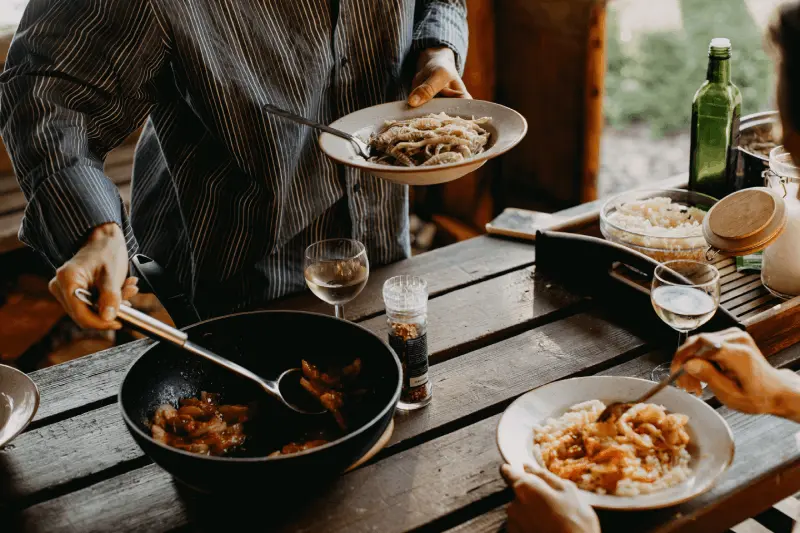
The biggest risk in one-pot meals is that the pasta at the bottom sticks to the pot and burns as the water decreases. This can happen in seconds, especially on high-heat jet stoves. After the water boils, you should lower the heat to the lowest level and stir frequently. Stirring helps distribute the starch evenly in the water, reducing the risk of burning. If the bottom of your pot is very thin, you can place a "heat diffuser" between the stove and the pot or hold the pot slightly above the flame to balance the heat. The smell of burning can ruin the entire meal, so your eyes should always be on the pot.
What Are the Best "Fresh" Garnishes You Can Carry With You?
Eating completely dehydrated foods can become monotonous after a while. Small fresh items that can last 1-2 days in your bag can elevate your pasta. A firm green pepper, a carrot, or a small head of garlic takes up little space and doesn't spoil easily. Additionally, a fresh sprig of parsley or a branch of rosemary spreads the aroma of your dish throughout the camp. If the season is right and you know what you're doing, wild herbs like mint or oregano that you can gather from nature are also great garnishes. However, never put any plant you cannot identify into your pot.
What Are the Pasta Alternatives for Campers with Gluten Sensitivity?
Gluten-free pastas generally leave more starch and can easily break apart while cooking. Therefore, you need to be very careful with the one-pot method. Instead of pasta made from corn or rice flour, lentil or black bean flour pasta yields better results in camping; because they bind better and contain higher protein. It is important to keep the water amount slightly higher and check continuously while cooking these pastas. Additionally, since the cooking water of gluten-free pastas is very thick, the water balance should be well adjusted to prevent the sauce from becoming too thick.
Is "Cold Soaking" Possible for Long-Distance Hikes?
If you are an ultra-light camper who doesn't want to carry a stove, you can eat pasta without cooking it. "Cold soaking" is a method of soaking pasta in water hours in advance in a wide-mouthed jar (usually empty peanut butter jars are used). Before starting your hike, you put the pasta and water in the jar and place it in the side pocket of your bag. When you arrive at your lunch or dinner break, the pasta will have absorbed the water and softened. Of course, it’s not as enjoyable as a hot meal, but it’s a unique method in terms of energy saving and speed. Especially thin noodles and couscous are the most suitable types for this method.
How to Prepare for the Next Meal with Leftover Pasta Water?
If you accidentally used too much water and your pasta had to be drained, do not pour that starchy water down the drain. This water is a great base for a quick soup or oatmeal you will prepare the next morning. The starch and salt in it add consistency and flavor to the new dish. You can even use this water to soften your dishes beforehand. Resource management in nature is the ability to use everything for multiple purposes. Even a drop of vitamin-rich water going to waste means adding extra organic load to nature.
How Does the Type of Fuel in Camping Stoves Affect Cooking Time?
Butane-propane mixed cartridge stoves provide the most stable heat and are ideal for cooking pasta. However, alcohol stoves (spirit stoves) produce lower heat and can extend boiling time. Gasoline (multifuel) stoves are very powerful but their adjustment mechanisms may not be precise, increasing the risk of pasta sticking to the bottom. Whatever stove you use, make sure the diameter of your pot matches the flame diameter. A small flame heating only the center of a large pot leads to inefficient cooking. You should adjust the water amount and stirring frequency according to your stove type.
Garlic and Onion: Powder, Fresh, or Granulated?
Garlic and onion are the soul of any pasta dish. Carrying fresh onions while camping can be cumbersome, but garlic cloves are quite durable. However, the most practical solution is the "granulated" or "flaked" versions of dried garlic. While powdered garlic gets lost in the sauce, granulated garlic forms small pieces that come to the mouth when combined with water, giving a more authentic taste. For onion, the "caramelized ready" form is preferred.
Using "crispy onions" is a camping hack. These crunchy onions sprinkled on top of cooked pasta not only meet your fat needs but also add a texture that makes it feel like you’re dining in a restaurant.
What Dried Mushroom Selection is Best for Mushroom and Cream Camp Pasta?
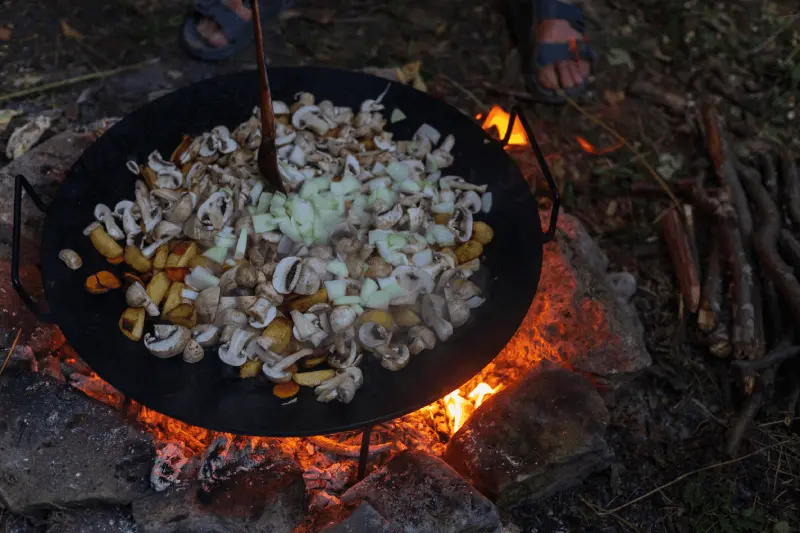
A pasta with mushrooms can transform a camping evening into a feast. Instead of using cultivated mushrooms, you should opt for dried porcini, morel, or oyster mushrooms. When these mushrooms are dried, they trap their flavors, and when they come into contact with hot water, they release this flavor into the pasta water beautifully. Adding the mushrooms to the water 5 minutes before the pasta is done ensures they soften completely. If you have time, soaking the mushrooms in a little water for 15 minutes beforehand and adding that water to the pasta can elevate the flavor to perfection. This is one of the richest “umami” dishes you can find in the wild.
Which Types of Cheese are Durable for Heat and Travel?
Cheese is the best friend of pasta, but not every cheese can survive in a backpack. Soft cheeses (like feta) spoil quickly and leak. The best options are parmesan, aged kasseri, gruyere, or hard tulum cheeses. These cheeses can last for days at room temperature because they have a low moisture content. Additionally, carrying the cheese whole and slicing or grating it with a knife at mealtime helps maintain its freshness. If you’re on a long route, single-serving packs of cream cheese can also serve as an emergency sauce.
What is the Hidden Role of Lemon Juice and Acidity in Pasta Sauce?
Most camping meals tend to have a heavy and monotonous taste. The way to break this is with a bit of acidity. A small piece of fresh lemon or lemon juice in small packets that you carry can refresh a heavy, starchy pasta in an instant. A few drops of lemon juice added as a finishing touch, especially in seafood (like tuna) or vegetable pastas, help to enhance all the flavors. Acidity helps awaken the taste receptors on the palate, making the meal taste more delicious. This is a small but effective trick that gourmet campers never skip.
Couscous: How is the World’s Fastest “Pasta” Used in Camping?
Technically, couscous is a type of pasta (made from semolina) and is considered “gold” for campers. It doesn’t need to be cooked; just pour boiling water over it, cover it, and wait for 5 minutes. This means zero fuel consumption and instant food. When using couscous in a one-pot method, you can create a Middle Eastern-inspired dinner by adding plenty of dried fruits (like raisins, apricots), nuts, and spices. It is both filling and easy to digest. It’s the best companion for evenings when you’re very tired and don’t want to wait by the stove.
What to Consider When Cooking Pasta Over a Campfire?
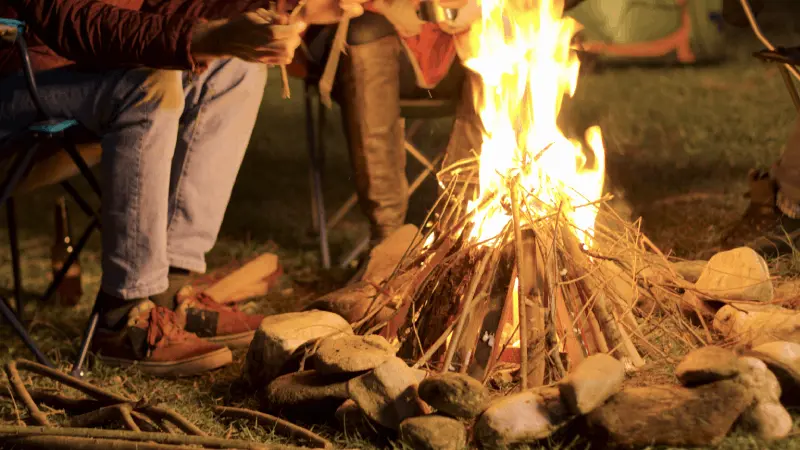
If you’re going to use a campfire instead of a stove, don’t forget that you won’t have control. Placing the pot directly into the flames will burn the pasta. The best method is to place the pot over the coals that are on the side of the fire. To prevent the outside of your pot from getting covered in soot, you can lightly coat the bottom with liquid soap before you start cooking; this way, the soot will wash off easily when cleaning. Since you can’t adjust the heat over a fire, you need to stir the pasta much more frequently and monitor whether the water has evaporated within seconds. Cooking over a fire always yields tastier meals but requires more attention.
What are the Negative Effects of Steam Created While Cooking Pasta Inside a Tent?
If the weather is bad, you might want to cook inside the tent or in the trunk. However, cooking pasta produces a lot of steam. This steam can condense on the inside walls of the tent, causing your gear to get wet. More importantly, using a stove inside the tent poses a risk of carbon monoxide poisoning. If you must cook in the tent, make sure to leave the door partially open for ventilation and ensure that the steam is being expelled outside. Also, always be vigilant against the risk of the stove tipping over and use a non-flammable surface (like stone or metal base).
How Many Grams of Pasta Should a Camper Eat for Dinner?
On a regular day, 80-100 grams of pasta is sufficient, but for a camper who has walked 20-30 kilometers, this amount can increase to 150-200 grams. Your body needs carbohydrates to replenish its glycogen stores. However, pasta alone is not enough; you must also add plenty of fat (olive oil or butter) and protein to increase the total calorie value of the meal. Considering that 100 grams of dried pasta contains about 350 calories, a camping dinner with additions should ideally be around 700-900 calories. This will provide you with the energy you need for the next day’s hike.
What are the Differences Between Asian-style Ramen and Italian Pasta?
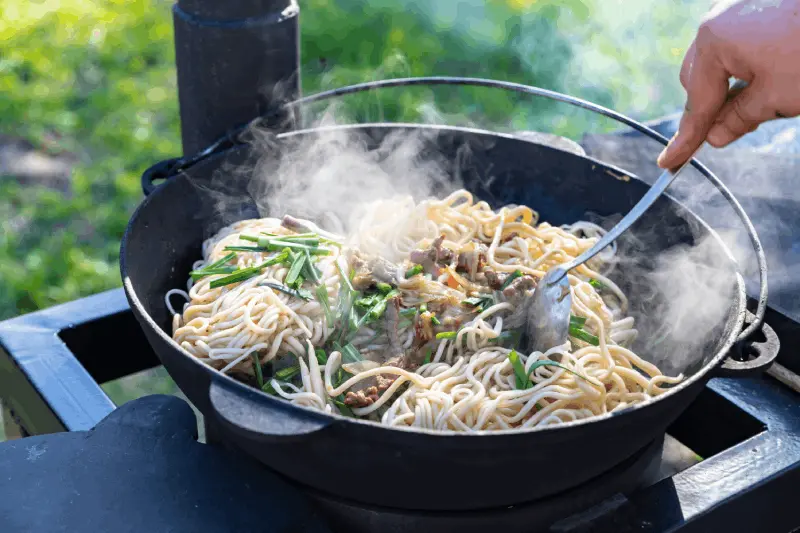
Making ramen (instant noodles) while camping is much faster than making classic pasta. The sodium-rich spice packets that come with ramen packages are good for replenishing the salt lost through sweating, but they can be unhealthy in the long run. While Italian pasta offers more filling and slower-digesting “complex” carbohydrates, ramen provides a quick energy burst but can leave you hungry again quickly. If your time is limited, ramen is a good choice, but if you’re planning to have a more enjoyable and longer evening, you should opt for quality durum wheat pasta. In both cases, the fresh or dried ingredients you add will determine the quality of the meal.
How to Prepare and Store Pasta with Pesto Sauce While Camping?
Pesto sauce is excellent for campers due to its high-fat content and rich flavor. However, fresh basil pesto can spoil quickly. If you prepare it at home and put it in a small jar, the top of the pesto will...
If you pour a layer of olive oil to cut off contact with air, you can safely carry it for 3-4 days. Alternatively, you can instantly create a sauce by mixing ready-made powdered pesto blends with olive oil. Pesto should be added to pasta after turning off the heat; because high heat can destroy the unique fresh aroma of basil. You can enrich this dish with a handful of pine nuts or walnuts.What is the Salt Balance Given by Dried Meat and Pastrami to Pasta Water?
If you are using sausage, pastrami, or dried meat, you should definitely taste the pasta water before adding extra salt. These processed meats release their salt and fat into the water while cooking. Especially pastrami adds a wonderful "smoky" aroma to the pasta. Adding small pieces of meat to the pot at the beginning of cooking and lightly sautéing them, then adding the water gives the most delicious result. This way, the fat from the meat emulsifies with the water and penetrates every grain of pasta. A "camp carbonara" made this way is one of the most preferred energy-packed recipes.
Canned Mussels or Shrimp Pasta for Seafood Lovers?
Canned mussels in brine or small shrimp cans are fantastic for a gourmet touch. These products are usually in oily water; you can add this water directly to the pasta water without draining it. This way, your pasta gains a rich seafood flavor. Adding seafood in the last minute of cooking is enough to just warm them up. Combined with plenty of garlic, a bit of chili pepper, and a slice of lemon, you can feel like you are having dinner in a seaside town. Their lightness and high protein content make these delicacies worth carrying in every camper's backpack.
Couscous and Bulgur: Local Alternatives That Can Replace Pasta?
Bulgur is the strongest competitor to pasta for Turkish campers. Its nutritional value is higher than that of pasta and it provides a longer feeling of fullness. If you prefer "fine" or "coarse" bulgur instead of pilaf bulgur, the cooking time is even shorter than pasta. While cooking bulgur in one pot, you can achieve a traditional flavor by adding dried eggplant, tomatoes, and peppers. The advantage of bulgur over pasta is that it can tolerate water balance more easily; even if there is a little too much water left, the "mushy" state is still quite delicious. This ancient food of Anatolia is the hidden hero of camp cuisine.
Knife Techniques for Chopping Vegetables and Safety Precautions?
Instead of carrying a cutting board in the camp, you may have to chop vegetables in the air or on a clean pot lid. Camp knives are usually very sharp; therefore, you should use the "thumb support" technique for slow chopping. Cutting vegetables into as small pieces as possible ensures that they cook simultaneously with the one-pot pasta. Completing the chopping process before putting the pasta on the stove and preparing everything reduces the stress at the fire. Also, cleaning your knife immediately after use and putting it back in its sheath extends the knife's life and prevents accidents at the campsite.
The Psychological Effects of "One-Pot" Pasta in Camp Cooking?
Cooking is important not only for nourishment but also for boosting morale. After a cold, tiring, and perhaps wet day, a delicious and creamy plate of pasta steaming in the air is the biggest investment you can make in a camper's mental health. The "homemade" feeling offered by the one-pot method and the uncomplicated preparation process reduces stress. Even holding the hot pot with your hands balances your body temperature. Therefore, do not rush while making your camp pasta, add an ingredient you love, and enjoy the moment; because it is not just a carbohydrate, it is a reward meal.
The Safest One-Pot Cooking Method for Celiac Patients?
If cooking is being done in a group and there is a celiac patient in the group, great care should be taken against the risk of contamination. The safest way is to always cook gluten-free pasta first in a completely clean pot. Metal or silicone spoons should be preferred instead of wooden spoons because wood can hold gluten residues in its pores. For celiac campers, naturally gluten-free grains like "quinoa" or "buckwheat" that can be cooked like pasta are the safest and most nutritious options. Preparing your own spice and sauce packets in advance reduces the risk of cross-contamination to zero.
The Effects of High-Sodium Ready Sauces on Health and Alternatives?
Many ready-made pasta sauces and bouillons contain excessive sodium (salt). This can raise blood pressure in the short term and increase the feeling of thirst (dehydration). If your water source at the campsite is limited, you should avoid high-sodium foods. Alternatively, you can use reduced-sodium bouillons or prepare your own spice blends (supported by dehydrated vegetables rich in potassium). Using dominant flavored spices like black pepper, sumac, or oregano instead of salt to enhance flavor is the smartest way to protect both your taste buds and your health.
"Freeze-Dried" Pastas from Camping Equipment Stores?
The freeze-dried meals offered by world-famous brands (like Mountain House, Backpacker's Pantry) do not even require a single pot; just pouring hot water into the package is enough. However, these meals are quite expensive. If your budget is limited, you can prepare your own "one-pot" mixture at home and put it in a ziplock bag. Your own mixture made of quality pasta, dehydrated vegetables, milk powder, and spices is not only much cheaper but also more suitable for your taste. Additionally, you will be helping to protect nature by reducing packaging waste. tmak, elevate your camping skills to a higher level.
Smart Pots And New Generation Pasta?
As technology develops, camping kitchens are also evolving. Self-heating packages or high-tech materials that perfectly conduct heat from the bottom to the walls are now being developed. Additionally, new generation pastas made from legumes (chickpeas, lentil pasta) are becoming popular among athlete campers due to their high protein and low carbohydrate content. However, no matter how much technology advances, the simple and primitive joy of cooking pasta in one pot will never change. As long as you know the right techniques, you can enjoy the world's most delicious pasta in the shade of a tree, even with the simplest equipment.
Golden Rules For Practical Camping Pasta?
As we have seen in this long guide, the key to a great camping pasta is; the right choice of pasta (thin and quick-cooking), water management (absorption method), temperature control (wind protection and low heat), and creative use of ingredients (dehydrated vegetables, milk powder, quality oils). Remember to show respect for nature by cleaning up according to LNT principles, accurately calculating your calorie needs, and most importantly, don't forget to enjoy every moment of this process. Now prepare your backpack, check your stove, and set out to cook the perfect one-pot pasta in the heart of nature!