Why Should Quinoa and Chickpeas Be Preferred in Camping?
Energy management in camping life is the cornerstone of a successful outdoor experience. Quinoa and chickpeas stand out as "superfoods" that come to the rescue of campers at this point. Quinoa is known for being a complete protein source and containing all nine essential amino acids. Chickpeas, on the other hand, extend the feeling of fullness with their high fiber content and richness in plant-based protein. The combination of these two ingredients provides the necessary repair that the body needs after long hikes or intense activities throughout the day. Additionally, their lightweight nature and short cooking times help save fuel on the camping stove.
Why is the Combination of Quinoa and Chickpeas Important in Terms of Protein and Carbohydrate Balance?
For a camper, simply consuming calories is not enough; the quality of those calories is equally important. Since quinoa falls under the category of complex carbohydrates, it raises blood sugar levels slowly and prevents sudden hunger crises. The fibrous structure of chickpeas regulates the digestive system while providing the protein support necessary for muscle repair. When you combine these two ingredients in your bowls, you ensure that your body is nourished with a high bioavailability nutrient profile. This balance is particularly beneficial for those carrying heavy backpacks, as it helps reduce lactic acid buildup and contributes significantly to waking up more refreshed the next day.
How Can We Minimize the Space Taken by Dried Legumes in the Camping Backpack?
The volume of the backpack is the biggest constraint for every camper. While dried foods like chickpeas and quinoa offer very high nutritional value relative to their weight, their packaging should be strategic. Using ziplock bags instead of cardboard or hard plastic packaging can reduce volume by 40% by allowing air to escape. Quinoa, due to its small grain size, should be stored in non-draining bags. You can save weight by purchasing pre-soaked and dried chickpeas or versions processed by the "freeze-dry" method, which can also reduce cooking time to almost zero.
How Can We Speed Up the Preparation of Camping Bowls by Prepping at Home?
For those who do not want to spend hours at the camping stove, pre-preparation is the golden rule. Soaking quinoa at home prevents it from foaming at camp and stabilizes the cooking process. You can carry chickpeas by roasting them with spices at home until they reach a crunchy consistency; this way, you only need to combine them with hot quinoa at camp. Additionally, bringing pre-chopped and dried vegetables like onion, garlic, and pepper or sautéing them with a little olive oil and vacuum sealing them can reduce the preparation time at camp from 30 minutes to 10 minutes.
How to Optimize Quinoa Cooking Time at High Altitudes?
As you ascend from sea level, the boiling point of water decreases, making it harder for foods to cook. Cooking quinoa at altitudes of 2000 meters and above can take 50% longer than usual. To overcome this, you should use the "soaking" method. Soaking quinoa in a small amount of water in your bottle overnight or before heading out in the morning allows the grains to absorb water. During cooking, never lift the pot lid and use a windscreen to maintain the stove's heat. These small details allow you to use your limited camping fuel efficiently.
How to Cook Quinoa with Minimal Water When Water Sources Are Limited?
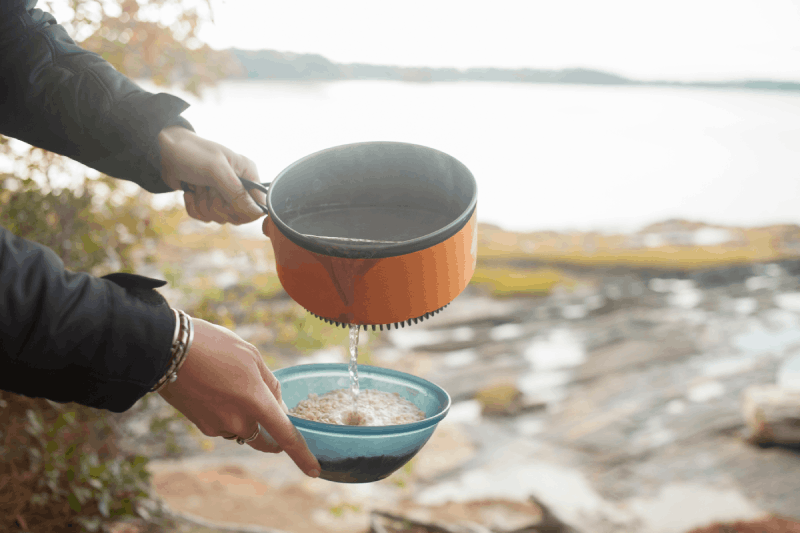
In the wild, water can sometimes be more valuable than gold. Instead of the classic "1 to 2" ratio for cooking quinoa, you can try the "steaming" method. Put just enough water in the pot to cover the quinoa by a finger's width, bring it to a boil, and then turn off the stove. Wrap the pot in a towel or the corner of your sleeping bag (pot cozy method) and let it steam with its own heat. This method prevents water from evaporating. You won't have to strain the remaining water, as quinoa absorbs all the nutritious water. Thus, you save water and prevent vitamin loss.
Which Local Herbs Should Be Used in Mediterranean-Style Quinoa Bowls?
Transforming a camping bowl into a gourmet dish boosts your morale in nature. For a Mediterranean-style bowl, dried thyme, mint, and even a small container of rosemary that you bring along can work wonders. If the area where you are camping is rich in local vegetation, adding fresh wild mint or thyme that you can safely forage elevates the flavor to a whole new level. The earthy taste of chickpeas combined with the nutty notes of quinoa creates a flavor explosion that offers restaurant comfort in the camping environment when combined with these fresh or dried herbs.
How Does Spiced Roasted Chickpeas Add Depth to the Camping Bowl?
Chickpeas have the ability to absorb spices like a sponge. Instead of simply boiling chickpeas at camp, roasting them in a small pan with cumin, smoked paprika, and turmeric turns them into the main character of the dish. Smoked paprika brings the smoky flavor of the campfire to your meal. Cumin adds flavor while minimizing the bloating and gas issues that legumes can cause. If you also have garlic powder on hand, roasting the chickpeas with this mixture for 2-3 minutes before combining them with quinoa ensures that your meal is as satisfying as it is nutritious.
How Should Cooked Quinoa and Chickpea Mixture Be Stored According to Weather Conditions?
If you have cooked too much food at once, storage conditions are critical for your health. In summer camps, cooked quinoa and chickpeas should not be left at room temperature for more than 4 hours, as their high protein content is ideal for bacterial growth. You can create a "natural refrigerator" by keeping leftover food in a shaded area, preferably in cold water (without letting water enter). In winter camps, there is a risk of freezing; in this case, it will be sufficient to store your food in a way that prevents it from freezing in the inner compartments of your backpack for reheating at your next meal.
How to Prepare One-Pot Camping Bowls?
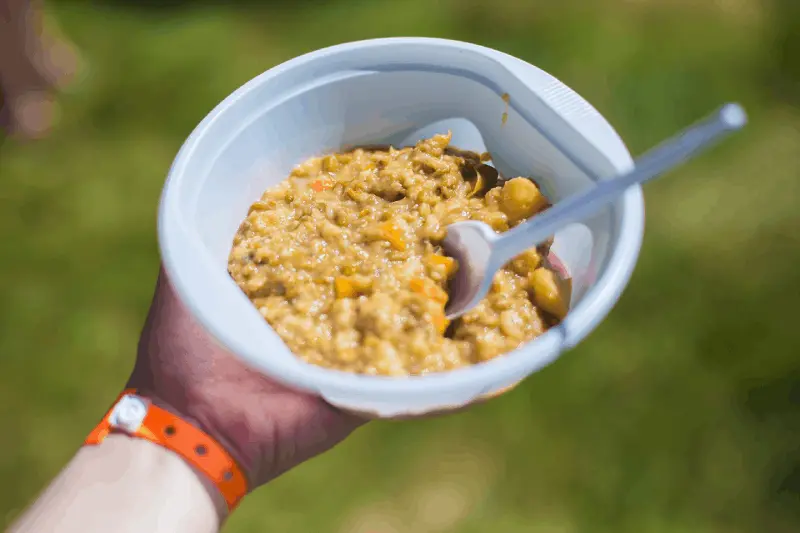
Washing dishes in the camping kitchen is the least favorite task. The "one-pot" technique reduces the number of dishes and allows flavors to meld together. First, you can boil chickpeas and hard vegetables (like carrots) in a little water, then add quinoa to the same pot without draining the water. Quinoa absorbs the flavorful water containing the aromas of the vegetables and chickpeas, making it much tastier. When all the ingredients are cooked at the same time, simply cover the pot and let it rest for 5 minutes. You will have completed this nutritious meal with just one spoon and one pot.
What Are the Secret Ingredients That Increase Caloric Density for Long-Distance Hikes?
Some days you may hike more than 20 kilometers, and a standard meal may not satisfy you. In such cases, you need to add caloric density to your quinoa-chickpea bowl. A tablespoon of tahini not only adds flavor but also provides healthy fats. Dried tomatoes add acidity and a rich sugar content to the bowl. Additionally, adding crushed walnuts or pine nuts increases the calorie count you get in each bite while also creating texture variety. These "secret" ingredients can raise the total calories of your bowl from 400 to 700, ensuring you are ready for the next day.
How Are Quinoa and Chickpeas Valued in Camping Kitchens with the Zero Waste Principle?
Protecting nature is every camper's duty. You can even value the water waste created when using quinoa and chickpeas. The soaking water of chickpeas (aquafaba), if you have the opportunity to whip it (or shake it vigorously in a jar), can be whipped into a froth for your coffee. The water you used to rinse quinoa can be used to clean your dishes instead of pouring it on plants (be careful due to the saponin content). Additionally, carrying all ingredients in portioned ziplock bags allows you to complete your camping without accumulating any packaging waste.
Can You Have a Protein-Packed Breakfast with Sweet Quinoa Bowls?
Quinoa is not only great in savory dishes but also shines in breakfasts. You can soak quinoa in milk (or powdered milk) instead of water and add roasted or soaked hazelnuts instead of chickpeas to create a sweet start. This bowl, flavored with dried fruits, honey, or molasses, offers a fantastic alternative to oatmeal. The high protein content of quinoa ensures that you feel full throughout the day when consumed in the morning. This is the most practical way to provide the long-lasting energy you need on days when you will be doing peak climbs.
What Role Do Quinoa and Chickpeas Play in Creating an Economical Camping Menu?
Camping gear can be expensive, but camping meals should be budget-friendly. Although quinoa may seem like a "luxury" grain, a cup of quinoa yields about four servings of food. Chickpeas are one of the cheapest protein sources in the world. A menu based on this duo will cost much less than expensive canned camping meals (freeze-dried meals). When you prepare your own mixes at home and portion them out, you know exactly what you are eating and can feed yourself for the entire camping week with a third of the money you would spend on ready-made packages.
How Should the Heat Setting Be Adjusted in Camping Stoves to Achieve the Right Consistency of Quinoa?
Camping stoves often burn either too hot or go out in the wind. To achieve that ideal "fluffy" and slightly firm consistency of quinoa, you need to bring the stove's heat down to the lowest setting after the water has boiled. If your stove is not efficient on low heat, you can use a diffuser or set up a system that holds the pot slightly above the flame. When you see that small white ring in the center of the quinoa grains, it means cooking is complete. At this stage, turning off the stove and letting the pot rest in its steam is the most important step to guarantee perfect consistency.
Why Should Quinoa Be the Basis for Gluten-Free Camping Menus?
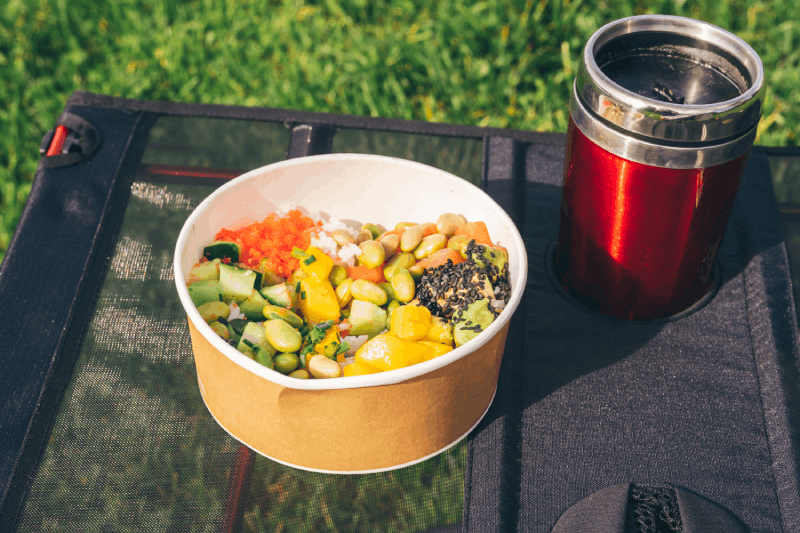
For campers who must eat gluten-free, quinoa is a lifesaver. While traditional camping foods like pasta or bulgur contain gluten, quinoa is naturally gluten-free. By packaging quinoa at home to avoid cross-contamination, you can prevent experiencing stomach and intestinal sensitivities while camping. When combined with chickpeas, you get a gluten-free but highly filling meal. This situation enhances the quality of your time spent in nature by preventing possible fatigue and digestive issues that may arise during camping.
How to Create a Complete Menu Plan for Vegetarian and Vegan Campers?
It is difficult to store and cook meat products in the wild; therefore, vegetarian or vegan options are always more practical. Quinoa and chickpea bowls can meet all your body's protein needs without any animal products. You can prepare a vegan feast by bringing along dried vegetable mixes, nutritional yeast, and a bit of olive oil. Nutritional yeast adds a cheesy flavor to the bowl while also providing B12 vitamin support. With this strategy, you can avoid the need to carry a cooler and lighten your backpack.
How to Prevent Heat Loss When Preparing Hot Bowls in Winter Camping?
Cold weather can cause your meal to turn icy before you even take your first bite. When preparing quinoa and chickpea bowls in winter, you should pre-warm your bowl with hot water. Additionally, opting for insulated plastic or titanium containers instead of metal camping bowls helps retain the meal's heat for a longer time. Instead of immediately opening the lid after cooking, placing the pot in an insulated cover and waiting for 2-3 minutes helps the heat concentrate in the center. Remember, a hot meal not only fills your stomach but also boosts your morale by raising your body temperature.
How to Make Cold Quinoa and Chickpea Salad Refreshing in Summer Camping?
Heavy and hot meals can sometimes dampen your appetite under the heat. In such cases, you can let the quinoa and chickpeas you cooked in the morning cool down and consume them as a "cold bowl". By adding finely chopped salad greens, tomatoes, and plenty of lemon juice, this salad helps maintain your body's electrolyte balance. The acidity of lemon lightens the heavy taste of chickpeas in the heat. If there is a water source nearby, you can achieve a natural cooling effect by keeping your salad in the water inside a ziplock bag, turning your break into a real picnic.
Which Is Better for Camping Gear: Titanium or Aluminum Pots?
The choice of pot directly affects cooking performance. Aluminum pots heat up very quickly and distribute heat evenly, preventing quinoa from burning on the bottom. However, titanium pots are much lighter; conversely, they can cause "hot spots". If you are using titanium, you should stir the quinoa frequently and not keep the heat too high. For foods that require delicate cooking like quinoa and chickpeas, aluminum or non-stick coated pots are generally more user-friendly in terms of cleaning and consistency.
What Is the Effect of Using a Windscreen on Cooking Efficiency in Camping Stoves?
Wind can reduce the heat of a camping stove by up to 50%. You need a stable heat when cooking quinoa. A simple aluminum windscreen saves fuel by shortening the boiling time of water. If you don't have a windscreen, you can create a protective area by using natural stones around your stove or your backpack. This ensures that quinoa absorbs water evenly and that the chickpeas do not remain hard. Stable heat is the most critical factor that prevents the outside of the grains from softening while keeping the inside chewy.
How to Add Character to Camping Bowls with Homemade Sauces?
The sauce is what makes a camping bowl unforgettable. To avoid the hassle of preparing sauces at camp, you can prepare small "sauce tubes" at home. A sauce made from mustard, honey, olive oil, and apple cider vinegar pairs perfectly with quinoa and chickpeas. Another option is a mixture of soy sauce, sesame oil, and ginger; this sauce adds an Asian touch to the bowl. Carrying sauces in small lidded jars or airtight bags prevents your meal from drying out and makes every meal feel like it comes from a different kitchen.
How Does Adding Nuts to Quinoa Bowls Provide Texture Variety?
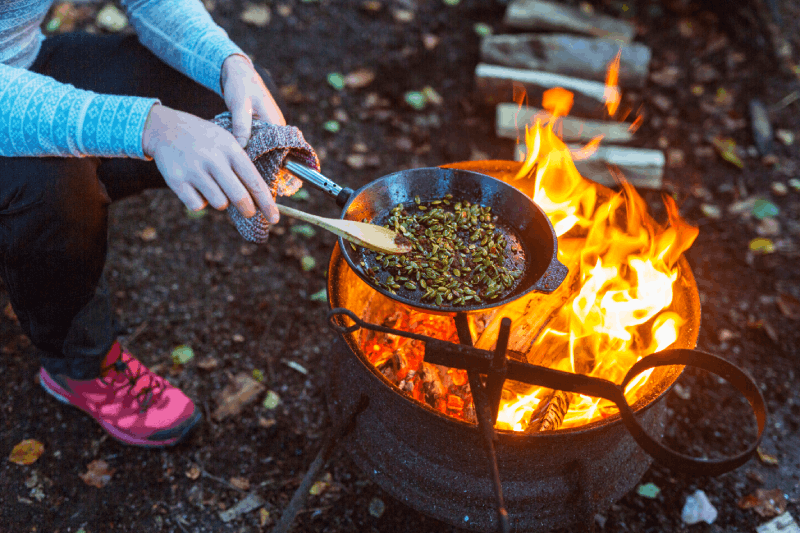
Having only soft textures in a meal can become monotonous after a while. To create contrast with the soft texture of quinoa and chickpeas, adding a handful of crunchy almonds, hazelnuts, or pumpkin seeds provides a "crunchy" element. Nuts are also rich in magnesium and vitamin E, which help muscles recover after physical activity. Especially roasted peanuts add unexpected depth and flavor to chickpea bowls. That crunch you experience makes the act of eating more enjoyable and satisfying.
How Can We Increase Omega-3 Value with Seed Supplements?
Superfoods like chia seeds or flaxseeds elevate the nutritional profile of your quinoa-chickpea bowl. These seeds add almost no weight but provide high amounts of Omega-3 and fiber. Sprinkling a tablespoon of chia seeds on top of the soaked quinoa absorbs the sauce in the bowl and creates a thicker consistency by gelling. This is an excellent strategy for maintaining gut health during long camping trips when digestion tends to slow down. This "seed mix" that you carry in a small bag is a versatile additive for all your meals.
What Is the Practicality of Lemon Powder or Dried Lemon in Camping Cooking?
Carrying fresh lemons can sometimes lead to them getting crushed or becoming heavy in your bag. Instead, real dried lemon powders that you can find in gourmet markets or prepare at home, which do not contain citric acid, provide the needed fresh acidity to quinoa and chickpeas. The acidity cuts through the heavy taste of legumes and leaves a refreshing flavor in the mouth. Additionally, adding dried lemon slices to the cooking water allows the flavor to infuse into the quinoa. This small touch balances the flavor profile of the dish and gives the impression of a professional chef's touch.
Which Oils Should Be Preferred to Increase Caloric Density?
Oils are the most efficient energy source in backpacking (1 gram of fat = 9 calories). The quality of the oil you add to your quinoa bowl is important for both your health and flavor. Extra virgin olive oil is a classic choice and has anti-inflammatory effects. However, if you want more calories and a different flavor, you can use ghee, or clarified butter. Ghee is resistant to spoilage and adds an incredible buttery-nutty flavor to the bowl. Especially in cold weather, a spoonful of ghee added to your quinoa-chickpea mixture will help your body warm up.
How Should Quinoa and Chickpeas Be Processed to Ensure Digestibility?
Experiencing stomach issues in the wild is the last thing you want. The "saponin" substance in the outer layer of quinoa can give a bitter taste and may cause discomfort in some bodies. Therefore, you should always rinse quinoa thoroughly with a sieve or cheesecloth before cooking it at camp. For chickpeas, peeling the skins if possible or ensuring they are well-soaked reduces the risk of gas. Adding a pinch of cumin or a piece of ginger to the cooking water calms your digestive system and helps you sleep peacefully after the meal.
How Should Portion Sizes Be Determined When Camping?
In camping, "eyeballing" can sometimes lead to not having enough food or wasting it. As a general rule, half a cup of dry quinoa (approximately 80-90 grams) is sufficient per person. This amount yields about 1.5 cups when cooked. For chickpeas, a quarter cup of dry (or half a cup of soaked) chickpeas per person is ideal. These measurements, along with the vegetables and oils added, create an average meal of 500-600 calories. If you engage in very intense physical activity, the amount of quinoa can be increased by 20%.
What Should Waste Management and Packaging Strategies Be?
According to the "Leave No Trace" principle, you should take back everything left over from your meal. Quinoa and chickpea bowls are generally clean meals that can be consumed without leaving any leftovers in the pot. However, never bury food scraps in the campsite; as this can attract wild animals (bears, pigs, etc.) to your camp. You can dry your used ziplock bags inside out and reuse them at your next camp or repurpose them as trash bags. Starting your journey with minimal packaging also minimizes the amount of trash you will carry at the end of the camp.
How to Make Quinoa and Chickpeas Appealing to Kids During Camping?
Children can sometimes be resistant to "unknown" foods. Introducing quinoa as "little alien eggs" or "magic grains" may pique their interest. You can also roast chickpeas in a pan with a little sugar and tarator to turn them into "sweet surprises" at camp. Adding colorful corn or cheese pieces on top makes the bowl more visually appealing. When children prepare their own bowls (adding sauces, sprinkling nuts, etc.), their sense of ownership increases, and they will eagerly consume healthy foods they would normally reject.
What Are the Practicality and Safety Tips for Solo Campers?
When camping alone, safety and time management are everything. A solo camper should be able to cook even with one hand. Having quinoa and chickpeas pre-mixed in a bag reduces the margin for error in the dark or when tired. Simply adding water and boiling is a low-risk method for solo campers. Additionally, while waiting at the stove, you should not neglect to observe your surroundings and keep the pot lid closed to prevent the smell of food from spreading too much. A practical meal minimizes the chances of accidents that can occur while camping alone.
How to Turn Quinoa Bowls into a Buffet for Large Groups?
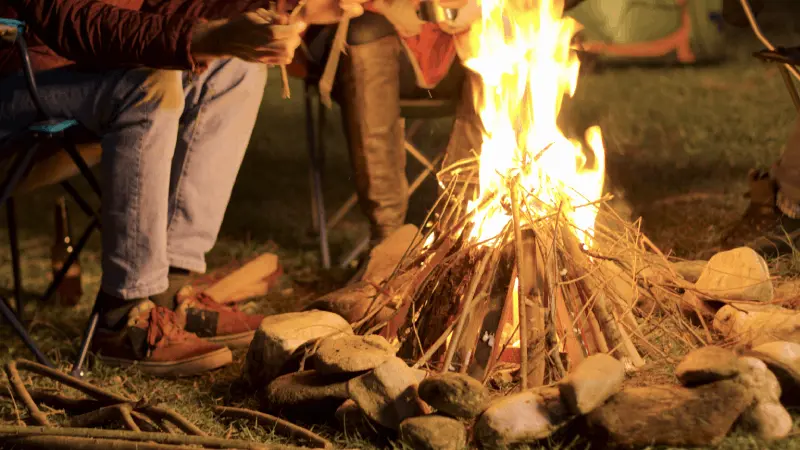
If you are camping with a group of 5-10 people, quinoa and chickpeas can be cooked in a large pot as the "base". You can create a "camp bar" by spreading out various toppings (olives, dried meats, cheese, sauces) that everyone can add to their own bowls. This caters to everyone's taste and makes the cook's (or whoever is on duty that day) job easier. This method enhances group interaction and makes conversations around the campfire even more enjoyable.
What Is the Positive Effect of Visual Presentation on Camping Psychology?
A beautifully presented meal in challenging outdoor conditions serves as a psychological reward. Even in a titanium bowl, a sprinkle of fresh parsley or colorful spices on top sends a message to your brain that says, "I am safe and taking care of myself." An aesthetically pleasing plate is a source of dopamine that makes you forget camping fatigue. Especially if you love taking photos for social media, the shine of quinoa grains and the golden color of chickpeas at sunset provide one of the most beautiful frames that immortalize your camping moments.
What Is the Effect of Quinoa and Chickpeas on Sleep Quality as a Night Snack?
Camping nights can sometimes be cold and restless. Consuming a small bowl of quinoa and chickpeas a few hours before bed can help relax your muscles and promote better sleep due to the magnesium and tryptophan content. Complex carbohydrates provide a steady release of energy that keeps your body temperature stable throughout the night. This prevents you from waking up hungry in the middle of the night. However, you should avoid very spicy foods; as they can make it difficult to sleep due to heartburn. A lightly sauced night bowl is the key to deep sleep in nature.
Why Are Quinoa and Chickpeas Critically Important for Blood Sugar Balance?
Sweet snacks or foods made with white flour (like instant noodles) can quickly spike blood sugar levels and lead to sudden fatigue and irritability while camping. The low glycemic index of quinoa and chickpeas ensures that energy is released gradually into the bloodstream. Thus, a bowl of quinoa you eat at lunch continues to provide you with energy during the challenging afternoon hike. These "slow-release" energy sources are your most reliable fuels in nature for maintaining stable mood and physical performance.
How to Add Umami Flavor to the Bowl with Dried Mushroom Additions?
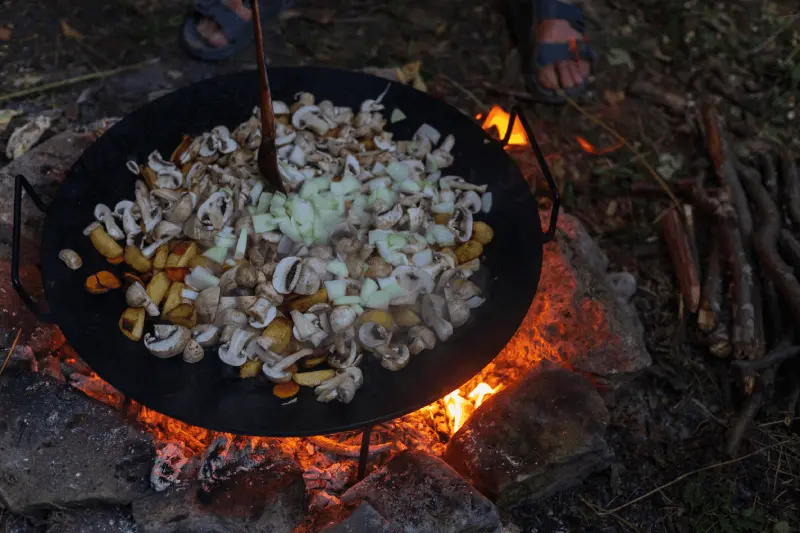
In vegetarian dishes, sometimes that "meaty" depth is sought. Adding dried porcini or cultivated mushrooms to the water you soaked quinoa in adds that rich "umami" flavor to the bowl. As the mushrooms rehydrate with water, they leave their aromas directly on the quinoa grains. Combined with the texture of chickpeas, mushroom pieces make your camping meal as filling and characterful as a hunter's dish. Additionally, dried mushrooms are very lightweight and take up almost no space in your backpack, making them a strategic camping ingredient.
What Seafood Pairs Well with Quinoa Bowls When Camping by the Sea?
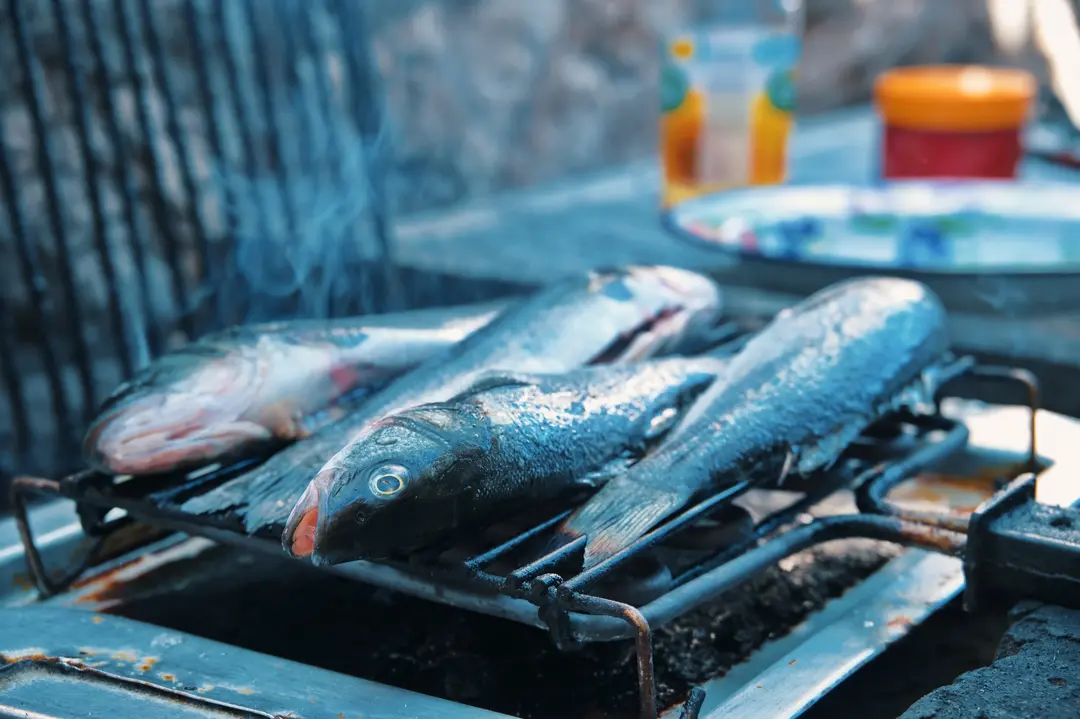
If you are camping by the sea and have access to fresh ingredients (or if you are carrying canned goods), adding tuna or shrimp to your quinoa and chickpea bowl creates a fantastic harmony. As the oil from the tuna blends into the quinoa, the chickpeas balance the flavor of the fish. A sprinkle of sea salt and lemon makes this bowl carry the spirit of the seaside camp to your plate. This protein-packed bowl, combined with the iodized scent of sea air, is the most natural way to replenish lost minerals after a long swim.
How Should Fire Safety and Meal Preparation Be Handled When Cooking in the Forest?
When cooking in the forest, the direction of the wind and the ground are very important. You should set up your camping stove on a surface that is not covered with dry leaves, preferably a rocky surface. Since quinoa and chickpeas are quick-cooking foods, the time you spend at the stove will be shorter, reducing the risk of fire. Make sure to completely extinguish the stove as soon as cooking is finished. Also, be careful that the smell of food is away from your campsite; as some wild animals have a sense of smell thousands of times more developed than ours.
How Can Local Ingredient Integration Give Regional Flavor to Camping Bowls?
You can customize your bowl with small additions from the local market of the area you are camping in. For example, if you are in the Aegean, a bit of fresh ricotta cheese and olives; if you are in the Black Sea, roasted peppers or a local cheese type pair wonderfully with quinoa and chickpeas. These local touches help you connect with the geography you are camping in and ensure that each camping experience has its unique flavor. Supporting local producers and eating fresh ingredients is also part of sustainable camping.
What Should Be Done to Preserve the Nutritional Value of Soaking Water?
Never strain and discard the water you soaked quinoa and chickpeas in. This water contains vitamins, minerals, and amino acids in their soluble form. Cooking by completely draining the water using the "rice technique" ensures that all the nutritional value remains in the food. If you accidentally added too much water, you can open the stove's flame to drain the water or add a bit of instant potato puree powder to turn the water into a thick sauce. This way, you prevent nutrient loss and ensure that no food goes to waste.
How to Prepare an Ideal "Checklist" for Practical Camping Bowls with Quinoa and Chickpeas?
When preparing for camping, having a list is essential to ensure you don't forget anything. Your list should include; rinsed quinoa, pre-soaked or dried chickpeas, airtight oil container, spice mix (salt, pepper, chili flakes), nuts, dried vegetables, and your favorite sauce. Additionally, a lightweight pot, a windscreen, and a long-handled camping spoon (to reach the bottom of the pot) are must-haves on your gear list. With this list, you can check everything before leaving home, saving you from the hassle of saying "I wish I had brought that" in nature.
Healthy and Happy Adventures with Quinoa and Chickpea Practical Camping Bowls!
Preparing quinoa and chickpea bowls at camp is not just a dietary choice but also an indicator of quality of life. It is up to you to make the time you spend in nature more efficient, energetic, and delicious. By applying the tips in this guide, you can feel like a chef even after the toughest trails. Remember, a good meal is the beginning of the most beautiful stories shared around the campfire. Get your preparations done, pack your backpack, and enjoy the taste of these unique flavors in the arms of nature!