Why is Grilled Pepper and Tomato Breakfast Sauce Indispensable in Camping?
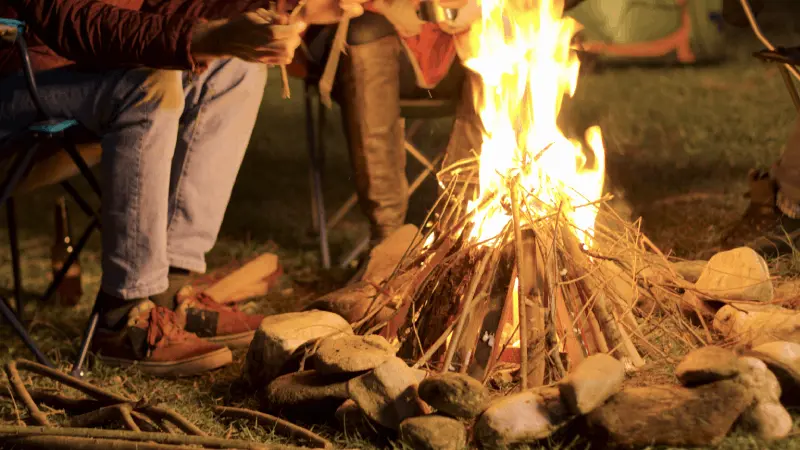
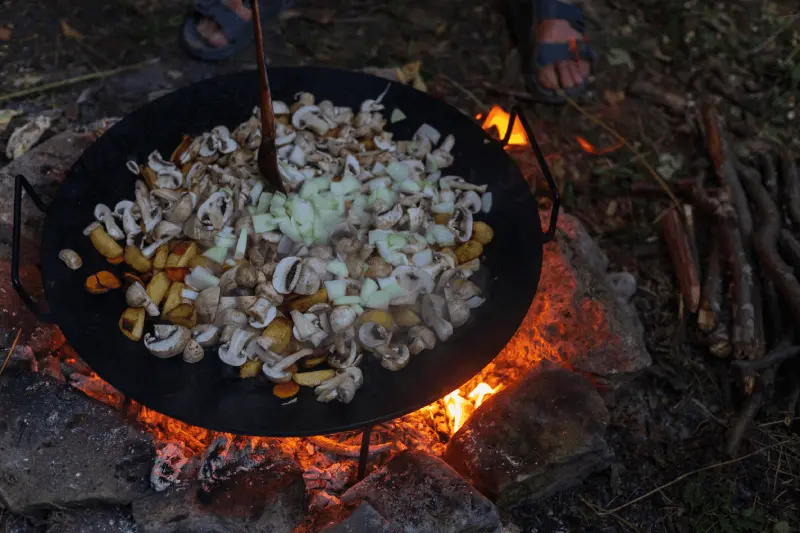
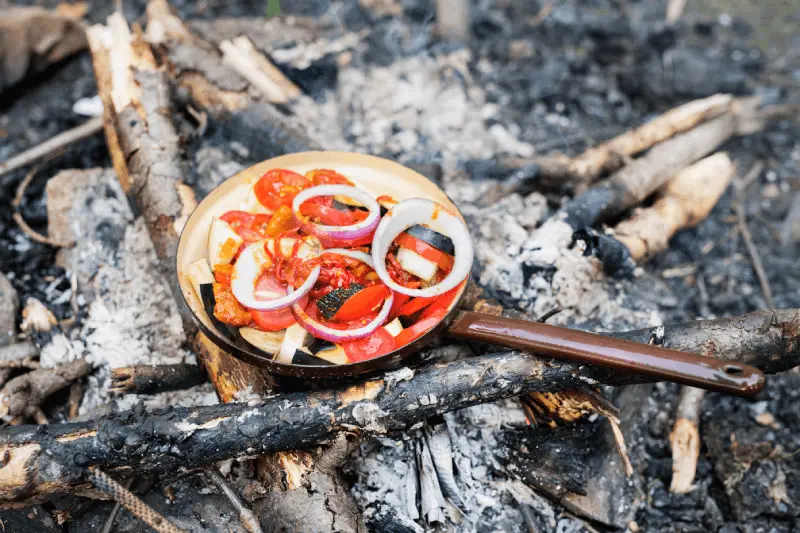
On a morning when you wake up in the embrace of nature, a breakfast sauce prepared in harmony with the crackling of the campfire in front of your tent is not just a dish but also an experience. When you distance yourself from the chaos of city life, your senses sharpen, and the smoky aroma that the wood fire imparts to the vegetables offers a depth that cannot be replicated in modern kitchens. The combination of the sweetness of grilled peppers and the acidic structure of tomatoes enhances your morning energy while also aiding digestion. Additionally, the process of preparing this sauce transforms into a shared activity with the camping team, strengthening social bonds. The dance of vegetables over the fire, the scents spreading through the forest, and that first bite spread over a freshly baked bread represent the spirit of camping.
Which Ingredients Best Reflect the Flavor of Grilling?
Choosing the right ingredients is crucial for a perfect camping sauce. Meaty and red bell peppers are the backbone of this sauce as they provide a rich sweetness and texture when grilled. For tomatoes, it is essential to use juicy ones that are not too thin-skinned, preferably field tomatoes; because they need to maintain their shape under the high heat of the grill. Additionally, large cloves of garlic should be caramelized by cooking in their skins at the edge of the fire. A quality extra virgin olive oil acts like a golden chain that connects all these grilled flavors together. If available, fresh oregano or wild thyme adds the finishing touch that enhances the sauce's richness. The freshness of the ingredients, combined with the smoky character of the campfire, results in a gourmet outcome.
What are the Key Points for Grilling Peppers and Tomatoes Over Fire?
The most fundamental rule is to place the vegetables over the glowing embers instead of throwing them directly into the flames. While the flames can burn and scorch the vegetables, the glowing embers cook them slowly from the inside, imparting that famous smoky flavor. The peppers should be evenly charred on all sides; this ensures that the skins can be easily peeled off. Since tomatoes soften more quickly than peppers, it is wise to place them on the cooler edges of the fire. Using a long spatula to turn the vegetables frequently during grilling ensures your safety and prevents the texture of the vegetables from being compromised. Remember, don’t be alarmed if the outer skins of the vegetables look completely burnt; beneath that black layer lies an unparalleled flavor.
What Equipment is Necessary for Making Sauce Over a Campfire?
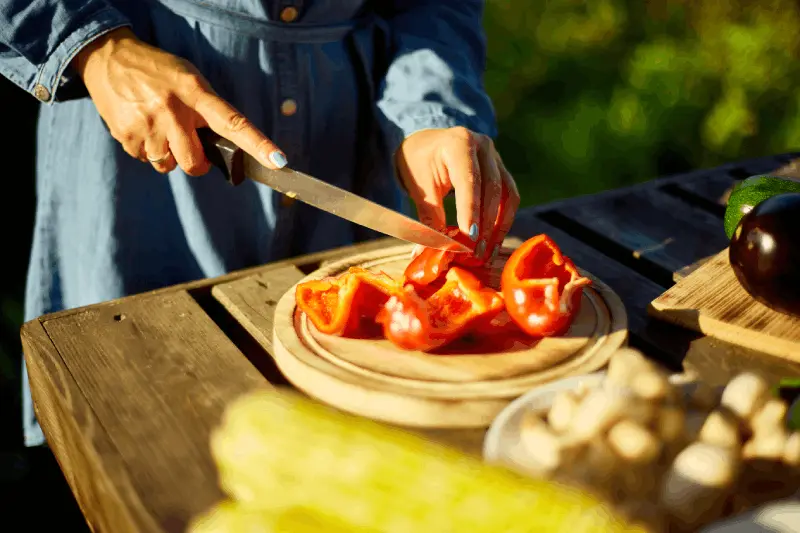
Even if you are a minimalist camper, you will need some basic tools for a good breakfast sauce. First and foremost, a sturdy camp grill or a "bushcraft" style hanging system will make your job much easier by holding the vegetables over the embers. A sharp knife and a large cutting board are essential for peeling and chopping the vegetables. A cast iron skillet is best for mixing all the sauce ingredients and lightly sizzling them at the edge of the fire; because it distributes heat evenly. Additionally, a sealable container or a clean cloth bag to let the grilled vegetables rest for a while helps in easily separating the skins. For mixing, a wooden spoon prevents metal from reacting with the vegetable acids.
What Methods are Used to Easily Peel the Skins of Peppers?
The most practical way to reach the delicious meaty part of grilled peppers is the "sweating" technique. Place the hot peppers you take from the fire immediately into a pot and cover it, or wrap them in a paper bag. After about 10-15 minutes of resting in their own steam, the skins of the peppers will naturally separate from the meaty part. If your water is limited while camping, lightly coating your hands with olive oil while peeling the skins helps retain the valuable juices in the peppers. Avoid washing the peppers while peeling; because water will wash away that smoky aroma imparted by the fire. If some small black bits remain, don’t worry; these bits will add an authentic look and extra flavor to your sauce.
Which Spices and Herbs Should be Preferred to Flavor the Sauce?
To balance the heaviness of the grill, refreshing aromas should be chosen. Cumin pairs excellently with grilled vegetables and facilitates the digestion of the sauce. Red pepper flakes or smoked pepper can further enhance the character of the sauce. If you can find wild oregano or rosemary in the area where you are camping, adding these fresh herbs will elevate the flavor to the next level. Sea salt or coarse kosher salt helps the vegetables release their juices and allows the flavors to meld together. Adding a bit of sugar or honey balances the acidity of the tomatoes, creating a more harmonious flavor profile. Finally, freshly ground black pepper leaves a pleasant warmth on the palate with every bite, enhancing the depth of the sauce.
How Do Garlic and Olive Oil Affect the Consistency of the Sauce?
Garlic is the soul of this sauce, but it should be grilled rather than added raw. Garlic left with its skins at the edge of the fire becomes soft and creamy, losing its sharp smell and gaining a sweet, nutty aroma. When you mash these softened garlic cloves with olive oil, it creates an emulsion-like structure within the sauce, binding the other vegetables together. It is important to keep the amount of olive oil generous; because oil not only adds flavor but also fills the gaps between the vegetables, giving the sauce a silky texture. When a quality oil is used, the sauce will have an appetizing shine even at room temperature. You will notice that it carries all the flavors in a homogeneous way.
How Does Adding Walnut or Hazelnut to the Sauce Change Its Flavor?
If you are looking for a little more than a classic roasted sauce, the touch of dried fruits is just for you. Chopped walnuts create a crunchy contrast within the soft vegetable texture, enriching the dining experience. The oily structure of the walnuts balances the sweetness of the roasted pepper and adds a satisfying "umami" flavor to the sauce. Hazelnuts, on the other hand, offer a more aromatic and lighter flavor profile. Lightly roasting the dried fruits in a camp pan before adding them to the sauce brings out their oils, making the flavors more pronounced. This addition can transform the sauce from just a side dish into a standalone dish; especially when spread on bread, the feeling of fullness it provides is a great source of energy before long journeys.
How Can We Store the Sauce Prepared at Camp Without Spoiling for a Long Time?
Since the refrigerator option is limited at camp, storing the sauce is a strategic issue. If you will consume the sauce you prepared immediately, there is no problem, but if you want to leave it for the next day, you must definitely add a layer of olive oil on top. Olive oil prevents oxidation and bacterial growth by cutting off the sauce's contact with air. It is important that the container you will put the sauce in is sterile; therefore, cleaning your jar with steam or hot water is a good idea. Keeping the sauce away from direct sunlight and, if possible, storing it in a cool spot by the water or in the shade at the campsite will extend its life. Still, due to the fresh vegetables inside and low acidity, it is recommended not to keep such sauces at camp for more than 2-3 days.
Which Camp Breads Go Well with Roasted Sauce?
The best companion for this legendary sauce is a freshly baked bread over the fire. Especially a sourdough bread baked in a camp Dutch oven absorbs the sauce's juices and creates a perfect harmony. If you are looking for a more practical solution, flatbreads quickly prepared in a pan or pita bread thrown on the grill also go great with the sauce. Brushing the surface of the bread with a bit of butter or olive oil and lightly toasting it over the fire enhances the flavor of the roasted sauce spread on top. The smoky taste of the wood fire creates a complete flavor harmony in your palate, both in the bread and the sauce. Dipping the bread directly into the sauce pan is one of the most enjoyable rituals at camp.
What Is the Secret to Slow Cooking the Sauce Over a Wood Fire?
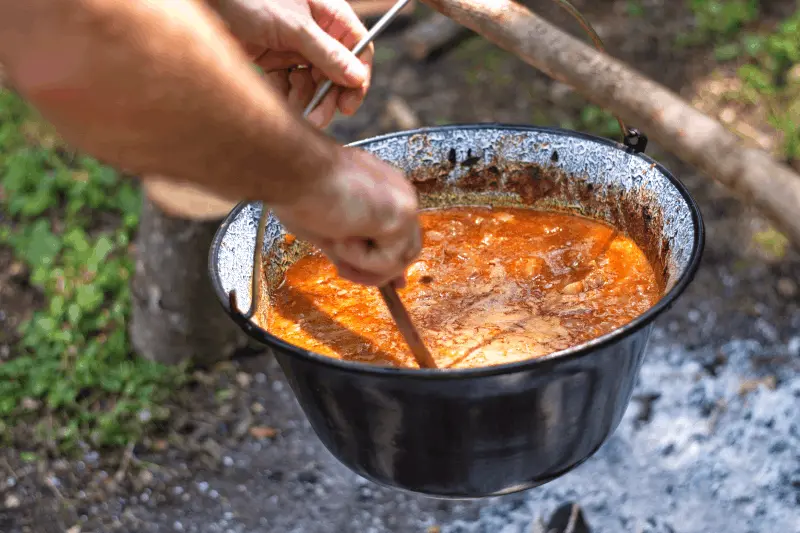
After roasting and grilling the vegetables, combining them in a pan and letting them steep in the coolest corner of the fire is the stage that "settles" the sauce's flavor. At this stage, the vegetables release their own juices and blend with the spices you added. "Slow cooking" allows the sugars in the tomatoes to caramelize and deepens the flavors of the peppers. Keeping the lid of the pan closed during this process helps retain that precious smoky steam inside the sauce. Patience is the most important ingredient in camp cooking; a 20-30 minute steeping process over low heat offers a much richer and more intense flavor compared to a hastily prepared sauce. When the sauce thickens and the oil rises to the surface, you can understand that you have achieved the perfect result.
Which Pepper Varieties Should Be Included for Those Who Love Spiciness?
If you want to start your mornings with a "fire," adding spicy peppers to your sauce is a great idea. You can add a few hot peppers or Mexican-style jalapeños alongside classic bell peppers. However, the best results for roasting over a campfire come from the meaty "Albanian pepper" or large "Şili peppers." When these peppers are roasted, their spiciness softens a bit and gains a smoky depth. To balance the spiciness in the sauce, it is important to remove the seeds from the peppers and finely chop them. For a more controlled spiciness, using dried and crushed red pepper flakes or burning red pepper flakes in olive oil and drizzling them over the sauce is also quite an impressive method.
What Should Be Done to Preserve the Color and Brightness of the Sauce?
Although the roasting process naturally darkens the color of the vegetables, it is possible to preserve the appetizing red-orange brightness of the sauce. The biggest secret to this is adding a few drops of lemon juice or quality apple cider vinegar to the sauce towards the end of the cooking process. Acidity stabilizes the color pigments of the vegetables and makes the sauce appear brighter. Additionally, carefully cleaning the charred skins of the peppers after roasting prevents gray or black cloudiness from forming in the sauce. Adding olive oil at the final stage as a drizzle also gives the sauce a fresh shine. Preparing the sauce without overly mashing it, leaving the vegetable pieces distinct will result in a visually more appealing and flavorfully layered outcome.
Besides Breakfast, In Which Dishes Can This Sauce Be Used?
This versatile sauce is like a "wild card" player in camp cooking. Besides being spread on bread for breakfast, it makes a perfect garnish alongside grilled meat, chicken, or fish for dinner. If you add a few tablespoons of this sauce after draining your pasta and mix it, you will have a quick and gourmet dinner. Additionally, pouring this sauce over the potatoes you grilled over the campfire can create a wonderful base for potato salad. In fact, by adding a bit of water and broth and blending it (or mashing it with a fork), it can turn into a fantastic roasted vegetable soup. In short, once you prepare it, it is a flavor reservoir that can accompany you in every meal of the day.
What Are the Spiritual Benefits of Cooking Outdoors and What Is the Role of the Sauce?
Camp cooking is not just about filling our stomachs; it is also an escape from the stress of the modern world. It is a way to reconnect with nature. Sautéing vegetables one by one, patiently peeling their skins, and waiting for the sauce to thicken is like a form of meditation. During this process, your attention is focused solely on the moment, the warmth of the fire, and the aroma of the food. This state of "mindfulness" provides mental relaxation. Preparing a sautéed sauce satisfies the primal instinct of "cooking over fire," one of humanity's most primitive habits. When this activity is over and you share that delicious sauce you prepared with your loved ones, the happiness given by the chef and the peace offered by nature combine to nourish your soul.
How Can the Nutritional Value of This Sauce Be Increased for Vegan Campers?
This sauce is naturally vegan, but it can be made more filling for long camping days by increasing its nutritional value. Adding cooked lentils or crushed chickpeas to the sauce significantly increases the protein content and gives the sauce a richer texture. Adding nutritional yeast gives the sauce a slightly cheesy flavor while helping to meet your B12 vitamin needs. Additionally, seeds containing healthy fats, such as chia seeds or flaxseeds, enhance the sauce's consistency while providing omega-3 support. By adding plenty of fresh greens (parsley, dill), you can also enrich the variety of vitamins and minerals. A sauce prepared this way can turn into a complete protein and energy source even with just a slice of whole grain bread.
How Should the Flavor of the Sauce Be Balanced in Camps with Children?
Children may not enjoy strong smoky or very spicy flavors. In sauces prepared for them, cleaning the burnt skins of the peppers more carefully will lighten the smoky taste. Keeping the amount of tomatoes slightly higher than the peppers will make the sauce sweeter and more acceptable. Reducing the amount of garlic or completely puréeing the garlic can prevent children from encountering sudden and harsh flavors. Mixing in a bit of cream cheese or strained yogurt can soften the taste and give a creamy texture. This will both cut the acidity of the sauce and create a more enjoyable, familiar flavor profile for children.
How Can We Vary the Sauce with Seasonal Vegetables?
Although the base of the sautéed sauce is peppers and tomatoes, we should not overlook the other gifts of the season. For example, in the spring months, you can add sautéed fresh asparagus or fresh garlic shoots to the sauce. In the summer, adding eggplant can give the sauce a kind of "babaganoush" or "kebap" vibe; the softness of the roasted eggplant adds tremendous volume to the sauce. In the fall, adding roasted pumpkin slices can give the sauce an unexpected sweetness and a wonderful orange color. In winter camps (if you can carry the ingredients), soaking dried tomatoes in hot water and mixing them with roasted peppers can concentrate the flavor. Every season is an opportunity to add a new story to your sauce.
Is It Possible to Spread the Smoked Aroma Throughout Every Particle of the Sauce?
There are some technical details to feel the smoky aroma in every layer of the sauce. After the vegetables are sautéed, do not throw away the black liquid that comes out; this liquid is where the smoky aroma is most concentrated (just make sure there are no burnt skin pieces left in it). Additionally, while cooking the sauce in a pan, placing a small piece of mesquite or cherry wood (a non-burning, just smoking piece) inside the pan for a short time and covering it creates a "smoking" effect. Heating the olive oil over the fire with the vegetables helps the oil absorb the smoky aroma like a sponge. If this is not enough, you can guarantee this aroma with high-quality smoked chili flakes or smoked salt that you carry with you.
What Are Practical Ways to Clean Camping Equipment from Sauce Residues?
Cleaning after a pleasant meal is one of the least favorite parts for campers. However, you can speed up this process with some practical methods. Especially if you are using a cast iron pan, scrubbing the pan with a bit of water and a pinch of coarse salt while it is still warm right after the sauce is finished will help the residues come off easily. Using lemon peel to clean the cutting board where you peeled the pepper skins will both remove the odor and disinfect it. If your water is very limited, you can place the dirty equipment over the fire and wait for the residues to dry and char, then scrape it with a stick or paper towel. Remember, when cleaning in nature, always use biodegradable detergents and dispose of your wastewater away from water sources.
What Are the Differences Between Traditional Lutenitsa and Camping Style Sauce?
The famous Lutenitsa of the Balkans is usually a puréed and concentrated sauce obtained by cooking in large pots for hours. Our camping style sauce has a more "rustic" and fresh character. While Lutenitsa contains root vegetables like carrots and sometimes parsnips, camping sauce is generally made with the limited ingredients at hand (peppers, tomatoes, garlic). The biggest difference is in the cooking method; in the traditional method, vegetables can be baked or sautéed, but in camping style, everything comes into direct contact with the fire. This gives camping sauce a wilder, smokier, and more dynamic flavor. Additionally, in camping, the sauce is usually left chunkier so that the texture of the vegetables can be felt in the mouth, giving the dish a more natural form.
Does the Cooking Time of the Sauce Change at High Altitudes?
Yes, as altitude increases, the boiling point of water decreases due to lower air pressure, which affects cooking times. At camps above 2000 meters, the water inside the vegetables evaporates more quickly, while the softening of the vegetable fibers may take longer. In this case, keeping the lid of the pan much tighter while simmering the sauce or placing a weight (like a stone) on top can slightly increase the pressure and speed up cooking. Additionally, controlling the heat at high altitude can be more difficult due to the wind; therefore, when roasting vegetables, it is advisable to have a windbreak. Using the grill will prevent heat loss. Patience is required, and more frequent checks should be made to ensure that the vegetables are fully cooked.
What Should Be Done to Preserve the Vitamin Value of Grilled Vegetables?
While high heat generally causes vitamin loss, you can keep your sauce more nutritious with some simple precautions. Not keeping the vegetables on the fire longer than necessary and cooking them just until the skins turn black helps preserve the vitamin C in the inner part. Adding tomatoes last or cooking them less is another method; because the amount of lycopene (a powerful antioxidant) increases as tomatoes cook, but vitamins decrease. The olive oil you use in your sauce is actually a significant advantage in terms of nutrition, as it increases the absorption of vitamins A and E. Additionally, adding fresh parsley or dill after cooking the sauce brings fresh vitamins that have not been damaged by heat to your plate.
Should Bread Crumbs Be Used to Thicken the Sauce?
If your sauce is too watery or you want a more filling paste consistency, you can try adding bread crumbs, a traditional method. Crumbling a piece of dried bread on the edge of the fire and mixing it into the sauce absorbs excess moisture from the vegetables and adds body to the sauce. This method also makes the sauce's flavor softer and creamier. However, care should be taken when adding bread; too much bread can overpower that fresh grilled aroma. Alternatively, mashing some of the grilled vegetables with a spoon while leaving the rest chunky provides a natural thickness without requiring nostalgia. If you are looking for a gluten-free option, mashed and crushed potatoes will serve the same function.
How to Achieve the Perfect Cheese and Grilled Vegetable Pairing for Breakfast?
Grilled pepper and tomato sauce is like a love affair with cheese varieties. Especially a white cheese or tulum cheese that melts slightly with the warmth of the sauce is a calcium bomb that balances the acidity of the sauce. After plating the sauce, crumbling some goat cheese on top adds a wonderful depth with its unique aromas. If you are serving the sauce in a pan, placing a few slices of halloumi on top and grilling them or sprinkling some grated cheese on top at the last stage and covering it creates a visual feast. The salty nature of the cheese creates a balanced flavor explosion by highlighting the sweetness of the grilled vegetables.
How to Make Sauce with Zero Waste Principles in Nature?
When camping in nature, the basic rule is to use every resource efficiently and not leave trash behind. When preparing the sauce, tomato peels (if they are not too burnt) or the inner parts of peppers can be dried on the edge of the campfire and then burned; this also releases a pleasant aroma. By adding the juices of the vegetables into the sauce, you can prevent waste, and the leftover olive oil sauce can be used as a base for the pasta you will cook in the evening. Using pieces of bread to clean the containers you brought (to wipe them) reduces the pile of dirty dishes and ensures that no flavor goes to waste. Remember, a true camper takes only pictures from nature and leaves only footprints (and perhaps a charred fire spot) behind.
How Does the Smoky Flavor of Campfire Balance the Acidity in the Sauce?
Chemically, the smoke from the fire contains phenolic compounds, which reflect a "smoky" or "woody" taste on the palate. The natural malic and citric acids in tomatoes neutralize each other when combined with this smoky flavor. So, a very acidic tomato feels sweeter and softer when grilled. To take this balance further, adding a pinch of baking soda (very little!) to the sauce can completely break the acidity, but in nature, using a pinch of sugar or a bit of honey is a tastier way to maintain this balance. The smoky flavor defines the character of the sauce, while acidity keeps the sauce fresh on the palate; the dance of these two is the secret to your breakfast sauce's success.
What is the Effect of Resting the Sauce in a Jar on Its Flavor?
Time is the best chef. While eating the sauce immediately after making it is very enjoyable, putting it in a jar and letting it rest for a few hours (or overnight) allows the flavors to "marry." During the resting period, garlic, olive oil, and grilled aromas fully penetrate the fibers of the vegetables. If your camp will last a few days, you will notice that the sauce you prepared on the first day reaches a much more balanced and intense flavor on the second day. The oil in the cooled sauce can solidify, so to prevent this, gently warming it under the sun or away from the fire before consuming will help release the aromas again. The sauce that rests in the jar becomes not just a dish but a matured flavor bouquet.
What is the Cost of Preparing a Gourmet Breakfast in the Mountains?
The camp kitchen is actually the most economical gourmet restaurant. The total cost of a few kilos of capia peppers, a few tomatoes, a head of garlic, and the olive oil you brought from home is quite low. However, the experience these ingredients offer you is far beyond the numbers you would pay at the most luxurious restaurants. Here, the real cost is not money, but the effort put in; the time spent grilling the vegetables, the effort to control the fire, and the patience to listen to the silence of nature. Every second you spend preparing this sauce is actually an investment in yourself and your well-being. In the mountains, the taste of a sauce you made with your own hands cannot be measured by any material value in the world.
What is the Simplest Camp Sauce Recipe for First-Timers?
If you are new to this, avoid complicated recipes. Here is the most basic and guaranteed method: Throw 4 large capia peppers and 2 large tomatoes directly onto the grill. Turn them until the peppers are completely black and the tomatoes are soft. Let them rest in a bag for 10 minutes and peel off the skins. Vegetables Cut the vegetables with a knife. In a bowl, mix 2 crushed garlic cloves, half a tea glass of olive oil, a pinch of salt, and a pinch of oregano. That's it! This simple recipe will be enough to prove your skill and the miracle of fire. As you gain experience, you can add new ingredients and techniques according to your own taste to create "your own signature dip sauce." Enjoy!