Why is Cold Brew Coffee Indispensable in Caravan Life?
Living in a caravan means keeping pace with the rhythm of nature, and this rhythm often comes with high temperatures during the summer months. Since the interior volume of caravans is small, the outside heat can quickly infiltrate the inside. At this point, cold brew coffee is not just a source of caffeine, but also a lifesaver that balances body temperature and provides refreshment. The process of boiling water needed to prepare a hot espresso or filter coffee increases humidity and warmth inside the caravan; cold brew or iced methods eliminate this problem. Additionally, a cold and fresh drink is the biggest motivation for the driver to maintain high concentration during long hours on the road.
How to Choose Cold Brew Coffee Brewing Equipment for Small Spaces?
Caravan kitchens are quite limited in square meters compared to home kitchens. Therefore, when choosing equipment, "multi-functionality" and "durability" should be prioritized. Glass equipment is generally not preferred due to the risk of breaking on bumpy roads. Instead, brewing tools made from stainless steel or high-quality BPA-free polycarbonate materials should be selected. For example, the AeroPress, which can brew both hot and cold, is caravan-friendly due to its lightweight and small footprint. Additionally, measuring cups that can be nested and collapsible drippers save space in your drawers. It is also vital for caravan users with limited water tanks that the equipment is easy to clean.
Is it Possible to Prepare Cold Brew in a Caravan Without Electricity?
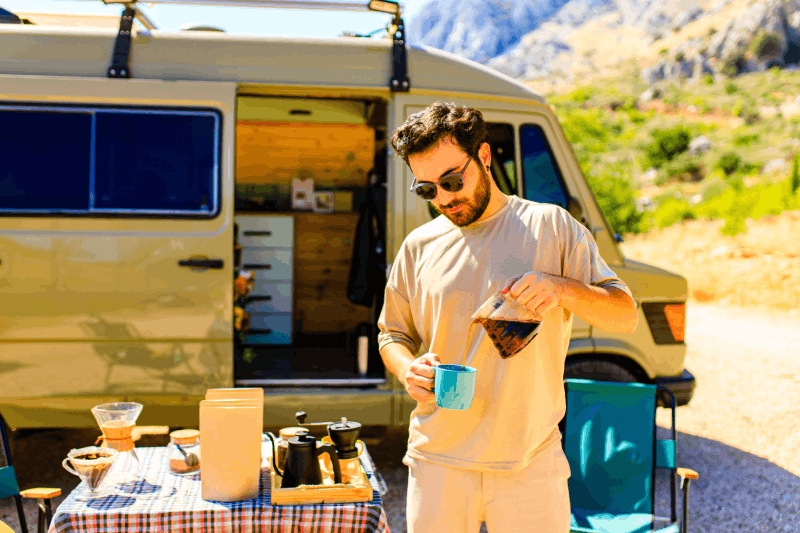
Cold brew, which is actually tailored for caravan life, requires no electric appliances or heat sources. All you need are coarsely ground coffee beans, water at room temperature, and a storage container. By mixing the coffee with water and letting it steep in a cool corner of the caravan or in the refrigerator for 12 to 24 hours, you will obtain a coffee concentrate with low acidity and rich aroma. This method is particularly energy-saving on cloudy days when solar panels produce low energy or when you are away from the campsite. The most practical way to start your day in the caravan is to simply strain the coffee you brewed in the morning and mix it with ice.
What is the Difference Between Freshly Ground Coffee with Portable Hand Grinders?
One of the most important factors determining the flavor of coffee is the grinding time. Coffee beans start to lose their aromas as soon as they are ground due to exposure to oxygen. Using an electric grinder in a caravan can be disadvantageous in terms of energy consumption and noise. However, high-quality, ceramic or steel-bladed portable hand grinders consume zero energy and allow you to prepare your coffee early in the morning without disturbing neighboring campers. By adjusting the grind size with hand grinders to coarse for cold brew and medium for AeroPress, you can enjoy the freshest taste in every cup. Additionally, using a hand grinder can turn into a meditative activity while enjoying the morning view in front of your caravan.
Which are the Most Efficient Coffee Machines Powered by Solar Panels?
If your caravan has a powerful inverter and sufficient solar panel capacity, you can opt for 220V machines with a low wattage rating of 12V or below. However, most professional coffee machines consume between 1500-2000 watts, which can quickly drain your batteries. For cold brew enthusiasts, portable espresso machines that consume low power (such as manual devices like Wacaco Nanopresso) are more sensible than capsule machines. These devices allow you to take an espresso shot without requiring energy, and you can combine this shot with ice and cold milk to prepare a fantastic Iced Latte. If you are going to buy an electric device, you can protect your energy budget by looking for travel-type filter coffee machines that draw low amperage.
How Should Leak-Proof Cold Brew Containers Be Used During Travel?
Everything inside the caravan moves during travel. Therefore, the leak-proof feature of cold brew brewing containers is critically important. While jars with screw caps and silicone seals (Mason Jars) are popular, they should be used with protective covers to prevent breakage during bumps. The safest option is stainless steel bottles with locking lid mechanisms. You can place the coffee inside these bottles during the brewing phase and secure them in a safe net or cup while driving. You can filter the coffee at a stop to keep it fresh. Leak-proof containers also prevent the coffee from absorbing the odors of other foods in the refrigerator, preserving aroma quality.
How to Keep Coffee Equipment Hygienic with Limited Water Availability?
In caravan life, water is more valuable than gold. Washing coffee equipment with plenty of water each time can quickly deplete your water tank and fill your gray water tank. To overcome this issue, it would be wise to resort to methods that use "paper filters." For example, when using AeroPress or V60, throwing away the paper filter leaves only a light residue in the equipment. After wiping this residue with a piece of paper towel, rinsing with a small amount of water is sufficient. When making cold brew, using disposable large filter papers instead of cloth bags minimizes the cleaning hassle. Using biodegradable detergents while cleaning your equipment also minimizes the trace you leave in nature.
What are the Efficient Ways to Freeze Ice Cubes in a Caravan Freezer?
Caravan freezers are generally small, and their performance can vary depending on the outside temperature. To obtain ice quickly, silicone ice cube trays should be preferred as they are flexible and do not waste energy when removing the ice. When placing ice trays in the freezer, leaving space between them for air circulation shortens the freezing time. Additionally, if you want to avoid diluting your coffee, you can fill ice trays with leftover coffee to make "coffee ice cubes." These cubes will not alter the flavor of your coffee when they melt; instead, they will enhance it. Minimizing the opening of the freezer door as much as possible helps maintain the cold air inside, allowing the ice to freeze faster and harder.
How to Prepare Quick and Intense Iced Coffee with AeroPress?
AeroPress is legendary among campers because it is both durable and versatile. For a quick iced coffee, you can use the "reverse brewing" method. Turn the AeroPress upside down, add finely to medium ground coffee, and brew for a short time with a small amount of hot water (about 80-85 degrees). Then, close the filter cap and press directly over a glass filled with ice. The moment the hot coffee touches the ice, it cools instantly and traps the aromas. This method is also known as "flash brewing." Unlike classic cold brew, this method brings out the bright acidity and juicy notes of the coffee better, and it only takes 2 minutes of your time.
How to Adapt the V60 Brewing Method to a Caravan Kitchen Counter?
Pour-over methods like V60 typically require a precise scale and a fine-tipped kettle (gooseneck kettle). However, it can be challenging to accommodate so much equipment on a caravan's narrow counter. To solve this, you can use collapsible silicone V60 drippers. Instead of a precise scale, getting used to the weight on the coffee package or using a standard tablespoon as a measuring unit can add practicality. If you don't have a fine-tipped kettle while pouring, small attachments that fit onto the spout of a standard kettle or very slow pouring techniques can work. Iced coffee made with V60 (Japanese-style iced coffee) is an excellent choice for after hot meals due to its clarity and lightness.
Is it Difficult to Make Iced Americano in a Caravan Using a Moka Pot?
The Moka Pot is a traditional Italian invention that works on the stove and performs wonderfully on gas stoves in caravans. If you want to make an Iced Americano in a caravan, the first step is to obtain a strong coffee concentrate with the Moka Pot. The most important point to pay attention to is to hold the bottom part under cold water immediately after brewing to stop the cooking process; this prevents a burnt taste. Slowly pour the strong coffee you prepared into a large glass that you have previously filled with ice and water. The rich and smoky flavor provided by the Moka Pot offers a very characterful cold coffee experience when combined with ice. Although cleaning it can be a bit of a hassle, the espresso-like richness it provides is worth it.
How Should Plant-Based Milks Be Stored and Used in Caravan Conditions?
Storing animal milk in a caravan can be risky if the refrigerator's performance is low. At this point, plant-based milks (oat, almond, soy) provide a significant advantage as they can be stored at room temperature until opened. If you prefer "Barista" series plant-based milks for your cold coffee, they do not curdle when added to coffee and provide a creamier texture. Oat milk also reduces the need for sugar due to its natural sweetness. You should place the opened milk carton in the coldest part of the refrigerator (usually the bottom shelves) and consume it within 3-4 days. If your refrigerator is very small, powdered plant-based milk powders can also be good alternatives for emergencies.
What are the Ecological Ways to Recycle Coffee Grounds in Nature?
While staying in the heart of nature with a caravan, being environmentally conscious is a responsibility. Used coffee grounds are actually a very valuable resource. Instead of dumping the grounds directly into the soil (as their acidity can harm some plants), you can collect them in a container and dry them to trap unpleasant odors inside the caravan. Additionally, coffee grounds serve as a natural scrubbing agent to clean tough grease on dishes. If there is a compost unit at the campsite, you can include the grounds there. Most importantly, ensure that the used paper filters are biodegradable and never leave them in nature. The "Leave No Trace" principle ensures that our coffee enjoyment does not come at the expense of nature.
How to Make Concentrated Coffee to Meet Caffeine Needs on Long Journeys?
Experiencing energy drops during hours spent behind the wheel can be dangerous. Therefore, preparing "Cold Brew Concentrate" before hitting the road is lifesaving. When preparing the concentrate, you should keep the coffee-to-water ratio more concentrated, like 1:4 or 1:5 (normally 1:12 or 1:15 is preferred). After filtering this concentrated mixture, you can fill a small container and put it in the fridge. When needed, pour a bit of this concentrate into a glass and add cold water or milk to prepare your coffee in seconds. This method prevents you from wasting time setting up equipment and brewing during driving breaks and provides you with an instant source of caffeine.
How Does the Heat Inside the Caravan Affect the Coffee Brewing Process?
The heat inside the caravan is a critical factor, especially in brews made at room temperature (like Cold Brew). In summer, the inside of a caravan under the sun can reach 30-35 degrees. High temperatures accelerate the reaction of coffee with water; this means that the brewing time needs to be shortened. If the caravan is too hot, a 24-hour cold brew may become over-extracted and bitter. In such cases, brewing directly in the refrigerator or reducing the time to 12 hours yields better results. It is also important to store your beans in cool cabinets, preferably in the lower parts of the caravan that do not receive sunlight, to preserve their aromas.
How to Use Natural Sweeteners Instead of Sugar in Cold Brew?
Using refined sugar in cold brew is often inefficient due to the difficulty of dissolving sugar in cold liquids. In line with the naturalness of caravan life, you can use liquid natural sweeteners like honey, maple syrup, or agave syrup to sweeten your drink. Before adding honey directly to cold coffee, preparing a "honey syrup" by dissolving it in a small amount of hot water provides a homogeneous taste. Additionally, adding a piece of cinnamon stick or vanilla pod while grinding coffee beans gives sweetness and aromatic depth to the coffee without using sugar. These methods are healthier and prevent you from carrying unnecessarily large sugar packets in the caravan.
How to Enjoy Cold Coffee in Winter Camps?
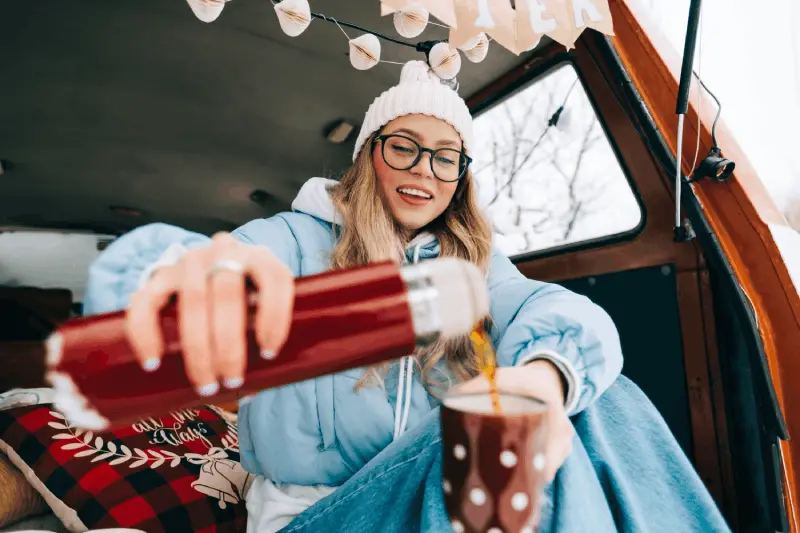
Cold coffee is not just limited to summer; it is a wonderful companion to the contrast of the warm interior of the caravan and the snowy landscape outside during winter camps. When preparing cold coffee in winter, you may not need ice; the water or coffee you leave outside the caravan will reach the ideal coldness with the help of nature. In winter, choosing spicier and fuller-bodied beans (such as those from Indonesia or India) can capture warming notes in the drink. Breathing in the fresh air outside while your caravan's heater is running and sipping your cold coffee is one of the most cherished rituals of winter camping.
Which Storage Containers are Best to Protect Coffee Beans from Moisture?
Caravans can be exposed to high humidity, especially in coastal or wooded areas. Moisture is the biggest enemy of coffee beans and can cause them to stale quickly or even mold. The safest options for storing your coffee are vacuum-sealed containers (like Airscape) or opaque bags with "one-way valves." Metal or ceramic containers that do not let light in prevent the degradation of the oils in the coffee caused by sunlight. If you are going on a long trip, dividing your coffee stock into small portions and storing them in vacuum-sealed bags allows you to expose only the amount you need to air each time. It is not recommended to put coffee beans in the refrigerator due to the risk of moisture absorption (if not vacuum-sealed properly).
Does the Boiling Point of Water Change at High Altitudes Affect Coffee?
If you are heading to high mountain passes or plateaus with your caravan, the laws of physics will affect your coffee brewing process. As you ascend above sea level, air pressure decreases, and water begins to boil below 100 degrees. For example, at 2000 meters, water boils at about 93 degrees. This situation alters the extraction rate of coffee in iced coffee methods (V60 or AeroPress) made with hot water. In such cases, keeping the grind size a bit finer or slightly extending the brewing time helps compensate for the aroma loss due to altitude. In the cold brew method, since the water is not heated, altitude has no effect, making it the most stable method for high-altitude camping.
Is a Nanopresso Necessary for Espresso-Based Cold Drinks in a Caravan?
To experience real espresso, a pressure of 9 bars is required, which means large and expensive machines. However, manual devices like Nanopresso or Picopresso allow you to achieve this pressure with just hand power, enabling you to take real espresso shots in the caravan. If you enjoy drinks like Iced Americano, Iced Latte, or Espresso Tonic, these devices will become indispensable in your caravan. These tools, which operate with a small hand pump mechanism, take up very little space and are quite easy to clean. Since espresso-based cold drinks offer a more complex and acidic profile compared to cold brew, investing in a Nanopresso makes a lot of sense for coffee enthusiasts.
What to Do to Obtain Grit-Free Cold Coffee with a French Press?
The French Press is one of the most common pieces of equipment in caravan kitchens, but when making cold coffee, the sediments left at the bottom of the cup can be a complaint. To prevent this, you can use the "double filtering" method. After brewing the coffee in the French Press for 12-15 hours, slowly lower the plunger. Then, transfer the coffee you obtained through a paper filter (such as a V60 dripper or a simple sieve placed over a paper towel) into another container. This process filters out the sediments and excess oils in the coffee, providing you with a smooth and clear drink. If you do not want to carry an extra dripper in the caravan, tying a fine cloth over the French Press plunger can also be a solution.
How to Prevent Coffee Smell from Spreading Inside the Caravan During Travel?
The smell of freshly ground coffee is wonderful, but living with this scent constantly in a small space or having it seep into fabrics (curtains, bedding) can sometimes be bothersome. It is especially important to run the caravan's ventilation fans (like Maxxfan) or open the kitchen window during the grinding and brewing phases. After brewing, immediately throwing the used grounds into a covered trash can or taking them outside prevents the smell from lingering. When washing equipment, make sure to thoroughly clean any remaining residues, as moist coffee remnants inside the warm caravan can start to emit a sour smell in a short time. If the smell is too overpowering, placing a bowl of baking soda inside the caravan will help neutralize the odor.
How to Buy Local Coffee Beans from Local Producers Along the Way?
One of the best aspects of being a camper is discovering boutique businesses along the way. Many new-generation coffee shops can now be found in rural areas or towns along tourist routes. When buying coffee from local roasters, you should pay attention to the "roasting date." Beans that have rested for 1-2 weeks after roasting usually yield the best results. Asking for bean recommendations suitable for the water hardness of the area you are visiting can also enhance the flavor of your coffee. Some local producers offer special "travel pack" sizes in vacuum-sealed bags for campers. Experiencing these beans is a great way to combine the moments of your journey with flavors.
Why Should Polycarbonate Equipment Be Preferred Instead of Glass Containers?
While the caravan is in motion, it is in a "simulated earthquake." No matter how well glass containers are secured, a sudden brake or a bumpy road can lead to breakage or shattering. This not only means losing equipment but also creates impossible-to-clean glass shards inside the caravan. Brewing tools and containers made from materials like polycarbonate or Tritan are just as transparent as glass but are extremely resistant to impacts. Additionally, these materials are much lighter than glass, positively affecting the overall weight of the caravan and fuel consumption (even if slightly). Another advantage of polycarbonate is that its insulation is slightly better than glass.
What are the Key Points for Preparing Quiet Coffee Early in the Morning?
When staying in the middle of nature or at a camping site, you may not want to disturb the morning silence. The thin walls of the caravan transmit sound very well. To minimize noise, you can grind your coffee the night before (accepting some aroma loss) or hold the device between your knees while using the hand grinder to dampen vibrations. When heating water, prefer models that quietly produce steam instead of kettles that make noise or take the pot off the stove just before it reaches boiling point to reduce noise. The quietest method is still "Cold Brew"; you can enjoy your coffee brewed quietly overnight by simply opening the lid in the morning and pouring it into a glass without waking anyone up.
How to Optimize the Energy Consumption of the Caravan Refrigerator for Coffee?
Caravan refrigerators are generally 12V compressor systems and should be used wisely to minimize energy consumption. Putting large amounts of water in the fridge for cold coffee can continuously run the refrigerator's thermostat, draining the batteries. Instead, it is sensible to put the water you will use for brewing in the fridge only when you need it or pre-cool it in a shaded outdoor area (for example, on the ground under the caravan). Additionally, completely filling the refrigerator hinders air circulation; therefore, you should place coffee containers in a way that they do not touch the back wall. Lowering the refrigerator's temperature a bit when the outside temperature drops at night (less cooling) helps save energy.
How to Whip a Frothy Cold Coffee Without a Shaker?
If you love a frothy Iced Latte or Frappe but do not want to carry a shaker in the caravan, the solution is very simple: a clean glass jar or a leak-proof bottle. Put the coffee, milk, and ice into this jar, tightly close the lid, and shake vigorously for about 30 seconds. The air inside the jar helps the liquid mix with air, creating a wonderful froth. Another practical tool is battery-operated milk frothers. These tiny devices, powered by AA batteries, take up no space in your drawer and provide a professional froth texture in seconds. This method allows you to prepare "Instagram-worthy" coffees even with limited equipment in the caravan.
What Methods Can Be Used to Increase the Cold Retention Capacity of Thermoses?
A quality vacuum thermos can keep your cold coffee icy for up to 24 hours. However, to enhance performance, you should subject the thermos to a "pre-cooling" process. Before filling it with coffee, fill the thermos with ice water and let it sit for 5 minutes, then empty it; this cools the inner walls. When filling the thermos, filling it to the brim minimizes the air gap, slowing down heat transfer. Additionally, instead of placing the thermos in direct sunlight (for example, on the dashboard), keeping it in the coolest and darkest spot inside the caravan extends the duration. Opening the thermos lid only when you are ready to drink and closing it immediately helps trap the cold air inside.
How Do Low-Acidity Coffees Protect the Stomach During Caravan Journeys?
Irregular eating and constant sitting positions during long journeys can lead to stomach sensitivity. High-acidity hot coffees can trigger this condition. The cold brew method is a stomach-friendly alternative as it prevents most of the acids in the coffee beans from leaching into the water. Choosing low-acid beans with chocolatey and nutty notes, especially from Brazil or Guatemala, enhances your travel comfort. The cold brewing process emphasizes sweet and smooth flavors instead of stomach-irritating acids. This way, you can meet your caffeine needs throughout the day without experiencing heartburn while driving.
Can Cold Brewing Be Started with Water Heated Over a Campfire?
Although it may sound contradictory, the "hot blooming" method adds depth to cold coffee. If you want to save gas in the caravan and have a campfire outside, you can heat the water there. Pour a small amount of hot water over the coffee bed first and wait for 30 seconds for the gases to escape (bloom), then complete it with cold water and let it brew. This method allows the aromatic oils in the coffee beans to dissolve faster with heat while balancing the remaining cold water process. However, make sure that the container for the water is covered to prevent the smoky smell from the fire from seeping into the water.
What Accessories are Necessary to Set Up a Cold Brew Workshop in a Caravan?
If you are a coffee enthusiast, creating a small "coffee corner" in your caravan will double your enjoyment. Essential accessories include a precise digital scale (preferably USB rechargeable), a quality hand grinder, an AeroPress or V60, and a long-lasting stainless steel thermos. Additionally, a locking storage box to protect your paper filters from moisture and vacuum hooks that you can use to hang your equipment will make your life easier. Storing this entire set in a bag or a special drawer that is divided to prevent them from hitting each other during bumps will help maintain the order in your caravan.

How to Plan Large Brewings to Share with Your Travel Companion?
If you are not alone in the caravan, brewing coffee individually every morning can be tiring. Instead, it makes sense to use large glass pitchers or stainless steel cold brew tanks of 1 or 2 liters. A 1.5-liter cold brew prepared the night before can save the day (and even the next day) for two people. When brewing in large quantities, use pre-marked measuring containers to avoid messing up the coffee-to-water ratio. You can save space in the refrigerator by dividing the large amount of coffee you prepared into small individual containers, making it easy for everyone to access their drink whenever they want. Sharing a cup of cold coffee is the best excuse for conversations in front of the caravan.
How to Avoid Drowning Out the Sound of Waves While Sipping Cold Coffee by the Sea?
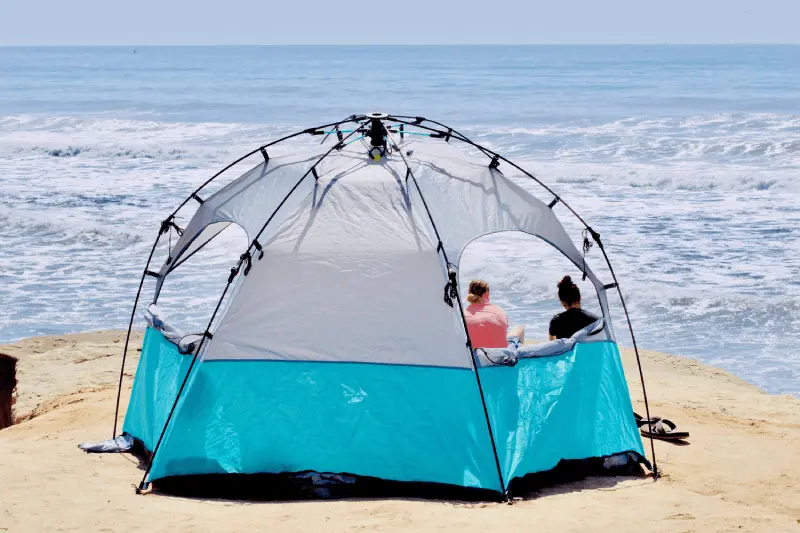
When staying by the sea with a caravan, the main goal is to listen to the sounds of nature. Therefore, the coffee preparation process should be as quiet and unobtrusive as possible. Cold brew is the best friend of this silence. Without any machine noise, bubbling, or stirring sounds, you simply mix the coffee you prepared in advance with ice. Using a thermos cup while sipping your coffee traps the sound of the ice melting (if this bothers you) inside and keeps your drink warm. Enjoying the taste of that perfect cold coffee you prepared in harmony with the music of nature is one of the purest moments of happiness that caravan life offers.
How to Prevent Coffee Grounds from Clogging the Caravan's Narrow Sink?
Caravan sinks and drainage pipes are much narrower than those at home, and coffee grounds can easily lead to clogs. This clogging can cause unpleasant odors in your gray water tank and problems during disposal. Never dump coffee grounds directly into the sink. When cleaning the French Press or Moka Pot, use a piece of paper towel or a fine sieve to filter the grounds and throw them in the trash. Using a sink strainer for any remaining microscopic particles is essential. If you accidentally let grounds escape, pouring a mixture of hot water and vinegar down the pipes can help soften the clogs. A clean wastewater system is critical for a comfortable caravan journey.
Is it Safe to Leave Brewed Containers Outside Overnight?
Some campers prefer to leave brewed containers outside (for example, on the steps or underneath the caravan) because there is no room in the refrigerator. If the temperature is low, this acts as a natural refrigerator. However, at this point, safety and hygiene risks come into play. Wild animals (like bears, foxes, or boars) may be attracted to the smell of coffee or the brightness of the container and could damage your equipment. Additionally, there is always a risk of theft. It is best to keep the container inside the caravan, on the ground floor (which is usually cooler), or in a well-ventilated area. If you must leave it outside, you should prefer a locked external storage compartment or a sturdy, non-tipping container.
Why is it Important to Stock Filter Papers During Caravan Journeys?
Once you are away from city centers, it becomes impossible to access specialized coffee equipment parts. While you may find standard filter papers in stores, the special filters for devices like AeroPress or Chemex are not available everywhere. It would be wise to stock 20-30% more filter papers than you will consume before heading out on your journey. Store your filter papers in "ziploc" bags or vacuum containers to protect them from moisture, dust, and food odors inside the caravan. In case you run out of paper filters, a clean cloth or paper towel can serve as an emergency filter, but they will never provide the clarity and taste that the original filter offers.
How Can We Track Brewing Times with Mobile Applications?
In a caravan, you may lose track of time; one moment you look and a 12-hour brewing time has turned into 20 hours. Using mobile applications like "Brew Timer" or "Coffee Dice" makes it easier to track coffee brewing times and ratios. These applications calculate the amount of water needed based on the amount of coffee you use and send you notifications when the brewing time is up. It would be helpful to check the offline functionality of these applications for areas with poor internet reception.
Where is the Best Place for a Coffee Corner in Caravan Design?
If you are designing or modifying your caravan yourself, planning a coffee corner will enhance your quality of life. This corner should preferably be at one end of the kitchen counter, close to the sink, and have a drawer underneath. To prevent equipment from falling during bumps, you can add wooden or metal guards (railings) on the counter. A stable surface or wall mount can be considered for mounting the coffee grinder. Additionally, having a 12V or 220V outlet nearby will make it easier if you want to use electric devices in the future. Decorating your coffee corner with your favorite mugs and a few packets of fresh beans will make your caravan feel like a real home.