Why Does Everyone Flock to the Same Campgrounds During Holiday Breaks?
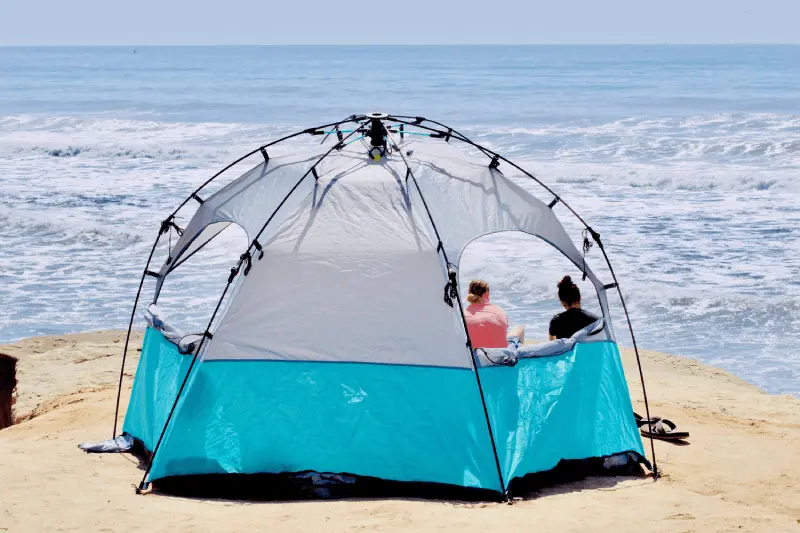
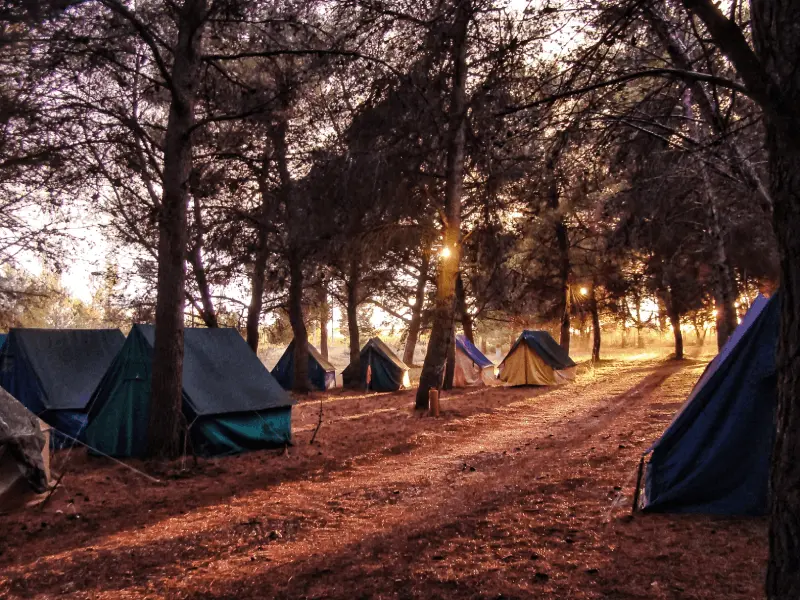
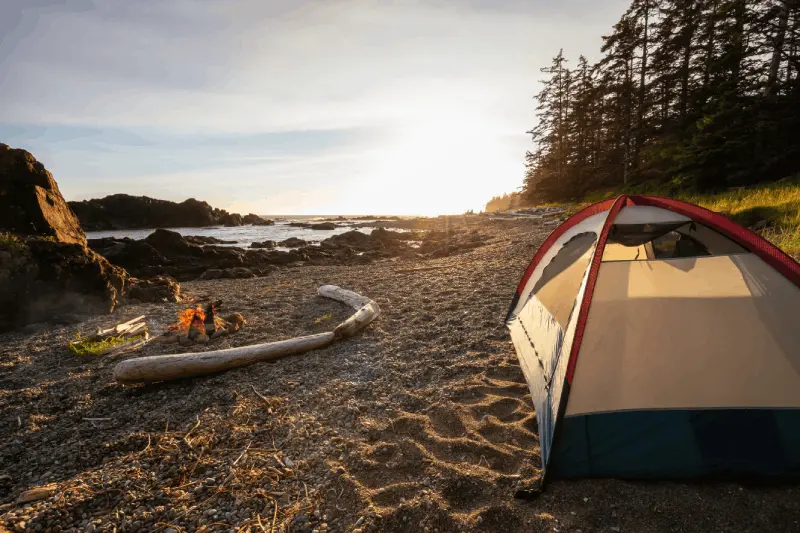
Holiday breaks are the biggest opportunity offered in a limited time frame for millions of people wanting to escape the stress of city life. Most people prefer areas that are easily accessible, have amenities like toilets and electricity, and have become popular on social media. This situation causes a sudden influx of people to "places everyone knows" in small towns. When the wave of popularity combines with the search for comfort and herd psychology, crowds seeking to escape into nature find themselves amidst crowds again. To break this cycle, one must step outside the norm and leave the comfort zone to some extent.
What Technologies Should Be Used to Identify Pristine Areas on the Map?
Technology is the greatest weapon of the modern camper. Just looking at the standard view of Google Maps is not enough. You should analyze tree density, distance to water sources, and terrain elevation using satellite images on Google Earth. Especially in "Satellite View" mode, it is vital to follow the narrow dirt roads that diverge from the main roads to see where they lead. Additionally, using topographic map applications (such as Gaia GPS or PeakVisor) allows you to examine elevation profiles and discover rugged yet flat areas that people will find difficult to reach.
How to Avoid the "Popular Spot" Trap on Social Media?
The stunning photos you see on platforms like Instagram or TikTok do not reflect the true state of that area during the holiday. If a place has been shared on social media with the title "hidden paradise," it is no longer hidden. You should definitely avoid such places during the holiday. Instead, look for old blog posts or shares from outdoor enthusiasts that mention a specific area without location tags, but do not provide exact coordinates. Targeting similar geographical structures at least 50-100 kilometers away from tagged popular spots will protect you from the crowds.
Why Are the "Challenging Routes" That People Aspire to Go to More Peaceful?
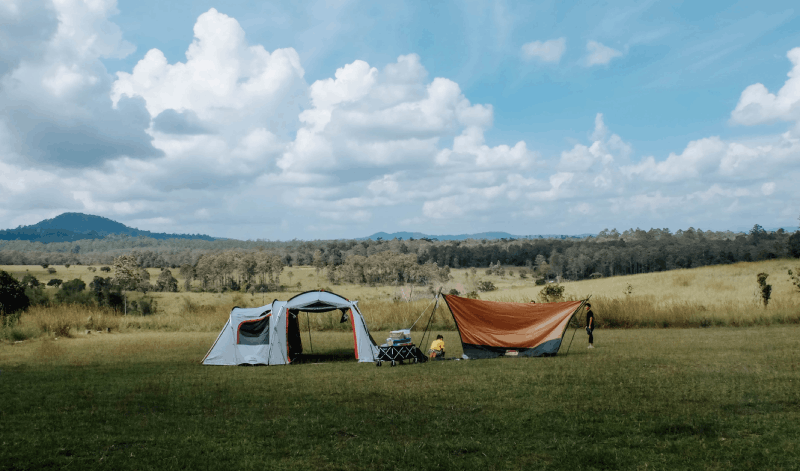
Human nature tends to choose the path of least resistance. If a campground can be reached by a vehicle via an asphalt road, it will definitely be crowded during the holiday. The most guaranteed way to leave the crowd behind is to make access difficult. Locations that require a high-performance vehicle (4x4), have steep slopes, or are reached after a few kilometers of trekking are always more secluded. Places that people say "it's very hard to get there" or "the road is very rough" can be the key to your peace. Difficulty acts as a safety filter that nature imposes.
How to Choose Locations That Are Close to Water Sources but Out of Sight?
Every camper wants to be by the water, which is why lake shores and riverbanks are the first places to get crowded. However, instead of camping right next to a water source, if you choose a spot 10-15 minutes' walk away, behind a hill or within the forest cover, you can stay away from the curious onlookers. Carrying water might be a bit tiring, but this effort will earn you a quiet night. While following riverbeds on the map, identifying "blind spots" where the stream passes through rugged terrain and vehicle access is cut off is the smartest strategy.
What Questions Should Be Asked When Seeking Information from Locals?
The best informants about the area are the villagers, shepherds, and forest officials who live there. When you visit a village, instead of asking "Where can I camp?" ask more specific questions like "Where is the farthest flatland where no one goes and animals graze?" or "Is the old plateau road still open?" If you convey that your intention is just to spend time in nature and that you won't leave any trash, they may show you paths that are not on the maps. Places where locals say "it's very cold there, you might be scared" are actually the quiet hideaways you are looking for.
Is It Logical to Go Outside the Boundaries of Forest Management Directorates and National Parks?
National Parks and Nature Parks become official holiday routes and create queues at the entrances. Additionally, there are specific rules and strict controls in these areas. To escape the crowds, you should prefer areas that are outside these official boundaries, which are classified as state forests but have not been developed. "Wildlife development areas" or pasture lands are much freer and quieter for camping. However, since there are no facilities in these areas, you should remember that you will have to take care of everything yourself, and the rules for starting a fire may be stricter.
Why Does the Number of People Decrease as Altitude Increases?
As the temperature rises, holidaymakers generally head to coastal areas and low-altitude cool water banks. However, plateaus and mountain slopes above a thousand meters, or even two thousand meters, have been cleared of crowds due to both their climate and transportation difficulties. The drop in nighttime temperatures at high altitudes keeps comfort-seeking picnickers and day-trippers away. Gaining altitude for a real mountain camping experience is one of the most effective ways to create both physical and psychological distance from the crowds.
How Can We Catch the Advantages of Off-Road Vehicles with a Regular Vehicle?
Not everyone has a powerful 4x4, but you can also escape the crowds with a regular vehicle. The key phrase is the "park and walk" strategy. By leaving your vehicle next to a safe village café or in a flat area where the road ends, and carrying your camping gear in a backpack just 1-2 kilometers in, you will escape 90% of the crowd. Most people do not want to be more than 50 meters away from their vehicle. This short distance is enough to escape the sounds of loud music and barbecue smoke and immerse yourself completely in the sounds of nature.
How to Apply the "Invisibility" Strategy in a Campground?
If you have found a very secluded place, you need to be "invisible" to avoid being noticed by crowds. Choosing colors that are compatible with nature (green, earth tones) for everything from your tent color to your equipment choices prevents you from being noticed from afar. Additionally, not listening to loud music and not using bright lights not only protects wildlife but also does not attract the attention of curious eyes passing by. Setting up a quiet and low-profile camp is one of the most important tactics to ensure that the secret spot you found remains exclusive to you.
How Should Movement Times Be Planned During the Holiday?
The way to escape the crowd is to move against it. While everyone sets off on the morning of the first day of the holiday, you should leave on the evening of the eve or early on the second day of the holiday. You need to identify the busiest traffic hours and ensure that you are settled in your campground during those hours, not at home or on the road. The same applies to the return; while everyone is heading back after the last day of the holiday, you should either return a day earlier or leave a day later. Time management is the cornerstone of a peaceful camping experience.
Why Is Complete Self-Sufficiency a Requirement?
If you want a place away from the crowds, you must accept that there will be no electricity, running water, grocery store, or toilet there. This requires the skill of "self-sufficiency." You should have at least a 3-4 day supply of water, solar panels or power banks, a portable camping toilet, and sufficient food with you. The less dependent you are on the outside, the further you can go from civilization. The search for facilities will always lead you to the crowd; however, a fully equipped camper can turn anywhere into a lodging area.
Why Is Waste and Trash Management More Critical in Secluded Areas?
The biggest problem in remote and pristine areas is the lack of municipal services reaching there. If you pollute that pristine place with your trash, you not only harm nature but also set the stage for others who notice it to behave disrespectfully towards that area. You must strictly adhere to the "Leave No Trace" principles. You should take back every type of waste you bring with you, and if there is trash left by others before you, you should collect that too. A clean place sends the message "this is not abandoned" and ensures lasting protection.
How Should One Prepare for the Risk of Encountering Wildlife?
Where there are no people, there are animals. The further you get from the crowd, the more likely you are to enter the territory of wild animals like deer, boars, or wolves. This is not something to be feared, but rather a situation to be respected. You should not keep your food inside the tent, use odor-proof containers, or hang food in trees. It is normal to have some movement around your campsite at night. To avoid scaring animals and to protect yourself, you should blend into the rhythm of nature without making noise.
How to Navigate in Areas Where the Internet Does Not Work?
In truly remote areas, phone networks may not work. This should not panic you. Before you go, you should download the maps of the relevant area for offline use from Google Maps or Maps.me. Additionally, knowing how to use a compass and read physical maps can be lifesaving. Even if GPS signals work independently of the network, you may need to use your phone in airplane mode to conserve battery. To avoid navigation errors, you should memorize distinct landforms (hill, river, road junction) and leave your coordinates with a close friend in case you get lost.
What Should Be Considered When Starting a Campfire?
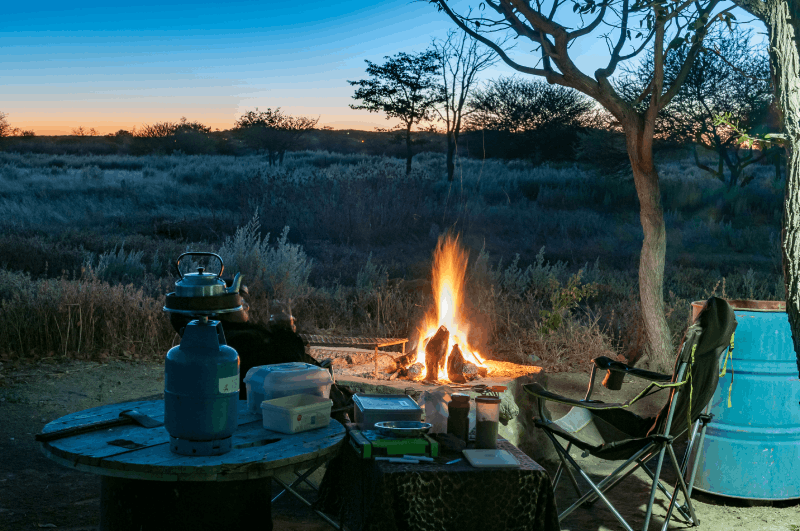
A fire lit uncontrolled in a pristine area can cause irreparable forest fires. It is impossible for the fire department to reach remote areas. Therefore, if possible, you should use a camping stove (burner) instead of starting a fire. If you must start a fire, you should choose a previously used fire area or use a fire box that protects the soil. Never leave the fire unattended and ensure it is completely extinguished before sleeping (by pouring water until the ashes cool). Protecting nature ensures that those hidden places will still exist in the coming years.
Is Solo Camping or Group Camping Safer?
While it may seem appealing to be alone while escaping the crowd, it is always more logical to have at least two people for safety in remote areas. Having someone with you in case of any injury, vehicle breakdown, or emergency is vital. If you are going to camp solo, your experience level must be very high, and your equipment must work flawlessly. If you are going in a group, it is ideal for the group to be small enough (2-4 people) not to disturb the silence, ensuring both safety and peace.
How to Balance "Lightness" and "Durability" in Equipment Selection?
To go to remote places, sometimes you need to carry your gear on your back, and sometimes you need to traverse difficult paths. Therefore, your camping gear must be both durable and portable. Instead of heavy and bulky home-type materials, you should prefer lightweight and compact products from professional outdoor brands. A quality sleeping bag, a wind-resistant tent, and high-calorie but lightweight camping foods will enhance your comfort. The more professional your equipment is, the more resilient you will be to the challenges nature presents.
How Should Weather Forecasts Be Interpreted for Remote Areas?
The weather in city centers is never the same as in the mountains or deep in the forest. You should keep local microclimate effects in mind. Before you go, check wind speed, precipitation amounts, and frost risk using detailed data apps like "Windy" or "AccuWeather." A sudden downpour in a remote area can turn dirt roads into mud and cause your vehicle to get stuck. Analyzing the weather not just as "is it sunny?" but as "does it affect road conditions?" is a professional approach.
Is It Possible for Families with Children to Camp Away from Crowds?
Many families prefer crowded places with facilities because they have children. However, with proper preparation, secluded camping areas can also be great schools for children. You should have a first aid kit, children's favorite snacks, and nature exploration games to keep them engaged. For the safety of children, it is important to choose a flat area that is not too steep or near water. Children growing up in nature will learn to recognize the sound of the wind and stars rather than the noise of crowds, which is an invaluable experience.
What Are the Benefits of Doing a "Reconnaissance Trip" Before Camping?
If you do not want to take risks during the holiday, make a short reconnaissance trip to your target area a few weeks before the holiday during a free weekend. Seeing the road conditions, whether the water is flowing, and the general safety of the area will eliminate surprises you might face on holiday morning. Identifying a few alternative spots during the reconnaissance will prepare you in case one spot is full when you go. A reconnaissance trip done in advance is the safest insurance for a peaceful camping experience.
What Should Be Included in a First Aid and Emergency Kit?
In a scenario where you are hours away from a hospital, your first aid kit is your closest friend. In addition to basic dressing materials, pain relievers, allergy medications, gels for insect bites, and burn ointments should definitely be included. A space blanket, whistle, and a powerful flashlight should also be added. Even a small cut in remote areas can carry a risk of infection, so hygiene materials (disinfectant, sterile gloves) should be prioritized. Learning simple interventions you can do yourself is the foundation of your camping safety.
Is It Harder to Get Away from Crowds with a Caravan?
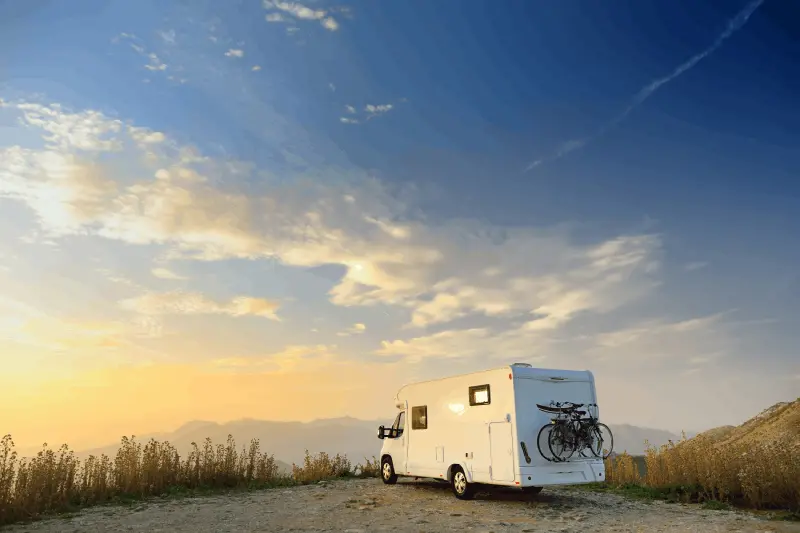
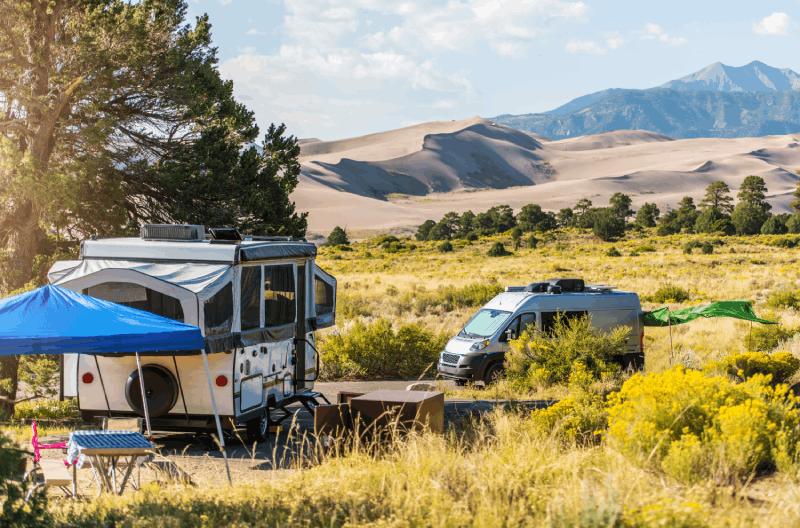
Due to their size, caravans cannot enter every road, which often confines them to caravan camping areas or wide roadside spots. However, "off-road caravans" or "camper vans" can go to places where regular vehicles cannot, but 4x4 vehicles struggle. To find a quiet spot with a caravan, you should target plateau flats with ample maneuvering space or the most remote points of the coast that are not closed to vehicle access. The comfort offered by the caravan, combined with the right location choice, provides you with a luxurious and quiet holiday.
Does Photographing and Filming Disturb the Silence of Nature?
Capturing moments in nature is wonderful, but constantly being in front of a screen or flying a drone can disturb both your peace and that of the surrounding wildlife. Remember that the sound of a drone is a serious stress factor for birds and wildlife. When taking photos, do not just freeze the moment; look through the viewfinder to appreciate the beauty of nature. Not tagging the location when sharing on social media contributes to keeping that area pristine. The most beautiful photo is the one you keep in your memory of that silent moment.
How Should Camping Clothes Be Selected According to Seasonal Conditions?
The saying "there is no bad weather, only inappropriate clothing" is the motto of camping. You should apply the principle of layering. The inner layer that touches your skin should wick moisture away, the middle layer should keep you warm, and the outer layer should protect against wind/rain. You should avoid cotton clothing because it does not dry when wet and can chill you. Synthetic or wool (merino) fabrics are ideal. Spare socks and underwear are essential. You should prepare for the nighttime temperature to be at least 10 degrees lower than in the city center.
What Are the Psychological Effects of Spending Time in Nature?
A quiet camp away from the crowd is not just a physical rest but a deep mental cleansing. For modern humans suffering from "nature deficiency syndrome," the sounds of birds, the rustling of the wind, and the crackling of the fire serve as meditation tools. Research shows that spending three days in nature increases creativity and significantly reduces cortisol (stress) levels. Escaping the noise of the city and the chaos of the holiday allows you to be alone with yourself and gain a new perspective on the chaos of life.
What Should Be Considered When Choosing a Camping Partner?
Half of a peaceful camping experience is the right location, and the other half is the right partner. You should go with people who have similar expectations, do not complain, respect nature, and are adaptable to the work environment. People who do not enjoy silence, are constantly engaged with technology, or do not compromise on comfort can make both you and themselves unhappy in a secluded camp. A partner who can share camping duties and remain calm in emergencies can turn even the most challenging routes into an enjoyable adventure.
How Should Meal Planning and Storage Conditions Be?
In a remote camp, the nearest market will be very far away, so meal planning should be done meticulously. Perishable meat and dairy products should only be consumed on the first day; for the following days, you should turn to canned goods, legumes, or dried foods. If you have a cooler, you can keep it cold by placing frozen water bottles inside, and when they melt, you will have drinking water. To prevent food odors from attracting wildlife, it is a golden rule to store trash in a sealed container away from the campsite.
How to Combine Outdoor Sports with Camping Experience?
Do not see camping as just sitting in a tent. Depending on the opportunities in the area you visit, activities like rock climbing, hiking, birdwatching, or canoeing in a nearby lake enrich your experience. These activities prevent you from being stuck in the campsite and help you get to know the surroundings better. An active camping process allows your body to tire healthily and helps you sleep more deeply at night. Nature is a vast playground waiting to be explored, and camping is just the starting point of this adventure.
Why Is It Important to Conduct a "Route Analysis" During the Return from Camping?
Every camping trip is a lesson. Note the challenges you faced on the return route, the performance of your equipment, and the advantages/disadvantages of the place you found. Conclusions like "I should come this way next time" or "I carried this equipment for nothing" will make you a more skilled camper for your next holiday. Experience is the accumulation of mistakes. Your ability to find quiet places will improve with each trip, and eventually, you will be able to spot those peaceful spots that others cannot see when looking at maps.
Can "Not Going at All" Be an Option During the Holiday?
Sometimes the quietest place is your empty city when everyone is out. If it is truly a very crowded holiday period and there are disruptions in your plans, staying in the city to enjoy the empty streets and parks and postponing your camping plan to a weekend after the holiday can also be a strategy. Escaping to nature while everyone returns will ensure that even those famous spots are left for you. Flexibility is the most important trait of a true nature enthusiast. Sometimes, instead of swimming against the current, waiting for the current to pass is the most peaceful way.
What Ethical Rules Should Be Followed to Be a True "Nature Friend"?
Finding a calm and pristine place does not give you the right to own it; it grants you the honor of being a guest of that place. You should act ethically in every step, from not starting a fire to not leaving trash, from not disturbing the natural texture to not interfering with wildlife. By adhering to the principle of "leave it cleaner than you found it," you should leave a livable world for future generations (or animals). Your respect for nature is, in fact, your respect for yourself. Remember, nature does not need us, but we need nature very much.