Why Should We Use Aluminum Foil When Grilling Vegetables at Camp?
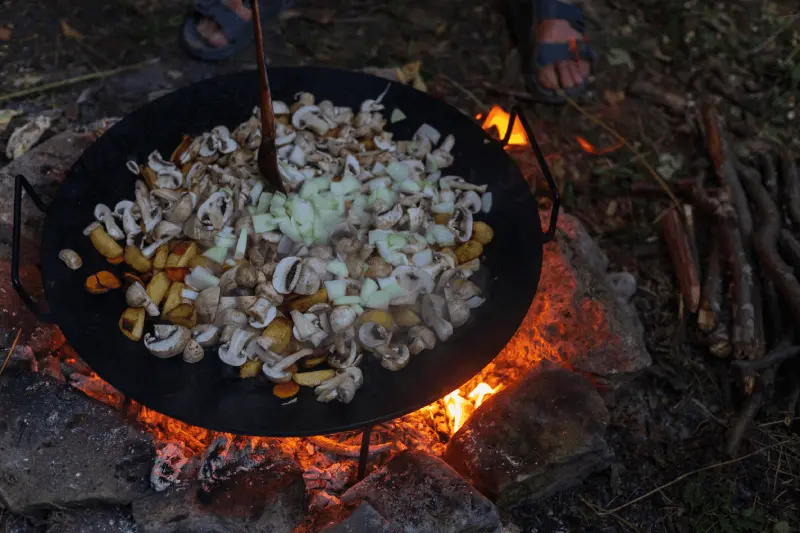
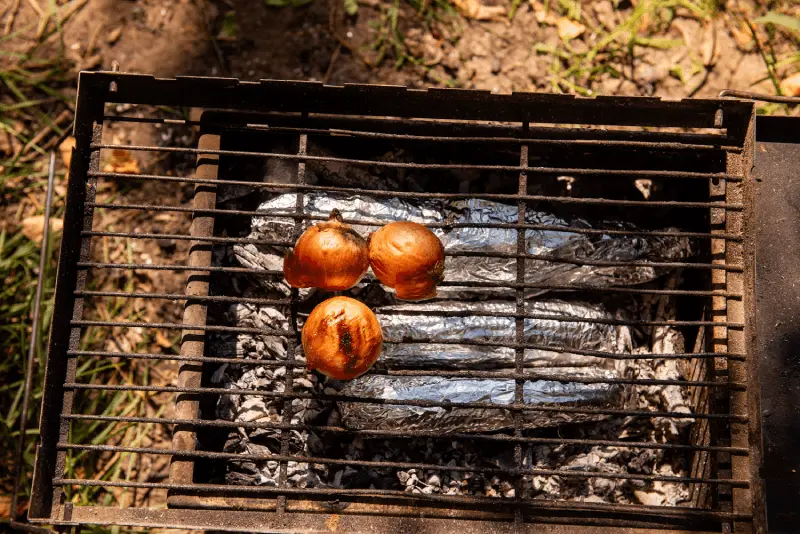
Cooking in the campfire's nurturing atmosphere is an experience in itself, but cleanliness and practicality are always a priority. Aluminum foil is an excellent conductor that ensures vegetables cook in their own juices and steam by distributing heat evenly. This method reduces the risk of burning by preventing direct contact with the fire while preserving the vitamin content of the vegetables. Additionally, eliminating the hassle of washing dishes after the meal is a significant advantage in campgrounds where water is limited. Foils also allow you to prepare personalized portions for each camper, so everyone can enjoy their favorite vegetable combinations.
How Does Choosing Heavy Duty Foil Affect Cooking Quality?
Regular kitchen foils are generally not durable against the high and uneven heat of a campfire and can easily tear. This can cause vegetable juices to leak into the fire and the food to dry out. Thick and durable foils, known as What is it?
It can be difficult to understand what is happening inside a sealed foil package at first. Generally, a medium-sized vegetable package cooks in a good heat source for about 20 to 30 minutes. Instead of completely opening the package to check if it is cooked, you can try piercing the foil with a fork or a thin stick to test the hardest vegetable (usually a potato). If it goes in without resistance, your meal is ready. Additionally, a decrease in the crackling sound from the package and the beginning of the vegetables releasing their distinctive strong aroma are also strong indicators that cooking is complete.
Why Should You Puncture Potatoes with a Fork While Cooking in Foil?
If you are cooking potatoes whole or in large pieces, making a few holes in their skins helps balance the pressure. When the water inside the potato heats up, it turns into steam, and if this steam cannot escape, the structure of the potato may break down, or in rare cases, small explosions may occur inside the foil. The holes help the heat reach the center of the potato more quickly and ensure a more moist, soft texture. If you are using small baby potatoes, this step may not be necessary, but for larger Russet potatoes, this small touch will significantly improve the cooking quality.
How Can We Prevent Mushrooms from Releasing Water While Cooking in Foil?
Mushrooms naturally contain a high amount of water, and when cooked in foil, they can release this water, causing other vegetables to take on a "steamed" flavor. To prevent this, leaving the mushrooms whole or cutting them into very large pieces is an effective method. Additionally, placing the mushrooms at the top of the package allows them to cook with the steam from the vegetables below and gives their juices a chance to flavor the other ingredients. If you want the mushrooms to stay firmer, you can sprinkle a little flour or cornstarch on them before closing the foil; this will thicken the released water into a delicious sauce.
What is the Secret to Making Corn on the Cob Taste the Best in Foil?
Cooking corn over a campfire is an indispensable classic. Before wrapping the corn in foil, generously spread butter over it, add a little salt, and optionally lemon juice or lime zest to elevate the flavor. Throwing a clove of garlic into the foil gives the corn a subtle aromatic taste. When wrapping corn on the cob in foil, do not wrap it too tightly; leave a little space to allow the heat to circulate among the corn kernels. After about 15-20 minutes of roasting, the corn will emerge caramelized, juicy, and with a smoky flavor.
How Do Onion and Garlic Enhance the Flavor?
Onion and garlic are the key flavor contributors in the vegetable mixture inside the foil. Onions caramelize by releasing their sugars as they cook, adding a sweet depth to the entire mixture. While placing whole shallots looks visually appealing, red onions provide a more intense flavor. Instead of crushing garlic, placing whole cloves or cutting a head in half prevents burning and allows the softened garlic to be spread on bread. This duo takes on the role of the "flavor factory" inside the foil package.
How Do Acidic Ingredients Affect the Texture of Vegetables?
Acidic ingredients like lemon juice, vinegar, or pomegranate molasses help preserve the color of vegetables while also keeping their textures a bit firmer. However, adding acid at the beginning of cooking can cause the color of green vegetables (like broccoli and asparagus) to dull. Therefore, it is generally better to add acidic touches during the serving stage or to open the package and add them closer to the end of cooking. On the other hand, vegetables that naturally contain acids, like tomatoes, help thicken the sauce inside the package and balance the heavy taste of root vegetables.
Does Using Double Layer Foil Completely Eliminate the Risk of Burning?
Using double layer foil is your best assurance against the unpredictable high heat of a campfire. The first layer retains the vegetables and their juices, while the second layer allows controlled heat from the outside to enter. However, making a double layer can extend the cooking time by about 10-15%. To completely eliminate the risk of burning, you should not rely solely on the foil layer; you should frequently change the position of the packages over the coals. Additionally, placing a layer of collard greens or corn husks under the packages can serve as a natural heat shield, making burning impossible.
How Does Opening a Steam Hole Affect the Cooking Process?
Opening a small steam hole in the top of the foil or not making the foil completely airtight allows the vegetables to take on a "roasted" texture instead of a "steamed" one. If you want the vegetables to be slightly charred and caramelized, you can allow excess steam to escape by slightly opening the top of the package during the last 5 minutes of cooking. However, opening a hole at the beginning of cooking can cause the moisture inside to escape quickly and lead to the drying out of firmer vegetables. This technique is often used when working with vegetables that have a very high water content, such as zucchini and tomatoes, to allow excess water to evaporate.
What Should Be Considered When Cooking Meat and Vegetables in the Same Package?
If you are considering adding chicken, sausage, or lamb meat to a vegetable package, food safety and cooking compatibility are the most important issues. Since meats can cook faster than vegetables, it is wise to keep meat pieces small and vegetables a bit larger. To prevent the juices released by the meat from overly softening the vegetables, it is a logical strategy to place the meat at the bottom of the package. Additionally, to ensure that the vegetables that come into contact with raw meat are thoroughly cooked, you should extend the cooking time a bit longer and ensure that the internal temperature of the meats is at a safe level. You should observe the eye you reach. Processed meats like sucuk or sausage pair perfectly with vegetables and leave a wonderful fat.
When Should Cheese Be Added to Foil Packs?
A sprinkle of feta, cheddar, or halloumi cheese added on top of the vegetables can turn a camping meal into a gourmet dish. However, adding the cheeses at the very beginning can cause them to melt excessively and stick to the foil or burn. The best method is to remove the package from the heat after the vegetables are fully cooked, open the top, sprinkle the cheese, and loosely close the package to let it sit for 2-3 minutes with its own heat. If your coals are still hot, you can also place the package open near the coals to allow the cheese to brown slightly. Hard cheeses like halloumi can be added from the start and gain a wonderful texture with the vegetables.
Should You Prefer Store-Bought Sauces or Homemade Marinades?
For convenience in camping preparation, store-bought barbecue sauces or pesto sauces are great, but homemade marinades always offer a more unique flavor. A mixture of olive oil, crushed garlic, fresh oregano, a tablespoon of honey, and a bit of soy sauce creates an amazing glaze that caramelizes over the vegetables in the foil. Care should be taken when using sugary sauces (honey, sugar, ketchup) as they can burn quickly at high temperatures. Adding these types of sauces in the middle of cooking or wrapping the foil tightly minimizes the risk of burning.
What Should Be Known About the Risk of Aluminum Leaching into Food?
For health-conscious campers, the use of aluminum foil can sometimes be a source of concern. The leaching of aluminum into food generally increases when combined with acidic foods (like lemon, tomatoes) and very high heat. To reduce this risk, placing a layer of parchment paper (baking paper) between the foil and the vegetables is quite an effective solution. While the parchment paper isolates the food from aluminum, the foil continues to serve its protective and heat-conducting role. Additionally, avoiding very high heat and adding acidic sauces at the time of serving are also among the methods that minimize this risk.
How Should Post-Meal Waste Management and Foil Cleaning Be Done?
A nature-friendly camper knows to recycle or dispose of every material used properly. Used aluminum foils should not be left in nature as they are usually contaminated with food scraps. Trying to burn the foils in the fire causes harmful gases to be released and the foil does not completely disappear. The most appropriate method is to crumple the foils into a ball after they cool down and place them in your trash bag, then take them to the recycling bins in the city. If the foil is very clean, it can be reused for the next cooking (of course without direct food contact, for example for heat insulation).
What Comfort Does Preparing in Advance at Home Provide for Camping?
Washing, chopping, seasoning, and wrapping vegetables in foil at home to take to the campsite saves an incredible amount of time and energy you would spend at the campsite. In the controlled environment at home, you can cut the vegetables to ideal sizes and allow the marinade to penetrate the vegetables thoroughly. By storing the ready packages in the freezer or refrigerator, when you take them to the campsite, all you need to do is light a fire and place the packages over the coals. This is a lifesaver method, especially for winter camping or when arriving at the campsite after dark; it also eliminates the hassle of dirtying knives and cutting boards at the campsite.
Are Frozen Vegetables Suitable for Cooking in Foil?
Many campers prefer frozen vegetable mixes because the risk of spoilage is low. Frozen peas, corn, carrots, or broccoli can cook beautifully in foil, but the most important point to pay attention to is the water content. As the ice melts, excess water can accumulate inside the package. To balance this, frozen vegetables should be placed directly into the foil without thawing and placed over high heat. Adding a bit of dry spice or some breadcrumbs to the package can absorb excess moisture and prevent the vegetables from becoming mushy.
What Are the Key Points to Understand Whether It Is Cooked Without Opening the Package?
Experienced campers listen to the sounds coming from the foil package. The sizzling of the water inside and the slight crinkling of the foil indicate that the cooking process is actively continuing. When the sizzling sound stops and is replaced by a deeper, slightly burnt smell, it means the sugars are caramelizing; this is the biggest sign that the meal is ready. Additionally, when you gently squeeze the package with a spatula (carefully!), you can feel the softness of the vegetables. If the package is still rock hard, it means the root vegetables need more time. Being patient is one of the most important ingredients in foil cooking.
Is It More Efficient to Use a Grill Rack or to Bury in Coals?
Using a grill rack distributes heat more evenly and makes it easier to turn the packages; however, the method of burying in the coals (ash cooking) gives the vegetables a more intense smoky flavor. If you are cooking delicate vegetables (like asparagus, green beans), it is safer to keep them on the grill rack. Sturdy vegetables like potatoes and carrots prefer to be buried in the coals. It is also possible to combine both methods: cooking thoroughly in the coals first, then transferring to the grill rack at the final stage to let them rest slightly and melt the cheeses is the most professional approach.
How Can We Stabilize Cooking Time in Windy Weather?
Wind can quickly distribute the heat of the campfire and unexpectedly extend the cooking time. In this case, covering the packages with a thick layer of ash or a large stone helps to trap the heat around the foil. It is also important to place them in sheltered corners where the wind does not reach. On windy days, since the heat is uneven, turning the packages more frequently (every 5-7 minutes) will prevent one side from burning while the other side remains raw. To prevent heat loss, you must double wrap the foil in such weather.
Does Altitude Affect Cooking Time Over a Campfire?
In camps set up in high-altitude areas, the boiling point of water decreases, which extends the steaming time slightly. A potato that cooks in 20 minutes at sea level may take up to 30 minutes at an altitude of 2000 meters. To compensate for this, vegetables should be cut thinner or the fire should be kept more lively. Additionally, since the air is drier at high altitudes, it is wise to add an extra tablespoon of water or oil to the package to prevent the vegetables from drying out. Natural rules change a bit at higher altitudes, so always keep a little patience and extra firewood with you.
What Are the Advantages of Serving Directly from Foil?
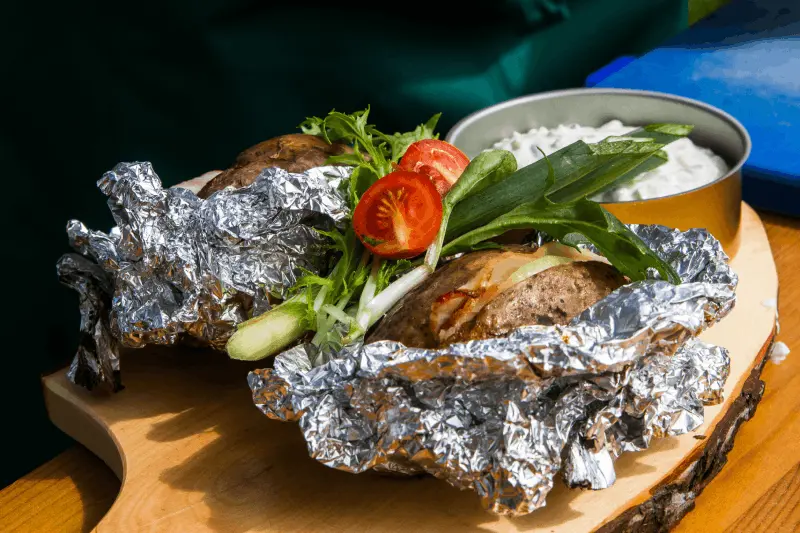
Instead of transferring the food to another plate, serving directly from the foil helps retain heat and ensures that all the juices of the food (that amazing sauce) stay in the plate. You can create an elegant presentation by folding the edges of the foil like a bowl. Having everyone eat from their own package reduces the dishwashing burden at the campsite. Additionally, since foil retains heat for a long time, it guarantees that the food stays warm until the last bite for those who eat slowly. To enhance the visual appeal, you can serve by adding a slice of fresh lemon and a sprig of thyme inside the foil.
How Can We Use Leftover Vegetables for Breakfast the Next Day?
Vegetables cooked in foil make a great breakfast base for the next morning. After separating the leftover vegetables from the night before into small pieces and lightly heating them in a pan, cracking an egg on top allows you to make "camp-style shakshuka" or "omelet." Since the vegetables are already cooked and seasoned, your breakfast will be ready in seconds. If you have a heavy package of potatoes, you can mash them to make a great puree or potato pancakes for breakfast. No flavor should be wasted while camping, especially those delicious vegetables that have absorbed the heat of the fire.
How Can We Enhance Vegetable Flavor with Creative Spice Combinations?
For those looking to go beyond just salt and pepper, spice combinations that offer hints from world cuisines can be tried. For example, you can prepare an Indian-inspired vegetable package by adding cumin, coriander, and turmeric, or you can bring a Mediterranean breeze with dried basil, thyme, and garlic. Packages with a bit of soy sauce, ginger, and sesame oil offer an Asian-style flavor. The contrast of spices with the natural sweetness of the vegetables (especially carrots and onions) creates unforgettable impressions on the palate when combined in foil. You can conduct a tasting test with your camping friends by trying different spices in different packages.
What Are the Health Benefits of Cooking Vegetables Compared to Cooking Meat?
Unlike heavy and fatty meat dishes, vegetables cooked in foil offer an easily digestible, high-fiber, and energy-boosting dinner. After the physical effort expended while camping, you can obtain the minerals and vitamins your body needs in their purest form from vegetables. Vegetables steamed in their own juices contain significantly fewer calories than fried ones and do not burden the stomach, which helps you get a better night's sleep during camping. Additionally, since vegetables are less likely to spoil in nature, they also minimize the risk of food poisoning.
What Is the Spiritual and Atmospheric Contribution of Cooking Vegetables Over a Campfire?
Cooking is not just about filling the stomach; it shares the spirit of camping. Placing the packages among the embers, the conversations made while waiting for that slow cooking process, and the aroma of the rising steam when the foils are opened are some of the most valuable pieces of camping memories. Achieving a wonderful result with the simplest ingredients (earth, fire, vegetables) in the midst of nature gives a tremendous sense of satisfaction and connection with nature. Eating that smoky vegetable package you prepared under the stars is far more unforgettable and valuable than a dinner at the world's fanciest restaurant.