Does the Sharp Odor from the Kitchen Drain Spread Inside the Caravan?
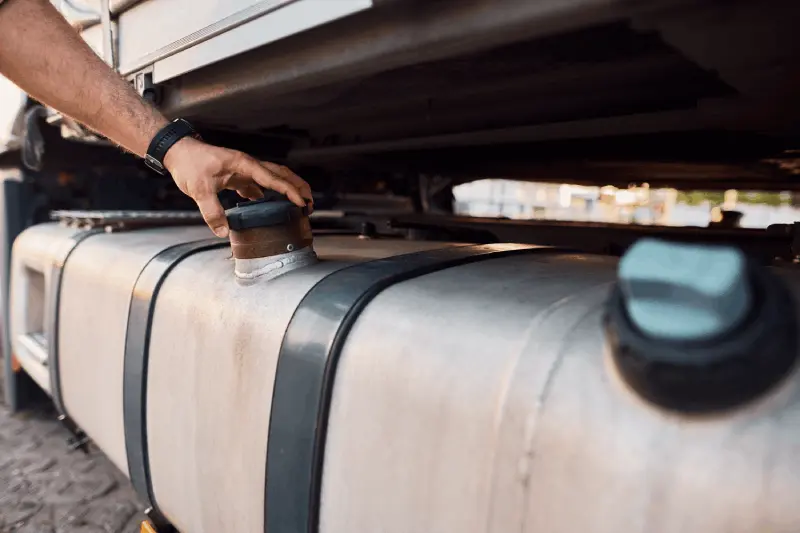
Living space in a caravan is quite limited, and the grey water tank is usually located just below the floor. If the waste accumulating in the tank starts to ferment, these gases will climb up through the sink drains. Especially on hot summer days or when the caravan's ventilation is insufficient, this odor does not remain only in the kitchen; it permeates everywhere from the bedroom to the seating area. This situation not only disrupts your comfort but can also cause embarrassment when hosting guests. To prevent the spread of the odor, it is not enough to just close the drain covers; you need to stop the bacterial activity at its source, which is in the tank, using natural acids found at home.
Is the Gas Released from the Combination of White Vinegar and Baking Soda Dangerous for the Caravan?
The dynamic duo of vinegar and baking soda, which are often recommended for home cleaning, is also frequently suggested for the grey water tank in a caravan. However, when these two substances combine, they undergo a rapid chemical reaction that releases carbon dioxide gas. In a closed and narrow space, such as a 70-liter water tank, the pressure created by this reaction can overload the tank's joints if the drainage pipes are clogged. Additionally, inhaling the gas released can lead to headaches inside the caravan. Therefore, after pouring this mixture, you must open the caravan's windows and ensure that the tank's air vent is open. For safe cleaning, it is more controlled to first mix the solution in a bucket and then pour it into the drain rather than pouring it directly into the tank.
Does Using Bleach Damage the Plastic Structure of the Grey Water Tank in the Long Run?
Many caravan owners pour bleach directly into the tank, claiming that "the best cleaning is disinfection." Yes, bleach instantly kills algae and bacteria, but caravan tanks are generally made of polyethylene or similar types of plastic. The sodium hypochlorite in bleach can cause the plastic to dry out and become brittle with prolonged and high-concentration use. More importantly, when the rubber seals and waterproofing elements inside the tank come into contact with bleach, they harden and may start to crack. This can lead to costly repairs in the future as it may cause your caravan to leak water from underneath. If you are going to use bleach at home, make sure to dilute it with a very high amount of water and do not leave it in the tank for more than 2-3 hours.
Does Citric Acid Really Dissolve Limescale and Algae Layers?
Citric acid is actually one of the most powerful natural solvents available at home. The limescale and algae layers that form on the walls of the grey water tank create a hard shell over time. This shell is the main source of the odor because it traps food residues in its porous structure. Dissolving some citric acid in warm water will break down these calcium deposits and ensure that the tank walls become smooth. Algae cannot cling to a smooth surface. Especially if your water is hard, this method is much cheaper and more effective than commercial chemicals. However, for citric acid to be effective, at least one-third of the tank must be filled, and it needs to slosh around for a while during travel.
Does Throwing a Dishwasher Tablet into the Grey Water Tank Clog the Pipes?
The advice you often see on social media to "throw a dishwasher tablet into the tank" is actually based on a logical premise. Dishwasher tablets contain enzymes and surface-active agents designed to break down fats and clean protein residues. The biggest problem in caravan drains is the fats that accumulate on the inner walls of the pipes from the sink. The tablet breaks these fats down by turning them into soap. The risk of damaging the pipes is low because these tablets are also safe for the plastic pipes at home. However, the key point to pay attention to is that the tablet must completely dissolve. If the tablet reaches the tank outlet without dissolving, it may clog the valve. Therefore, it would be a much more professional approach to first dissolve the tablet in a bit of warm water and then pour it into the drain.
Do the Water Level Sensors Inside the Tank Get Affected by Homemade Mixtures?
One of the most common complaints among caravan owners is that the gauge shows "full" or "half" even when the grey water tank is empty. The reason for this is that the sensors on the tank walls may be covered with grease and limescale. Homemade cleaning products, especially mixtures of vinegar and dish detergent, can clean the layer of dirt on these sensors, ensuring they work correctly again. However, very harsh scrubbing or overly aggressive chemicals (like drain cleaners) can oxidize the sensor tips. Regular cleaning with soft materials at home extends the lifespan of the sensors. If your sensors are showing incorrect readings, sloshing the tank with a mixture of baking soda and warm water usually solves the problem.
Is There a Special Method to Slosh the Tank While on the Road?
It is not enough to just pour cleaning products into the tank; that product needs to reach the top and corners of the tank. This is where the movement of the caravan creates a "washing machine" effect. After filling about a quarter of the tank with water and adding your homemade cleaning mixture, taking a winding road or making frequent stops is the best cleaning method. Some experienced caravan owners also throw a handful of ice cubes into this water. As the ice cubes bounce around inside the tank, they act like a mechanical brush, scraping off algae and then melting away. This method provides a physical cleaning that no chemical can achieve.
Does Soap Create a Slippery Layer on the Inside Surface of the Tank?
While soap is a natural cleaner, its use in caravan tanks can be somewhat risky. Soap is fat-based and can sometimes leave a sticky film on the tank walls when mixed with water. This film creates an excellent ground for new food residues and bacteria to settle on. If you are going to use soap for cleaning, you must rinse the tank thoroughly with plenty of water afterward. Otherwise, even if your tank looks clean, it may start to smell worse than before within a few days. For this reason, non-foaming or easy-to-rinse vinegar-based mixtures are more practical for grey water tanks.
Is It Correct to Use Hot Water for Solid Waste Remaining at the Bottom of the Tank?
Small bread crumbs, rice grains, or grease residues escaping from the kitchen sink accumulate at the bottom of the tank and create a type of "sludge." Many people pour boiling water into the tank to dissolve this sludge. However, there is a significant danger here: Grey water lines in caravans are usually made of PVC or flexible plastic pipes. Boiling water can cause the joints of these pipes to break down or the adhesives at the joints to dissolve. The water temperature should not exceed 60-70 degrees. Water that is hot enough not to burn your hand is sufficient to melt the fats and does not damage the piping. It is critical to check the temperature of the water with a thermometer or by the "hand-safe temperature" rule while cleaning with household materials for your plumbing safety.
How Effective is Baking Soda in Breaking Down the Grease Layer in the Tank?
Baking soda (Sodium Bicarbonate) not only neutralizes bad odors but also breaks down grease molecules with its mildly abrasive structure. However, pouring baking soda alone into the tank has a very slow effect. For the best results, you can mix baking soda with the dish detergent you use in the kitchen, bringing it to a paste consistency, and then send it down the sink. This mixture cleans the fats inside the pipes and reaches the tank. Once it arrives in the tank, it reduces the slipperiness of the inner surface by diluting with water. The biggest advantage of baking soda is that it is completely safe and environmentally friendly; it does not harm the soil or water where you drain it as much as commercial chemicals.
Do Essential Oils Like Lavender Only Mask the Odor or Eliminate It?
Essential oils like lavender, mint, or tea tree oil found at home are great for freshening the air inside the caravan. However, when you pour these oils into the grey water tank, they usually only mask the odor. They do not stop the growth of bacteria, which is the real problem (except for tea tree oil, which has antibacterial properties). If you are very sensitive to the odor, adding 10-15 drops of mint oil to your cleaning mixture provides temporary freshness. However, this does not solve the problem. You should first clean with vinegar or citric acid and then add these oils to the final rinse water. This way, you can break the "hospital" or "vinegar" smell inside the caravan and achieve a more natural freshness.

Does Leaving the Grey Water Tank Empty in Winter Completely Stop Algae Growth?
If you are not using the caravan in winter, it may seem logical to leave the tank empty. However, the very small amount of moisture and air remaining at the bottom of the tank causes the algae to dry out but not disappear. When you refill the tank in spring, these dried algae can break apart and mix into the water, potentially clogging the drains. The best method is to completely dry the tank or add a small amount of home antifreeze (or highly salted water) to prevent freezing and bacterial growth. When the leftover food residues in the empty tank dry out, they can harden like concrete; therefore, it is recommended to perform a "final rinse" with vinegar water before the last drainage of the tank.
Does the Grey Water Valve Under the Caravan Get Damaged by Homemade Cleaners?
Grey water valves are usually ball or globe valves. Acidic materials like vinegar used at home can cause corrosion if the valve mechanism is metal (brass or steel) with prolonged contact. However, most of these valves in caravans are plastic. The main risk for plastic valves is that the household cleaners used (especially powdered baking soda) can accumulate in the valve seat and prevent the valve from closing completely. It is very important to open and close the valve several times after cleaning to ensure that any residues are flushed out. Additionally, applying a small amount of liquid soap from home to the valve helps keep the valve's mechanism soft for smooth operation.
Do the Chemicals Used for Cleaning the Tank Harm Nature and Soil?
Protecting nature is in the spirit of caravaning. Commercial "grey water chemicals" often contain biocides that can harm septic systems or soil. However, materials like white vinegar, citric acid, and baking soda found at home are completely biodegradable. By using these materials, you minimize the burden of the water you drain on nature. However, you should never drain your grey water directly into a lake or stream; because the soap and food residues in the water, no matter how natural your cleaning product is, can disrupt the ecosystem. Using homemade cleaners keeps not only your tank clean but also your conscience.
Is Borax a Safe Alternative for Caravan Cleaning?
If you have borax at home for laundry or general cleaning, it is a great disinfectant for the grey water tank. Borax is more effective than vinegar in preventing mold and mildew. Dissolving half a cup of borax in warm water and pouring it into the tank can effectively cut off algae growth, especially if you are traveling in humid areas. There is no risk of borax damaging the pipes or plastic tank. However, if you have pets or small children, ingestion of borax can be dangerous; therefore, you should be careful during application and rinse the sinks thoroughly. Borax also reduces the hardness of the water in the tank, preventing soap scum from forming.
Does the Vinegar Smell Return from the Kitchen Sink After Cleaning?
One of the biggest concerns is the "pickle shop" smell inside the caravan. White vinegar has a sharp odor and can rise up through the kitchen drain during cleaning. To prevent this smell, you should perform the cleaning process at a time when you are not inside the caravan (for example, while driving). After cleaning and emptying the tank, you can neutralize the vinegar acid by pouring some carbonated water down the drains. Additionally, if there is no "S" type trap (water trap) in the kitchen sink of the caravan, the smell is doomed to return. In this case, the only solution is to keep the drain covers tightly closed. Remember that the vinegar smell is fleeting and will completely disappear after a while, but the sewage smell is persistent.
Do Algae in the Grey Water Tank Cause the Water Gauge to Give Incorrect Readings?
Yes, this is one of the most common technical problems. Algae create an electrical conductivity bridge between the sensor tips inside the tank. This causes the sensor to perceive that there is water even when the tank is empty, leading to the "full" light on the panel. Cleaning the algae with homemade materials breaks these conductive bridges. If your sensors are constantly showing incorrect readings, adding a significant amount of citric acid and some dish detergent to the tank and filling it up usually solves the problem. After waiting overnight, empty the tank. You will see that your sensors have returned to normal. This is the simplest home solution that will save you from an expensive sensor replacement.
Does Throwing Ice Cubes into the Tank Create a "Scrubbing" Effect?
This method is known among caravan owners as a "secret weapon." You do not have the chance to enter your caravan's grey water tank and clean it with a brush. However, throwing 3-4 bags of ice cubes into the tank, combined with a bit of dish detergent and vinegar, turns into an excellent mechanical cleaner. While you are driving, these ice cubes will bounce against the walls of the tank, physically scraping off algae and hardened fats. Once the ice melts, it simply becomes water, so there is no risk of clogging the tank. It is best to apply this method just before a long trip when the tank is about 20% full to achieve the highest efficiency.
Does the Greasy Dishwater Shorten the Lifespan of the Tank?
Many tourists fall into the trap of washing dishes in the caravan just like at home. Animal fats running from the pan, when they enter the grey water tank, soak and solidify. These fats not only create odors but also cover the inner surface of the tank like a "magnet," attracting all kinds of dirt. As the grease layer thickens, the tank's capacity decreases, and drain pipes narrow. To prevent this, you should always wipe off the excess grease with paper towels before washing the dishes. If you feel that grease has accumulated in your tank, mixing the household grease solvent detergent with warm water and letting it sit in the tank overnight is the most practical solution. A tank without grease means a smell-free caravan.
Is It Logical to Start the Cleaning Process Before the Grey Water Tank is Completely Full?
In fact, the emptier the tank is, the more concentrated the cleaning product will be, resulting in better outcomes. Filling the tank completely and adding vinegar will dilute the vinegar too much, reducing its effectiveness. The ideal method is to pour your cleaning mixture when the tank is one-quarter full, drive for 50-100 km, and then fill the tank completely and let it sit for a while before draining. This way, both the sloshing effect provides mechanical cleaning, and disinfection reaches the highest points of the tank. Trying to clean while the tank is full only leads to water waste and low efficiency.
Does Soap Create a Slippery Layer on the Inside Surface of the Tank?
While soap is a traditional cleaner, it should be used carefully in caravan tanks. Due to its high fat content, if not rinsed thoroughly, it can leave a film layer on the tank walls. This film layer may initially look clean but over time creates a ground for new dirt to settle. However, one advantage of soap is that it keeps the rubber seals of the tank's drainage valve soft. If you are going to use soap, be sure to add a bit of apple cider vinegar to your mixture to break down that greasy layer. This combination not only cleans but also protects the mechanical parts of the system.
Is It Necessary to Ventilate the Caravan While Cleaning?
The materials used during cleaning, such as vinegar, baking soda, or bleach, can react with the waste in the tank and release various gases. Since the internal volume of the caravan is very small, these gases can quickly become concentrated. Especially if you have respiratory sensitivities like asthma or allergies, you should open the windows after pouring your cleaning mixture and spend as much time outside the caravan as possible. Additionally, checking whether the tank's ventilation outlet is clogged is vital to prevent these gases from leaking into the living space. Your safety is more valuable than a clean tank.
Does the Vinegar and Salt Mixture Cause Rust on Metal Clamps?
Many caravan owners add plenty of salt to vinegar water to strengthen the cleaning. When salt (sodium chloride) and vinegar (acetic acid) combine, they create a highly corrosive mixture. If there are non-stainless steel metal parts in your grey water system (in pipes, valve connections, or inside the tank), this mixture can accelerate corrosion. Although most modern caravans have completely plastic plumbing, older models or custom-built caravans may have metal clamps. Therefore, you should avoid excessive use of salt and make sure to rinse the system with fresh water twice after cleaning. For the health of metal parts, it is safer to prefer citric acid instead of salt.
Does the Odor Inside the Tank Penetrate the Caravan's Furniture?
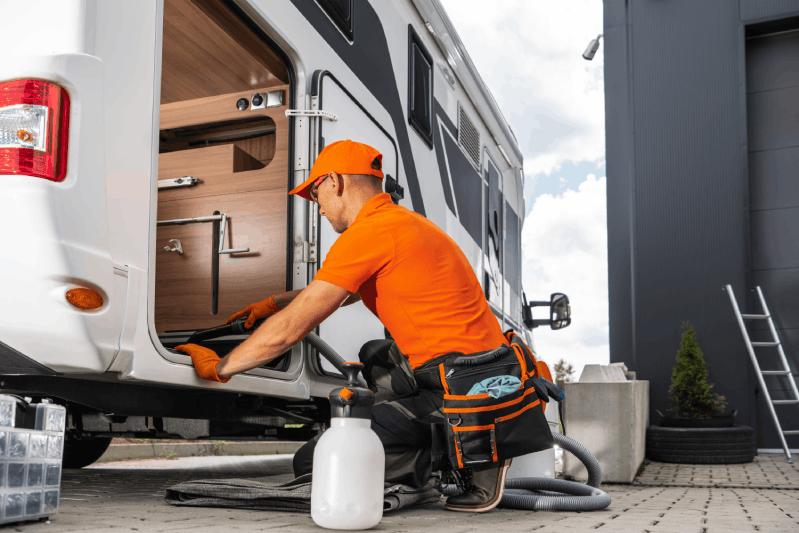
Unfortunately, yes. The furniture in caravans is usually made of wood or textile, and these materials trap odors due to their porous structures. If the odor from the grey water tank seeps into the caravan for a long time, everything from curtains to cushions can start to smell like "dirty water." Fixing this situation is much more difficult than cleaning the tank; sometimes all the cushions may need to be washed. Therefore, you should perform routine cleaning with household materials before the odor occurs (once a month). Preventive maintenance not only keeps the tank healthy but also preserves the overall hygiene and resale value of the caravan.
Does Bacteria Growth in the Tank Require Cleaning Every Few Days in Hot Weather?
Heat is what bacteria love the most. At temperatures of 30 degrees and above, the waste in the grey water tank starts to produce odors within 24 hours. If you are using the caravan in the summer, you should drain it every 2-3 days without waiting for it to fill up and pour a cup of vinegar down the kitchen drain after each drainage. In winter, this period can extend to 7-10 days. This small vinegar intervention in summer reduces the need for major cleaning operations. Remember, grey water sitting in the heat becomes more acidic and aggressive with each passing hour, causing more damage to your tank.
Does Pouring Boiling Water into the Grey Water Tank Open the Joints?
This is technically a serious risk. Caravan tanks are usually produced as a single piece through rotational molding, but the pipe connection points are sealed with special adhesives or seals. Boiling water at 100 degrees can cause these adhesives to soften or the seals to expand and deform. Additionally, if the tank itself is polyethylene, local softening may occur at high temperatures. Make sure that the cleaning waters you prepare at home do not exceed 60 degrees (hot but hand-dippable level). This temperature is sufficient to melt fats and does not jeopardize the structural integrity of the system.
Do Homemade Mixtures Replace Commercial Blue or Green Chemicals?
Commercial chemicals usually contain very powerful disinfectants and strong perfumes. Products known as "blue liquid" are very fast at killing bacteria but are harmful to the environment. The combination of vinegar, baking soda, and citric acid you prepare at home may not be as "aggressive" as commercial products, but with regular use, it yields the same results. If your tank has years of buildup, homemade materials may not create miracles on the first try. However, if you start with a clean tank, maintaining this cleanliness with homemade mixtures is much cheaper and more environmentally friendly. The difference lies between chemical speed and natural sustainability.
Does Backflow Occur After Cleaning the Tank?
If you used a very foamy detergent (such as heavy dish detergent) during cleaning and your caravan is in motion, the foam inside the tank can overflow from the kitchen or bathroom drain. This can lead to unwanted wetness and stains inside the caravan. Therefore, you should prefer "low-foaming" products in your cleaning mixtures or increase the amount of vinegar to balance the foam. Also, when emptying the tank after cleaning, make sure that the ventilation pipe is open; otherwise, a vacuum effect may occur, emptying the water traps in the drains (S pipes) and allowing odors to enter.
Do Household Mixtures Damage Pumps in Pumped Grey Water Systems?
Some high-end caravans or motorhomes use electric pumps (macers) to drain grey water. These pumps break down solid waste. Materials like citric acid or vinegar that you use at home do not harm the plastic and rubber parts inside the pump. In fact, they help the pump operate more quietly and efficiently by dissolving limescale. However, the key point to note is to never send undissolved solid baking soda or large salt particles into the tank. These solid particles can clog the pump's impeller. You should always dissolve your mixtures thoroughly outside and send them to the tank in liquid form.
Is the Seal of the Grey Water Tank Lid Resistant to Vinegar Vapor?
Grey water tanks have rubber seals around the cleaning caps located on the top or side. The acidic vinegar vapor can cause these seals to dry out if left in a closed tank for a very long time (weeks). However, during normal cleaning processes (1-2 days), vinegar is not expected to damage the seals. To extend the lifespan of the seals, it is professional care to wipe the cap seal with clean water after cleaning and apply a thin layer of petroleum jelly or silicone grease on it. This way, the seal is protected from vinegar acid, and it becomes much easier to open the cap during the next cleaning.
What is the Most Aggressive Household Material for the "Black Sludge" Layer in the Tank?
If you could see the inside of your tank with a camera, you would see a black, sticky sludge at the bottom known as "black sludge." The most effective weapon at home to remove this sludge is a mixture of high-concentration citric acid and dishwasher detergent. Dissolve 1 packet of citric acid and 2 dishwasher tablets in warm water and pour it into the tank. Fill the tank halfway and wait for 24 hours, then drive on a winding road. When you open the drain valve, you will see the color of the water and the pieces inside, showing how effective this aggressive mixture has been.
Is It Mandatory to Wash the Tank After Every Trip?
If you are pulling your caravan into a parking area and will not use it for a long time, leaving the tank as it is is one of the biggest mistakes. Even a small amount of water left inside can continue to produce algae in a closed and airless environment. After every trip, it is "not mandatory" but "strongly recommended" to empty the tank, pour a bucket of vinegar water into it, drive a short distance, and then empty it again. This 5-minute process prevents the unpleasant surprise (odor) you may encounter when you start your next trip. A clean tank always means a fresh start.