While caravan holidays and full-time caravan living offer an experience filled with freedom, they also come with certain technical responsibilities. At the forefront of these responsibilities is wastewater management. Knowing when, how, and where to empty the gray water tank is critical for both your comfort and environmental health. Here are all the details you need to know about the gray water tank in a caravan.
What is Gray Water in a Caravan and What Does it Include?
In caravan terminology, "gray water" refers to all domestic wastewater except for toilet waste. This water is typically a combination of water from the kitchen sink, the handwashing sink in the bathroom, and the shower. It may contain soap residues, shampoos, dishwashing detergent remnants, cooking oils, and small amounts of food particles. Although gray water does not contain dangerous pathogens like black water (toilet waste), it has the potential to breed bacteria and produce odors if left untreated. Therefore, proper storage and disposal of gray water is a fundamental aspect that determines the hygiene standards of caravan living.
How Often Should the Gray Water Tank Be Emptied?
For an ideal caravan experience, the gray water tank should generally be emptied every 2 to 3 days. However, this duration can vary significantly depending on the tank's capacity, the number of people living in the caravan, and your daily water consumption habits. If your tank is small or if you take a lot of showers, you may need to reduce this period to daily intervals. Emptying the tank before it reaches full capacity ensures that the sensors operate more reliably and prevents sludge from forming at the bottom of the tank. Especially in hot weather, since organic matter in the water can spoil quickly, it is recommended to empty the tank even if it is not completely full.
How Does Tank Capacity Affect Emptying Frequency?
Gray water tanks in caravans typically range from 60 liters to 150 liters. While it may seem that a larger tank would extend the emptying period, longer retention of water in larger tanks can increase the risk of odors. Users of smaller tanks must be more controlled in their water consumption, which in turn affects the filling time of the tank. If you have a 100-liter tank and generate an average of 30 liters of gray water per day, you will definitely need to find an emptying station by the end of the third day. Capacity is a key technical parameter that determines your freedom of movement.
How Does the Number of People Living in the Caravan Affect Emptying Frequency?
The number of people is the most direct variable in wastewater production. A solo traveler can use a 100-liter tank for up to a week, while a family of four can fill the same tank within 24 hours. When the handwashing, tooth brushing, and showering needs of each individual are combined, a massive volume is generated. Therefore, gray water management becomes much more strategic for larger groups. In crowded families, checking the tank daily and emptying it whenever a suitable location is found is the most logical approach to prevent interruptions during the holiday.
How Quickly Do Your Water Usage Habits Fill the Tank?
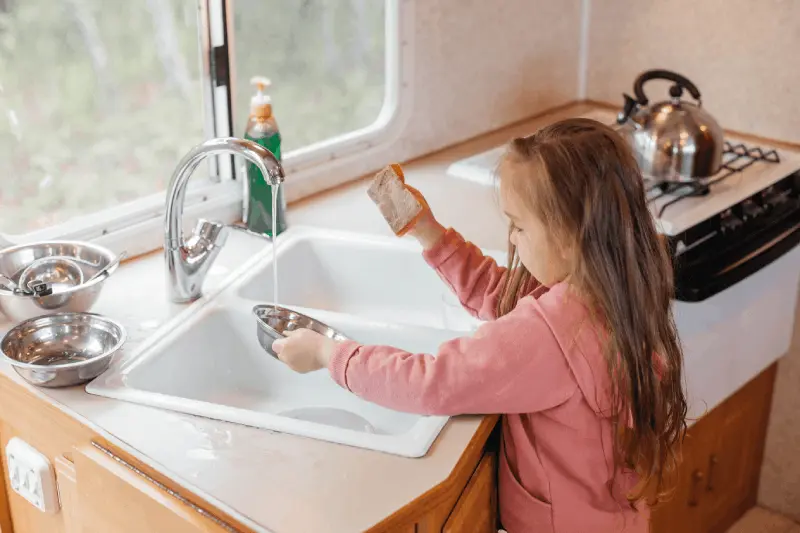
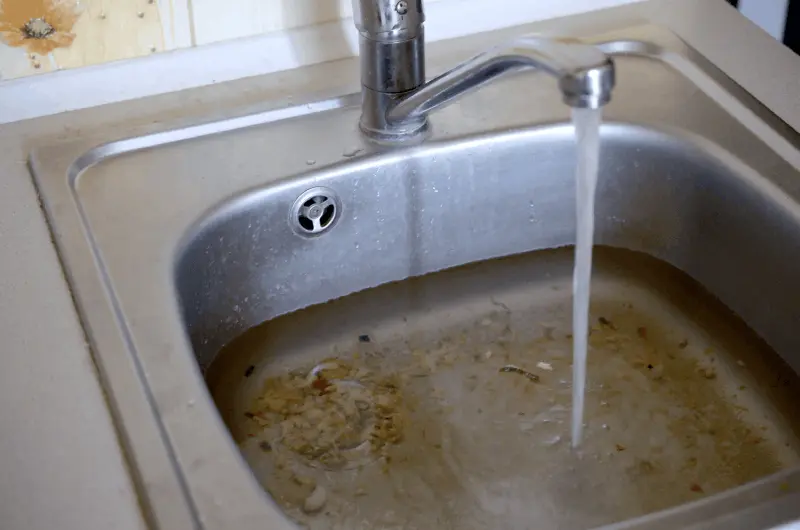
If you take long showers like at home and wash dishes under continuously running water, your gray water tank will fill much faster than you expect. Conserving water in the caravan not only prevents your clean water from running out but also extends the lifespan of your gray water tank. For example, washing dishes in a basin and rinsing them or only turning on the water while wetting and rinsing during a shower (caravan shower) can delay the filling time of your tank by up to 2-3 times. Using water-saving faucet heads also provides a significant advantage in this process, helping to extend the intervals between emptying.
How Can You Tell When the Gray Water Tank is Full?
Most modern caravans have sensors that indicate water levels through control panels. These sensors typically provide information at levels such as 25%, 50%, 75%, and 100%. However, sensors can give erroneous results over time due to soap residues or greasing. In this case, it is important to pay attention to physical signs. If the water starts to drain slowly from the sink, if you hear "gurgling" sounds from the kitchen or bathroom drains, or if a slight odor is emitted, it indicates that the tank has reached its limits. In the worst-case scenario, if water starts to back up from the shower tray, it is a definitive sign that the tank is completely full.
What Happens If You Don't Empty the Gray Water Tank for a Long Time?
The food residues, skin flakes, and soap remnants in gray water create an excellent environment for bacterial growth. If the tank is not emptied for a long time, these bacteria can multiply rapidly, producing hydrogen sulfide gas, which causes a very strong, "rotten egg"-like odor to spread inside the caravan. Additionally, the sludge that forms at the bottom of the stagnant water can lead to sensor malfunctions and blockages in the drainage valve. From a hygiene perspective, the contamination caused by stagnant water can seep back through the bathroom drains, creating an environment that threatens your health.
What Should Be Done to Prevent Bad Odors?
The first step in combating bad odors is to regularly empty the tank. However, additional measures can also be taken. "U" shaped siphons or special check valve systems installed in drains prevent odors from entering. Biological gray water additives available on the market minimize odor formation by breaking down organic matter inside the tank. Additionally, using a greasy plate in the kitchen sink... Wiping them with a napkin before disposing of them prevents the oils, which are the source of the odor, from going into the tank. The mixture of vinegar and baking soda poured weekly also acts as a natural deodorizer and cleaner.
Where Can Gray Water Be Disposed?
The gray water disposal process must always be carried out in accordance with legal and ethical rules. The most suitable places are waste water disposal points in camping areas, caravan service areas found at some gas stations, and caravan parks provided by municipalities. In some cities, waste water manholes (if suitable for gray water) can be used, but local government regulations should be checked regarding this. It should be absolutely avoided to dispose of it into rainwater channels, roadside areas, or directly into the soil. It should be remembered that gray water is a waste that can harm the ecosystem due to the chemicals it contains.
What Are the Dangers of Disposing Gray Water into Nature?
Many people think that gray water is just "soapy water" and believe it won't harm nature. However, the phosphates, nitrogen, and other chemicals in detergents can cause algal blooms when they reach water sources, depleting oxygen in the water and leading to fish deaths. When disposed of into the soil, it disrupts the pH balance of the soil and halts microbial activity. Additionally, food residues in gray water can attract wild animals to camping areas and may lead to human-animal interactions. A responsible camper knows that the only footprint they should leave behind is their own and always directs their waste to the sewage system.
How to Find Gray Water Disposal Stations?
Today, technology makes it quite easy for campers. Mobile applications like "Park4Night", "Campercontact", or "Stellplatz" show disposal stations around the world on a map. Through user comments in these applications, you can access current information such as whether the station is operational or not, and whether there is a fee. Additionally, large rest areas and camping signs along the road will guide you. Planning disposal points along your route before embarking on a long journey is the best way to eliminate the stress of "the tank is full, where can I dispose of it?".
How Do Kitchen Waste Pollute the Gray Water Tank?
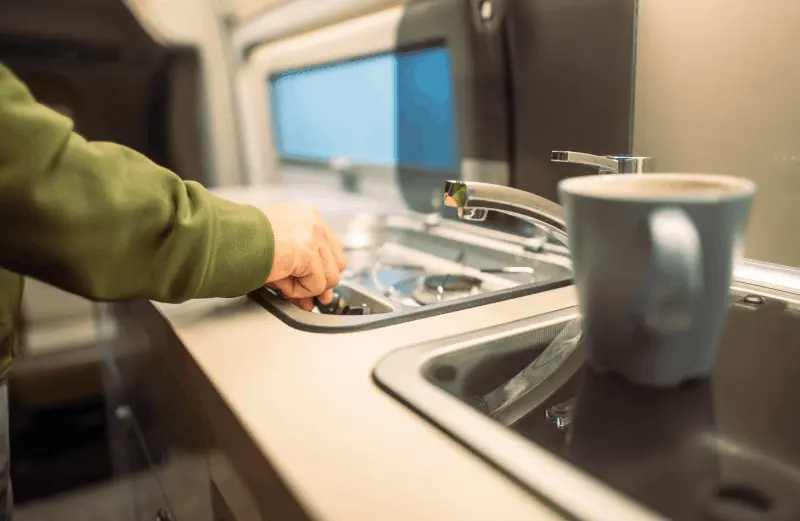
The kitchen sink is one of the biggest pollutants of the gray water tank. When oils left on plates, small grains of rice, or bread crumbs reach the tank, they start to decompose in the water. Especially animal and vegetable fats, when cooled, adhere to the tank walls and pipes, forming layers over time. These layers are both the main source of bad odors and can lead to the clogging of the drainage system. To prevent this, a fine mesh filter should always be used in the sink, and oily residues should be cleaned with paper towels before reaching the tank.
How Do Bath and Shower Waters Affect the Lifespan of the Tank?
Bath and shower waters generally constitute a large portion of gray water by volume. Shampoos, hair creams, and body gels leave a slippery and sticky layer inside the tank. Additionally, hair strands shed during showering can get tangled in pump or valve mechanisms over time, causing technical malfunctions. A simple hair catcher filter that can be attached to the shower drain will extend the lifespan of your tank and drainage system. Additionally, opting for biodegradable personal care products will reduce the chemical load on the tank and help you manage potential odor problems in a more natural way.
How Should Gray Water Management Be in the Summer Months?
Summer heat geometrically increases the reproduction rate of bacteria in the gray water tank. Water that can wait 4 days in winter can start to emit unbearable odors within 24 hours in summer. Therefore, it is best to dispose of the tank whenever possible without waiting for it to fill up during the summer months. Since heat can also cause gas buildup, it should be ensured that the tank ventilation is open and functioning. If you are staying in one place for an extended period and there is no sewage connection, using a portable waste water tank (waste master) to regularly transport and dispose of the accumulated water will help maintain your comfort.
Does the Gray Water Tank Freeze in Winter?
For those who engage in winter camping, one of the biggest risks is the freezing of gray water. The gray water tanks of caravans are usually located below the chassis and are in contact with the outside environment. In temperatures below zero, the water inside the tank or, more dangerously, the water in the drainage valve can freeze, causing the system to lock up. Frozen water expands, which can burst the tank or break the valve. To prevent this, special antifreeze (food-grade ones should be preferred) can be added to the tank in winter, or tank insulation can be done. Some caravans have tank heating pads; activating these systems during the winter months is crucial.
What Chemicals Should Be Used for Cleaning the Gray Water Tank?
Periodic maintenance is essential to clean the layer of grease and soap that accumulates on the inner surface of the tank. Special solutions marketed as "Grey Water Tank Cleaner" are the most effective method to break down these residues. If natural methods are preferred, adding plenty of hot water, baking soda, and vinegar into the empty tank and making some agitation will help the water dissolve the dirt on the walls. Harsh chemicals like caustic soda should definitely be avoided as they can damage the plastic parts and seals of the caravan. The cleaning process should be done at least twice a year, especially... It should be done before and after the long season.
Why Do Grey Water Tank Sensors Malfunction?
A common issue is that the control panel shows the tank as constantly full or constantly empty. The main reason for this is that the oils and lime in the water cover the sensor probes, creating an insulating or conductive layer. Especially pieces of toilet paper (if mixed with grey water) or kitchen oils are the enemies of these sensors. To clean the sensors, filling the tank with special cleaning liquids and driving around for a while (to create a shaking effect) usually solves the problem. If this does not work, the sensors may need to be removed and cleaned manually or replaced with contactless ultrasonic sensors.
Do Emptying Times Change According to the Type of Caravan?
There may be some structural differences in grey water management between towable caravans and motorhomes. In towable caravans, sometimes portable tanks connected from the outside are used instead of a fixed tank. These tanks usually have a low capacity of 25-40 liters, so they need to be emptied every day, sometimes even twice a day. In motorhomes, however, the tank is usually integrated under the vehicle and is larger. However, since it is difficult to move the motorhome, you may not want to move even if the tank is full. In this case, the mobility restriction of the vehicle actually turns into a psychological factor that limits your tank emptying time.
Why is Ventilation of the Grey Water Tank Important?
The grey water tank is a closed system, and as water enters, the air inside must be expelled. If the ventilation (vent) is blocked, the water leaving the sink can create an air lock and backflow or flow very slowly. Additionally, ventilation ensures the safe expulsion of methane and hydrogen sulfide gases that form inside the tank. The ventilation pipe usually extends to the roof of the caravan. Ensuring that the end of this pipe is not blocked (for example, by spider webs or dust) is a critical control point for both the flow rate of the water and the air quality inside the caravan.
Is it Possible to Increase the Capacity of the Grey Water Tank?
If your current tank is not sufficient, there are a few ways to increase the capacity. The first is to remove the existing tank and install a larger custom-made tank in its place. However, this may not always be possible due to limited space under the chassis. A second option is to add a second tank that will be connected in parallel to the existing tank. The third and most practical method is to have a "waste water taxi" (portable tank) for emergencies. When your fixed tank is full, you can transfer the water to this portable tank and take it to the emptying point by hand. This method is especially ideal for those who want to extend their stay without moving the caravan.
Are Grey Water Recycling Systems Commonly Used?
With the advancement of technology, systems that filter and recycle grey water (such as Hydraloop) have started to appear in some luxury caravans. These systems filter and disinfect shower water, allowing you to use it in the toilet reservoir or for outdoor washing. While this is revolutionary in terms of water conservation and tank lifespan, the cost is high and maintenance is cumbersome. Additionally, the regular replacement of the system's filters and energy consumption can be a burden for the caravan's limited resources. However, for full-time residents, these systems can reduce the need to go to a dumping station by up to 40%.
What are the Grey Water Disposal Rules in Caravan Parks?
There are established rules for grey water management in caravan parks and campsites. In most modern campsites, each plot has its own drainage; here you can keep your grey water hose continuously connected. However, in some places, a central dumping area is used. In these areas, waiting in line, leaving the area clean after you finish, and cleaning up any spills from your hose are basic ethical rules. You should never wash your grey water hose in taps where others are taking clean water. This can increase the risk of cross-contamination and lead to serious outbreaks of diseases.
What Equipment is Needed for Grey Water Disposal?
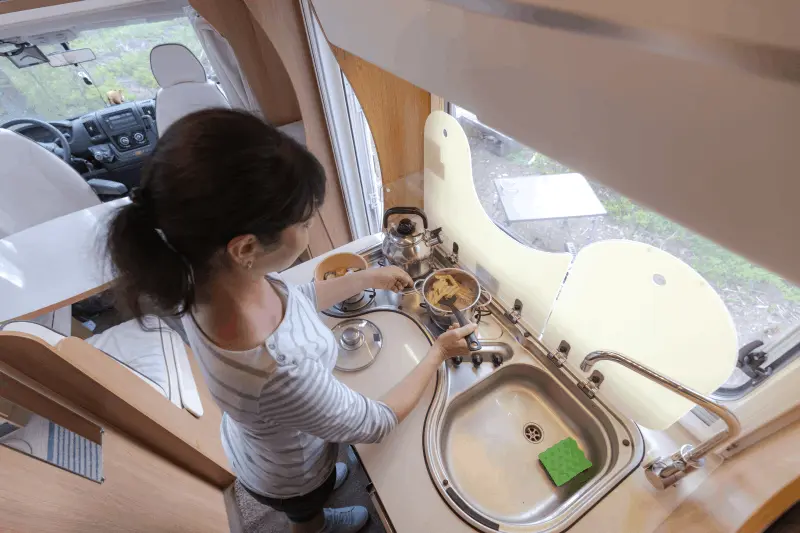
For a smooth disposal process, a quality drain hose is essential. Flexible, durable hoses with adapters that can fit different sizes of drains should be preferred. Ensuring that the seals of the hose are intact prevents environmental contamination during the disposal process. Additionally, you should have disposable or washable work gloves to protect your hands during the process. Keeping a spray bottle of disinfectant to clean the valve and the area after disposal is also a hygienic habit. After using your hose, storing it properly in a non-ventilated bag prevents odor spread.
How Do Soap and Shampoo Choices Affect Grey Water?
The impact of your grey water on the environment and your tank is directly related to the products you use in the bathroom. Traditional soaps and shampoos contain high amounts of chemical foaming agents, artificial fragrances, and preservatives. These substances leave more residue in the tank and are difficult to filter. It is much more logical to choose products that are made for campers or carry a "eco-friendly" label, which are plant-based. These products help maintain the biological balance inside the tank and minimize the damage you would cause to the environment in case of accidental spillage. Additionally, these soaps generally require less water during rinsing due to producing less foam.
Grey W
How to Detect Wastewater Leaks?
Gray water leaks are usually indicated by drips coming from under the caravan or moisture forming in the flooring. However, sometimes the leak can be very small and only becomes apparent when the tank is full and pressure causes it to emerge. To detect leaks, you should regularly visually inspect the connection points, valves, and pipe joints of the tank. If the leak location is not clear, adding a colored food dye to the tank and observing under the caravan may help you find the source of the leak. Most leaks are caused by a loose clamp or a worn-out seal; if not detected early, it can lead to rotting in the wooden parts of the caravan.
How to Ensure Hygiene During the Tank Emptying Process?
The emptying process is the time when the risk of contact with pathogens is highest. Before starting the process, gloves must be worn, and contact with the face should be avoided until the process is complete. The emptying hose should be properly placed in the drain, and the valve should be opened slowly to prevent spillage. After the process is finished, the valve opening should be disinfected, and hands should be washed with soap. If possible, after gray water is emptied, taking some clean water into the tank and emptying it again (rinsing) minimizes residues inside the tank. Hygiene is not only for you but also a sign of respect for other campers who will use that area after you.
What Should Be the Emptying Strategy for Long-Term Stays?
If you are going to stay in one place for more than a week, gray water management becomes more critical. Large portable tanks (25-30 liters) placed under the caravan allow you to transfer water before the main tank is full. Some campers prefer to place a small container under the kitchen sink to collect gray water for tasks like draining pasta or washing hands, then pouring it into an outside bucket (in an appropriate place). However, the most comfortable solution is to park on a plot with a sewage connection. If there is no connection, you should minimize your water consumption and closely monitor the filling rate of the tank.
How to Maintain the Gray Water Tank Valve?
The drain valve is the most mobile and worn part of the gray water system. Over time, calcification, lubrication, or small particles can prevent the valve from closing completely or make it difficult to open. To ensure the valve operates smoothly, valve lubricants available on the market can be added to the tank. Additionally, regularly cleaning the outside of the valve and its handle and lubricating it with silicone spray extends the lifespan of the mechanism. If there is a leak from the valve, it means it's time to replace the rubber seal inside. A dry and cracked seal can lead to unwanted leaks during the emptying process.
Does Saving Water in the Caravan Extend the Tank Duration?
Absolutely yes. When your gray water tank will fill up depends entirely on your water-saving skills. For example, turning off the water while brushing your teeth or washing vegetables in a bowl instead of under running water can save 5-10 liters a day. Using the "camper shower" method (wet, turn off, soap, turn on, rinse) while showering can reduce water consumption by 70%. When combined, these savings can extend your tank's emptying duration from 2 days to 4 days. This gives you more freedom and less hassle of searching for an "emptying spot." Water conservation is the golden rule of caravan life.
What Are Common Mistakes Regarding Gray Water Management?
The biggest mistake is assuming that gray water is clean and dumping it directly onto the ground or roadside. This harms the environment and tarnishes the image of campers, leading to bans on caravans in many places. The second mistake is waiting for the tank to be completely full (to the overflow point); this creates pressure in the system and invites leaks. The third mistake is neglecting tank cleaning; accumulated sediments over time render sensors and valves unusable. Finally, mixing gray water and black water hoses or storing them in the same place is a hygiene mistake that poses serious health risks.
The information in this guide will help you lead a more comfortable, hygienic, and environmentally friendly life in your caravan. Remember, a good camper is not only someone who controls the road they travel but also the trace they leave behind.