
What is a Vehicle Tow Bar and Why is it Needed?
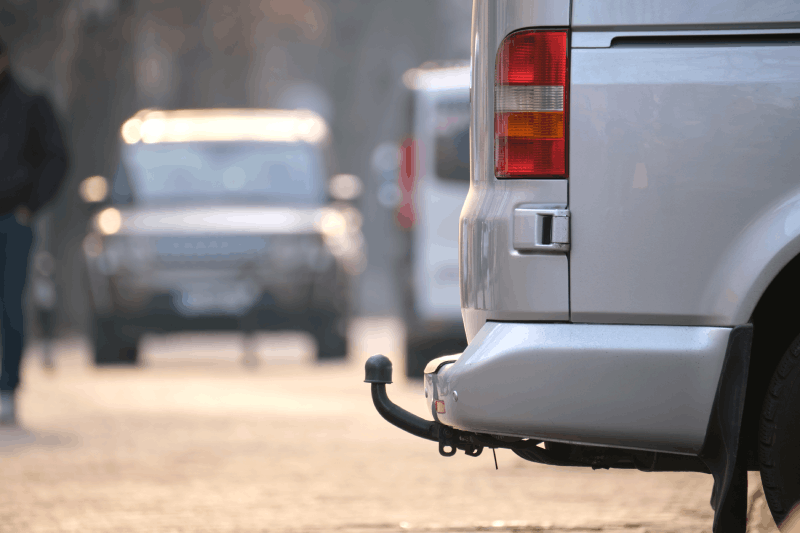
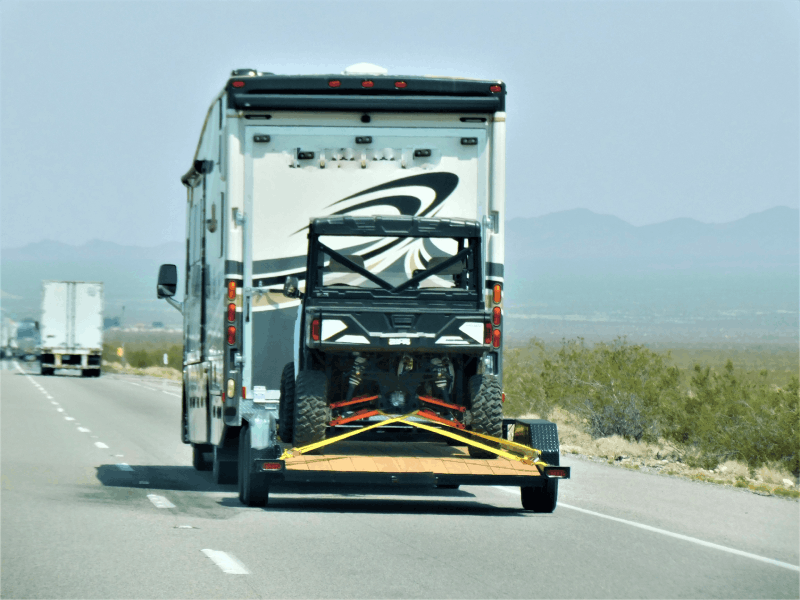
A vehicle tow bar is a metal component mounted to securely attach loads such as trailers, caravans, boat carriers, or bike carriers to the back of a vehicle. This mechanism, which is usually directly attached to the vehicle's chassis, distributes the weight of the towed load evenly, providing a safe driving experience. It is an indispensable piece of equipment, especially for nature enthusiasts, campers, and individuals with logistical needs. It not only serves as a physical connection point but also includes an electrical system that synchronizes the vehicle's signaling system with the trailer. This way, the stop lights and signals of the load behind work in conjunction with the vehicle.
What Stages Does the Tow Bar Installation Process Involve?
Tow bar installation is a much more complex process than simply bolting a physical part to the vehicle. The first stage is selecting a tow bar that is "E" certified (compliant with European standards) and suitable for the vehicle's make, model, and production year. After selection, physical installation is carried out at a specialized service. At this stage, the bumper may need to be cut in some models. Then, the wiring process is performed, integrating it into the vehicle's electrical system. Once the installation is complete, the process transitions to the main technical and legal parts; a project is prepared by an authorized engineer, TSE approval is obtained, and finally, an application is made to the notary for registration procedures. Each step must be meticulously followed.
How Long Does the Tow Bar Installation Take Technically?
The duration of physical installation varies depending on the vehicle model and the type of tow bar used. Generally, the mechanical installation process in a standard passenger car takes between 2 to 4 hours. However, in luxury segment vehicles or models with complex electrical systems (CAN-bus), this time can extend up to 6 hours. The wiring of the electrical system, module installation, and routing the cables to the vehicle's dashboard is the most time-consuming part of the job. If the service is not busy and the part is in stock, a vehicle dropped off in the morning can be picked up with the technical installation completed by the afternoon. However, this only pertains to the "service" aspect; legal processes are not included.
How Does the Project Drawing Process Work and How Long Does it Take?
After the installation process is completed, it is mandatory to have a registered authorized engineer perform the "Vehicle Project" process at the chamber of mechanical engineers to legalize the changes made. The engineer checks the vehicle's chassis number, the brand and serial number of the tow bar (label information). Based on this data, a technical project is prepared digitally. Preparing the project usually takes 1-2 hours; however, depending on system approvals and the engineer's workload, it may take until the evening of the same day or the next day for this document to be in your hands. This project is the most important document proving that the tow bar is suitable for the vehicle's technical capacity.
How is the TSE Approval Process Managed?
Along with the project prepared by the engineer, an appointment must be made with TSE (Turkish Standards Institute) Vehicle Control Centers (AKM). TSE approval is the state inspection of whether the tow bar has been installed according to the installation rules. On the appointment day, the vehicle is taken to the station, where experts check the chassis connections of the tow bar, the originality of the label, and whether the electrical system is functioning properly. If everything is in order, approval is granted through the system. This inspection process usually takes between 30 to 60 minutes. However, due to congestion at the stations, obtaining an appointment may sometimes be delayed by a few days. Therefore, planning in advance will expedite the process.
Is it Mandatory to Make an Appointment for TSE Approval?
Yes, it is necessary to make an appointment in advance to carry out transactions at TSE Vehicle Control Centers for the orderly conduct of the processes. Most of the time, appointments are made through the online system or by calling the relevant center. In cases where you go without an appointment, you may have to wait for a long time or your transaction may not be completed that day due to the quota being full. Especially considering the congestion in large cities, starting the appointment process immediately after the installation or while the project is being drawn will save time. The TSE approval document (L document or relevant report) means that the project has been officially certified by the state and this document is mandatory for notary transactions.
How Long Do Notary and License Registration Transactions Take?
After TSE approval is obtained through the system, the final step is to go to the notary to register the changes in the license. Previously, transactions were done at traffic registration branches, but now all transactions are conducted through notaries. When you go to the notary, you indicate that you will perform the "modification on the vehicle" transaction. The notary clerk sees the TSE approval in the system and cancels your existing license, issuing a new license document that states "Tow bar installed." This process takes an average of 15 to 30 minutes, depending on the crowd at the notary. At the end of this stage, your vehicle will be legally ready to tow a trailer. The notary fee is updated every year.
What Documents are Required for the Tow Bar Project?
There are specific documents that you need to have with you from the beginning to the end of the process. These include the vehicle's existing license, the invoice for the tow bar, the "Installation Instructions" that come with the tow bar, and the "E Certified Type Approval Document," the authorization documents of the service performing the installation, and the technical project prepared by the engineer. Additionally, having a valid inspection (TÜVTÜRK) for the vehicle is critical for the healthy progress of the process. A missing document can cause your transaction to halt, especially during the TSE or notary stages. Therefore, you should ensure that you receive all documents from the installation company completely and signed/stamped.
How Many Days Does the Tow Bar Installation Take in Total?
When we add up all the processes (installation, project, TSE, and notary), under ideal conditions, the total duration of this work is between 2 to 4 business days. If the installation service, project engineer, and TSE station can be organized on the same day (although this is a very low probability), it is possible to complete it in 1 day. However, generally, the first day involves installation and project, the second day involves the TSE appointment and approval, and the third day involves notary transactions. If weekends or public holidays intervene, this duration can extend up to 1 week. It is healthiest to ensure the technical accuracy of each stage without rushing.
What is the Difference Between 7-Pin and 13-Pin Electrical Systems?
The selection of the electrical system in tow bar installation is determined by the type of load to be towed. 7-pin sockets are generally used for standard load trailers, boat carriers, or simple bike carriers; they only transmit stop, signal, and parking lights. 13-pin sockets, on the other hand, are specifically designed for modern caravans. This system supports additional functions such as powering the refrigerator inside the caravan, charging the battery, and activating the reverse lights, in addition to external lighting. The installation of a 13-pin system is slightly more complex and requires more labor. If you are going to use a towing caravan, you should definitely prefer the 13-pin system.
Why is the "E" Certificate Important in Tow Bar Installation?
The "E" certificate or "e-mark" is an international certification indicating that a product is manufactured in compliance with the safety and quality standards of the European Union. The tow bar is a part that directly attaches loads to the vehicle's chassis and is of primary concern for traffic safety. If your tow bar does not have this certificate, the engineer cannot draw up the project, and you cannot pass TSE approval. Additionally, this certificate guarantees that the product has passed collision tests and has a certain towing capacity (D-value). Avoiding uncertified products is both a legal obligation and a matter of personal safety.
What is the Penalty if the Tow Bar is Not Registered in the License?
It is a legal obligation to register any technical modification made on the vehicle in the license within 30 days. If you install a tow bar and take the vehicle on the road without registering it, and this situation is detected during an inspection, an administrative fine will be imposed according to the Highway Traffic Law. More importantly, your vehicle may be banned from traffic and towed to a parking lot with the help of a tow truck. Additionally, if you have an accident with a tow bar that has not been registered in the license, insurance and comprehensive companies may refuse to pay damages on the grounds of "unauthorized modification on the vehicle." To avoid these risks, it is essential to complete the process up to the notary stage.
How Does the Tow Bar Affect the Periodic Vehicle Inspection (TÜVTÜRK)?
A tow bar that has been properly registered in the license does not pose any issues during the periodic vehicle inspection (TÜVTÜRK). The inspection technician compares the information on the license with the tow bar on the vehicle and checks its physical condition. If the tow bar is not registered in the license, the vehicle will be considered "Heavily Defective" and will not pass the inspection. In this case, to complete the inspection, you either need to remove the tow bar or complete the legal project process and register it in the license. Additionally, the functionality of the electrical socket and the cover mechanism are also among the details checked during the inspection.
Does Vehicle Warranty Get Affected by Tow Bar Installation?
This is one of the most frequently asked questions among car users. As a general rule, any intervention made outside of authorized service may void the warranty on that part of the vehicle. Especially installations made by cutting the electrical system (without using a CAN-bus module) can jeopardize the warranty of the entire electrical system of the vehicle. However, if original equipment approved by the brand is used or socket systems that do not damage the vehicle's wiring are preferred in professional services, the warranty generally remains intact. Still, it is advisable to consult your vehicle's authorized service before having the installation done.
What Factors Determine the Cost of Tow Bar Installation?
The total cost consists of several different items. The first item is the tow bar kit itself; prices vary depending on the brand and model (imported or domestic). The second item is the labor cost; it is determined based on the complexity of the installation. The third item is the engineering project fee. The fourth item is the inspection fee paid to the TSE control center. The last item is the registration fee paid to the notary for the license document change. Additionally, if you prefer a 13-pin installation or a vertical removable (hidden) model, costs may increase slightly. Generally speaking, a certain budget should be allocated for quality service and legal completion.
Can a Second-Hand Tow Bar Be Installed and What is the Process?
Technically, a second-hand tow bar can be installed on another vehicle, but this situation brings significant difficulties. Every tow bar must have a type approval label on it; if this label is missing or unreadable, project planning cannot be done. Additionally, you may need to present an invoice for a second-hand bar; if there is no invoice, the process may be blocked. More importantly, the tow bar may have been involved in an accident or experienced metal fatigue, which poses a safety risk. Considering that the tow bar is a vital safety component, it is always strongly recommended to prefer new and documented products.
Is the Driver's License Class Important When Towing a Caravan?
Installing a tow bar is just part of the vehicle; the weight of the load to be towed can also change the driver's license requirements. If the weight of the trailer or caravan you are towing is below 750 kg (Class O1), you can use this vehicle with your standard Class B driver's license. However, if the towed load exceeds 750 kg (Class O2), you need to add the "E" notation (Class BE) to your license. It is also a legal requirement that trailers over 750 kg have their own license and plate. If you tow a heavy caravan without the appropriate license class, you may be penalized for driving with insufficient licensing and may be denied insurance coverage in the event of an accident.
What Should Be Done If the Tow Bar Needs to Be Removed?
If you want to remove the tow bar when selling your vehicle or because you no longer need it, this process also requires a legal procedure. Simply physically removing the bar is not sufficient; since it is registered in the license, you will face issues during inspection. After the removal process, a "Removal Project" must be drawn up by an authorized engineer, the part must be confirmed as removed at TSE, and the notation must be deleted from the license at the notary. In other words, you need to follow the entire legal path you took when installing it in reverse. Therefore, it is important to think long-term and be decisive when installing a tow bar for economic reasons.
What is the Difference Between Vertical (Hidden) Tow Bars and Fixed Tow Bars?
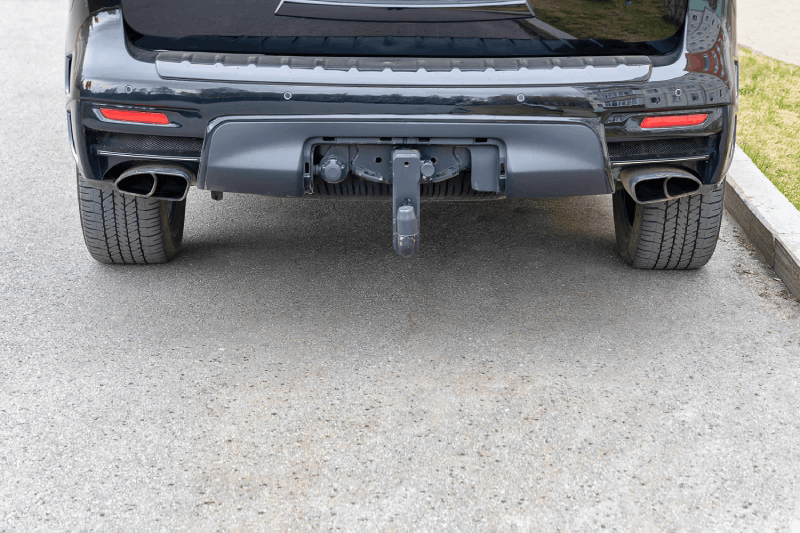
Fixed tow bars are models that are always visible at the back of the vehicle. They are economical and very durable, but they can disrupt the aesthetics of the vehicle or mislead parking sensors. Vertical removable models can be easily removed with a key when not needed. When removed, no connecting parts are visible at the back of the vehicle, thus preserving the vehicle's original appearance. Additionally, in these models, the electrical socket can also be hidden behind the bumper. While users focused on comfort and aesthetics generally prefer vertical models, those using them for commercial purposes or continuous use tend to choose fixed models. The legal procedures and TSE approval process for both models are exactly the same.
Does the Tow Bar Affect Parking Sensors?
Especially in vehicles where a fixed tow bar installation is done, the knob of the bar may enter the field of view of the parking sensors. This can cause the sensors to continuously give a "obstacle detected" warning when the vehicle is in reverse. In modern tow bar kits, intelligent electrical modules (Can-Bus) automatically disable the parking sensors when a trailer is attached. However, to prevent the sensors from being obstructed when no trailer is attached, either a software adjustment must be made or the placement of the sensors must be planned accordingly. In vertical removable models, this issue is completely eliminated when the bar is removed, making it the cleanest solution.
How Should Tow Bar Maintenance Be Done After Installation?
The tow bar is a part that requires relatively little maintenance, but periodic checks are beneficial for your safety. The installation bolts should be checked for tightness at regular intervals, as road vibrations can cause them to loosen over time. To prevent rust on the knob part of the bar, protective covers should be used and it should be lightly lubricated (if you are not towing a stabilizer-equipped caravan; if a stabilizer is present, lubrication should definitely not be applied). Cleaning with contact spray can be done to prevent corrosion of the pins inside the electrical socket. Cleaning the installation area with water to prevent the salt that is spread on the roads during winter from damaging the metal will extend the life of the bar.
Should the Tow Bar Be Added to the Comprehensive and Traffic Insurance?
Absolutely yes. Any modification made to the vehicle must be included as "additional accessory" in the comprehensive insurance policy. If you do not register it in the policy, damages to the tow bar itself may not be covered in the event of an accident. More importantly, some insurance companies want to know if there is a tow bar on the vehicle, even if it is registered, as this can change the risk profile. Generally, adding it to the comprehensive insurance creates a very small premium difference but provides significant coverage. The traffic insurance already tracks the legal status of the vehicle through the license, so it is sufficient for it to be registered.
What Risks Are Associated with Incorrect Installation?
An incorrectly or poorly performed tow bar installation can create life-threatening dangers. If the chassis connections are not tightened with the correct torque, the bar may break while driving, causing the trailer behind to be released into traffic. Additionally, errors in the electrical system can damage the vehicle's brain system (ECU), cause battery discharge, or lead to the trailer lights turning off during night driving, increasing the risk of rear-end collisions. Bumpers cut from the wrong point can disrupt the vehicle's aerodynamics and corrosion resistance. Therefore, rather than focusing solely on price, it is best to work with companies that have proven competence and references.
How to Choose a Professional Installation Center?
To choose the right installation center, you should first check whether the company has the "Vehicle Project" authorization granted by TSE. You should also confirm that the products they use are "E" certified and invoiced. User reviews on the internet and references from vehicles they have previously worked on can give you an idea. A professional center will provide you with all technical documents completely after installation and will guide you through the steps you need to follow in the legal process. When obtaining a price quote, do not forget to ask whether the project is included in the price. Remember, a tow bar is a safety equipment that needs to be installed once and used safely for years.
How Does Fuel Consumption Change When Towing Heavy Loads with a Tow Bar?
Any weight and wind resistance added to the back of the vehicle will directly increase fuel consumption. Especially if you are towing a large towing caravan, your fuel consumption can exceed standard usage by 30% to 70%. The tow bar itself weighs approximately 15-25 kg, and its effect on fuel consumption when the vehicle is empty is negligible. However, when the load is attached, the engine's load increases, and the transmission is strained more. To maintain fuel economy, it is important to drive at appropriate speeds, check tire pressures, and avoid unnecessary sudden accelerations. Using a tow bar is a lifestyle, and the additional costs it brings should be seen as part of that enjoyment.
Is a Change in Tow Bar Regulations Expected in the Future?
Vehicle modification regulations in Turkey are being updated in parallel with European Union norms (ECR 55). The current process is quite standardized; however, with the increasing prevalence of electric vehicles, new technical standards may emerge in installation procedures. Due to the positioning of battery packs in electric vehicles, the installation points for tow bars have become much more sensitive. Therefore, the technical details of the regulations may tighten over time. However, the fundamental principle of "documented product, engineering project, and official approval" is not expected to change. Any installation done in accordance with the current rules will continue to maintain its legal validity.
What Other Details Are Frequently Asked About Tow Bars?
As mentioned in our blog post, the tow bar process is both a technical and bureaucratic journey. The answer to the frequently asked question by users, "Is the tow bar knob illegal?" is that as long as it is registered in the license and complies with standards, it is definitely not illegal. However, it should not obstruct the readability of the license plate; if the fixed bar covers the plate, it may be necessary to use a vertical model or legally change the position of the plate. Always prioritizing safe driving and acting in accordance with the laws will protect you from both financial and moral damages. We wish you enjoyable drives on your journeys with your caravan or trailer.