Why Are Canned Foods Campers' Best Friends?
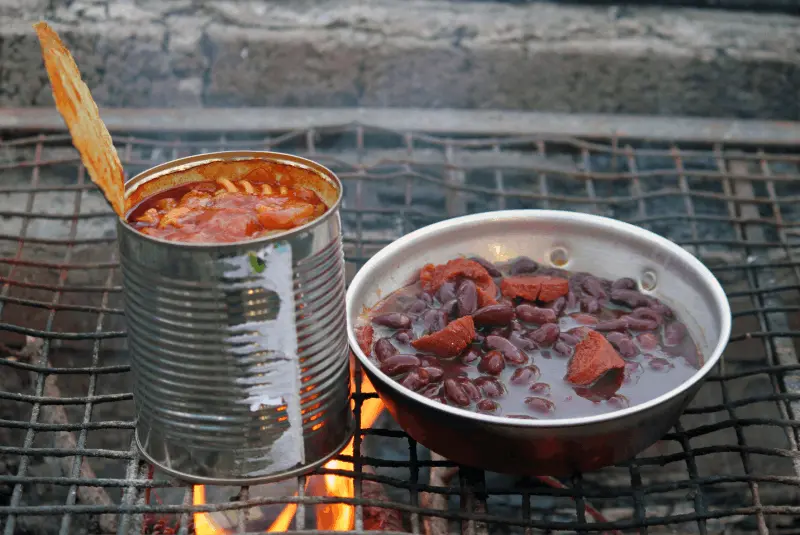
Preparing meals while camping is both a pleasure and a challenge within the limited possibilities offered by nature. Canned foods are a must-have in every camper's backpack due to their lack of spoilage risk, ease of transport, and quick preparation. However, simply opening the can and heating it is not enough for a true camping gourmet. Canned goods are actually a perfect canvas for your creativity. When combined with the right spices and cooking techniques, these long-lasting ingredients can reach a level that rivals the flavors found in the finest restaurants. Their lightness and lack of need for refrigeration make them indispensable, especially during long outdoor excursions and challenging camping conditions. In this guide, we will explore in detail how to unlock the potential of these humble cans.
Is It Possible to Completely Eliminate That Metallic Taste from Canned Foods?
The biggest complaint about canned foods is often that slight metallic or sterilized taste that comes from the can. The first rule to eliminate this taste is to rinse the ingredient thoroughly with clean water after removing it from the can (except for canned foods in sauce). The rinsing process removes the protective brine and metallic flavor that may remain on the food. The second step is to use acidity. A few drops of fresh lemon juice, quality apple cider vinegar, or a splash of dry white wine will instantly refresh the flavor of the canned dish. Additionally, caramelizing onions and garlic in plenty of olive oil before starting to cook the dish adds depth to the food that comes out of the can. Sugars and aromatics that come into contact with heat suppress the metallic taste, leaving behind a rich, homemade flavor. With the right techniques, no one will believe your dish came from a can.
How Does an Ordinary Canned Bean Turn into a Gourmet Dish?
Ready-made bean pilaf, a favorite among many campers, is actually a great base. To enhance it, you can first add finely chopped fresh green peppers and diced carrots. If you have time over the campfire, heating the beans with a bit of water and a bay leaf will allow the flavors to meld together. To elevate the taste, drizzle some fresh olive oil over it just before serving and sprinkle generously with fresh parsley. If you like it spicy, adding red pepper flakes and a pinch of cumin will give the beans a characteristic Anatolian touch. Served with a slice of toasted village bread, this dish becomes one of the most filling and prestigious meals you can enjoy in the heart of nature. Remember, small touches create big differences.
Should We Only Use Canned Tuna in Sandwiches?
When it comes to canned tuna, the first thing that comes to mind is usually a sandwich, but this is a big misconception. Canned tuna can be transformed into a fantastic pasta sauce or a warm main dish in a camping setting. For example, sautéing the tuna with corn, capers (if available), and sun-dried tomatoes for a short time in a pan and then adding it to your cooked pasta will yield a Mediterranean-inspired dinner. Additionally, you can mix the tuna with a little flour and egg (or just breadcrumbs) to make fish cakes over the fire. These cakes, when fried until crispy in a cast iron pan, offer an incredible flavor. By combining the protein of tuna with fresh vegetables and the right sauces, you can create a protein-rich, warm, and stylish meal. Don’t limit your creativity and definitely try serving tuna warm.
How Can Canned Corn and Peas Go Beyond Being Just a Garnish?
Generally left as a garnish on the edges of plates, canned corn and peas can actually be the stars of the meal. Sautéing canned corn with roasted peppers and onions in a pan over high heat until they are slightly "charred" gives them a smoky and sweet aroma. With this method, you can prepare a fantastic "Corn Relish" or a warm salad. Peas can be mashed with a bit of mint and butter to create a puree; this puree serves as a stylish bed for any meat dish you prepare. Additionally, you can combine these two vegetables and quickly make a vegetable curry by adding some curry powder and coconut milk (if available). Don’t forget to add some crunch with nuts or fresh vegetables to balance the soft texture of canned vegetables.
What Spice Combinations Completely Change the Taste of Canned Foods?
The biggest ally of canned foods is a spice kit. Smoked paprika gives canned dishes that smoky flavor as if they have been simmered over a campfire for hours. Cumin aids in the digestion of legume cans (beans, chickpeas) while also adding an earthy depth. Dried thyme and rosemary, especially, suppress the factory smell of canned meat and chicken products, giving them a fresh forest aroma. Garlic powder and onion powder are lifesavers when you can’t find fresh ones and form the backbone of the dish. If you’re looking for a more exotic flavor, the combination of turmeric and black pepper is both beneficial for health and gives the dish an appetizing golden color. Adding spices at the beginning of the cooking phase to ensure they meld with the oil is the key to a flavor explosion.
What Are the Ways to Make the Soft Texture of Canned Foods Crunchy?
One of the biggest drawbacks of canned goods is that due to the sterilization process, the ingredients are often too soft (mushy). To solve this texture issue, you need to create a "contrast." Roasting canned chickpeas or corn in a cast iron pan with some oil and spices until they are nicely browned on the outside will solve this problem at its root. Adding roasted hazelnuts, walnuts, or pumpkin seeds at the last minute will provide a different texture in every bite. Additionally, sprinkling crispy onions or croutons made from stale bread on top of the dish will break the monotony of softness in your mouth. Texture variety is the most important element that ensures a dish is perceived as "not just a ready meal" but as a "carefully prepared meal."
Why Do Lemon and Vinegar Save the Day in Canned Dishes?
Acidity is a compound that is often overlooked in cooking but is vital for flavor balance. Canned foods often contain high levels of salt, which can sometimes overpower the taste. Squeezing a bit of fresh lemon or drizzling quality vinegar awakens your taste buds and allows other flavors to shine through. Especially in canned fish, chicken, or oily pilafs, acidity cleanses the oily sensation on the palate and provides freshness. If you have a small bottle of balsamic vinegar or pomegranate molasses in your camping bag, drizzling these over canned vegetables can create a caramelized sweetness and sharp acidity balance. Remember, if your dish tastes somehow "off," that deficiency is likely a pinch of acidity.
How to Create Canned Miracles in One Pot?
In camping kitchens, avoiding dirty dishes is the golden rule, which is why "One-Pot" meals are fantastic. Using a can of canned diced tomatoes as a base, you can create an amazing stew by adding a can of chickpeas, some ready-made garnishes, and a bit of sausage or salami if you have it. When you add a bit of water or broth and toss in a handful of pasta or rice, you’ll get a delicious meal that absorbs all the flavors of the ingredients. The only thing to be careful about while cooking in one pot is the cooking times. Adding already cooked canned goods close to the end of the cooking time prevents them from breaking down too much. Meals made this way offer a much deeper and satisfying flavor profile thanks to the mingling of the ingredients’ juices.
What Are the Tips for Making Canned Menemen in the Mornings While Camping?
Starting the day with a great breakfast nourishes the spirit of camping. Canned diced tomatoes and pepper mixtures (canned for menemen) are your biggest helpers in this regard. However, these canned goods can often be too watery. The trick is to first put a bit of liquid oil or butter in the pan and sauté the canned mixture over medium heat until at least half of the liquid evaporates. The aroma of the tomatoes that have lost their water intensifies and becomes sweeter. Adding a bit of crumbled feta or cheddar cheese before breaking in the eggs enriches the flavor. If you have a pinch of oregano and red pepper flakes on hand, finish it off with those. This menemen, which you will enjoy dipping with toasted bread, will taste much better than what you make at home because it has absorbed the smoky essence of camping.
How Do Mexican Beans and Anatolian Flavors Blend?
Mexican beans (Red Kidney Beans) are one of the most versatile elements in camping cuisine. Instead of just trapping them in tacos or burritos, you can adapt them to Anatolian cuisine. For example, when you sauté these beans with onions, tomato paste, and garlic, you create a fantastic warm appetizer. Adding a bit of strained yogurt and some fried red pepper flakes on top can instantly give the Mexican beans a "mantı" aroma. Or you can mix these beans with cooked bulgur and plenty of greens to create a pomegranate-dressed "Anatolian-style Mexican salad." Such fusion experiments will help you achieve surprising flavors with the limited ingredients in camping cuisine. These beans, rich in protein and filling, are much more suitable for our palate than we think.
How to Enhance the Flavor of Canned Meals in a Cast Iron Pan?
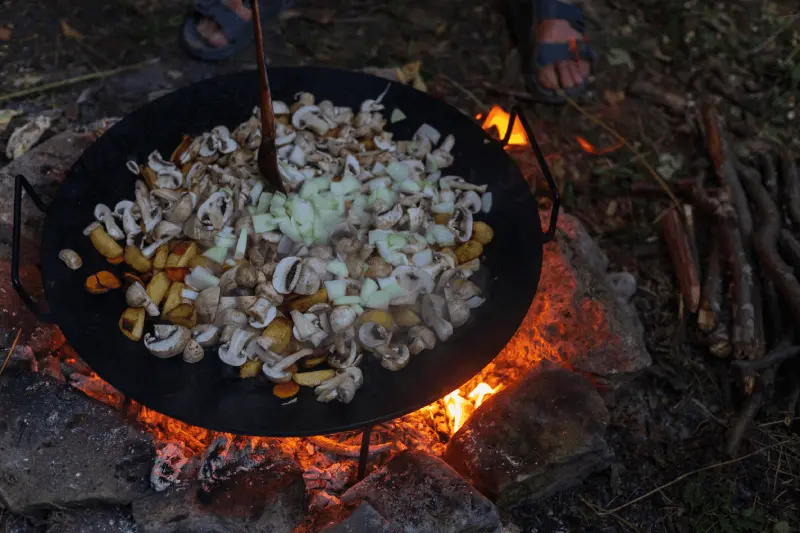
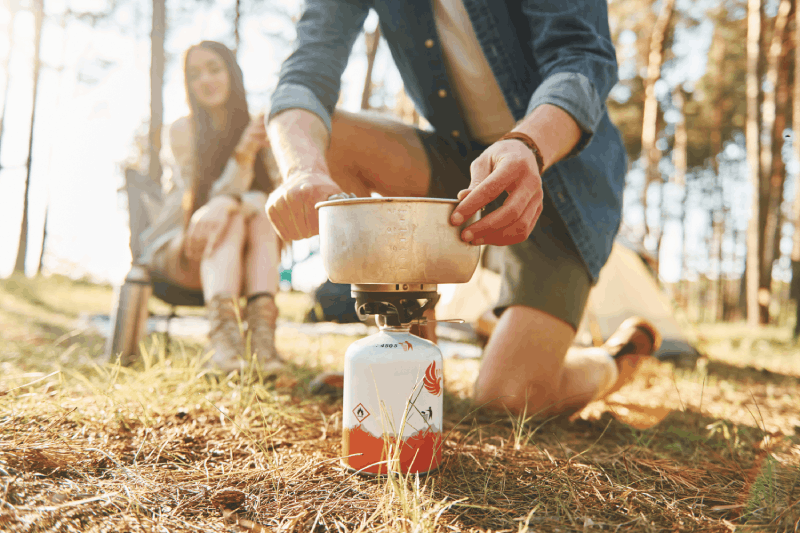
A cast iron pan distributes and retains the uncontrolled heat of the campfire beautifully. Cooking canned meat or chicken in a cast iron pan accelerates the Maillard reaction, which is the browning and caramelization process. This gives the dish a "grilled" flavor. For example, when you roast canned corn in a cast iron pan without any water, the charred marks on the surface of the corn add a wonderful nutty aroma. Additionally, since cast iron retains heat for a long time, it prevents your dish from cooling down immediately when you bring it to the table (or place it on the surface). Despite its weight in camping kitchens, those who carry cast iron pans know one thing; controlling the heat is half the flavor. "Sealing" canned foods with the strength of cast iron will make you forget their factory softness.
How Do Butter and Olive Oil Revitalize Canned Foods?
Fat is the most important vehicle for carrying flavor molecules. Canned foods are often stored in low-quality or tasteless oils. Therefore, adding quality oil to your dish can radically change the flavor. A spoonful of real butter gives canned beans or chickpeas a silky texture and a creamy sweetness. Olive oil, especially in cold canned salads or appetizers, provides a fruity freshness. Adding a piece of butter just before taking it off the heat at the end of the cooking process will enhance your sauce and bind all the ingredients together. Carrying these oils in small containers while camping may seem cumbersome, but the flavor boost you gain is well worth the effort. Oil is not just a cooking tool; it is also one of the most powerful aromatics.
Should We Drain the Liquid from Canned Foods or Use It in Sauces?
This topic is often debated among campers. As a general rule, the liquid (aquafaba) in vegetable and legume cans is rich in starch and is great for thickening sauces. If you are making a chickpea dish, using some of its liquid will give the dish a nice consistency. However, this liquid can also contain high levels of sodium (salt) and preservatives. If you have a sensitive stomach or want to control the salt content, it’s more sensible to drain it. The liquids from meat and fish cans are usually very flavorful and can be used to enhance pasta dishes. However, you should always taste it before deciding; if the liquid tastes too metallic or artificial, definitely drain it. When used correctly, that "canned liquid" is actually a free vegetable or meat broth.
How Do Nuts You Bring Along Add Style to Canned Meals?
Nuts, which are indispensable in your camping bag, are the best complement to canned meals. After sautéing a can of canned chicken, adding a handful of roasted peanuts or cashews will instantly turn your dish into an Asian-inspired "Stir-fry." Adding dried fruits and stuffed nuts to chickpea dishes brings the rich sweet-salty balance of Ottoman cuisine to the meal. Nuts provide both texture contrast (crunchiness) and increase the nutritional value and calories of the dish, giving you energy in nature. Especially walnut halves pair incredibly well with sauces made from canned tomatoes. Make it a habit to sprinkle a little crushed nuts on your dishes before serving; you will notice the difference.
How to Keep Canned Chicken and Meat Products Looking Fresh with Proper Sealing?
Canned meats often don’t look very appetizing when they come out of the can; they have a grayish color and a soft texture. The way to "revive" them is high heat. Heat the pan until it starts to smoke, add a little oil, and place the meats in the pan. Cook each side of the meat for just a minute until a brown crust forms. This process locks in the moisture inside the meat while giving it that beloved caramelized flavor on the outside. Immediately add some freshly ground black pepper and oregano to refresh the aroma. If you drizzle a bit of soy sauce or honey over it after this sealing process, the dull color of the meat will completely disappear, and it will gain a shiny, freshly cooked appearance. Presentation directly affects how our brain perceives flavor; therefore, be sure to add color to your meats.
How to Caramelize Canned Fruits Over the Campfire?
Who says there can’t be sweets while camping? Canned peaches, pineapple, or pear slices can turn into amazing desserts over the campfire. Drain the fruits from their juice and sprinkle a bit of sugar or honey over them. Then, using a skewer or in a cast iron pan, cook until the sugars melt and slightly caramelize. The heat of the fire will also bring out the sugars in the fruit, resulting in a crispy exterior and juicy caramelized fruit inside. If you have a bit of tarator on hand, it adds wonderful depth to this mixture. You can serve this sweet with some biscuit crumbs to create a "Cheesecake" or "Crumble"-like version of the camping environment. Canned fruits are both refreshing and a great morale booster that alleviates the fatigue of the day.
Why Should We Never Consume Swollen Canned Goods?
Safety comes before everything in camping cuisine. If the lid of a can is bulging (swollen), it is a definite sign that there has been bacterial activity inside the can. Especially Clostridium botulinum, which can be fatal, produces gas in an oxygen-free environment and causes the can to swell. The idea that "it will be fine once cooked" is a vital mistake here; because the toxins produced by these bacteria can be heat-resistant. Additionally, if you smell an unusual, bad odor when you open the can or if the contents are leaking, you should never consume that food and dispose of it in a way that won’t harm the environment. When carrying cans in your camping bag, be careful to avoid impacts and punctures to minimize these risks. A healthy camp comes from a safe kitchen.
How Can We Evaluate Empty Canned Goods While Camping?
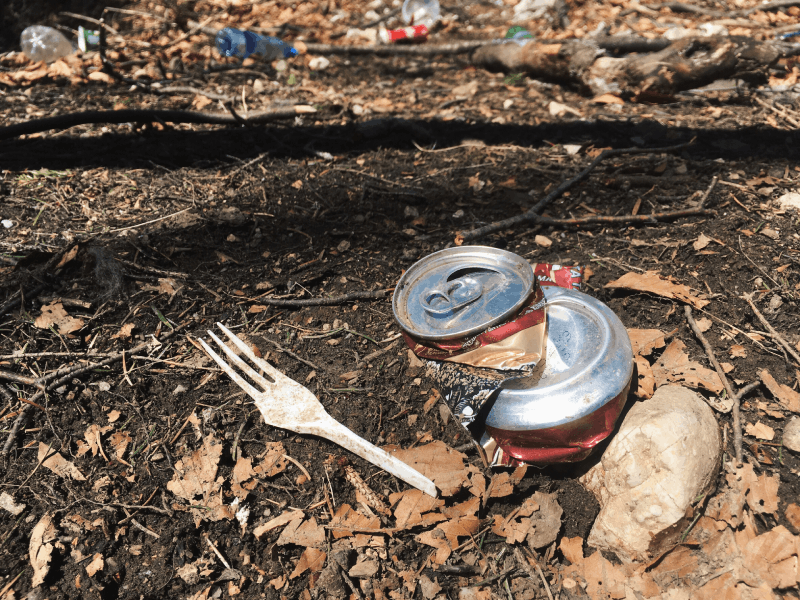
After eating your meal, the empty cans you have left are actually very functional tools. After thoroughly cleaning them, you can place these cans by the campfire to heat water, brew herbal tea, or make coffee. You can even make a small "hobo stove" by drilling holes in the sides of the can and starting a mini fire by adding a few twigs. If you have a candle, you can create a stylish camping lantern by punching decorative holes in the can. However, always be careful with the sharp edges of the cans and crush them inward with pliers. And most importantly, when you’re done, do not leave these cans in nature; you should definitely take them back to recycle. The "Leave No Trace" principle is the red line of every true camper.
How Do You Express Your Creativity in Camping Cuisine?
Ultimately, canned foods are not just a "necessity" in camping cuisine, but also an opportunity to express your creativity. Be bold in combining the ingredients you have; don’t be afraid to mix sweet with savory, local with exotic. The silence and clean air of nature add flavor even to the simplest meal. However, those little touches you make, the right cooking techniques, and the effort in presentation will turn the table you share with your camping friends into an unforgettable moment. Cooking is an art, and the campfire is the most beautiful stage where this art can be performed. The next time you pick up a can to open for your camping trip, remember that it is not just a metal container, but the key to a gourmet feast. Enjoy your meal and wishing you many delicious camping experiences!