How Can the Potential of Olive Oil Canned Foods Be Uncovered in Camp Cooking?
Olive oil canned foods are the biggest friends of campers because they do not require refrigeration and are in an open-and-eat form. However, it takes a bit of creativity to elevate the flavor inside these cans from "sufficient" to "excellent." The first step in uncovering the potential is to properly assess the liquid inside the can. Oils and waters commonly used in mass production can have a slightly metallic taste. To break this flavor, straining your can before serving it on a plate or adding fresh aromas can make the meal feel as if it has just been cooked at home. Viewing the can as a "base" rather than a "foundation ingredient" will completely change the vision of your camp table.
Is It Possible to Turn Canned Artichokes into a Gourmet Dinner?
Canned artichokes are usually soft and sometimes overly acidic. Sautéing them very lightly over the campfire can work wonders. After straining the artichokes, you can lightly toss them with garlic-infused olive oil in a small container you brought along. Adding a pinch of fresh dill and a few drops of lemon juice will completely mask the canned taste. If you also have canned peas or mixed vegetables on hand, you can fill the artichokes with them to create a visual feast. Adding a crunchy texture (like roasted pine nuts) that complements the fibrous texture of the artichoke will transform the dish from an ordinary camp meal into a chef's plate.
How Do Fresh Herbs Change the Flavor of Canned Meals?
Canned products lose a significant amount of their fresh aromas due to processing. A small bunch of parsley, dill, or fresh mint that you carry with you adds vibrancy to the meal instantly. The essential oils of these herbs balance the dull taste of canned vegetables and provide freshness. It’s best to add the herbs finely chopped just before serving, rather than while heating the meal. Heat can cause these delicate aromas to dissipate. Using mint and dill in canned foods like stuffed grape leaves or olive oil green beans makes you feel much more energetic in the camp environment due to the fresh sensation they leave on the palate.
How Do Citrus Peels and Juice Add Freshness to Canned Foods?
Citrus fruits like lemons, oranges, or limes are not only a source of juice but also a tremendous reservoir of aroma in their peels. To balance the sometimes heavy texture of canned olive oils, acidity is needed. The zest of lemon you add (using a grater or peeling it thinly with a knife) elevates the aromatic profile of the dish. Orange peel, in particular, pairs incredibly well with canned olive oil leeks or artichokes. The natural acid in citrus juices neutralizes the slight metallic taste left by preservatives in canned foods while highlighting the quality of the olive oil. This small touch enhances the depth and complexity of the dish.
Do Nuts Create a Texture Difference in Canned Meals?
The biggest problem with canned meals is often that all the ingredients have a similar, soft texture. This creates a monotonous feeling in the mouth. To break this, adding roasted hazelnuts, walnuts, almonds, or pine nuts is vital. For example, sprinkling roasted nuts over an olive oil stuffed grape leaf provides a different experience with each bite. Toasting the nuts in the camp stove for about a minute to release their oils makes their flavors even more pronounced. The texture contrast signals to our brains that the meal is fresher and more carefully prepared, making the camping experience more satisfying.
What Does Adding Cold-Pressed Olive Oil Later Bring?
The olive oil used in canning factories is often processed with heat or may be of lower quality. Drizzling a spoonful of high-quality, cold-pressed olive oil over the meal after plating radically changes the entire flavor balance. The polyphenols in cold-pressed olive oil and its fruity, pungent taste add a luxurious touch to the meal. This method improves both the aroma and the brightness of the dish. A quality oil acts as a bridge connecting the flavors of all the other ingredients. Bringing a small bottle of quality olive oil with you while camping is the best investment you can make for all your meals, not just for canned foods.
How Do Smoked Spices Transfer Campfire Aroma to Canned Foods?
The most beautiful aspect of eating in nature is the smell of smoke and fire. To infuse this spirit into your canned meals, you can use smoked paprika or smoked salt. A teaspoon of smoked paprika added to canned olive oil beans or lentils ensures that the dish smells as if it has been cooked over a wood fire for hours. These spices give the canned food a "wild" character by masking its sterile and industrial taste. Lightly toasting the spice with oil while adding it to the meal helps distribute the aroma evenly throughout the dish and leaves a lasting impression on the palate.
What Sauces Should Be Used to Enhance Canned Grape Leaves?
Ready-made grape leaves can sometimes be dry or overly sour. A yogurt-based sauce or a mixture with pomegranate molasses is fantastic for reviving them. If you have strained yogurt on hand, you can add a bit of dried mint and red pepper flakes to pour over the leaves. Alternatively, preparing a sauce made of pomegranate molasses, olive oil, and crushed garlic to drizzle over the leaves will create a flavor explosion. Placing the leaves in a bowl and letting them sit with this sauce for 10 minutes allows the sauce to penetrate the rice inside. This short waiting time is crucial for bringing the leaves closer to a homemade taste.
How Does Combining Legumes with Canned Vegetables Affect Satiety?
A can of canned vegetables may sometimes not be filling enough on its own. The way to solve this is the "canned on canned" method. For example, mixing a can of olive oil vegetables with a can of drained chickpeas or beans increases the protein content and makes the meal heartier. The starchy structure of legumes helps thicken the canned liquid, resulting in a saucier consistency. Heating this mixture on the camp stove allows the flavors to meld together. A filling meal is also crucial for the muscle recovery process after physical activity while camping, and this method makes it easy to achieve.
How Should Fresh Aromatics Be Used Instead of Garlic and Onion Powder?
Many campers prefer powdered spices for convenience, but the fate of an olive oil canned food can change with a fresh clove of garlic. Crushing a clove of garlic with a knife and adding it to the pot where you are heating the canned food releases a wonderful aroma into the oil. Similarly, finely chopping a small onion and caramelizing it before adding the canned food creates a deep sweetness and texture in the dish. Fresh aromatics give the meal a feeling of being "cooked right now" and eliminate the characteristic "ready-made food" smell of canned goods. This method works wonders, especially for canned green beans or eggplants.
How Can We Establish the Balance of Bitter and Sweet in Canned Foods?
Most olive oil dishes have a hidden sugar balance. This balance can sometimes be disrupted in canned products. If your dish tastes too sour, you can round out the flavor by adding a pinch of brown sugar or a tiny bit of honey. On the other hand, using bitterness to add character to the dish is very important. Dried chili peppers or red pepper flakes add an exciting contrast to the soft character of olive oils. Bitterness opens the taste receptors on the palate, allowing you to perceive the other flavors in the dish better. This dance of sweet and bitter is one of the biggest gourmet tricks to prevent ordinariness at the camp table.
Does Balsamic Vinegar or Pomegranate Molasses Add Depth to Canned Foods?
Acidity helps olive oil dishes shine. However, instead of just using lemon juice, using balsamic vinegar or quality pomegranate molasses adds "umami" and caramelized depth to the dish. Especially in olive oil cabbage, leeks, or stuffed grape leaves, these types of dark vinegars also enliven the color of the dish. The fruity acidity of pomegranate molasses balances the salt content in the canned food and makes the dish feel lighter. Adding the vinegar just before taking the dish off the heat ensures that some of its sharpness evaporates, leaving only that rich aroma. This method transforms the dish into a restaurant-quality appetizer.
Does Heating Canned Foods Over a Campfire Enhance Flavor Profiles?
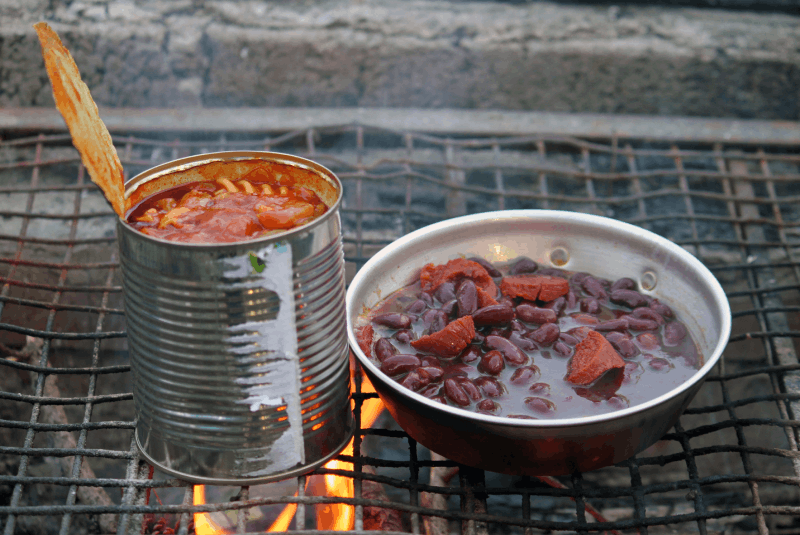
Olive oils are generally eaten cold, but gently heating them in a camp setting allows the oil molecules to change, enabling the aromas to spread more freely. A can that is slowly heated by the campfire helps the vegetables inside better meld with the sauce. Heat, especially, accelerates the infusion of spices and fresh ingredients you add. However, the key point to note is not to boil the canned foods; simply warming them is sufficient. A warm olive oil dish, especially on cool camp evenings, soothes the stomach and enhances the perception of flavors.
Is It Healthy to Pair Fermented Foods with Canned Olive Oils?
Adding a bit of pickles, kimchi, or fermented onions to your canned meals not only facilitates digestion but also creates a flavor explosion. The probiotic structure of fermented foods is quite beneficial for the digestive system, which can become sensitive in camping conditions. In terms of taste, the crunchy texture and sharp vinegar flavor of pickles create a perfect contrast with the soft and oily structure of olive oil canned foods. For example, a small pickled cucumber next to an olive oil okra can serve as a palate cleanser with every bite, allowing you to experience the taste of the meal as if it were new each time.
Does the Presentation of Canned Foods Psychologically Affect Taste?
Eating directly from a tin may seem practical, but transferring it to a nice camping plate and adding a few decorative touches can increase the perception of taste by 30%. Visual appeal prepares the brain for the meal and affects the feeling of satiety. When you serve the food freed from the tin, drizzled with a bit of oil and garnished with fresh herbs, you feel more like a gourmet than an adventurer. The aesthetics of the camp environment also keep morale and motivation high. A beautiful plate presentation is like a small but valuable reward you give yourself against the harsh conditions outside.
How Do Dried Tomatoes Add Body to Canned Meals?
Dried tomatoes are a reservoir of sugars and acids concentrated by the sun. Adding thinly sliced dried tomatoes to a can of canned olive oil green beans gives the dish incredible body and color. The chewable texture of dried tomatoes complements the softness of canned vegetables while enriching the dish's sauce. If your dried tomatoes are stored in oil, don’t hesitate to add that oil to the dish as well; because that oil contains all the essence of the tomatoes. This method ensures that the dish has a rich flavor as if it has been cooked for hours with freshly harvested tomatoes in the summer.
How Are Wild Edible Plants Integrated into Canned Foods?
If you are experienced in plant identification, the wild herbs you can gather from around your campsite (such as nettle, wild garlic, or purslane) can make your canned food unique. After thoroughly washing these plants, sautéing them briefly with canned vegetables adds the "terroir" characteristic of that region to your plate. This fresh and wild touch from nature gives the industrial product of canned food a soul. However, you must be very careful in this regard and only consume plants you are 100% sure of. When applied correctly, this method is the most niche action that transforms your camp meal into a true nature experience.
Does Mineral Water and Baking Soda Soften the Texture of Canned Legumes?
Sometimes canned legumes (chickpeas, beans) can be harder than expected or, conversely, too mushy. If you have a hard can of legumes, heating it with a bit of mineral water ensures that the texture becomes silkier due to the minerals in the mineral water. A tiny pinch of baking soda balances the acidity and helps break down some complex sugars that make digestion difficult. This technique is lifesaving for campers with sensitive stomachs. Mineral water also helps make the sauce of the dish look brighter, which is a professional kitchen secret.
How Is the 'Umami' Flavor Captured in Olive Oil Canned Foods?
Umami is known as the fifth taste and describes the satisfying, full feeling in a dish. To enhance this flavor in canned foods, you can use soy sauce (yes, it pairs very well with olive oils!), nutritional yeast, or a small amount of parmesan rind. Adding a sweet spoonful of soy sauce to heated canned vegetables meets the need for salt while adding indescribable depth to the dish. Nutritional yeast adds a cheesy and nutty aroma, increasing the fullness of the meal. Umami compounds complete the sometimes missing "character" of the canned food and stimulate more appetite with every bite.
Do Dried Fruits Pair Well with Traditional Olive Oil Canned Foods?
Using fruits in olive oil is very common in Ottoman cuisine; bringing this tradition to camp cooking can turn your canned foods into works of art. Adding a few dried apricots, dried plums, or a handful of raisins to a can of olive oil stuffed grape leaves or artichokes adds a sophisticated sweetness to the dish. As these fruits heat up, they slightly melt and harmonize with the natural sugars in the vegetables. This slight tartness and sweetness provided by the fruits perfectly balances the salty and sour taste inside the canned food. With this method, you can bring hints of palace cuisine to your camp table.
How Does Grilling Canned Vegetables Intensify Their Flavor?
If you have a campfire, separating the canned vegetables from their liquid and grilling them on a grill or skewer for a very short time gives them a smoky and caramelized outer layer. This process is especially great for canned mushrooms, eggplants, or zucchini. You can then toss the grilled vegetables back into their olive oil sauce for serving. The smoky flavor helps intensify the juices inside the vegetables and makes the texture more resilient. This method eliminates the classic "canned" texture of the food, replacing it with a richer and layered flavor structure.
How Do Spice Blends (Dukkah, Za'atar) Enhance Canned Foods?
Beyond traditional spices, blends like Dukkah (a mixture of nuts and spices) or Za'atar from Middle Eastern cuisine are like magic dust for olive oil canned foods. These blends provide both aroma and crunch. When you generously sprinkle the canned food you have plated with these blends, it instantly adds an exotic flair to the meal. The thyme and sumac in Za'atar support the freshness of the olive oil, while the sesame and hazelnut pieces in Dukkah add body to the dish. Carrying these ready-made blends with you is very easy and can transform even the most mundane canned foods into exciting meals in seconds.
How Does Tahini and Lemon Sauce Combine with Canned Vegetables?
Tahini pairs incredibly well with olive oils. Drizzling a bit of tahini over canned vegetables or legumes, especially those that are drained, adds a creamy texture and rich sesame flavor to the dish. Diluting tahini with a bit of lemon juice and water to create a pourable sauce ensures it reaches every part of the meal. This sauce balances the glycemic index of the dish, keeping you fuller for longer. The healthy fats in tahini provide the energy you need in camping conditions while also enhancing the absorption of the vegetables' vitamins.
How Does the Combination of Hot Sauce and Honey Affect Canned Beans?
The combination of contrasting flavors (sweet and spicy) is very popular in modern cuisine and works wonders in camp meals. Adding a bit of a hot sauce like sriracha and a sweet spoonful of honey to canned olive oil beans or dry beans takes the dish to a whole new level. Honey helps the sauce adhere better to the vegetables and gives a bright appearance; the heat balances out the sweetness. This method breaks the monotony of the canned food's flavor, offering a continuously changing flavor palette in the mouth. Making such bold experiments at the campfire turns mealtime into a fun gastronomic experience.
What Additions Should Be Made to Dip Bread in Canned Liquid?
The "dipping bread" ritual, which is indispensable in Turkish cuisine, can also be done with canned liquids, but this liquid needs a bit of enhancement. Adding a bit more olive oil, some oregano, and red pepper flakes to the canned liquid and lightly simmering it in a pan turns it into a delicious sauce. If you have sourdough bread on hand, lightly toasting it over the campfire and dipping it into this enriched liquid can be just as enjoyable as the main dish itself. Adding a couple of crushed vegetables to the sauce will improve its consistency and help the bread hold onto it better.
Can New Dishes Be Created by Mixing Different Canned Foods?
Sometimes there may be "leftover" canned foods while camping. Don’t hesitate to combine half a can of green beans with half a can of peas. Such mixtures diversify flavor profiles. Even mixing a can of olive oil vegetables with a can of drained tuna (draining the oil) creates a Mediterranean-style salad/dish hybrid. The combination of different textures and colors also enhances the visual quality of the meal. These types of "creative mixing" methods allow you to capture unique and undiscovered flavors while preventing food waste while camping.
Is Garlic Yogurt and Red Pepper Oil a Traditional Touch for Canned Foods?
Adding garlic yogurt to most olive oil dishes elevates them to a "main course" level. When combined with canned eggplant or pepper dishes, the generous drizzle of garlic-infused strained yogurt and oil with red pepper flakes brings that familiar and comforting taste of home to the campsite. The contrast between the coolness of the yogurt and the warmth of the spicy oil stimulates the senses. This method breaks the sterility of the canned food and adds a sense of "home-cooked meal" intimacy. After a tiring day of camping, such a plate of food can lift your spirits to the top.
How Should the Storage and Hygiene of Canned Foods Be Managed While Camping?
Safety is as important as enhancement techniques. Once a can is opened, the protective atmosphere inside is lost, and the vegetables begin to spoil quickly. If you are not going to consume the entire can, you should transfer the remaining portion to a sealed bag or an airtight container instead of leaving it in the tin. Oxidation begins after the tin is opened, which can jeopardize food safety. Additionally, you should not leave your canned foods in direct sunlight; they should be stored in a cool, shaded place. Paying attention to hygiene rules is the most fundamental rule to ensure that your camping enjoyment is not interrupted by a health issue.
Does Pesto Sauce Create an Italian Flair in Canned Vegetables?
Ready-made pesto sauces in small jars are perfect flavor bombs for olive oil canned foods. Adding a spoonful of pesto to canned olive oil beans or zucchini especially adds fresh basil, pine nut, and cheese flavors to the dish. Pesto completes the sometimes "lacking" herbal note of the olive oils. This method instantly shifts the dish's profile from Aegean cuisine to Italian cuisine. This touch, which is both very practical and very effective, is ideal for those who want to achieve a lot with minimal ingredients while camping.
How Does the Combination of Mustard and Balsamic Vinegar Revitalize Canned Salads?
Some olive oil canned foods can behave like a salad when eaten cold. Adding the mustard, balsamic vinegar, and olive oil mixture you prepared in a bowl gives the vegetables a "vinaigrette" sauce depth. The sharpness of the mustard balances the soft taste of the vegetables and creates an appetite-stimulating effect. This sauce significantly alters the energy of the dish, especially in olive oil canned potatoes or broccoli/cauliflower. Mixing the sauce well with the vegetables and letting it rest for 5 minutes allows the sauce to penetrate the texture of the vegetables, resulting in a professional appetizer.
What Are the Ideal Presentation Tools for Canned Foods in Camping Conditions?
The container in which the food is served is as important as the taste of the food. Instead of plastic containers, using enamel plates or titanium camping sets that retain heat better ensures that the food stays warm longer. The nostalgic appearance of enamel plates fits very well with the traditional spirit of olive oil dishes. Additionally, placing the food on a shared "serving" plate strengthens the bond with your camping friends. Using a wooden base or a fresh twig in your presentation adds a natural aesthetic to the table. Remember, eating in nature is not just about filling your stomach; it also nourishes your soul.
Can Canned Foods Turn into a Feast While Camping?
With the right techniques, a pinch of fresh ingredients, and a bit of creativity, even the simplest canned food you buy from the market can taste like it came from a chef's kitchen. Olive oil canned foods provide you with a "base" in the limited opportunities of camp cooking; every layer you build on this base reflects your taste. As you try these methods, you will discover your favorite combinations and turn your camp tables into unforgettable gastronomic destinations. During your next camping trip, don’t just settle for opening and eating your canned food; add a story to it and savor the true taste of nature.