Why Should Hot Wine Be Preferred in Winter Camping?
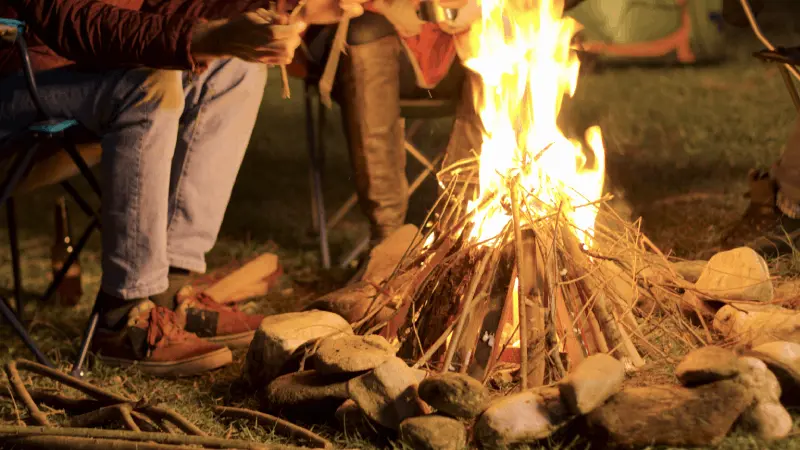
When camping in winter, it is quite important to maintain body heat and elevate mood. Hot wine not only warms you from the inside with its alcohol but also provides warmth with its rich spices and heat. Holding a warm cup in front of a fire burning in the snow adds comfort and makes the camping experience much more memorable. Additionally, the aromatic scents released by the spices provide mental relaxation when combined with the silence of nature, deepening conversations with friends in the social atmosphere of the camp.
What Equipment Is Necessary for Heating Wine Over a Campfire?
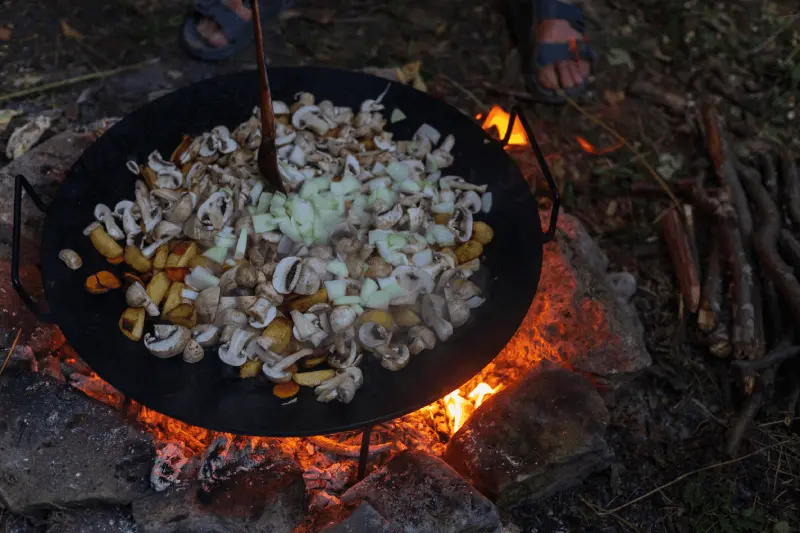
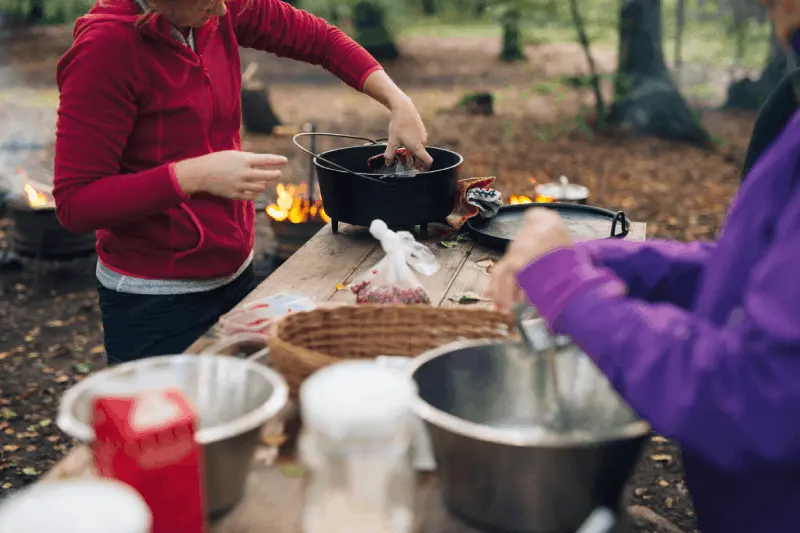
Since kitchen comfort in nature is limited, choosing the right equipment is vital. A stainless steel or enamel pot is the best choice for heating your wine; because these materials are resistant to acidity and distribute heat evenly. A sturdy metal grate or camp grill that you can place over the fire prevents the pot from tipping over. Additionally, mugs with handles that you can hold without burning your hands and a fine strainer or clean cheesecloth should definitely be in your backpack for straining the spices. Using a wooden spoon instead of metal for stirring reduces heat transfer.
Which Varieties Should Be Selected for an Ideal Winter Camping Wine?
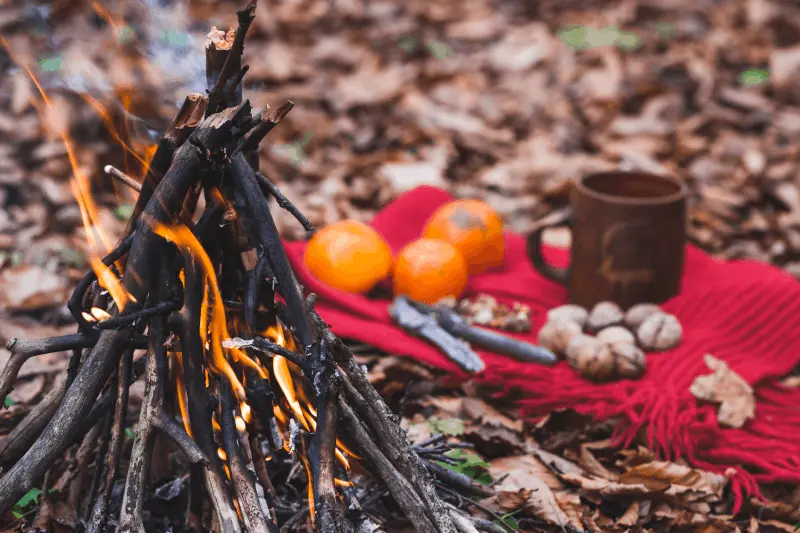
When making hot wine, you don't need to use very expensive or aged wines; because the heat and spices will cover the original notes of the wine. However, it is critical that the wine you choose is full-bodied, fruity, and low-tannin. Varieties like Öküzgözü, Merlot, or Grenache pair very well with hot wine due to the fruity aromas that emerge when heated. Very acidic or overly tannic wines can leave an unpleasant taste when heated. Therefore, medium-bodied and fresh-finish red wines will yield the most harmonious result with the smoky aroma of the campfire.
How Can You Shorten the Infusion Time of Spices into Wine?
Time at the campsite can sometimes be limited, or you may want to heat it up immediately. To make the spices release their aroma into the wine more quickly, it is quite effective to lightly crush them in a mortar or smash them with the back of a knife before adding them to the pot. Especially crushing the heads of cloves and breaking the sticks of cinnamon in half ensures that the aromatic oils are released more quickly. Additionally, before adding all the wine, briefly boiling the spices and sugar with a small amount of wine for "extraction" ensures that the flavor spreads to the base and minimizes the infusion time when the remaining wine is added.
How to Establish Heat Balance to Prevent Alcohol Evaporation?
The most common mistake when preparing hot wine is boiling the wine. Ethanol begins to evaporate at 78.3 degrees, so when you start to see small bubbles on the surface of the wine, you should lower the heat or move the pot to a cooler corner of the fire. You should never let the wine boil vigorously; otherwise, your drink will turn into just fruit juice. The ideal drinking temperature is between 60-70 degrees. It is difficult to control this over a campfire, so the safest way is to remove the pot from the fire when it starts to steam and let it steep.
Should Honey or Brown Sugar Be Used to Sweeten the Wine?
This completely depends on your taste preferences and the availability of ingredients in your camping bag. Brown sugar adds a caramelized and deep flavor to the wine, creating a classic taste. However, if you prefer natural sweetness, using filtered flower honey is healthier and creates a soothing effect on the throat. The important point to consider when adding honey is that the wine should not be too hot to avoid losing its nutritional value. If you are looking for a flavor suitable for the forest air, maple syrup can also be a great alternative with its woody notes.
What Is the Contribution of Orange Peel to the Aroma of Wine?
Orange is an essential citrus element in hot wine. However, using the peel rather than just the juice provides the real aroma explosion. The essential oils in the orange peel add a fresh and refreshing scent to the wine. The most important thing to pay attention to is that the white part under the peel does not get into the wine; because this part gives bitterness to the drink. Peeling only the orange part with a knife and adding it to the wine ensures that the drink softens and balances the sharpness of the spices. Additionally, rubbing a piece of peel on the rim of your cup before drinking creates a wonderful aroma with the first sip.
What Are the Advantages of Using Stick Cinnamon Over Ground Cinnamon?
In camping conditions, practicality is as important as aesthetics. Ground cinnamon can dissolve completely in the wine and cause the drink to become cloudy and gritty, leaving a sandy feeling in the mouth. Stick cinnamon, on the other hand, releases its aroma slowly and cleanly. Once the cooking process is finished, you can easily remove the sticks or leave one in your cup for an aesthetic presentation. Additionally, the scent of stick cinnamon, when it comes into contact with heat, releases a much more lasting and dominant woody note than ground cinnamon.
How Does the Amount of Cloves Change the Taste of Wine?
Cloves are a very strong spice, and the "less is more" rule applies perfectly here. For a bottle of wine (750 ml), 4-6 cloves are usually sufficient. More than that can completely overpower the fruity taste of the wine and create a numbing sensation in the mouth. Using cloves by sticking them onto orange slices ensures that you don't lose them in the pot and makes the straining process easier. The mystical and warm taste that cloves provide is one of the elements that resonate most with the spirit of winter.
How Do Cardamom and Star Anise Contribute to the Exotic Effect of Winter Camping?
If you want to step outside classic recipes, cardamom and star anise are your secret ingredients. You will have your weapons. Star anise adds a light licorice root flavor and a visual feast. Cardamom creates a refreshing, slightly lemony, and spicy depth. These two spices create a wonderful contrast with the wild nature of winter camping. Especially lightly crushing the cardamom seeds and adding them transforms the wine's standard flavor into a "gourmet" drink. Getting such complex flavors at the mountain's peak will make you feel like you are in a mountain house.
When Should Fresh Fruit Slices Be Added to the Wine?
Timing is crucial for the fruits to fully impart their flavor to the wine. Adding hard fruits like apples and quinces when the wine has just started to warm up ensures they soften and release their sugars into the wine. It is better to add citrus fruits like oranges towards the middle of the cooking process; this way, the acidity balance is preserved. Fruits not only add flavor but also absorb the spices in the wine, turning them into delicious snacks. Distributing these fruits into cups after cooking creates a delightful surprise to be enjoyed after the drink.
Which Is Better for Heat Transfer: Cast Iron Pot or Enamel Mug?
Heat transfer and retention are critical in a camping environment. A cast iron pot absorbs heat very well but stays warm for hours once heated. If you are a large group and want the wine to stay warm over the fire for a long time, cast iron is the best. However, if you are quickly preparing one or two cups, enamel pots are more practical. Enamel is lightweight, making it easy to carry, and does not alter the taste of the wine. In a cup, titanium or double-walled steel cups will prevent your wine from becoming ice-cold in the freezing cold outside within five minutes, extending your enjoyment.
What Are Practical Methods for Filtering Wine in Camping Conditions?
Carrying a kitchen strainer in the wild may not always be possible. In this case, the most practical method is to place the spices in a small piece of cheesecloth or an empty tea bag while preparing the wine and tie it shut. When you use the "spice bag" method, you can eliminate all the sediment in one move at the serving time. If you are not prepared for this, you can use a clean bandana or a corner of a camping towel as a filter when pouring into the cup. Having clear wine is an aesthetic detail that enhances the drinking experience, and a clove that slips down the throat can ruin all the enjoyment.
What Snacks Should Be Consumed with Hot Wine?
The intense aroma of hot wine craves strong flavors alongside it. Toasted breads over the fire, paired with aromatic cheeses like aged cheddar or Gruyère, make a wonderful match. Additionally, dark chocolate highlights the fruity notes of the wine. If you are looking for something more filling, spicy sausages or pastirma create a balanced contrast with the sweetness of the wine. Dried fruits and roasted nuts (especially walnuts and almonds) are also the most practical camping snacks to complement your wine enjoyment.
What Should Be Considered When Consuming Alcohol in Cold Weather?
This issue is of vital importance. Alcohol dilates the blood vessels, making you feel temporarily warm, but it actually causes your body temperature to drop faster. This illusion can increase the risk of hypothermia. Therefore, when drinking hot wine, you must be in a sheltered place and ensure you have enough layers of clothing on. Also, do not forget the dehydrating effect of alcohol, and for every cup of wine, you should consume at least one glass of water. It is essential that the effects of alcohol have diminished before getting into your sleeping bag for a good night's sleep.
Should a Bit of Cognac or Whiskey Be Added to the Wine?
This is a method often resorted to by those who want to add "punch power" to hot wine. Especially in very cold weather, a measure of cognac or dark rum added before serving can give body and extra warmth to the drink, as the alcohol content of the wine tends to drop during heating. Cognac, being grape-based, pairs wonderfully with wine. Whiskey adds a smokier and bolder character. However, you should make this addition immediately after removing the wine from the heat so that the aroma of the high-alcohol drink infuses well into the beverage.
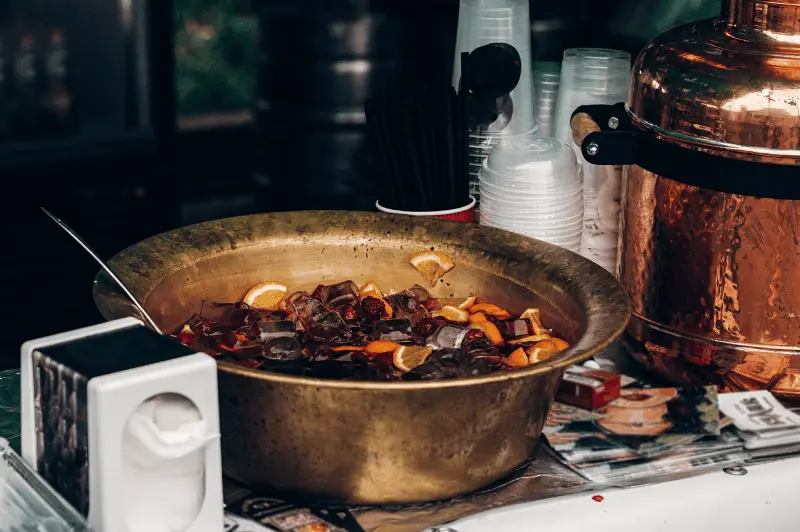
How Do Homemade Spice Mixes Shorten Camping Duration?
Instead of struggling with spice packets at the campsite, preparing "hot wine kits" at home makes your job incredibly easier. You can pre-pack sticks of cinnamon, cloves, star anise, and even dried orange peels in a ziplock bag according to the number of people. You can even include sugar or honey in this mix. When you go camping, all you need to do is pour the wine into the pot and add this prepared kit. This practicality saves you from the hassle of mixing in windy and cold weather and ensures you get quicker results.
Why Should You Avoid Wines Aged in Oak Barrels When Choosing Wine?
High-quality wines aged in oak barrels often have notes of vanilla, tobacco, and leather. These notes are wonderful when consumed alone, but they can clash with the spices, cloves, and fruits you add when making hot wine. The heated oak aroma can sometimes impart a medicinal or overly woody taste. The ideal for hot wine is young wines that have been aged in "stainless steel tanks," with a prominent fruit character. These wines are more flexible and allow you to create a balanced mixture by accepting the dominant aromas of the spices.
How Does the Contact of Wine with Oxygen Affect Its Flavor?
When you first pour the wine into the pot, allowing it to aerate helps to dissipate any closed (reduced) aromas. Keeping the pot covered during the heating process prevents the alcohol from evaporating. The barriers ensure that the aromas are trapped within the wine. However, just before serving, pouring the wine from above with a ladle into the cups helps the aromatic components combine with oxygen, making the scent more intense. To prevent the wind from dispersing the aromas in a camping environment, you can use windbreakers to preserve this aromatic feast of the wine.
How is the Warming Effect of Ginger Integrated into Hot Wine?
Ginger is a wonderful addition both in terms of health benefits and flavor depth. Adding fresh ginger in thin slices to the wine gives the drink a slight spiciness and a fresh zest. The circulatory-boosting effect of ginger can even help warm your feet during winter camping. If you can't find fresh ginger, a very small amount of ground ginger will also work; however, you should adjust the dosage well because the taste can quickly become overpowering. A hot wine with ginger serves as a natural shield against colds.
How to Ensure Cleanliness While Preparing Hot Wine in Nature?
Protecting nature is a priority for every camper. You should never leave the fruit pulps and spices you use in the wine randomly in nature; because these foods may not be suitable for wildlife. You should collect them in a trash bag. For pot cleaning, since wine is acidic, it can leave stains at the bottom of the pot. Rinsing the pot with some hot water immediately after cooking makes cleaning easier. Enamel or steel equipment can be easily cleaned with sand or natural cleaners. Additionally, boiling water in the pot is the most effective method to get rid of sticky sugar residues.
What are the Visual Cues Indicating that the Wine is Ready?
You don't always need a thermometer to understand that the hot wine is "ready". The first sign is that the color of the wine turns from bright red to a slightly darker and matte hue. The second sign is the formation of a light layer of steam on the surface and the appearance of tiny bubbles at the edges of the wine (the stage just before boiling). The most important sensory evidence is the aroma; if the scent of cinnamon and orange starts to penetrate your nose through the smoke of the campfire, it means your wine has fully blended with the spices. At this stage, you can take a sip and check the sugar balance by taking it from the fire.
What is the Ideal Measurement Unit for Small Camping Groups?
Generally, a bottle of wine (75 cl) yields 4 medium-sized cups of hot wine. If you are a group of 4, one bottle is ideal for one cup per person. However, since winter nights are long, it would be safer to calculate two cups per person. A standard measurement for a bottle of wine includes a large orange, two sticks of cinnamon, five cloves, and half a glass of sugar (or 3 tablespoons of honey). Hot wines made in large 5-liter pots for larger groups become the center of the camp and increase sharing.
How Can Leftover Hot Wine be Evaluated the Next Day?
If there is leftover wine in the pot, don't pour it out! You can put the cooled hot wine into a clean bottle and seal it to save for the next day. Adding a bit of this aromatic wine to your oatmeal or fruit salad that you will make on the campfire in the morning will turn your breakfast into a feast. Additionally, it is also possible to heat it up again and drink it the next evening; in fact, since it has been sitting with the spices longer, the flavor will be even more intense. However, don't forget that the alcohol content will decrease further when reheating; you can revive it by adding a bit of fresh wine.
Which Wild Fruits Add a Local Aroma to the Wine?
Depending on the area where you are camping, the fruits you collect from the surroundings can add a "signature" touch to your wine. If it's the season, adding wild fruits like rose hips, blackberries, or blueberries to the pot will not only increase the antioxidant value of the wine but also bring the spirit of that region into the drink. Before adding rose hips, lightly crushing them helps the vitamins and aroma to transfer into the wine. However, you should never use fruits that you do not recognize. These small gifts offered by nature can turn a standard supermarket wine into a regionally special elixir.
Does Keeping Hot Wine in a Thermos Ruin Its Taste?
If you are preparing hot wine and won't drink it immediately or are going out for a walk, a thermos is a great solution. However, you must filter the wine before putting it in the thermos. If spices and fruits remain inside the thermos, the brewing process continues due to the trapped heat, and after a few hours, the wine may taste very bitter or overly dominant. A good steel thermos keeps the wine at drinkable warmth for 6-8 hours. A hot sip of wine consumed at the peak during a break in your walk will be the greatest motivation source to forget all your fatigue.
Why is Glass Selection Important When Enjoying Wine on Snow?
A glass that you leave on the snow can tip over by melting the snow underneath. Therefore, in a camping environment, wide-bottomed cups or "glass holders" that can be stuck into the snow should be preferred. Plastic cups are definitely not recommended as they lose heat immediately and sometimes emit odors when in contact with heat. Enamel cups are a classic choice, but the lip can get very hot, so protective silicone-lined cups are more comfortable. If you are a true connoisseur, copper cups that you carry with you transmit heat wonderfully and look great in photos.
How Does the Amount of Water Added to Wine Lighten the Aroma?
Some campers may hesitate because the wine feels too strong or may want to soften the drink. In this case, a little water or fresh-pressed apple juice can be added to the mixture. Adding about 10-20% of the wine's volume in liquid reduces the sharpness of the alcohol and allows the flavors of the spices to be felt more clearly. Especially adding apple juice or cherry juice gives the wine a natural sweetness and an extra fruity character. However, if you overdo the amount of water, the body of the wine will be lost, and you may feel like you are drinking "spiced water".
Using Vanilla Stick is a Luxury
Is It Touch or Need?The vanilla pod is the key to the "premium" versions of warm wine. The creamy, sweet, and soft aroma it adds to the wine wonderfully smooths out the woody notes of the spices. Carrying a vanilla pod in camping conditions is easy but a bit costly. If you have one nearby, splitting it lengthwise and scraping the essence into the wine will elevate the drink's quality to a whole new level. Is it a need? Maybe not. But on a cold winter night, getting that vanilla scent in a silent forest will make you feel very special.
Does the Smoke from the Campfire Give the Wine a Smoky Flavor?
If you leave the pot lid open, the smoke from the burning wood will seep into the wine and give it a slightly smoky character. While some campers love this "fire flavor," others think it ruins the purity of the wine. If you enjoy smoky flavors, you can leave the lid slightly open over a fire made with oak or cherry wood. However, the smoke from very resinous woods like pine can make the wine bitter. For a controlled smoky flavor, cooking the wine over the hot coals of the fire always yields a more professional result.
What Are the Most Common Mistakes When Making Hot Wine?
One of the biggest mistakes is boiling the wine, as I mentioned earlier. Another mistake is using low-quality wines that have started to turn to vinegar with the idea of "I'll cover it with spices"; the heat will only accentuate the bad taste. Randomly throwing in spice amounts without measuring can also result in an unbalanced flavor. Finally, not adding sugar or honey while the wine is still warm can cause the sugar to sink and burn. Continuously but slowly stirring the wine is a simple yet critical step to ensure both the heat and flavors are evenly distributed.
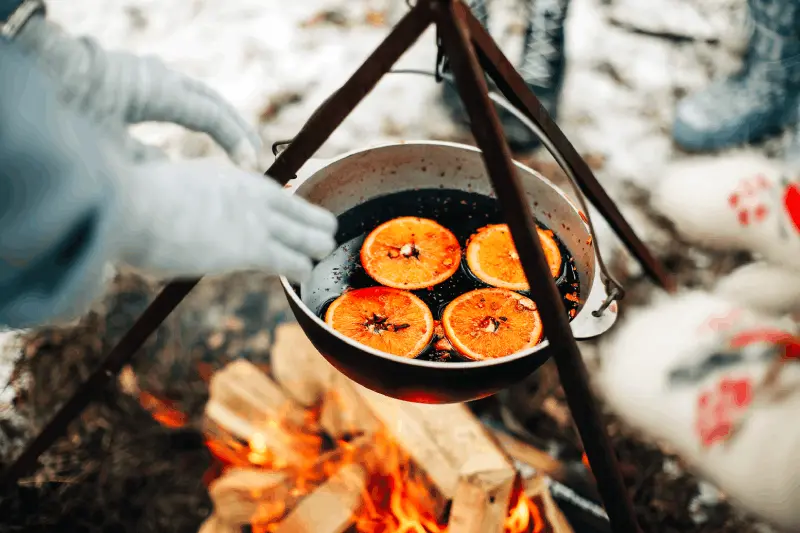
How to Prepare Non-Alcoholic Alternatives for Those with Alcohol Allergies?
If there are non-drinkers in your camping group, you don't have to deprive them of this ritual. You can prepare the same spice and fruit combination with red grape juice, cherry juice, or apple juice. This drink, known as "Mulled Juice," is a great warming beverage for everyone from children to adults. Since fruit juice is already sweet, you won't need to add extra sugar, and you might even need to balance the sweetness by adding a bit of lemon juice. This alternative is just as delicious and warming as the alcoholic version.
How Does the Freshness of Spices Determine the Quality of the Wine?
Dusty sticks of cinnamon or cloves that have lost their aroma after years of sitting in the pantry won't give your hot wine the flavor you expect. Spices contain volatile oils, and these oils diminish over time. Buying fresh, aromatic spices just before heading to the winter camp will change the fate of your drink. If the cinnamon stick easily breaks when you bend it and you feel a slight oiliness when you crush the clove head, your spices are fresh. Fresh spices not only add flavor to the wine but also bring a lively and invigorating spirit.
What Types of Cheese Pair Well with Wine?
The sweet and spicy structure of hot wine creates an amazing contrast with salty and sharp cheeses. A piece of blue cheese like Roquefort or Gorgonzola that you add to your camping backpack will burst the fruity flavor of the wine. If you prefer softer flavors, a Camembert or Brie cheese that you lightly warm over the fire creates a perfect gourmet pairing with hot wine. For those who can't give up local flavors, smoked Çerkez cheese or tulum cheese are among the best options that fit the spirit of the campfire.
What Are the Tips for Keeping Wine Warm Throughout the Night?
You have prepared the wine, but if it will take time to finish, place the pot not directly over the fire but on the hot coals beside it. The coals will provide enough heat to keep the wine warm without boiling it. If your pot is cast iron, this process will be much more successful. Additionally, wrapping the pot in aluminum foil or covering it with a thick lid will prevent heat loss. While chatting with your camping friends, frequently refreshing the cups from the pot ensures that every sip stays at the same warmth, maintaining the enjoyment.
Why Should You Drink Plenty of Water When Consuming Hot Wine?
Alcohol causes dehydration by making the kidneys work harder to expel water from the body. Although the feeling of thirst may decrease due to the cold weather in winter, the body's need for water actually increases. Since hot wine is both sugary and alcoholic, it can double this effect. To avoid waking up with a headache or fatigue the next morning at the campsite, you should drink a glass of water at room temperature after every cup of wine. This is important not only for your health but also to ensure you can enjoy the wine's flavor with the same clarity each time.
How Do Apple Slices Added to the Wine Soften the Flavor?
Apple is a natural sweetener and acid balancer. Especially slightly tart apples like Amasya apples or Granny Smith add a fresh touch to hot wine. As the apple slices cook, they absorb the harsh alcohol aroma in the wine and leave behind a pleasant fruity scent. If you find the wine too harsh, slicing and adding an apple to the pot is the most natural solution. Additionally, eating those apple slices cooked with the wine after the drink is finished is one of the sweetest endings to a camping night.
How Does Using Caramelized Sugar Add Depth to the Wine?
In classic recipes, sugar is added directly to the wine. However, if you want to add a gourmet touch, you can first caramelize the sugar in the bottom of the pot with a small amount of water. When the sugar turns brown and starts to release that famous burnt aroma, slowly adding the wine over it (be careful, it may splash) gives the drink a smoky, caramel-like, and much fuller flavor. This method is particularly used in traditional markets in Northern Europe and adds a smoky scent to the campfire. When combined with its flavor, it results in an incredible outcome.
Why Are Wind Shields Necessary When Preparing Hot Wine?
Wind in the mountains or open terrain can cause the heat of the campfire to dissipate, preventing the wine from warming properly. Additionally, wind can allow ash or leaves to enter the pot. Therefore, creating a windbreak around your stove or pot using stones or camping equipment increases efficiency. Using a lid to prevent the aromas of the wine from escaping into the air also serves as a kind of protector. Trapping heat in the pot speeds up the infusion of spices into the wine and saves fuel.
How Are Wine Stories Created Around the Campfire?
Hot wine is not just a drink; it is a social tool. The warm mugs in hand encourage people to stand closer together and spend more time around the fire. With the comforting effect of the wine, old memories are refreshed, future routes are planned, and friendships are nurtured. One person's preparation of spices and another's tending to the fire creates a collective effort. The most valuable moments of winter camping are often shared in the quiet peace or laughter-filled stories around the pot from which the steam rises.
How Does the Acidity Level of Wine Change When Heated?
When wine is heated, the volatile acids within it become more pronounced. This can lead to the wine causing a puckering sensation in the mouth due to its acidity. At this point, sugar and spices come into play. Sugar balances the acidity, while cinnamon and clove soften the perception on the palate. If your wine tastes very sharp after heating, adding a pinch of salt (not sugar!) can suppress the acidity and bring the fruit notes to the forefront. Tasting the wine occasionally while heating it is the best method to find the right balance.
What Should Be Considered When Transitioning to a Sleeping Bag After Drinking Hot Wine?
Don't let the "false warmth" feeling created by alcohol deceive you when you get into your sleeping bag. Since alcohol dilates blood vessels, your body releases more heat to the outside. Therefore, you should definitely wear thick socks and thermal underwear before getting into the bag. Also, due to the diuretic effect of alcohol, you should stop drinking a while before sleeping to avoid having to get out of the bag in the middle of the night. It is possible to fall into a beautiful sleep with the drowsiness induced by hot wine, but one must never neglect the basic winter camping safety rules.
How to Create Glass Decoration Art in Nature?
You can also pay attention to aesthetics while camping. You can create a "snow effect" rim by wetting the edge of your mugs with an orange slice and dipping it into a mixture of sugar and cinnamon. Adding a sprig of fresh rosemary to the inside not only adds a wonderful pine forest aroma but also provides an aesthetic contrast to the red of the wine with its green color. A star anise floating on top of the wine can turn even a simple mug into a work of art. These small details remind us that camping is not just a survival struggle, but also an art of enjoyment.
How Are Hot Wine Cultures from Different Countries Adapted to Camping?
The Germans' "Glühwein" is rich in cloves, while the Scandinavians' "Glögg" is enriched with almonds and dried fruits. You can try these cultures in your camp. For example, placing a few dried fruits and peeled almonds at the bottom of your mug and pouring hot wine over them will leave you with a sweet surprise at the end of your drink. For the French-style "Vin Chaud," you can achieve a fresher taste by using a bit more honey and fresh lemon juice. Enhancing each camping night with a recipe from a different country adds color to long winter camps.
Why Is Timing Everything in Hot Wine Preparation?
If you prepare the wine too early, it may cool down before you drink it; if you prepare it too late, the group may fall asleep. The ideal time is right after dinner, when the fire is at its most efficient glowing stage. You can spend the 15-20 minutes needed for the spices to steep by watching the fire and enjoying the silence. Serving the wine when it reaches the perfect consistency elevates the atmosphere of the camp at that moment. Remember, a hastily heated wine cannot capture the spices; a wine that has been waiting too long loses its aroma. Patience is the secret ingredient for the best hot wine.