How to Prepare for Seasonal Changes While Camping in Every Corner of Turkey?
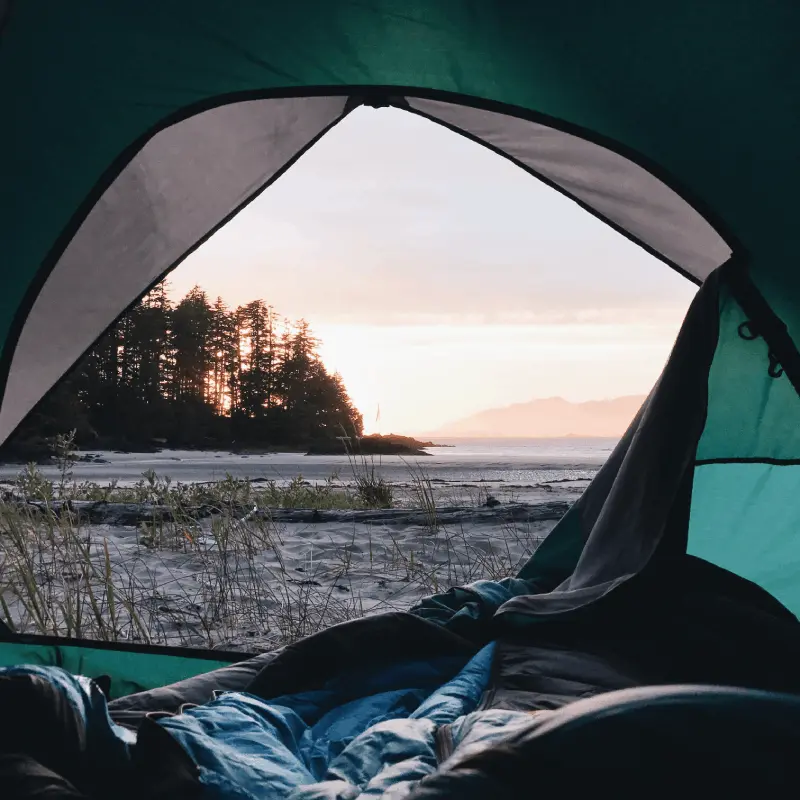
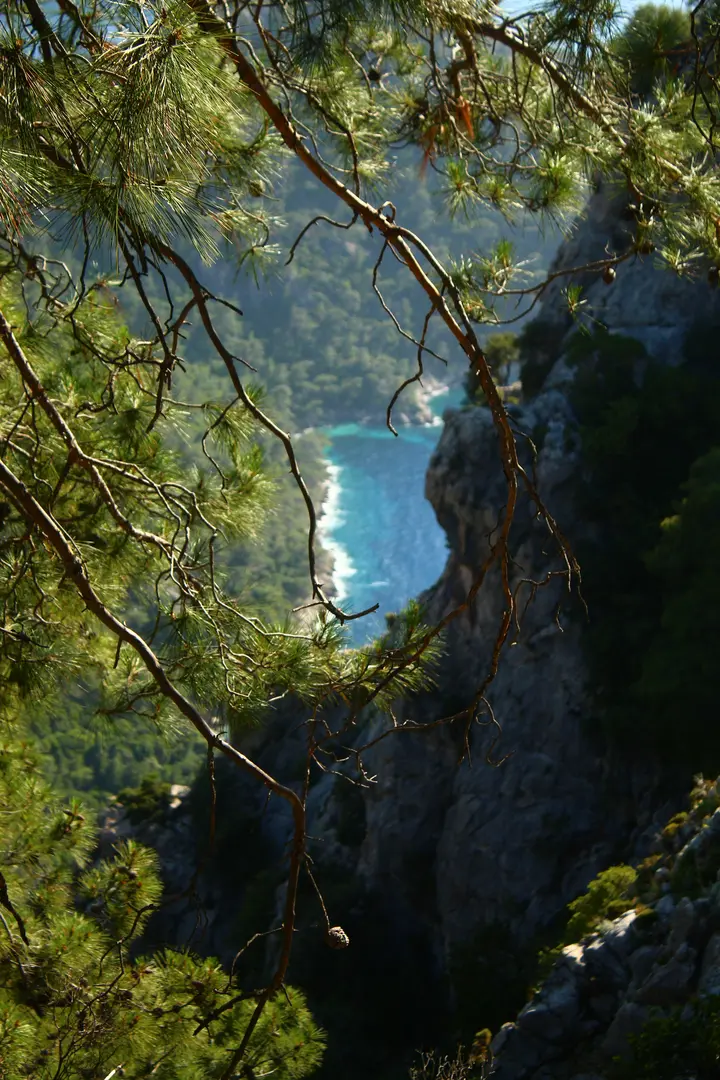
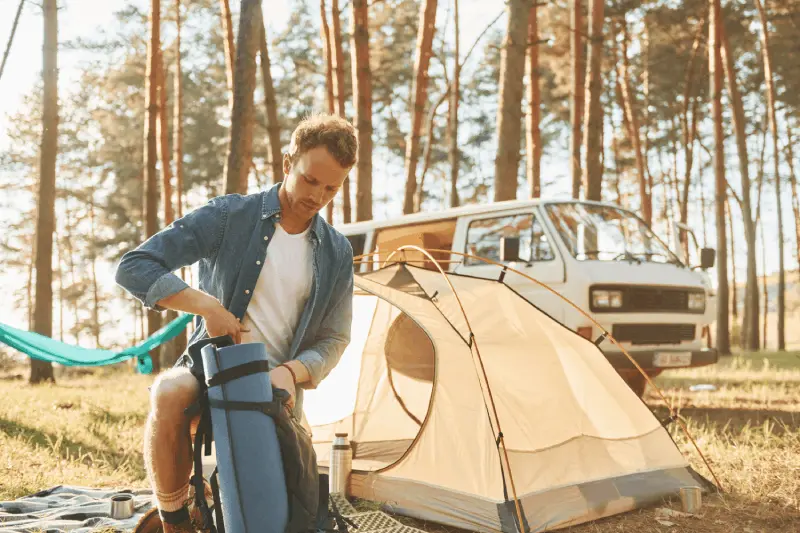
Turkey is one of the rare geographies where all four seasons can be experienced at the same time. While camping in rainy weather in Marmara, you can enjoy the sun in the Mediterranean or stay under the snow in Eastern Anatolia. This diversity is both a great advantage and a challenge that campers need to pay attention to. If you plan to camp in each of the 81 provinces, your first rule should be to adopt a layered clothing strategy. Especially in the spring months, while daytime temperatures in regions like Central Anatolia and Eastern Anatolia are at reasonable levels, nighttime frosts can quickly drop temperatures below zero. You should definitely have thermal underwear, waterproof outer layers, and sleeping bags with high insulation power with you. Additionally, your equipment preferences should also change between the humid air of the Black Sea and the dry heat of the Aegean; synthetic insulated sleeping bags will perform better in humid areas, while down sleeping bags will be more effective in dry areas.
Belgrad Forest and Şile Villages
For those living in a metropolitan city like Istanbul, camping is actually a survival mechanism. Places like Şile, Ağva, and Belgrad Forest allow you to experience a feeling of untouched forest just an hour away from the city's hustle and bustle. However, the biggest challenge in the camping areas around Istanbul (Kocaeli, Sakarya) is humidity and sudden rains. When setting up camp on the Şile beaches, the humidity from the sea can create condensation inside your tent, so you should prefer well-ventilated double tents. In Belgrad Forest, the ground is usually soft; this can cause standard tent pegs to loosen, so it would be wise to use longer and serrated pegs. You should definitely bring a rain cover and prioritize waterproof trekking boots when choosing shoes. Although camping in Istanbul may seem logistically easy, it always requires being alert to weather changes.
Edirne and Kırklareli
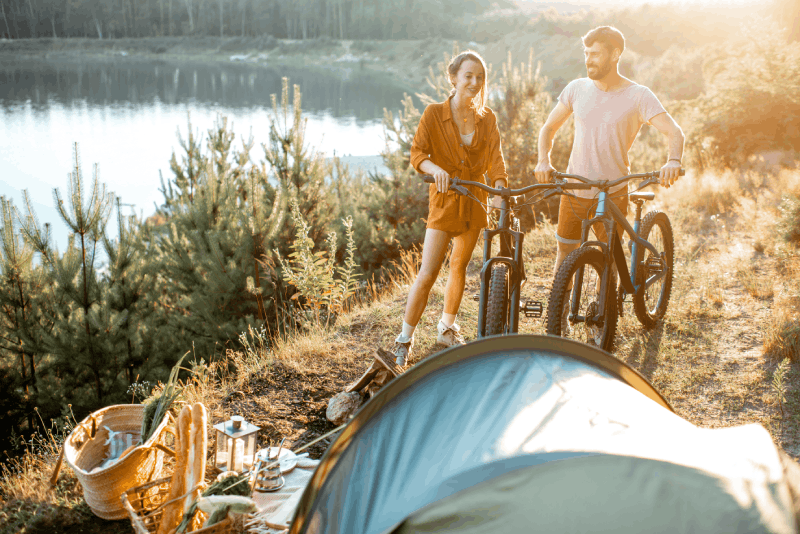
The Thrace region, especially the İğneada Longoz Forests in Kırklareli and the Gökçetepe Coast in Edirne, is a true oasis for campers. The most important factor to pay attention to while camping in this area is the sudden cold air waves coming from the Balkans. Winds can be quite strong in the highlands of Kırklareli, so windbreak panels or wind-resistant tent models are lifesavers. On the shores of Edirne's Saros Bay, the crystal clarity of the water will amaze you, but it is difficult to find shaded areas on the beach; therefore, you should definitely carry a sun tarp with you. Also, if you are going to camp around Tekirdağ Uçmakdere, remember that you are close to the slope paragliding runways and the ground can be quite stony; for your comfort, it is recommended to use a thick foam mat or a combination of both instead of a thin sleeping mat.
Bursa and Yalova
The Bursa and Yalova line hosts points that can be considered the heart of winter camping in Turkey. Uludağ is not only a ski resort but also an excellent laboratory for those who want to experience snow camping. When camping in the high plateaus of Uludağ, you should use a sleeping bag with a minimum "extreme" rating of -20 degrees, considering that nighttime temperatures can drop to -15 degrees. Before setting up a tent on the snow, you should compact the ground well by digging it up and use snow pegs. On the Yalova side, the Erikli and Delmece plateaus are famous for their misty views and waterfalls. Since this area receives a lot of rain in the fall, you must lay a thick waterproof tarp under your tent. When going to these areas in winter, it is essential to have spare batteries for your headlamp and a high-efficiency stove (gas stoves work better in the cold) to melt snow for water.
Çanakkale and Balıkesir
Within the borders of Çanakkale and Balıkesir, the Kaz Mountains (Ida Mountain) are known as the second region in the world with the highest oxygen rate. This magnificent nature also brings wildlife. Especially when camping in the highlands of Balıkesir and the forested areas around Bayramiç in Çanakkale, food management is of vital importance. You should never leave your trash next to the tent; store your food at least 50 meters away from the tent by hanging it on a tree or in locked containers. This area can be quite rainy and muddy in winter, so bringing gaiters will help keep your pants clean during your hikes. Additionally, since the wind blows in many directions in these mountains, you should carefully analyze the prevailing wind direction when setting up your tent and position the entrance against the wind.
İzmir and Aydın
İzmir and Aydın are the most preferred coastal routes for campers, but camping in these provinces in July and August requires serious heat management. When camping in İzmir's Foça, Karaburun, or Dikili bays, the inside of the tent can feel like an oven with the sunrise. To prevent this, you should definitely choose areas under trees or prefer "black-out" tents with reflective properties. In the surroundings of Aydın's Bafa Lake or Kuşadası National Park, nighttime temperatures do not drop much, so instead of thick sleeping bags, a thin blanket or a light sleeping bag is recommended. A warm summer suit will be sufficient. One of the biggest problems in the region is mosquitoes; make sure you have plant-based repellents and a mosquito net at your tent entrance. Additionally, the salinity of seawater can damage your equipment, rinsing your tent pegs and zippers with fresh water will extend their lifespan.
Muğla
Muğla is perhaps the richest province in Turkey for camping. Places like the banks of the Azmak River in Akyaka or Butterfly Valley in Fethiye are breathtaking but require logistical planning. Since Butterfly Valley can only be reached by boat, you should avoid heavy equipment that you cannot carry; lightweight (ultralight) camping gear can be lifesaving here. In the highlands of inner Muğla, the evenings can get chilly, so don't forget to bring a light fleece. Beachside campsites usually have sandy ground, in this case, using sand pegs instead of standard pegs will help keep the tent stable. Also, the fire risk in Muğla is very high during the summer; therefore, you must comply with provincial bans, never light uncontrolled fires, and prefer only gas stoves for cooking.
Manisa, Uşak, and Denizli
Manisa's Spil Mountain, Uşak's Ulubey Canyon, and the high plateaus of Denizli prove that the Aegean is not just about the sea. While camping on Manisa's Spil Mountain, you are likely to encounter wild horses, which can be exciting, but you should not get too close to the animals. Ulubey Canyon in Uşak is one of the longest canyons in the world, and camping here can make you feel like you're in a cowboy movie; however, the night chill at the canyon floor can be quite sharp, and the humidity is low. In Denizli, winter camping can be done in high-altitude places like Serinhisar or Çamlık. The ground in these three provinces is generally hard and rocky, so having a comfortable sleeping mat is critical for your sleep quality. You should definitely bring a sturdy headlamp and a high-capacity power bank, as the chances of finding electricity on these niche routes are much lower than in city centers.
Antalya
Antalya has a climate that is warm enough for camping even in winter, but the region's vegetation and wildlife pose some risks for campers. Especially when camping at the foothills of the Taurus Mountains or in places where the forest meets the sea, such as Adrasan and Olympos, you should be careful of scorpions and various insect species. Never leave the zipper of your tent open, and always check inside your shoes before putting them on. In Antalya, the humidity can rise to 90% in summer, which can affect sleep quality; therefore, bringing portable battery fans will help you stay cool. In winter, sudden "Kırkikindi" rains can hit Antalya, so you need to bring a quality raincoat and an extra waterproof cover for your tent. At the peaks of the Taurus Mountains, the temperature can drop suddenly due to altitude differences, so if you are going to places like Gömbe Plateau, you should be prepared.
Isparta and Burdur
Isparta and Burdur are known as the "Lake Region" and attract campers with their visual feast. Especially Salda Lake in Burdur is referred to as "Turkey's Maldives," but camping areas have been restricted to protect the lake's ecosystem. When camping here, you must use designated legal areas and avoid contaminating the lake water with chemicals (shampoo, detergent). The lavender fields of Isparta (Kuyucak Village) offer an incredible scent and view in June and July; however, during this period, the bee population is very high. If you have a bee allergy, you should carry necessary medications and repellents with you. Both provinces exhibit characteristics close to the Central Anatolian climate, so it can get chilly at night. You should definitely bring a windproof jacket and store enough drinking water due to the region's limestone waters.
Mersin and Hatay
Mersin and Hatay are ideal for those who want to combine camping with delicious food. High places like Tarsus Karboğazı or Çamlıyayla in Mersin are perfect for escaping the summer heat. In Hatay, the beaches of Samandağ or the foothills of the Amanos Mountains offer unique routes. When camping in this region, you should definitely have a quality portable grill and small containers to store local spices. However, in coastal areas like Hatay and Mersin, excessive humidity can cause food to spoil quickly; therefore, using a quality cooler or ice box is essential. You can obtain fresh vegetables and fruits from the local markets, but since the water hardness is high, it is better to carry drinking water in sealed containers for your health. In the evenings, the humid winds from the sea can wet your tent, so it would be beneficial to set up a clothesline inside the tent to dry your towels and clothes.
Adana, Osmaniye, and Kahramanmaraş
For those wanting to escape the scorching heat of Çukurova, the highland culture is a way of life for the people of Adana. Adana's Aladağlar (Belemedik), Osmaniye's Zorkun Plateau, and Kahramanmaraş's Yavşan Plateau offer campers a chance to cool off at altitudes of 1500-2000 meters. While wandering around in a t-shirt during the day in these high-altitude places, the temperature can drop suddenly by 10-15 degrees when the sun sets; therefore, you should definitely have a thick fleece or a light insulated jacket with you. The ground in the plateaus is generally grassy or earthy, which provides a comfortable sleeping area. However, since the region's wildlife (wild boar and jackals) is active, you should hang your food in trees or keep it in odor-proof containers at night. Additionally, since the highland roads are generally winding and unpaved, it is vital to have your vehicle maintained and to carry a spare tire with you.
Ankara and Eskişehir
The forests of Kızılcahamam and Çamlıdere in Ankara, along with the area around the Musaözü Dam in Eskişehir, are like green islands in the middle of the steppe. The most fundamental rule for camping in Central Anatolia is to be prepared for extreme dryness and the temperature difference between day and night. In the highlands of Ankara, the wind can sometimes blow very fiercely, so you should set up your tent in sheltered areas and secure it tightly. When camping in historical areas like the Phrygian Valley in Eskişehir, you should keep the door of your tent closed to protect against dust storms. Water sources in the region may be limited, so you should fill your water containers with at least 5-10 liters before heading to the campsite. Additionally, the sun in the steppe can be very harsh; a quality sunscreen and a wide-brimmed hat are essential for your backpack. In winter, these provinces turn into one of the coldest places in Turkey; camping is only recommended with professional winter gear.
Konya, Aksaray, and Niğde
The shores of Lake Beyşehir in Konya, the Ihlara Valley in Aksaray, and the Aladağlar in Niğde are among the most dramatic camping areas in Central Anatolia. Aladağlar is like the "Mecca" for professional climbers and campers. If you are going to camp at altitudes of 3000 meters, you should ascend slowly to allow your body to acclimatize and drink plenty of water. Camping by the stream in Ihlara Valley is peaceful, but descending and ascending the valley floor requires physical fitness; lightening your gear is very important here. The salty soils of Konya can damage the bottom of your tent, so it is beneficial to lay down a protective layer underneath. The night sky in this region is so clear that you can see the Milky Way galaxy with the naked eye; you should definitely bring a tripod to try capturing star exposures. However, remember that the night in the steppe is quiet, but it can be disturbed by the sounds of predatory birds and wolves, so keep your composure.
Kayseri Erciyes and Nevşehir
Nevşehir Cappadocia has a breathtaking atmosphere for those who want to wake up among the fairy chimneys, but it is very important not to stray outside the legal camping areas while camping here; because the area is a protected site. Mount Erciyes offers established areas for both summer and winter camping in Kayseri. The sandy soil of Cappadocia can get on every part of your tent, placing a small mat at the entrance can help keep the inside of your tent clean. At Erciyes, since the altitude is above 2000 meters, the sun's UV rays are much more effective; you should use high-factor sunscreens. To watch the hot air balloons taking off with the first rays of the morning sun in Kayseri and Nevşehir, you should set up your tent on a hill facing the direction of the sunrise, which will provide you with unforgettable moments visually. Don't forget to bring some of the region's famous herbal teas to drink in the evenings, as the steppe cold can chill your lungs.
Bolu, Düzce, and Karabük
Bolu Yedigöller, Düzce Pürenli Plateau, and Karabük Yenice Forests are among the most popular camping routes in Turkey, but a common feature of these regions is the potential for rain at any moment. When camping in the Western Black Sea, make sure that the water column of your tent is at least 3000mm. Additionally, having an extra tarp to hang over your tent will provide you with a dry area to cook outside the tent in rainy weather. The plateaus of Düzce are generally very muddy, so your vehicle may need to be 4x4 or at least have a tow rope with you. Yenice Forests in Karabük block the sun with their massive trees, which keeps the environment constantly humid; portable drying racks can be useful for drying your clothes. In Bolu, the bear population is high at night, so it is good for your safety to have bear repellent spray or noise-making devices.
Kastamonu, Sinop, and Bartın
Kastamonu Valla Canyon is one of the deepest canyons in the world and is only suitable for experienced campers. Sinop Hamsilos Bay offers a tranquil seaside camping experience. The beaches around Bartın Amasra combine history with nature. The biggest challenge when camping in this area is sudden fog descents; especially in the high plateaus of Kastamonu, you can lose your sense of direction when fog sets in, so a GPS-enabled device or offline maps can be lifesaving. The northern winds of Sinop can challenge your tent, reinforcing the stakes with stones increases stability. The humid air of Bartın can lead to rust or mold on your wooden and metal equipment; do not put your gear in your bag without thoroughly drying it after camping. Also, remember that in these three provinces, the sea water can suddenly become deep, do not swim in currents without being sure of your swimming skills.
Samsun, Ordu, and Giresun
Samsun Nebiyan Mountain, Ordu Çambaşı Plateau, and Giresun Kulakkaya Plateau are relatively less explored but equally beautiful spots in the Black Sea. While camping in this area, you may encounter local people at plateau festivals; in such cases, hospitality is at its highest level, but you should be prepared for crowds and noise. In the highlands of Ordu and Giresun, the weather can change from sunny to torrential rain within 15 minutes, so you should definitely have "poncho" type raincoats with you. If you are going to camp near the Bafra and Çarşamba plains one day, it is essential to use a mosquito net against mosquito and horsefly (tatarcık) species. You can obtain fresh foods like milk and cheese from the local people in the plateaus, but if you have a sensitive stomach, be careful when consuming raw milk. Also, make sure that your fog lights are working on the plateau roads in this area, as entering the clouds can happen at any moment.
Rize and Artvin
Rize Pokut, Ayder, and Artvin Borçka Karagöl are among the places that every camper must see before they die in Turkey. However, these beauties come with challenging conditions. When the altitude rises to 2000-2500 meters, the temperature can drop to 5 degrees even in August nights. It is difficult to find flat ground on the steep slopes of Rize, so you should protect your tent from sharp stones by using a "footprint" (tent floor). In the steep slopes of Artvin, be careful not to set up your tent under steep cliffs due to the risk of landslides. In this region, rain is not just a natural event, but a part of life; having waterproof technologies like Gore-Tex in your shoes will protect you from illnesses. If you are going to camp in the Kaçkar Mountains, make sure to bring high-calorie foods (hazelnuts, honey, molasses) with you, as your body will expend much more energy than usual to keep warm.
Erzurum and Erzincan
Erzurum and Erzincan are among the provinces in Turkey with the harshest winter conditions. Camping here means truly testing your equipment. It is a fact that thermometers can show -30 degrees when camping in the foothills of Palandöken in Erzurum or in the Munzur Mountains of Erzincan. A sleeping bag alone is not enough to sleep in this cold; your mat's "R-value" (insulation coefficient) should be at least 4.0 or higher. Additionally, the cartridges of the stoves you use can freeze in the cold; you should use high winter cartridges or keep the cartridge warm inside your sleeping bag. In the riverside camping areas of Erzincan, you may encounter icicles and frozen waterfalls in winter; while this offers a magnificent view, slippery grounds can lead to serious injuries. Make sure to bring snowshoes (hedik) and crampon-type devices for icy surfaces. This region offers tremendous silence and white peace for those who are prepared.
Van and Bitlis
The Van and Bitlis line hosts one of the most interesting geological structures in Turkey. The Nemrut Crater Lake in Bitlis is the second largest crater lake in the world, and camping here means sleeping inside an extinct volcano. Due to the microclimate inside the crater, you may encounter very different weather conditions than outside; sudden storms can occur at night. On the shores of Lake Van, the water's soda content may leave white stains on your equipment after camping, and these stains are difficult to clean. Additionally, night winds in Van are quite strong, and you may need to use sandbags to secure your tent. The bear population in the area (especially inside Nemrut) is quite high, so make sure to store your food away from the tent and at a height, and make noise when exiting the tent at night. You can start your day energetically by purchasing your ingredients for Van's unique breakfast from local markets.
Mardin and Şanlıurfa
Mardin, Şanlıurfa, Gaziantep, and Adıyaman provinces offer the overwhelming atmosphere of Mesopotamia, but camping in these provinces during the summer months is nearly impossible. The best times to camp in this geography, where daytime temperatures reach 45-50 degrees, are March-April or October-November. When camping in front of Mardin's old city view or in the Halfeti region of Şanlıurfa, you should prefer shaded areas and water edges to minimize the sun's effect. The soil is very dry, and striking a fire may be impossible, so you should support your tent with large rocks. Scorpion and spider species are very active in the area, so always keep your shoes closed. Additionally, the hospitable people of the Southeast may invite you for tea or food at any moment; be prepared for these friendly interactions, but do not forget to inform the local gendarmerie for the safety of your camping area.
Tunceli, Bingöl, and Hakkari
Tunceli Munzur Valley, the floating islands of Bingöl, and the Cilo Mountains of Hakkari are pristine and magnificent routes for nature enthusiasts. When camping in these areas, your top priorities should be safety and permits. Some areas may have been declared as "Special Security Zones," so be sure to get updated information from local authorities (district governorate or gendarmerie) before you go. While camping in Munzur Valley, the water's icy coolness will refresh you, but do not forget that the current can be very strong. If you are going to camp around the Sat Lakes above 3000 meters in Hakkari, you may encounter snow even in mid-summer. Logistics options in these areas are very limited, so it is recommended to bring extra fuel, a first aid kit, and devices that can send messages via satellite. Since nature here is very wild and pure, you should adhere to the "Leave No Trace" principles to the maximum level; you must bring back all your trash.
What is the Final Check-List and Recommendations for an Unforgettable Camping Experience in All 81 Provinces?
Having camped in every city in Turkey means not just a hobby, but also deeply understanding the culture and geography of these lands. Whether you are in Edirne or Hakkari, the essential equipment that should always be with you includes a sturdy knife, a fire starter, a quality headlamp, a power bank, a first aid kit, and personal hygiene items. When camping... Follow the local news and weather of your province until the last minute. Always maintain sensitivity regarding forest fires and do not insist on lighting fires in places where it is prohibited. Remember that the best camp is the one where you only take photos from nature and leave only your footprints. Every corner of Turkey will teach you a different lesson, and every night under the stars will bring you one step closer to yourself. May your path be clear, your fire everlasting, and your tent always peaceful.