Is Drinking a Warm Soup During Winter Camping Just an Act of Filling Your Stomach?
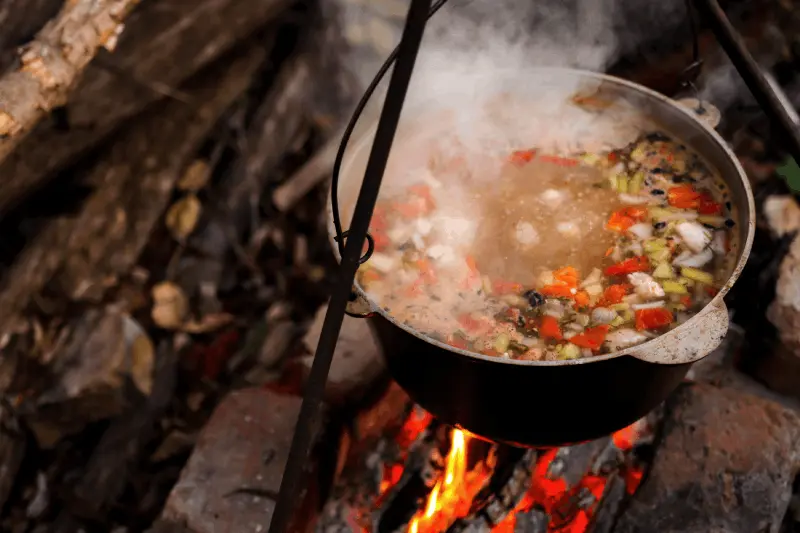
In the freezing silence of winter camping, sitting by a campfire with the warmth of the metal bowl in your hands provides more than just physical satisfaction. This situation triggers a deep psychological relaxation process that activates the most basic human survival instincts and the search for comfort. Hot liquid begins to raise your body temperature from the inside out as it goes down your esophagus. At the same time, the complex carbohydrates and proteins in the soup provide the energy your metabolism needs to fight the cold in a slow and sustainable manner. For this reason, soup during winter camping is a ritual that keeps the spirit and body together in the struggle given by nature, rather than just a meal.
Why is Red Lentil Soup Irreplaceable Among Classics in Smoky Mountain Air?
Red lentils are the king of camp cuisine because they are lightweight to carry, quick to cook, and have an incredibly high nutritional value. However, what makes lentil soup different in a winter camp is the smoky paprika you add or the natural wood scent from the campfire. This soup is filled with plant-based proteins that provide instant energy to the body. Rinsing the lentils beforehand and enriching them with some dried meat or sausage you brought along elevates the flavor to a higher level. When the intense aromas in the cold combine with the earthy scent of lentils, your tent transforms into one of the world's finest restaurants. Additionally, the fibrous structure of lentils helps regulate your digestive system, which slows down in the cold, enhancing your comfort.
How Do Dried Mushrooms from the Depths of the Forest Enrich the Soup?
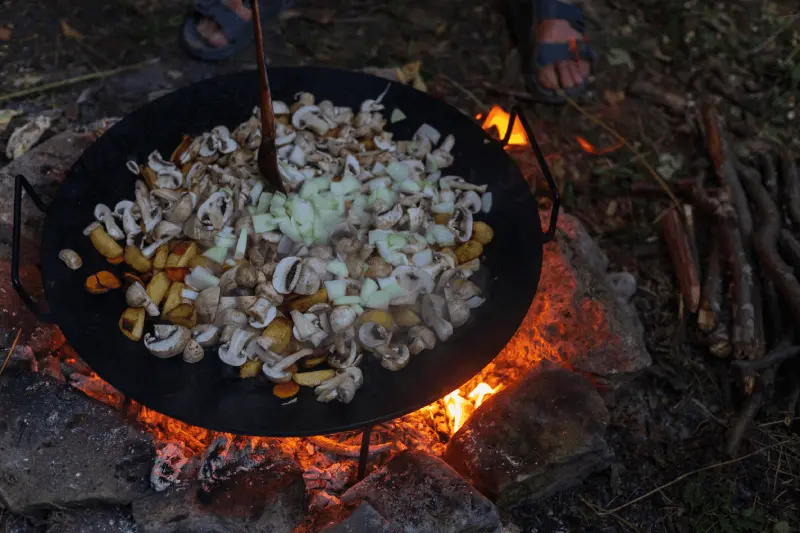
Mushrooms represent the mysterious spirit of the forest and take up very little space in your camping backpack when dried. In winter camping, a creamy mushroom soup prepared especially with flavorful types like porcini or oyster mushrooms is the pinnacle of luxury and abundance. Soaking dried mushrooms in snowmelt water softens them and allows you to include that precious aromatic water in the soup. Adding a bit of cream (or long-life packaged milk) increases the soup's heartiness, while the D vitamins and minerals provided by the mushrooms strengthen your immune system against winter conditions. This recipe is especially perfect for resting your muscles and replenishing lost minerals after a long walk in the snow.
How Does the Fermented Power of Traditional Tarhana Protect the Body During Winter Camping?
Tarhana is a survival food that has been around for thousands of years in Anatolia and is even more effective than the most technologically advanced food designed for winter camping. Thanks to its fermented structure, it is both a source of probiotics and a complete vitamin reservoir due to the vegetables and yogurt it contains. Its preparation takes only a few minutes; just mix it with water and boil. However, what makes tarhana special during winter camping is the generous addition of garlic and butter. Garlic acts as a natural antibiotic, reducing the risk of catching a cold during your camping trip. The thick consistency of tarhana keeps you feeling full for a long time, providing the fuel your body needs to continue generating heat throughout the night.
Can the Velvety Texture of Pumpkin and the Warmth of Cinnamon Come Together?
Pumpkin, the most characteristic vegetable of the winter season, creates miracles when combined with roasted garlic and onion over the campfire. Pumpkin soup offers numerous benefits, from eye health to skin resilience, thanks to its high vitamin A and beta-carotene content. Bringing pre-made pumpkin puree from home and freezing it provides great convenience in camping conditions. When you add a pinch of cinnamon and ginger to this heated puree, not only does your stomach warm up, but all your cells begin to feel the heat. Cinnamon helps balance blood sugar, preventing sudden hunger crises that may occur in the cold, while ginger speeds up circulation, reducing the feeling of coldness in your hands and feet. This soup is one of the most elegant and healing options for winter camping.
Is the Combination of Chicken Broth and Ginger a Shield Against Cold Bites?
Cold weather puts a strain on the body's defense mechanisms, and at this point, chicken broth soup, which feels like a "mother's touch," comes into play. However, the addition of fresh ginger and plenty of black pepper in the camp version turns this drink into a real elixir. The collagen from chicken bones relaxes your joints that are tense in the cold, while its protein structure aids in tissue repair. The warming yet refreshing effect of ginger opens up the airways and creates a barrier against the freezing air entering your lungs. When preparing this soup during winter camping, adding plenty of noodles or rice also supports your carbohydrate intake, helping you quickly regain the energy lost through shivering.
How Does the Heat Distribution of a Cast Iron Pot Affect the Consistency of the Soup?
In camp cooking, the choice of equipment is the most important factor determining flavor, and a cast iron pot (Dutch Oven) is indispensable for winter camping. The greatest feature of cast iron is its ability to distribute heat evenly and retain it for a long time. While the outdoor temperature in winter is below freezing, thin aluminum pots quickly lose heat, and the bottom of the soup may burn while the top remains cold. In a cast iron pot, however, the soup ingredients cook slowly, allowing the flavors to meld perfectly, creating what we call "caramelization". Additionally, the cast iron pot you take from the fire keeps your soup warm for minutes at the table, allowing you to enjoy your meal without rushing.
What Techniques Prevent Heat Loss When Cooking on Snow?
Cooking on snow is a battle against the laws of thermodynamics. Placing your stove or pot directly on the snow causes heat to be quickly absorbed by the ground, wasting your fuel. The first rule is to prepare a surface free of snow for your cooking area or place a heat-reflecting base (foil, wooden block, or stone) under your stove. Using a windbreak is crucial during winter camping; even a light breeze can triple your cooking time. Always try not to open the pot lid and bring your ingredients to room temperature (inside the tent) to shorten the boiling time of the water. Remember, every second you lose in winter also means losing a degree of heat.
Does Preparing and Vacuum-Sealing Ingredients Save Time in Camp Cooking?
During winter camping, peeling vegetables or chopping onions can become torturous when your fingers are numb from the cold. Therefore, professional campers prefer to prepare all ingredients in their warm kitchens at home, portion them, and vacuum-seal them. Vacuum-sealed bags save space in your backpack and preserve the freshness of the ingredients. For example, when you vacuum-seal chopped onion, garlic, and rinsed lentils for lentil soup in one bag, all you need to do at camp is soak this mixture in water. This method not only saves time but also minimizes the amount of waste generated at the campsite. In winter conditions where it is difficult to carry back your trash, this pre-preparation is also a significant step in preserving nature.
Do Spices Have a Thermogenic Effect That Improves Sleep Quality on Cold Nights?
Some spices we use in our meals have "thermogenic" properties that increase body temperature. Spices like chili pepper, black pepper, turmeric, and ginger temporarily boost metabolism, helping the body produce more heat. A spicy and flavorful soup consumed at dinner accelerates blood flow, increasing warmth in the extremities (fingers and toes). This helps your body warm up faster when you get into your sleeping bag and fall into deep sleep more quickly. However, the dosage must be well-adjusted; excessive spiciness can sometimes lead to stomach discomfort and disrupt sleep. Moderately used spices are the natural heater of winter camping and guarantee your thermal comfort throughout the night.
How Can Hygiene and Flavor Be Maintained When Making Soup from Snow Water?
Sometimes, it may not be possible to reach a clean water source during winter camping, and snow becomes the only option. However, making soup from snow water is not as simple as it seems. Snow should not be melted and consumed directly, as it collects dust and particles from the air; it must be filtered and boiled. Additionally, snow water is very low in minerals, which can cause the soup to taste "bland." Adding a bit of regular water to the bottom of the pot while melting the snow prevents the snow from burning and giving a bad taste. Adding a bouillon cube (preferably organic) or plenty of rock salt to the soup balances the flavor by compensating for the missing minerals in the snow water. Since the process of melting snow uses a lot of fuel, it is always wiser to do this near the main fire.
Which Types of Wood Should Be Chosen to Achieve a Smoky Aroma in Campfire Soup?
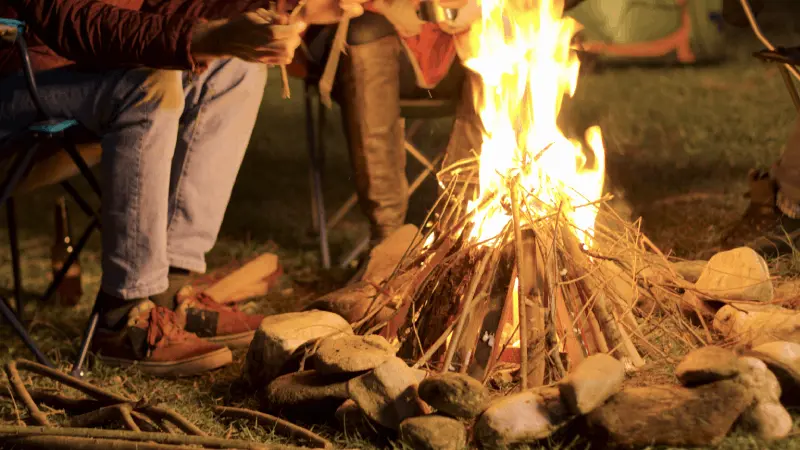
The thing that gives your soup that unique camp aroma is the smoky flavor that seeps in while cooking. However, not all woods provide the same aroma; some can ruin your meal. Coniferous trees like pine and fir contain a lot of resin, and the smoke they produce when burned is acrid, giving a chemical taste rather than a smoky one. The best options for cooking soup are hardwoods like oak, beech, or hornbeam. These woods provide a more stable heat and leave a light, sweet aroma of smoke. If you can find the dry branches of fruit trees (apple, cherry), you can add a gourmet touch that even the best chefs in the world cannot replicate to your soup. Cooking over the coals rather than directly in the flames helps you control the amount of smoke.
How Do Adding Protein Sources to Soup Alleviate Muscle Fatigue?
Winter camping physically exhausts the body due to activities like walking on snow and chopping wood. This fatigue causes microscopic tears in the muscles, and protein is essential for repair. Adding dried meat, pastrami, chickpeas, or just plenty of lentils to your soups meets this protein need. Liquid protein intake is absorbed faster than solid foods and does not strain the digestive system. Especially a protein-rich soup consumed before bed supports the secretion of growth hormone during sleep and accelerates muscle repair. The secret to feeling less sore and more energetic when you wake up in the morning lies in that rich bowl from the night before.
Why Are the Fats You Carry Essential for Survival in Cold Weather?
To survive in cold weather, the body burns significantly more calories than usual. Fats are the food group that provides the highest energy per gram (9 calories). Don't hesitate to use butter, olive oil, or lard in your winter camping soups. Fat is not only a flavor carrier but also the most efficient fuel your body uses against the cold. The velvety texture that a spoonful of butter adds to the soup protects the stomach lining from external factors like alcohol or acid while also ensuring a slow release of energy. Additionally, fat is essential for the absorption of vitamins A, D, E, and K. Dieting during winter camping means compromising your body's defense line; for this reason, a rich and caloric soup is the best choice.
How Long Can Your Thermos Keep Your Soup Warm?
Sometimes you want to drink your soup not right after cooking but in the middle of a long hike a few hours later. This is where food thermoses come into play, the unsung heroes of winter camping. A quality double-walled vacuum thermos can keep your soup at drinkable warmth for up to 12 hours, despite the freezing air outside. Pre-warming the thermos with boiling water before use reduces heat loss by 20%. A wide mouth on the thermos allows you to easily reach the solid ingredients (meat, vegetables) inside. While trying to set up your tent under a snowstorm, that few sips of warm soup from your thermos will give you the last motivation and physical strength you need to finish your task.
What Are the Best Accompaniments to Soup During Winter Camping?
A bowl of soup is wonderful, but the accompaniments next to it turn it into a full feast. A slice of sourdough bread toasted with garlic over the campfire doubles the flavor of the soup. The slight burnt and smoky taste on the bread creates a perfect contrast with the soup's liquid texture. Additionally, the hard cheeses you brought along (aged kasseri, gruyere) melt in the hot soup, creating surprise flavor bites. Pickles, with their fermented structure, facilitate digestion and stimulate appetite in the cold. If you really need energy, adding a handful of hazelnuts or walnuts to the soup not only adds crunch but also increases your healthy fat intake.
What Role Does Soup Play in the Recovery Process of the Body After Winter Camping?
Even after the camping trip is over and you return home, the healing power of soup continues. The body, exposed to cold and physical strain for days, is in a state of "inflammation." When you return home, a vegetable-rich and bone broth soup helps restore your body's alkaline balance. It helps eliminate the toxins created by sometimes irregular or canned foods consumed during the camp. Additionally, the sweet fatigue and "bed comfort" experienced after winter camping are best complemented by the familiar warm aroma of the soup cooked in your comfortable kitchen at home. Soup is the softest and most delicious bridge between the wild life of camping and the civilization of the city.
Why is Kitchen Discipline Important During Winter Camping?
The 5 soup recipes and technical details mentioned in this guide are not only for making delicious meals but also for ensuring a safe and enjoyable experience in winter conditions. Winter camping cuisine requires discipline, pre-preparation, and proper equipment use. The thermal and morale effects of a warm meal on the body can sometimes be more vital than even the most expensive sleeping bag. During your next winter camping trip, remember this information while sipping from your bowl by the fire and savor the unique moment that nature offers you. Remember, the best soup is the one that contains love, effort, and a bit of campfire smoke.