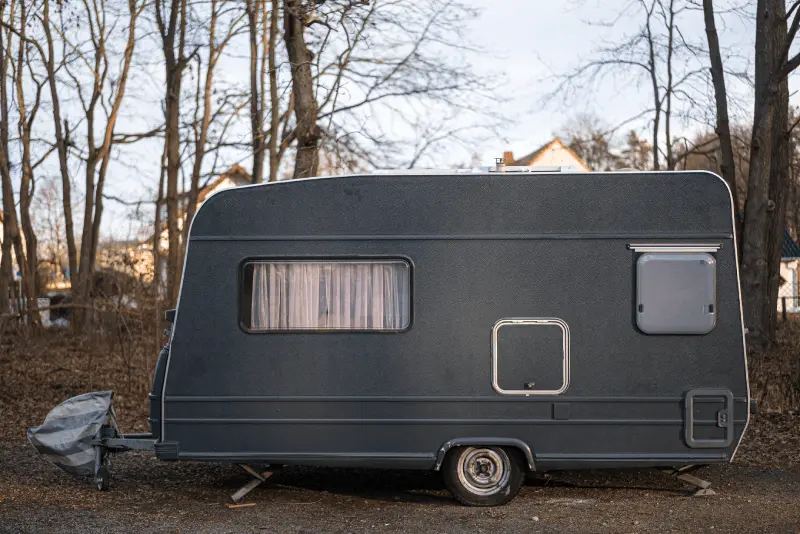
Why is the Concept of Thermal Bridges in Caravan Insulation Vital?
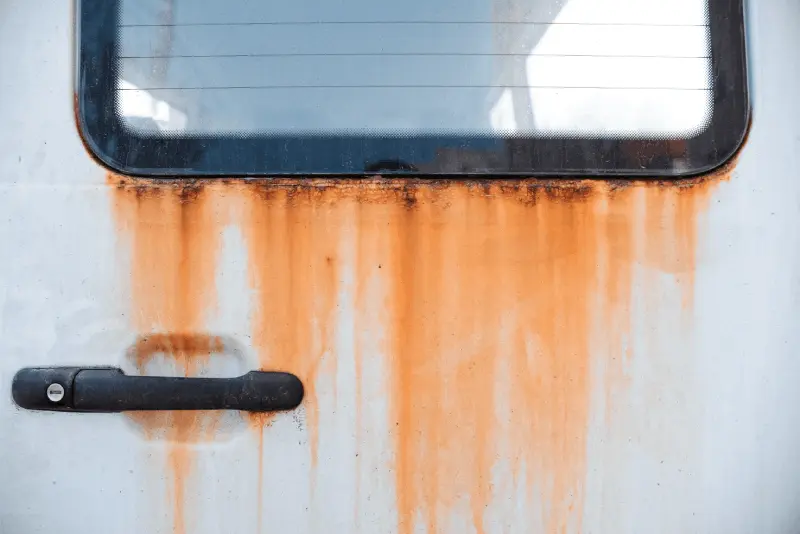
In caravan insulation, thermal bridges refer to weak points where heat transfer is significantly higher due to the insulation material. Since caravans typically have a metal body, the high conductivity of metal tends to transfer the cold or heat from the outside directly inside. If there are gaps in your insulation layer or if metal parts are in direct contact with the interior, these points become "thermal bridges." This situation not only causes the interior heat to dissipate quickly but also leads to the condensation of moisture in the air on these cold surfaces, forming water droplets (condensation). Condensation brings serious issues that shorten the lifespan of the caravan, such as rust, mold formation, and unpleasant odors. Therefore, preventing thermal bridges is not only essential for heating but also a vital necessity for preserving the structural integrity of the caravan.
How Does Elastomeric Rubber Foam Cut Off Heat Transfer on Metal Surfaces?
Elastomeric rubber foam is considered the gold standard among materials used in caravan insulation. Thanks to its closed-cell structure, it provides both thermal insulation and excellent resistance against water vapor diffusion. When directly applied to the metal body, it minimizes the formation of thermal bridges by isolating the surface heat of the metal from the interior. Its flexible structure allows it to fit perfectly to the curved panels and tight corners of the caravan. Versions of the material that are self-adhesive eliminate any air gaps between the metal and insulation, reducing the risk of condensation to nearly zero. For a caravanner who wants to completely prevent thermal bridges, elastomeric rubber foam is one of the most effective physical barriers that suppress the conductive nature of metal and is an indispensable element in professional conversions.
Does Spray Polyurethane Foam Provide a Seamless Insulation Barrier?
Spray polyurethane foam is one of the rare methods that claims to "completely" prevent thermal bridges in caravan insulation. When applied, this expanding material adheres to the surface, forming a monolithic (one-piece) insulation layer by seeping into the hardest-to-reach holes, behind metal support profiles, and into the narrowest channels. Since it does not contain any joints, it completely eliminates the thermal leaks seen at the junction points of traditional board insulations. This layer, which wraps around the metal body like a cocoon, completely breaks the thermal connection between the outside environment and the interior. However, despite its disadvantages, such as requiring professional application and making future modifications to the vehicle difficult, the performance of preventing thermal bridges is hard to achieve with other methods compared to the overall level of protection offered by spray polyurethane foam.
How Can Thermal Bridges Be Prevented at the Joints of XPS and EPS Boards?
Extruded Polystyrene (XPS) and Expanded Polystyrene (EPS) boards, despite being cost-effective and having high thermal resistance, do not fit perfectly to the curved surfaces of the caravan due to their rigid structures. When these boards are used, gaps inevitably form at the points where they connect with each other and the caravan's metal supports (struts). These gaps act as thermal bridges. To prevent this issue, the joints of the boards must be sealed with polyurethane mastic or flexible foams. Additionally, aluminum foil tapes should be applied over the boards to ensure thermal continuity. The secret to minimizing thermal bridges in XPS and EPS applications is not only to construct the boards but also to fill all the micro-gaps in between with filler materials to completely cut off airflow and thermal transfer.
How Does Wood Battens and Frame Structure Create a Thermal Barrier Between Metal Body?
The frame structure used to mount the caravan's interior cladding can become a thermal bridge itself if directly screwed to the metal body. Although wood has much lower thermal conductivity than metal, this contact needs to be further optimized. Professional caravan builders place thin strips of elastomeric rubber tape or neoprene seals between the wood battens and the metal before securing them. This "thermal break" technique prevents the cold from the metal from transferring to the interior through the wood. When the wood battens are isolated in this way, they provide a solid base for assembly and act as a buffer zone that breaks the thermal transmission chain between the large metal surfaces. This method is a critical application detail for protecting the warmth inside the caravan, especially in winter conditions.

Why Do Stone Wool and Glass Wool Pose a Risk of Thermal Bridges in Caravans?
Mineral wools such as stone wool and glass wool, despite providing excellent sound and thermal insulation, are considered risky for caravans. The main reason for this is that the flexible and fibrous structure of these materials can sag over time due to the vibrations of the caravan. The gaps that form in the upper parts of the panels turn into massive thermal bridges. Additionally, these materials can exhibit hygroscopic (moisture-absorbing) properties. If condensation occurs on the metal body, the mineral wool absorbs this moisture and becomes heavy, losing its insulation properties. A wet insulation material begins to conduct heat instead of blocking it, which significantly increases the effect of thermal bridges. If you plan to use these materials in your caravan, you must ensure they are sealed with a vapor barrier and establish a very tight frame structure to prevent the material from sliding down.
Are Aluminum Foil Tapes Really Effective in Closing Thermal Bridges?
Aluminum foil tapes, although often considered a "finishing" element in caravan insulation, are...
They play a vital role in closing thermal bridges. The joints of insulation boards or membranes are the areas where thermal leakage is most intense. High-quality aluminum tapes with strong adhesive properties seal these joints airtight, stopping heat loss through convection. Additionally, the reflective property of aluminum also limits radiant heat transfer, preserving the integrity of the insulation layer. It is not enough to simply lay insulation material to prevent thermal bridges; the continuity of these materials must be ensured. Aluminum tapes create a single continuous shield for insulation pieces, preventing even the smallest leakage points from functioning as thermal bridges. This is particularly a crucial factor in detailed workmanship.How Do Self-Adhesive Insulation Membranes Minimize Application Errors?
The biggest enemy in insulation application is the air gaps between the insulation material and the metal surface. These gaps reduce the insulation value and create hidden thermal bridges and condensation points. Self-adhesive elastomeric membranes are designed to minimize this risk. The strong adhesive layer behind the material ensures that it makes full contact with the metal surface at every point. Unlike manually applied adhesives, self-adhesive products provide an even distribution and reduce the likelihood of "dead spots" during application. This full contact ensures that the thermal energy of the metal is cut off before it is transferred to the insulation layer. Thanks to the ease of application, it also minimizes the risk of thermal bridges caused by workmanship errors, providing more homogeneous thermal protection.
Which Material Should Be Chosen to Prevent Thermal Bridges in the Corners and Curved Areas of Caravans?
The corner areas of caravan roofs, the tops of wheel arches, and columns are areas where the application of standard flat insulation boards is impossible. These areas often create the largest thermal bridges because they are places where "insulation has been forgotten" or done inadequately. In such areas, thin elastomeric rubber foam or felt-based insulation materials with high flexibility should be preferred. The material must fully "adhere" to the surface. If gaps remain, these gaps should be supported with spray polyurethane or fiber-filled materials. The most critical front in the battle against thermal bridges is these curved areas; because cold air can seep in through these gaps and circulate behind the interior lining. Therefore, materials with high flexibility are the best weapon to close the thermal gaps created by geometric challenges.
How Do Thermal Bridges Trigger Moisture and Mold Formation Inside the Caravan?
The most insidious effect of thermal bridges is not thermal loss but moisture management. On a cold winter day, when you cook inside the caravan or simply breathe, the humidity in the air increases. This warm and humid air reaches the "dew point" when it comes into contact with metal surfaces that have remained cold due to thermal bridges or uninsulated screw heads, causing condensation. This invisible water pooling gets trapped behind the interior lining. A humid environment is an ideal breeding ground for mold fungi. Mold not only causes bad odors but also leads to respiratory problems for caravan occupants. Additionally, continuous contact of metal with moisture accelerates corrosion. Therefore, preventing thermal bridges actually means creating a healthy and sustainable living space inside the caravan.
Does Marine Plywood Used in Floor Insulation Slow Down Thermal Bridge Transfer?
The caravan floor is a wide surface where the cold from the ground is felt directly. A floorboard placed directly on a metal base creates a significant thermal bridge. While marine plywood is known for its durability and moisture resistance, it is not sufficient as a thermal barrier on its own. However, when combined with rigid insulation boards (XPS or rigid rubber) placed between the metal base and the plywood, and a wooden or composite frame system established between these boards, it significantly reduces thermal bridging. Since plywood itself has low conductivity, when combined with the insulation layer underneath, it slows down the transfer of cold from the outside to your feet. To completely cut off thermal bridges in floor insulation, it is critical to cover even the heads of metal fastening screws with an insulating layer and ensure that the plywood does not directly touch the metal.
What Is the Most Resistant Material Against Solar Radiation in Roof Insulation?
The roof is the largest area exposed to the scorching radiant heat of the sun during the summer months. Here, it is necessary to stop not only heat conduction (convection) but also heat radiation. Radiant barriers, such as insulation materials coated with aluminum foil, can reflect $\%95-97$ of the heat waves coming from the sun. To prevent thermal bridges in the roof section, a layer of aluminum foil bubble wrap or thin reflective membrane must be added on top of the main insulation layer (such as elastomeric rubber or stone wool). When this layer is applied with an air gap between the roof frame and the interior panel, it effectively blocks the points where the sun's heat could penetrate (thermal bridges) like a mirror. This way, the need for air conditioning inside the caravan decreases in summer, and the escape of heat from inside during winter is also more effectively prevented.
What Role Do Caravan Windows and Door Seals Play in Thermal Bridge Losses?
No matter how perfect the insulation is, the gaps in windows and doors are the biggest thermal bridges in the system. Standard glass quickly conducts heat; therefore, double-glazed acrylic windows should be preferred in caravans. However, the real hidden thermal bridge is the window frame. They are the places where window frames and door frames are joined with a metal body. The quality of the seals used at these points and the flexibility of the sealing mastics are of vital importance. When door seals harden over time and start to leak air, this can lead to a massive thermal leak. To minimize thermal bridges, the window inner frames must also be covered with insulation material, and the voids inside the doors must be filled. It should be noted that a chain is only as strong as its weakest link; windows and doors are likely to be the weakest links in the insulation chain.
Can Ceramic Additive Thermal Insulation Paints Break Thermal Bridges with Thin Layers?
Ceramic additive thermal insulation paints, which are nano technology products, draw attention as an auxiliary layer in caravan insulation. These paints have the property of slowing down heat transfer and reflecting heat thanks to the micro ceramic particles they contain. Although they do not replace a thick insulation board on their own, they are particularly effective as "thermal bridge breakers" on uneven metal surfaces where applying insulation material is impossible, at screw heads, and at corner joints. They create a buffer zone by cutting off direct contact of the metal with the air. Users who want to completely prevent thermal bridges can enhance insulation performance to a higher level by covering all inner metal surfaces with these paints before transitioning to the main insulation. This is a professional pre-preparation technique used especially to reduce the risk of condensation.
How to Insulate Micro Thermal Bridges Created by Metal Screws and Fasteners?
Hundreds of screws are used in caravan construction, and most of these screws are directly embedded in the outer metal body. Each screw is a miniature thermal bridge that carries the outside cold to the warm panels inside. These "micro thermal bridges" may appear small when viewed individually, but collectively they create a significant heat transfer surface. To prevent this, screws should be passed through plastic washers or wooden spacers instead of touching the inner panel directly. Additionally, applying a thin layer of insulation tape over the screw heads or covering them with a silicone-based filler cuts off heat transmission. If possible, using composite fastening elements instead of metal screws or minimizing metal contact with methods like "blind rivets" brings one step closer to the dream of a caravan without thermal bridges.
How Do Caravan Interior Ventilation Systems Affect the Thermal Performance of Insulation?
Insulation and ventilation are two complementary but sometimes conflicting elements in a caravan. Making the caravan completely airtight (hermetic sealing) to close thermal bridges can lead to the inability to expel moisture inside and a decrease in oxygen. This situation leads to the moisture of the insulation materials and consequently increases the effect of thermal bridges. The correct strategy is to structurally prevent thermal bridges while providing controlled ventilation (ceiling fans, vents). The points where ventilation ducts pass are places where cold air from outside can leak behind the insulation. These ducts must be insulated with sealing tapes and foams. A good ventilation system ensures that moisture in the air is expelled, keeping the insulation dry, thus helping to maintain the material's performance in blocking thermal bridges for many years.
How Does the R-Value of Insulation Materials Determine Their Capacity to Block Thermal Bridges?
The R-value expresses the resistance a material shows against heat flow. The higher the R-value, the better the insulation. However, in places with limited space like caravans, it is not always possible to use thick insulation materials. In blocking thermal bridges, it is necessary to look not only at the R-value but also at the material's "thermal conductivity coefficient" (λ value). Materials with low conductivity (low lambda) show high resistance even in thin layers, slowing down the formation of thermal bridges. For example, niche materials like aerogel can create miracles in breaking thermal bridges by offering a huge R-value despite being very thin. When selecting materials, establishing a good balance between the wall thickness of the caravan and the total R-value offered by the material is a fundamental scientific criterion that determines how effectively thermal bridges will be blocked.
Can the Double Layer Insulation Method Completely Eliminate Thermal Bridges?
The double-layer insulation strategy involves using two materials with different properties stacked on top of each other. For example, applying a self-adhesive rubber foam (first layer) directly to the metal surface, followed by a filter (second layer) that fills the voids and reflects radiant heat. This method offers the highest success rate in blocking thermal bridges. While the first layer cuts off conduction through conditioning, the second layer covers the joints and stops heat transfer through radiation. A small air gap (dead air space) left between the two layers further enhances insulation effectiveness. This hierarchical structure turns the caravan body into an almost impenetrable fortress against thermal bridges by compensating for any weakness or application error that may occur in one layer with the other layer.
Can Recycled Textile Felts Be an Alternative in Caravan Insulation?
Recycled textile felts or automotive-type sound insulation felts work wonders, especially in sound absorption. However, there are some reservations regarding their effectiveness in blocking thermal bridges. Felts have a breathable structure; this situation allows moisture to pass through. If this moisture reaches the metal surface, it can condense due to the thermal bridge effect. If you are going to use wool to block the thermal bridge, you should position it as a "heat retainer" rather than a "moisture barrier." Modern wools are treated with special hydrophobic (water-repellent) processes to prevent this issue. Using wool to fill the complex voids inside the caravan can prevent the formation of thermal bridges by cutting off the airflow in those areas. When applied correctly, they can serve as ecological and effective heat barriers; however, their effectiveness is conditional on moisture management.
How to Detect Insulation Errors and Thermal Bridges Using a Thermal Camera?
The most professional way to detect invisible thermal bridges is to use a thermal camera. After insulation is completed and before interior finishes are installed (or for inspection purposes after installation), heating the inside of the caravan and looking from the outside with a thermal camera clearly shows where the heat is leaking. Bright (hot) spots in the thermal image are thermal bridges. These spots are usually at screw locations, seams of the insulation, or forgotten small holes. A thermal camera allows you to test the theoretical success of the insulation against practical results. For someone who wants to completely block thermal bridges, this device is a monitoring tool. By intervening at the identified leak points, the insulation can be perfected. Nowadays, affordable thermal modules that can be attached to smartphones have made this luxury accessible for caravan owners.
What is the Effect of Thermal Bridges on Caravan Heating and Cooling Energy Consumption?
If there are thermal bridges in a caravan, the heater (Webasto, Truma, etc.) or air conditioning must work much harder. Thermal bridges are like "holes" in the insulation system; warm air escapes through these holes or cold air seeps in. Research shows that energy loss in a poorly insulated caravan filled with thermal bridges can be up to $\%40$ more than in a well-insulated vehicle. This situation not only increases fuel and electricity consumption but also shortens the lifespan of devices. Investing in quality materials at the beginning to block thermal bridges pays off in the long run with less fuel and less battery consumption. The fundamental rule of energy independence (off-grid living) is to be able to store the energy produced; this is only possible with insulation that has been cleared of thermal bridges.
How to Manage Thermal Bridges to Reduce Heat Inside the Caravan in Summer?
When we think of thermal insulation, we often associate it with winter, but in summer, the inside of the caravan can be warmer than the outside. The metal roof of the caravan can heat up to $70-80$ degrees under the sun. In this case, the roof support sheets (rafters) turn into massive thermal bridges that carry this terrifying heat inside. It is crucial to cut these thermal bridges with reflective materials for summer comfort. The insulation around the roof ventilation (Heki) must be complete. Additionally, applying white or reflective paints from the outside prevents the metal from heating up, thereby reducing the load that thermal bridges will carry from the start. Managing thermal bridges is key to transforming the inside of the caravan from an oven in summer to a cooler refuge than the shaded outside. Proper reflective layers are the biggest determinant of comfort in hot weather.
How Do Thermal Bridges Affect Comfort Standards in Winter Caravanning?
In winter camping, thermal bridges make themselves felt as "cold drafts" and "icy surfaces." While you feel warmth when leaning against the insulated wall of the caravan, when you touch a thermal bridge point (for example, an uninsulated column), your body heat quickly flows into that metal. This causes uneven heat distribution inside the caravan; your feet may feel cold while your head sweats. Thermal bridges also cause heavy condensation and water droplets to flow down the glass edges. Comfort is not only related to how cold the environment is but also to the warmth of the surfaces. In a caravan where thermal bridges are blocked, even if the heater operates at a lower cycle, all surfaces remain close to room temperature, providing real comfort. If you want to enjoy rather than just survive in winter, you must eliminate thermal bridges.

What is the Relationship Between Fire Resistance Class and Thermal Bridges When Choosing Insulation Material?
Safety should always come before insulation performance in caravan construction. Some insulation materials are very good at blocking thermal bridges but can release toxic gases or ignite quickly during a fire. When selecting materials, attention should be paid to fire resistance/flame retardant certifications such as "B1" or "Class 0." For example, some types of polyurethane foams can perfectly seal thermal bridges but may pose a fire risk. In this case, adding fire-retardant coatings or flame barriers like aluminum foil over the material can cut off thermal bridges and enhance safety. The tapes and adhesives used in the battle against thermal bridges must also be heat-resistant; otherwise, insulation materials may separate from the surface on hot days, creating new thermal bridges. Safety and performance must go hand in hand.
Do Interior Finish Panels of the Caravan Function as a Barrier Against Thermal Bridges?
Interior finish materials (cladding, plywood, fabric-covered panels) are the final layer of insulation and also provide some heat resistance. Wooden cladding or fabric-covered panels give a warm feeling when touched, breaking the cold effect of the metal. However, these panels cannot block thermal bridges on their own; they only improve the perceived warmth. If there is a thermal bridge behind the panel, moisture will accumulate behind that panel. In managing thermal bridges, interior finishes serve to "protect" the insulation and "add aesthetics." is a shell. Some campers create an extra thermal layer by adding thin felt or fabric behind the panels. This serves as a final line of defense against micro air currents that may leak from the panel joints, especially, and improves the thermal quality of the interior.
Why Are Closed-Cell Foams More Reliable in Preventing Heat Bridges Where Water Absorption Occurs?
Insulation materials can be divided into "open-cell" and "closed-cell" types. Sponges or mineral wools are open-cell and can retain water. Closed-cell foams (elastomeric rubber, XPS), on the other hand, contain trapped independent air bubbles and do not allow water to enter. In an environment where the risk of condensation, like in a caravan, is always present, using a water-absorbing material turns the risk of heat bridges into a "ticking time bomb." Wet insulation materials become heavy, lose their shape, and instead of preventing heat, they start to conduct it as the air voids inside fill with water. Closed-cell materials, however, maintain their thermal insulation values even when wet and do not cause corrosion. Therefore, closed-cell technology is the undisputed winner in the caravan world for permanently and safely preventing heat bridges.
What Should Be Done to Avoid Creating Heat Bridges During the Assembly of Caravan Furniture?
Furniture assembly is the stage where insulation is most damaged. Screwing heavy cabinets directly into metal frames by piercing the insulation creates new heat bridges. To prevent this, furniture should be fixed to pre-insulated wooden frames or "blind nut" (rivnut) systems instead of directly to metal. Placing a thin felt or rubber strip between the furniture and the wall panel prevents rattling noise and provides thermal separation. Additionally, insulating the insides of cabinets creates a buffer zone between the outside wall and the air inside the cabinet. If the insides of the cabinets are not insulated, they will remain cold and may cause your clothes or kitchen items to become damp. The furniture design should be structured in a way that does not disrupt the continuity of the insulation, ideally floating above the insulation layer.
How Do Electrical Installation Channels Compromise Insulation and Lead to Heat Loss?
Spiral pipes and channels used to carry electrical cables often pass through the insulation layer. If the ends of these pipes are left open and connected to the outside wall, cold air can flow through them. This situation can lead to the formation of "cold air tunnels" in the middle of the insulation. These installations must be carefully addressed to prevent heat bridges. The entry and exit points of cable pipes should be sealed with non-combustible foams or mastics. Additionally, care should be taken not to excessively compress the insulation of the cables; because compressed insulation material has a lower R-value, and that point will show signs of a heat bridge. When planning electrical installations, it is best to route cable paths in a way that minimally disrupts the integrity of the insulation, preferably passing through the frame structure or in front of the insulation.
How Does the Level of Sound Insulation Change in a Caravan Where Heat Bridges Have Been Prevented?
Thermal insulation and sound insulation (acoustic insulation) generally go hand in hand. Using dense materials like elastomeric rubber foam, which are used to close heat bridges, also dampens the vibrations of metal, reducing the "drum effect" and blocking the noise from the outside road. Completely sealing heat bridges also means sealing air leaks; since sound waves also travel through the air, a well-insulated caravan offers a much quieter living space. However, heavy plates used solely for sound insulation do not provide thermal insulation. Therefore, sound insulation should be achieved by applying damping plates to the metal surface first, followed by the main insulation layer that will cut off heat bridges. This combination will keep your caravan as peaceful as a quiet library and as warm as a thermos.
Do Low-Cost Insulation Materials Solve the Heat Bridge Problem in the Long Run?
Using construction-type blanket insulations or low-quality sponges to save costs may seem attractive at first, but in the long run, it is a "costly mistake." These materials are not durable against the dynamic movements, humidity, and temperature changes of the caravan. Over time, they can crumble, emit odors, or shift, creating large heat bridges. Updating the insulation of a caravan is a painful process that requires removing all furniture and panels. Therefore, investing in automotive or marine-grade approved materials is the most logical way to permanently prevent heat bridges "once and for all." Quality materials are not only a comfort but also an insurance that protects the second-hand value and structural lifespan of the caravan. Cheap insulation is often a prepayment for future rust and mold bills.
Is the Thermal Conductivity Coefficient of the Adhesives Used in Caravan Construction Important?
A detail often overlooked is the type of adhesive used to bond the insulation material to the metal. Some solvent-based adhesives can melt the structure of the insulation material (especially polystyrenes), leading to insulation failure at that point, thus causing heat bridges. Additionally, instead of creating a thick and conductive adhesive layer between the metal and insulation, thin and flexible layers that are sprayed or self-adhesive should be preferred. The adhesive must be resistant to extreme heat (like under a roof in the sun); if the adhesive fails, the material will separate from the metal, creating a void that invites condensation and heat transfer. The success of preventing heat bridges lies in the quality of that few microns of bonding between the insulation material and the metal.
In Conclusion, What Is the Most Perfect Combination of Heat Bridge Barriers in Caravan Insulation?
To completely prevent heat bridges in caravan insulation, instead of a single miraculous material, "an intelligent system design" is necessary. The ideal combination is as follows: Vibration-damping plates applied to the metal surface, made of self-adhesive elastomeric rubber with a thickness of $19-25$ mm without leaving any gaps, all joints sealed with aluminum foil tape, spray polyurethane or ceramic paint support for curved areas and support surfaces, and finally an aluminum-coated bubble filter layer that reflects radiant heat. This layered approach simultaneously shuts off conduction, convection, and radiation paths. When you view thermal bridges as enemies and take special precautions for each one, your caravan will transform into a true mobile home where you can live peacefully regardless of the seasons and all kinds of climates.