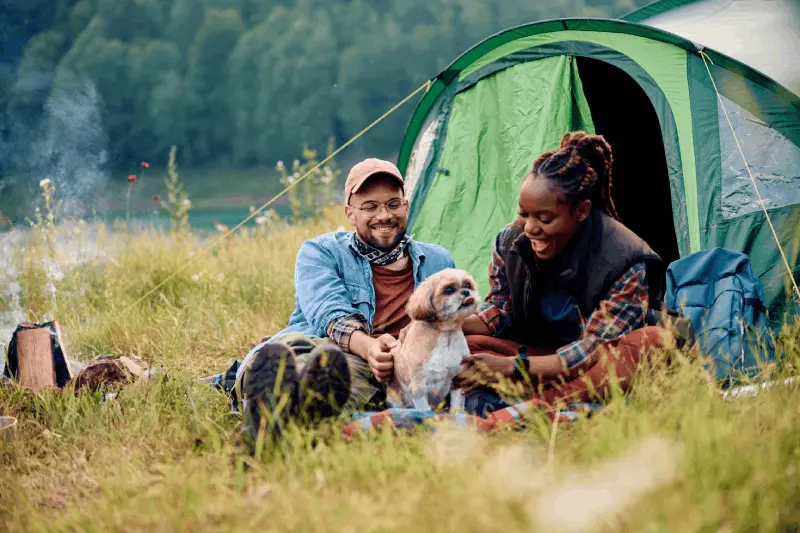
Waking up in the heart of nature with your dog, discovering new trails together, and sleeping under the stars is an invaluable experience. However, good planning is essential for this experience to be enjoyable for both you and your loyal friend. In this guide, you will find everything from dog-friendly areas across Turkey to camping preparations.
Where Are the Best Campsites for Dog Owners?
The most dog-friendly campsites for dog owners are generally located in areas with spacious terrain, where distance can be maintained from other campers, and where the owners are animal lovers. In Turkey, Muğla, Antalya, and Bolu provinces lead in this regard. Especially boutique campsites along the Aegean and Mediterranean coasts offer areas where dogs can move freely, while the vast plateaus of the Black Sea provide great opportunities for furry friends looking to escape the crowds. When choosing a commercial campsite, it is essential to call ahead to ask if they accept dogs and if there are any specific rules for dogs. Some areas only allow dogs of certain sizes, while others warmly welcome all breeds.
Where Can You Camp with Your Dog in Akyaka, the Pearl of the Aegean?
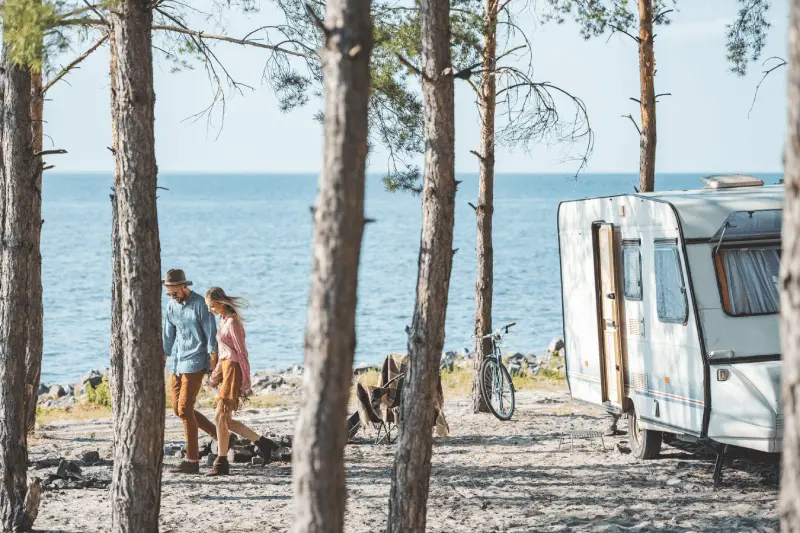
Akyaka, located in the Ula district of Muğla, is an indispensable stop for dog owners due to both the sea and the coolness of the Azmak River. Akyaka Forest Camp, with its spacious area under the pine trees, is quite suitable for dogs to rest in the shade. Since this place spreads over a vast area, you can take long walks with your dog and enjoy the sea early in the morning when no one is around. Most businesses in Akyaka have a pet-friendly approach, but it is still important that your dog is social to avoid disturbing other guests in the campsite. The walking paths along the Azmak allow your dog to mentally stimulate by picking up different scents and provide an unforgettable holiday experience.
What Facilities Are Available for Furry Friends in the Hidden Paradise of Kaş?
Kaş, one of Turkey's most free-spirited holiday resorts, always pleases dog owners. Kaş Camping is one of the long-established businesses that has been accepting pets for years and is experienced in this regard. You can set up a tent with your dog in the shade of olive trees and swim together in the crystal waters of Kaş. Many restaurants and cafes in the center of Kaş are also dog-friendly; this means you won't have to leave your dog in the tent when you want to explore the city. However, since the summer heat in Kaş can be quite intense, you should ensure that the campsite has plenty of shaded areas and that your friend always has access to fresh water.
Why Are the İğneada Longoz Forests Ideal for Dogs in the Marmara Region?
İğneada, a natural wonder in Kırklareli, is a great escape point for dog owners living in Istanbul and its surroundings. The campsites located within the longoz forests offer wide plains where dogs can explore without getting lost in nature. The humid and shady structure of the forest prevents dogs from overheating during the summer months. Additionally, the lakes and sea in the area mean extra fun for water-loving dogs. When camping in İğneada, it is very important to take protective measures to minimize your dog's contact with wildlife (especially insects and ticks) in the forest. This place has a peaceful atmosphere that will strengthen your bond with your dog due to its tranquility and naturalness.
What Should You Pay Attention to When Camping with Your Dog in the Autumn at Bolu Yedigöller?
Yedigöller National Park is breathtaking, especially with the color palette it offers in autumn. If you want to camp in this unique nature with your dog, you should first be aware that nighttime temperatures can drop significantly. You must have an insulated sleeping pad and, if necessary, a dog coat for your dog. Since there is high wildlife activity in the Yedigöller region, you should never leave your dog unsupervised outside the tent and must bring it inside the tent at night. The moist soil among the leaves can cause your dog's paws to get dirty, so having a spare towel to clean them before entering the tent will make things easier. For those seeking tranquility and peace, weekdays in Yedigöller are the ideal time to spend with dogs.
Are the Village and Campsites in Kaz Mountains Dog-Friendly?
Kaz Mountains, with their high oxygen levels and cool streams, serve as a rehabilitation center for both humans and dogs. Many private camping areas and nature houses in the region gladly accept dog guests. Campsites set up near streams are lifesavers for dogs who love to play in the water on hot summer days. The rugged terrain of the Kaz Mountains ensures that your dog stays physically active. However, you should never let your dog off-leash on the hiking trails due to the possibility of encountering other animal herds (such as goats and sheep). You must ensure that your dog's leash is fully secured. Being in such a natural environment will stimulate your dog's instincts and completely distance them from the stress of city life.
What Essential Gear Should You Bring When Camping with Your Dog for the First Time?
Going camping with your dog is not just about bringing food and water bowls; it requires comprehensive preparation for their comfort and safety. First, you should bring enough of their usual food (even a couple of days extra), as it can be difficult to find the same food at campgrounds. Portable water and food bowls provide convenience. A long tie-out or a sturdy leash ensures that your dog remains both free and safe at the campsite. Additionally, a blanket or bed that smells like your dog is crucial for calming them in a new environment. To see them when it gets dark, a LED collar or collar light should definitely be on your list.
What Measures Can You Take to Ensure Your Dog's Safety at the Campsite?
Safety is your top priority in the wild. Your dog's collar must have a tag with your current phone number written on it. You should also ensure that the microchip information is up to date. When you arrive at the campsite, check the surrounding tents and potential risks (deep holes, thorny plants, or bushes). Never leave your dog tied up alone at the campsite for long periods; this can cause them anxiety and leave them vulnerable to dangers from outside. If your dog is very curious, you can create a small play area for them by setting up a portable fence around your tent. Keeping them within your line of sight will prevent 90% of accidents.
How Can You Ensure Your Dog's Safety Around the Campfire?
While the warmth and crackling of the campfire are enjoyable for us, they can be frightening or intriguing for some dogs. When running around the fire, there is a risk of your dog's fur catching fire or the embers harming their paws. Therefore, you should tie your dog at least 2 meters away from the fire or stay close to them. You must train them to understand the "stay away" command to ensure they do not get too close to the fire. Additionally, the smoke from chemical fire starters can irritate dogs' sensitive noses, so it is healthier to start a fire using natural methods. Remember that even after the fire is out, the ashes can remain hot, and you should not allow your dog to roam in that area.
What Are the Best Tips for Sleeping in a Tent with Your Dog?
Sleeping in a tent is often the moment that strengthens the bond of trust between you and your dog. However, you need to make some arrangements to be comfortable in a small space. First, designate a corner of the tent for your dog. You can define their space by laying down their bed or a familiar blanket. To prevent your dog's nails from tearing the tent floor (or your sleeping mat), you should trim their nails before going camping or lay an extra blanket on the tent floor. To ensure your dog does not bark at outside noises (wind, rustling leaves, animal sounds) and wake you and the surroundings, you should tire them out during the day and feed them dinner on time. Make sure the tent's ventilation windows are open, but also ensure that your dog cannot unzip the tent with their nose.
What Should You Do to Prevent Drowning Risks While Camping by the Water with Your Dog?
Although most dogs seem like natural swimmers, flowing rivers or deep lakes can be dangerous. If you are camping by the water, especially if you have a dog that does not like to swim or may tire easily, you should definitely get a dog life jacket. Life jackets not only prevent drowning but also have sturdy handles on them to help pull your dog out of the water. Sudden entry into icy water can cause cramps, so you should encourage them to enter the water slowly. If you are camping by the sea, make sure to rinse your dog with fresh water after every swim to prevent the salty water from irritating their skin and ensure that no water gets into their ears.
What Are the Best Activities for Your Dog to Burn Off Energy While Camping?
Camping life is an endless playground for your dog. Long hikes will likely be their favorite activity; new scents and terrains will mentally tire them out. If the area is suitable, you can play frisbee or fetch. However, make sure the ground is not rocky or hot enough to hurt their paws while playing these games. Hide-and-seek games also provide great fun at the campsite; you can hide their favorite toy or a treat among the trees and have them find it. Additionally, canoeing or paddle boating (with a life jacket) is also quite popular and fun to do with your dog. The important thing is to keep them entertained and active throughout the day without exceeding their physical limits.
What Rules Should Be Followed to Avoid Disturbing Other Campers?
When camping with your dog, being "invisible" is the greatest courtesy. You should remember that other campers may not like dogs or may be afraid of them. Therefore, you should ensure that your dog does not approach other tents. You should never allow your dog to enter or approach other people's dining tables. A dog that barks continuously disrupts the peace of nature; therefore, you should know how to calm your dog and, if necessary, take it to a quieter area. Toilet management is the most critical issue; you should never leave your dog's waste in nature, and you must bag it and throw it in the trash can. Instead of thinking "My dog won't do anything," always maintaining a controlled and distant attitude will ensure that both you and your friend are welcomed guests in the campsite.
What Strategy Should Be Followed in Case of Dogs Encountering Wildlife?
While camping in nature, you may encounter a fox, wild boar, snake, or other wild animals at any moment. If your dog sees these animals and chases after them, it can lead to getting lost and serious injuries. Therefore, having a flawless "come" (recall) command is vital. If your dog's hunting instincts are very high, you should never let it off-leash and should control it with a long training leash. During night walks, you must use a strong flashlight and should not allow your dog to go ahead of you. Wild animals usually flee from human voices; therefore, making soft sounds (like talking or humming) while walking in very quiet areas can prevent surprise encounters.
How Should a First Aid Kit for Dogs Be Prepared in Campsites?
Emergencies can occur at any moment in nature, and the nearest veterinary clinic may be hours away. In your dog's first aid kit, there should be a pair of tweezers to remove thorns that may get stuck in its paw, antiseptic solution and bandages for small cuts, and protective boots for paw injuries. Additionally, antihistamine medications (consult your veterinarian for dosage) can be lifesaving for bee stings or allergic reactions. A thermometer, petroleum jelly, and nail clippers should also be included in the kit. You should definitely save the phone number and directions of the nearest 24-hour open veterinary clinic in the area where you will be camping on your phone before you go. Remember, quick intervention always ensures you can control the situation.
Why Should Your Dog's Feeding Routine Not Be Disrupted While Camping?
Being in nature is a great source of excitement for your dog, and this excitement can sometimes lead to loss of appetite or, conversely, excessive appetite. However, it is important not to change feeding times and the amount of food to prevent stomach sensitivity. You can slightly increase the amount of food during camping since they will expend more energy, but you should do this in a controlled manner. Avoid giving it human food cooked over the campfire (like spicy and fatty foods such as sausage or salami); these types of treats can lead to problems like diarrhea or vomiting at midnight. Additionally, having clean water always available is a fundamental rule to prevent dehydration. Washing food bowls after each use will also prevent attracting ants and flies in the area.
What Methods Can Be Used to Keep Your Dog Cool During Summer Camping?
Dogs are much more vulnerable to heat than we are since they do not have sweat glands. To prevent your dog from experiencing heatstroke during summer camping, you should always create a fully shaded area in the campsite. Cooling mats or damp towels can help lower your dog's body temperature. You should not take it out for walks during the hottest hours of the day (between 11:00 AM and 4:00 PM) and should only allow it to rest. If your dog enjoys water, spraying it with water or placing its paws in a cool bucket will help it feel comfortable. If you have a cooler with ice packs, adding a few ice cubes to its drinking water will provide great coolness. Rapid breathing, glazed eyes, and excessive drooling can be signs of heatstroke; in this case, you should immediately take it to a cool place and intervene with wet towels.
What Precautions Should Be Taken to Prevent Your Dog from Hypothermia During Winter Camping?
Cold weather camping can be a lot of fun for your dog with the right equipment, but the risk of freezing should be taken seriously. Depending on your dog's breed and coat type, you should get a winter coat or suit. To block the cold coming from the ground, you should definitely place a mat or foam insulation under your dog's bed. If you are walking in the snow, the snow that gets between its paws can freeze and hurt it; therefore, using paw balm or dog boots can be beneficial. As soon as you notice your dog shivering, you should take it to the tent and gradually raise its body temperature. Campfires lit in winter can also be an option for warming your dog, but it is safer to wrap it in a blanket without getting too close to the fire.
How Can You Ensure a Sustainable Nature Experience While Camping with Your Dog?
The "Leave No Trace" principles apply not only to us but also to our dogs. Leaving your dog's waste in nature can disrupt the ecosystem of the local wildlife and lead to parasite spread. Therefore, you should always use biodegradable waste bags in nature. You should prevent your dog from damaging the plant cover, especially in areas where endemic plants are present. Additionally, it is important that it does not create noise pollution to avoid disrupting the natural life cycle of birds and other animals in the area. Ensure that the shampoos you use (if you are going to wash it in the stream) are completely organic and harmless to nature. Sustainable camping starts with leaving nature cleaner than you found it.
How Can You Control Your Dog's Excitement and Barking in the Campsite?
A new environment is exciting for every dog, but excessive barking is an unwanted situation in the campsite. To calm your dog, prioritize... It is a good idea to tire him out with a long walk before going to the campsite. When you arrive at the campsite, give him time to calm down and avoid exposing him to too many stimuli (other dogs, children) at first. The long-lasting chew bones or engaging toys (like stuffed toys) you brought with you will help distract him. If your dog reacts to a sound and barks, instead of scolding him, redirect his attention and reward him when he stays quiet. Remember, your dog reflects your energy; the calmer and more confident you are, the more peaceful he will be.
What Are the Best Coastal Towns Where You Can Camp with Your Dog?
Turkey's coastal region is filled with hidden gems for dog campers. The Assos region of Çanakkale offers calm areas for dogs to enter the sea with its rocky but peaceful bays. The bays of Palamutbükü or Mesudiye in Datça are popular spots for dog-friendly visitors due to their preserved nature. On the Antalya side, Olympos and Çıralı are like playgrounds for furry friends with both ancient city trails and wide beaches. In these coastal towns, it is generally easier to move with dogs due to the relaxed and free atmosphere. However, it is always courteous to check whether the beach is "pet-friendly" or to use the beach during early morning hours when the public is not crowded.
What Are the Advantages and Challenges of Traveling with Dogs in a Caravan?
Traveling by caravan offers a much more stable environment for your dog compared to camping. Having his nest, bed, and food always in the same place speeds up the dog's adaptation process. Additionally, the protective structure of the caravan is a significant advantage in bad weather conditions or extreme heat. However, living with a dog in a confined space can complicate cleanliness; especially muddy paws coming inside on rainy days can quickly dirty the caravan. For your dog's safe travel in the caravan, he must be either in a transport crate or secured with a seatbelt during the ride. If the dog is tossed around inside while moving, it can lead to serious injuries. The best part of traveling by caravan is that you can rest in the comfort of your home with your dog whenever you feel tired.
What Are the Best Times and Angles to Photograph Your Dog's Camping Experience?
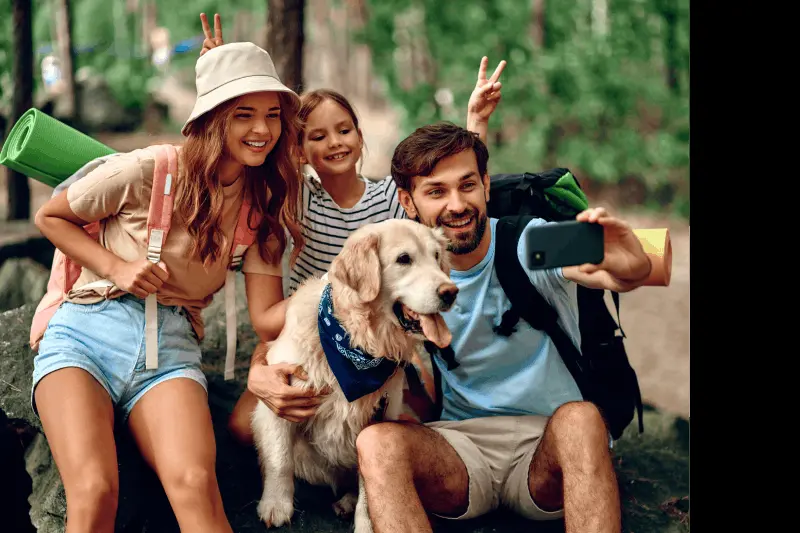
Capturing your dog's happiness in nature is a wonderful moment. The best time to take photos is during the "golden hour," which is the time of sunrise and sunset when the light is soft and golden. Harsh sunlight can cause your dog to squint and make the photos overly shadowy. When photographing him, make sure to get down to his eye level; photos taken from above often distort perspective. Use your phone or camera's "burst mode" to capture your dog's lively moments. Natural moments are always more valuable than posed photos; shots of him eating his food, drinking water from a stream, or just standing against the wind best reflect the spirit of camping.
How Can You Enhance the Comfort of Senior Dogs While Camping?
Senior dogs also love nature, but their limits are more restricted. If you are going camping with an older dog, you should ensure that the campsite is not too rugged. Bringing a thicker and orthopedic bed for their joints will improve their sleep quality. You should keep walks shorter and return to the campsite without forcing him when you feel he is tired. Senior dogs are more sensitive to temperature changes, so you should monitor the heat more closely. If your dog has vision or hearing loss, you should not leave his side in a foreign environment and always keep him on a leash. The silence and clean air of nature can be a therapy that adds years to a senior dog's life.
What Training Should Be Given to Help Puppies Adapt to Camping Life?
Taking a puppy to camp is a tremendous opportunity for its social development. However, it is vital that all vaccinations are completed (especially the puppy and rabies vaccines) because there is a high risk of contracting diseases from other animals in nature. Before camping, you should teach him basic obedience commands (stop, no, come) at home. To help him get used to the tent, you should set up the tent at home or in the garden before camping and play games inside to introduce the tent as a safe place that is not scary. Puppies get tired very quickly and are very curious; therefore, they tend to put everything in their mouths. They should be kept under constant supervision at the campsite, and rest times (nap times) should be planned regularly. A good start will ensure that he becomes a good camping companion for life.
What Are the Most Useful Mobile Apps for Dog Campers?
Technology can make life easier for dog campers. Apps like "BringFido" list dog-friendly hotels and campsites worldwide, while local platforms like "Camping Spots" allow you to read user reviews to learn which areas are more pet-friendly. Nature hiking apps like "AllTrails" usually indicate whether the trails are suitable for dogs (steep slopes, water crossings, etc.). Additionally, apps like "First Aid for Pets" (prepared by Kızılay) explain step-by-step what to do in emergencies. Downloading offline versions of maps is a vital precaution to ensure that neither you nor your friend loses the trail in remote campsites where the phone signal is weak.
How Can You Identify Dog-Friendly Establishments in Campgrounds?
Just because a business says "pets allowed" doesn't necessarily mean it is truly dog-friendly. Places that are genuinely dog-friendly often feature photos of canine guests on their social media accounts, provide water stations for dogs at the campground, or offer spacious, unrestricted areas. When you contact the establishment, you can gauge their approach by asking questions like "Can my dog roam freely?" or "Do you charge an extra fee for dogs?" If the owner seems hesitant about the presence of dogs or imposes very strict restrictions (such as a constant leash requirement), it may not be a place where you and your friend can feel comfortable. Reviews from other dog owners on Google Maps or social media are your most reliable guide.
What Are the Most Common Mistakes You Can Encounter While Camping with Your Dog?
One of the biggest mistakes is assuming that the rules at home do not apply in nature. If your dog doesn't get on the couch at home, it shouldn't do so in the tent either; this discipline prevents confusion in its mind. Another mistake is taking on very challenging trails without considering your dog's physical condition. If your dog only walks for 20 minutes a day in the city, it may not be able to handle a sudden 5-hour mountain hike. Leaving your dog alone at the campground for long periods or assuming that it's always safe to walk them off-leash are also common mistakes. Finally, not checking the weather and leaving your dog unprepared in the cold or heat can lead to serious health issues. Being planned can help eliminate most of these mistakes.
How Do You Protect Your Dog's Paw Health While Hiking in Nature?
Dogs' paws are not as tough as we think; especially for city-dwelling dogs, their paw pads remain soft. Rocky surfaces, hot sand, or snow can cause cracks and bleeding in their paws. A good method is to acclimate their paws with short nature walks a few weeks before going camping. During the hike, you should take frequent breaks to check their paws; small stones or thorns can quickly lead to inflammation. Using paw protective creams (balm) helps keep the pads moist and durable. If the trail is very challenging, putting dog boots on is the most certain solution, but you need to train your dog at home to get used to these boots. After the hike, it's also important to clean and dry their paws with warm water for their health.
What Should Be Done for Your Dog's Care and Cleaning After the Camping Trip?
Once your camping adventure is over, your work is not yet done. The first thing you should do when you return home is to check your dog’s body inch by inch for ticks, fleas, or other parasites. Especially the areas behind the ears, armpits, and between the toes are the favorite spots for these parasites. If you see a tick, you should remove it with an appropriate tick removal tool or consult a veterinarian. Giving them a calm bath to wash off the dust, mud, and plant residues from their fur will help them shake off the fatigue of camping. Also, check their paw pads and nails again for any cuts. Monitoring your dog's energy levels and appetite for a few days will help you catch any potential infections or fatigue-related illnesses early.
Why Does Camping with Your Dog Strengthen the Bond Between You?
Camping together is a time when you can escape the distracting elements of modern life (phones, work stress) and focus entirely on each other. Basic experiences like survival in nature, sharing food, and sleeping in the same tent elevate your dog's trust in you to the highest level. A dog that feels it needs your leadership and protection in the wild becomes more attached to you. Similarly, by observing your dog's abilities, joy, and protective instincts in nature, you renew your love for them. Those moments when you sit quietly by the campfire are the purest form of unspoken communication. This shared adventure is the strongest foundation of a friendship filled with shared moments.
This comprehensive guide serves as a roadmap to make your camping trips with your dog much safer, more peaceful, and enjoyable. While enjoying nature, don't forget to protect both yourself and your furry friend. Happy camping!