What is a Caravan License and Why is it Vital?
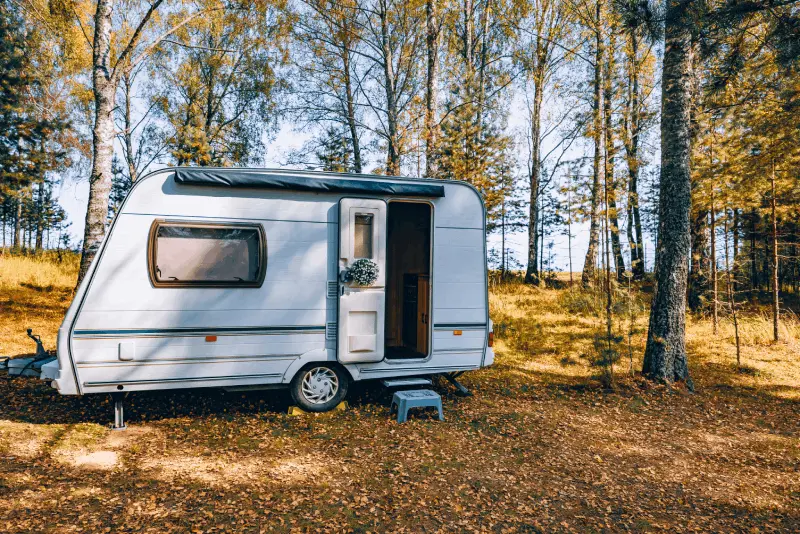
A caravan license is an official document that allows a vehicle to be classified as "Special Purpose Transport (SA - Caravan)" by technically removing it from the panel van, pickup truck, or bus category. Without this license, the bed, kitchen, and living area arrangements you make inside your vehicle will legally remain in "cargo" status. However, obtaining a caravan license not only changes the name but also means that the vehicle's traffic insurance, tax bracket, speed limits, and inspection periods will be reorganized. Owning a licensed caravan prevents you from receiving fines during traffic checks and ensures that in the event of an accident, the insurance company will cover damages to the "living area" equipment as well. Therefore, this process should not be neglected for a safe and peaceful caravan life.
What are the Differences Between Motorhome and Towable Caravan License Procedures?
Motorhome and towable caravan procedures are based on completely different legal grounds. Motorhomes require a "modification project" because they are obtained by converting an existing motor vehicle (usually a panel van). Here, a class change is made on the vehicle's existing license. On the other hand, towable caravans are generally divided into two categories: those under and over 750 kg. Caravans under 750 kg do not require a separate license and plate; the plate of the towing vehicle is used, and the O1 document is sufficient. However, towable caravans over 750 kg are classified as trailers; they require a separate license, plate, and annual inspection obligation. While the motor vehicle tax (MTV) continues for motorhomes, it is not paid for towable caravans since they do not have an engine, which is an important selection criterion for users.
Which Vehicles are Technically Suitable for Caravan Conversion?
The maximum load capacity and interior volume of the vehicle you choose for caravan conversion form the basis of your licensing process. In Turkey, the most popular choices are M1 or N1 class panel vans. Vehicles with high roofs, such as Fiat Ducato, Peugeot Boxer, or Mercedes Sprinter, are preferred because they allow for standing room. However, technically, the difference between the vehicle's empty weight and the weight after adding caravan equipment should not exceed the vehicle's carrying capacity. If the vehicle exceeds 3,500 kg (the limit for a B class driver's license), it falls into the truck category, and many factors, including the requirement for a tachograph, change. Therefore, reviewing the capacities in the vehicle's original technical document beforehand is the most important checklist item that should be done at the beginning of the project.
What are the Advantages of Obtaining an M1 Class Caravan License?
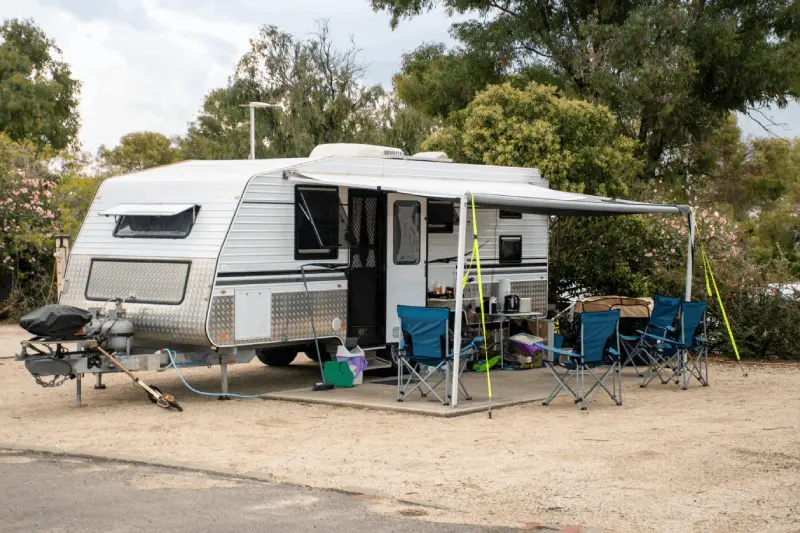
When you convert your vehicle into a caravan, you are generally classified under the M1 class (special purpose transport carrying passengers). The biggest advantage of this class is the speed limits. While an N1 class panel van pickup truck is subject to truck speed limits, an M1 class special purpose caravan can have limits closer to car speed limits (although this may vary depending on the area and road type). Additionally, while vehicles in the truck category are restricted on some bridges and highway crossings, vehicles with caravan licenses may have more flexible crossing rights. Most importantly, having the expensive equipment inside the vehicle (solar panel, lithium battery, refrigerator, etc.) registered in the license formalizes the vehicle's market value and provides significant financial security when selling or insuring it.
What Should Be Considered During the Caravan Project (AİTM) Drawing?
The caravan license process's most technical part is drawing a project in accordance with the "Vehicle Manufacturing, Modification, and Assembly (AİTM)" regulation. This project must be prepared by an authorized mechanical engineer. The engineer will draw everything from the vehicle's seat layout to ventilation holes, from the location of the kitchen counter to the dimensions of the bed, in millimeters. The most important thing to pay attention to at this stage is that the number of seats in the project must be compatible with the vehicle's seatbelt attachment points. Additionally, the equipment specified in the project (stove, sink, bed) must be genuinely fixed inside the vehicle. Instead of starting the modification before the project is drawn, maintaining constant communication with your engineer and asking at every step, "Is this in line with the project I made?" will eliminate the risk of the project being rejected by TSE at the end of the process.
What Standards are Sought in the Vehicle's Interior Design Before TSE Inspection?
The experts of the Turkish Standards Institute (TSE) check whether certain minimum living conditions are met when inspecting the vehicle. For a vehicle to be considered a "caravan," it must have a fixed bed (which can be foldable), a kitchen niche (sink and stove), storage areas (cabinets), and a seating group inside. All of this equipment must be firmly fixed to the vehicle; in other words, materials placed with the logic of "I will take these out when I go on the road" are not accepted. Especially the dimensions of the kitchen counter and bed must be suitable for use by an adult. Having locking mechanisms on cabinet doors to prevent them from opening during transit is also among the safety and approval criteria. The TSE inspection certifies that the vehicle has transformed from a "cargo transport vehicle" into a genuine "living space."
What are the Rules for Ventilation and Gas Installation in Caravans?
Safety is the only point that cannot be negotiated in the caravan license process. According to TSE standards, the equipment used in the caravan must be...
The gas installation must have a leak-tightness report (for the stove or heater) and must be stored in an insulated cabinet that is accessible from outside, with a ventilation hole in the lower part. Additionally, to prevent carbon monoxide accumulation inside the vehicle, it is mandatory to have ceiling-type ventilation (heki) or vents on the side walls. If there is an LPG system inside, the use of copper pipes and the accessibility of connection points are required. The ventilation capacity must be sufficient in relation to the volume inside the vehicle, which is vital for both the approval of the project and your safety. Vehicles that do not comply with these rules are considered "heavily defective" and cannot pass inspection.Why is Electrical Installation Critical When Obtaining a Caravan License?
In a caravan, the electrical installation is meticulously examined in terms of both living comfort and fire safety. During the licensing process, the electrical project may need to be detailed further. It is expected that the cables pass through non-flammable (halogen-free) channels, that there is a fuse box, and that the 220V and 12V lines are clearly separated. Especially, the installation of the external power inlet must be done in accordance with standards. The installation of solar panels on the roof, wind resistance, and shock resistance are checked by experts. A mistake in the electrical installation not only prevents you from obtaining a license but also increases the fire risk in your caravan, where you live in a confined space. Therefore, all connections must be terminal and protected, which increases the chances of project approval.
How Do Weight Limits and Weighing Scale Measurements Affect the Licensing Process?
The most common obstacle encountered when obtaining a caravan license is the issue of "weighing scale weight." The "Maximum Load Weight" stated on your vehicle's registration document (for example, 3,500 kg) must never be exceeded. Before project approval, the vehicle is weighed on a scale, and the empty weight is measured. During this measurement, the water tanks must be full, the fuel tank must be full, and all fixed equipment must be in place. If the empty weight of the vehicle exceeds the maximum limit when combined with the passenger capacity (75 kg is calculated for each passenger), you cannot obtain a license. This situation usually occurs for users who use heavy furniture and very large water tanks. To manage this risk, it is necessary to use lightweight materials like plywood and to place the water tanks in a balanced manner. Weight balance is also a direct engineering criterion that affects the vehicle's braking distance and cornering ability.
What Are the Requirements for Kitchen and Living Area in a Caravan?
The definition of a caravan by TSE clearly states the kitchen and living area requirements. There must be at least one sink and a fixed stove in the kitchen. It is recommended that the stove be of marine type or produced for caravans, with extinguishing safety features. In the living area, the seating group must be supported by a table, and this table must be of suitable size for eating or working. The seating group should also be convertible into a bed, as this is frequently used in projects for space-saving. All these areas must be adequately illuminated, and the view from the windows in the living area should ensure that the vehicle gives a caravan feel. Remember that when the tenant enters the vehicle, it should be seen as not just a "storage space" but a functional home where a person can live.
How Are the Number of Seats and Seat Belt Rules Processed for the License?
The number of people that your vehicle's license states it can carry is dependent on the number of seats with seat belts. If you are preserving the original 3-seat front seats of the panel van, your caravan will be registered as a 3-seater. If you want to add extra seats in the back, these seats must be M1 class approved, documented, and tested for seat belt connections. You cannot obtain "passenger seat" registration by adding seat belts to homemade wooden benches. At this point, many people add unbelted seats in the back and only register them as "seating area during accommodation" in the project; however, in this case, it is prohibited to carry passengers in the back during driving. As the number of passengers increases, the additional 75 kg weights added to the weighing scale weight must also be considered, which can strain the carrying capacity.
What Are the Next Steps After TSE Approval?
After your project is drawn up by the engineer and uploaded to the system, and your vehicle is inspected and approved by experts at the TSE inspection station, the process is not considered complete. Your next stop with the "Approved Modification Document" you received from TSE is the TÜV-TÜRK inspection station. This inspection is not the periodic inspection of the vehicle but is referred to as "detection inspection" or "modification inspection." Here, the vehicle's compliance with general traffic safety rules (brakes, lights, tires, etc.) is rechecked, and the project's physical compatibility with the vehicle is certified. After obtaining TÜV-TÜRK approval, you need to go to the notary with your documents to renew your license. Since each step has a specific validity period (usually 30 days), it is essential to complete the procedures quickly after TSE approval to avoid costly delays.
How is the Notary Sale and Issuance of the New License Done?
The notary stage formalizes the entire process on paper and reminds that the "Special Purpose Vehicle" statement is stamped on your license. When you apply to the notary with your TSE and TÜV-TÜRK approved documents, the system changes the classification of the vehicle. During this process, you will pay a "registration fee." The notary cancels your old license and issues you a new license with the new classification (M1 Caravan). It provides the registration document that confirms it is a caravan. At this stage, you need to pay attention to check the accuracy of the number of seats and chassis number written on the license. In some cases, incorrect information may be entered due to system errors, which can cause problems in future inspections. The moment you receive the new license from the notary, your vehicle is legally a caravan, and you need to inform your insurance company to update your traffic insurance according to this new status.
What Should Be Considered When Getting Caravan Insurance and Comprehensive Insurance?
Your existing traffic insurance may become invalid or insufficient after your vehicle's registration is converted to a caravan. You are required to inform your insurance company about the license change. Caravan comprehensive insurance is different from standard vehicle insurance. While standard insurance only protects the metal parts of the vehicle, a comprehensive caravan insurance can cover solar panels, refrigerators, interior furniture, and even your personal belongings inside. When arranging your policy, presenting the "inventory list" to the insurer and clarifying the values of these items prevents you from being at a loss in case of an accident or theft. Additionally, if you have plans to travel abroad, you must ensure that the caravan status of the vehicle is correctly processed in the green card (Green Card) procedures; as insurance premiums and rules for caravans vary in Europe.
How is the MTV (Motor Vehicle Tax) Calculated for Caravans?
The most concerning aspect of obtaining a caravan license from a financial perspective is the Motor Vehicle Tax (MTV). In Turkey, motor caravans are classified under the "Special Purpose Vehicle" category, and taxation is generally based on a fixed table specified in the law, rather than the vehicle's engine capacity and age. In most cases, you may need to pay a slightly higher MTV than a panel van with the same engine capacity. However, the older the vehicle, the lower the MTV amount. At this point, converting vehicles that are 15 years or older into caravans is very popular as it significantly reduces the MTV cost. After obtaining the license, you should check that the vehicle's classification has been updated in the tax office system. If the update is not made, the system may still see the vehicle under its old classification, which could result in tax debts or incorrect assessments in the future.
Does the Age of the Vehicle Affect the Caravan License Acquisition Process?
The age of the vehicle has two main effects on the license acquisition process: technical compliance and tax (ÖTV). From a technical perspective, very old vehicles may struggle to meet today's safety belt standards or emission values. However, the critical issue is ÖTV. In Turkey, when converting a panel van younger than 5 years old into a caravan, the difference in ÖTV (the difference between panel vans and passenger vehicles) must be paid to the state. This amount can often exceed 100% of the vehicle's value, making the process economically impossible. For this reason, caravan enthusiasts generally prefer vehicles that are 5 years old or older. For vehicles older than 5 years, this tax difference does not arise. From the MTV perspective, as mentioned above, vehicles older than 15 years fall into the lowest tax bracket, making them economically viable options.
Is It Mandatory to Install Windows When Converting a Panel Van to a Caravan?
Installing windows in the side panels is not a legal requirement when converting a panel van into a caravan; it is a design preference. However, having at least one window in the kitchen or living area is positively regarded by TSE experts for ventilation and meeting "living space" standards. If you are going to install windows, they must be "E" approved automotive glass; home-type glass or unapproved plexiglass will not pass inspection. The windows must be installed in a way that does not compromise the safety of the vehicle's structural supports. Additionally, you should consider that as the number of windows increases, the insulation will be compromised, and privacy will decrease. Clearly specifying the location and dimensions of the windows in your project will prevent you from receiving a "vehicle incompatible with the project" warning during inspection.
What is the Penalty for Driving Without a Caravan License?
Driving with an unlicensed caravan carries both financial and legal risks. During traffic inspections, if the interior of the vehicle is checked and it has a fixed living area despite being registered as "Panel Van/Load Transport," it falls under the category of "unauthorized modification." The penalty for this is not limited to just a fine; the traffic police can impound your vehicle (remove it from traffic) and give you additional time to remove the modification or register it. If no action is taken by the end of this period, the vehicle is permanently removed from traffic. Worse still, in the event of an accident, your insurance company may refuse to pay damages, claiming that the vehicle is being used contrary to its registration purpose. Instead of all this stress and cost, obtaining a license by following the rules from the beginning is a much more profitable and safer way in the long run.
What Are the Situations That Require ÖTV Payment?
The issue of ÖTV (Special Consumption Tax) in the conversion of a vehicle to a caravan is a significant barrier, especially for those wanting to use new model vehicles. If the vehicle you are converting is younger than 5 years (5 full years from the year of manufacture), according to the legislation in force, the ÖTV rate for passenger cars must be completed. While the ÖTV for panel vans is around 4%-15%, due to the class that the caravan falls into, this rate can start from 45% and rise to 220% depending on the engine capacity. To avoid this massive difference, 99% of caravan users in Turkey prefer vehicles older than 5 years. For vehicles that are 5 years old, this tax liability disappears, and the license can be obtained with only project, inspection, and notary fees. It is crucial to base this calculation on the "year of manufacture" rather than the vehicle's registration date.
What Are the Periods for Caravan Inspection (TÜV-TÜRK)?
After obtaining a caravan license, the inspection periods are as follows:
The inspection period of your vehicle may also change. If your vehicle is registered as M1 class (Special Purpose Transport - Caravan), according to the current practice in Turkey, it must undergo inspection every year. Many people think, "I will only have an inspection every two years because I switched to the car class," but "special purpose" vehicles are generally subject to the same annual inspection period as commercial vehicles. During the inspection, not only the engine and chassis are checked; it is also verified whether the caravan equipment (bed, stove, etc.) listed in the registration is in place. If you remove the fixed items inside after obtaining the registration, you will not pass the inspection. Therefore, you should keep your caravan ready for this inspection every year and not miss your appointment.What Does the "Special Purpose Transport" Mark on the Registration Mean?
The "Special Purpose Transport" (SA) mark on your registration indicates that the vehicle is not a standard cargo or passenger transport vehicle and is designed to perform a specific function. This mark grants you the right to enter caravan camps, may provide exemptions from certain city parking bans, and establishes the legal basis for "living" inside your vehicle. Additionally, taxation and insurance limits are based on this definition. Thanks to this mark, your vehicle is technically recognized as a "home-car" hybrid. When traffic police see this mark, they understand that the kitchen and bed arrangement in the back is not an "illegality" but a registered "equipment." This definition is also the most important legal label determining the second-hand value of the vehicle.
Who Can Take the Vehicle for Inspection When Obtaining a Caravan Registration?
As a rule, the vehicle owner is expected to attend the TSE and TÜV-TÜRK inspections during the registration process. However, if the vehicle owner cannot go, another person (for example, an authorized representative of the company that manufactured the caravan or a project engineer) can follow these procedures with a notarized power of attorney. In recent years, some institutions have been managing this process on behalf of the user by providing a "turnkey registration" service. If you are going to take the vehicle yourself, you need to have a wet signed copy of the project, the scale receipt, and your ID with you. In these institutions that operate with an appointment system, even the smallest error in names or license plates on the documents can cause your appointment to be wasted. Therefore, checking the documents several times before entering the inspection station will be a professional approach to avoid wasting time.
What Are the Most Common Reasons for Rejection by TSE Experts?
Receiving a "rejection" from TSE inspections can be discouraging, but it usually stems from correctable mistakes. The most common reason for rejection is the mismatch between the drawing in the project and the implementation inside the vehicle. For example, if the kitchen counter is shown on the right in the project but is actually on the left, or if the locations of the windows are different, approval will not be granted. Another common reason is the violation of the "stability" rule; if cabinets or beds are mounted weakly enough to move during shaking, it poses a safety risk. Additionally, the absence of a leak-proof report in the gas installation or insufficient ventilation openings is also a definite reason for rejection. Being at the weight limit or not meeting the seatbelt standards for the seats are also among the details that experts pay the most attention to. To avoid these mistakes, it is essential to strictly follow the current regulations of TSE (AITM).
How Long Does the Registration Process Take and What Is the Cost?
The process of obtaining a caravan registration generally takes between 1 week and 1 month, depending on your preparation phase. While the drawing of the project and TSE approval takes 3-5 business days, the TÜV-TÜRK appointment and notary procedures may extend the process depending on the workload. In terms of cost, there are several main items: project engineer fees, TSE inspection fee, scale fee, TÜV-TÜRK modification inspection fee, and notary registration renewal fee. As of 2024, this total cost may vary depending on the characteristics of the vehicle, but it is a significant item that you need to allocate in your budget. Don't forget to add any Special Consumption Tax (ÖTV) or accumulated Motor Vehicle Tax (MTV) debts that may need to be paid. Working with a professional engineer helps optimize costs by preventing you from having to pay again due to faulty projects.
How Should Registration Control Be Done When Buying a Second-Hand Caravan?
The biggest trap when buying a second-hand caravan is when the vehicle "looks like a caravan" but is still registered as a "panel van." If you do not see the "Special Purpose Transport/Caravan" mark on the registration, that vehicle is not legally a caravan, and you will inherit all the risks mentioned above. Be sure to compare the chassis number on the registration with the number on the vehicle. Also, check whether the number of seats registered on the registration matches the number of seatbelt-equipped seats in the vehicle. If significant changes have been made to the vehicle later (for example, windows have been added but not reflected in the project), you may encounter problems in the next inspection. If possible, request a copy of the vehicle's initial registration project and visually check whether the equipment inside adheres to the project.
Why Is It Important to Work with a Specialist Engineer When Obtaining a Caravan Registration?
Many people attempt to draw their own project or work with unauthorized individuals to save costs, but this often ends up being much more expensive. A specialist mechanical engineer not only creates the drawing; they also keep track of the changing regulations of TSE and technically guide you. They know in advance which materials will be accepted, which seat will be approved, and how the gas installation should be. When your engineer uploads your project to the system, they can quickly resolve potential issues by communicating directly with the TSE expert. A wrongly drawn project can lead to significant additional costs. Receiving two rejections from TSE due to oje can lead to both wasted expenses and weeks of lost time. For this reason, allocating part of your caravan budget to a good engineering service is an insurance for the project.
Is Having CE Certified Equipment a Requirement for the License?
It is required that critical equipment used in the caravan licensing process (stove, heater, refrigerator, windows) must have the relevant safety standards. The CE certificate indicates that the product complies with European safety standards and provides significant convenience during TSE inspections. Especially, having these documents for gas-operated devices and electrical system components ensures the safety of experts. Using unapproved, unbranded, or household products in the vehicle jeopardizes the project due to the risk of fire and poisoning. In some cases, TSE may even want to see the technical specifications or installation manual of the product used. Therefore, instead of saying "let it be cheap" while shopping, saying "it should be documented and compliant with standards" strengthens your hand when obtaining a license.
What Are Common Mistakes Made During License Procedures?
The most common mistake is going to the engineer after completely finishing the interior of the vehicle. Sometimes, a poorly made piece of furniture may block a connection point or obstruct ventilation, requiring it to be dismantled. Another mistake is miscalculating the weight; every kilo added by saying "it won't matter" will come off as an obstacle on the scale measurement. Scheduling an inspection appointment without settling insurance and MTV debts is also one of the mistakes that can lock the process. Additionally, if you have changed the "color" information in the license (if you have painted or wrapped the vehicle), you must not forget to register this with your project and new license. Underestimating the process and saying "I can handle it" instead of planning and documenting each step will save you from getting lost in legal mazes.
Is the Fire Resistance Feature of Materials Used in Caravan Conversions Important?
Although the fire resistance certificate (FR - Fire Retardant) for furniture is not always mandatory in TSE inspections, it is a factor that affects the perspective of experts. However, it is critical that electrical cables and insulation materials are fire-resistant. In a confined space like a caravan, using materials that do not catch fire in the event of a short circuit is not only necessary for the license but also the safest choice for your personal safety. Especially, materials used in the insulation between the engine compartment and living area are required to be highly heat resistant. In some projects, engineers document the quality and safety of the project by adding fire resistance certificates of the fabrics and sponges used to the file. Paying attention to these details is a hallmark of a professional caravan conversion.
Do Changes Made to the Vehicle After Obtaining the License Require Re-registration?
Minor changes you make to the vehicle after obtaining the license (such as installing curtains, changing the color of cabinet doors, etc.) do not pose a problem. However, major renovations that alter the foundation of the project (adding or removing seats, enlarging windows, moving the kitchen to another corner) technically require a new project and re-licensing. If the vehicle looks significantly different from its project during an inspection or examination, you may be treated as having made an "unauthorized modification." Changes made to the engine or chassis are subject to much stricter rules. If you want to develop your caravan over time, it is most logical to draw the "most comprehensive" project from the beginning or to make additions without disrupting the outlines of the existing project.
What Are Frequently Asked Questions About Caravan Licensing?
One of the most curious questions from users is: "Will my driver's license be sufficient when I obtain a caravan license?" If the maximum weight of your caravan is below 3,500 kg, a Class B driver's license is sufficient; however, if it is above, a Class C driver's license is required. Another question is: "Does the tax increase when I obtain a license?" Generally, yes, there is a slight increase in MTV when transitioning from a panel van to a caravan, but speed limits and usage areas expand. "Can I do it myself?" Yes, you can build your caravan yourself, but you must have the project drawn up by an authorized engineer and complete the approval processes. "Can I park a licensed caravan anywhere?" Although the caravan license gives you the right to stay, you must comply with the parking bans set by local municipalities and traffic signs. Knowing the answers to these questions ensures that you start your caravanning journey with awareness.
What Is the Peace of Mind of Owning a Licensed Vehicle in the Caravanning Culture?
Ultimately, obtaining a caravan license is not just a bureaucratic obligation, but also a demonstration of your respect for the philosophy of caravanning. When you hit the road with a legally registered vehicle, you do not have to worry about "Will I get stopped?" at every siren sound. Whether you are staying in the mountains, by the sea, or alongside a highway, knowing that your vehicle has a legal living space provides invaluable peace of mind. A licensed caravan not only ensures your safety but also that of your family and loved ones. Your caravan is your freedom space, and building this freedom on a legal foundation gives you the peace of mind to focus solely on your route. Get your dreams registered and enjoy the roads to the fullest.