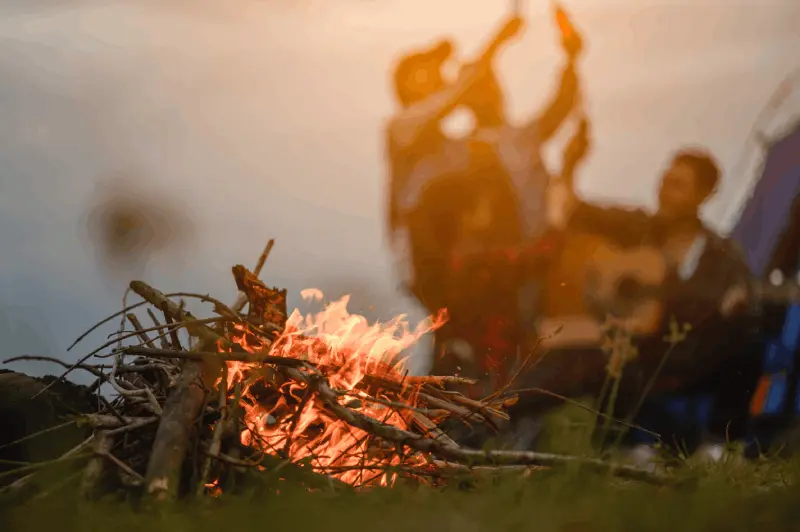
When you are face to face with nature, sitting around a campfire not only keeps you warm but also provides a sense of spiritual peace and security. However, knowing which materials to choose to build an efficient, safe, and environmentally friendly fire is of vital importance. In this guide, we will explore the best fire-starting materials and techniques you can obtain from nature in detail.
Why Should Campfires Be Built Only with Natural Materials?
Building a fire with natural materials is one of the most fundamental and ancient skills of camping. Using synthetic accelerants or plastic-containing waste can release toxic gases into the air and contaminate your food with unwanted odors. Additionally, natural materials do not cause lasting harm to the environment when harvested correctly, as they are part of the ecosystem. Dry branches, bark, and plant fibers you can find in nature increase the controllability of the fire and provide you with a true wild nature experience. The satisfaction of a fire built with materials you gathered yourself is incomparable to any ready-made gel or tablet.
What is Tinder and What Are the Best Natural Tinder Materials?
Tinder is the initial material that is fine and dry enough to catch a spark or small flame and sustain it. Among the best tinders you can find in nature are birch bark, dry grasses, fibrous structures like corn husks, and dried mosses. Additionally, fine shavings combined with resins extracted from the trunks of certain trees also serve as excellent tinder. The most important feature of tinder material is its large surface area and almost zero moisture content. A handful of prepared dry fibers in the shape of a bird's nest determines the fate of your fire in its first seconds. Therefore, you should be very careful to choose the driest ones when gathering tinder and protect them from moisture.
What Should Be Considered When Choosing Kindling?
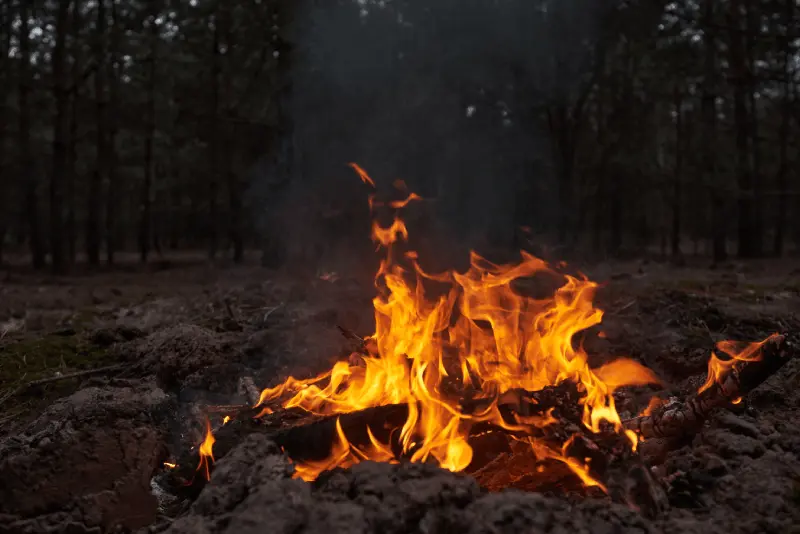
After the tinder ignites, the material that will take over the flame is kindling. These are usually small branches that are either the thickness of a pencil or finger. When selecting kindling, it is advisable to prefer dry dead branches that are hanging from the lower parts of trees and have not touched the ground. Branches on the ground may have absorbed moisture from the soil, so the "hanging" wood is always more valuable. Breaking these branches with a "snap" is the best proof of their dryness. Flexible branches are alive or moist; this type of wood produces smoke and disrupts the fire. For a successful fire, you should ensure that you have collected enough kindling before moving on to the main fuel wood.
Which Tree Types Should Be Selected for Main Fuel Wood?
Once your fire stabilizes, you will need large logs that will burn for a long time and create embers. Here, the choice of tree type is of great importance. Hardwoods like oak, hickory, and beech burn slowly due to their dense fiber structures and leave excellent embers at high temperatures. On the other hand, softwoods like pine, spruce, and fir burn very quickly, produce a bright flame but burn out quickly. If you want to cook food, you should prefer hardwoods; if you only want illumination and quick warmth, you should choose softwoods. An ideal campfire should be fed initially with quickly burning softwoods and later supported with hardwoods for ember quality.
How Do Resinous Tree Bark Provide an Advantage When Starting a Fire?
Resin is one of the most powerful combustible materials produced by nature. Especially the bark of trees like pine and spruce contains a significant amount of resin, which retains its burning properties even in damp conditions. A resinous tree bark acts like a natural candle or torch, ensuring that the flame stays alive for a long time. If you are trying to start a fire on a rainy day, this bark will be your greatest savior. Separating the bark into fibers to increase the surface area optimizes the burning speed and efficiency. However, you should avoid stripping the bark from living trees; instead, look for resinous areas on fallen or dead trees.
Are Pine Cones Suitable for Starting a Fire?
Pine cones, thanks to their natural oils and air-filled structures, are excellent natural kindling. Especially fully opened and dried cones quickly carry the flame upwards. The spaces between the cones facilitate the mixing of oxygen needed for combustion with the flame. However, since cones burn out very quickly, it is more logical to use them as a bridge during the transition from tinder to kindling rather than as a fuel on their own. Additionally, you should always prefer those that are completely brown and dry, as fresh and green cones will produce too much smoke. A few cones will make it quite easy to create a heat core in the center of the fire.
Why is Birch Bark a Favorite Among Campers?
Birch bark is known as "nature's paper" and is invaluable for campers. The most unique feature of this bark is that it can easily ignite even when wet, thanks to the natural oils it contains. When you peel the bark in thin layers, it can catch fire with even the smallest spark. This is the most guaranteed way to start a fire in northern climates and humid forests. Although birch bark produces a very sooty flame when burning, the high heat it provides helps to dry out all other woods. If you see a fallen birch tree while wandering in nature, you should collect its bark.
Collecting a small amount and keeping it in your backpack for emergencies is always a wise move.How to Start a Fire with Natural Materials in Wet Weather?
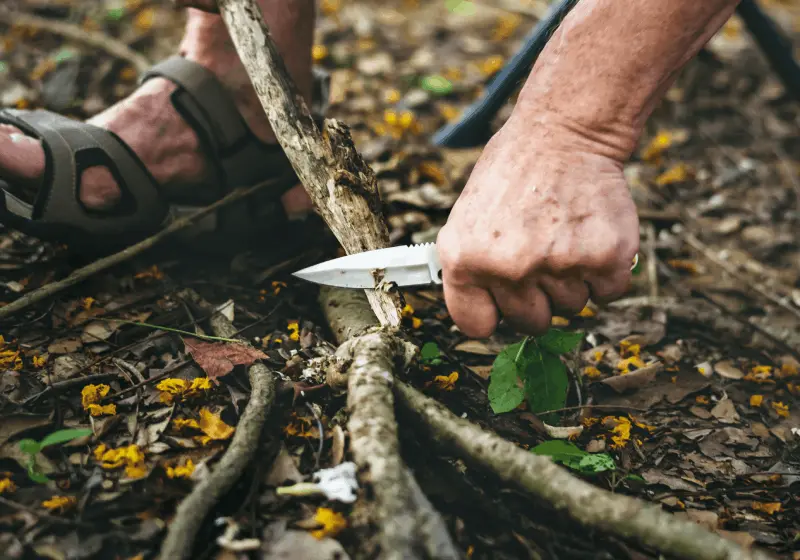
Starting a fire in rainy weather requires patience and proper material knowledge. The main strategy in wet weather is to reach the unaffected inner parts. You can reach the dry wood fibers inside by splitting a large, wet log with a knife or an axe. These "wood heart" pieces have remained dry despite the rain outside. Additionally, dense resinous pine (fatwood) is vital in such weather conditions because it is resistant to water. To separate the ground where you will start your fire from the wet soil, you should first create a platform from dry branches and set up a temporary protection over the fire. Remember, the preparation process in wet weather should be much longer and more meticulous than the burning time of the fire.
Are Dry Grasses and Leaves Safe to Use When Starting a Fire?
Dry grasses and leaves catch fire very quickly but can be difficult to control. When these materials burn, they can create flying sparks that may spread to the environment and cause unwanted forest fires. Therefore, great care should be taken when using leaves and grasses as the main fuel material. Especially in windy conditions, the scattering of these fine materials while burning poses a significant risk. For safe use, these materials should be gathered and tightly bundled into a small bale and placed in the most protected spot of the fire pit. Never throw large amounts of dry leaves into the fire at once; use them in a controlled manner only in the initial phase.
Can Mushroom Species Be Used as Fire Starters?
Special mushroom species known as "Kav Mushroom" (Fomes fomentarius) have been used for centuries to start fires. The spongy structure inside this mushroom can trap a spark and continue to burn internally for hours. Because of this feature, in ancient times, people used these mushrooms to transport fire from one place to another. When you slice and dry the mushroom, it can easily turn into embers even with a spark from a magnesium stick. Once the embers are formed, you can add fine fibers to turn this ember into a flame. In survival scenarios, the kav mushroom is one of the most reliable and durable natural materials known.
How to Find Fatwood in Nature and Why is it Valuable?
Fatwood, or "çıra", is the resin-rich wood found in the roots or branch junctions of dead pine trees. When a tree dies, the resin sinks down and saturates the root system, completely filling the wood tissue here. When you cut this area, you will see a strong pine scent and an orange, semi-transparent structure. Fatwood is valuable because it is waterproof, does not easily extinguish in the wind, and burns at very high temperatures. By making thin shavings (tinder sticks) from fatwood with a knife, you can start a campfire even in the toughest conditions with just one fire starter. Every experienced camper should have a piece of natural fatwood in their backpack.
What is the Difference Between Hardwoods and Softwoods?
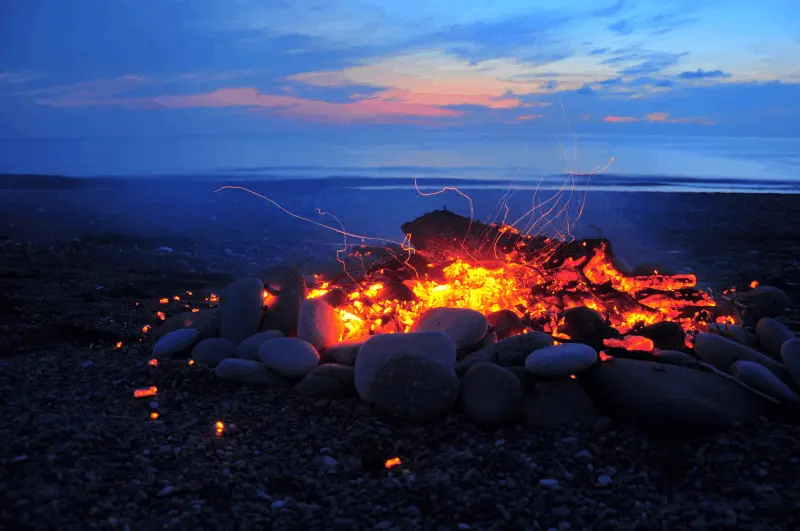
The fundamental difference between hardwoods (oak, beech, birch) and softwoods (pine, spruce, cedar) is the growth rate and fiber density of the trees. Hardwoods have very dense wood tissues due to their slow growth, which gives them more energy density. Softwoods, on the other hand, grow quickly, have a porous structure, and generally contain resin. Using a combination of these two types when starting a fire is the most professional approach. You can quickly start a fire with softwoods while warming the surroundings, and create a bed of embers that will keep this heat for hours with hardwoods. If you only use softwoods, you will need to constantly tend to the fire; if you only use hardwoods, you will struggle to start the fire.
How to Protect the Natural Ground When Preparing a Fire Area?
Preparing the ground to minimize damage to nature while starting a campfire is a critical stage. Ideally, you should prefer previously used fire areas if available. If you are going to open a new area, you should completely clear the organic layer (leaves, grasses, humus) on the soil and set up the fire on bare soil or rocky ground. Creating a platform by laying large, flat stones under the fire prevents the heat from penetrating the soil and killing the microorganisms and tree roots there. According to the "LNT" (Leave No Trace) principles, it is your responsibility to restore the area to its original state after the fire is out.
What Should Be Done to Avoid Harming Nature While Collecting Natural Materials?
The basic rule when collecting materials is to avoid touching live trees. Cutting a branch from a living tree not only damages the tree but also creates terrible smoke in your fire because it is green wood. You should apply the "Dead, Down and Detached" rule. Fallen, dried, and detached branches from trees are the best fuel. Additionally, instead of collecting all the debris in one area, you can collect materials in a widely spread manner to protect the ecological balance of that area and the insect nests. Take only what you need from nature and leave enough organic matter behind for the natural cycle to continue.
What Natural Methods Should Be Followed When Extinguishing a Campfire?
Extinguishing a fire is a process that requires as much discipline as starting one. Instead of waiting for the fire to extinguish itself, you should put it out in a controlled manner. Water Gradually sprinkle the ashes to ensure they cool completely and stir the ashes with a stick during this time. You should not leave the area without performing the "cold to the touch" test. If your water is limited, you can cut off oxygen by using clean soil or sand; however, this method may cause the coals underneath to remain hot, so caution is advised. You can return extinguished ashes to nature by spreading them around and cover the fire pit with stones to erase traces.
How Do Resin and Wood Oils Affect Fire's Heat?
The chemical components within natural materials directly determine the calories of the fire. Resin is a substance rich in hydrocarbons, which gives it an energy close to petroleum-based products. When resinous woods burn, they create a sudden wave of heat, which is lifesaving for a camper who is especially freezing. However, this high heat can create a layer of soot under your pots. Wood oils emit a pleasant aroma into the air while burning; for example, when cedar wood burns, the aromatic oils released provide tranquility and keep some insects away. Knowing these hidden properties of materials elevates your camping comfort to a higher level.
Which Materials Yield Better Results for Fire Structures (Wigwam, Pyramid, Cabin)?
The fire structure you choose should vary according to the type of material you have at hand. If you have very thin branches and twigs, the "Wigwam" (Native American tent) structure is best for maximizing airflow. If you have large logs that will burn for a long time, you can achieve stable heat with the "Cabin" (Log Cabin) structure. Pyramid or top-burning fires yield particularly good results with hardwoods because a fire that burns downwards slowly dries the thick logs below. Grouping the materials beforehand according to their size (small, medium, large) for each structure type helps prevent confusion during fire setup.
How Can the Heat of the Fire Be Used to Dry Damp Woods?
Sometimes it can be impossible to find completely dry wood in nature. In this case, you can dry damp woods by placing them around the fire you started with a small amount of dry material. This is called "radiant drying." Instead of throwing the woods directly into the flames, arrange them like a ring around the fire to allow the warm air to evaporate the moisture. As the wood heats up, the water inside will evaporate, making it ready to burn. However, you should be careful not to place the wood too close to the fire, as they may suddenly ignite and cause an uncontrollable blaze when you are not around.
How Should the Safety Distance Around the Campfire Be Set?
Natural materials can sometimes "explode" due to trapped air or moisture inside and emit sparks. Especially while burning, pine and some fir species can crackle and spit a lot. Therefore, you should leave at least a 3-4 meter safety distance between the fire area and your tents, sleeping bags, and synthetic clothing. Synthetic materials can melt quickly with even the smallest spark. Additionally, surrounding the fire with non-flammable stones prevents the flames from igniting the dry vegetation on the ground. Safety is the first rule of comfort and sustainability in nature.
Can a Fire Be Made with Collected Natural Materials?
In an emergency or during a night hike, it is possible to make a fire with natural materials. The most ideal material for this is the bark of a resin-soaked pine cone wrapped around the end of a thick stick. Since resin burns slowly and brightly, it extends the life of the fire. Another method is to gather "oily twigs" into a bundle and attach them to the end of your stick. However, it should never be forgotten that burning pieces that fall from these fires can cause forest fires. Therefore, the use of fire should only be carried out in emergencies and with extreme caution.
What Method Should Be Followed to Light a Fire on Snow During Winter Camping?
Lighting a fire on snow requires preventing the material from coming into direct contact with the snow. A fire lit directly on the snow will melt the snow underneath, causing it to sink into the resulting water pit and extinguish quickly. To prevent this, you should construct a platform (raft) made of thick and green logs. These green logs act as an insulating layer between the fire and the snow. You can place your dry twigs and kindling on top of the platform to start your fire. Winter woods are usually frozen, so you will need more kindling and patience than usual to get the fire going.
What Role Does Wind Play When Lighting a Fire with Natural Materials?
Wind is both a friend and an enemy of fire. While it speeds up burning by supplying oxygen, strong winds can also disperse heat and extinguish the flames. You should position your fire according to the direction of the wind and, if necessary, create a windbreak with natural materials (stones or logs). A light breeze helps carry oxygen to the heart of the fire, reviving it. If the wind is very strong, burning the fire in a pit you dug into the ground (Dakota Fire Hole) provides both privacy and minimizes the negative effects of the wind. Following the direction of the wind is also important to prevent smoke from blowing into your tent.
Which Tree Barks Are Not Suitable for Feeding the Fire?
Not every tree bark is suitable for burning. Some tree barks retain too much moisture or produce thick and acrid smoke when burned. For example, fresh poplar or willow barks cool the fire instead of burning due to their high water content. Additionally, the barks of some trees can emit irritating smoke due to the tannins they contain. You should always prefer dry, paper-like, or resinous barks to feed your fire. Thick and fleshy barks usually retain moisture and reduce the fire's efficiency. you think.
How to Prepare Fibrous Plants Found in Nature as Kindling?
When many plants in nature dry out, they offer wonderful fibers. You can crush the stems of nettle, milkweed, or some yellowing plants to extract the fibers inside. When you rub these fibers in circular motions in your palm, the surface area expands and you obtain a fluffy texture. This texture is excellent for focusing sunlight with a magnifying glass or using a fire starter to ignite a fire. Make sure that the fibrous plants are completely dry before using them. If the plant is still green, you can prepare it by drying it under the sun for a day or in a well-ventilated area of your backpack.
What Are the Advantages of Classifying Firewood by Size?
A professional camper separates all materials into at least three categories by size before starting a fire: Kindling (as thin as hair), Tinder (as thin as a finger), and Fuel (as thick as a wrist). This classification prevents the panic of "what to throw in" when the fire starts. As the flame grows, it transitions to a larger piece of wood. If you skip this sorting and throw a large log into a small flame, you will extinguish the fire. Being prepared not only increases the chances of the fire burning but also prevents unnecessary energy expenditure.
Can Old Bird Nests Be Used to Start a Fire?
Abandoned bird nests are the best "ready kindling" packages in nature. Birds collect the finest, driest, and lightest fibers, twigs, and moss from their surroundings to build their nests. This mixture is an ideal composition for catching a spark. However, ethically, you should only use nests that are definitely abandoned and contain no eggs or chicks. When you gently break apart a bird's nest in your hand to allow air to flow, you have a starting point that can catch fire in seconds.
How Effective Are Dried Mosses and Lichens in Starting a Fire?
Lichens (especially those known as "beard lichens" like Usnea species) that grow on tree trunks or rocks turn into excellent combustibles when dried. These structures have very fine branches, allowing them to hold oxygen very well. However, lichens tend to absorb moisture from the air, so you may need to dry them under the sun or with the body heat in your clothing before using them. A dry lichen can be as effective as dry birch bark as a starting material and can save you from a tough situation.
Are Hollow and Jointed Plants Like Bamboo Dangerous When Starting a Fire?
When throwing hollow and jointed plants like bamboo or some types of reeds into the fire, great care must be taken. The air trapped inside these joints expands with the heat of the fire, and if it cannot find an escape route, it can explode violently. These explosions can cause embers to fly out of the fire and lead to serious injuries. If you are going to use bamboo, you should ensure that you create a hole between each joint or split the log lengthwise to allow the air to escape. Knowing the physical structures of natural materials helps you avoid these hidden dangers.
What Materials Are Needed for the "Sun Lens" Method When Starting a Fire?
On a sunny day, if you have no fire starter, you can ignite a fire using a magnifying glass, glasses lens, or a water-filled plastic bottle. However, this method only works with the highest quality kindling materials. Very finely crushed dry birch bark powder, cotton mixed with charcoal, or very dry mushroom fibers are ideal for this method. You need to focus the focal point (the smallest and brightest point of light) on the kindling and wait until smoke appears. Once smoke comes out, you should gently blow on the embers to ignite them. This technique requires patience and very high-quality natural materials.
Which Woods Should Be Preferred for Cooking Over Embers?
The secret to cooking over a campfire is to cook over embers, not flames. Flames burn the outside of the food while leaving the inside raw and can leave your pot sooty. For a good bed of embers, hardwoods like oak, olive, or walnut are the best. These woods produce long-lasting red embers that provide high heat after burning. Resinous pine woods do not leave embers and turn directly into ash. If you are going to grill, the dense heat layer created by hardwoods will add a wonderful smoky flavor to your food.
What Does the Experience of Starting a Fire with Natural Materials Teach Us?
Starting a fire with natural materials is not just a survival skill; it also establishes a deep connection with nature. Observing how different woods smell, how different barks burn, and how the wind shapes the fire disconnects us from the pace of the modern world and transports us to an ancient awareness. It teaches patience, preparedness, and efficient use of our resources. The time spent around a fire brings a person back to their essence. Therefore, respect every piece of wood you use to start your fire and focus on managing this miraculous energy that nature provides in the most appropriate way.