Why Is It Necessary to Use Special Chemicals in Caravan Toilets?
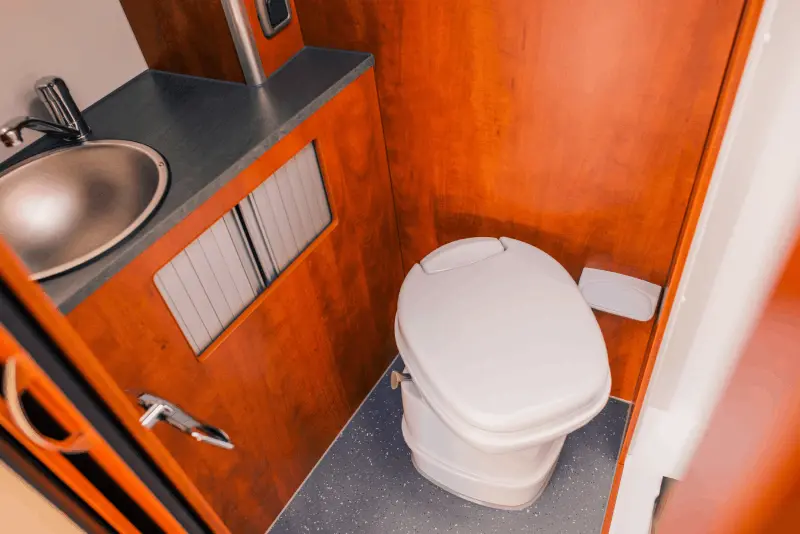
Caravan toilets operate with a closed circuit cassette system, unlike the sewage systems in our homes. In this system, the cassette where waste is collected has a limited volume. The main reason for using special chemicals is to liquefy solid waste and toilet papers, facilitating the emptying process. Additionally, these formulas are needed to absorb the pressure and unpleasant odors created by gases accumulating in this closed area. Professional caravan chemicals are vital because standard household cleaners can damage the plastic components and seals inside the cassette. Thanks to these chemicals, hygiene standards are maintained, and the lifespan of the system is extended.
Blue or Green: Which Waste Breakdown Chemical Is More Suitable for You?
The two main colors most commonly encountered in caravan markets are blue and green. Blue chemicals generally have a stronger breakdown capacity and perform better in odor control even in very hot weather. However, blue ones usually contain more aggressive ingredients. Green chemicals are biodegradable and are defined as environmentally friendly. If you are using septic pits in camping areas or household waste systems, you should prefer the green ones to avoid harming nature. When making a choice, the temperature of the region you are traveling in and your waste disposal options should be decisive. In very hot areas, blue should be preferred, while in eco-friendly stops, green should be chosen.
How Do Pink Rinsing Liquids Protect the Toilet Mechanism?
The pink liquids added to the toilet's flush tank not only emit a pleasant scent but also create a protective layer on the toilet surface. The inner surface of caravan toilets is usually plastic and can be exposed to scratches or limescale over time. Pink rinsing liquids prevent waste from sticking to the surface by increasing the slipperiness of the water and keep the valves of the flush system lubricated. This prevents the wear of mechanical parts. Additionally, it helps to prevent algae and bacteria buildup that can occur in the water tank, ensuring that the flush water remains fresh at all times. It should be seen as a technical necessity as well as an aesthetic cleaning feeling.
How Should the Chemical Dosage Be Adjusted to Prevent Odor Formation?
The biggest mistake made regarding chemical use is the logic of "the more, the better." Exceeding the dosage indicated by the manufacturer can damage the internal structure of the cassette and increase costs. Generally, 120-150 ml of chemical and about 2-3 liters of water are sufficient for a 20-liter cassette. However, when the air temperature exceeds 30 degrees, the dosage can be increased by 20% to accelerate odor formation. After adding the chemical, the water added on top is essential for activating the chemical and completely covering the bottom of the cassette. Insufficient dosage can lead to waste not breaking down and releasing unpleasant gases, ruining comfort inside the caravan.
What Maintenance Products Should Be Selected for the Seals of Cassette Toilets?
The weakest point of the caravan toilet system is the rubber seal at the mouth of the cassette. This seal dries out over time, cracks, and loses its sealing properties, causing unpleasant odors to leak into the caravan. While standard toilet chemicals clean this area, they do not moisturize it. Therefore, only silicone-based sprays or special maintenance oils produced for seals should be used. Vaseline or vegetable oils should never be used; because these substances can break down the structure of the rubber, causing it to expand. Wiping the seal after each cassette emptying process and applying the special spray is a simple but critical step that will extend the system's lifespan for years and save you from costly part replacements.
Is It Possible to Deal with Toilet Odor Without Using Chemicals?
For caravaners who want to minimize chemical use, the most popular solution is SOG systems. The SOG system uses a small fan that activates when the cassette lid is opened, venting the gases inside through a carbon filter. This method increases the oxygen level inside the cassette and prevents the growth of anaerobic bacteria that cause odors. However, even with a SOG system, using a very small amount of biological breakdown agent is necessary to facilitate the disposal of waste. Compost toilets are also an alternative for a completely chemical-free solution; however, these systems require significant structural changes in the caravan and a different management discipline.
Which Chemicals Should Be Preferred for Bad Odors in Gray Water Tanks?
Not only the toilet (black water) but also gray water tanks from kitchen and shower drains can create serious odor problems over time. Food scraps, soap residues, and oils accumulate on the walls of the gray water tank and start to smell. Specially produced gray water cleaners or "tank freshener" products should be used for these tanks. These chemicals dissolve the oils and disinfect the inner surface of the tank. Especially in caravans that have been stationary for a long time, gray water odors can back up from the drainage pipes. Adding a small amount of special cleaner to the tank after each trip and ensuring it is agitated (while the caravan is in motion) is the most effective method for removing accumulated dirt.
Do Household Cleaning Products Damage Caravan Toilets?
Cleaning products containing bleach, hydrochloric acid, or strong acids are the biggest enemies of caravan toilets. These substances can break the polymer structure in the plastic body of the cassette, leading to leaks. Additionally, they cause irreversible damage to the sensitive mechanisms and sealing elements inside the cassette. More importantly, household cleaners can damage the special breakdown chemicals inside the cassette.
neutralizes the effects of all and stops the biological decomposition process. If you want to clean your cassette, you should use specially produced, non-abrasive, and plastic-friendly cleaners for caravans. Cheap home-type products that seem like a solution will eventually cost you in terms of cassette replacement in the long run.What Should Be the Effect Duration and Disposal Period of Decomposing Chemicals?
Caravan toilet chemicals are not effective forever. The active decomposition and odor trapping duration of most standard chemicals is 4 to 5 days. After this period, the active enzymes or microorganisms in the chemical begin to lose their effectiveness, and odor problems start to arise. Even if your cassette is not full, especially in hot weather, it is hygienically best to dispose of it every 3-4 days. This period may extend a bit longer during winter months, but it is essential not to exceed a weekly period to keep bacterial growth under control. After the disposal process, rinsing the cassette with plenty of water and adding fresh chemicals ensures that you prepare the system in the healthiest way for the next usage period.
Are Biodegradable "Green" Chemicals Really Effective?
Many users think that green chemicals are not as powerful as the blue ones. However, with advancing technology, modern biological chemicals can be quite effective when used correctly. These products break down waste using bacteria and enzymes found in nature. The biggest advantage of "green" chemicals is that they can be safely used in campgrounds with septic tanks; because the harsh substances in blue chemicals kill the beneficial bacteria in septic tanks. If you are making ecological camps closer to nature, you should prefer green series. To avoid performance loss, adhering more strictly to dosage instructions and not keeping the cassette for more than 4 days will be sufficient in terms of efficiency.
How to Prevent Toilet Chemicals from Freezing in Winter Camping?
In temperatures below zero, the liquids in the caravan toilet are at risk of freezing. Freezing not only makes the system unusable but can also cause the expanding ice mass to burst the cassette. In winter months, in addition to standard chemicals, antifreeze liquids specially produced for caravans should be added to the flush water. These liquids are non-toxic special formulations for drinking water systems and toilets. Additionally, it is important to try to keep the area where the cassette is located as warm as possible and to check for any frozen pieces while disposing of the cassette. In winter camps, disposing of the waste tank frequently without completely filling it minimizes the damage that freezing may cause.
How to Combat Toilet Odor on Hot Summer Days?
Summer heat accelerates the fermentation process inside the cassette, bringing odor problems to a peak. During this period, it may be necessary to slightly increase the dosage of standard blue chemicals or switch to products labeled "extra strong." Additionally, ensuring that the outer cover compartment of the cassette does not receive direct sunlight is beneficial for reducing the cassette's heat. If possible, slightly opening the cassette lid every morning to allow gas to escape (in open air) can reduce pressure. In summer, you should never leave the cassette dry to allow waste to mix with liquid more quickly, and you should pay extra attention to internal cleaning after each disposal. Since odor molecules spread faster in hot weather, it is essential to keep the hygiene barrier high.
How Does the Choice of Toilet Paper Affect the Performance of Chemicals?
Many caravan users tend to use standard toilet papers they use at home in their caravans as well. However, home-type papers are designed with durable fibers that do not dissolve easily in water. These fibers can clump in the caravan cassette, clogging the discharge pipes and making it impossible for the chemical to break down the paper. "Quick dissolve" papers specially produced for caravans should be used. These papers separate into their fibers within seconds when they come into contact with water and chemicals, completely dissolving. If you cannot use special paper, throwing the used papers into a separate trash can is an alternative; however, any foreign substance thrown into the cassette will return to you as a significant hassle during the discharge process.
Does the SOG Ventilation System Completely Eliminate Chemical Use?
The SOG system is a mechanical marvel developed to solve odor problems in caravan toilets. However, the existence of this system does not change the physical form of the waste inside the cassette. In other words, while SOG expels the odor outside, the solid waste inside remains solid. This situation can lead to clogging of hoses during discharge or incomplete emptying of the cassette. Therefore, even for SOG users, it is recommended to use a small amount of decomposing chemical to liquefy their waste. Thanks to SOG, instead of expensive chemicals with high odor trapping power, lighter products with only decomposing properties can be preferred. As a result, SOG reduces chemical costs but does not completely eliminate the need for them.
Is It Safe to Use Vinegar and Baking Soda in Cleaning Caravan Toilets?
While natural cleaning methods are popular in homes, they should be used cautiously in caravan toilets. Baking soda can absorb some odors inside the cassette but does not break down the waste. Vinegar is acidic and can cause rubber seals to harden and lose their impermeability in the long run. Additionally, the chemical reaction between vinegar and baking soda can produce gas, which can create unwanted pressure in a closed cassette system. If you are going to use vinegar to remove limescale from the cassette, you should do this only as a short-term cleaning process and rinse thoroughly with plenty of water immediately afterward. In routine use, it is always safest to prefer professional products compatible with the system.
Where and How Should Waste Be Disposed of Correctly?
The chemicals in caravan toilets should only be disposed of at designated "Chemical Disposal Points" (CDP) to avoid harming the environment. These points are usually found in campgrounds as a black tank or a special disposal funnel. Waste should never be dumped near riverbanks, roadside drains, or directly onto the ground. Waste containing blue chemicals can even damage septic systems in home toilets. During the disposal process, pressing the air release button on the cassette ensures that the liquid flows out smoothly without splashing. After disposal, the outer surface of the cassette should also be cleaned, and it should be ensured that no leaks are left in the environment.
Are New Generation Tablet Chemicals More Advantageous Compared to Liquid Products?
In recent years, tablet or sachet-form chemicals have become popular, offering significant advantages in terms of ease of use. You no longer need to deal with measuring containers, spilling liquid around, or being directly exposed to the chemical's odor. Simply dropping one tablet into the cassette and adding a bit of water is sufficient. They also take up less space in storage and pose no risk of leakage. However, in terms of cost, liquid chemicals are generally more economical. If you are facing space constraints in your caravan or if practicality is a priority for you, you may prefer tablets; if you are budget-focused and want to adjust the dosage yourself, you might opt for liquid forms. Both forms are equally effective depending on the brand's breaking strength.
Is the Chemical Requirement Different for Portable Toilets Compared to Fixed Cassette Toilets?
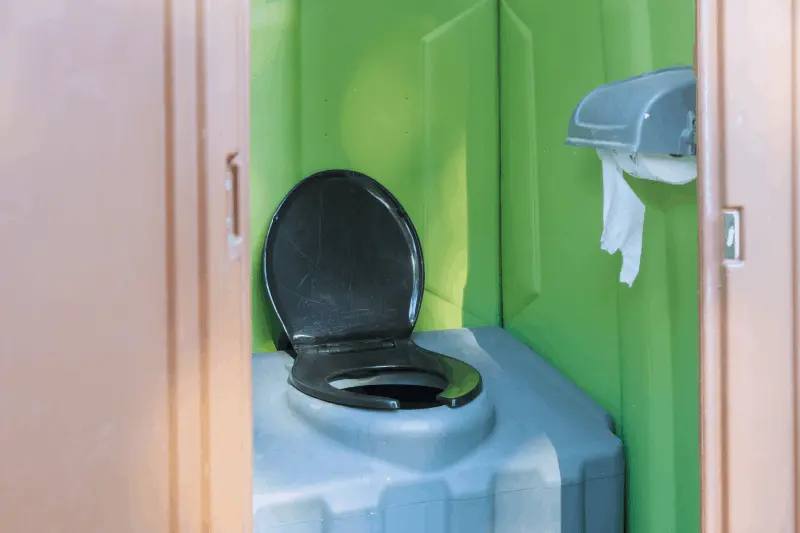
The working principle of portable toilets (such as Porta Potti models) and fixed cassette toilets (such as Thetford or Dometic models) in caravans is almost the same. Both have a clean water/flushing tank on top and a waste tank underneath. Therefore, there is no difference in the chemicals used. Both systems can use blue/green breakdown agents and pink rinse liquids. The only difference between them is their capacities. The waste tanks of portable toilets are generally smaller (10-21 liters), so it is necessary to keep the cassette volume in mind when dosing. Putting a full cassette dose into a small portable toilet leads to waste, while putting insufficient chemicals in a large fixed cassette causes odor problems.
Which Cleaners Should Be Used for Ceramic and Plastic Toilet Surfaces?
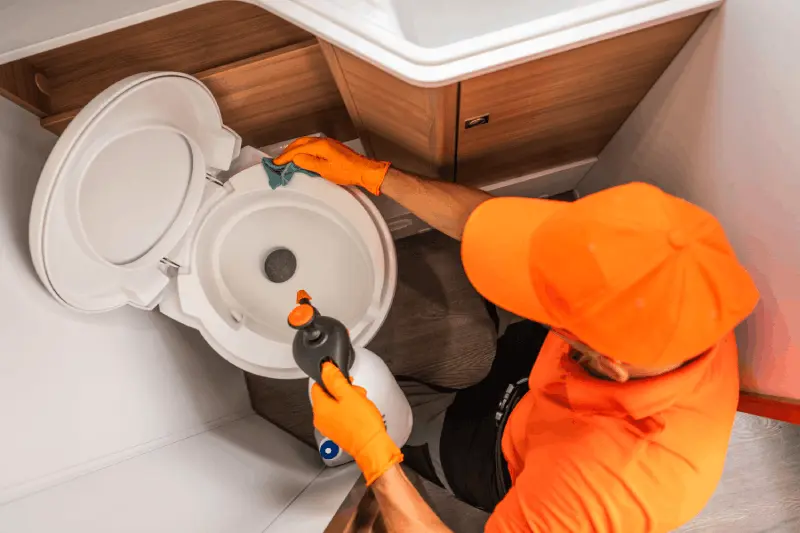
Luxury caravans have ceramic toilet bowls, while standard caravans have high-quality plastic (ABS or polycarbonate) toilet bowls. Due to their porous structure, plastic surfaces absorb stains more quickly and are prone to scratching. Therefore, plastic-friendly spray cleaners that do not contain abrasives should be used. Although ceramic toilets are more durable, the cleaner used should not damage the seals and chemicals in the cassette system below. Products sold as "Toilet Bowl Cleaner" that have been tested with caravan systems are ideal for both surfaces. Using microfiber cloths or soft sponges instead of stiff brushes during cleaning is important to maintain the surface's shine.
Should the Toilet Tank Chemical Be Left During Storage?
If you are not going to use your caravan for a long time (for example, throughout the winter), you should never leave the toilet system with waste or chemicals inside. Chemicals can settle over time and create a hard-to-clean layer at the bottom of the cassette. The best method is to completely empty the cassette, rinse it with a special cassette cleaner liquid, and wait for it to dry. Most importantly, during storage, the sealing gasket should be lubricated with a special maintenance spray, and the cassette should be slightly ajar when attached to the caravan's outer cover. This ensures that the air inside the cassette circulates and prevents the seals from sticking together, keeping the system ready for the next trip.
Are the "Cassette Tank Cleaner" Products Necessary for Internal Cleaning of the Cassette?
Over time, even with regular emptying, lime and magnesium deposits can form on the inner walls of the cassette. These deposits cause waste to cling and lead to persistent odor formation. Using powerful cleaners like "Cassette Tank Cleaner" at least twice a year removes these layers. For this process, filling the cassette with hot water and cleaner and letting it sit for 12-24 hours while ensuring it sloshes during travel yields the most effective results. This periodic maintenance not only cleans the cassette but also ensures that the level sensors inside work correctly. A dirty sensor can mislead you by showing full when the cassette is empty; therefore, internal cleaning is not just a necessity.
Why Does the Level Indicator Show Incorrectly and How Can It Be Fixed?
One of the most common problems in caravan toilets is that the level indicator (full indicator) lights up red even when the cassette is empty or does not change at all when it is full. The main reason for this is that the sensor inside the cassette gets clogged with toilet paper or waste. To solve this problem, you should first rinse the cassette thoroughly with plenty of water. If it does not get fixed, you need to use special cassette cleaning chemicals to dissolve the accumulated solids inside. In some cases, the sensor may get stuck due to limescale; in this case, adding warm water and a bit of lemon salt to the cassette and letting it sit can help free the mechanism. Regular use of chemicals and periodic internal cleaning will prevent such indicator errors from occurring in the first place.
What Are the Signs of Incorrect Chemical Use in Caravan Toilets?
If a strong ammonia or septic smell spreads inside the caravan shortly after using the toilet, either the chemical is
The dose of your product is low or the product is of poor quality. Other symptoms include the failure of the cassette to flush properly, the papers remaining intact, and the difficulty in opening and closing the cassette lid (seal damage). Additionally, a change in the color of the flush water or the presence of black particles (algae) indicates the use of incorrect flushing liquid. When you notice these symptoms, you need to completely clean the system and switch to a quality and correct product set. Remember, when the correct chemicals are used, there should never be a toilet smell inside the caravan.How Should Chemical Selection Be for Caravans with Children and Pets?
Having children or pets in the caravan raises hygiene and safety standards to a higher level. To prevent curious little ones or furry friends from accessing chemical substances, products with locked caps and safe packaging should be preferred. Additionally, for children sensitive to odors, lighter or odorless green series products may be more comfortable instead of those with strong perfume scents. From a hygiene perspective, it is essential to choose brands that have proven antibacterial properties and to pay extra attention to disinfection in the cassette emptying area. Biological (green) products can be seen as a safer harbor for these families since they pose less toxic risks in case of a potential spillage.
How Should a Chemical Purchasing Guide Be Created According to Travel Frequency?
If you are just a "weekend warrior" using the caravan only on weekends, small-sized (500 ml or 1-liter) liquid chemicals or small packs of tablets are more logical to maintain freshness. However, if you are living a full-time caravan life or going on long European tours, purchasing economical sizes of 2 liters or boxes of 50 tablets significantly reduces the unit cost. Don't forget that chemicals also have a shelf life; they are generally recommended to be consumed within 2-3 years after production. When stocking up, create a storage area that is cool, dry, and away from sunlight to prevent the active ingredients of the chemicals from degrading. When determining the amount you need, you can calculate based on the assumption that you will empty every 4 days.
What Should an Emergency Kit for Caravan Toilet Maintenance Include?
It is lifesaving to have a small toilet maintenance kit in your caravan for potential disruptions during travel. This kit should include; a spare sealing gasket, a small tube of silicone grease or spray, a quantity of quick-dissolving toilet paper, disposable latex gloves, and a small-sized spare chemical (in case your main product runs out). Additionally, keeping a spare valve kit in case the cassette ventilation valve breaks is a professional precaution. With this small kit, you can quickly resolve any leaks or odor problems related to your toilet system, even in the most remote camping areas, and continue your holiday without interruption.
How Should the Recycling of Chemical Containers and Packaging Be Done?
Caravan chemicals are generally sold in strong plastic containers. Once these containers are empty, you should thoroughly rinse them out (pouring the rinse water into a waste disposal point) and dispose of them in plastic recycling bins. However, some aggressive chemicals may have a "hazardous waste" label on their containers; in this case, they should be disposed of according to local regulations. As an environmentally conscious caravanner, you should never use these containers for transporting water or storing food after they are empty. Eco-friendly brands often use recycled plastic packaging, and by choosing these brands, you can support the circular economy. A clean environment is the cornerstone of caravan freedom, and this responsibility starts with packaging waste.
Is It Correct to Use Air Fresheners to Eliminate Odors in Caravan Toilets?
Air fresheners only mask odor molecules in the limited space of the caravan and generally create a heavier, suffocating atmosphere. Since the source of the problem is the gas formation inside the cassette, using air fresheners is not a permanent solution. Instead, relying on the odor-trapping power of cassette chemicals and ventilating the environment naturally is much healthier. If absolutely necessary, diffusers containing natural essential oils (like lavender, eucalyptus) can be preferred. Remember, a healthy caravan toilet should never smell; if there is an odor, it is not something that can be masked with this spray, but rather a technical issue that needs to be resolved with chemicals or seal maintenance.
Safety in Chemical Use: What Should Be Considered?
Toilet chemicals are concentrated and powerful substances. Gloves should always be worn during use, and contact with skin or eyes should be avoided. If liquid chemical is spilled, it should be washed off immediately with plenty of water. Additionally, mixing different brands or chemicals of different colors can lead to dangerous chemical reactions. Always stick to a single product group. Store chemicals in places where children cannot reach, in the external compartments of the caravan or in secure cabinets. When adding chemicals, take the wind at your back to avoid inhaling the fumes. These simple safety precautions will help protect your health while keeping your caravan comfort at the highest level.
Is Chemical Selection for Caravan Toilets a Preference or a Necessity?
Ultimately, using the correct chemicals for the caravan toilet is a technical necessity. These products not only ensure your comfort but also protect one of the most expensive systems in your caravan, the toilet system. These special formulas, which have multiple tasks such as breaking down waste, preventing odors, and lubricating mechanical parts, are the unsung heroes of caravan life. By choosing the most suitable chemical according to your travel route, environmental sensitivity, and budget, you can solve one of the most unpleasant problems you might encounter on the road before it even starts. With the right product, correct dosage, and regular maintenance, your caravan will always be fresh and hygienic. k you can create an atmosphere.