What Minimalist Strategies Should Be Followed to Optimize the Weight of the Caravan?
The total weight of the caravan is the most critical factor that directly determines the effort the engine will expend. Every unnecessary 50 kilograms of load can increase fuel consumption by approximately 1 to 2 percent. To save weight, you should choose lightweight kitchen utensils inside the caravan, stock only as much food as needed, and prefer e-readers over heavy books. Adopting a minimalist lifestyle philosophy not only makes the interior space feel more spacious but also lightens the load on the engine on inclines, ensuring that the fuel gauge drops more slowly.
How Do Waste Water and Fresh Water Tanks Affect Fuel Economy?
Water is a naturally heavy substance; each liter of water corresponds to exactly 1 kilogram of weight. Considering that many caravans have tanks of 100-150 liters, traveling with full tanks means adding the weight of an extra adult to the caravan. Your strategy for saving should be this: Before hitting the road, fill the fresh water tank only enough for emergencies (about 20%) and do the main filling when you reach the campsite. Similarly, emptying the gray and black water tanks whenever possible to remove unnecessary weight from the vehicle will provide a significant fuel advantage on long journeys.
What Are the Economic Balances Between Tire Pressure and Road Grip?
As the contact area of the tires with the ground increases, the rolling resistance also increases. Under-inflated tires cause the engine to produce more power to move the vehicle forward, which can increase fuel consumption by 3 to 5 percent. It is important to keep the tires at the recommended maximum pressure, especially when the vehicle is loaded, according to your caravan's manufacturer data. Regularly checking tire pressures and having alignment and balance adjustments made not only extends tire life but also maximizes fuel efficiency by ensuring a smooth ride.
How Should Roof Equipment Be Arranged to Reduce Aerodynamic Drag?
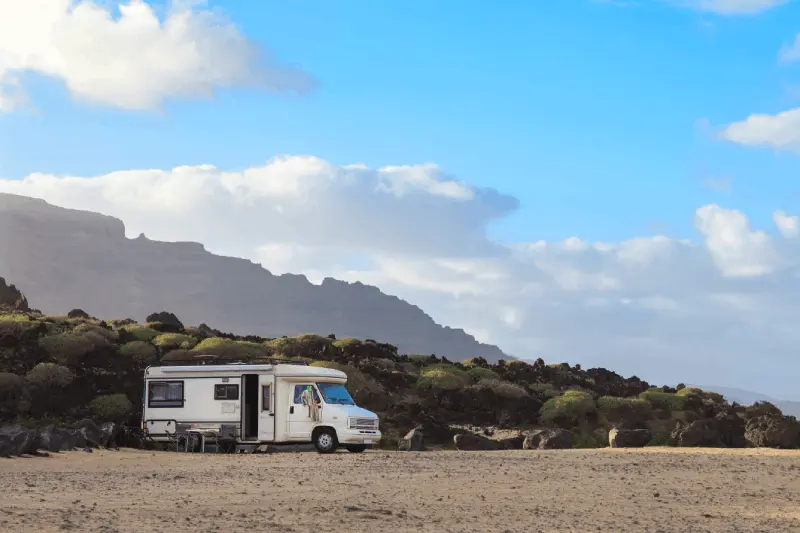
Caravans are inherently large resistance vehicles that show significant drag against the wind due to their structure. Roof-mounted solar panels, satellite antennas, air conditioning units, and bike racks further complicate this air resistance. If you have items that are open on the roof, they should be covered with aerodynamic covers or positioned in a way that does not disrupt airflow. Especially hanging bicycles at the back of the vehicle, sheltered from the wind, can reduce wind drag by 10-15 percent compared to carrying them on the roof, resulting in significant savings at highway speeds.
Is Cruise Control a Friend or Foe on Hilly Roads?
Cruise control increases fuel efficiency by maintaining a constant speed on flat and unobstructed highways. However, in hilly and mountainous terrains, the situation can turn completely the opposite. The system may suddenly increase the revs by downshifting to maintain the set speed on inclines, which can cause fuel to be almost "consumed". On such roads, manually controlling the gas pedal and using momentum to prepare for the next incline while descending is much more economical. Using technology only under suitable terrain conditions is a wise strategy.
Is It Really Possible to Plan a Route According to the Wind Direction?
Just as in sailing, in caravanning, the wind can be the biggest enemy or the greatest ally. A strong headwind can increase fuel consumption by up to 20%. By using weather apps on smartphones, it is a professional fuel-saving tactic to hit the road according to the hours when the wind will be at your back or to prefer taking breaks when there is a very strong headwind. When you have the wind at your back, the engine will be less strained, and your caravan will feel lighter as if it were empty.
Why Is the "Slow Travel" Philosophy More Economical in Caravanning?
Speed is the biggest enemy of fuel consumption. There is approximately a 25% difference in fuel consumption between traveling at 110 kilometers per hour and 90 kilometers per hour with a caravan. By adopting the "Slow Travel" philosophy, you can protect your fuel budget by taking your time to enjoy the scenery and traveling at lower speeds. Remember that in caravan life, the journey itself is part of the vacation; thus, by going slow, you enhance your safety and save money.
What Is the Contribution of Diesel Heaters to Fuel Consumption During Travel?
Using the caravan's engine heater to warm the interior during winter months can reduce the engine's operating temperature and negatively affect fuel efficiency. If your vehicle has a Webasto or similar independent diesel heater, using this device to heat the interior while traveling can sometimes be more logical than straining the main engine. However, the real savings come from using these devices without running the engine at idle during stops. An idling engine consumes an unnecessary 1-2 liters of fuel per hour just to provide heating.
How Does the State of Solar Panels Affect the Load on the Alternator?
When the caravan's batteries are depleted, the alternator has to work harder to charge these batteries while the engine is running. This electrical load on the alternator can cause the engine to consume more fuel (approximately 1-2%). Ensuring that your solar panels operate efficiently and that the batteries are fully charged by the sun during the day reduces the load on the alternator during travel. Therefore, keeping the panels clean and using an efficient MPPT charge controller is a niche detail that contributes to fuel savings indirectly.
What Is the Golden Ratio Between Proper Gear Selection and Engine RPM?
Keeping the engine at very high... Revving the engine at high RPMs, as well as forcing it at very low RPMs (downshifting), increases fuel consumption. In modern diesel motorhomes, it is essential to find the RPM range where torque is at its highest, known as the "green zone." Generally, the range of 1500-2200 RPM is where fuel is burned most efficiently. Shifting gears in a timely manner, changing to the appropriate gear before entering inclines, and avoiding straining the engine helps improve the combustion quality of the fuel and prevents waste through the exhaust.
Do Fuel Additives and Injector Cleaners Save Fuel?
Especially in high-mileage and older model motorhomes, deposits formed in the fuel system and injectors degrade the fuel's atomization quality. This can lead to incomplete combustion and a loss of performance. Using quality and approved fuel system cleaners cleans the injector nozzles, allowing the fuel to be atomized into a finer mist. This creates a more efficient combustion cycle, resulting in up to a 3% improvement in fuel consumption and smoother engine operation.
What Are Alternative Cooling Methods Instead of Using Air Conditioning?
Running the vehicle's air conditioning while driving can increase fuel consumption by about 10% on hot summer days. However, opening windows at highway speeds can also disrupt the vehicle's aerodynamics, causing a similar fuel loss. The best saving method is to cool the interior of the motorhome in the shade before starting the drive or to use roof ventilators (hatch fans) to expel hot air from inside. If possible, avoiding driving during the hottest hours of the day and taking advantage of natural coolness is the most sensible solution.
Why Is Idling a Waste of Fuel for the Engine?
A common misconception among motorhome owners is that the engine needs to idle for a long time to warm up. Modern engines warm up faster and more efficiently while in motion. After starting the vehicle, waiting about 30 seconds for the oil to circulate and then gradually pulling away is sufficient. Additionally, turning off the engine during stops longer than one minute prevents wasting fuel that burns while idling. In larger motorized vehicles like motorhomes, idling fuel consumption is significantly higher compared to smaller passenger cars.
Do Windshields on the Front of the Motorhome Relate to Fuel Savings?
This question may seem strange at first glance, but it has an indirect effect. Quality thermal sunshades placed on the front windshield of the motorhome prevent excessive heating of the interior due to the greenhouse effect. This reduces the need to run the air conditioning at full blast when you start driving. The cooler you keep the interior, the less load there is on the air conditioning motor. This small detail can lead to a noticeable reduction in your total fuel costs, especially during long summer trips.
How Reliable Is the "Economical Route" Option in Navigation Apps?
Google Maps and similar applications now show the lowest carbon emission routes with a "leaf" icon. These routes typically prefer roads with less elevation, less frequent traffic lights, and consistent speed limits. Steep inclines and stop-and-go city traffic are a complete fuel disaster for motorhomes. Following the economical routes suggested by navigation can sometimes add a few kilometers to your journey, but it helps you spend less in terms of fuel by avoiding climbs and stop-and-go situations.
How Can Airflow Under the Motorhome Be Improved?
The underside of most motorhomes is quite uneven due to tanks, pipes, and spare tires. This uneven surface creates turbulence in the airflow passing under the vehicle, generating a "drag" force. If you have technical knowledge or can get help from a professional, simple leveling panels added to the underside of the vehicle or wind deflectors placed in front of the tanks can significantly reduce aerodynamic resistance. This is a very niche fuel-saving method used by professional truck drivers but not widely known among motorhome owners.
Does the Choice of Motor Oil Affect Fuel Efficiency?
Motor oil reduces friction between the metal parts inside the engine. Using low-viscosity, "Energy Conserving" labeled fully synthetic oils that meet the manufacturer's specifications reduces internal resistance in the engine. These oils, which allow the engine to turn more freely, especially during cold starts, can provide an improvement in fuel consumption of between 1% and 2%. Never neglect maintenance intervals, as they are vital not only for engine health but also for fuel economy.
How Do Roof Tents and Roof Racks Affect Fuel Consumption?
If you are using a "campervan" or a small motorhome and have an additional tent or luggage on your roof, these increase the vehicle's height, enlarging the wind resistance area. Such equipment should be selected to be as low-profile as possible or removed when not in use. A roof rack with sharp lines that cuts through the air creates much less fuel consumption compared to a square-shaped box. Prioritizing aerodynamic shapes over aesthetics will save you money during long highway drives.
How Do Tire Alignment and Camber Adjustment Affect Fuel?
In a motorhome with incorrect wheel alignment, the wheels do not look perfectly parallel to each other, causing a sort of "scrubbing" effect while driving. This leads to excessive tire wear and requires more power from the vehicle to move forward. If your vehicle pulls to one side on a straight road or the steering wheel is crooked, you are wasting fuel. A professional wheel alignment performed every 10,000 kilometers stabilizes your fuel consumption while enhancing your driving comfort.
Should Drafting Behind a Motorhome Be Used?
On highways, following large trucks can be beneficial for fuel savings. Driving closely behind (drafting) can reduce wind resistance, but it is extremely dangerous for caravans and is not recommended. However, maintaining a safe following distance while driving behind a large vehicle can allow you to benefit from the air tunnel created by that vehicle. The key phrase here is "safe distance." Remembering that a caravan's stopping distance is long in case of sudden braking, benefiting reasonably from the wind protection of the vehicle ahead can alleviate the battle against wind resistance faced by the engine.
Could Not Fully Filling the Fuel Tank Be a Strategy?
Some fuel-saving experts argue that fully filling massive fuel tanks (sometimes 90-100 liters) creates extra weight. 100 liters of diesel weighs approximately 85 kilograms. If you are traveling in an area with very few fuel stations, you can save 40-50 kilograms of weight by keeping the tank half full. However, this strategy can lose its effectiveness with every extra kilometer traveled while searching for a fuel station. It is more logical to use this method as a weight management tactic only during short intercity transitions.
How Does Minimizing Brake Use Save Fuel?
Every time you brake, you are essentially throwing away the kinetic energy you previously obtained by burning fuel. By observing traffic and the road from a distance, noticing a red light or slowing traffic in advance and easing off the gas (coasting), is fundamental to fuel savings. In heavy vehicles like caravans, this "predictive driving" method not only preserves brake life but also allows the engine to enter fuel-cut mode, instantly reducing consumption to zero.
Do Electric Devices in Caravans Strain the Engine?
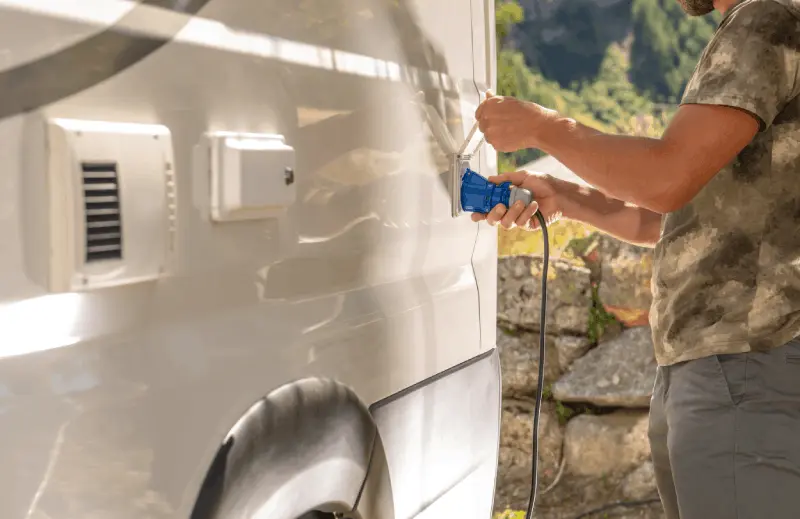
Running high-draw devices (such as a coffee maker running through an inverter or a powerful sound system) while driving causes the alternator to draw more power from the engine to produce more electricity. This electrical load indirectly increases fuel consumption. Using such devices not while driving, but during stops when solar panels are active or when connected to external electricity, is a small but effective step towards savings.
Is the AdBlue System in Diesel Caravans Related to Fuel?
The AdBlue system found in Euro 6 and newer engines does not directly reduce fuel consumption but helps maintain the engine's emission standards. A malfunction in the AdBlue system or using dirty fluid can cause the engine to enter "protection mode" (limp mode) and lead to a spike in fuel consumption. Ensuring the system operates healthily and using quality AdBlue keeps the engine at optimum efficiency. An efficient combustion chamber always means less fuel and fewer emissions.
Does Caravan Chassis and Suspension Maintenance Save Fuel?
Worn suspensions or neglected chassis components cause the vehicle to bounce more on the road and lose stability against the wind. An unstable vehicle is more exposed to wind resistance and forces the driver to brake more. Having healthy shock absorbers ensures that the caravan goes straight on the road like an "arrow," preventing unnecessary energy losses. A well-maintained running gear is one of the invisible heroes of fuel economy.
Why is Choosing Lightweight Furniture and Equipment Important in Caravans?
If you are in the process of building a caravan or purchasing one, you should pay attention to the materials used for the furniture. An interior made with lightweight materials like poplar plywood can be 200-300 kilograms lighter than a caravan made with MDF or particleboard. This weight difference can save you thousands of liters of fuel over the entire lifespan of the vehicle. In your existing caravan, you might consider replacing heavy kitchen countertops or unnecessary heavy compartments with lighter alternatives.
How Does Insulation Help Save Fuel?
Good insulation (elastomeric rubber or stone wool) minimizes the need for air conditioning in summer and heating in winter by keeping the vehicle's interior temperature stable. Preventing outside heat from entering during driving allows the vehicle's air conditioning to operate at lower power. The less frequently the air conditioning compressor kicks in, the less load on the engine. Therefore, while insulating your caravan, you not only ensure comfort but also build a long-term fuel budget.

Does the Fuel Station and Fuel Quality Make a Difference?
Not all fuels are the same. Getting fuel from reliable and high-turnover stations reduces the risk of water or sediment entering the tank. Clean and high cetane number fuel ensures the engine performs more efficient combustions. Additionally, some premium fuels maintain the engine's internal cleanliness thanks to the cleaning additives they contain. While cheap and low-quality fuel may seem like a short-term saving, it leads to more fuel consumption in the long run due to clogged filters and disrupted combustion balance.
What is the Impact of Caravan Driver Training and Conscious Driving?
Even the best technology can turn into waste in the hands of a poor driver. Using heavy and cumbersome vehicles like caravans requires different techniques than passenger vehicles. Receiving training in advanced driving techniques or practicing economical driving can reduce a driver's fuel consumption by 15-20%. "Egg on the gas pedal" is a common phrase used to describe gentle acceleration. Pressing like a "lock", reading the road, and avoiding panic moves is the most fundamental and effective way to save with a caravan.
How to Organize the Weight Center of Smart Storage Solutions in a Caravan?
It is not enough to just reduce weight; it is also necessary to position it correctly. Heavy items (water tanks, batteries, spare tires) should be placed as low as possible, either on the axles or between the two axles, to increase the vehicle's balance. A balanced caravan sways less on the road and is less affected by the wind. This stability contributes to fuel efficiency by reducing the energy the engine expends to keep the vehicle straight.
Is Night Travel More Economical Than Day Travel?
Since the air is cooler during night travels, the need for air conditioning decreases, and because the air density increases, the engine can sometimes operate more efficiently. Additionally, less traffic congestion helps you avoid stop-and-go situations. However, since visibility decreases at night, driving safety may be at risk. If you know the route and traffic congestion is very high during the day, setting off on a cool evening may be fuel-efficient.
How Much Does the Size and Type of the Caravan Affect Fuel Consumption?
Caravans with alcoves (those with a bed over the driver's area) have the highest wind resistance. Semi-integrated or panel van caravans have a more streamlined structure. If you are still in the process of choosing a caravan and fuel economy is your priority, you should prefer more aerodynamic models. In an alcove model, fuel consumption geometrically increases as speed increases, while in panel van models, this increase remains at more reasonable levels.
Conclusion: Is Economic Freedom Possible with a Caravan?
As we have seen, achieving fuel savings with a caravan is not possible with a single miraculous method; it is possible through the combination of dozens of small details. Managing weight, respecting aerodynamics, maintaining engine care, and most importantly, changing driving habits will significantly reduce your travel costs. By applying these strategies, you can travel to farther routes with the same budget while also contributing to the preservation of nature. Remember, the cheapest fuel is the fuel you don't burn!