Will My Device Crash into Trees on Its First Flight?
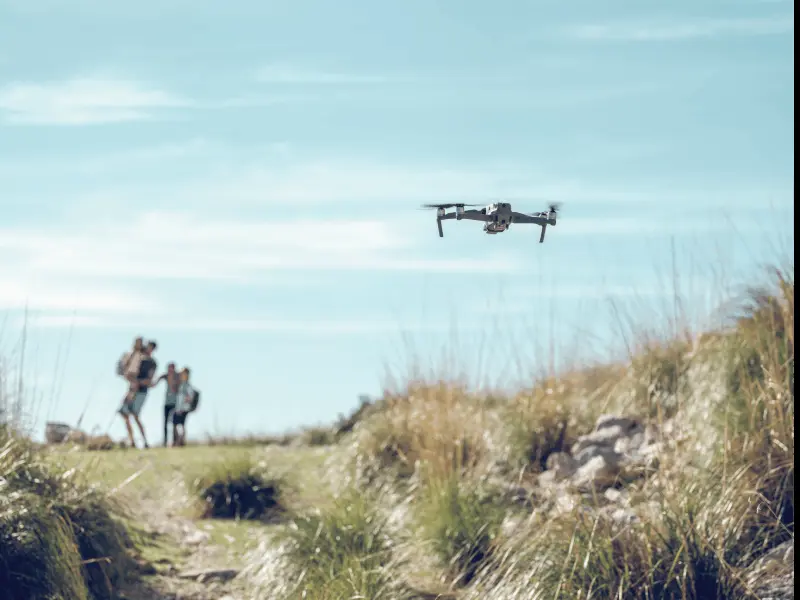
The biggest nightmare for a new drone user is having the device get stuck in a tree branch and crash to the ground just a few minutes after takeoff. Most entry-level models, such as the DJI Mini 2 SE or Potensic Atom SE, do not have obstacle detection sensors in any direction. This poses a serious risk, especially when filming in wooded areas or narrow valleys. However, models that we can call "beginner-friendly" like the DJI Mini 4 Pro have 360-degree obstacle avoidance systems. If your budget is limited and you are buying a model without sensors, you should definitely practice in open areas and add simple yet life-saving accessories like "propeller guards" to your list. Remember, the best drone is the one that can return home without breaking apart.
Will I Get Stuck Halfway with Just One Battery?
Drone manufacturers often promise flight times of 30-35 minutes on paper. However, in real-world conditions, resisting wind, maintaining signal strength, and leaving enough margin to return home reduces this time to a solid 20-22 minutes. When you go out for a nature shoot, it’s inevitable that you will face disappointment when you realize you’ve reached your peak with just one battery. Therefore, strategically opting for "Fly More Combo" packages is not just a luxury, but a necessity. Three batteries will give you about an hour of active shooting time, which is critical for capturing the most beautiful moments like sunrise or sunset. Setting out with just one battery is like carrying a camera without film.
Will I Get Fined for Flying in the Forest Without Civil Aviation Registration?
In many countries, including Turkey, drone usage is subject to strict regulations. The reason why drones weighing 249 grams and below (like the Mini series) are preferred is that registration requirements are more flexible in many countries. However, if you are caught filming in nature with a device over 500 grams, you could face serious fines. Registering with the General Directorate of Civil Aviation (SHGM) may seem complicated, but it provides legal assurance. The thought of "I’m in an empty forest, who will see?" can lead to consequences, especially in national parks and areas close to military zones, where the drone can be disabled by signal jammers. Legality is the first step for the sustainability of your hobby.
Can a Drone Get Swept Away by Wind in a Windy Valley?
The most impressive scenes of nature videos are often shot in valleys where the wind blows hard or on coastal shores. The motor power (wind resistance level) of entry-level drones may not be able to cope with the wind speed. For example, a DJI Mini 3 with a level 5 wind resistance will expend all its energy to stay airborne in a strong headwind and will issue a warning saying "Wind Too Strong, Emergency Landing". If you ignore this warning, you may find that even if the device loses GPS signal, it is being swept away by the wind. In such cases, bringing the drone down and descending to an altitude where the wind is less effective can be life-saving. Knowing the limits of your device is much easier than retrieving it from the bottom of a cliff.
Can I Get Sufficient Image Quality in This Price Range for Social Media?
Many users assume that when they see the 4K label, the footage will be cinematic, but the sensor size and bit rate make the real difference. Entry-level models like the DJI Mini 3 or Autel Evo Nano+ actually perform surprisingly well with their 1/1.3 inch sensors. This quality is more than sufficient for Instagram Reels or YouTube content. However, features like the ability to shoot in RAW and a 10-bit color profile (D-Log) give you freedom in the color grading stage. If you are not going to do professional editing, it is much more logical to choose models with intelligent flight modes (QuickShots) and automatic editing instead of buying the most expensive model.
Am I Choosing a Model That Is Too Heavy and Bulky to Carry in My Backpack?
Nature videography means hiking for miles, climbing, and sometimes moving with camping gear. While professional-looking large-bodied drones may seem attractive at first, they often get left at home due to their weight after a few hikes. The principle of "the best camera is the one you have with you" also applies to drones. Models under 250 grams with a foldable design can even fit in your jacket pocket. This portability allows you to take off within seconds when you encounter an unexpected landscape. Unless you are a nature documentary filmmaker, avoid bulkiness and prioritize lightness as a feature.
Which Memory Card Should I Avoid to Prevent My Footage from Getting Corrupted During Recording?
One of the biggest mistakes when purchasing a drone is inserting an old microSD card from home into the device. A drone that records 4K 60fps video must write a very high amount of data to the card per second. If your card's write speed (not V30 or U3 class) is insufficient, the recording may cut off halfway or the file may be saved as "corrupted". It is a complete disaster to think you have captured the most exciting moments only to return home and face a black screen. Opting for proven series like Sandisk Extreme or Samsung Evo Plus ensures that you do not risk all your efforts for a few hundred lira savings. Choosing the right card is as critical as choosing the right drone.
When the Signal is Lost, Does the Drone Crash Where It Is or Does It Come Back to Me?
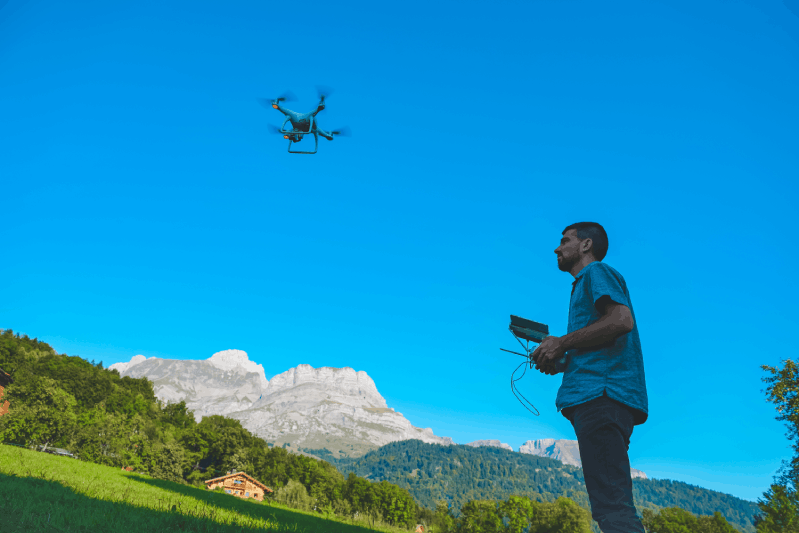
In nature, especially in areas with dense trees or metallic mineral deposits, signal loss is a common occurrence. Beginners often panic when the signal is lost, thinking the drone is lost. Most modern drones have a "Return to Home" (RTH) feature. However, for this feature to work correctly, you must wait for the GPS satellites to lock before taking off. You should also set the RTH altitude higher than the tallest tree in your vicinity (for example, 50-60 meters). Otherwise, while the drone tries to return to you, it may fly straight ahead and crash into the first tree in its path. Mastering the RTH settings is like having an invisible safety rope.
Will I Have Difficulty Controlling a Model with a Non-Turkish Phone App?
Popular apps like DJI Fly now offer quite intuitive interfaces, but technical alerts (battery critical level, magnetic interference, etc.) being in English can be confusing for beginners. However, these terms are standard phrases learned over time. What matters is whether your phone is compatible with the drone app. In some Android models, due to processor inadequacy, the app may freeze or live video transmission may lag. Freezing of the image during flight means flying blind, which increases the risk of accidents by 90%. You should definitely check your phone's compatibility list before purchasing.
Will I Experience Noise and Graininess Issues in Sunrise Videos?
The "golden hour" for nature videos, sunrise and sunset, is when the light is at its lowest. Entry-level drones with small sensors have to increase the ISO value in low light, which leads to what we call "noise" in the footage. If your goal is to shoot during these hours, you should prefer models with low sensor aperture (like f/1.7), such as the DJI Mini 3. Cheaper models may produce muddy and detail-lacking footage when shooting before the sun has fully risen. You cannot argue with the physics of light; if you want good footage in low light, you need to invest in sensor quality.
Will I Have to Wait Weeks to Find a Replacement Part if a Propeller Breaks?
Drones are devices that are prone to accidents due to their nature. A broken propeller can render the device unusable due to a small fall or sand getting into the motor. This is where "brand recognition" comes into play. It is possible to find spare parts, propellers, and repair services for popular brands like DJI all over Turkey. However, if you bought a much cheaper, unknown Chinese brand, you might have to wait a month for that part to arrive from abroad if just one propeller breaks. This means your vacation or shooting plans could go to waste. The availability of spare parts should be a hidden clause in your purchasing strategy.
If I Don’t Buy a Combo Package, Will It Be More Expensive to Buy Parts Individually Later?
When purchasing a drone, looking only at the price of the device can be misleading. The extras you will need include 2 extra batteries, a multi-charger station, a carrying case, and spare propellers. If you buy these separately, you will generally pay 30% to 50% more than the "Fly More Combo" package. Strategically, if your budget is tight, it is more efficient to buy a lower model but its "Combo" package than to buy the "Single" package of the top model. Because when your flight time is limited in nature, you cannot shoot regardless of the technical power of the device. Energy sustainability always comes before megapixels.
When Flying Over a Lake, Do Sensors Mistake the Water Surface for Land?
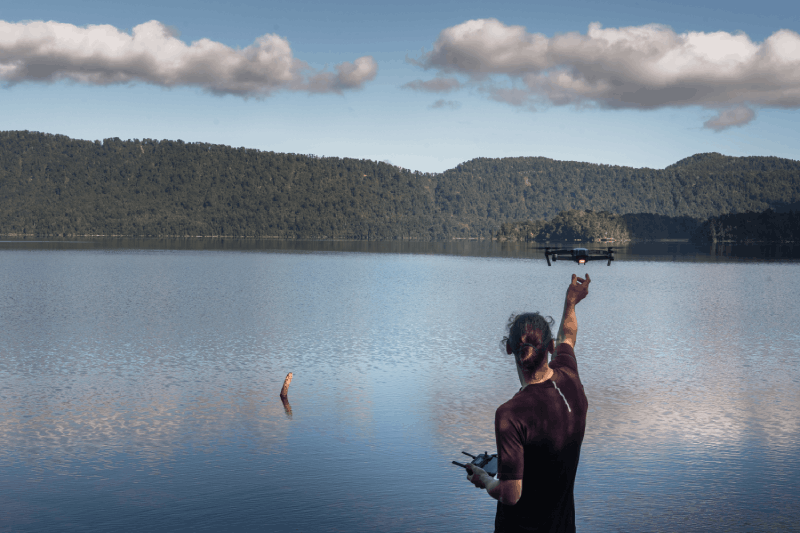
Reflections on the water and the movement of the water can mislead the visual sensors located on the underside of the drone. When the drone gets very close to the water surface (about 2 meters or less), it cannot perceive the surface as a stable ground and may start to drift downwards. This is the reason for many "drone crashed into water" incidents. If you are going to shoot over a lake or stream, you should learn to either disable the downward vision system or keep the drone at least 5-10 meters above the water level. Water is both the most beautiful scenery and the most dangerous trap for drones.
How Can I Tell If a Second-Hand Battery Is Swollen or Not?
Those with a limited budget often turn to second-hand models. However, drone batteries (LiPo) are delicate parts that can quickly complete their lifespan with improper use. If there is a slight bulge or hardness (swelling) on the outer surface of a battery, that battery is essentially a "bomb ready to explode" and can suddenly lose power during flight. You should also check how many times the battery has been charged (cycle count) through the app. Batteries that have gone through 100-150 charge cycles can leave you stranded halfway in nature. When buying second-hand, focus more on battery health and the balance of the propellers than on scratches on the body.
Is the Price Difference Between DJI Mini 2 SE and Mini 3 Worth It?
The Mini 2 SE is a budget-friendly starting point, but when you switch to the Mini 3, you gain massive advantages not just in features, but also in dynamic range and vertical shooting. The sensor of the Mini 3 is larger, which means it retains details in shadows better. If your goal is just to "fly a drone", the Mini 2 SE is sufficient. However, if your goal is to "create content", the vertical gimbal feature offered by the Mini 3 (seamless vertical video for social media) will save you hours in the editing phase. The price difference is essentially the cost of the effort and image quality you will spend at the editing stage.
Does the Sound of the Drone Scare Birds in Nature and Cause Them to Attack Me?
When filming in nature, we are uninvited guests. Especially seagulls, eagles, and other bird species that protect their territory may perceive the high-frequency sound emitted by the drone as a threat. A bird attack can not only cause the drone to crash but also injure the bird. You should avoid sudden ascents in areas where birds are dense and leave the area immediately if you see birds circling around the drone. Additionally, using silent propellers helps you disturb nature less and attracts less attention from birds.
Is There a Model I Can Charge with a Power Bank While Camping?
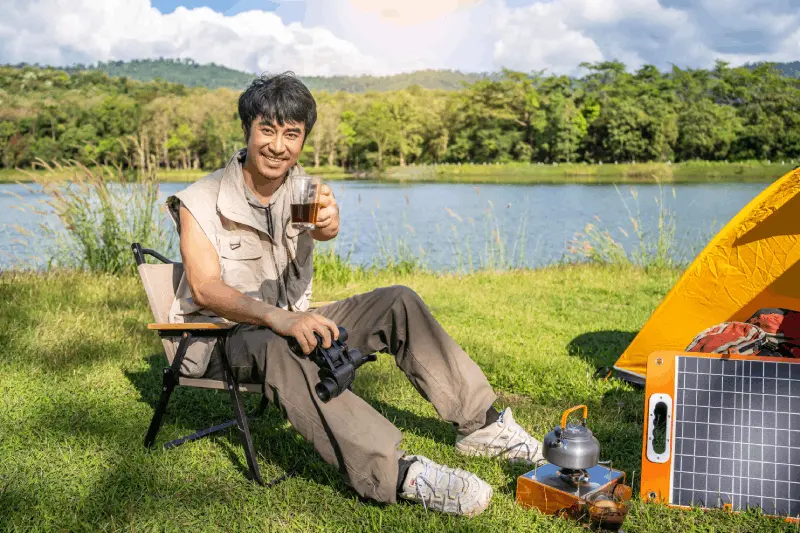
The biggest advantage of modern entry-level drones (especially the DJI Mini series) is that they can be charged via USB-C. This means you can charge your batteries in the field from your car's cigarette lighter or a powerful power bank (at least 30W PD output). However, not every power bank is suitable for charging drones. Charging a battery with a standard portable charger that does not support "fast charging" can take 5-6 hours, which is not very practical in camping conditions. With the right energy management strategy, you can continue shooting for days without returning to the city.
Does the Follow Me Feature Work Without Hitting Branches in the Forest?
Many beginners want the drone to follow them while they ride a bike or run, relying on the "ActiveTrack" feature. However, most entry-level drones do not have side sensors. While the drone follows you from behind, it may crash into a tree or a branch on the side. You should ensure that the area is completely open when using this feature or invest in a model with advanced obstacle detection systems like the Mini 4 Pro. Activating the "follow me" mode with a sensorless drone in the forest is like running with your eyes closed.
Can I Shoot Vertical Video Without Having to Turn My Phone Sideways?
In an era dominated by TikTok and Instagram Reels, cropping horizontally shot video to make it vertical reduces image quality by 50%. The "True Vertical Shooting" feature found in models like the DJI Mini 3 and Mini 4 Pro allows the gimbal to physically rotate 90 degrees. This way, you can capture all the details of the sky and ground seamlessly. If your strategy is social media-focused, this feature is as essential as "a drone being able to fly". Horizontal video is now for professional screens, while vertical is for the heart of the world.
Will My Drone Get Stuck in the Air If I Don’t Update the Software?
Drones are essentially flying computers, and manufacturers continuously release updates that fix bugs or add new flight restrictions (No-Fly Zones). Not updating can sometimes lead to a loss of connection between the controller and the drone or prevent some intelligent modes from working. However, you should make sure to update on your home Wi-Fi before heading to the shooting area. Receiving a warning for a 1GB update in the field and trying to do it in a place where your phone has no signal can ruin your entire shooting day. Updated software means stable flight.
Which Model Should I Start With?
As a content strategist, my recommendation is that if your budget is very limited, you should enter this world with the DJI Mini 4K or Mini 2 SE. However, if you can stretch your budget a bit, the DJI Mini 3 (Fly More Combo) is the most balanced "price/performance" entry device that will meet your needs for many years with its image quality and vertical shooting capability. If you say, "Let me have a margin for error, let the device protect itself," the DJI Mini 4 Pro is the only option for obstacle sensors.
Nature is waiting for you, but remember: The best video is the one that is captured safely and brought home intact.