What is the Importance of Heating a Tent in Winter Camping?
Winter camping offers the opportunity to experience nature in its purest and quietest form, but maintaining body heat is a primary priority to make this experience enjoyable. Hypothermia is a life-threatening condition that occurs when the body loses heat faster than it can produce it in cold weather conditions. Keeping the inside of tents at an ideal temperature not only provides comfort but also improves sleep quality, ensuring you wake up refreshed the next day. A poorly rested camper increases the risk of making mistakes in nature due to weakened decision-making abilities and decreased physical endurance. Therefore, knowing and applying safe heating methods is one of the cornerstones of winter camping.
How Does Choosing the Right Tent Affect Heating?
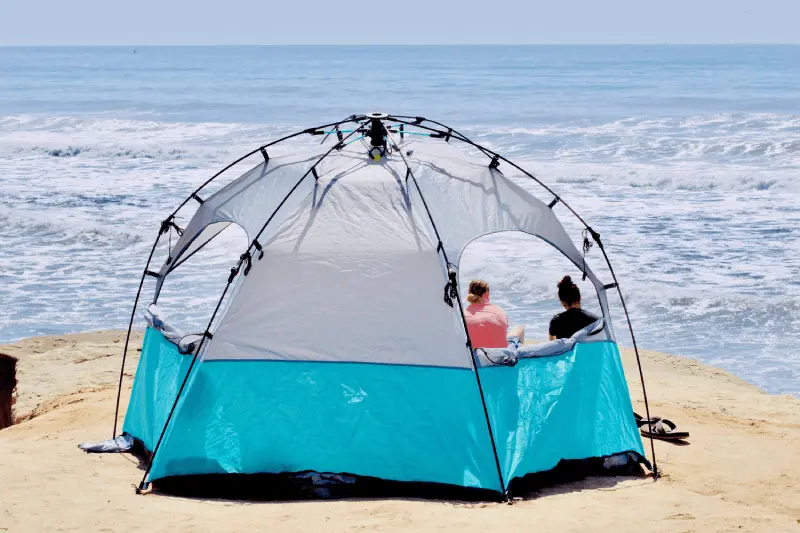
The first step of the heating strategy is to choose the right tent that minimizes cold from the outside and traps heat inside. Tents specifically designed for winter camping, such as "4-season" or "5-season" tents, have thicker fabrics and fewer mesh panels. This design slows down the escape of warm air while preventing wind from entering. Additionally, winter tents are constructed to withstand snow loads. The size of the tent also plays a critical role in heating; heating a tent that is larger than necessary requires significantly more energy. A small and compact tent retains your body heat more quickly and keeps that warmth for a longer period.
What Should Be Considered When Choosing a Sleeping Bag?
Equally important as heating the tent is preventing the warmed body from losing that heat, and the most critical equipment for this is the sleeping bag. The most important value to consider when purchasing a sleeping bag is the "comfort" rating; the "extreme" rating only indicates the survival limit. Goose down sleeping bags provide the highest insulation according to their weight, but they lose their insulating properties when wet. Synthetic bags perform better in damp conditions and dry faster. The size of the bag should fit your body; it is difficult to heat empty spaces in a bag that is too wide, while a bag that is too narrow makes it hard to retain heat due to the compression of the insulation material. Mummy-style bags are ideal for winter camping as they also cover the head area.
How Does Thermal Base Layer Clothing Preserve Body Heat?
Clothing in winter camping is based on the principle of trapping body heat between layers, and the most critical component of this system is thermal base layer clothing. A quality thermal layer quickly wicks moisture away from the body, keeping your skin dry. Wet skin loses heat 25 times faster than dry skin, so cotton clothing should be avoided in any situation. Thermal layers made from merino wool or high-quality synthetic materials wrap your body like a cocoon, creating a natural insulation layer. You should change any thermal layers you wore during the day and may have gotten sweaty with dry and clean ones before going to bed. This simple change will help you warm up much faster inside your sleeping bag and keep you warm throughout the night.
Is Using a Hot Water Bottle Safe?
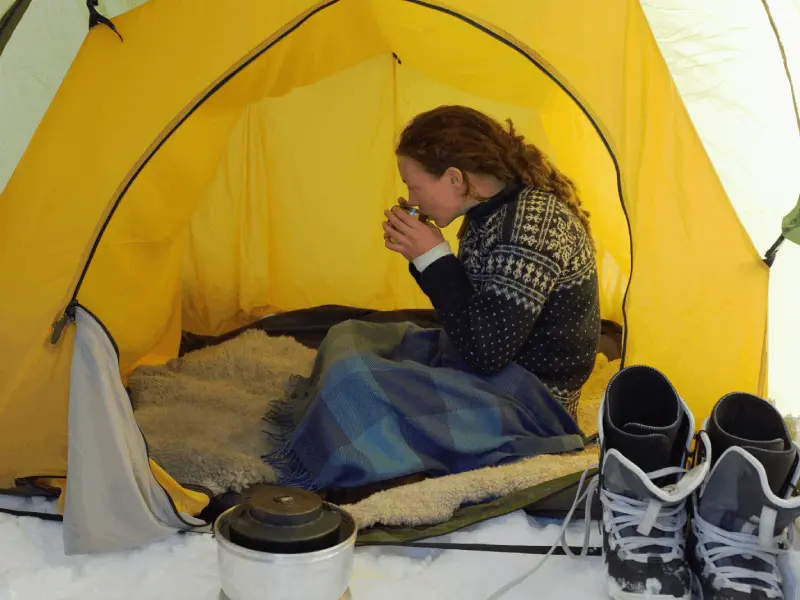
One of the oldest and safest methods is to prepare a hot water bottle before going to bed and place it inside your sleeping bag. If you do not have a special hot water bottle, a metal or heat-resistant plastic container that you are sure is 100% leak-proof will serve the same purpose. Filling the container with boiling water and wrapping it in a sock or cloth, then placing it at the foot of your sleeping bag or near your groin area, helps warm your body by heating the blood flowing from your main arteries and distributes warmth to your body. This method does not carry a carbon monoxide risk since it does not burn any fuel and continues to provide warmth for hours. However, it is very important to ensure that the container's lid is tightly closed and does not leak; otherwise, if the sleeping bag gets wet, it can turn the night into a nightmare.
How is the Hot Stone Heating Method Applied?
For campers who want to warm up naturally, the "hot stone" method is quite effective but must be applied carefully. A large, flat stone placed next to (not directly on) the campfire absorbs heat and slowly releases it. Care should be taken to ensure the stone does not overheat and crack; especially wet stones taken from riverbeds can explode due to the expansion of moisture inside. You can place the heated stone wrapped in a thick cloth, towel, or an old t-shirt inside the tent, close to your sleeping area. This method slightly warms the overall air inside the tent and provides you with radiant heat. You should ensure that the stone does not come into direct contact with the tent floor or your sleeping bag, as it may cause burns.
How Much Heat Do Candle Bugs Provide?
Although the heat emitted by a small candle is minimal, in a well-insulated small tent, it can raise the ambient temperature by a few degrees and, most importantly, help reduce humidity inside. Special camping candles keep the candle in a safe glass enclosure and provide protection against tipping over. However, lighting a candle in a tent always carries a fire risk. A candle should never be left unattended and should be extinguished during sleep. Additionally, the burning process...
ss oxygen is consumed, it is essential to ensure that the tent is well ventilated.Are Portable Gas Heaters Safe?
There are portable butane or propane heaters on the market labeled as "indoor safe." These devices typically have safety features such as oxygen depletion sensors (ODS) and tip-over protection. However, no matter how safe they claim to be, using a gas heater in a closed tent always carries risks. These heaters can produce carbon monoxide while operating and can quickly deplete oxygen. It is most sensible to use these heaters only to warm the tent just before going to bed and immediately after waking up. They should never be left on while sleeping. Additionally, keep the heater at least 1 meter away from the tent walls, sleeping bags, and flammable materials.
How to Protect Against Carbon Monoxide Poisoning?
Carbon monoxide (CO) is a colorless, odorless, and tasteless gas known as the "silent killer." It can accumulate rapidly in enclosed spaces like tents when combustion occurs without oxygen. The first signs of poisoning are headache, dizziness, nausea, and fatigue; these symptoms are often confused with exhaustion or altitude sickness. The most certain way to protect yourself is not to operate any fuel-burning devices (gas, gasoline, candles) inside the tent for extended periods. If a heater must be used, the upper ventilation openings of the tent should always be kept open, and ideally, a battery-operated carbon monoxide detector should be present. Remember, fresh air intake is more valuable than warmth; being without oxygen can lead to a much quicker end than freezing.
Can Electric Heaters Be Used in Tents?
If you are camping with your vehicle and have an electric connection at a powerful energy station or campsite, small electric heaters may be an option. Electric fan heaters or oil radiators do not pose a carbon monoxide risk since they do not burn fuel. However, they can quickly drain batteries due to high current draw. For safety, models that cut off electricity when tipped over and have overheat protection should be preferred. Electric blankets are a much more efficient alternative; they heat you directly instead of warming the environment and consume much less energy. Still, electric devices should be kept off the ground and dry to prevent short circuits in damp environments.
How Should Tent Floor Insulation Be Done?
The biggest heat loss in winter camping comes not from the air but from the cold ground you are in contact with. To prevent heat loss through conduction, the floor insulation must be excellent. Just using a mat is often not enough. Laying down an emergency blanket or foam mat with an R-value similar to aluminum foil underneath cuts off the cold coming from the ground. Additionally, placing an inflatable camping mat on top increases comfort and insulation. For winter conditions, the total R-value (insulation coefficient) should be 4 or higher. Filling the empty floor areas of the tent with your spare clothes, bags, or dry materials creates an additional barrier against the cold air rising from the ground.
Is It Necessary to Keep the Ventilation Window Open?
Many new campers make the mistake of tightly closing all the zippers of the tent to prevent cold air from entering. However, this causes moisture to build up inside the tent. Moisture from breathing and body heat condenses on the cold walls of the tent, leading to dampness and creating "rain inside." Wet sleeping bags and clothes lose their insulation properties, which can lead to more shivering. Therefore, the ventilation openings at the top or sides of the tent should always be left slightly open, no matter how cold it is outside. Good air circulation expels moisture and helps keep the interior drier, thus making heating easier.
How Should Heat Reflective Blankets Be Used?
First, silver-colored mylar blankets, also known as "space blankets," have a reflective property of 90% for radiant heat. By hanging these blankets on the ceiling or inner walls of the tent, you can prevent your body heat from escaping and ensure it reflects back. Additionally, laying them under your mat is a great way to block the cold coming from the ground. However, it is important to remember that these blankets are not breathable. Wrapping them directly around your body can cause sweating, which can lead to more shivering. The best way to use them is to integrate them into the structure of the tent to create a heat shield. Due to their lightweight and compact design, every winter camper should have a few in their pack.
What Types of Foods Should Be Consumed to Maintain Body Heat?
Your body needs fuel like a furnace to maintain its internal warmth. Instead of counting calories while winter camping, you should focus on high-energy, slowly digestible foods. Complex carbohydrates, fats, and proteins stimulate the digestive system, helping to generate internal heat. Consuming a small snack (nuts, cheese, or a piece of chocolate) just before bed can help keep your metabolism working and generate heat throughout the night. Hot drinks not only help warm you from the inside but also boost your morale; however, it should be noted that caffeinated drinks can constrict blood vessels and make it harder for blood to reach the extremities (hands and feet), and their diuretic effect may cause you to get out of your sleeping bag.
How Should Clothing Layering Be Done Inside the Tent?
Clothing layering is as important inside the tent as it is outside. is of critical importance. but at the same time while sitting inside the tent. When you are static, your body produces less heat, which is why it is important to wear a down jacket or a thick fleece as an outer layer. You should wear dry and thick wool socks to keep your feet warm and wear a hat to prevent heat loss from your head; because a significant part of body heat is lost from the head area. Make sure that the layers are not too tight; because insulation is provided not by the fabric itself, but by the trapped still air between the fibers. If you wear too many clothes and sweat, this moisture will cause you to shiver throughout the night, so you should adjust the layers according to your needs.
Why is it Dangerous to Enter a Tent with Wet Clothes?
The golden rule of winter camping: Never enter a tent with wet or damp clothes. You may have sweated while playing in the snow or hiking outside. When you get into your sleeping bag with these damp clothes, the insulation material inside the bag will absorb this moisture. Wet insulation material (especially down) clumps together and loses its ability to retain heat. As a result, you may spend a freezing night even if you are inside the bag. As soon as you enter the tent, you should change all your clothes to dry ones. Do not try to dry your wet clothes inside the sleeping bag with your body heat; instead, keep them next to your feet, in a bag, or under your mat to prevent morning frost.
How Does the Location of Your Tent Affect Warmth?
The place where you set up your tent directly determines how much you will shiver throughout the night. An open, bare hill will be much colder than a sheltered area with trees that block the wind or a rocky outcrop. However, you should avoid low areas that cause cold air to pool (cold air sinks). The middle parts of slopes are generally warmer than valley floors. Additionally, choosing a spot that gets the morning sun first will help warm the inside of the tent quickly and allow you to warm up earlier. If you are setting up on snow, packing the snow well will increase ground insulation and prevent your body heat from melting the snow and allowing water to enter the tent.
How Do Windbreaks Prevent Heat Loss?
Wind can carry away the warm air inside the tent as it passes over the fabric and can increase the "wind chill" effect. If you cannot find a natural windbreak, you can create your own by building snow walls or using a tarp. A snow wall surrounds the tent and creates an insulation zone by preventing direct wind contact. Snow piled on top of the tent can also provide an additional layer of insulation (as long as it does not block ventilation). The less wind there is, the more stable and warm the air inside your tent will be. When setting up, make sure to position the narrowest and strongest part of the tent against the direction of the wind, as this will increase stability.
Are Chemical Heating Packs Effective?
Single-use chemical hand and foot warmers can be a "lifesaver" for winter campers. These packs generate heat through an iron oxide reaction when exposed to air and can provide warmth for 8-12 hours. Placing these packs in the tips of your toes or inside your gloves helps protect your extremities from freezing. Additionally, when placed in areas where large blood vessels pass inside the sleeping bag, they contribute to overall body warmth. Their lightweight and inexpensive nature is a significant advantage, but they should not be left in nature after use due to environmental concerns. Also, they can cause low-degree burns if they come into prolonged direct contact with the skin, so it is recommended to wear a layer of clothing over them.
Is It Correct to Wear Too Many Clothes Inside a Sleeping Bag?
Contrary to popular belief, wearing too many and thick clothes inside a sleeping bag does not always provide better warmth. If the clothes are too tight inside the bag, they can reduce insulation by eliminating air pockets. Ideally, there should be a little air space between your skin and the bag. If you are sweating a lot, instead of wearing thick clothes, you can be more effective by putting a thick layer over the bag. However, wearing thin and breathable thermal layers is definitely beneficial. If your feet are very cold, wrapping an extra fleece or jacket around your feet inside the sleeping bag provides additional protection. The balance here is to have enough layers to trap heat but not restrict blood circulation.
How Can You Share Warmth with a Tent Mate?
Camping together in the wild not only provides safety but also offers warmth advantages. The more people there are in the tent, the more body heat each one emits (approximately 100 watts) will warm the inside of the tent faster. Combining two sleeping bags maximizes the benefit from body heat. However, in this method, heat can escape more from the openings of the bags, so it is important to cover the head area well. Even if you do not combine the bags, placing your mats side by side and covering gaps will reduce cold coming from the ground. Collective heating is one of the most natural and effective winter camping strategies that allows you to save fuel and energy.
How Can You Keep Warm While Camping with Pets?
Camping in winter with your loyal friend is enjoyable, but they also need protection from the cold. Dogs show different resistance to cold depending on their breed and coat types. You should have an insulated mat and, if necessary, a dog sleeping bag or coat for them. Having your dog sleep next to you inside the tent prevents them from freezing and provides you with extra warmth. a source of warmth. Dogs typically shiver to increase their body heat; if you notice your dog is shivering excessively and appears lethargic, this could be a sign of an emergency. You can quickly warm them up by bringing them into your sleeping bag or supporting them with hot water bottles. It is also worth noting that dogs require more calories and water in winter.
Are Smaller Tents Easier to Heat Than Larger Tents?
From a heating physics perspective, volume is very important. It takes much more energy (or body heat) to heat a large, spacious tent where you can stand up. Smaller, low-profile "expedition" tents designed for winter use are made to heat the air inside quickly with your body heat. The lower the ceiling height inside the tent, the closer the warm air stays to your head. If you must use a large tent, you can try lowering the ceiling by draping a tarp or blanket over the area to divide it. Remember, when camping, "comfort" means warmth and insulation, not spaciousness; therefore, compact options are always safer.
Does Snow Insulation on the Tent Help?
Snow is actually a great insulating material; it creates a barrier between the freezing cold outside and the air inside thanks to the air pockets within it. This is the logic behind igloo houses. If some snow falls on your tent and your tarp can support this weight, this layer of snow can help block the wind and keep the inside of the tent a bit warmer. However, there is a significant risk: ventilation. If the snow blocks the tent's ability to breathe, it can accelerate the buildup of carbon monoxide and moisture inside. Additionally, excessive snow weight can break the tent's poles or tear the fabric. Therefore, while benefiting from the insulating power of snow, ensure that ventilation openings are clear and that the poles are not overloaded.
What Precautions Should Be Taken Against Fire Risks?
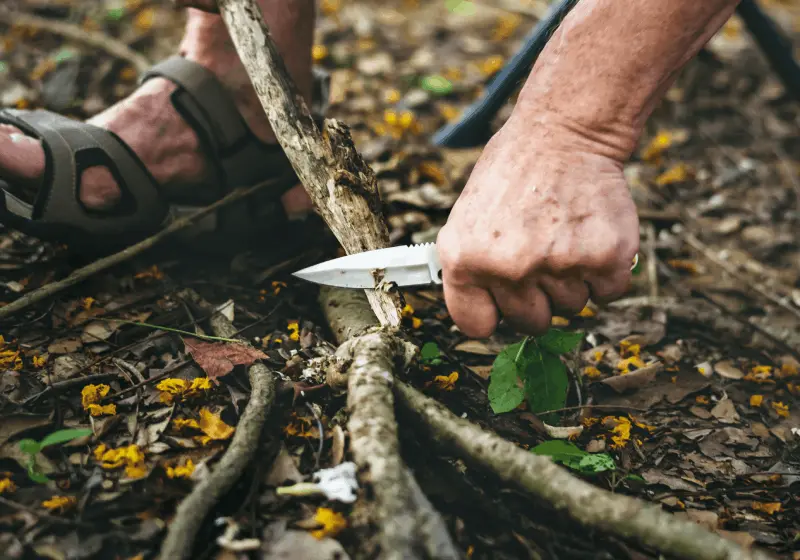
Tents are often made from highly flammable synthetic materials; they can melt and catch fire within seconds. Extreme caution should be exercised when using any open flame (candles, gas lamps, stoves) inside the tent. Do not operate a heater near the tent fabric or sleeping bag. Ensure that the tent zippers are not frozen and stuck so you can exit the tent quickly in an emergency, and always keep a knife handy (to cut your way out of the tent). Also, set up your campfire at least 4-5 meters away from the tent; sparks can create holes in your tent. Your safety is always worth a few degrees of extra warmth.
Why is an Oxygen Sensor Important in Gas Heaters?
The "Oxygen Depletion Sensor" (ODS) found in many quality portable gas heaters is a vital device for your safety in enclosed spaces. This sensor automatically shuts off the gas flow of the heater when the oxygen level in the environment drops below a certain threshold (usually 18%). Since oxygen can deplete quickly in a closed and small tent, this feature is life-saving. However, it is important not to rely solely on the sensor's perfect operation and to remember that ventilation must still be maintained as the primary safety measure. Avoid cheap heaters that do not have this sensor when camping in winter.
Are Battery-Powered Electric Blankets Commonly Used?
With advancements in technology, low-voltage electric blankets powered by high-capacity portable energy stations have become popular among campers. These blankets consume much less energy than traditional heaters and do not pose a carbon monoxide risk. When you spread the blanket over your mat and place it under your sleeping bag, the heat coming from below keeps you warm throughout the night. Some models are small enough to fit directly inside the sleeping bag (heating pads). This method provides excellent comfort for those struggling to stay warm in extreme cold. However, you should carefully calculate the battery life and check the device's waterproof features to avoid the risk of electric shock in wet conditions.
How Should the Tent Door Be Used to Prevent Heat Loss?
In winter camping, the tent door is the weakest point for retaining heat inside. You should enter and exit the tent quickly whenever possible and avoid leaving the door open for long periods. Before opening the door, you can shake off the snow from your clothes to prevent moisture and cold air from entering. Additionally, placing a towel or spare jacket under the door flap can help block any wind. If you are using a double-walled tent, the air gap between the outer and inner tent provides natural insulation; therefore, ensure that both doors are closed but that ventilation openings are clear. Applying silicone spray or wax to prevent the zippers from freezing and sticking can also be beneficial.
How Does the Humidity Level Inside the Tent Affect Warmth?
The effect of humidity on warmth in winter is very pronounced. You can feel the difference between "dry cold" and "damp cold" on your skin inside the tent. Humid air absorbs your body heat more quickly and reduces the insulation of your clothing. Cooking inside the tent or trying to dry wet clothes significantly increases the humidity inside. Therefore, try to cook your meals outside or at the entrance of the tent. Heating a damp tent requires much more energy than heating a dry tent. If there is significant condensation inside, allow the steam to escape by ventilating a bit. open more. A dry environment will always feel warmer and will help maintain the performance of your equipment.
Can hand and foot warmers be used?
eping?Using chemical or rechargeable hand warmers while sleeping may seem like a great idea, but it carries some risks. Your body's pain and heat sensitivity can change during sleep; therefore, if these warmers come into direct contact with your skin, they can cause low-grade burns (contact burns) without you realizing it. The safest method is to place these warmers over a layer of clothing, such as outside your socks or in the pocket of your shirt. Make sure that the rechargeable warmers have overheat protection. The most basic issue that can disrupt your sleep is your feet getting cold; therefore, thoroughly drying your feet before bed and safely placing heating packs will help you sleep uninterrupted throughout the night.
Is It Safe to Set Up a Wood Stove for Camping (Warm Tent)?
Camping with a wood stove is known as a "warm tent" and is the most luxurious and warm method for winter camping. However, this method can only be applied in tents specifically designed with a flame-retardant stove jack. A wood stove brings the warmth of a living room into the tent. However, it requires expertise for installation. The chimney must be of sufficient length, spark arresters must be used, and the area around the stove must be completely free of flammable materials. The biggest risk is the carbon monoxide leak that can occur when the stove goes out at night. Therefore, using a carbon monoxide detector in the stoves is not just advisable, but mandatory. Additionally, the ground beneath the stove should be protected with a non-flammable mat.
What Is the Importance of Insulation Mats?
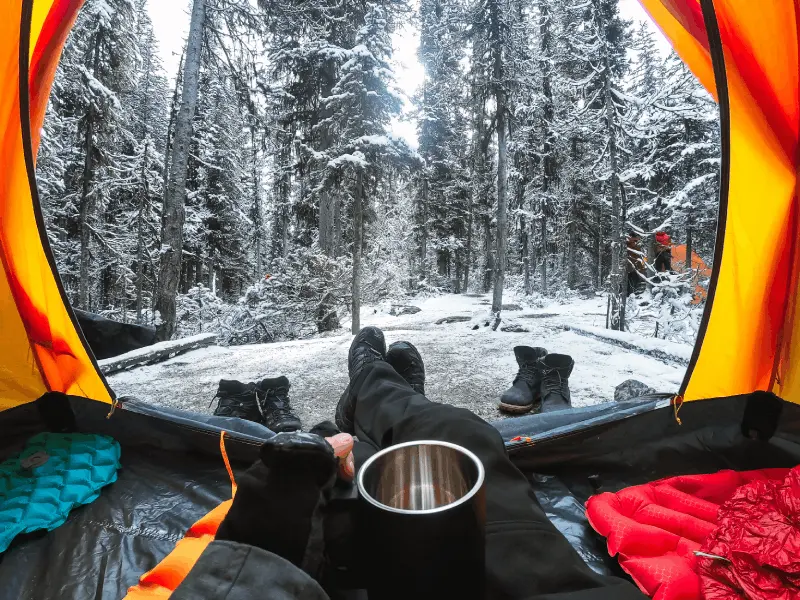
The reason a camper often says "I'm cold" is usually not the sleeping bag, but the mat. Heat loss occurs at every point where your body contacts the ground. The "R-Value" of the mats, which determines their insulation power, is a critical measure for winter camping. Summer mats typically have an R-value of 1-2, while winter mats have an R-value of 4-6 or higher. If your current mat is insufficient, you can increase overall insulation by adding a closed-cell foam mat (like classic yellow camping mats) underneath. Inflatable mats retain heat due to the air layer inside, but only air-filled mats are ineffective; inflatable mats with fiber or foam insulation are much superior for winter use. Remember, if you don't cut off the cold from the ground, even the best sleeping bag in the world can't keep you warm.
What Additional Heating Methods Are There for Winter Camping with Children?
Children lose heat much faster than adults due to their smaller body mass. When camping with them in winter, more active and guaranteed methods should be chosen instead of passive heating. It is very important to use a child-sized sleeping bag to prevent excessive heat loss. Layering rules should be applied to them more tightly, and especially hands/feet/head areas should be regularly checked. The best way to keep them warm is the "sandwich" method; that is, ensuring the child sleeps between two adults. Additionally, giving them a warm drink like soup or milk before bed will help warm their bodies. Children may not always express their discomfort accurately, so parents should carefully monitor their physical reactions (shivering, cold fingertips).
When Should Emergency Blankets Be Used?
Emergency blankets are actually not a heater, but a reflector. Under normal conditions, they should not be part of your main sleeping system as they can create suffocation due to lack of breath. However, when things go wrong, they can be lifesaving when your sleeping bag is wet or an unexpected cold wave hits. They can be added as an extra layer on the ground or the tent's ceiling. If someone shows signs of hypothermia, wrapping them directly in this blanket can quickly reflect body heat and stabilize their condition. Every winter camper should have at least two quality mylar blankets in their first aid kit; their lightness and functionality are invaluable in crisis situations.
Do the Inner Poles of the Tent Play a Role in Heat Insulation?
In double-walled tents, the inner poles are the second most important barrier between you and the outside world. While some winter tents have their inner pole made entirely of fabric, others have frame panels. Those made of fabric retain heat much better. If your tent has too many heavy sections, covering these areas with a light cloth or towel (without completely blocking ventilation) will help raise the internal temperature by a few degrees. The stagnant air gap between the inner and outer poles is actually the biggest source of insulation; therefore, make sure the poles do not touch each other (that they are set up taut). If the poles touch each other, the cold and moisture from outside will directly enter, jeopardizing the insulation properties.
What Exercises Should Be Done Before Bed?
Think of your body like a motor; it generates heat when it starts working. Do light exercises for 5-10 minutes right before getting into your sleeping bag to raise your body temperature. Jumping in place, doing push-ups, or counting quickly will speed up your circulation. But be careful: Don't sweat! Stop exercising the moment you feel your body getting warm and get into the bag immediately. With this method, you will have instantly warmed the air inside the bag with your body heat. Getting into a cold sleeping bag with a cold body will cause your body to expend much more energy to warm it up and will lead to shivering. The "warm inside, cold outside" rule is one of the simplest yet most effective tips for winter camping.
How Can Using a Thermos Help? Is it with Night Warmth?
A quality steel thermos is not only your best friend during the day but also at night during winter camping. Filling the thermos with a hot drink before going to bed and placing it next to your head will help keep you warm in the middle of the night or when you wake up in the morning. Additionally, you can wrap the batteries or water filter you want to protect from freezing in a cloth and place them inside your thermal bag. It is disheartening to see your water turn into an ice block inside the tent in the morning; a thermos eliminates this problem. In fact, placing your water bottle at the foot of your sleeping bag can also be a practical solution to prevent freezing at night. Remember, dehydration reduces your body's ability to generate heat, so drinking enough water is vital.
Does Smoking Inside the Tent Contribute to Warmth?
Absolutely not. On the contrary, smoking is one of the biggest mistakes you can make while winter camping. The nicotine in cigarettes causes the peripheral blood vessels (the capillaries in your hands and feet) to constrict. This makes it harder for blood to reach your extremities, leading to your hands and feet cooling much faster and increasing the risk of frostbite. Additionally, the synthetic fabric of the tent can catch fire from cigarette ash in just a few seconds. Most importantly, by polluting the already limited oxygen in the air with smoke, you increase the risk of carbon monoxide. Instead of smoking to keep warm, consuming a hot herbal tea or high-energy food is both safer and biologically much more effective.
Is It Necessary to Use a Sleeping Bag Cover (Bivy Bag)?
Sleeping bag covers are an additional waterproof and breathable layer placed over your sleeping bag. They are excellent for keeping your bag dry from condensation dripping from the inner walls of the tent. They can also block the wind and create an additional layer of air, increasing the warmth of your bag by 3-5 degrees. However, the cover must be "breathable"; otherwise, the moisture from your body will get trapped inside the cover and wet your sleeping bag from the inside. If you think the insulation of your tent is weak or if you will be sleeping outside (under the stars), using a bivy cover will significantly enhance your safety and comfort.
How Should Heating Equipment Be Packed in a Backpack for Winter Camping?
Heating equipment is generally delicate devices and may not work when you arrive at the campsite if not packed correctly. Gas canisters lose pressure in the cold, so they should be carried in the middle sections of your backpack or in an insulated container. In very cold weather, carrying the canister in your jacket pocket will help it warm up with your body heat, making it easier to ignite a stove or heater at the campsite. Batteries and electronic devices (like hand warmers) can quickly malfunction in the cold; therefore, they should always be kept inside your clothing or in insulated bags. Before leaving home, make sure to test that the item you will use as a hot water bottle is leak-proof. Organize your equipment in waterproof "dry bags" to keep everything dry.
Does Combining Heating Methods Increase Efficiency?
Sometimes a single method may be insufficient in extreme cold, so a "hybrid" approach is best. For example, good ground insulation (mat system), a quality sleeping bag, light exercises before bed, and a hot water bottle placed at the foot of your sleeping bag will keep you warm even on the coldest winter nights. A gas heater should only be used when changing clothes or to "break the cold air" when you wake up in the morning. Using multiple layers and methods ensures that if one fails (for example, if the batteries die or the gas freezes), the others will continue to protect you. Having backup plans is always the safest strategy in winter camping.
What Are the Most Common Mistakes Made in Tent Heating?
The most common mistake is closing ventilation; this leads to moisture buildup and more shivering. Another mistake is wearing cotton clothing; these clothes turn into a cold sponge the moment you sweat. Leaving heaters unattended or using heaters that burn fuel while sleeping is one of the biggest life-threatening mistakes. Additionally, sweating inside your sleeping bag by wearing very thick clothes is also a common mistake. Consuming alcohol to keep warm, contrary to popular belief, reduces body heat; while alcohol gives a feeling of warmth by dilating blood vessels, it causes heat in vital organs to escape rapidly from the skin surface. Avoiding these fundamental mistakes will directly determine the quality and safety of your winter camping experience.
What Are the Risks of Overheating (Sweating)?
When trying to warm up, your main goal should be to stay "dry and warm" rather than just "warm." If you overheat the tent or wear too many layers, you will start to sweat. Sweat evaporates and takes a large amount of heat away from your body. Staying in a cold tent after sweating and then turning off the heater can lead to a night spent shivering in wet clothes. Therefore, if you feel you are sweating, you should reduce layers or turn down the heater. Moisture is your enemy in winter camping. When using heating methods, aim for balanced warmth and ensure your skin stays dry. A dry coolness is a much safer and more sustainable option than a wet warmth.
What Should Be Done When Heat Loss Is Felt in the Middle of the Night?
When you wake up shivering in the middle of the night t, this is your body's alarm system, and you must act immediately. It may not be sufficient to just cover yourself with a thicker layer. Do light exercises inside your sleeping bag to increase blood circulation. If possible, eat a high-calorie snack and drink something warm from your thermos. If your sleeping bag has become wet, throw a dry jacket or blanket over it. If the shivering intensifies and becomes uncontrollable, this may indicate the onset of hypothermia; in this case, ask a friend for help and prepare a stronger heat source (like a hot water bottle) if possible. Never say "I can hold out until morning" and do not remain still, as the cold creeps in silently.