Why is a Modern Camping Stove a Vital Equipment for Outdoor Athletes?
A camping stove is much more than just a simple piece of metal used for cooking. After a long and exhausting day spent outdoors, a warm meal is essential for balancing body temperature and boosting morale. Especially in cold weather conditions or at high altitudes, disinfecting water and preparing hot drinks to prevent freezing is of vital importance. A well-chosen stove ensures fuel efficiency, lightens your backpack, and won't leave you stranded even in the toughest weather conditions. Therefore, choosing a camping stove is not just a preference; it is the cornerstone of your sustainability in nature.
Why Do Canister Gas Stoves Rank First in Practicality?
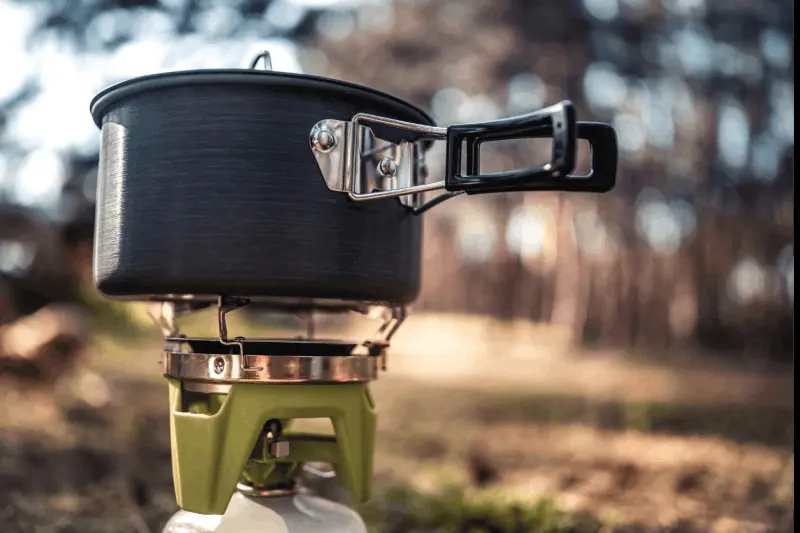
Canister gas stoves typically operate with butane and propane mixture fuel canisters and appeal to a wide audience from amateurs to professionals due to their "plug-and-play" logic. The biggest advantage of these systems is their clean combustion and lack of soot. Additionally, the ability to finely adjust the flame allows for both quick boiling and slow cooking processes with great ease. Their lightweight nature and lack of setup requirements make these models attractive for backpackers. However, the disadvantages of these stoves include the single-use nature of the canisters and their unavailability everywhere, making logistical planning essential for long-term exploration trips.
Why Are Liquid Fuel Stoves Considered the Only Option in Extreme Cold?
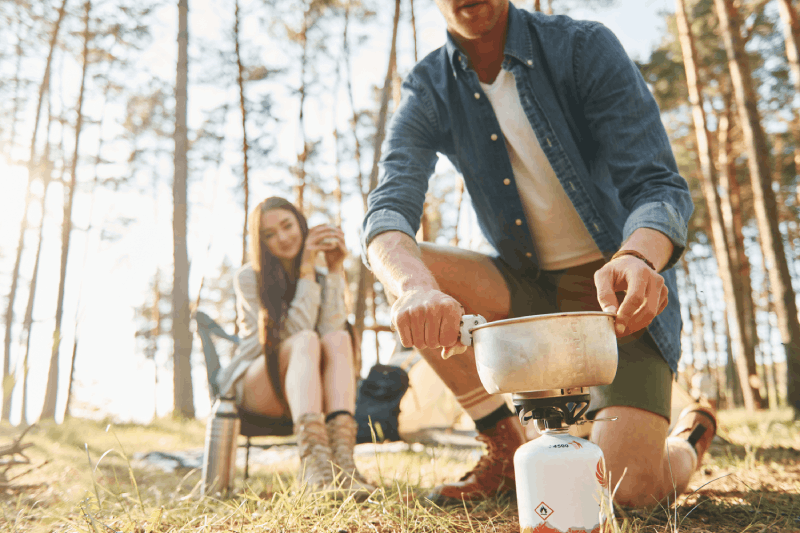
Liquid fuel (gasoline, kerosene, diesel) stoves perform exceptionally well even at very low temperatures and high altitudes due to their physical principles. Unlike gas canisters, liquid fuel tanks are manually pumped, preventing pressure loss. This prevents the stove from extinguishing or the flame from flickering in freezing winter camps. Additionally, finding gasoline is much easier even in the most remote corners of the world than locating a special camping gas canister. Although maintenance is a bit more cumbersome and requires priming, they are always the first choice for professionals due to their reliability in challenging winter expeditions.
Who Are the Alcohol Stoves' Silent and Portable Design For?
Alcohol stoves are systems that operate with a simple chamber and fuel principle, having no mechanical parts. This feature makes them nearly "unbreakable"; as they do not contain a valve that can break, a nozzle that can clog, or a gasket that can fail. Their silent operation is a significant advantage for campers who do not want to disturb the tranquility of nature. They are especially ideal for "ultralight" campers and short-distance hikers. The methyl alcohol or ethanol used as fuel can even be found in pharmacies. However, their long boiling times and susceptibility to wind make these models more suitable for users who camp in sheltered and calm areas.
Are Wood-Burning Stoves Logical for Campers Who Don't Want to Carry Fuel?
Wood-burning mini camping stoves eliminate the need to carry fuel as they operate using dry twigs, pine cones, and tree bark collected from the environment. This significantly reduces the weight of the backpack, especially during long and uncertain nature hikes. Additionally, the psychological satisfaction and warmth provided by starting a fire is an added advantage. However, the efficiency of these stoves entirely depends on the availability of surrounding materials; finding fuel can become impossible on a rainy day. Furthermore, the soot layer that forms under pots and usage restrictions in areas with a risk of forest fires indicate that these types of stoves are not suitable for every geography.
What is the Main Difference Between Screw-Top Stoves and Hose Models?
Screw-top stoves attach directly to the canister, while hose (spider) models have the stove head positioned close to the ground and connect to the canister via a hose. Screw-top models are much lighter and take up less space; however, they can create stability issues when used with tall pots. Hose models, on the other hand, can safely support larger pots due to their low center of gravity and provide more stable use on uneven terrain. Additionally, in winter months, it is possible to invert the canister in hose models to allow the fuel to flow into the combustion chamber in liquid form; this enhances performance at low temperatures. The choice of model should be determined based on the size of the pot to be carried and the terrain where camping will take place.
How Does Using a Windshield Affect Fuel Efficiency?
Wind is the biggest enemy of a camping stove; it prevents the flame from contacting the pot and causes heat loss. An unprotected stove can consume up to three times more fuel in windy conditions and make boiling water impossible. Using internal or external windshields captures the flame in a tunnel, directing the heat upwards. This simple precaution can halve cooking times while saving fuel. However, care should be taken not to overheat the canister in canister stoves; otherwise, there is a risk of explosion. A properly positioned windshield is the most important accessory that reveals the true power of your stove.
How Do Heat Exchanger Pot Systems Shorten Cooking Times?
Heat exchanger systems prevent the heat produced by the stove from escaping into the atmosphere and trap it at the bottom of the pot through metal fins added to the pot's base. This technology can increase fuel efficiency by 30% to 50% by increasing the heat transfer surface area. These systems are revolutionary for hikers who need to melt snow or want to quickly take a coffee break. Integrated systems like Jetboil or MSR Reactor operate on this principle. The only downside is that these pots tend to be heavier than standard pots and are usually only compatible with specific stove models. However, if speed and efficiency are your priorities, this investment will pay off in fuel savings.
Is BTU Value Sufficient to Understand the Real Power of a Stove?
BTU (British Thermal Unit) is a unit that indicates the maximum amount of heat a stove can produce in an hour. Theoretically, a high BTU value means faster cooking, but this is not always true in real-world conditions. The design of the stove, how focused the flame is on the pot, and wind resistance can be much more decisive than the BTU value. For example, a stove with a very high BTU value and a wide burner may lose heat in windy conditions, while a stove with a lower BTU value but a closed system can boil water faster. Therefore, when looking at technical specifications, one should focus not only on the numbers but also on the stove's efficiency tests and design architecture.
Why is Titanium Material So Expensive in Camping Stoves?
Titanium is one of the metals with the highest strength-to-weight ratio and is considered the "gold standard" in camping equipment. Despite being as durable as steel, it is much lighter and has incredible resistance to corrosion. Its structure, which does not deform even at extremely high temperatures, makes titanium stoves a lifelong investment. However, the difficulty of processing titanium and the raw material costs reflect high prices on product labels. If you are a long-distance hiker who counts grams, the lightness provided by titanium will be worth every penny. However, if you are doing vehicle-based camping, stainless steel or aluminum models may be more economical and practical options.
Is the Piezo Ignition System a Reliable Equipment?
The piezo ignition system is a comfortable mechanism that allows the stove to ignite without matches or lighters by creating a spark when a button is pressed. It is excellent in terms of ease of use; especially when wearing gloves or in windy conditions, it provides great comfort. However, these systems are sensitive; they can be affected by moisture, dirt, or high altitudes. The ceramic tip can break, or the wire can lose contact. Therefore, no matter how high-quality your stove is, you should never rely 100% on the piezo system and always keep a spare lighter or magnesium rod in your backpack. In short, piezo is a convenience but not a standalone safety plan.
How Does a Pressure Regulator Stabilize a Stove's Performance?
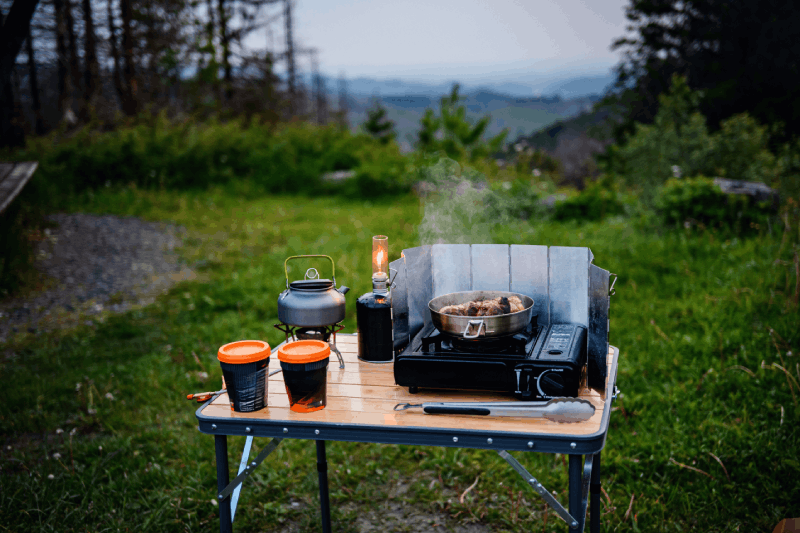
Traditional gas stoves lose pressure as the gas in the canister decreases or as the air cools, which weakens the flame. Models with pressure regulators have a valve system that keeps the gas flow to the stove constant regardless of the pressure inside the canister. This way, you can receive the same heat output until the last drop of the canister. Especially in cold weather, a stove with a regulator performs much better than its non-regulated competitors. If you frequently camp at high altitudes or in winter months, choosing a model with a regulator feature is a critical technical detail that ensures your meals cook consistently.
Why is Low Flame Control (Simmering) Important for Gourmet Campers?
Many ultralight camping stoves are designed solely to boil water quickly, and when you try to adjust the flame, they either extinguish or continue to burn too powerfully. For what we call "gourmet camping," precise flame control is essential for those who want to cook real meals (rice, sauced pasta, fresh vegetables) in nature. Low flame control prevents the bottom of the pot from burning and allows for the execution of recipes that require slow cooking. If you are not just consuming freeze-dried foods in pouches, you should ensure that the valve of your stove can be adjusted very precisely. A good valve structure means controlled heat management.
Should You Prefer Single-Burner Stoves or Double-Burner Stoves?
The answer to this question entirely depends on your camping style and the number of people. If you are going to hike long distances with your backpack, single-burner and lightweight models are your only option. However, if you are camping with your vehicle and cooking for a family or group of 3-4 people, double-burner stoves bring kitchen comfort to nature. While one burner cooks the main dish, the other can be used for brewing tea or preparing sauce, making time management easier. Double-burner stoves generally support larger pots and offer higher stability. When making a decision, you should balance comfort and portability according to your needs.
In Which Scenarios Do Multi-Fuel Systems Save Lives?
Multi-fuel stoves are hybrid systems that can operate with both gas canisters and liquid fuels (gasoline, kerosene, etc.). These stoves offer incredible flexibility to the user. For example, you can use a clean and practical gas canister for a weekend camping trip; however, you can switch to gasoline mode during an overseas trip where fuel is limited or in harsh winter conditions. This versatility is especially crucial for cyclists embarking on world tours or climbers navigating different geographies. While being prepared for all scenarios with a single device is a significant advantage, it is essential to remember that these devices often operate more noisily and require more maintenance.
How Should the Risk of Carbon Monoxide Poisoning Be Managed?
Camping stoves produce carbon monoxide (CO) gas during combustion, which is a tasteless, odorless, and deadly gas. Many campers mistakenly burn their stove inside a tent or in the trunk to escape the wind or cold outside. In enclosed spaces with inadequate ventilation, CO can accumulate rapidly and lead to unconsciousness within minutes. A stove should never be operated in a completely enclosed tent. If cooking must be done in the tent's vestibule, the ventilation windows must be fully open, and the stove should never be left unattended. Safety is always more valuable than a warm meal; therefore, the principle of using open air should never be compromised.
How is Fuel Consumption Calculated for Long-Term Camps?
Carrying the right amount of fuel is essential for optimizing backpack weight. As a general rule, a person preparing three meals and drinks can expect to consume 30-50 grams of gas canister fuel daily. However, this figure can vary depending on the temperature of the water, wind conditions, the pot used, and the cooking time of the meal. If you need to melt snow, consumption can double. You can create your data by measuring how many grams of gas your stove uses to boil one liter of water at home before your camping trip. Always carrying 20% more than the calculated amount as a backup is the smartest approach to protect you from unexpected weather changes.
How Does the Stove's Foot Structure and Pot Support Affect Stability?
The width and design of the pot supports on the stove determine your cooking safety. Very narrow supports can cause instability when a large pot is placed, leading to hot food spilling on you. Especially in uneven terrains, the width of the stove's feet that contact the ground is also critical. Some stoves are supported by tripod attachments that fit under the canister, reducing the risk of tipping over. When purchasing, you should consider the diameter of the pot you use most frequently and check whether the support arms can securely grasp that diameter. Support arms with a textured or non-slip surface prevent the pot from sliding off the stove, preventing kitchen accidents.
Why Are Integrated Systems (Jetboil Style) Becoming More Popular?
Integrated systems are compact kits where the stove head locks into the pot, featuring heat exchangers and wind protection. The biggest appeal of these systems is their incredible speeds and fuel efficiencies; they can typically boil half a liter of water in less than 2 minutes. The ability to carry everything nested together as a single piece provides organization in your backpack. However, these systems are generally designed only for boiling water; the narrow and deep structure of the pot makes cooking real meals challenging. If your main food source is freeze-dried foods or instant soups, these "all-in-one" systems are the most efficient and technologically advanced solutions for you.
How Does Maintenance and Cleaning Extend the Lifespan of a Camping Stove?
A camping stove is a mechanical device that operates under harsh conditions and requires maintenance like any other device. Food residues, dried fuel, or dust can clog the stove's jets (nozzles) and reduce efficiency. It is essential to clean your stove with a soft brush and check the valve parts at the end of each camping trip. Especially for liquid fuel stoves, cleaning the fuel line and lubricating the gaskets should be done periodically. In stainless steel models prone to rust, it is crucial not to leave them damp, while in titanium models, it is necessary to normalize the color changes that occur after excessive heat. A well-maintained camping stove can be durable enough to be passed down from father to son.
What Risks Should Be Considered When Buying a Second-Hand Camping Stove?
Buying second-hand equipment can be budget-friendly, but one must be very careful with products like camping stoves that carry safety risks. Undetected gasket leaks, valve malfunctions, or micro cracks can lead to gas leaks and fires. Especially, the threads (teeth) at the connection point of the canister must not be worn out. If purchasing a liquid fuel stove, it is essential to test whether the fuel tank holds pressure and is leak-proof. If possible, seeing the product in operation and checking the color of the flame (a blue flame indicates healthy combustion) is vital. If you are unsure about the stove's history, it is best to start using it by replacing safety parts (gaskets, hoses) with brand new spares.
How Do High Altitude and Low Pressure Affect Stove Performance?
As you ascend above sea level, atmospheric pressure decreases, directly affecting the stove's performance. At low pressure, the gas in the fuel canister vaporizes more slowly, leading to a decrease in flame power. Additionally, since oxygen levels decrease at high altitudes, combustion quality deteriorates, and the stove can produce more soot. A stove that will operate under these conditions should have a pressure regulator or be fed with liquid fuel (gasoline) to minimize performance loss. Climbers often keep their canisters warm by placing them inside their sleeping bags at night so that the stove can work immediately in the morning. It is also important to remember that at higher altitudes, water boils at lower temperatures; this extends the cooking time of meals.
Which Stove Type Should an Environmentally Conscious Camper Prefer?
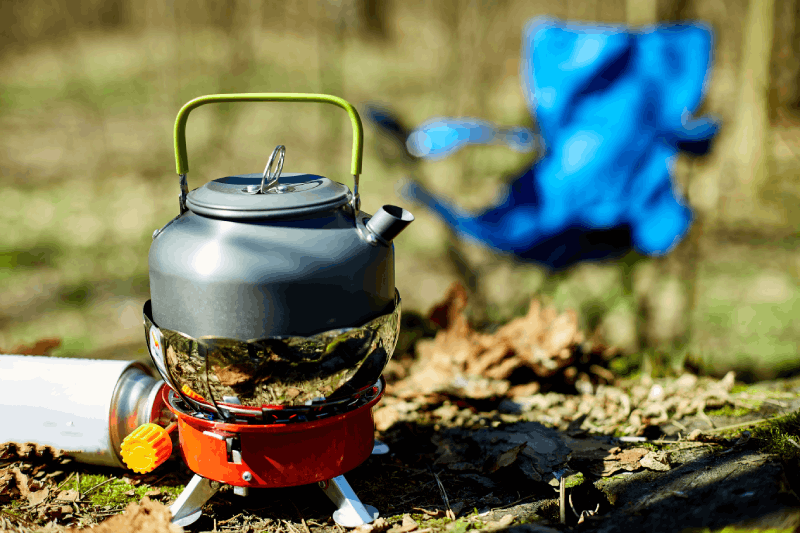
For an environmentally conscious camper, the "leave no trace" principle is the most important criterion. In this regard, single-use metal canister gas stoves are the most problematic group; because these canisters are difficult to recycle and create waste in nature. Wood stoves use natural fuel but consume dead wood in the forest and create smoke pollution. The most eco-friendly options are liquid stoves that can use biodegradable fuels or systems that use refillable large canisters. Additionally, simple habits like using a pot lid can reduce fuel consumption and minimize your carbon footprint. Just as it is important to choose the right stove, using it efficiently to minimize energy consumption is also part of our responsibility to nature.
How Should Safety Be Ensured for Camping Stoves in Families with Children?
In camps with children, safety measures should be doubled. Stoves that are low to the ground, have wide bases, and have the lowest risk of tipping over should be preferred. In models used on tables, the possibility of children shaking the table or reaching for the stove should be considered. The canister should be stored in a place away from the stove, out of direct sunlight, and out of reach of children. Additionally, children should be taught in an appropriate manner that the camping stove is not a toy and poses risks of high heat and invisible flames. For emergencies, it is essential to always have a fire extinguisher or at least a bucket of sand near the stove in family camping settings.
Are Modern Designed Minimalist Stoves Aesthetic or Functional?
In recent years, with the trends of "bushcraft" or "glamping," many stylishly designed, retro-looking, or ultra-minimalist stoves have hit the market. While many of these models are aesthetically appealing, they may not always be the most functional solution. For example, a very small and stylish rice stove may look great aesthetically but can easily extinguish in the wind or struggle to carry the pot. In camping equipment, aesthetics should come after functionality. Nevertheless, there are brands that are both visually appealing and technically flawless (such as Snow Peak, Soto, etc.). The important thing is to examine the performance tests of the stove in challenging outdoor conditions before being deceived by its exterior appearance.
Why is Spare Part Availability Important for Long-Term Use?
When you buy a camping stove, you should think not only about the present but also about the next 10 years. If you buy a no-name or very cheap stove, you may have to throw the entire device away when a small gasket tears or a valve breaks. However, spare part kits for established brands like MSR, Primus, or Coleman can be found all over the world. Reviving a broken stove in the middle of nature with a simple repair kit is critical for the continuity of your camping experience. During the purchasing phase, questioning the brand's service network, spare part availability, and how "repairable" the product is will save you from both financial and emotional damage in the long run.
What is the Difference in Combustion Between Jet Type Stoves and Standard Stoves?
Jet type stoves have advanced combustion chambers that heat the fuel before burning it, turning it into gas and providing an excellent mixture with air. These systems produce a much "cleaner" and "bluer" flame compared to standard stoves. The fuel burns more slowly to increase combustion efficiency, and soot formation on the pot's bottom is minimized. Additionally, these models generally operate more noisily, indicating high-pressure combustion inside. While standard stoves are quieter and simpler, the thermal power and wind resistance offered by jet type stoves place them in a superior position for challenging conditions.
What Certifications and Standards Should Be Sought When Buying a Camping Stove?
A safe camping stove must have passed certain international safety tests. The CE (European Conformity) mark or ISO standards indicate that the product is manufactured according to pressure tests, material quality, and leak-proof criteria. Especially in gas devices, it is important that additional features like "gas safety systems" are documented. Products manufactured without certification pose a significant risk of explosion or gas leakage in nature. When entrusting your safety to these devices, it is wise to look not only at the price but also at the engineering approvals and safety certifications behind the product.
What is the Most Suitable Camping Stove for You?
Ultimately, there is no such thing as the "best stove"; there is only the "stove that best suits your needs." If you go on picnics a few times a year, a simple canister stove will suffice. However, if you are planning to do a peak climb in winter, you will need a liquid fuel model. If you are obsessed with weight, titanium stoves are the way to go, while double-burner models are ideal for group cooking. When making your selection, you should also consider the season you will be camping in, the number of people, your budget, and your carrying capacity. Remember, choosing the right stove is not just about satisfying your hunger; it is also about ensuring your safety and peace of mind in nature. Happy camping and bon appétit!