
Is Perfect Caravan Insulation Really a Utopia?
In the world of caravans, the term "perfection" is often relative; however, technically minimizing heat transfer is an engineering achievement. Perfect insulation does not completely stop the heat from the outside environment from seeping into the interior, but rather slows this process down enough that the climate control devices inside (heater or air conditioning) can provide maximum comfort with minimum energy. In vehicles with a metal body, heat transfer occurs very rapidly, so the goal should be "thermal discontinuity" rather than 100% insulation. To achieve this goal, it is not enough to just use thick materials; the way the material is applied, sealing of gaps, and choosing the right combinations of products must also be considered. When you design every point of your caravan as if it were a thermos, you will achieve the closest result to perfection.
What is a Thermal Bridge and How Does It Sabotage Caravan Life?
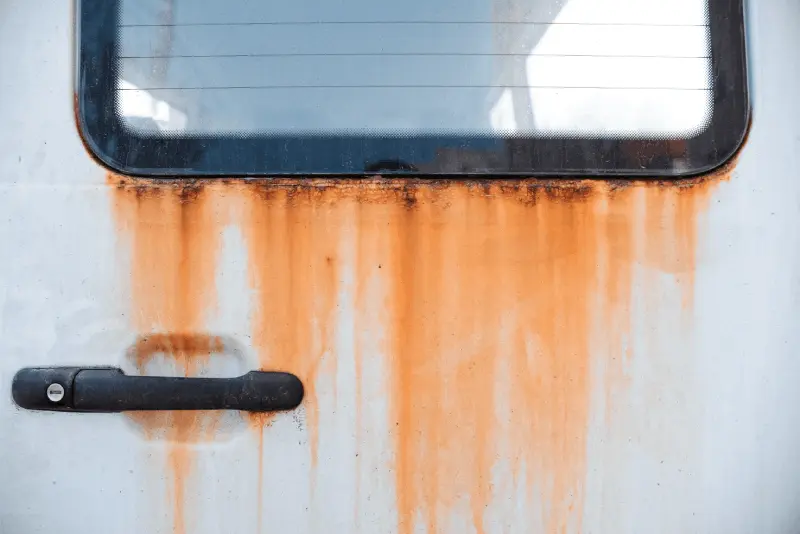
A thermal bridge is the phenomenon where a material with high thermal conductivity (usually the metal frame of the caravan) penetrates the insulation layer, allowing heat from the outside environment to be transferred directly inside (or vice versa). The sheet metal structure of caravans is an excellent conductor. If you place your insulation materials between these metal frames and leave the surface of the metal exposed, these points act as "highways" rapidly transferring heat. This not only leads to energy loss but also causes condensation (sweating) on the metal surfaces in cold weather. The condensed water seeps behind the insulation, leading to corrosion, rust, and even the formation of mold that threatens your health over time. Thermal bridges are silent enemies that render even the highest quality insulation materials inefficient.
How is Heat Transfer Cut Off in Metal Frame Structures?
The most effective way to cut off heat transfer on a metal frame is to completely eliminate direct contact between the metal and the interior. This method, known as "thermal break," requires the application of a thin but effective insulation layer on the frame. For example, after insulating between the frames, you should apply elastomeric rubber strips or sheets with a thickness of 6mm or 9mm over all metal surfaces. This layer prevents the wooden cladding inside from directly touching the metal. If it is considered that even the points where screws enter the metal create small thermal bridges, completely covering the frame means sealing all paths through which the outside cold can seep in while trapping the heat inside the vehicle.
Why is Elastomeric Rubber Foam Our Strongest Weapon?
Elastomeric rubber foam is considered the "gold standard" in caravan insulation because it has a closed-cell structure. This structure prevents water vapor from entering the material, thus the material does not lose performance over time and does not accumulate moisture. Additionally, due to its flexible structure, it fits perfectly to the curved panels and tight corners of the caravan. Its thermal conductivity coefficient (lambda value) is quite low, meaning it provides high thermal resistance even with a thin layer. Self-adhesive models ensure complete adhesion to the metal surface by preventing air gaps during application. This is a significant advantage in terms of protecting the metal surface from corrosion and contributing to sound insulation. This material, which cuts off both heat and sound, is the most loyal friend of the caravanner.
Are Aluminum Foil Tapes Just Decorative or a Strategic Barrier?
Many people think that aluminum foil tapes are used only for aesthetic purposes or to cover joints; however, these tapes are strategic moisture and heat shields. Even the millimetric gaps that occur at the junctions of insulation boards can allow moisture to pass through and cause heat leakage. Aluminum tapes seal these joints, transforming the insulation layer into a monolithic structure. Additionally, thanks to the reflective property of the foil, they help reflect radiant heat back. If you are using materials like elastomeric rubber or XPS, sealing all joints with high-quality aluminum tapes that have strong adhesion is vital for maintaining the integrity of the system. This step is one of the most significant differences between professional insulation and amateur application.
Why is Insulation Done Without a Moisture Barrier a Recipe for Disaster?
Life inside the caravan (breathing, cooking, heating) causes a high amount of water vapor to form in the air. If there is no moisture barrier in your insulation system, this warm and humid air can pass through the insulation material and reach the cold metal sheet. The vapor that hits the metal surface immediately condenses and turns into water droplets. This phenomenon is called the "dew point." When water is trapped behind the insulation, it causes the metal to rust, the wooden frame to rot, and the insulation to lose its properties. While closed-cell materials can act as a barrier on their own, sealing the joints and, if necessary, supporting them with an additional foil layer extends the lifespan of the vehicle. The moisture barrier is an invisible shield that protects the skeleton of your caravan.
Does Aluminum Frame Produce More Thermal Bridges Than Steel Body?
In terms of thermal conductivity, aluminum is a much more conductive metal than steel. This means that caravans or structures with aluminum frames are much more prone to creating thermal bridges. Aluminum transfers heat so quickly that it can reach the interior within seconds from the freezing cold frame outside. Steel bodies (classic panel vans) also have high conductivity, but...
It is effective but not as aggressive as aluminum. In both cases, it is essential to prevent the metal from coming into contact with the interior environment. In vehicles with aluminum frames, an additional thermal break layer must be added on top of the insulation, and care should be taken to ensure that the metal screws used during assembly do not create a bridge between the exterior and interior environments.How Should Expansion Gaps Be Calculated When Using XPS Foam?
XPS (Extruded Polystyrene) foam boards are excellent for providing high thermal resistance on flat surfaces. However, these boards are rigid and can expand and contract at the micro level depending on temperature changes. Since the metal body of the caravan also expands under sunlight, it is more logical to leave a few millimeters of gaps at the edges instead of placing XPS boards tightly between the metal frame in a "zero to zero" manner, and to fill these gaps with elastic insulation foams (flexible polyurethane mastics). This flexibility prevents the insulation layer from being ruptured or displaced by vibrations and thermal movements that occur during travel. Additionally, the adhesive used during the direct application of XPS to metal should not contain solvents; otherwise, the material may melt and lose its properties.
Can Spray Polyurethane Foam Completely Eliminate Thermal Bridges?
Spray polyurethane foam is the closest solution to eliminating thermal bridges in caravan insulation. When sprayed in liquid form, it seeps into the smallest pores of the metal surface, the heads of screws, and inaccessible gaps, where it expands and hardens. This creates a continuous, gap-free, and monolithic layer between the metal surface and the interior environment. Since there are no air gaps, the risk of condensation is almost eliminated. However, this method also has its risks. If low-quality materials are used or if the application is done incorrectly, the foam may separate from the metal over time, leading to water accumulation in between. Additionally, repairing or pulling cables in a vehicle where spray foam has been applied can be quite cumbersome. Nevertheless, it is unmatched in terms of thermal performance.
How Can Heat Loss Be Minimized in Caravan Window Frames?
Windows, especially window frames, are one of the biggest heat loss points in a caravan. Metal-framed windows transfer the cold from outside into the interior at bullet speed. To minimize this issue, polyurethane (double-glazed) caravan windows should be preferred. During the installation phase, rubber seals or waterproofing tapes must be placed between the frame where the glass sits and the glass frame. Inside, the gaps around the glass should be filled with elastomeric rubber foam in such a way that it does not leave any "air-gap". At night, thermal curtains (reflective barriers) installed from the inside or outside over the windows significantly reduce the effect of thermal bridges. A caravan without window insulation resembles a house with an open roof.
How Can Thermal Bridge Formation Be Prevented in Floor Insulation?
The caravan floor is often overlooked but is an area where 20-30% of heat loss occurs. The metal channels (girders) in the floor are in direct contact with the outside air. To prevent thermal bridges in the floor, a thin elastomeric layer should be placed on top of the metal sheet, followed by high-density XPS boards, and then a wooden base plate should be installed on top. The most critical point here is to avoid directly screwing the wooden plate to the metal chassis. If screws must be used, the heads of the screws should remain within the wood and be covered with an insulating paste. If possible, securing the floor layers together with high-strength elastic adhesives eliminates the risk of thermal bridges as it prevents contact with metal connection elements.
Do Ceiling Ventilation Gaps Create a Thermal Hole?
Skylights (ceiling windows) and fans are necessary for the caravan to breathe, but they are massive holes that disrupt the integrity of the insulation. To prevent thermal bridge formation in these areas, the frame where the ventilation unit sits must be very well insulated. Generally, when these gaps are cut, the metal frame remains exposed. It is necessary to cover these exposed parts with rubber bands and ensure that there are no gaps between the inner frame of the ventilation unit and the ceiling insulation. Additionally, thermal covers (insulated covers) that can be closed when fans are not in use should be used. Since warm air rises, even the smallest insulation defect in the ceiling can compromise all your heating efforts. Therefore, ceiling junction points should be sealed with surgical precision.
Do Electrical Installation Pipes Act as Thermal Bridges?
At first glance, electrical pipes may seem harmless, but empty pipes extending from the insulation to the nearby outer sheet can carry heat due to the air inside. If the ends of these pipes are open, the warm air inside can travel along the pipe and condense upon contact with cold spots. To prevent this situation, it is a good idea to seal the ends of the pipes with insulating mastic or sponge after the cable pass. Additionally, keeping the cable channels on the "hot" side (i.e., closer to the inner lining) of the insulation layer as much as possible cuts off their contact with cold metal. Thoroughly filling the gaps around the holes through which the installation passes with spray foam or insulation tapes prevents uncontrolled air flow and thus hidden thermal bridges.
What Mistakes Are Made in Wheel Arch Insulation?
Wheel arches are the thin metal surfaces of the caravan that are most exposed to both road noise and outside air. Most users mistakenly believe that simply covering this area with a thin carpet provides insulation, but this is a significant error. Due to their curved structures, wheel arches are very prone to thermal bridge formation. The insulation applied here must be both very flexible and very strong. As the first layer...
My title is a preventive finishing tape, and at least 19mm thick elastomeric rubber foam should be applied on it. It should be ensured that the material is fully adhered to every square centimeter of the sheet. If there are joints on the hood, they should be sealed with aluminum tape. Good insulation in this area not only ensures that you stay warm in winter but also significantly increases your driving comfort.
Is Wood Battens a Savior for Cutting Thermal Bridges?
Wood has much lower thermal conductivity compared to metal. Therefore, it is commonly used as a "thermal break" in caravan insulation. Mounting wooden battens directly onto the metal frame and securing the interior panel cladding to these battens prevents screws from reaching the metal, thus weakening the thermal bridge effect. However, wood itself is somewhat conductive and can be affected by moisture. For the best result, placing a 3mm thin rubber strip between the metal frame and the wooden batten completely breaks the thermal connection of the wood to the metal. This method provides a solid mounting surface and creates a multi-layered, secure barrier between the interior and the outer metal sheet.
Do Heat Reflective Foils Have an Effect Without an Air Gap?
Many people in the market who say "we use 7-layer foil" do not fully understand the working principle of this material. Heat reflective foils (radiant barriers) are designed to prevent heat transfer through radiation. For this material to be effective, there must be at least a 1-2 cm air gap between the foil surface and the other layer. If you sandwich the foil between two materials, the reflective property will be rendered ineffective because heat cannot be transferred, and the material will behave like a thin plastic sheet. If you are using foil to prevent thermal bridges, you should install it stretched over the frame, leaving a gap between it and the interior panel. This way, you will be much more successful in keeping the summer sun's heat outside.
Where Do Caravan Door Seals Stand in Thermal Leakage?
Even if you make excellent wall insulation, if your door seals are old or of poor quality, all warm air will escape through these gaps. The edges of the door are where metal is closest to metal and where airflow is most intense. A double-layer seal system should be used to prevent thermal bridges in this area. In addition to the standard outer seal, adding a secondary rubber gasket to the inside of the door will double the airtightness. Additionally, covering the inner part of the metal frame with a thin felt or rubber will eliminate that icy feeling when touched. Remember, heat is lost not only through conduction but also through convection (airflow); therefore, airtightness is critical.
How Can the Condensation (Sweating) Point Be Shifted in a Caravan Wall?
The primary purpose of insulation is to take the condensation (sweating) point away from the surface of the metal sheet and push it into the insulation material or, better yet, completely outside. If your insulation is weak, the warm and humid air inside will come into contact with the cold sheet and cause sweating. When you apply a thick and gapless insulation layer, the inner surface of the metal sheet remains close to the outside temperature, but the inside of the insulation (the living area side) will be at room temperature. In this case, the humid air cannot find a cold surface and condense. At points where there are thermal bridges, the metal sheet in that area will continue to remain icy, and sweating will only intensify at those points. "Perfect insulation" pushes the sweating point so far away from the living area that the moisture balance is maintained inside the vehicle.
Do Sound Insulation Materials Help Prevent Thermal Bridges?
Deadening sheets used for sound insulation do not actually provide thermal insulation; their job is to dampen the vibrations of the sheet. However, since these materials adhere perfectly to the metal surface, they can slightly slow down the heat transfer rate by increasing the mass of the metal. Their main benefit is to prepare a smooth and stable surface for the primary insulation material (like elastomeric rubber) to be applied on top. While it is sufficient to apply sound insulation strategically rather than covering the entire sheet, having an elastomeric layer covering every point of the sheet is much more critical in the battle against thermal bridges. In summary, sound insulation increases comfort but is not a standalone solution in combating thermal bridges; it is just a good helper.
Are Bolts and Screw Points Small Heat Pipes?
Absolutely yes. The bolts that hold the body of the caravan or the screws that secure subsequently added equipment are microscopic but effective heat pipes that transfer the cold from the outside environment directly into the interior. This is why you see small water droplets on the screw heads on the walls of a caravan in winter. To neutralize these points, you should perform the screwing operations on wooden battens added to the frame whenever possible. If the screw goes directly into the metal sheet, it is necessary to cover the screw head with an insulating cap or place a small piece of rubber tape over it. For a "perfect" result, the number of metal connection elements should be minimized, and each must be thermally isolated.
What Are the Advantages of Felt and Natural Wool Insulation Against Thermal Bridges?
Sheep wool or technical textile felts are successful in "absorbing" thermal bridges due to their fibrous structures. Unlike rigid boards, these materials can fill even the narrowest gaps and tightly wrap around the metal frame. The biggest advantage of natural sheep wool is its ability to trap moisture up to 30% of its own weight without losing its insulation properties. This provides great flexibility in terms of condensation management. However, when using fibrous materials, they must be separated from the interior with a moisture barrier, otherwise... In that case, excessive moisture accumulation can cause odor. Using felt in curved and recessed areas is a great complement for closing thermal bridges. Rigid materials (like XPS) are excellent for filling gaps.
Does the Choice of Material Play a Critical Role in Heat Transfer?
Most people think it doesn't matter what insulation material is made of, but some materials can increase thermal conductivity or worse, damage the insulation material. Solvent-based adhesives can dissolve polystyrene-based (XPS, EPS) materials, compromising their structure and reducing insulation values. Additionally, adhesives that harden and become brittle after curing can cause micro-gaps to open between the material and metal during vibration. These gaps can create air circulation, forming hidden thermal bridges. In caravans, polyurethane-based or hybrid polymer adhesives that maintain high thermal resistance and flexibility should always be preferred. The adhesive itself should also act as an insulator and create a continuous bond between the metal and the material.
Why Does Warm Air Always Find the Weakest Point Inside the Caravan?
According to the laws of physics, heat always moves towards cold and does so through the path of least resistance. Even if 95% of your caravan's walls are perfectly insulated, an uninsulated 5% area (like a corner post) becomes a "drain valve" where a significant portion of the heat inside escapes. Since warm air rises, especially ceiling corners and joints are the most risky areas. If there is an insulation defect at any point, the air in that area quickly escapes, creating a vacuum that allows warm air to enter. This continuous cycle increases your heating costs. Therefore, "homogeneity" in insulation is more important than thickness. You must ensure that every area is equally protected.
How Do Seasonal Differences Affect the Impact of Thermal Bridges?
Thermal bridges are often felt as "cold leaks" in winter, but they can be just as dangerous in summer. The metal of the caravan can heat up to 70-80 degrees under the summer sun, pumping this immense heat into the interior through thermal bridges. While dealing with condensation issues in winter, you may find your air conditioning insufficient in summer. Metal frames act like "heating resistors" in summer, turning the interior into an oven. A perfect insulation design must account for both extremes. The system that retains heat in winter must also reject radiant heat from outside in summer. Therefore, using both insulating rubbers that cut transmission and reflective foils that reflect heat is key to comfort in all four seasons.
How Are Hidden Thermal Bridges in the Caravan Detected Using a Thermal Camera?
After insulation is completed and interior finishes are done, the only way to understand if everything is in order is to use a thermal camera. On a cold day, if you heat the inside of the caravan thoroughly and look from the outside with a thermal camera, the points where heat escapes will "light up" in bright yellow and red colors. If you see a bright line in the middle of a wall panel, it indicates a thermal bridge (likely a frame left exposed). This test reveals application errors that are impossible to see with the naked eye in seconds. Professional caravan manufacturers definitely use this method during quality control. If you are building your own vehicle, renting or purchasing an affordable thermal camera attachment to test your insulation can prevent future regrets.
Why Does Closed-Cell Structure Increase the Challenge Against Thermal Bridges?
The formation of thermal bridges is not only related to metal; it also involves the movement of air and water within the material itself. Open-cell materials (like glass wool or standard sponges) absorb air and moisture. If these materials become damp, they completely lose their insulation properties due to the high thermal conductivity of water and turn into thermal bridges themselves. In closed-cell structures, each microscopic cell is sealed; neither water nor air can enter. This way, even if the material gets wet, it maintains its insulation performance. Using open-cell materials in a confined, humid, and fluctuating temperature environment like a caravan complicates the thermal bridge issue instead of solving it.
Is Covering Ceiling Beams Aesthetic or A Technical Necessity?
In most caravan designs, ceiling beams (ribs) are left exposed as a decorative element or simply covered with a thin fabric. From a technical standpoint, this is a major insulation disaster. The ceiling is the area where heat is most concentrated, and these metal beams look directly at the sky. They transmit the sun's heat or the winter chill directly inside. It is technically necessary to cover the beams with at least 6-9mm of elastomeric rubber and then close it with an interior panel. If you want an aesthetic appearance, after insulating the beams, you can add wood-like insulating boards or soft panels on top. Remember, an exposed metal beam in the ceiling can quickly dissipate all the heat from the vehicle.
Is It Possible to Design a Caravan Without Thermal Bridges in Mass Production?
In mass-produced caravans (motorhomes or trailers), it is quite difficult to completely prevent the formation of thermal bridges due to cost and speed-focused production. However, the "monoblock fiberglass" or "sandwich panel" bodies developed in recent years largely solve this problem. In these vehicles, the outer shell is not metal but composite materials with very low thermal conductivity, containing a continuous layer of foam inside. If you are converting a metal panel van (like Ducato, Master, etc.), you will need to manually complete the areas that mass production has left incomplete. Professional conversion workshops use this method to ensure quality. The frame generally leaves the carcass surfaces empty to progress quickly. Perfection is only possible with boutique and meticulous craftsmanship.
Does the Thickness of Insulation Materials Reduce Thermal Bridges?
The thickness of insulation increases the material's "R-value" (resistance to heat) but does not eliminate thermal bridges on its own. For example, even if you place 10 cm thick wool between the walls, if you leave the metal frame exposed, the thermal bridge still remains and continues to operate with the same intensity. Thickness is necessary to slow down heat transfer on large surfaces; the thermal bridge is a "detail" issue. Instead of using very thick insulation and skipping details, a system that is thinner but covers every point (including frames) continuously will work much more efficiently. Covering all metal with 19mm rubber is better than just filling the gaps with 50mm material.
How Do Air Tightness Tests Prove the Success of Insulation?
Combating thermal bridges goes hand in hand with air tightness. In the professional method known as the "Blower Door" test, the air pressure inside the vehicle is increased or decreased, and leakage points are detected. If air is leaking from a point, there is both heat loss and a potential thermal bridge there. You can use a powerful fan and a tube stick to perform this test in your caravan. By observing the movement of smoke around window edges, door seals, and plumbing transitions, you can find leaks and seal them. An air-tight vehicle can increase the performance of insulation by up to 40%. Because still air is an insulator, but moving air is a heat carrier.
Does the Type of Material Used for Interior Paneling Mask Thermal Bridges?
The cladding material you use indoors (paneling, poplar plywood, ABS plastic) can change how you "feel" the effect of thermal bridges, but it does not eliminate the problem. For example, if you directly cover metal with fabric, the surface feels "warm" when touched, but heat continues to accumulate behind it. Wooden panels are successful in masking thermal bridges due to their low thermal conductivity; they do not cause sweating on the surface but cannot prevent the metal behind from sweating. Therefore, you should see the interior cladding not just as a mask but as the final element of the insulation system. There must always be an air-tight moisture barrier and frame insulation behind the cladding. Material selection increases comfort, but the technical infrastructure ensures safety.
Do Furniture Mounting Points Pose a Thermal Risk?
Heavy furniture inside the caravan (kitchen, upper cabinets, bed) is often secured with long screws into metal frames. These screws create a thermal bridge from the outer sheet metal into the interior. Additionally, the areas behind the furniture have low air circulation, making them ideal spots for heat accumulation. To reduce this risk, "thermal spacers" can be used in furniture mounting. This means placing hard plastic or dense rubber washers between the screw and the metal. Also, insulation should never be neglected behind cabinet backs, and if necessary, small ventilation openings should be added to ensure air flow. Furniture mounting should not be an excuse to compromise insulation.
How Can the Thermal Connection Between the Caravan's Chassis and Interior Be Broken?
The chassis of the caravan is a massive metal structure that runs beneath the floor. If your floor insulation covers these chassis elements, that is why your feet always feel cold. The best technique to break the connection between the chassis and the interior is the "floating floor" method. Insulation layers laid diagonally over the metal sheet and a base plate placed on top without using any metal screws completely cuts off the cold coming from the chassis. If a connection to the chassis is necessary, composite or rubber insulation elements should be used at these connection points. A warm floor is the most critical and challenging step to achieving home comfort in a caravan.
How Does a Thermal Bridge Form During Air Conditioner Installation?
Ceiling-mounted air conditioners require a large square opening to be made in the ceiling during installation. The edges of this opening are usually where the cut metal sheet remains exposed. Due to the weight of the air conditioning unit, sometimes metal supports are added to this area. If these supports and cut edges are not insulated when the air conditioner is installed, there will be a continuous cold/hot leak from underneath the unit. When installing an air conditioner, the cut frame must be wrapped with rubber tape, and you must ensure that the unit's own airtight seal fits perfectly. Additionally, strengthening the insulation in the areas where the air conditioning ducts pass will also directly increase the efficiency of the device.
Can Low-E Coatings Be Used in Caravans?
"Low-E" (low-emission) coatings and paints are technological solutions used to reduce the distribution of heat energy. Ceramic additive thermal insulation paints applied to the outside of the caravan can reflect a significant portion of radiant energy from the sun. Inside, the use of reflective foils falls into this category. However, these products do not create miracles; they only support insulation done through conduction. While applying these coatings over metal frames provides some benefit in preventing thermal bridges, they cannot replace a physical barrier (like rubber foam). Still, especially for those traveling in hot climates, using Low-E technology in exterior paint can reduce the incidence of thermal bridges by preventing the metal from heating up in the first place.
Does the Lifespan of Insulation and Performance Loss Increase Thermal Bridges?
Insulation materials that age, shrink, or become damp over time lead to the formation of new thermal bridges that were not present initially. Especially fibrous materials like glass wool or rock wool can sag over time due to vibration and moisture effects. This sagging can lead to significant thermal bridges. In the upper parts of the wall, uninsulated gaps form and these areas turn into massive heat bridges. Likewise, the gap formed between an elastomeric sheet that is removed by the builder and the metal also reduces performance. For this reason, the materials to be used in the caravan must be "durable" and must be installed in a way that is resistant to shocks. Insulation is not a "set it and forget it" system; material selection is therefore a long-term investment.
What Heat Bridge Mistake Do DIY Caravan Builders Make Most?
The most common mistake made by those who build their own caravans (DIY) is thinking that insulation is just about "filling gaps." Leaving the metal frames (posts) exposed and only placing insulation in between means that 50% of the job is incomplete. Another mistake is "not leaving any air gaps." Small air gaps remaining between the metal sheet and insulation cause condensation; insulation must be in full contact with the metal (except for foil barriers). Additionally, neglecting the moisture barrier in humid areas such as kitchens and bathrooms is one of the biggest mistakes that can lead to the vehicle's decay within a few years. Meticulous workmanship and the "cover the metal" rule elevate DIY projects to a professional level.
Do Professional Insulation Kits Guarantee Heat Bridges?
Ready-cut insulation kits sold on the market make application easier but do not guarantee heat bridge prevention. These kits are generally designed for panel gaps. Preventing heat bridges is still in your (or your craftsman's) hands. After applying the kits, you also need to cover all remaining metal parts. Some advanced kits also include frame sealing tapes; however, even the smallest gap during application can shadow the success of the system. What matters is not that the material is a "kit," but that the application logic is based on "thermal discontinuity." Ready solutions save time, but they cannot replace careful workmanship.
What Is the Direct Connection Between Energy Efficiency and Heat Bridges?
The more heat bridges you prevent in a caravan, the less your energy needs will be. This means you can use a smaller Webasto (heater) or an air conditioner that consumes less electricity. Having your battery capacity last longer means that the load on your solar panels is reduced. Especially in "off-grid" living, every watt counts. A caravan with cleaned heat bridges can remain warm even in the lowest setting during winter, while a vehicle with poor insulation cannot prevent even the strongest heater from freezing your feet. Energy efficiency starts not only with devices but also with the shell that retains the heat produced by that device.
What Are the Psychological Effects of Heat Bridges in Winter Camps?
Insulation is not only physical but also a psychological comfort factor. When you lean against the wall in a winter camp, that icy feeling or the cold air stream seeping from the corners prevents you from feeling safe and comfortable. The smell of dampness and humidity, constant sweating on the windows, and dripping water droplets can turn camping enjoyment into a survival struggle after a while. A caravan that has completely prevented heat bridges can make you feel the warmth and comfort inside despite the storm outside, enhancing your travel experience and enjoyment. For true winter comfort, a quiet and warm environment is essential; this can only be ensured by perfect insulation.
How Do Heat Bridges Increase Cooling Costs in Summer?
Although the focus is generally on winter, caravans actually consume more energy in summer. The roof of a panel van can reach 80 degrees in summer sunlight. If the roof frames are not insulated, these frames transfer massive energy inside. While your air conditioner tries to cool the interior, the metal frames continue to heat it. This "heat exchange" causes the air conditioner to run continuously at high speed, consuming more fuel/electricity and shortening the lifespan of the device. Preventing heat bridges means leaving the scorching effects of the sun outside the door in summer. In a well-insulated vehicle, even just a ceiling fan can sometimes provide a comfortable sleep without needing air conditioning.
Are Advanced Technology Aerogel Materials the Solution for Caravans?
Aerogel is a solid material with the lowest thermal conductivity in the world and is known as "space technology." Despite being very thin (a few millimeters), it offers massive insulation power. Using aerogel sheets in caravans, especially in tight spaces (like above the posts, window edges), is revolutionary for eliminating heat bridges. However, aerogel can be quite expensive and may have a fragile structure. Nevertheless, for those without a budget issue and seeking the highest level of "perfection," using aerogel at critical transition points can elevate insulation performance to levels previously deemed impossible. The increasing use of such nanotechnological materials in future caravan insulation is inevitable.
Why Is Layered Architecture in Insulation Better Than Single Layer?
The path to perfect insulation lies in "layered architecture," where materials with different physical properties are used together. A single material (for example, just XPS) cannot solve every problem. An ideal arrangement is as follows: Vibration dampening (for sound), elastomeric rubber (for conductivity and moisture barrier), a thick gap filler if necessary (fiber felt or stone wool), and a radiant barrier on top (for reflection). Each of these layers blocks a different path of heat transfer (conduction, convection, radiation). Heat bridges cannot find a place to hold in a system where these layers complement each other. Layered construction tolerates errors and increases the overall reliability of the system.
What Is the Golden Rule for Perfect Caravan Insulation?
The golden rule, which summarizes all these technical details, is as follows: "Do not see the metal and do not touch the metal directly." If you see any exposed, uninsulated square centimeter of metal surface (screw head, rivet, frame edge) when you look inside the caravan before doing your interior cladding, your insulation is not yet complete. It is a potential thermal bridge. When you apply this rule meticulously, ensuring that there are no air leaks and that you have correctly established the moisture barrier, it means you have achieved perfection. Caravan insulation is a work of patience; the smallest attention to detail will return to you as a peaceful living space on the coldest nights and the hottest days.