Is It Really Safe to Use a Hot Water Bottle Inside a Sleeping Bag in Cold Weather?
Placing a hot water bottle inside a sleeping bag while winter camping is generally considered a safe practice when the right equipment and methods are chosen. However, the foundation of this safety relies on the quality of the equipment used and the camper's attention. A low-quality rubber bag or a lid that doesn't seal properly can lead to liters of boiling water leaking into the bag in the middle of the night. This situation not only causes you to get wet but also opens the risk of hypothermia in freezing cold conditions. To ensure safety, always conduct a leak test and avoid direct contact of the bag with your skin.
Does the Material Quality of the Hot Water Bottle Damage the Sleeping Bag Fabric?
The outer and inner surfaces of sleeping bags are typically made from synthetic materials like nylon or polyester. While these fabrics have a certain heat resistance, a hot water bottle at very high temperatures can damage the fiber structure of the fabric or its coating. Especially in down sleeping bags, excessive heat can affect the natural oil balance of the feathers, reducing insulation performance. Therefore, it is critical to always use the hot water bottle inside a cover or an extra sock to protect the fabric and ensure a more balanced distribution of heat.
How Does the Risk of Leakage Overnight Pose a Danger While Camping?
While a hot water bottle leaking in a home environment is just a moisture issue, in a tent at -10 degrees, this situation can turn into a life-threatening danger. When the insulation material of the sleeping bag (especially down) gets wet, it loses its thermal properties almost completely. Waiting inside a wet bag in the morning can cause your body temperature to drop rapidly and increase the risk of freezing. To minimize the risk of leakage, campers often prefer "Nalgene" type hard plastic bottles. These bottles are much more durable against pressure and punctures compared to traditional rubber bags.
What Temperature Should the Water in the Bag Be?
Never fill a hot water bottle with boiling water. Boiling water can degrade the material of the bag (plastic or rubber) over time and cause serious burns upon leakage. The ideal temperature is usually around 60-70 degrees. Letting the water sit for a few minutes after boiling or adding a bit of cold water can extend the life of the bag and increase the safety margin. Additionally, a very hot water bottle can cause sweating inside the bag; this sweating can lead to more moisture in the body as time goes on.
Where Should the Hot Water Bottle Be Placed in the Sleeping Bag?
Strategic placement is essential for the most efficient distribution of heat. While many campers prefer to place the bottle at the foot of the bag, the most effective area is actually the groin area or between the legs where the femoral arteries pass. The warm blood passing through these areas ensures that heat is quickly distributed throughout the body. Placing it at the foot only helps warm the extremities. Putting it in the chest area is good for keeping the heart and vital organs warm, but in this case, you need to ensure that the bag does not press against you and obstruct your breathing.
Are Rubber Bags or Hard Plastic Bottles Safer?
Durability is everything in camping conditions. Classic rubber hot water bottles can burst or pop the lid when pressure is applied while lying on them or when squeezed inside the bag. In contrast, BPA-free hard plastic camping bottles (like Nalgene) are much more resistant to high pressure and have more professional sealing systems. Additionally, these bottles can also be used to carry drinking water during the day, making them a very versatile piece of equipment. For a safety-focused winter camper, a hard plastic bottle is always a step ahead.
How Can We Protect Against Skin Burns When Using a Hot Water Bottle?
Low-degree but long-lasting heat burns, known as "erythema," occur when a hot water bottle comes into direct contact with the skin. You may not feel the pain immediately while sleeping, but when you wake up in the morning, you may see redness and blisters on your skin. To prevent this risk, you should always use the bag with a thick cover. If you don't have a special cover, wrapping the bag inside a fleece or putting it inside a clean wool sock is a great solution. Distributing heat through air rather than direct conduction is a safer way to heat.
How to Manage Moisture and Condensation Issues in Down Sleeping Bags?
When a warm object comes into contact with cold air, condensation is inevitably formed. A hot water bottle can increase the humidity level inside the bag. Down is extremely sensitive to moisture, and when it gets wet, it clumps together and loses its insulation properties. To manage this situation, ensure that the outside of the bag is completely dry and do not completely close the ventilation of the bag. Synthetic bags are a bit more forgiving in this regard, but still, the accumulation of moisture inside the bag can make you feel damp and clammy when you wake up in the morning.
Is This Method Suitable for Camps with Babies and Children?
Babies and small children cannot regulate their body temperatures as well as adults, and their skin is much more sensitive. Using a hot water bottle in camps with children requires a lot of caution. There is a high risk of the child opening the bag, causing it to burst or burn their skin. If it is to be used, the bag should be placed in a location that the child cannot reach (for example, in the space at the foot of the bag) and must be secured with very thick protection. Many experts recommend high-quality sleeping bags and thermal underwear that warm with body heat instead of water bottles for children.
What About the Air Inside the Bag?
How Does a Hot Water Bottle Affect the Risk of Explosion?
One of the biggest mistakes made when filling a hot water bottle is closing the lid without expelling the air inside. The air in the heated water expands and creates extra pressure on the bottle. This pressure can cause the rubber bags to tear at their weak points or the lid to blow off. After filling the bag, you should gently squeeze the bag until the water level reaches the mouth part to expel the air inside and then tightly close the lid. This simple step will increase mechanical safety by 50%.
Does a Cold Hot Water Bottle Draw Body Heat Back?
This is a very critical question from a thermodynamic perspective. When the water in the bag cools down and drops below your body temperature, it starts to draw heat from your body instead of providing warmth. At this point, the bag turns from a "heater" into a "heat sink." If you feel that the bag is cold (not warm, cold) when you wake up at night, you should immediately take it out of the sleeping bag. In winter camps, this period is usually between 4 to 6 hours. Sleeping with a piece of plastic containing cold water during the coldest hours of the morning will make you feel colder.
Should Chemical Heating Pads Be Preferred Instead of Hot Water Bottles?
Chemical heating pads (hand/toe warmers) are quite practical as they do not carry the risk of leaking water. However, the heat capacity of these pads cannot be compared to the thermal energy provided by one liter of hot water. Water is one of the highest materials for retaining heat and provides stable warmth for hours. Chemical pads heat a limited area and are usually single-use, which is environmentally disadvantageous. If your fear of leakage is very high, chemical pads can be a safe alternative, but it is difficult to achieve the comfort provided by a hot water bottle in real winter conditions.
Is It Logical to Use a Hot Water Bottle at Extreme Altitudes?
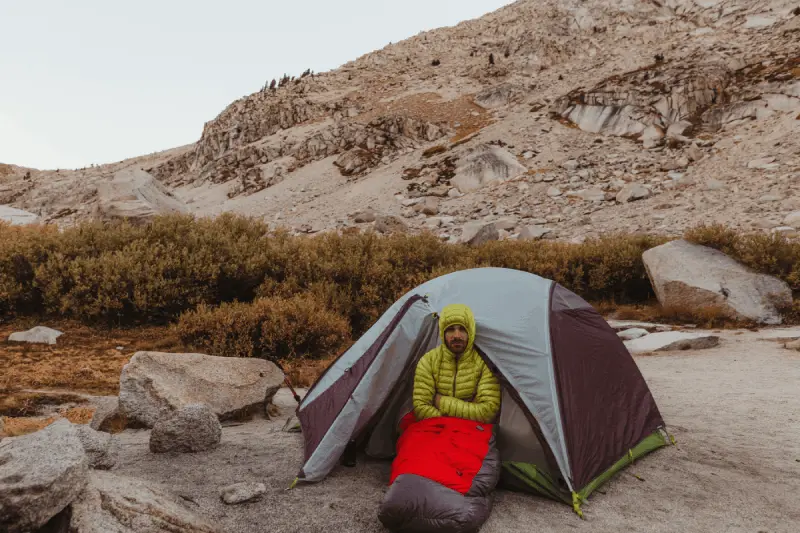
At high altitudes, the boiling point of water decreases, which means that the water in the bag is not as hot as it would be at sea level. However, the main issue is that every gram is important at altitude. Carrying an extra water bottle means extra weight. Therefore, professional climbers heat some of the water they drink during the day in Nalgene bottles and take it into their sleeping bags at night. This way, the water they drink in the morning does not freeze, and it stays warm throughout the night. This "dual-purpose use" strategy is the most logical and safe approach in extreme conditions.
What Is the Relationship Between the R-Value of a Sleeping Bag and a Hot Water Bottle?
The R-value (or comfort rating) of a sleeping bag indicates how well the bag insulates you from the outside environment. If the comfort rating of your bag is not suitable for the temperature of the environment you are camping in, a hot water bottle alone may not be sufficient. However, when used together with a quality mat and a sleeping bag with the correct R-value, a hot water bottle creates a "turbo charge" effect, enhancing your comfort. The heat escaping from the bag needs to be trapped inside the sleeping bag; if the bag is of poor quality, this heat will quickly escape, and the bag will cool down much faster.
What Should Be Considered When Filling the Bag Inside a Tent?
Dealing with hot water inside a tent is a risky endeavor. Pouring water in a confined space can lead to the sleeping bag, mat, or clothes getting wet. You should always fill the bag outside the tent or in the "luggage" (apsis) part of the tent. After the filling process is complete, you should close the lid and never put the bottle/bag inside the sleeping bag without checking for leaks by turning it upside down. Additionally, thoroughly drying any water droplets that may have splashed on the outside surface of the bottle is vital to keep the inside of the sleeping bag dry.
How Does a Hot Water Bottle Affect Blood Circulation in the Body?
Heat causes the dilation of blood vessels (vasodilation). This allows blood to flow more easily to the extremities. For people who constantly have cold feet and hands, a hot water bottle helps speed up blood flow, making it easier for the body to distribute its own heat more effectively. However, individuals with heart problems or severe circulation disorders may experience fluctuations in blood pressure due to excessive heat exposure. If your overall health is good, this method provides natural relaxation and ease of falling asleep; because heat signals to the body that it is "safe."
Can Electric Heating Pads Compete with Hot Water Bottles in Camping?
Nowadays, heating pads powered by portable power sources (power banks) are gaining popularity. These devices do not carry the risk of leaking and can maintain heat at a constant level. However, lithium batteries lose their capacity quickly in cold weather. A power bank may not deliver the performance you expect at -15 degrees. A hot water bottle, on the other hand, requires no technology; just a stove and water are enough. Compared to an electronic system that may malfunction, a hot water bottle, which is a physical heat source, always offers a more reliable backup plan in the wild.
Why Is It Mechanically Dangerous to Lie on the Bag?
Many people love to sleep with a hot water bottle under their lower back. However, placing your entire body weight (average 70-90 kg) on a hot water bottle can create enormous internal pressure on the bottle. The smallest manufacturing defect or material fatigue can cause it to burst under this pressure. The bag should always be placed next to the body or between the legs; it should not be laid directly on top. If you must warm your back, you should not place the bag between your back and the mat, but rather tuck it between a layer of clothing on top of you.
How Should Equipment Maintenance Be Done After Using a Hot Water Bottle?
After returning from camping, maintaining the hot water bottle ensures your safety for the next camp. You should completely empty the bag and leave the lid open. You should wait for the moisture inside the bag to dry. Mold or bacteria can form on wet inner surfaces, which can cause the material to deteriorate. Additionally, you should not expose rubber bags to sunlight; UV rays harden the rubber and can cause it to crack. When storing, leaving the lid slightly loose will prevent the seals inside the bag from sticking together and deforming.
What Are Alternative Heating Methods in Winter Camping?
While a hot water bottle is the most popular method, it is not the only option. Eating high-calorie meals (metabolic heat), doing light exercises before sleeping (to improve circulation), getting into a sleeping bag with dry clothes, and using a quality camping mat are essential foundations. Additionally, placing heat-reflective emergency blankets under the mat or adding a sleeping bag liner inside the sleeping bag can increase warmth by 5-8 degrees. However, no method can fully replicate the psychological and physical comfort provided by that soft and warm hot water bottle at your feet.
How Should the Bag Placement Change for Different Sleeping Positions?
If you sleep on your side, placing the bag between your knees keeps your knee joints warm and warms the main arteries running between your legs. For back sleepers, it is ideal for the bag to rest in the hip area. Stomach sleepers can place the bag under their rib cage; however, care should be taken not to apply excessive pressure on the bag in this position. The important thing is that the bag moves freely during sleep and does not slip out of the sleeping bag's opening or shift to a point that makes you uncomfortable in the middle of the night.
What Should Be Considered When Choosing a Hot Water Bottle While Buying Camping Gear?
A cheap hot water bottle bought from a supermarket is not suitable for winter camping. The product you purchase must have a statement of compliance with international safety standards such as "BS 1970:2012" on it. Attention should be paid to the quality of the seal on the cap, the depth of the screw threads, and the thickness of the material. If you prefer a bottle like Nalgene, a wide mouth increases your safety while filling it with water. Additionally, you should check whether neoprene or wool covers that will be placed over the bottle can retain heat for a long time.
Is Using a Hot Water Bottle Risky When Camping with Pets?
When camping with dogs or cats, the biggest risk is the possibility of their claws puncturing the hot water bottle. If it bursts, the animal getting burned or the sleeping bag getting wet can lead to disaster. If you want to bring a hot water source for your pet, you should do so within multi-layered protections and place it where the animal cannot directly claw at it. In most cases, the animal's own body heat and a small sleeping bag or fleece blanket specifically for it are much safer and sufficient heat sources than a hot water bottle.
How Does a Hot Water Bottle Affect Camping Performance Psychologically?
Knowing that you will be cold at night can create serious camping anxiety and stress. A hot water bottle is not just a physical heater; it is also a wonderful source of morale. Snuggling up to something warm relaxes the body and improves sleep quality. A well-rested camper will be more alert, energetic, and resilient the next day. Therefore, as long as safety precautions are followed, a hot water bottle is one of the most important accessories that determines the fine line between survival and enjoyment in the challenging conditions of winter camping.
What Are the Environmental Effects of Using a Hot Water Bottle?
Traditional rubber bags become waste when they complete their lifespan, while quality plastic bottles can be used for years. Additionally, using a hot water bottle requires boiling water, which means fuel consumption. If you have limited fuel, you need to plan for this situation. However, compared to the plastic and chemical waste created by single-use chemical heating pads, a reusable hot water bottle is a much more environmentally friendly choice. For a sustainable nature experience, choosing long-lasting, multifunctional, and quality equipment is always best.
Can the Water in the Bag Be Used for Morning Coffee or Cleaning?
The water that has been sitting in the bag overnight may still be warm when you wake up in the morning. If you used a drinkable quality bottle (like Nalgene), boiling this water again for your morning coffee saves you time and fuel. Since the water is already warm, it will reach boiling point much faster. If you used a rubber bag, this water should generally not be consumed due to its likely chemical taste; however, it should be considered a great source of hot water for washing hands or cleaning dirty pots. Not wasting any resource while camping is a professional approach.
What Should First Aid Be Like in Case of Incorrect Use?
If a leak or burn occurs despite all precautions, staying calm is vital. In the case of a burn, you should immediately cool the area with clean water at room temperature for 20 minutes (if available); applying direct snow or ice can increase tissue damage. If the sleeping bag is wet, you should immediately transfer the person inside to a dry bag or emergency blanket. Every second spent in a wet sleeping bag causes the body temperature to drop to critical levels. You should always have an emergency plan and a first aid kit for such scenarios.
Does Using a Hot Water Bottle Shorten the Lifespan of a Sleeping Bag?
Sleeping bag fabrics and insulation materials that are constantly exposed to high heat can lose their flexibility over time. Special In synthetic-filled sleeping bags, the concentration of heat at a specific point can cause the fibers to bond together (cold spots). To prevent this, it is a good idea to place the bag at a different point of the sleeping bag each night or to wrap the bag in a thick cover. Additionally, it should always be ensured that the outside of the bag is dry; because the combination of moisture and heat can trigger microbial activity (mold and odor) inside the sleeping bag.
What Should Be the Ideal Volume of a Hot Water Bottle for Winter Camping?
The issue of volume is a balance between weight and heat retention capacity. A 0.5-liter bottle cools down very quickly, while a large 2-liter rubber bag takes up too much space and is heavy. The generally accepted ideal volume is 1 liter. 1 liter of water is both manageable in weight and can retain sufficient heat until the first light of morning in a quality sleeping bag. Additionally, 1-liter Nalgene bottles are the most logical choice logistically as they fit perfectly in most camping bags' side pockets and standard cup holders.
Why Is Ventilation Important When Using a Hot Water Bottle?
The risk of sweating increases inside a heated sleeping bag. Sweating means that your body becomes humid, and this humidity can lead to shivering as it cools down in the middle of the night. When using a hot water bottle, leaving the opening of the sleeping bag slightly loose at the head end allows for the excess humid air inside to escape. Additionally, keeping the ventilation windows of the tent open prevents the accumulation of carbon dioxide inside and avoids the ceiling sagging. When you say "I will stay warm," you should not drown yourself in humidity; you need to create a balanced thermal environment.
How Can the Cooling of the Bag Be Delayed Throughout the Night?
To retain heat for a longer period, you need to insulate the bag. Just using a cover is not enough; wrapping the bag between an extra fleece inside the sleeping bag or adding a blanket inside the sleeping bag slows down the loss of heat. Additionally, ensuring that the bag does not come into direct contact with a cold mat surface or the outer edges of the sleeping bag ensures that the heat is directed only towards you. Wiping off the water droplets on the outside thoroughly before closing the lid of the bottle/bag is also a subtle but effective detail that minimizes heat loss through evaporation.
Should We Use a Hot Water Bottle in Cold Weather?
In light of all this information, using a hot water bottle in winter camping is a great comfort tool with the right equipment and conscious application. To ensure your safety, you should prefer hard plastic bottles, not skip leak tests, and always use the bag with a cover. With strategic placement suitable for your body anatomy and moisture control, you can turn freezing nights into a peaceful and warm sleeping experience. Remember that in nature, your greatest weapon is not your equipment, but knowing how to use that equipment.