Why is Toilet Selection Vital in Caravan Travel?
While caravan living promises freedom and a close connection to nature, the sustainability of this lifestyle largely depends on the efficiency of the technical infrastructure. One of the fundamental cornerstones of this infrastructure is undoubtedly the toilet system. Choosing a toilet in a caravan is not just about selecting a bathroom accessory; it also determines your route, your accommodation duration, and your daily cleaning routines. A wrong choice can turn your vacation into a "waste disposal duty," while the right choice allows you to experience the comfort of home anywhere. Therefore, understanding the differences between cassette toilets and macerating toilets in depth will directly affect the quality of your caravan adventure.
What is a Cassette Toilet and How Does it Work?
A cassette toilet is the most classic and common system in the caravan world. In this system, there is a portable waste tank (cassette) located just below the toilet unit, which can usually be removed from outside the caravan via a cover. After using the toilet, the user sends the waste to this cassette with the help of a manual or electric flush. When the cassette is full, it is pulled out from the external cover, transported to a disposal station with wheels or a carrying handle, and emptied manually. The simplicity of this system has made it a favorite among caravan enthusiasts for years, as it does not require complex plumbing and suitable disposal points can be found in almost every camping area.
What is a Macerating Toilet and How Does it Work?
A macerating toilet is a system that offers the closest experience to the comfort of a home toilet, equipped with more advanced technology. Inside these toilets, there is an electric pump (macerator) that quickly chops up waste and toilet paper into liquid form using rotating blades. The chopped waste is pumped into a large fixed "black water tank" installed under the caravan through a thin piping system. Since the waste is liquefied in this system, the disposal process is usually carried out by opening a valve and using a hose; this reduces the physical strength requirement. However, while you need to position the caravan at a disposal point for the macerating system, you can simply take the cassette tank in hand and dispose of it anywhere. This makes the cassette system more "flexible" in terms of accessibility.

What are the Advantages of a Cassette Toilet?
The biggest advantage of cassette toilets is their independence. You can remove the waste cassette without moving your caravan and take it to any public toilet or disposal area in the campsite. Additionally, these systems generally consume less water and there are models available that do not require an electrical connection (manual flush). Installation is extremely easy; there is no need to hang massive tanks under the caravan or deal with complex piping. Buying a spare cassette can instantly double your capacity, which is a significant convenience. In case of malfunction, replacing the cassette or renewing its seal is much simpler than repairing a macerating pump.
What are the Disadvantages of a Cassette Toilet?
The main disadvantage of cassette toilets is their limited capacity. These tanks, which are usually around 17-19 liters, fill up within 2-3 days of use for two people. This leads to a constant search for disposal locations. Additionally, the process of emptying the cassette can be somewhat "dirty" by nature; feeling the weight of the waste and dealing with the smell during disposal is not a pleasant situation for any caravan user. The mechanisms inside the cassette can become calcified over time or the sealing gaskets can wear out, leading to unwanted odors in the bathroom. Aesthetic-wise, the use of plastic material instead of porcelain can be seen as a drawback for those seeking home comfort.
What are the Advantages of a Macerating Toilet?
The brightest aspect of macerating toilets is the high comfort and hygiene they offer. Since the waste is liquefied immediately, the risk of clogging is reduced, and because it is transferred to a large black water tank outside, there is no waste accumulation inside the bathroom. The black water tanks mounted under the caravan can hold up to 100-200 liters, allowing you to stay for a week or longer without needing to dispose of waste. Additionally, the disposal process being done with a hose protects the user from contact with waste. Thanks to their porcelain structures, they are much easier to clean, and they provide the same feeling you have in your home bathroom in your caravan.
What are the Disadvantages of a Macerating Toilet?
The biggest challenge of this system is the installation and infrastructure requirements. The macerator...
The vacuum toilets require 12V or 24V electricity and a limited amount of water to operate. If there is a problem with your electrical system or if your tanks are empty, it may become impossible to use the toilet. Additionally, the macerator motor is quite noisy when it operates; this can disturb other passengers during nighttime use. To empty the tank, you must bring the caravan very close to a discharge point; if your caravan is large, accessing discharge points in narrow streets can turn into a nightmare. Finally, if a foreign substance (pad, wet wipes, etc.) gets into the blades inside the system, the motor may catch fire or cause a mechanical failure.Which System is More Hygienic?
In terms of hygiene, macerator toilets are a step ahead. The main reason for this is that the waste is stored in an isolated tank outside the caravan, rather than directly beneath the toilet unit. In cassette systems, waste accumulates just 10-20 centimeters below where you sit, and when the emptying cap is opened, odor leakage is inevitable. In macerator systems, waste is fragmented and removed when the flush is activated. However, in terms of cleaning routine, it is much easier to disinfect the inside of the tank in cassette toilets since the tank can be removed. It is difficult to completely clean the inside of fixed black water tanks, and over time, layering can occur on the tank walls.
Which is Superior in Terms of Ease of Installation?
When it comes to installation, cassette toilets are the clear winner. It is sufficient to open a hatch on the outer wall of the caravan and secure the toilet in place. The plumbing consists of just a clean water inlet (if there is no tank of its own) and a simple wire for the electric flush. In macerator systems, however, you need to install a heavy black water tank under the caravan, connect thick waste pipes that guarantee leak-proofing, and set up a ventilation (vent) line. Additionally, installing sensors that indicate the level of the tank requires extra labor. If you are doing the caravan yourself (DIY), a cassette toilet can save you days; the macerator system, on the other hand, requires professional engineering and leak testing.
Which System is More Economical in Water Consumption?
In caravan life, water is more valuable than gold. Cassette toilets are designed to operate with very little water (approximately 0.5 - 1 liter) to maintain their limited tank capacities. Macerator toilets, on the other hand, require more water (1.5 - 2.5 liters) to push the waste through the pipes. If you enjoy spending time in off-grid areas where water sources are limited, the macerator toilet will quickly deplete your fresh water supply. In a cassette system, it is much easier to save water by manually adjusting the flush amount. This difference makes the cassette system a more logical option, especially for those who camp in the wild for extended periods.
Who Wins in Terms of Electricity Needs?
Cassette toilets require almost no electricity. Manual pump models are completely independent, while electric models only need to run a small water pump for a few seconds. Macerator toilets, however, are significant energy consumers. The motor that fragments the waste draws high amperage. If your solar panels are insufficient or if your battery level has dropped to a critical level on sunless winter days, operating the toilet can become a major issue. Additionally, the sensors and control panels used in macerator systems also consume energy, albeit in small amounts continuously. Therefore, in energy management, the cassette system is a much safer harbor.
Which is More Effective in Dealing with Odor Problems?
Odor is the biggest fear of caravan users. Macerator toilets minimize odor formation inside the bathroom because they send waste to an external tank. However, if the ventilation of the black water tank is not done properly, odors leaking into the surrounding area of the caravan or through the ventilation pipe can be unpleasant. In cassette toilets, odors are close to the living area. To solve this problem, ventilation systems called "SOG" can be used. The SOG system ensures that when the lid is opened, air is drawn in to expel the odor outside. Using quality deodorizing chemicals (blue or green liquids) in both systems is essential for odor management.
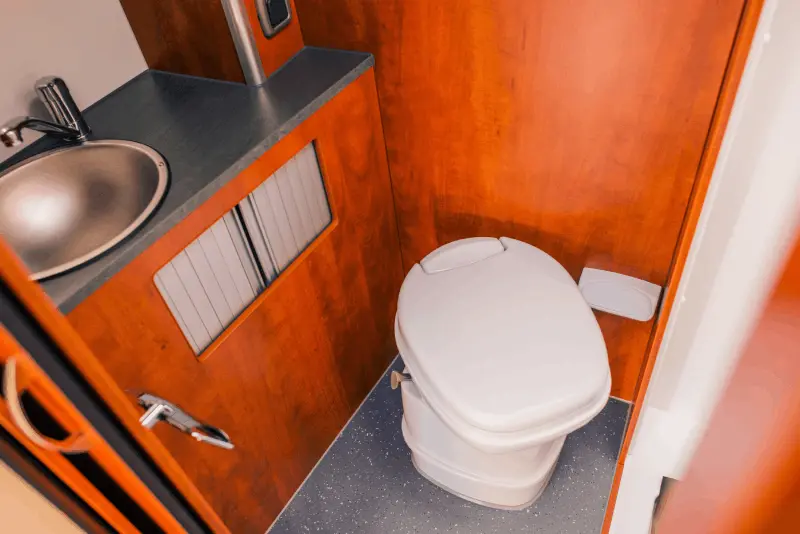
What are the Differences in Waste Storage Capacities?
In terms of capacity, macerator systems are undoubtedly superior. The standard 19-liter volume of cassette systems may require emptying once a day for a family of four. In macerator systems, however, you determine the tank capacity according to the size of your caravan. A 150-liter tank offers approximately 8 times the volume of a cassette system. This means you can travel freely without the stress of "Where will I empty?" Especially for families with children or individuals who use the toilet frequently, the volumetric flexibility offered by the macerator system is a real comfort revolution.
What are the Environmental Effects of Chemical Use?
Both systems require chemicals to fragment waste and trap odors. However, in cassette systems, the concentration of chemicals is higher because the waste is collected in a narrower space. Although eco-friendly "green" chemicals have become widespread in recent years, many cassette toilet users still use strong perfumed and harsh chemicals. In macerator systems, since the waste is already mechanically fragmented, chemical use can sometimes be limited to odor prevention purposes only. However, s The emptying of waste tanks creates a larger volume, so only discharges at official points are vital for environmental sustainability.
Which Toilet is More Durable in Winter Conditions?
If you are camping in cold climates, the freezing of the water system is your biggest enemy. Cassette toilets have a low risk of freezing because they remain inside the heated area of the caravan. In macerator systems, however, the waste tank is usually located outside, under the chassis. If the tank and pipes are not properly insulated or equipped with heating pads, the waste can freeze, causing the tank to burst or the valve to jam. It is impossible to empty a frozen black water tank. Therefore, for those planning to travel in harsh winter conditions, the cassette system offers a much smoother and more reliable performance.
Which System is Easier to Repair in Maintenance and Malfunction Situations?
Anything in the caravan can break down one day. The parts of the cassette toilet that can malfunction are clear: the flush pump, the sealing gasket, or the float. Most of these parts can be accessed by the user themselves, and spare parts are easily found worldwide. In a macerator system, however, an object that enters the motor can break the blades or burn the motor. In this case, removing the motor by mixing the liquid inside the tank with waste is extremely difficult and unpleasant. Additionally, electronic control boards or tank level sensors can also malfunction. For users with limited technical competence, the "modularity" and ease of repair offered by the cassette system is a significant advantage.
Which is More Logical in Terms of Price and Performance?
In terms of initial cost, cassette toilets are much more economical. A cassette toilet unit and installation kit can be less than half the total cost of a macerator system, including the tank, pipes, and pump. However, in terms of performance and comfort, the "long-term independence" and "home-type use" offered by the macerator system may be worth the price difference for some users. If your budget is limited and you will only use the caravan on weekends, the cassette system is the most logical investment. However, if you are planning a full-time caravan life, the comfort of the macerator system will enhance your quality of life.
Which Preference is More Suitable for Small Caravans?
In campervans or small trailers, space and weight savings are everything. The large water tank, plumbing pipes, and battery capacity required for a macerator system can strain the carrying capacity and interior volume of a small caravan. In these types of vehicles, a cassette toilet is ideal due to its compact design. It takes up no space and does not add extra weight under the vehicle. Additionally, since the bathroom area is narrow in small caravans, the swivel models of cassette systems allow you to pull the toilet aside when not in use, expanding the shower area. This flexibility is lifesaving in small vehicles.
Which System Provides Comfort for Long-Term Stays?
If you enjoy staying in one place for a week or more, a macerator toilet offers you great freedom. In a cassette system, having to remove a cassette every two days and drive to an emptying point can become a tiring routine after a while. In a macerator system, however, thanks to the large tank volume, you can focus on your vacation for up to 10 days without worrying about the toilet. Of course, the only condition for this is that you must move the caravan to go to an emptying station when your stay is over. If you plan to stay in a fixed campsite for a long time and do not want to move from your spot, the cassette system (or spare cassettes) may be more manageable.
Which System is Affected by the Difficulty of Accessing Emptying Stations?
Cassette emptying points are quite common throughout Turkey and Europe; in fact, you can even secretly empty your cassette at many gas stations or public toilets. However, black water emptying points for macerator systems (drive-over drains) are not found everywhere. Especially in pristine natural areas far from city centers, it is difficult to find a drain where you can park your caravan and open the valve. Users of macerator systems often have to plan their routes according to these emptying stations. Cassette system users, on the other hand, can sneak their cassettes anywhere in their backpack.
Is the Noise Level of the Macerator Toilet Disturbing?
Macerator toilets produce a loud sound similar to a blender that lasts about 5-10 seconds when the flush is pressed. This sound can echo quite loudly inside the caravan, especially in the quiet of the night, and may wake other sleeping individuals. Additionally, this sound can also be heard from outside, which can be a source of disturbance for your camping neighbors. The electric flushes of cassette toilets are almost silent, only a slight sound of water flow can be heard. If you are sensitive to noise or use the toilet frequently at night, you should keep in mind the noise level of the macerator system.
Is it Difficult to Carry a Cassette Toilet?
A 19-liter cassette weighs about 20 kilograms when full. Although most modern cassettes have wheels and a pull handle, dragging this cassette over rough terrain, sand, or gravel roads can be quite challenging. Additionally, lifting the cassette to the emptying point and turning it upside down to pour it out can be risky for your back health. For elderly users or those with limited physical strength, the hose emptying mechanism of the macerator system is much more ergonomic. In the cassette system, the solution is to empty the cassette before it is completely full or to prefer smaller (15-liter) models.
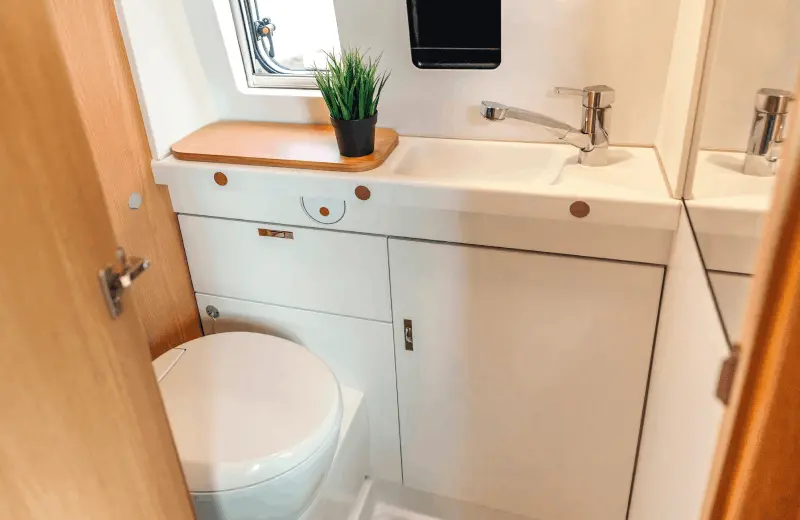
< How is the Integration of Grey Water and Black Water Tanks Done?
In macerator systems, black water (toilet waste) and grey water (kitchen and shower drainage) are usually collected in separate tanks. However, in some advanced systems, integrated flushing systems are used to clean black water pipes by utilizing the flow rate of grey water during the flushing process. In cassette toilets, the system is completely independent; the grey water tank sits separately under the caravan, while the toilet waste is trapped in the cassette. When setting up a macerator system, monitoring the levels of both tanks from a single panel and placing the flushing valves side by side significantly increases usability.
Which Type of Toilet Increases the Value of the Caravan More?
Generally, in market perception, a macerator toilet is seen as a "luxury" indicator. In large, luxury motorhomes and high-budget projects, macerator porcelain toilets are offered as standard. When selling your caravan, the statement "porcelain macerator toilet and 150-liter black water tank" can have a positive impact on buyers. However, experienced caravaners may sometimes find the reliability of the cassette system and the ease of emptying it anywhere more valuable. Still, from an aesthetic and technological perspective, the macerator system elevates the equipment level of the vehicle to a higher segment.
Which System is Safer for Families with Children?
Children may not be as careful as adults when using the toilet. In cassette toilets, if children accidentally throw a large amount of paper or foreign objects, it is relatively easy to open the cassette and clean it. In macerator systems, however, a toy or wet wipe thrown by a child can instantly jam the motor and make repairs impossible. On the other hand, the large tank capacity of the macerator system eliminates the family's daily hassle of searching for an emptying location against frequent toilet use by children. From a safety and risk management perspective, the cassette system stands out, while in terms of capacity comfort, the macerator system is preferred.
Which Experience Does Not Compromise Home Comfort?
The answer to this question is clearly the macerator toilet. The texture of the porcelain material, the size of the toilet seat and flushing mechanism being the same as at home can make you forget that you are in a caravan. No matter how high quality cassette toilets are, the plastic feel and the necessity of manually opening and closing the sliding lid at the bottom constantly remind you that "you are in a caravan." If you see your caravan as a "home" and do not want to compromise your toilet habits psychologically, the macerator system will be the best choice for you.
What is the Ideal Choice for Frequent Travelers?
For nomadic caravaners who are constantly on the move, cassette toilets are generally more practical. It is possible to empty the cassette at every campsite, marina, or public open area along the route. Traveling continuously with a macerator system requires you to ask the question "Can I flush here with a hose?" at every stop. However, if your route is generally over professional caravan parks and you have easy access to emptying stations, the infrequent emptying period offered by the macerator system will enhance your travel comfort. Still, in uncertain routes, the cassette system is always a lifesaver.
How are Spare Parts and Service Options Compared?
World giants like Thetford and Dometic dominate the cassette toilet market, and you can find parts of these brands even in the most remote corners of the world. In macerator toilets, however, finding parts (like Jabscom, TMC, etc.) can be a bit more challenging. Especially in the case of a motor breakdown, waiting for a specific brand's spare part can cut your vacation short. In the cassette system, even if the cassette itself breaks, buying a new cassette and continuing your journey is a much quicker solution. For those looking for service and parts assurance, the cassette system is a more stable choice.
What are the Differences in Aesthetic Appearance and Bathroom Design?
Macerator toilets are more stylish and modern. They allow you to use a wall-hung toilet or a stylish porcelain unit in your bathroom, just like at home. Cassette toilets, on the other hand, are usually in the form of standard white plastic blocks, and you need to shape your bathroom design according to this unit. If you aim for a minimalist and luxurious design in your bathroom, the macerator system offers you more creative space. In the cassette system, however, the design often remains overshadowed by functionality. If aesthetic concerns are an important factor determining the interior quality of your caravan, you should consider macerator models.
What are the Recommendations for DIY Caravan Builders?
If you are building your own caravan, to be honest, a cassette toilet will make your job 80% easier. Instead of dealing with complex issues like water tightness, odor insulation, and waste tank installation, fitting a ready-made kit is a great luxury. The macerator system requires welding to hang a tank under the caravan, a solid structural framework, and flawless electrical wiring. If you are not an expert in these matters, the macerator system brings along the risks of leaks and breakdowns that could cause you headaches in the future. My advice to beginners is to start with a cassette system and experience caravan life.
Which System is Emerging in Future Caravan Technologies?
Although compost toilets and incinerating toilets seem to be replacing macerator and cassette systems in the future, currently, water-saving models of macerator systems are developing. Vacuum toilet systems (like those on airplanes) promise more hygiene with less water usage as an advanced stage of the macerator system. However, in the balance of practicality and cost, cassette systems still hold a very strong position. Ibrit systems, meaning models that have both a cassette and can empty into an external tank when needed, have also started to find their place in the market.
Is it a macerator or a cassette?
In conclusion, if your budget allows, you have a large caravan, and access to dumping stations is easy, a macerator toilet offers unmatched comfort. However, if you are looking for flexibility, ease of repair, low water/electricity consumption, and adaptability to all kinds of routes, a cassette toilet is a true travel companion. My personal opinion; for beginners and those on a limited budget, the "seamlessness" of the cassette system is invaluable, while for professional campers and large families, the "capacity" of the macerator system is indispensable. You can make the most accurate decision by weighing your own needs, how often you travel, and your tolerance for dumping.