What Are the Key Elements Determining Camping Safety in Turkey?
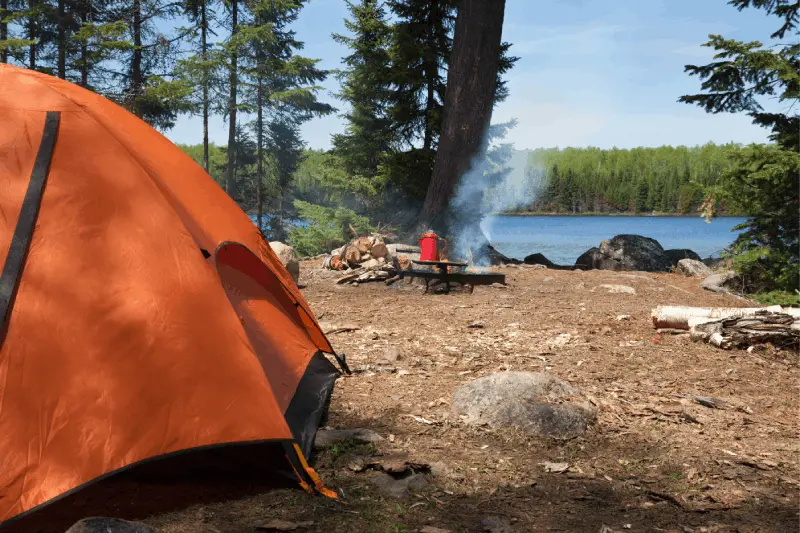
When it comes to camping safety, the first thing that usually comes to mind is wildlife, but in fact, the biggest risk factors are the weather, terrain, and level of preparedness. Turkey is a country where all four seasons are distinctly experienced and the geographical diversity is very high. While the sun may be shining in one region, a severe storm or frost may occur in another. The foundation of a safe camp is to analyze the character of the area you will be visiting during that season well. For example, the steep slopes of the Black Sea carry a landslide risk during the rainy seasons, while the scrub areas of the Mediterranean have a high fire risk in the summer months. Safety is not only about having the right equipment but also being able to read the language of nature at that moment. Therefore, when choosing the area where you will camp, you should focus not only on the beauty of the scenery but also on criteria such as accessibility, the condition of water sources, and the distance to local security forces (Jandarma).
andarma).
Why Is the Aegean Region One of the Safest Routes in Spring?
Spring is a period when nature awakens and temperatures reach the most ideal levels for camping. The Aegean Region, especially between the end of March and the beginning of June, is the safest harbor for campers. During this period, extreme heat has not yet begun in the region, and the freezing cold of winter has passed. The olive groves and coastal areas of the Aegean reduce the risk of hypothermia due to the relatively low temperature difference between night and day. Additionally, water sources are abundant in this season, and the plant cover has not yet dried out, minimizing the fire risk. The camping areas around Muğla, Aydın, and İzmir facilitate access to help in case of an emergency due to their proximity to settlements and mild climates. However, when camping in the Aegean in spring, especially in pasture areas, taking precautions against ticks and similar pests and opting for long-sleeved clothing is a critical detail for safety.
What Are the Advantages and Risks of Camping in the Mediterranean in Spring?
The Mediterranean Region is the earliest warming area in Turkey, allowing you to start the camping season at the end of February. In spring, the Mediterranean does not experience scorching summer heat or harsh winter rains. From a safety perspective, this period is advantageous due to the low risk of sunburn and the fact that creatures like snakes and scorpions in the region have not yet fully become active. However, the mountainous structure of the Mediterranean (Taurus Mountains) is prone to sudden weather changes. While walking along the coast, you may encounter a storm just a few kilometers inland and at high altitude. The most important rule for safe camping in this region is to stay away from riverbeds; because spring rains can melt the snow at higher altitudes, leading to sudden floods. Due to the limestone structure in the area, the ground can be slippery, so caution should be exercised on hiking paths. When visited in the right season, the Mediterranean is one of the safest and most peaceful stops with its fruit orchards and deep blue bays.
Is It Possible to Camp Safely in the Black Sea Plateaus During the Summer Months?
When summer arrives, Turkey's southern and inland regions are affected by scorching heat. This situation brings along risks of physical fatigue, dehydration, and forest fires. Therefore, in July and August, the safest route is the high plateaus of the Black Sea. As altitude increases, temperatures decrease, which helps campers conserve their energy. However, the key to safety in the Black Sea plateaus is managing "fog" and "sudden rainfall." Fog that suddenly descends in the Kaçkar or Artvin plateaus can reduce visibility to as little as one meter and cause disorientation. For a safe summer camp in the Black Sea, it is essential to have a GPS device or offline maps. Additionally, wildlife (especially bears) is more active in these areas. Keeping food out of reach and stored high is a fundamental necessity to keep the campsite safe overnight. If these rules are followed, the coolness and abundant oxygen of the Black Sea in summer provide the healthiest camping experience.
How to Prepare for Weather Changes While Camping in High Altitude Areas in Summer?
Camping at altitudes of 2000 meters and above in summer requires very different safety protocols compared to a camp on the coastal strip. The biggest risk at high altitude is the "microclimate" feature of the weather. This means that while the sky is clear below, a sudden thunderstorm can erupt at the peaks. To avoid the risk of lightning, the campsite should not be set up at the highest point of the ridges but rather in more sheltered and relatively lower areas. Additionally, at high altitudes, the sun's ultraviolet (UV) rays are much more intense; this can lead to severe sunburns and fluid loss. At night, temperatures can approach zero, so even in summer camping, you should definitely have a sleeping bag that can withstand 0 degrees with you. Maintaining body temperature is also important to alleviate the symptoms of altitude sickness (acute mountain sickness). Adequate water intake and gradual ascent are the fundamental elements that make high-altitude summer camps safe.
What Are the Key Points for Safe Camping in the Marmara Region Under the Colors of Autumn?
Autumn is the most magnificent period of the Marmara Region, especially along the Bolu, Yalova, and Kırklareli line. September and October are quite safe for camping due to the decrease in humidity and the stable temperatures. However, the biggest risk in autumn is the dead branches that may fall from trees and strong winds. When choosing your campsite, you should avoid areas under large branches that are referred to as "widow-makers" due to their potential to break or fall. The broadleaf forests of Marmara shed a lot of leaves in autumn; this can hide rocks or depressions on the ground, so care should be taken to avoid ankle sprains while walking. Additionally, hunting activities increase during this season. For your safety, it is advisable to prefer official camping areas or, if you are in the forest, to wear visible (fluorescent) clothing to ensure hunters can see you. In this region, where the wild boar population is high, making noise in the evening will help signal your presence and prevent encounters.
How to Manage Wildlife Risks While Camping in Bolu and Surroundings in Autumn?
Bolu, the Yedigöller, and Aladağlar region is one of the richest areas in Turkey in terms of wildlife. Autumn is the most active period before the hibernation of the months, and animals are searching for food. From a safety perspective, this requires campers to pay maximum attention to food discipline. No food, scented items like toothpaste or perfume should be left inside the tent. These items should be stored at least 50 meters away from the tent, hung from a tree, or kept in odor-proof containers. It is also normal to hear wolf and jackal sounds around Bolu; however, these animals usually avoid humans. Keeping the campfire alive in a controlled manner at night or placing battery-powered lights around the tent can be deterrents. The main danger is trying to feed wild animals; this can lead to the animal becoming accustomed to humans and becoming aggressive. While camping in the pristine nature of the region, you should always have a whistle and a powerful flashlight with you to complete your passive defense measures.
Is Camping on the Mediterranean Coasts Safe in Winter?
While the rest of Turkey is under snow in winter, the Mediterranean coasts (Antalya, Kaş, Fethiye line) are a warm refuge for campers. From a safety perspective, it can be described as "comfortable and safe" since you do not have to deal with extreme cold. However, the biggest danger in winter in the Mediterranean is storms and whirlwinds. Strong winds from the sea can blow away your tent or large waves can flood the coastal campsites. Therefore, it is vital to set up your tent a few meters above sea level and behind natural barriers (rocks, dense trees) that break the wind. Additionally, the humidity level in the region is very high in winter; this can prevent your clothes from drying and cause your body temperature to drop slowly. You should prefer synthetic or woolen clothing to reduce the effects of dampness. The Mediterranean coasts in winter are the safest area for beginners with insufficient equipment since there is no risk of snow, but it is essential to monitor the weather every 24 hours.
What Precautions Should Be Taken Against Freezing Risks While Camping in the Harsh Winter Conditions of Central Anatolia?
The Central Anatolia Region becomes one of the coldest places in Turkey during the winter months due to the influence of the continental climate. Camping in the Eskişehir, Ankara, or Cappadocia area requires serious technical preparation. The biggest safety risks here are "freezing" and "snow blindness." In this geography, where nighttime temperatures can drop to -20 degrees, you must use a 4 or 5-season tent, a high-insulation mat (R value 4+), and a technical sleeping bag. To prevent freezing, you should keep your body's extremities (hands, feet, ears) dry and warm. Placing a hot water-filled bottle inside your sleeping bag before going to sleep is an effective method to help maintain body heat. Additionally, finding your way in the plains of Central Anatolia can be challenging when everything is covered in snow. Therefore, it is advisable not to stray too far from main roads and settlements, as this will facilitate evacuation in emergencies. The continental climate does not forgive; you should always dress and prepare for the worst-case scenario.
What is the Best Season for Camping in the Challenging Geography of Eastern Anatolia?
Eastern Anatolia is the most challenging yet rewarding area for camping due to its high altitude and harsh climate. From a safety perspective, the most suitable time frame for this region is between late June and early September. The winter months are only suitable for professional climbers due to the risk of avalanches and closed roads. Even in summer, nighttime temperatures in Eastern Anatolia can drop significantly, so thermal preparation should always be a priority. Another important issue regarding the safety of the region is geographical isolation. Reaching the nearest settlement in case of a problem can take hours. Therefore, when camping in Eastern Anatolia, you should definitely have a "communication plan"; inform a relative about your whereabouts and, if possible, use devices that can send messages via satellite. Since livestock activities are prevalent in high plateaus, you should also be cautious of shepherd dogs; if you encounter these dogs, remain calm and leave the area.
How Do Ground Structure and Terrain Safety Affect Choosing a Campsite?
The physical characteristics of the place where you will set up your tent are a silent but critical factor that determines your safety throughout the camping experience. Camping in sloped areas is not only uncomfortable but also dangerous. In heavy rain, water accumulating in sloped terrain can seep under your tent, leading to heat loss and equipment damage. The ideal campsite is a flat area with a slight elevation. The ground... As for the structure, very soft soils can cause excavations to emerge in the wind, while very hard or rocky grounds can lead to the deterioration of insulation. For safety, you should never set up your tent in dried riverbeds; these beds are the routes for sudden floods known as "flash floods." Additionally, cliff edges or slopes with loose rock structures are places to be avoided due to the risk of rockfalls. Choosing the right ground not only improves your sleep quality but also protects you from unexpected physical reactions of nature.
What Are the Seasonal Dangers of Camping by Rivers and Lakes?
Waterfronts are among the most preferred but also the riskiest areas for campers. Seasonally, especially in the spring months when the snow melts, river levels can rise within minutes. At lake shores, the ground can become marshy, which can turn the campsite into a swamp. As a safety rule, camping should be at least 50 meters away from the water level and preferably at a higher elevation. In the summer months, waterfronts are breeding grounds for mosquitoes, midges, and other pests; this increases the risk of infections and sleep disturbances. Additionally, waterfronts are the main corridors where local wildlife comes to drink water. Blocking an animal's water path can lead to unwanted encounters. In winter, camping on frozen lake surfaces can result in fatal outcomes due to the breaking of ice. Water, as much as it is a source of life, can turn into the biggest safety threat to camping if not careful.
When Do Forest Areas Have the Highest Fire Risk?
As Turkey is a Mediterranean country, it is particularly under serious threat of forest fires during the summer and early autumn months. Lighting a fire while camping in the Aegean and Mediterranean forests between June and September is not only prohibited but also poses a significant safety risk. Dry grass and low humidity can turn a small spark into a massive fire. Safe camping during these months requires not using open flames and completely removing fire from your life. If you are allowed to light a fire in a designated area, you should surround the fire with stones, check the distance to the branches above, and make sure to extinguish it with water and soil before sleeping. A fire can not only destroy nature but can also encircle you. When camping during periods of high fire risk, you should always have an escape route and park your vehicle ready for a quick exit.
Why Is the Seasonal Suitability of Camping Equipment Vital for Safety?
Using the wrong equipment is the most common mistake that jeopardizes camping safety. Going winter camping with a summer tent can not only lead to discomfort but also cause the tent to tear under wind or snow load, leaving you unprotected. Choosing safe equipment must fully comply with the seasonal conditions. For example, using a tent with low hydrostatic head on rainy autumn days can invite hypothermia by allowing water inside. The sole structure of your boots should be chosen to prevent slipping on wet rocks (e.g., Vibram). In winter camping, the most important equipment is the mat; as cold ground drains your energy more than cold air. Safety begins with knowing the limits of your equipment. It is vital to know how to use your equipment in an emergency, not just having tested it in your garden or on your balcony before camping. Quality equipment is not a luxury; it is your insurance in nature.
In Which Season Does Sleeping Bag and Mat Selection Become a Matter of Survival?
The sleeping system is a matter of life and death, especially in late autumn, winter, and early spring. The "Comfort," "Limit," and "Extreme" ratings on sleeping bags must be read correctly. For safe sleep, you should always refer to the "Comfort" rating; the "Extreme" rating only indicates that you can survive inside that bag for 6 hours without freezing but may suffer serious damage. The mat prevents your body heat from being absorbed by the ground. Using a mat with a low R-value in winter means you will freeze even if you have the best sleeping bag in the world. Especially when camping in regions like Eastern Anatolia or Central Anatolia, the choice of mat and bag is not a comfort preference but a life-saving decision. Hypothermia starts while sleeping and is often unnoticed. Therefore, a sleeping system with appropriate insulation values for the season is at the center of camping safety.
What Are the Methods for Storing Food and Keeping Wildlife Away?
90% of safety issues related to wildlife stem from food management errors. Animals generally fear humans, but the smell of food can suppress that fear. In the summer and autumn months, the smell of food spreads further with the heat. For safe camping, "bear canisters" or "odor-proof containers" should be used. Food should be stored at least 50-100 meters away from the tent, in a downwind location, and at least 3 meters off the ground. Not only food; scraps, dishwater, and even personal care products (perfume, soap) can attract animals. A distance should be maintained between the cooking area and where the tent is set up. To prevent animals from entering the campsite, no food scraps should ever be left around. Being a "clean camper" in nature is the golden rule for a peaceful and safe stay with wildlife.
In Which Areas Should You Be More Careful About Insect, Scorpion, and Snake Bites?
Small creatures can sometimes be more dangerous than large mammals. Especially in the Aegean, Mediterranean, and Southeastern Anatolia regions, scorpion and snake activity is high in spring and summer months. For safety, the tent zipper should always be kept closed. Before putting on your boots, it is essential to turn them inside out and check inside; this is the simplest yet most effective measure against scorpion stings. Camping area... When setting up your camp, you should avoid rocks and fallen wood logs, as these are the habitats of these creatures. The risk of ticks is particularly serious in the humid, long-grassed areas of the Black Sea and Marmara regions between April and October. It is vital to tuck your pant legs into your socks and conduct a body scan during your camping trips. Always carry a suitable first aid kit and any relevant medications if you have allergies. These small precautions can prevent your camping trip from ending up at a health center.
How to Protect Against Storms and Lightning Risks During Seasonal Transitions?
April-May and September-October are the periods when atmospheric instability is at its highest. During these seasons, suddenly developing "cumulonimbus" clouds can lead to severe storms and lightning strikes. For safety, you should continuously monitor the sky. If you find yourself caught in a storm and there is a risk of lightning, you should stay away from the highest object in the campsite (like a solitary tree). Tents with metal poles can attract lightning; in this case, you should exit the tent and crouch down at a lower point, keeping your feet together. In stormy weather, the direction of the wind can change suddenly, so you must securely anchor the guy lines of your tent. To prevent wind from entering the tent through the door, you should set the door facing away from the wind. When checking weather reports during seasonal transitions, it is important to examine not only "rain" but also wind speed and pressure changes to enhance your safety.
How Can Communication and GPS Technologies Enhance Safety While Camping?
In modern camping, technology is the greatest safety supporter. Finding your way in foggy weather or dense forested areas (Black Sea, Bolu) can be difficult even for professionals. Offline maps (like AllTrails, Komoot, Gaia GPS) can be lifesaving in areas where your phone has no signal. However, there is always a risk of your phone's battery dying; therefore, you should always carry a fully charged power bank and a mechanical compass/map. For higher-level safety, devices that can communicate via satellite, such as "Garmin InReach" or "SPOT," allow you to call for emergency help even in areas without GSM signal. These devices enable you to share your location in real-time with your loved ones. Remember, even the best technology is useless if you don't know how to use it. Testing your devices and checking spare batteries before camping is the first step in technological safety.
What Are the Seasonal and Regional Recommendations for Solo Campers?
Camping alone is a wonderful way to connect with nature, but the responsibility for safety doubles. The safest areas for solo campers are the Aegean and Marmara coasts, where the phone signal is strong and access is easy. Seasonally, late summer or mid-spring should be preferred when the weather is more predictable. The biggest rule for a solo camper is "informing". You must inform at least two people about your exact location, where you will set up camp, and your return date. Additionally, carrying a personal safety device like a stun gun or pepper spray (which is also effective against animal attacks) ensures psychological and physical safety. Solo campers should avoid risky actions (like difficult climbs, swimming in deep waters, etc.) because there is no second person to help you if something happens to you.
What Is the Safest Camping Season and Area for Families with Children?
Camping with children is excellent for instilling a love of nature in them, but safety standards must be maximized. The safest period for families is June or September when nights are not too cold. In terms of location, official camping areas that offer toilets, clean water, and electricity (like the Aegean and Mediterranean coasts) should be preferred over pristine areas with limited facilities. For the safety of children, the campsite should be away from water edges or cliffs. Teaching children the boundaries of camping, giving them a small whistle, and dressing them in bright colored clothes makes it easier in case they get lost. Additionally, a first aid kit suitable for children's needs and plenty of sunscreen/insect repellent should be carried. A safe family camping experience is possible with pre-planned logistics and a location chosen according to the children's needs.
How to Ensure Safety from Tides and Waves in Beach Camps?
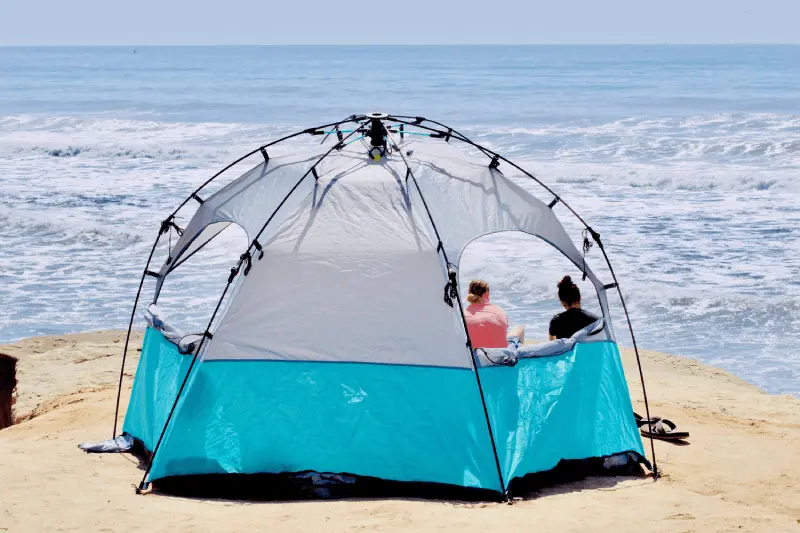
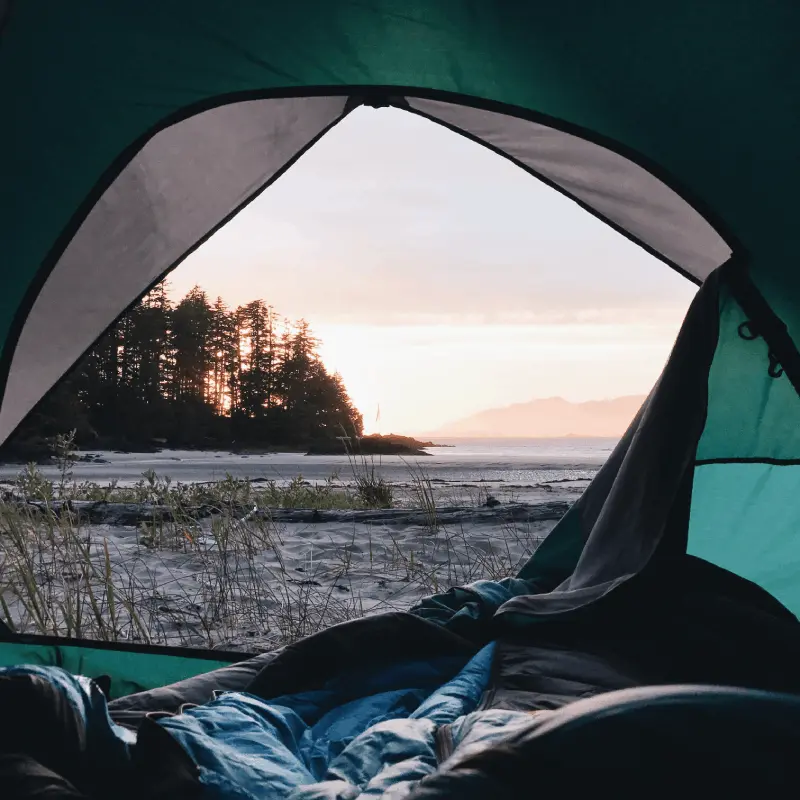
Many campers dream of waking up right by the sea, but the sea is more unpredictable than it appears. Although there are no large tides like in oceans in Turkey, especially in winter and spring, the phenomenon known as "storm surge" can raise sea levels. If water enters your tent while you sleep at night, it not only wets your belongings but can also put you in a panic and dangerous situation. For safety, you should always set up your tent at least 10-15 meters back from the last trace of water (usually the line where seaweed or waves have left debris). Additionally, sandy grounds do not hold stakes well in the wind; therefore, you should use sand stakes or place heavy rocks on the stakes. While camping by the sea, the salty moisture from the wind can damage your equipment (especially zippers); rinsing camping equipment with fresh water is necessary for long-term safety/maintenance.
What Are the Hidden Dangers of Camping in Caves and Rocky Areas?
Caves or large rock shelters may seem appealing for protection from wind and rain, but they carry serious safety risks. The biggest danger in rocky areas is "rockfall." Especially in the spring months when the freeze-thaw cycle occurs, rocks can loosen and fall on you. Caves are often home to wild animals (bears, bats, snakes). Additionally, the airflow inside the cave can be unpredictable. The heating may be insufficient, and if you light a fire inside, you may experience carbon monoxide poisoning. Water leaking from the cave ceilings can challenge the waterproofing of your tent. For safety reasons, it is better to set up your tent at least 20-30 meters away from these rock masses, rather than directly underneath them. If you are going to use a rock shelter, you should check the stability of the ceiling and ensure that the entrance and exit paths are clear.
The Importance of First Aid Knowledge in the Campsite and What Are the Seasonal Scenarios?
First aid in nature is the art of stabilizing the situation until professional help arrives. You should update your first aid knowledge according to seasonal risks while camping. In summer, sunburn and dehydration (fluid loss) are the main concerns; you should know how to cool down and maintain electrolyte balance. In winter, you should recognize the signs of frostbite and hypothermia, and learn how to warm up an ill person (slowly and from the center outwards). Using a tourniquet and making a splint for cuts or sprains that can occur in every season are basic knowledge. The contents of the first aid kit you carry should also vary according to the season; in winter, thermal blankets and heating pads should be prioritized, while in summer, sunscreen and allergy medications should be included. Most importantly, you should receive this training from professional institutions to avoid panicking in case of an accident. Knowledge is your lightest yet strongest equipment.
Why Are Regional Permits and Gendarmerie Notifications Essential for Safety?
In Turkey, some regions are classified as military restricted areas, conservation areas, or national parks under protection. Camping in these areas without knowledge can lead to legal issues and security risks. Especially in the Eastern and Southeastern Anatolia regions, it is a vital safety rule to obtain information from local authorities or the nearest gendarmerie station before camping. Knowing where you are helps the gendarmerie to initiate search and rescue operations in case of a potential loss or accident. Additionally, local security forces can provide you with the most accurate information about current wildlife activity or road conditions in the area. When you set up camp in a region, it is part of "responsible camping" to note the number of the nearest gendarmerie station and inform them briefly.
How Should Night Vision and Lighting Systems Be for a Safe Camp?
At night in nature, it means pitch darkness, and losing mobility in this darkness is a significant safety concern. For a safe camp, you should have at least two different lighting sources: a headlamp and a camping lantern (flashlight). A headlamp is the most practical tool for cooking or exiting the tent in an emergency, as it keeps your hands free. It is also important that your lights have a "red light" mode as well as a "lumens" value; red light does not disrupt your eyes' adaptation to darkness and attracts fewer insects. Being able to see around your campsite at night warns you of an approaching animal or an obstacle you might trip over. Also, remember that batteries drain faster in the cold; protect them with your body heat (in your pocket) during winter camps and always carry spares. Light not only helps you see but also ensures you are seen (like a call for help).
How Does Choosing a Camping Partner and Group Dynamics Affect Safety?
Safety is not only related to external factors but also to communication within the team. The experience level, physical condition, and calmness of your camping partner during a crisis determine the fate of the camp. Especially in challenging seasons (winter or high altitude), going with an experienced partner reduces risks. In group camps, the rule of "moving according to the slowest person" is fundamental to safety. If someone in the group gets tired or injured, it affects the safety of the entire group. Distributing tasks within the group (responsible for fire, responsible for food, responsible for the route, etc.) helps prevent chaos. Knowing everyone's health status and allergies before the camp increases the speed of intervention in an emergency. An incompatible group or a friend who poses excessive risks can be more dangerous than the harshest conditions of nature. Trust begins with the right camping partner.
What Is the Impact of Sustainable Camping and Protecting Nature on Safety?
"Leave No Trace" principles not only protect nature but also ensure the safety of the camper. For example, not leaving your trash behind prevents wildlife from becoming accustomed to that area and posing a threat to future campers. Not leaving a fire trace prevents organic matter underground from continuing to burn and causing a forest fire days later. Not disturbing the natural vegetation ensures the ground remains stable and reduces the risk of erosion/landslides. The more respect you show to nature, the safer an area it provides for you. Sustainable camping is the art of existing within nature without disrupting its balance. When this balance is disturbed, unexpected natural disasters or aggressive wildlife may arise. For future generations to camp safely, we must be disciplined today.
What Are the Effects of Seasonal Allergies and Natural Conditions on Health?
Camping safety is not only related to physical injuries; chronic or seasonal health issues are also risk factors. For someone with pollen allergies in spring, Marmara or Aegean forests can lead to serious respiratory issues. In summer, humid Mediterranean camps can be risky for heart and blood pressure patients. In winter, dry and cold weather can trigger asthma. Researching the seasonal allergens and air quality of the area where you will camp in advance is crucial for bringing the right medications with you. is critical. Additionally, when water consumption and nutritional balance are disrupted in nature, the immune system weakens, making you susceptible to diseases. You should never forget that your health is your greatest asset in nature and must never ignore the signals your body gives (extreme fatigue, dizziness, etc.).
Why Are Camp Return Safety Checks and Equipment Maintenance Important?
A safe camp starts at home. The checks you perform during your camp return guarantee the safety of your next camp. A wet tent molds and its fabric structure deteriorates, losing its waterproofing; this means you will get wet on your next camp. Airing out sleeping bags and storing them without compression ensures they maintain their insulation properties (loft value). Additionally, you must check yourself for ticks or similar parasites during your camp return (some symptoms may appear days later). You should immediately repair any small damages to your equipment (tears, broken poles) so that you are not left helpless in nature next time. Safety is a cycle, and the most important link in this cycle is the constant care you show to your equipment and yourself. Well-maintained equipment is your most loyal companion in nature.
Which Season and Where Is the Safest?
In summary, camping safety in Turkey is like a seasonal chess game. In spring, the warm shores of the Aegean and Mediterranean, in summer, the cool plateaus of the Black Sea, and the eastern Anatolian plateaus, in autumn, the colorful forests of Marmara, and in winter, the Mediterranean coasts with no frost risk are the safest options. However safe a region may seem, personal preparation, proper equipment, and respect for nature are unchanging safety rules. Nature should not be seen as an enemy; as a host with rules, it will embrace you safely in every season and every region. Be planned, arm yourself with knowledge, and enjoy nature!