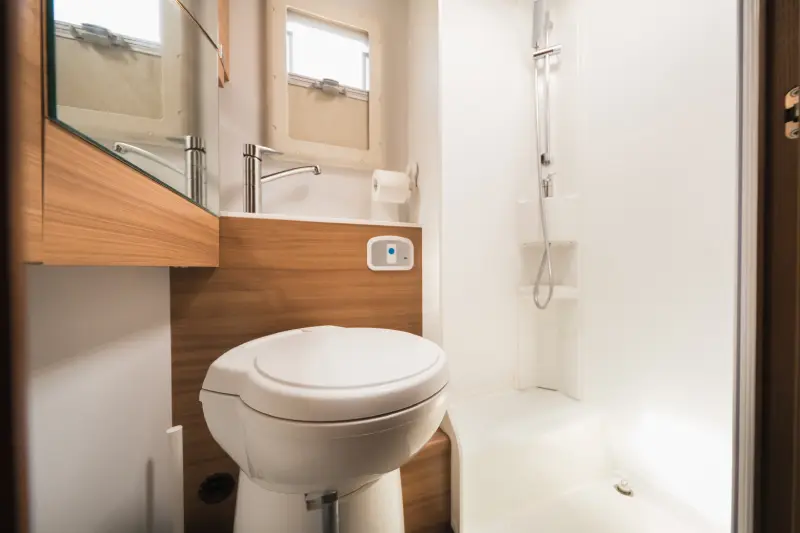
How Does the Cassette Toilet Mechanism Work?
The cassette toilets used in caravans operate on a principle quite similar to the systems in our homes, but the biggest difference is that the waste goes into a portable tank called a "cassette" instead of the sewage system. A sliding cover located just below the toilet ensures that the waste falls into this tank. When the flush button is pressed, water from the clean water tank cleans the toilet, and when the sliding cover is closed, the mechanism prevents odor transfer thanks to the sealing gaskets. This closed circuit system allows caravan users to enjoy freedom of movement while also requiring certain disciplines regarding waste management. It is vital for the gaskets to be well-maintained for the mechanism to function properly.
What is the Main Source of Bad Odors?
The primary cause of bad odors in cassette toilets is the fermentation of waste accumulating in an oxygen-free environment. The bacteria in human waste start producing methane and sulfur gases when trapped in the tank. If the chemical or biological balance inside the cassette is disrupted, these gases spread into the caravan every time the lid is opened. Additionally, the drying or contamination of the cassette's sealing gasket can cause gas leakage even when the lid is closed. Hot weather conditions can accelerate the activity of microorganisms, leading to faster and more intense odor formation. Therefore, to prevent odors, not only masking is required, but also waste fragmentation and gas control.
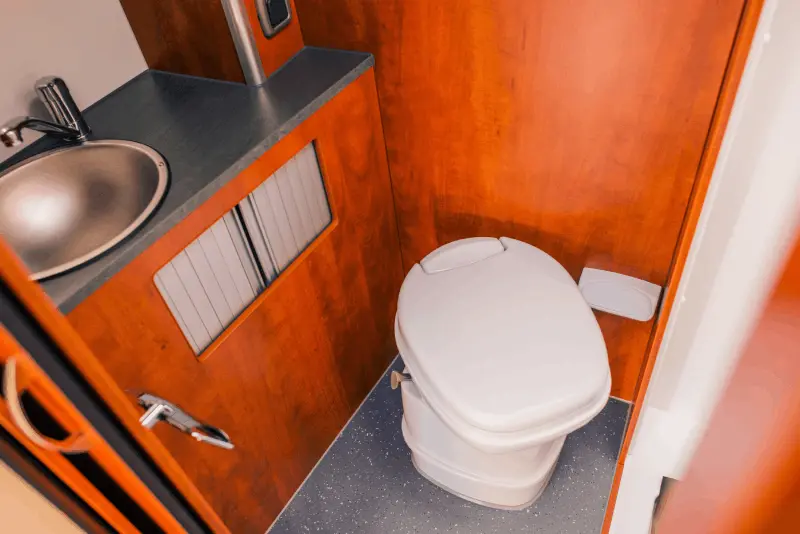
Does the Sealing Gasket Prevent Odors?
The most critical part of cassette toilets is the rubber sealing gasket surrounding the sliding cover. This gasket ensures the physical connection between the cassette and the toilet and acts as a barrier preventing the bad gases inside the tank from leaking into the living area. Over time, urine deposits, lime, or incorrect cleaning chemicals can harden the gasket, creating microscopic cracks. This situation can cause a constant slight odor inside the caravan even when the sliding cover is closed. To extend the life of the gasket and ensure complete sealing, it should be regularly lubricated with silicone-based sprays. If the gasket has lost its functionality, odorless use is not possible.
Are Blue Liquids Safe?
The most well-known "blue liquid" or "blue tablet" products on the market have strong chemical formulations. The primary purpose of these products is to quickly liquefy waste and toilet paper and completely kill the bacteria that cause gas formation. While masking the existing odor with the perfume in their content, they stop the biological process thanks to their active ingredients. However, these chemicals are quite harsh on nature; older generation products that may contain substances like formaldehyde can harm septic tanks and the environment. Although modern blue liquids have been made safer, the cassettes in which these products are used must only be emptied at official disposal points.
Are Environmentally Friendly Green Liquids Effective?
Green-labeled toilet chemicals are biological alternatives developed for environmentally conscious caravan users. While blue liquids work by killing bacteria, green liquids break down waste using "good bacteria." These products do not harm septic tanks and are biodegradable. In terms of performance, green liquids are generally effective in controlling odor for about 3-4 days. However, they may not perform as strongly as blue liquids in very hot weather or if the cassette remains full for more than 4 days. When used with the correct dosage and regular disposal periods, these environmentally friendly options are more than sufficient for an odorless experience.
Which is Better: Tablets or Liquids?
The use of liquids and tablets (pills) is a constant topic of discussion among caravan users. The biggest advantage of liquid products is that the dosage can be adjusted by the user according to the cassette's fill level or air temperature. However, they carry the risk of spilling during storage. Tablet-form products offer ease of use; it is enough to drop one into the cassette while preparing it, eliminating the need for measuring. Tablets are generally more concentrated and take up less space during transport. If you want to optimize the dosage yourself and reduce costs, you should choose liquid; if you are looking for the convenience of "drop and forget," you should prefer tablet form. Both methods yield similar results in odor management when used correctly.
How Does the SOG Ventilation System Work?
The SOG system is a mechanical solution that eliminates odor problems in caravan toilets. This system consists of a small exhaust fan that activates when the toilet sliding cover is opened. The fan draws air from inside the cassette and expels it into the atmosphere through an external carbon filter. During this process, a negative pressure is created inside the cassette, making it impossible for odors to escape when the sliding cover is opened; instead, air flows in from outside. In a caravan equipped with the SOG system, the use of chemicals becomes optional, as the system continuously expels gases outside, preventing odor accumulation inside. This is both an economical and ecological solution.
When Should the SOG Filter Be Changed?
The most important part of the SOG ventilation system is the active carbon filter that prevents discomfort to people outside by filtering the air released outside. The pores of this filter can become clogged over time with odor molecules. If the filter is not changed, the fan will continue to operate but will not filter the smell, which can create an unpleasant situation for your camping neighbors. Regular changes ensure the system operates quietly and efficiently.
Can Waste Be Broken Down with Natural Methods?
For campers who do not want to use chemicals, natural methods are always a topic of curiosity. However, since cassette toilets do not have a large volume like those at home, natural processes work very slowly. Some users utilize agricultural "beneficial bacteria" supplements or biological enzymes to break down their waste. These enzymes can liquefy the waste but may be insufficient in masking the odor. For a completely natural process, the cassette must be continuously ventilated and the ambient temperature optimized. If only natural methods are to be used, emptying the cassette every day and adding plenty of water can help slow fermentation, keeping the odor at manageable levels.
Is Using Household Fabric Softener Harmful?
Pouring household fabric softener into the toilet cassette is often discussed as an "RV hack" on the internet. Softeners smell great and create a slippery layer on the inner surface of the cassette, preventing waste from clumping. However, softeners are not a "waste breaker." They do not liquefy the waste, and the perfumes inside can only mask the odor for a very short time. More importantly, some chemicals in softeners can damage the rubber seals of the cassette, causing them to dry out and crack. Using products not designed for odor management can lead to more costly leaks and repair issues in the long run, so it is best to avoid them in favor of professional products.
Does Borax Completely Eliminate Odor?
While borax is a natural mineral that works wonders in cleaning, it is not the "ultimate solution" for a caravan toilet cassette on its own. Borax has mild antiseptic properties and can absorb some odor, but it does not have the enzymatic power to break down solid waste and toilet paper. Some campers mix borax with baking soda and castile soap to create a mixture. This mixture can help keep the inner walls of the cassette clean and provide mild disinfection. Still, its effectiveness will be limited in extreme heat or heavy use. It can be used as a natural aid but must be supported by a professional odor eliminator product.
Does Laundry Detergent Damage the Seal?
Laundry detergent is very powerful in killing germs and eliminating odors, but it is one of the biggest enemies for caravan toilets. The mechanism of cassette toilets is based on plastic and rubber. Laundry detergent (sodium hypochlorite) quickly destroys the elasticity of these rubber seals, hardening them and making them brittle. This can lead to the cassette losing its leak-proof properties and cause serious odor leaks. Additionally, if there are any other chemical residues inside the cassette, mixing them with laundry detergent can produce toxic gases. Instead of laundry detergent for cleaning the cassette, it is much safer to use plastic-friendly cleaners recommended by toilet manufacturers or diluted citric acid (lemon juice).
Is Adding a Vent Stack a Solution?
If your caravan does not have a SOG system, adding a static vent stack that connects to the cassette tank can reduce odor. This system allows the gases formed inside the cassette to rise upwards and exit outside instead of seeping into the caravan. However, static systems are highly dependent on wind direction and air pressure. In some cases, the wind can push air inside instead of venting it outside. Therefore, fan-assisted active systems (like SOG) always provide a more guaranteed result. Adding a stack balances the gas pressure inside the cassette and minimizes the "puff" effect of bad odor when you open the valve. However, it is not a magic wand on its own.
When Should the Valve Be Opened?
The most common mistake in using a cassette toilet is when to open the valve. The ideal usage method is to open the valve first, perform the operation, and then close it immediately. Some users prefer to put some water on top while the valve is closed and then pull the valve. However, this method can cause waste to clump on top of the valve and dirty the valve mechanism. When the valve is open, the waste falls directly into the cassette. After the operation is completed, the valve should be closed immediately to prevent gases from spreading into the caravan. This simple habit can reduce the odor level in the cabin where the toilet is located by 50%.
Should Small Toilets Be Used Separately?
The biggest catalyst for odor production in cassette toilets is the mixing of urine (liquid waste) with feces (solid waste) in the same tank. This mixture accelerates the formation of ammonia, triggering the odor process. Some experienced campers try to prevent the cassette from filling up too quickly and reduce odor by using small toilet needs outside whenever possible. They try to either pour it out or collect it in a separate container. However, the main purpose of the cassette toilet is comfort, and when the right chemicals are used, there is no need to make this distinction. If you think the cassette smells very quickly, you can try adding a little more water to the cassette initially to balance the acidic nature of the urine.
How Does Hot Weather Affect Odor?
In caravanning, summer is the most challenging period for toilet management. Heat geometrically increases the rate of bacterial growth and accelerates the fermentation process. This shortens the lifespan of the chemical used; a blue liquid that normally lasts for 4 days can lose its effectiveness by the second day at 35 degrees Celsius. In hot weather, to combat odor, the cassette should be emptied more frequently (ideally every 2 days). Additionally, the side of the caravan where the cassette cover is located should be ensured to not receive direct sunlight. Increasing the amount of chemical added to the cassette or adding a few ice cubes into the cassette (as a temporary solution) can help slow down gas formation.
How Often Should the Cassette Be Emptied?
The frequency of emptying a caravan cassette depends on its capacity, the number of users, and the air temperature. Generally, a 17-20 liter cassette for 2 people fills up in 2-3 days. From an odor perspective, it is recommended not to wait more than 4 days even if the cassette is not full. The longer the waste remains in the tank, the more complicated the breakdown and gas production becomes, and the odor sharpens. Additionally, transporting and emptying a full cassette is physically more challenging. It is advisable to empty the cassette when it is 80% full, as this prevents the risk of spillage and allows the air inside the cassette to move during the emptying process, ensuring the "vent" valve that prevents spills works better.
How Should Cleaning Be Done After Emptying?
Simply emptying the cassette is not enough; a good cleaning after each emptying prevents odor formation in the long term. After the cassette is emptied, it should be filled with fresh water and shaken well. This process ensures the removal of residues and paper pieces left on the inner walls. Ideally, rinsing should be done at least 2-3 times. Shaking the cassette during rinsing helps keep the mechanisms and the level indicator clean. If you notice sediment at the bottom of the cassette, you can add some cleaner and warm water and drive the caravan for a while; this will create a natural rinsing effect while in motion, cleaning the bottom.
Does Limescale Cause Odor?
Tap water in Turkey is generally hard, and this hardness creates a porous layer over time on the inner surface of the toilet cassette. This porous lime layer provides an excellent ground for odor-producing bacteria and urine residues to cling to. No matter how much you rinse your cassette, if the inner surface is limescaled, the odor will be trapped there. To prevent limescale, it is necessary to add diluted vinegar or special cassette cleaning products to the cassette a few times a year and let it sit. A clean and porous inner surface allows waste to slide off quickly and be easily cleaned during rinsing, minimizing odor formation.
Does Olive Oil Protect the Seal?
Another frequently heard recommendation among campers is to apply olive oil on the seals. Olive oil is a natural lubricant and keeps the seal soft initially. However, vegetable oils can spoil over time, become sticky, and lead to bacterial growth on them. Additionally, olive oil can create a difficult-to-clean layer when combined with urine residues. To protect the seal and maintain its impermeability, the best option is silicone grease or silicone spray. These products do not damage the rubber structure, are water-resistant, and ensure that the seal, which keeps the odor inside, remains flexible at all times. If you do not have silicone spray on hand, petroleum jelly can be used as a temporary solution, but it is healthier to avoid vegetable oils.
How to Solve the Freezing Problem in Winter?
For winter campers, the freezing of water in the toilet cassette can lead to both being unusable and the cassette expanding and bursting. Freezing can cause the waste to solidify and thus lead to a terrible odor being released during emptying. To prevent the cassette from freezing, insulating the cabinet where the cassette is located or directing a channel from the caravan's heating system (like Webasto) to this area is the best solution. Chemically, adding a small amount of winter antifreeze windshield washer fluid or food-grade antifreeze to the cassette lowers the freezing point. You should never try to force open a frozen cassette; the sliding mechanism is plastic and can break very easily.
Are Portable Toilets More Advantageous?
Portable toilets (like Porta Potti) are the non-fixed versions of cassette toilets. They operate on almost the same principles as cassette toilets in terms of odor management. Their advantages are that they can be moved anywhere in the caravan and do not require an external service hatch. However, their disadvantages are that they generally have smaller capacities and must be transported from inside the caravan to the outside for emptying. During this transportation, if the sealing cap is not fully closed, odors may escape. If you are short on space or do not have a fixed toilet area in your caravan, portable toilets can be lifesavers; however, in terms of comfort and odor isolation, fixed cassette systems are always a step ahead.
Is the Cassette Storage Capacity Sufficient?
A standard caravan cassette ranges from 17 to 20 liters. This amount provides approximately 48 to 72 hours of freedom for two adults with conscious use. However, if flushed with plenty of water like at home, the cassette can fill up in a single day. To use the cassette's capacity efficiently, it is important to flush only as much as necessary. If you think the capacity is insufficient for you and this is causing odor, you should definitely keep a spare cassette nearby. A spare cassette will give you an extra 2-3 days when the main cassette is full and prevent waste from sitting for a long time and producing excessive odor. Especially for those camping in the wild, a spare cassette is an essential piece of equipment.
Why Does the Waste Level Indicator Malfunction?
The most commonly malfunctioning part of cassette toilets is the waste level indicator. Generally, there is a float inside the cassette, and this float rises with the waste level and triggers an external magnet. However, toilet papers or waste residues can clog this float and prevent it from moving. If the indicator is not working, you may unknowingly overfill the cassette, which can lead to waste overflowing when you open the valve and cause an indescribable odor. To keep the indicator clean, you should rinse the cassette with plenty of water after each emptying and periodically clean the residues inside with cassette cleaning products. A faulty indicator means traveling with a "ready-to-explode odor bomb" inside the caravan.
Should the Lid Remain Open During Travel?
The answer to this question is a very clear "NO." The waste valve should only be kept open while relieving oneself. During travel, the liquid waste inside the cassette can slosh and splash. If the lid remains open, due to this jostling, waste can spill into the toilet bowl or leak into the waste channel. This situation not only leads to an unbearable odor spreading inside the caravan but also opens the door to a serious hygiene disaster. Additionally, keeping the waste valve closed ensures that gases inside the cassette are trapped. Ensuring that the lid is completely closed before setting off and that there are no leaks in the flushing system is the fundamental rule for an odor-free journey.
Do Household Toilet Papers Cause Clogging?
The hidden hero of odor and emptying problems in caravan toilets is toilet papers. Standard household toilet papers may be designed in a way that they do not dissolve easily in water. These papers, which do not break down inside the cassette, can clog the emptying pipe or create a breeding ground for odor by sticking to the float. Ideally, it is best to use "rapidly dissolving" toilet papers produced for caravans. If these papers are too expensive, you might prefer to place the papers in a separate trash bag instead of throwing them into the cassette. This method both extends the filling time of the cassette and completely eliminates the visual and odor pollution caused by the papers during emptying.
How Do Decomposing Bacteria Feed?
If you are using biological or enzyme-based toilet liquids, you should remember that you are feeding the "workers" or bacteria inside the cassette. These bacteria need a certain amount of water and air to effectively break down waste and eliminate odor. When preparing the cassette, you must add the recommended amount of clean water (usually 2-3 liters) as suggested by the manufacturer. In a dry cassette, bacteria cannot function, and waste will only begin to decompose, which means strong odor. Additionally, using antibacterial soaps or harsh chemical cleaners can kill these beneficial bacteria. If you are using a biological system, you should also use eco-friendly cleaners that do not harm bacteria when cleaning the toilet.
Do Odor Eliminating Sprays Work?
Room sprays used in the bathroom cabin where the cassette toilet is located usually make the odor worse instead of eliminating it. The "rose-scented septic" smell can be more bothersome than the original odor. Sprays only provide a temporary solution. The real solution is to trap the odor before it escapes from the cassette. If there is an odor in the bathroom, it is likely due to the waste valve not being closed, the seal being worn out, or insufficient ventilation. However, special "pre-toilet" oils or sprays that are squeezed into the toilet just before opening the waste valve can physically prevent the odor from rising by forming a thin layer on the water surface. These can be used in addition to the chemicals inside the cassette.
Is Using Seawater Harmful?
When you find yourself in a difficult situation or want to save water, the idea of using seawater for flushing may seem appealing. However, the salt and microorganisms in seawater can react with the chemicals in the toilet cassette and cause a very unpleasant odor to spread. Additionally, salt can cause white spots and hardening in the plastic parts and seals of the cassette. Even worse, microscopic organisms that come with seawater can die inside the cassette, creating an additional source of odor. Always using fresh water in caravan toilets is vital for the longevity of the system and the guarantee of odorlessness.
Can Gray Water Be Used to Clean the Cassette?
Using gray water from the sink for cleaning the cassette may seem like a sensible way to save water, but this is a big mistake. Gray water contains soap residues, food scraps, and skin flakes. When these substances combine with the waste inside the cassette, they accelerate the fermentation process and produce uncontrollable odor. Gray water is already a liquid that smells when left to sit. Fresh clean water should always be used for cassette cleaning and rinsing processes. Rinsing with clean water ensures the chemical balance inside the cassette is reset and provides a healthy start for new use.
How to Clean the Residues Inside the Cassette?
When cassette toilets are used for a long time, magnesium ammonium phosphate crystals and urine residues, known as "struvite," accumulate on the inner walls. This layer traps the odor inside and cannot be removed with standard flushing. To clean these residues, fill the cassette halfway with water and add a certain amount of special... You should add a tank cleaner or a large amount of lemon salt. Moving the caravan with this mixture creates a swirl inside the cassette, which helps mechanically remove the residues. When the cassette that has been left like this overnight is emptied, you may encounter black or brown layers that come out of it. When this deep cleaning is done twice a year, the cassette will remain odorless like on the first day.
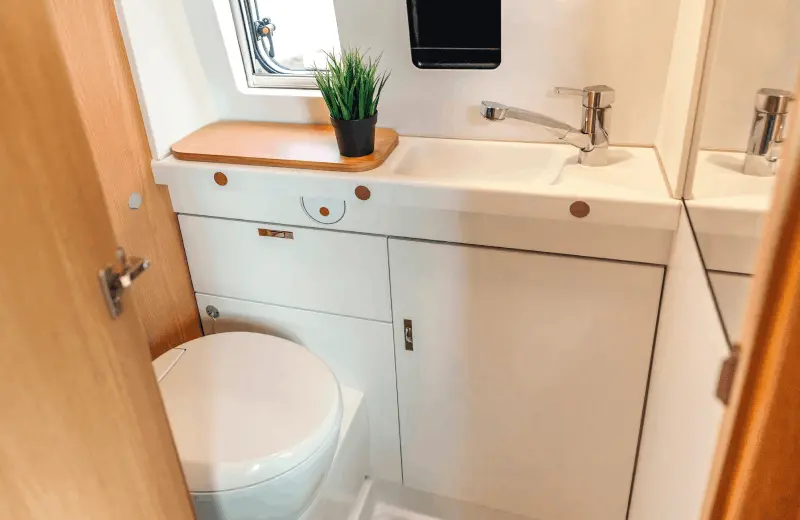
Are Tank Cleaner Products Necessary?
Simply rinsing does not ensure that the cassette is cleaned at a microscopic level. Tank cleaner products are specifically formulated to dissolve odor molecules that penetrate the plastic surface and stubborn lime layers. Is it necessary? If you frequently use your toilet and there is a persistent "old toilet" smell inside your caravan, then yes, it is necessary. These products not only clean but also protect the moving parts inside the cassette. If you cannot access professional products, a mixture of vinegar and baking soda can also work, but the efficiency and speed of commercial tank cleaners are much higher.
Where Does the Odor Leak From?
If your cassette is clean and you are using chemicals but still smell an odor, you should check for leak points. The most common leak point is that the toilet seal is not sitting properly. Even a small piece of paper that gets caught between the rails of the toilet can cause the lid to remain slightly open. The second point is the cassette's ventilation valve. This valve automatically opens when the cassette is placed in the caravan; if the spring mechanism inside the valve is dirty, it may remain open. The third possibility is small gaps in the bidet faucet or the siphon water inlet in the toilet. To solve the odor problem in your bathroom, you can check these points with soapy water to see if there is any air leakage.
Is Using a Toilet Brush Hygienic?
Caravan bathrooms are cramped, and having a standard toilet brush takes up space and can become a source of odor itself. However, a brush is necessary to keep the toilet clean. Brushes designed for caravans, which are small, with a lid and lock, are the most hygienic option. Silicone brushes do not retain water and do not harbor bacteria. After use, rinsing with a bit of toilet chemical water and storing it does not cause odors. Another option is single-use, water-soluble cleaning pads. To ensure hygiene and odor control, you should always make sure that the brush is dry and disinfected.
Are Odor Eliminating Beads Effective?
Odor eliminating gel beads or hangers that have become popular in recent years can be used to freshen the air inside the bathroom cabin. However, they do not fight the odor inside the cassette; they only beautify the air in the environment. If your cassette management is good, these beads create a pleasant environment. However, if there is a problem in the cassette, the scent of these beads can combine with the main odor, creating a more unpleasant atmosphere. To eliminate odor, you should focus on neutralizers rather than maskers. A small ventilation fan that runs continuously in your bathroom or leaving a window slightly ajar will yield much more effective results than these beads.
Do Ventilation Fans Consume a Lot of Battery?
Fans used in ventilation systems like SOG are generally small devices that draw very low current (around 0.5 - 1 Watt). Their daily energy consumption is negligible since they only operate when the toilet flush is activated. A standard caravan battery with a capacity of 100 Ah can run this fan for hundreds of hours continuously. Therefore, it is unnecessary to give up on the ventilation system for fear of "running out of battery." On the contrary, the comfort provided by this fan far outweighs the energy it consumes. If you want the fan to run continuously (which is possible in some models), even in that case, the energy cost is less than one-tenth of what a caravan refrigerator consumes.
How Can Cassette Capacity Be Increased?
It is not physically possible to increase the volume of the cassette, but you can increase the effective capacity with usage habits. The first method is not to throw toilet papers into the cassette; this ensures that the volume is preserved by 30-40%. The second method is to optimize the amount of water used with each flush. The third and most effective method is to keep a spare cassette (or portable external tanks known as "tote tanks") nearby. Some caravaners convert their cassette toilets to "macERATOR" type pumps to transfer their waste to a larger gray water tank or a separate black water tank, but this system is quite complex and requires professional installation.
How to Prevent Odor During Emptying?
The waste emptying process is the least liked but most necessary part of caravanning. It is critical to press the "vent" (air release) button at the back of the cassette to minimize odor during emptying. This button allows air to enter the cassette during emptying, preventing the waste from "puffing" and allowing it to exit smoothly through the emptying hose. Additionally, inserting the end of the emptying hose as deep as possible into the discharge point prevents the odor from spreading. As soon as the emptying is finished, closing the lid and rinsing the area with plenty of water provides a hygienic and odorless environment for you and the next caravaners.
How Should the Chemical Dosage Be Adjusted?
The dosages written on toilet chemicals are generally valid for "ideal" conditions. However, you should optimize this dosage according to your usage frequency and external temperature. If you start to smell an odor by the end of the second day of use for a two-person usage, you should adjust the dosage. %20 you can try to increase it by a little. In hot summer days, it makes sense to exceed the standard dosage a bit since the chemical's lifespan will be shortened. Conversely, during winter months or in cases where you will empty the cassette every day, you can save by using less chemical. Remember, you must dilute the chemical with 2-3 liters of clean water before pouring it into the cassette; a chemical without water cannot function.
Are Natural Solutions Expensive?
Since chemical toilet liquids are foreign currency-based products, they can sometimes be costly. Natural solutions (vinegar, baking soda, soaps that do not contain bleach) are generally cheaper. However, the efficiency of natural solutions is lower; they require more frequent emptying, which means more water consumption and more time loss. In the long run, the comfort and odor guarantee provided by a quality blue or green liquid is more economical compared to the hassle of using natural methods. If your budget is limited, buying concentrated products and adjusting the dosage precisely is more sensible than taking risks with low-quality natural mixtures.
Is Toilet Training Important in a Caravan?
Everyone sharing the caravan (including children and guests) should know how to use the cassette toilet. Providing a brief information on how to open the valve, how much water to use, and where to dispose of the papers can prevent major odor disasters later on. Especially simple mistakes like not fully closing the valve or forgetting to leave the flush open can lead to unwanted odors inside the caravan. The caravan toilet does not have an unlimited source like at home; therefore, every user must have the discipline to manage this limited resource, which is essential for the peace of the entire team.
Does Odor Have a Psychological Effect?
Interestingly, sometimes even if there is no actual odor in the caravan, the fear of it Accessing the deck parts (especially odor-blocking seals) and cleaning products will be much easier.
Should the Toilet Lid Be Kept Closed?
Keeping the toilet lid closed when not in use is a good habit both visually and for odor control. When the lid is closed, even a very small amount of odor that could leak from the tank is trapped under the lid. Additionally, the lid should be closed during travel. However, one point to be careful about is; if your caravan is parked in a very hot area and you do not have a ventilation system, completely closing the lid can cause moisture buildup inside. In modern caravans, toilet lids do not provide a seal, they only create a physical barrier. The main thing that prevents odor is not the upper lid, but the sliding mechanism below.
What Should Be Done with the Cassette for Long-Term Parking?
If you are not going to use your caravan for a while, you should never leave the cassette full or dirty. Even a small amount of waste left inside can create a persistent odor that penetrates the plastic surface when left for weeks. Before long-term parking, the cassette should be completely emptied, rinsed 3-4 times, and thoroughly dried. Some caravan owners leave a small amount of clean water and a bit of silicone oil inside the cassette to prevent the seal from drying out. Placing the cassette in the caravan empty and dry ensures a fresh start for your next trip. You can also ensure ventilation by leaving the outer lid (service lid) slightly ajar.
What is the Definitive Solution to Eliminate Odor?
There is no magical formula for using a cassette toilet in a caravan completely odor-free; it is a management process. The definitive solution is a combination of the following steps: 1. Installing a quality SOG ventilation system. 2. Using quality biological or chemical liquids that break down waste. 3. Regularly lubricating the sealing gaskets. 4. Not keeping the cassette full for more than 3 days. 5. Performing deep flushing and rinsing with every emptying. Any caravan owner who applies these five steps will not experience odor issues. The biggest taboo of caravan life, toilet odor, can actually be completely eliminated with the right information and simple routines.