What is Condensation and Why Does it Occur Inside a Tent?
Condensation is the process of water vapor in the air turning into liquid when it hits a cold surface. This situation in a tent usually occurs when the outside air temperature is colder than the air inside the tent. While the fabric of the tent comes into contact with the cold air outside, the air inside is warmed by your breath and body heat. Warm and humid air, when it hits the cold tent surface, creates water droplets. This physical process can lead to the misconception that the tent is leaking, but it actually stems from the inability of the moisture inside to escape.
How Does Human Breath Affect Humidity Inside a Tent?
An adult person releases a significant amount of moisture into the air through breathing while sleeping. On average, a person's breath can release about half a liter to one liter of water vapor into the tent over the course of a night. If two or more people are staying in the tent, this amount increases exponentially. This water vapor clings to the tent's ceiling and walls when it cannot find a way to escape outside. If ventilation is insufficient, this is the main reason you find the inside surface of the tent completely wet when you wake up in the morning.
How Does the Selection of the Area Where the Tent Will Be Set Up Affect Humidity?
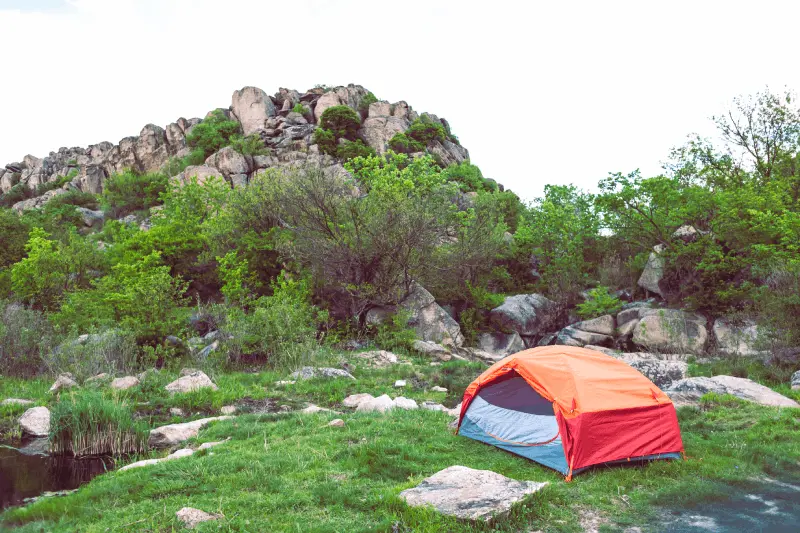
The location of the campsite is a direct factor in determining the humidity level inside the tent. Areas near water bodies, lake shores, or riverbeds naturally have higher humidity levels, and condensation occurs much more intensely in these regions. Additionally, low-lying areas tend to have a greater temperature difference because they are where cold air settles. Setting up your tent a bit higher, in a wind-swept area and somewhat away from water sources, helps to take advantage of natural airflow and significantly prevents moisture accumulation.
Is It Logical to Camp Under Vegetation?
Areas under trees or dense vegetation are regions where humidity intensifies overnight. Plants release water vapor into the air through transpiration, which increases the humidity level in the surrounding area. While the area under trees can somewhat reduce heat loss to the sky (radiative cooling), it also blocks the wind from reaching the tent. The blockage of wind forces the tent to retain moisture inside. Camping in an open and slightly breezy area is a much more effective strategy to reduce condensation.
How Should Ventilation Windows Be Properly Used?
Ventilation windows in tent designs are not just decorative; they are vital functional tools. Many campers make the mistake of closing these windows to avoid drafts. However, these windows allow warm and humid air to rise and escape outside. You should create air circulation (chimney effect) by utilizing the openings at both the bottom and top parts of your tent. Cold air should enter from the bottom, and warm, humid air should be expelled through the upper windows. No matter how cold it is outside, leaving the windows at least slightly open is the most effective way to stop condensation.
How Should We Adjust the Tent Door and Screens?
As long as weather conditions permit, leaving the tent's outer fly door half open instead of completely closed or using only the screen part can work wonders in moisture management. In double-fly tents, the air gap between the outer fly and the inner tent acts as an insulation layer. If you seal the door completely, you cut off the airflow in that gap. If it is not raining, opening the zipper of the outer door slightly from the top or bottom allows the moisture inside to escape, helping to keep the inner tent dry.
Does Using a Groundsheet Reduce Humidity?
Soil contains much more moisture than it appears, and after the sun sets, this moisture evaporates and rises. If you do not lay down a waterproof groundsheet under your tent, this moisture rising from the ground will directly seep into the tent floor and then inside. Remember that the groundsheet should be slightly smaller than the tent's footprint; otherwise, water filtered from the edges of the sheet when it rains will accumulate under the tent. A properly sized groundsheet significantly reduces moisture transfer from the ground, supporting the dryness inside.
How Does Cooking Inside a Tent Increase Humidity?
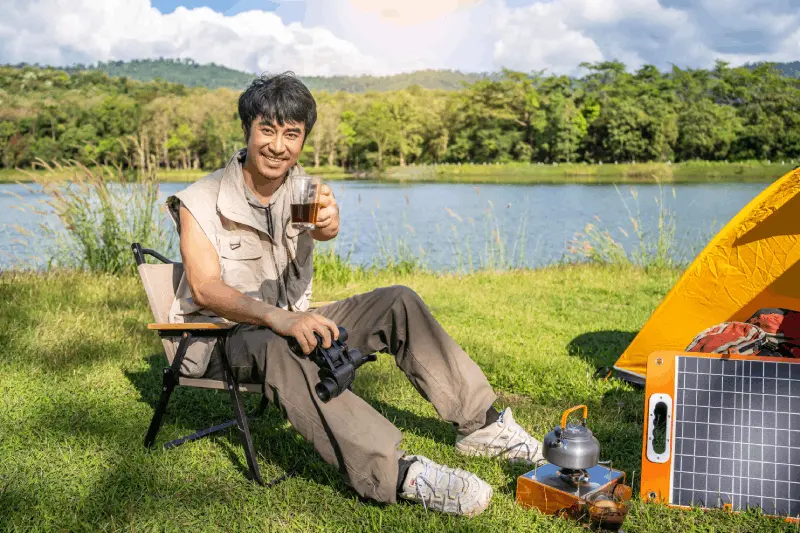
Cooking inside the tent by lighting a stove or brewing tea in cold or rainy weather may seem appealing, but it is a disaster in terms of condensation. Boiling water releases an enormous amount of water vapor into the environment. Additionally, burning fuel also releases water vapor as a byproduct. This moisture condenses on the cold walls of the tent within seconds. If possible, you should do your cooking outside the tent or at least under the outer fly (the trunk area), where ventilation is maximized.
Is It Dangerous to Keep Wet Clothes Inside the Tent?
Wet clothes from rain or sweaty boots will start to dry slowly when brought inside the tent. This drying process means that the water in the clothing is evaporating into the air. In a closed and small space like a tent, this extra moisture load doubles the existing condensation. You should keep your wet items in the trunk (apsis) part of the tent instead of the sleeping area or place them in a waterproof bag and seal it tightly. The less wet items there are inside, the drier it will be in the morning. you will wake up right on time.
Why Do Single Wall Tents Sweat More?
Single wall tents are generally produced with a focus on lightweight and there is no separation between the inner and outer fly. In these designs, there is no distance for the moisture from your breath to reach the cold outer surface; the moisture directly hits the fabric at your head end. In double wall tents, however, moisture first passes through the inner fly and condenses on the outer fly, thus creating a protective layer between you and the water droplets. If you are using a single wall tent, you must maximize ventilation capacity and avoid contact.
What Is the Advantage of Double Wall Tents Regarding Moisture?
Double wall tents are the best structures designed to combat condensation. The inner fly is usually made of mesh or a breathable thin fabric. This allows humid air to easily escape from the area where you sleep. The 10-15 centimeter gap between the outer and inner fly ensures that the condensed droplets are filtered out from the inner surface of the outer fly before dripping onto the ground. For this system to work, it is critical that the outer fly is set up very taut and does not touch the inner fly at any point.
How Does Tensioning the Tent Affect Ventilation?
A loosely pitched tent is not only weak against wind but also causes the ventilation channels to close. If the outer fly sags, it will touch the inner fly, creating a "bridging" effect that allows outside moisture to seep directly inside. Fully tensioning the tent with all stakes and guylines maximizes the air gap between the inner and outer fly. The healthier this air gap is, the faster and smoother the moisture buildup inside will be discharged.
Is It Necessary to Set Up the Tent According to the Wind Direction?
Wind is a natural ventilation machine. When setting up your tent, you should identify the direction from which the wind is blowing and adjust the ventilation openings accordingly. If the wind hits the ventilation windows or the screen door directly, it will quickly push the stagnant and humid air outside. However, in stormy weather, too much air intake can disrupt comfort, so positioning the tent to take the wind at an angle rather than directly is an ideal balance for both stability and moisture discharge.
Does Balancing Body Heat Reduce Sweating?
One source of moisture inside the tent is your body. If you are overheating and sweating inside your sleeping bag, this sweat will evaporate and add to the tent's humidity. It is important to choose a sleeping bag suitable for the season and dress in layers. When you feel too hot, you should unzip your bag a bit to balance your body heat. By controlling your sweating, you also reduce the total amount of water vapor inside the tent. Using inner liners that do not absorb moisture, such as synthetic or wool, will also help in this process.
How to Clean Moisture with Microfiber Towels?
Despite all precautions, sometimes condensation can be unavoidable due to weather conditions (like high humidity). In these cases, using a microfiber towel to gently wipe the inner walls of the tent when you wake up in the morning is the most practical solution. Microfiber towels can absorb several times their weight in water and dry quickly. This process prevents droplets from falling onto your gear. After cleaning, drying the towel outside will completely remove the moisture. This simple routine significantly increases your camping comfort.
Does Using a Heater Inside the Tent Absorb Moisture?
While it is assumed that battery or gas-powered camp heaters dry out moisture, the opposite can be true. Heaters that burn propane or butane release water vapor into the environment during combustion. This increases the amount of moisture in the air. Only electric or chimney (stove) heaters have a drying effect on the air. However, using a heater in a small tent poses safety risks (carbon monoxide poisoning and fire). Relying on proper ventilation and a quality sleeping bag is always a healthier and more logical choice in terms of moisture management.
How to Manage Moisture While Camping with Pets?
Camping with your dog is a wonderful experience, but a dog's breath and body heat produce moisture just like a human. Dogs' fur tends to retain moisture, and if they are wet, this can turn the tent into a sauna. When camping with your pet, you need to increase the amount of ventilation more than usual. Make sure to dry your dog thoroughly before bringing them into the tent. Supporting their sleeping area with a moisture-resistant mat is important for both their comfort and the tent's setup.
How to Ensure Ventilation in Rainy Weather?
When it rains, the first reflex is to close all windows, but since the humidity outside approaches 100%, the sweating inside can reach unbearable levels. Quality tents' ventilation windows are designed to be "hooded" or protected so that rain does not enter. You must keep these windows open. If your outer fly allows, you can support fresh air intake by leaving a small gap at the bottom of the door. The only way to combat moisture in rainy weather is to maintain airflow without allowing water ingress.
How to Combat Snow and Moisture in Winter Camps?
Since it is very cold outside in winter, the warm breath inside can freeze or condense instantly. If snow covers the outside of the tent, it can create an insulation layer that completely blocks ventilation. In winter camps, it is necessary to periodically brush off the snow from the top of the tent and ensure that the ventilation holes are not blocked by snow. Additionally, you should be careful that your breath does not directly reach the sleeping bag; otherwise, your bag's head... The part will be soaked due to your breath and will lose its insulation properties.
Can Dehumidifying Products Be Used in Tents?
Silica gel packets or dehumidifying tablets sold on the market are suitable for home use, but they are generally ineffective inside a tent. Since the tent is constantly exposed to air circulation, these products will also try to absorb moisture from outside and will quickly reach saturation. Instead, focusing on more natural and mechanical methods like ventilation is much more efficient. If you have very valuable electronic items, storing them in waterproof bags with small silica gel packets is a smarter way to protect them from the overall moisture of the tent.
Does Tent Fabric Care and Water Repellency Affect Moisture?
The water repellency feature of the tent's outer fly (DWR coating) may decrease over time. If the fabric starts to "absorb" instead of repelling water, the pores of the fabric will fill with water, and the "breathability" feature will be lost. This situation forces the moisture inside to escape outside. Regularly maintaining your tent with water-repellent sprays helps keep the fabric repelling water while also preserving ventilation performance. A clean and well-maintained fabric helps moisture molecules escape more easily from the surface.
How Should the Tent Drying Process Be Done After Camping?
It can be deceptive for your tent to look dry when camping is over; there may still be moisture left in the seams and floor folds. A damp packed tent can develop mold and mildew in a very short time, which can damage the fabric and your health. When you return home, make sure to dry your tent completely in a ventilated and shaded area. Don't just wipe and dry the inner and outer fly, but also the poles and stakes to prevent rust. Not placing the tent in its bag until you are sure it is completely dry is the most critical rule for extending the life of your equipment.
Does Improper Storage Cause Mold in the Tent?
Keeping the tent damp is a significant problem, as is storing it in a humid environment. You should store your tent in a dry area with room temperature instead of damp places like basements. If possible, instead of tightly packing the tent in its compression sack, leaving it in a wider storage bag or loosely will allow the fabric to breathe. For long-term storage, taking the tent out once a year to air it out helps eliminate fabric odors and dries any potential moisture accumulations.
Does the Arrangement of Items Inside the Tent Affect Moisture?
Packing too many items inside the tent creates barriers that obstruct air circulation. Especially bags and clothes leaning against the walls can cause airflow to stagnate at those points and moisture to accumulate there. Be careful to arrange your items in the middle of the tent or in a way that does not block the ventilation channels. Leaving at least a few centimeters of space between the walls and your items allows air to circulate freely and moisture to be expelled without sticking to the walls.
Is Morning Sunshine an Opportunity to Dry Moisture?
The sunrise during camping mornings is your biggest ally in getting rid of the moisture accumulated in the tent overnight. If you set up your tent in a spot that will catch the morning sun, the sun's rays will quickly warm the outer fly, evaporating the accumulated moisture. When the sun rises, open all doors and windows wide to ensure the air inside warms up quickly as well. This "sun bath" makes it easier to pack your tent dry when you are breaking camp and helps keep it fresh throughout the day.
How Does Sleeping Bag Selection Affect Sweating?
Most campers prefer sleeping bags that are thicker than necessary because they fear getting cold. However, an excessively thick bag can lead to heavy sweating throughout the night. Sweat not only dampens the insulation material inside the bag (especially down feathers), reducing its performance, but also increases the overall moisture level in the tent. Therefore, it is critical to choose bags made of breathable fabrics suitable for the season. Additionally, placing a sleeping bag liner inside the bag helps absorb some of the body moisture, keeping the bag dry and releasing less vapor outside.
What Should Be the Ventilation Strategy in Crowded Groups?
More people means more breath and more moisture. If you are staying at full capacity in a 3-4 person tent, standard ventilation methods may be insufficient. In such cases, you should ensure that the ventilation at the top of the tent is completely open and that strong airflow is provided from the lower parts. The sleeping positions of individuals are also important; having everyone's face close to the ventilation windows increases the chances of breath being expelled directly outside.
Should Synthetic or Cotton Clothes Be Preferred?
Moisture management while camping is not only related to the tent but also to what you wear. Cotton clothes absorb moisture (sweat) and take a long time to dry, which can lead to both discomfort and create a constant source of moisture inside the tent. Technical fabrics like synthetic (polyester, nylon) or merino wool quickly move moisture away from your body and facilitate evaporation. This way, you stay dry, and the moisture level inside the tent remains at a more manageable level.
Does the Condition of Tent Poles Affect Ventilation?
Worn or damaged poles can cause the tent's shape to deform and the fabric to sag. In a tent with a deformed shape, the ventilation channels narrow, and the distance between the inner and outer fly decreases. It closes. You should regularly check your poles and repair them if there are any cracks or breaks. The tension and upright position in the design of the tent is essential for the airflow to be realized according to engineering calculations. Strong poles always mean better ventilation and less condensation.
Does Tent Interior Lighting and Heating Affect Humidity?
Old-style incandescent lanterns or candle lamps produce heat. This small heat source can increase the warmth inside the tent, causing the air to hold more water vapor (increasing relative humidity). Nowadays, common LED lighting produces almost no heat. Choosing LED for your lighting can somewhat reduce the risk of sweating by not unnecessarily heating the tent's microclimate. Additionally, from a safety perspective, LED products are much healthier.
How Does Seasonal Tent Selection Affect Humidity?
3-season tents generally have more mesh area and are very successful in moisture drainage. 4-season or expedition tents are designed for harsh winter conditions and storms, so their fabrics are thicker and their ventilation is more controlled. If you use a 4-season tent in the summer, ventilation will be insufficient and your tent will become excessively humid. Choosing a tent suitable for the season and region you will be camping in is the most fundamental way to minimize condensation issues from the start.
What Are the Golden Rules for a Comfortable Camping Experience?
While it is not always possible to completely eliminate humidity and sweating in a tent, you can manage this situation to a manageable level with the strategies above. In summary; proper site selection, maximum ventilation, keeping wet items outside, and equipment maintenance are key. Camping is a trial-and-error process; as you get to know the character of your tent, you will better understand how much to open which windows over time. Remember, a dry tent means not only comfort but also a healthy sleep and long-lasting equipment.