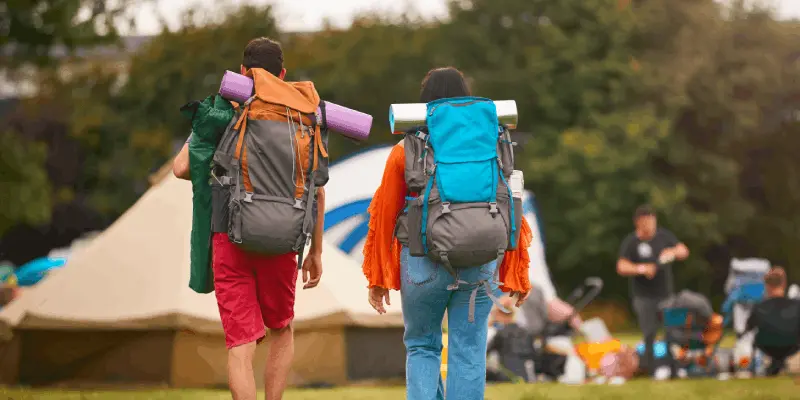
What is Minimalist Camping and Why Should It Be Preferred?
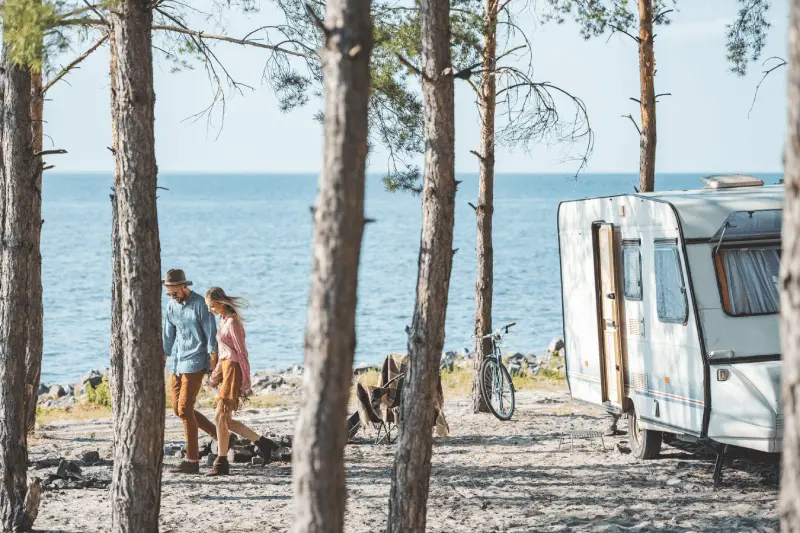
Minimalist camping is a philosophy of shedding unnecessary burdens by only bringing essential equipment while spending time in nature. This approach allows the camper to lighten their physical load while mentally focusing more on nature. Many items packed into the backpack with the mindset of "better safe than sorry" in traditional camping are actually burdens that diminish the quality of the journey. Minimalism aims to break free from being a slave to possessions and embrace the simplicity that nature offers. With a light backpack, you can cover longer distances, tire less, and complete setup processes much faster once you reach your campsite. This philosophy is not just a packing technique; it is also a way to exhibit a more respectful and humble attitude towards nature.
How Many Liters Should an Ideal Minimalist Camping Backpack Be?
Choosing the volume is one of the most critical decisions for a minimalist camper. Generally, backpacks between 35 and 50 liters are considered ideal for a minimalist weekend camping trip. If you use massive backpacks of 60-70 liters, you will exhibit a tendency to fill those voids due to human psychology. Choosing a smaller volume backpack forces you to make selections and only take the items you truly need. The backpack itself should also be made of lightweight materials, which has a significant impact on the total weight (base weight). Modern ultra-light backpacks offer comfort with durable fabrics and minimalist frame systems, and can reduce the backpack weight to below a kilogram. When making a selection, it is most logical to test the total volume of your gear in advance and purchase the backpack at the final stage.
What Are the Lightest Solutions for Shelter Needs?
Shelter is one of the heaviest items in a camping backpack. In a minimalist approach, instead of heavy double-wall tents, single-wall tents, tarp systems, or bivvy bags are preferred. If the weather conditions are not too harsh, a tarp and a lightweight ground cover placed underneath will protect you from rain and minimize the barrier between you and nature. The use of a tarp is favored among experienced minimalist campers due to its flexibility in setup and its weight being just a few hundred grams. Additionally, shelter designs that use trekking poles instead of tent poles to support the structure are one of the smartest ways to avoid extra weight. Remember that shelter should only protect you from external factors; expecting the comfort of home contradicts the spirit of minimalism.
Is a Sleeping Bag or a Camping Quilt More Logical?
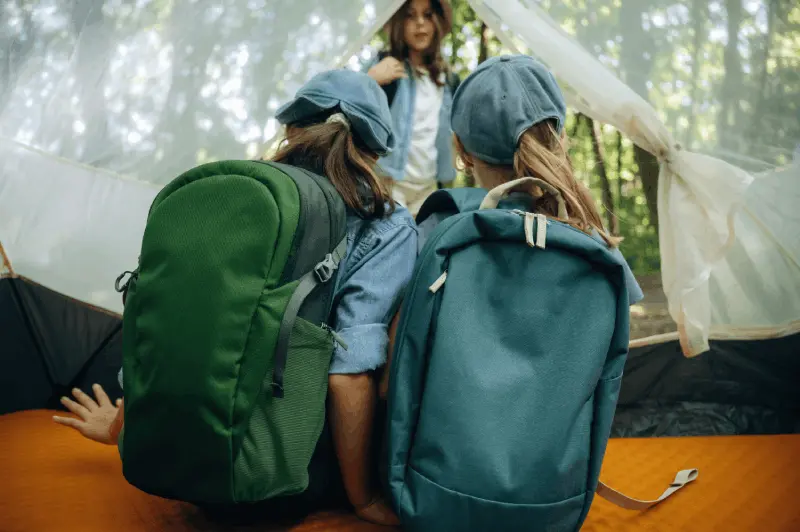
Traditional sleeping bags lose their insulation properties due to the compression of the filling under body weight and create unnecessary weight. Minimalist campers prefer camping quilts, known as "quilts," to solve this problem. Camping quilts do not include the back part of the bag; thus, they save weight and provide a wider range of motion. These systems, which directly contact the mat for insulation, offer great comfort, especially for side sleepers. High-quality down is much better at compressing and lighter compared to synthetic fillings. By paying attention to the temperature rating, selecting the quilt that has the best weight-volume balance suitable for the lowest temperature of the area you will go to will save serious space in your backpack.
How Does Mat Selection Affect Comfort and Weight?
A sleeping mat is necessary not only for comfort but primarily to cut off the cold coming from the ground. You need to choose between inflatable mats or closed-cell foam mats in a minimalist backpack. Inflatable mats provide a volume advantage by being foldable to a small water bottle size. However, they carry a risk of puncture. On the other hand, closed-cell foam mats are nearly indestructible, very lightweight, but need to be carried outside the backpack because they are quite bulky. Some extreme minimalists further reduce weight by using short mats that only support the body's torso. They provide insulation by placing empty backpacks or spare clothes under their feet. Determining the R-value (insulation coefficient) you need ensures that you do not carry unnecessary bulk and weight in your mat.
How is the Layering System Applied in Clothing Selection?
When preparing a minimalist backpack, the concept of "spare clothes" is replaced by the "layering" system. Each piece should have a function and all should be able to be worn at the same time. The base layer is a merino wool or synthetic t-shirt that wicks sweat away from the body. A lightweight fleece or down jacket (mid layer) is used for thermal insulation. On the outermost layer, there is a thin shell layer that provides protection against wind and rain. Instead of taking a separate t-shirt for each day, you can manage for days with a single set by choosing quick-drying and odor-resistant fabrics. Socks are the most critical exception; there should always be a pair of dry and clean spare socks for foot health. Remember, the lightest clothing is the one you are currently wearing.
What Are the Lightest Alternatives for Cooking Sets?
The camping kitchen is an area where weight quickly increases.
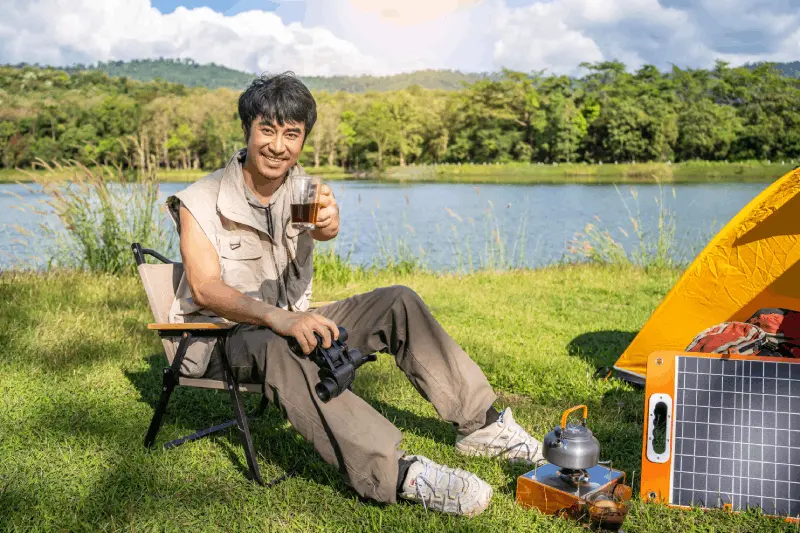
There is no place for large pot sets or heavy stoves in a minimalist kitchen. Titanium cups or small pots are preferred due to their lightweight and durability. For a stove, titanium heads or alcohol stoves weighing just a few grams are the best options. When it comes to fuel, it makes sense to calculate the exact amount you need and carry small canisters. Using a single long-handled titanium spoon (spork) instead of a fork, spoon, and knife will serve you well both while cooking and eating. If you only need hot water for (frozen/dehydrated) meals, you can reduce your kitchen to just a cup and a stove.Which Water Purification Method Should Be Chosen?
Carrying liters of water is one of the biggest mistakes a camper can make; because water is very heavy. Instead, lightweight purification systems should be chosen that allow you to use water sources along the way. Filters like "Sawyer Mini" or "Katadyn BeFree" are favorites among minimalists due to their lightweight and ability to be attached directly to a bottle. Chemical purification tablets take up almost no space but can alter the taste of the water and require waiting to take effect. Devices that work with ultraviolet light offer a technological solution but create dependency on batteries. The safest and lightest method is to research the water sources along your route in advance and proceed with a system that has low capacity but high filtration speed.
What Should Be Included in a First Aid Kit?
Compromising on safety is not minimalism, but carrying a massive pharmacy is also unnecessary. A minimalist first aid kit should be customized according to the most likely risks you may encounter on your current route. A few adhesive bandages, sterile gauze, pain relievers, anti-allergic medications, disinfectant wipes, and a small roll of bandage are usually sufficient. Additionally, a multi-purpose knife or a small pair of scissors should also be included in the kit. By preparing your own kit in a small ziplock bag, you can avoid heavy and bulky commercially available first aid kits. What matters is not the quantity of equipment, but knowing how to use the materials you have. Knowledge is the lightest equipment.
How to Limit Electronic Devices?
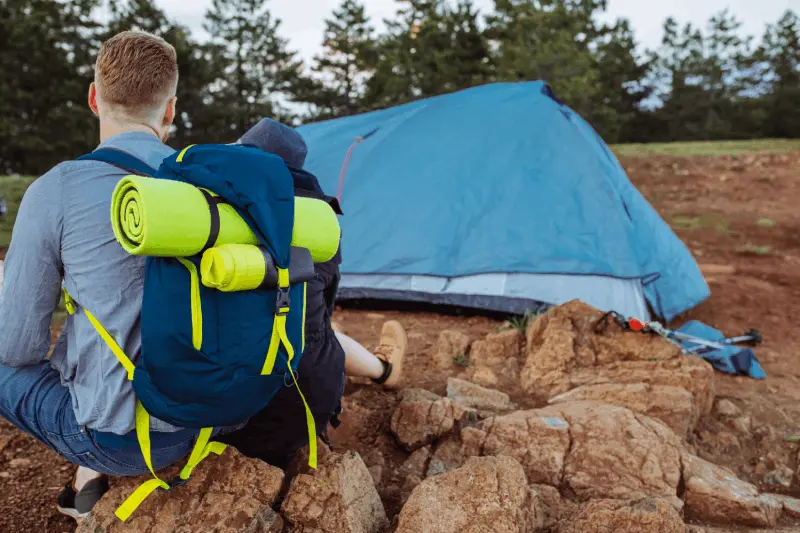
While the purpose of escaping into nature is to get away from technological noise, some devices are necessary for safety and navigation. Smartphones are now the most multifunctional devices as they serve as maps, flashlights, and cameras. However, it is essential to carry a lightweight power source (power bank) for charging the phone. A headlamp is a must for camping; here, lightweight models that can be charged via USB should be preferred over battery-operated ones. Professional cameras and lenses can be quite heavy; if photography is not your main purpose, relying on the adequacy of your phone camera is a minimalist choice. Using devices in "airplane mode" extends battery life and reduces the amount of backup batteries you need to carry.
How to Minimize Hygiene Supplies?
Carrying full-size shampoos or soaps for personal hygiene at the campsite is a big mistake. A small piece of bio-degradable soap is sufficient for dishes, laundry, and body cleaning. Using travel-sized toothpaste or carrying dehydrated toothpaste tablets saves space. Instead of carrying toilet paper in a roll, it is more practical to fold only the amount you need and carry it in a ziplock bag. In fact, among minimalists, there are those who completely eliminate the use of toilet paper by using small devices that serve as "bidets." Wet wipes can be heavy; instead, a few grams of compressed tablet wipes work wonders when moistened with water. Remember, getting a little dirty in nature is part of the experience.
How Does Shoe Selection Affect Hiking Quality?
In minimalist camping, heavy and bulky boots are often replaced by "trail running" shoes. These shoes are much lighter, allow your feet to breathe, and dry quickly when wet. Heavy boots add extra weight to your legs with every step, causing you to tire more quickly. The saying "a pound on your feet is worth five on your back" is very important at this point. If you do not have a chronic issue that requires excessive ankle support, you can move much more agile and quickly with lightweight shoes. However, when choosing these shoes, you should ensure that the sole's grip is suitable for the terrain you will be camping on. The lighter your shoes are, the more agile your footprint in nature will be.
How Should the Weight Distribution Inside the Bag Be?
Preparing a minimalist bag is as important as how you pack that bag for comfort. The basic rule is to position the heaviest items (water, food, shelter components) closest to your back and at mid-height. Lightweight but bulky items like sleeping bags or blankets are usually placed at the bottom. On top and in the side pockets, you should place items you will need frequently during the day, such as a raincoat, snacks, water filter, and first aid kit. Ensuring that the bag is balanced helps keep the weight center close to your body, aiding in maintaining your balance. You should fill gaps with small items to prevent the contents from shifting inside. A well-packed bag feels lighter than it is. Efforts are the best options. One should avoid packaging that is heavy and problematic, like canned goods. By preparing your meals at home and portioning them into sealed bags, you can reduce the weight of your packaging and also shorten the cooking time at the campsite. Additionally, you should ensure that every gram of food you bring with you will actually be consumed; every bite of food brought back home is a waste of transport. Meals prepared with added water are both lighter to carry and easier to clean.
What Are Multi-Purpose Equipment?
The golden rule of minimalism is that an item should serve multiple purposes. For example; trekking poles not only provide support while walking, but they can also serve as the poles for your tent or tarp. A bandana (buff) can be used as a neck warmer, a cloth to hold hot pots, or as a pre-filter for filtering water. Your down jacket can be stuffed into your pillowcase to turn it into a comfortable pillow. Your titanium cup serves as both your cooking pot and your drinking cup. These types of multi-purpose uses can significantly reduce the total number of items in your backpack. When purchasing equipment, it should become a habit to ask, "What other purposes can I use this item for?"
Is It Possible to Avoid Luxurious Expenses?
There is a paradox in the world of lightweight equipment: the lighter the equipment, the higher the price usually is. However, to be minimalist, you do not always need the most expensive titanium or carbon fiber materials. Making your own gear (MYOG - Make Your Own Gear) reduces costs and allows you to create pieces that are exactly suited to your needs. You can sew gear bags from old curtain fabric, or make a stove from a tin can. Moreover, seeking luxury in equipment rather than in experience is true minimalism. Instead of bringing a heavy camping chair, sitting on a tree stump or laying your mat on the ground will provide you with the same opportunity to rest. Minimalism is the art of learning to be happy with what you do not have.
How Do Seasonal Differences Affect Your Backpack?
There are significant differences in backpack weight between winter camping and summer camping. In summer, a much thinner sleeping system and fewer clothes are sufficient, while in winter, you need thicker insulation materials and more fuel for safety. A minimalist camper should closely follow seasonal transitions. Carrying only what you need requires monitoring the weather hourly. If you know that the nighttime temperature will not drop below 15 degrees, carrying a sleeping bag rated for minus 10 degrees is a huge waste. Establishing a modular system according to the season, meaning adding and removing items based on the weather, helps keep your backpack optimized at all times. Properly analyzing risks ensures that you avoid unnecessary safety margins.
How Is the "Leave No Trace" Principle Applied?
The "Leave No Trace" principle is the moral foundation of minimalist camping. When preparing a lightweight backpack, leaving packaged products at home and putting food in reusable bags prevents you from creating waste at the campsite. A minimalist camper's backpack should not be heavier than when they arrived at the campsite (it should be lighter due to water and food consumption). You should have enough space and awareness to collect any trash you find in nature. Carrying a small titanium trowel for toilet waste ensures that you bury waste properly. The less we interfere with nature and the fewer traces we leave, the better campers we become. Minimalism also teaches us not to harm nature while being one with it.
What Are the Differences Between Solo Camping and Group Camping?
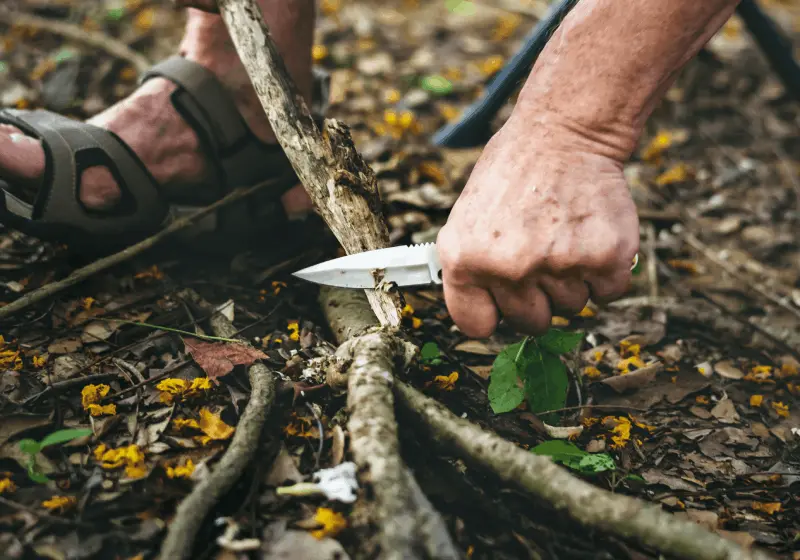
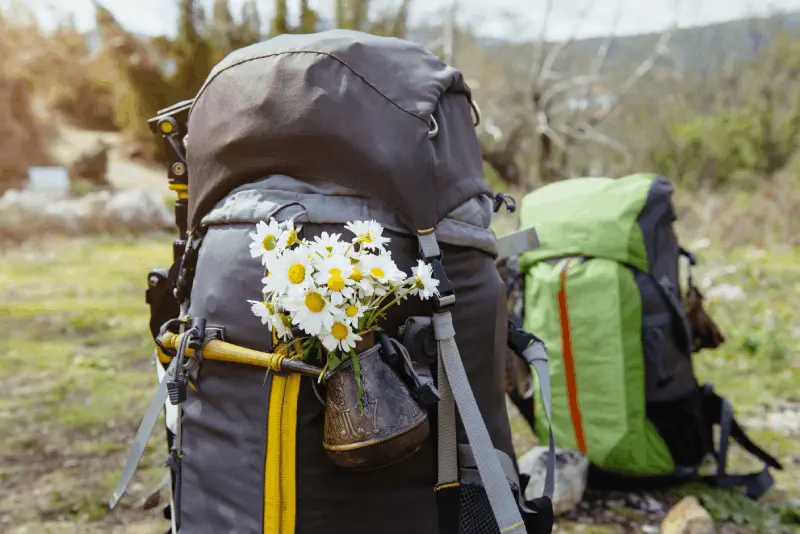
When you go camping alone, all equipment (shelter, kitchen, filter) is on your shoulders. However, when camping in a group, you can significantly reduce the individual load by sharing equipment. For example, sharing a three-person tent and a large stove among three people opens up a lot of space in everyone's backpack. However, in this case, the group's interdependence increases; if one person separates from the group or if equipment gets damaged, everyone is affected. In minimalist group planning, it should be clearly defined who will carry what. In solo camping, instead of carrying backups for everything, you need to develop your problem-solving skills (like bushcraft skills) with the limited materials you have. Sharing is a tool that increases the efficiency of minimalism.
What Should Be Considered When Buying Second-Hand Equipment?
Since lightweight and quality camping equipment can be expensive, the second-hand market is a great resource for minimalists. However, there are technical details to pay attention to when buying. It is especially important to check whether down products (sleeping bags, jackets) have been properly maintained and whether the down retains its "lofty" (fluffy) structure. The seam tape on the stitching of tents must not be peeled off, as this is vital. It is difficult to check for micro holes in sleeping pads, so reliable sellers should be preferred. Buying second-hand not only protects your budget but also supports a sustainable consumption understanding. Minimalism is about appreciating what is functional and durable, not what is new.
What Tools Are Sufficient for Navigation?
In the modern world, GPS devices and smartphone applications have made navigation much easier. In a minimalist approach, the offline maps on your phone (like Gaia GPS, AllTrails, or Komoot) are usually sufficient. However, to prepare for the possibility of electronic devices malfunctioning or running out of battery, you should always carry a physical map of the area and a small compass with you. You should keep it in an accessible place (or in your backpack). Map reading and compass skills are the lightest and most reliable navigation methods. Staying independent of devices enhances your natural sense of direction and protects you from technological errors. Remember, the best navigation tool is the route information you carry in your mind.
What Should the Pre-Camp Preparation Routine Be Like?
For a minimalist camper, preparation starts days before hitting the road. The first step is to lay out all the equipment and check it against a list. At this stage, the question "Do I really need this?" is asked repeatedly for each item. Measuring the weight of the equipment with a kitchen scale and recording it in an Excel sheet (or websites like LighterPack) helps you see the points where you can save weight. During the preparation process, the weather forecast, the status of water sources, and trail difficulty are examined in detail. Rushing to prepare the backpack at the last minute often leads to unnecessary items sneaking into the bag. Planning helps you eliminate unnecessary "safety" gear by reducing uncertainty.
How Does the Minimalist Lifestyle Philosophy Reflect on Camping?
Minimalism is much more than a backpack preparation technique; it is a way of life. When you see how happy you can be with the few items you have while camping, this awareness reflects on your daily life as well. You start to realize that the unnecessary items in your home and the excess clothes in your wardrobe are actually weighing you down. Seeing how little you need to survive and find peace in nature is a counterpoint to the consumer-focused modern world. Minimalist camping teaches you patience, the value of what you have, and finding simplicity within complexity. After this experience, the doors to living a richer life with fewer items will open.
What Are the Most Common Mistakes?
The biggest mistake of new minimalists is putting themselves at risk by sacrificing safety or basic comfort (this is called "stupid light"). For example, risking hypothermia with a very thin sleeping bag or getting sick with an inadequate water purification system is not a success, but a planning mistake. Another mistake is choosing backpacks or shoes that are not suitable for your body type just because they are light. Additionally, saying "I'm light anyway" and increasing the pace excessively while forgetting to enjoy the scenery is also commonly seen. Minimalism is not a goal; it is a tool to have a better time in nature. Losing balance and suffering is incompatible with the philosophy of minimalism.
Does Minimalism Bring Freedom?
All the details we have discussed from the beginning to the end of the article converge at a single point: Lightness is freedom. As the load on your back decreases, your steps quicken; as your steps quicken, your horizon expands. You can see more places with fewer items and find more peace with fewer worries. Preparing a minimalist camping backpack is actually a rehearsal for setting aside unnecessary burdens in the rest of your life. To listen to the silence of nature, you need to get rid of the big headphones on your ears, heavy camera equipment to see the scenery, and massive beds for comfortable sleep. In the end, the only thing left in your hands will be just you and the magnificent harmony of nature. The peace you will find within this simplicity is worth more than all the items in the world.