What Veterinary Checks Should Be Done Before Going to the Campsite?
Before embarking on a camping trip, you should ensure that your pet's overall health condition is suitable for the natural conditions. During your consultation with your veterinarian, you should discuss endemic diseases in the area you will be visiting, tick populations, and parasite risks. Keeping vaccinations up to date, such as rabies, distemper, and leptospirosis, is vital; because campsites are places where contact with wildlife is most likely. Additionally, you should check whether your dog or cat's condition is suitable for the difficulty level of the planned route (hills, rocky terrains). During this examination, it is essential to get a recommendation from your veterinarian for a first aid kit for emergencies and to obtain backups of any chronic medications if available, as this is the first and most important step for safety.
Are GPS Tracking Devices Really Safe in Forested Areas?
Beyond traditional collars, technology has revolutionized pet tracking. However, cellular data (GSM) signals can often be interrupted in forested and deep valley campsites. Therefore, GPS tracking systems that can establish satellite connections or operate on radio frequency (RF) should be preferred over devices that rely solely on base stations. These devices allow you to determine your friend's location with meter accuracy, even if your phone has no signal. Especially devices with a "geofence" feature send instant alerts to your phone when your dog steps outside the designated camping boundary. Such a technological investment minimizes the risk of getting lost in dense vegetation and provides you with a peaceful camping experience.
How Can You Monitor Your Dog's Heart Rate with Smart Collars?
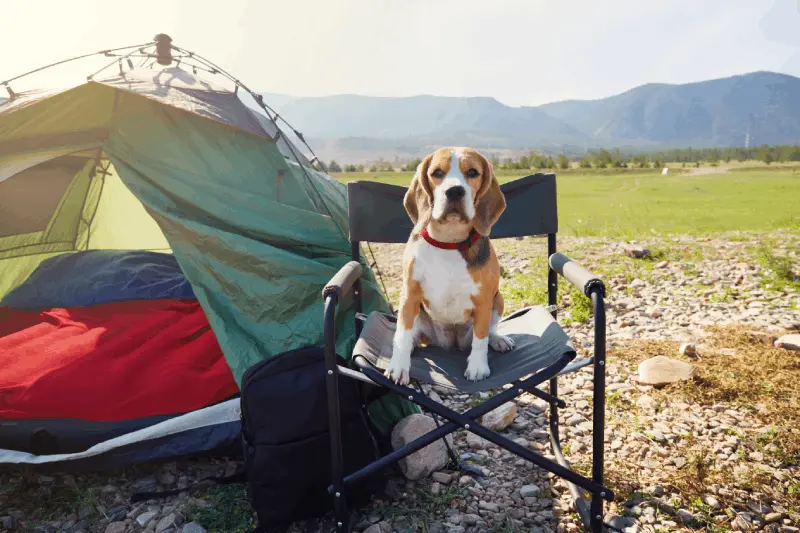
Next-generation smart collars not only provide location information but also track your pet's biometric data. In environments with high activity like camping, monitoring your dog's heart rate, respiratory rate, and body temperature in real-time helps you detect potential overheating or extreme fatigue early. Animals may not always show signs of fatigue during outdoor activities; however, data from the smart collar's mobile app scientifically indicates when your friend needs to rest. These devices also measure sleep quality, helping you analyze the stress levels caused by noise or unfamiliar sounds in the camping environment.
How to Create a Safe Zone Around the Campfire?
While the warmth of the campfire is inviting, it poses a serious burn risk for curious paws. Establishing an invisible or physical boundary around the fire is essential for safety. Creating a line with stones or portable metal barriers at least two meters away from the fire pit prevents your dog from approaching the flames with sudden movements. Additionally, reinforcing the "go to your place" command in the camping environment and using a "no" warning when they approach the fire provides a behavioral safety barrier. While sitting by the fire at night, adjusting your dog's leash length so that they cannot reach the fire is a physical tracking method that ensures their safety even when you are sleepy.
Why Do LED Lighting Equipment Save Lives for Night Vision?
It is impossible to track a dog or cat in pitch darkness with the naked eye. To ensure safety at the campsite, you should equip your pet with LED collars or vests that provide 360-degree visibility. These lights allow you to see where your friend is, even if they venture slightly beyond the tent. Additionally, they serve as a warning to passing vehicles or cyclists. By opting for rechargeable or long battery life models, you can maintain uninterrupted visibility throughout the night. Phosphorescent reflective materials should also be present in vests as a secondary layer of safety; thus, when you shine a flashlight, your friend shines like a star, indicating their location.
What Audible Deterrents Should Be Used to Protect Against Wildlife?
In the area where you are camping, animals such as bears, wolves, coyotes, or wild boars may be present. Encounters between your pet and these wild species can lead to tragic outcomes. To ensure safety, attaching a small "bear bell" to your dog's collar produces a continuous sound while moving in the forest, warning wildlife and preventing them from attacking in surprise. Wildlife generally avoids human voices and metallic sounds. These audible deterrents alert nearby hunters to your pet's presence, preventing unwanted encounters. Additionally, carrying a whistle can be an effective tool to call your dog back in an emergency or scare off wild animals.
How Do Poisonous Plants and Mushrooms Pose a Threat to Your Dog?
Not every green plant in nature is harmless. Especially curious dogs are prone to sniffing or chewing on plants and mushrooms around the campsite. Some mushroom species or plants like hemlock contain deadly toxins for pets. To ensure safety, you should quickly scan the vegetation in the area where you set up camp and remove any suspicious-looking plants or declare that area off-limits. You can learn about the flora around you by using a plant identification app. If your friend encounters something unfamiliar... If you suspect that your pet has eaten something harmful, you should intervene without waiting for symptoms (vomiting, drooling, imbalance) to appear; therefore, knowing the location of the nearest emergency clinic in advance is a vital follow-up strategy.
Are Invisible Fence Systems Suitable for Dogs Released in the Campground?
Portable wireless fence systems help you monitor your pet's safety while providing a specific freedom area in the campground. These systems create a circular area defined by signals emitted from a central transmitter. The receiver on your dog's collar gives a sound or mild vibrating warning when it approaches this boundary, prompting it to return. However, this method is only safe in trained dogs and in areas where foreign stimuli (squirrels, deer) are minimal. It should also be noted that invisible fences do not prevent outside dangers from entering; they only limit your friend from going outside. Therefore, even while using the system, visual monitoring should never be neglected.
How Does the Risk of Carbon Monoxide Poisoning Inside a Tent Affect Pets?
Using a heater inside a tent is common in cold weather camping. However, carbon monoxide gas is a gas that accumulates closer to the ground, and this situation affects pets much faster than humans. To ensure safety, never leave fuel-burning heaters unattended inside the tent and always have a battery-operated carbon monoxide detector on hand. A sudden slowing of your pet's breathing rate and movements may be the first sign of oxygen deficiency. Keeping the tent ventilation windows always open and using safe, portable pet heating pads or thick insulated mats for heating is the safest method to eliminate toxic risks.
How is Water Safety Ensured During Long-Term Camping Activities?
Natural water sources carry serious bacterial and parasitic risks for pets, such as Giardia or Leptospirosis. Just because lake or river water looks clean does not mean it is drinkable. To ensure safety, you should prevent your dog from drinking from these sources and always provide them with filtered or bottled water. It is also important to monitor the amount of water consumption; during camping activities, water breaks should be given every two hours to prevent dehydration. Using collapsible silicone bowls can help keep the water clean, and you can closely monitor your friend's drinking habits throughout the camp.
How Effective are Pheromone Collars in Reducing Camping Stress?
A new environment, unfamiliar smells, and strange sounds at night can cause high stress in pets. A stressed animal is prone to escape or show aggression. Pheromone-emitting collars or sprays release synthetic scents that mimic the feeling of security that a mother dog gives to her puppies, calming your friend. While monitoring camping safety, keeping the animal's mood stable is as critical as physical safety. A calm dog responds better to commands and is less likely to panic and flee from the campsite. Such supportive products are an indispensable psychological monitoring tool, especially for animals going camping for the first time or those sensitive to noise.
What Should an Emergency Evacuation Plan Pet Kit Include?
Things in nature may not always go as planned; you may need to evacuate quickly in situations like forest fires, floods, or storms. Your emergency kit should contain at least three days' worth of food, clean water, medications, a copy of medical records, and an extra leash-harness set for your pet. To ensure safety, this kit should always be kept in an accessible place, preferably in the vehicle or at the entrance of the tent. Additionally, placing a physical information card in the kit that includes a photo of your pet and your contact information makes it easier for others to help them in case of separation. Being prepared prevents you from panicking during a disaster and ensures your friend's safety.
How Can Potential Conflicts with Other Campers Be Prevented?
Not every camper may be pet-friendly, or other campers may have aggressive pets. To ensure area safety, you should have a brief courtesy meeting with your neighbors as soon as you arrive at the campsite and provide information about your dog's character. Using universal signs like the "yellow leash" rule (tying a yellow ribbon on the leash indicates a need for space) is an effective visual management strategy. It is essential to keep your dog under control at all times to avoid disturbing other people and to prevent potential fights. By closely monitoring social interactions, if you notice signs of tension, it is a professional security approach to move your friend to a calmer area.
How Does Oxygen and Pressure Change Affect Animals in High Altitude Campsites?
When ascending to high altitudes, the decrease in oxygen levels can also cause "altitude sickness" in pets. Symptoms include lethargy, loss of appetite, rapid breathing, and bluish discoloration of the gums. While monitoring safety in high-altitude areas, you should not exert your dog with heavy exercise in the first few days and allow its body to acclimate to the pressure. If you observe these symptoms, the safest route is to descend to a lower altitude. Additionally, UV rays are stronger at high altitudes; applying pet-safe sunscreen in areas without shade is an important follow-up detail to prevent skin burns.
What Are the Most Effective Field Methods for Tick and Parasite Screening?
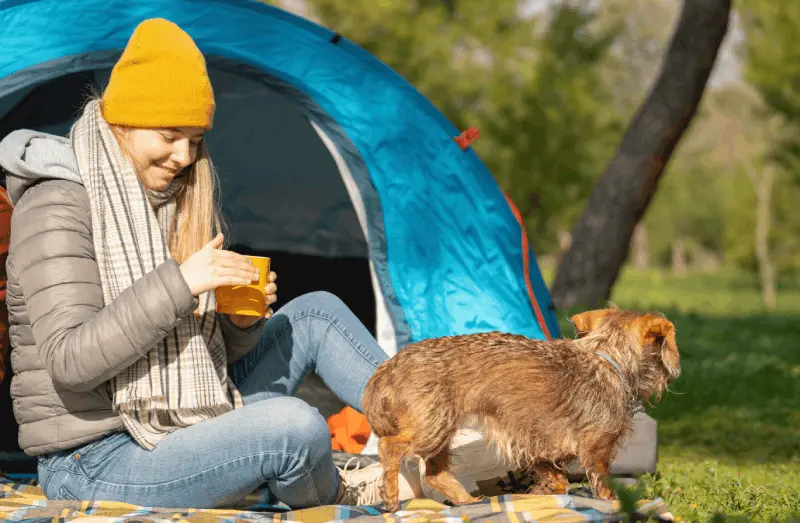
Nature means ticks, fleas, and mosquitoes. At the end of each day during camping, you should perform a "tick screening" on your pet's body from head to toe. Especially areas like behind the ears, armpits, between the toes, and under the tail are favorite spots for ticks. To physically monitor safety, you can use a fine-toothed flea comb or manually check for swelling on the skin. Drops or tablet applications made before camping provide protection but do not replace physical checks. Removing detected ticks with the correct technique (by holding the tick by the head with a tick card or tweezers) minimizes the risk of infectious diseases like Lyme.
How to Use Portable Camp Pens to Enhance Safety?
Portable metal or mesh pens create a safe "fort" in the campsite, especially for small breed dogs or cats. These pens keep the animal safe by defining boundaries without cutting off contact with the ground. They prevent your friend from wandering underfoot while you cook or set up the tent, or from chasing after something. By placing a favorite bed and toys inside the pen, you can make it a safe haven. This method allows your pet to observe the surroundings while reducing your obligation to keep a constant eye on them.
What Risks Exist for Animals Left Outside the Tent Overnight?
Some campers allow their dogs to sleep outside; however, this poses a significant risk in the wild. Nighttime predators may see your dog as a threat or prey. Additionally, dropping nighttime temperatures can lead to hypothermia. It is recommended that your pet sleeps inside the tent or in a closed vehicle to ensure safety. If they are to sleep inside the tent, preparing a separate sleeping bag or mat for them increases their comfort and insulates against cold from the ground. Sleeping together in a closed area allows you to intervene immediately in case of any discomfort or external threats.
Why Is Updating Microchip Records Critical in Case of Loss?
GPS devices can malfunction or run out of battery; in such cases, the most reliable tracking method is the microchip. Before embarking on a camping trip, you should check that your microchip number matches your current contact information in the national database. If your pet goes missing and is found by someone and taken to a veterinary clinic, the only way to reach you is through this chip. Additionally, having a temporary tag on their collar that includes not only their name but also information about the area you are in or a note saying "lost in camp" helps the finder understand the urgency of the situation. Information accuracy is the last line of defense combining technology and physical tracking.
Do Leftover Food Scraps in the Camp Kitchen Attract Wild Animals to Your Pet?
Food odors and scraps left out attract not only bears but also animals like foxes and jackals to the campsite. Serious confrontations can occur when these wild animals encounter your pet. To ensure safety, you should apply the "Leave No Trace" principles and store all food scraps in sealed bags, elevated off the ground, or in locked containers. Cleaning your pet's food bowl immediately after meals prevents odors from spreading. Keeping the campsite clean not only protects nature but also serves as a passive tracking method that prevents wild life from posing a threat to your pet.
How to Identify Signs of Heat Stroke in Camping Conditions?
Dogs are particularly sensitive to heat stroke during summer camps and intense activity moments. To monitor the safety of our friends with limited sweat glands, it is essential to read their body language. Excessive drooling, bright red gums, loss of balance, and rapid breathing are serious warning signs. In situations where shaded areas are limited in the campsite, it may be necessary to use special cooling vests or wet towels to reduce body heat. Heat stroke is an emergency; as soon as you notice these symptoms, you should stop the activity, move your friend to the shade, and cool their paws with cold water while seeking veterinary assistance.
Should Shoes Be Used to Protect Your Dog's Paws from Sharp Rocks?
The ground during nature walks is very different from the flooring at home or the asphalt in the neighborhood. Sharp rock fragments, thorns, or hot sand can harm their paws. Using durable dog shoes or protective paw wax is an effective measure to ensure paw safety. Shoes not only prevent physical injuries but also reduce the risk of paw contamination and tick attachment. If your dog is not accustomed to wearing shoes, you should conduct acclimatization training at home before going camping. Checking their paws after each walk to clean small cuts or stones is a fundamental routine that eliminates the risk of infection.
How to Set Boundaries for Socializing with Other Pets in the Campground?
In crowded campgrounds, many dogs may be present together. However, not every dog is social, and camping stress can trigger this situation. To ensure safety, you should always start your dog's interaction with other animals on a leash and in a controlled manner. You should not approach the owner of the other pet without permission.
you should not let go of the leash. You need to constantly observe the body language of dogs (upright ears, fixed gaze, raised tail) to detect any potential tension before it escalates. Keeping the time spent in socialization areas short and recognizing the chance for your dog to return to its "safe zone" (tent or mat) helps prevent social resource security issues.How is Noise Pollution and Thunder Phobia Managed in the Camping Area?
The weather in nature can change rapidly, and a sudden thunderstorm can create panic in pets. Similarly, loud music from nearby campers or thunder-like noises can also be frightening. To ensure safety, you should have calming pressure vests like "thunder-shirts" or chew toys with you. During a storm, ensuring your pet stays calm by pulling them into the safest and most insulated corner of the tent prevents them from panicking and getting lost. If your pet has a thunder phobia, it is a professional approach to keep mild sedatives recommended by your veterinarian in your emergency kit for such situations.
How Can Sunburn Risk Be Prevented for Hairless or Light-Colored Animals?
Sunburn is a significant risk not only for humans but also for pets with short fur, white, or pink skin. The nose, ear tips, and belly area are defenseless against harmful sun rays. To ensure safety, special zinc-free sunscreen formulated for animals should be applied to these areas. During the hours when the sun is at its highest (between 11:00 AM and 4:00 PM), ensuring your pet stays in the shade is the most effective protection. UV-protective dog shirts also offer a stylish and practical solution. Since sunburn can lead to skin cancer, following this precaution is critical for long-term health safety.
What Essential Medications Should Be in a First Aid Kit?
A standard first aid kit is a physical tool for monitoring your pet's safety in the camping area. Essentials that must be included in the kit: sterile gauze pads, non-adhesive bandages, antiseptic solution (like Betadine), tick removal tools, digital thermometer, protective socks for paw injuries, and antihistamines (for bee stings or allergies). Additionally, having activated charcoal for use in case of poisoning can be life-saving when consulting with a veterinarian. Learning to use this kit in advance and periodically checking expiration dates ensures you can provide the correct intervention within seconds in an emergency, maximizing safety.
What "Post-Safety" Checks Should Be Done After Camping?
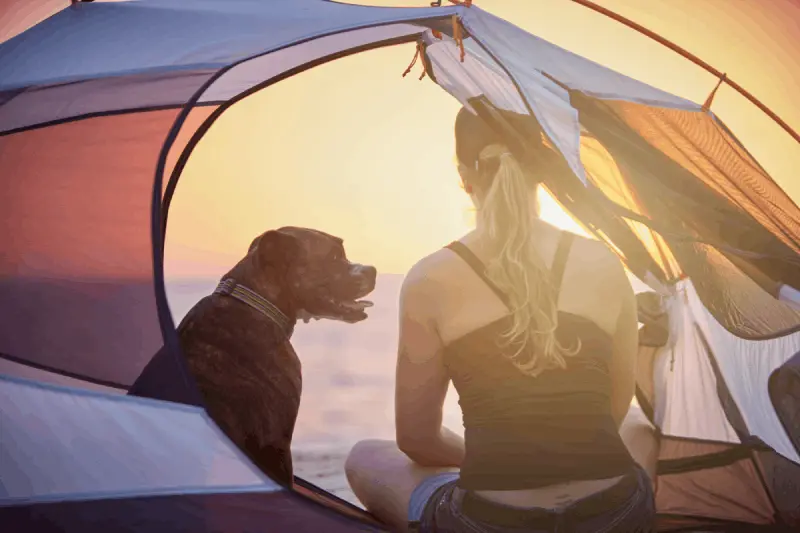
Safety monitoring is not limited to the camping area; it should continue when you return home. After camping, you should thoroughly wash your pet and check every spot on their skin again. Small scratches or unnoticed parasites from natural conditions may appear during this washing. Additionally, for several days after camping, you should monitor their appetite, stool condition, and energy levels. Some diseases (like those transmitted by ticks) can have an incubation period, and symptoms may appear after returning home. This "post-monitoring" process ensures that your camping adventure truly ended safely.
When is Water Proximity and Life Jacket Use Necessary in the Camping Area?
If your camping area is near a lake, river, or sea, monitoring water safety should be at the top of your list. Not every dog is a natural swimmer, and flowing waters can tire even the most skilled swimmers. You should always have your pet wear a dog life jacket when boarding a boat or walking near deep waters. Life jackets help prevent sinking and allow you to quickly pull your pet out of the water thanks to the handles on them. Brightly colored jackets also enhance visibility on the water, making it easier to keep track of them. Checking the water temperature and depth before entering protects your pet from cold shock or hidden rocky hazards.
How Do You Manage Your Dog's Chewing Habits on Forest Floors?
The forest floor is filled with tree branches, pine cones, chewed bone remnants, and wild animal droppings. Many dogs love the "find-and-eat" game, but this can lead to intestinal blockages or parasite infections. To ensure safety, the "leave it" command must work flawlessly in the camping area. Additionally, giving your dog their own safe chewing bones or interactive toys to keep them occupied helps divert their attention from risky items on the ground. Continuously monitoring what your dog has in their mouth can be exhausting, so training for oral control (especially for those with a tendency to eat everything) is a niche but effective strategy in camping safety.
Why are Portable Dog Beds and Ground Insulation Important?
Sleeping directly on the ground can cause pets to lose body heat quickly (through conduction) and can lead to joint pain. Ground insulation is a vital safety and comfort issue, especially for older dogs. While monitoring camping safety, you should use camping beds or thick inflatable mats that keep your pet's resting area elevated off the ground. This not only protects them from the cold but also makes it difficult for ground pests (ants, spiders, scorpions) to reach them. Having their own bed in the camping area is essential. mass gives her a psychological sense of security and sends a "I am home" message, which reduces stress levels.
What is the strategy for the first 15 minutes when a pet goes missing at the campsite?
The first moments when you realize your friend is missing are the most critical. Instead of panicking, you should apply the "stop and call" method. Dogs often return by following their own tracks, so it is more effective to stay at the campsite and call them with familiar sounds instead of moving constantly. To ensure safety, you should quickly inform the other people at the campsite and share descriptions. If they have GPS, you should check the last location via the mobile app. Leaving a blanket that belongs to them or a piece of clothing that carries your scent in the area where they went missing can facilitate their return through their sense of smell. Staying calm in the first 15 minutes increases your chances of finding them by 80%.
How is observation distance and safety adjusted during night hikes?
Some campers love night hikes, but this is the most risky time for pets. Predators with night vision can easily target your friend in the dark. If you plan to go on a night hike, your dog should always be on a very short leash and by your side. You should use a headlamp to follow the path in front of you and the "glowing eyes" around you. When you encounter wildlife (for example, an owl or a fox), you should never let your dog follow them and should slowly back away. Night safety is based on visibility and absolute control; therefore, it is important to ensure that sound and light alarms are active, as this is the key to tracking in the dark.
This blog post discusses methods that transform your pet's safety in nature from just a matter of luck into a conscious tracking and preparation process. Camping with the right equipment, training, and attention will be the safest adventure that strengthens the bond between you and your friend.