Why Should You Prefer Staying in Remote Places with a Caravan?
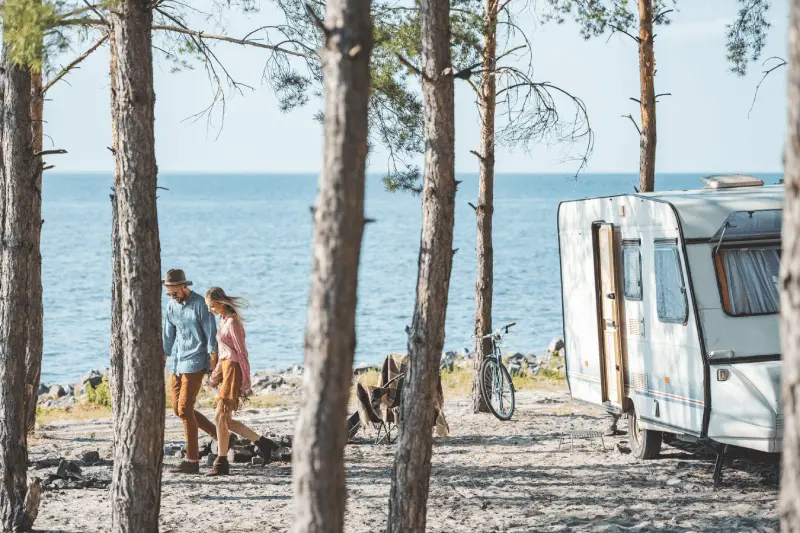
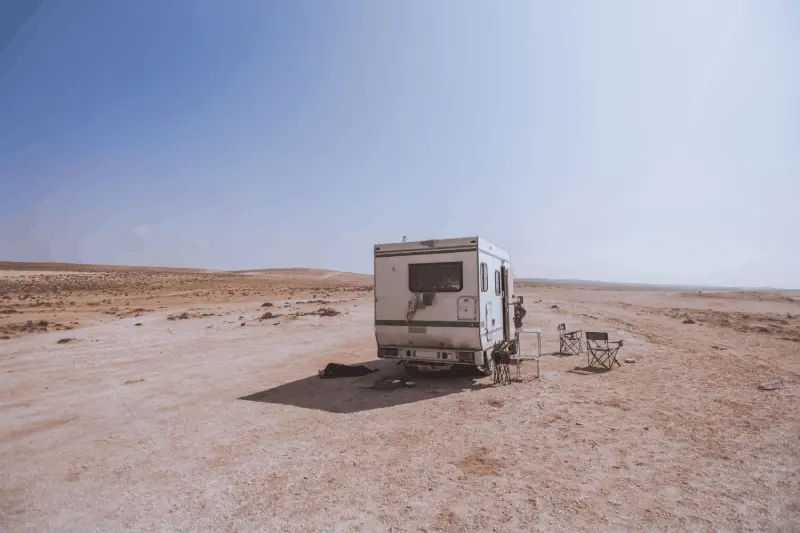
Staying in the heart of nature, away from the crowds, is one of the greatest freedoms of caravan life. Escaping the noise and light pollution of the city provides a mental detox. However, this isolation comes with serious responsibility and a need for security. Since remote areas can be places where help may be slow to arrive, being prepared is essential. To maintain the peace that comes from being alone with nature, minimizing potential risks and adopting a strategic security mindset is a fundamental requirement for the sustainability of this lifestyle.
How Does the Geographical Structure Affect Your Safety When Choosing a Place to Stay?
When choosing a place to stay, you should pay attention not only to the beauty of the view but also to the topography of the area. Locations near riverbeds carry a risk of sudden flooding due to runoff from higher basins, even if it doesn't rain. Additionally, soft or sandy ground can cause the caravan to get stuck, making it impossible to escape in emergencies. You should always park your vehicle on a solid surface, facing downhill. By analyzing the dominant hills and blind spots around you, you can anticipate the approach routes of any potential intruders, thereby enhancing your safety.
What Security Locks Should Be Preferred for Caravan Windows?
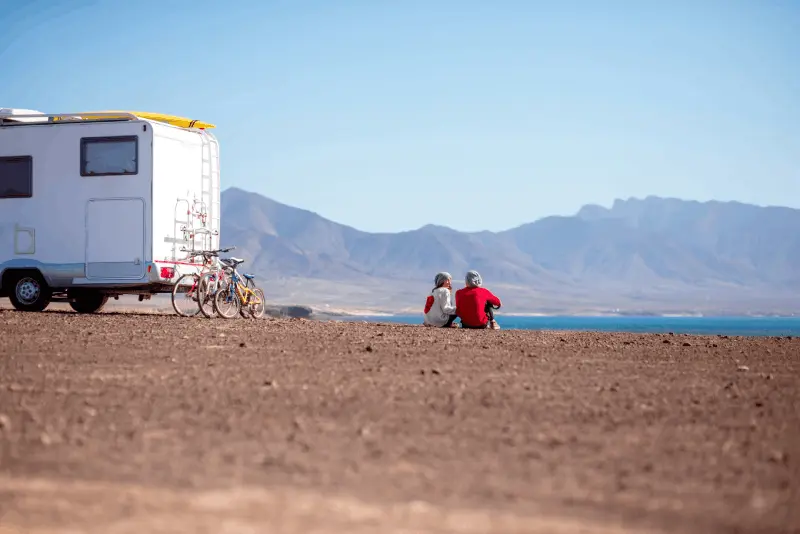
The weakest points of caravans are usually the windows. Standard plastic latches can be easily opened from the outside with a screwdriver. Therefore, interior screw-mounted aluminum safety locks or additional security bars that prevent the window sash from being pried open from the outside should be preferred. Vibration sensor alarms attached to the windows can also emit a loud sound when the glass is tampered with, acting as a deterrent. Security should not only be a physical barrier but also a visual message that communicates to a thief, "This vehicle isn't worth the trouble."
How Can Social Media Posts Threaten Your Location Security?
In the digital age, the biggest security risk is real-time location sharing. A story posted while having breakfast in a beautiful view can reveal your exact location to ill-intentioned individuals. A stranger who knows you are in a remote area will also understand that no one is nearby. Therefore, it is a golden rule to share photos and videos of your location only after you have left (delay posting). Avoid using geographical tags (geotags) and be cautious when sharing details that include the exterior appearance of your caravan, its license plate, or any distinctive features.
What Should Be Considered When Making an Emergency Escape Plan?
At every accommodation point, you should ask yourself, "What would I do if I needed to leave immediately?" The keys inside the caravan should always be kept in the same, easily accessible place. The driver's seat should never be cluttered with items, so you can quickly get behind the wheel and move in an emergency. The awning, table, and chairs you set up outside should be easily collapsible, or if absolutely necessary, you should be prepared to leave them behind. You should also review alternative routes in advance to ensure that your escape route won't be blocked by rain or mud.
What Precautions Should Be Taken Against the Risk of Encountering Wild Animals?
The true hosts of remote areas are wild animals. The biggest factor attracting animals like bears, wolves, and wild boars to the caravan is scent. You should never leave your trash outside the caravan, and to prevent food odors from spreading outside, keep windows closed and use ventilation fans. Not spilling food scraps around the caravan and not leaving pet food outside is crucial. Keeping bear spray within legal limits for use during encounters and having a loud whistle or horn system to scare off animals will enhance your safety.
Why Is Energy Independence Important for Your Safety with Solar Panels?
Energy is the heart of all security systems in the caravan (lights, cameras, communication). If your solar panels and battery capacity are insufficient, you may find yourself in complete darkness at night or unable to charge your phone. Energy independence prevents panic by meeting your basic needs for heating and lighting when you are stranded in a remote area. With a smart energy management system, you should continuously monitor your battery level and always keep a reserve of energy (for example, a small backup battery dedicated solely to security systems) for emergencies.
Can Satellite Communication Devices Save Lives in Areas Without Network Coverage?
In many remote areas of Turkey or on distant routes abroad, mobile phone coverage may not be available. In such cases, a standard mobile phone is just a toy. Satellite-based messaging and SOS devices like Garmin InReach allow you to share your location via direct satellites and send signals to emergency centers. Although these devices may require an annual subscription, they are the only bridge between you and the outside world when you are completely cut off from civilization. Having this technology in the event of an accident or mechanical failure drastically increases your chances of survival.
Is It Logical to Install Motion Sensor Lights Outside the Caravan?
Light is the biggest deterrent for ill-intentioned individuals and wild animals. Low-energy LED motion sensor lights placed around the caravan will instantly illuminate anyone approaching the caravan at night. This creates a "I've been seen" psychology in the intruder while also alerting you inside.
It allows you to see outside. However, these lights should not be set too sensitively; a branch swaying in the wind can continuously trigger the light, which can drain your battery and unnecessarily stress you out. These lights, placed at strategic points, create a passive protective shield.Is Establishing Communication with the Local People an Advantage from a Security Perspective?
If you are staying near a village or a plateau, having a short conversation with the locals is often the best security investment. They know the risks of the area (such as flood zones, law enforcement status) best. Introducing yourself, saying "I am here," and establishing a friendly communication can help you gain an ally who may assist you in a potential problem. When the locals know that a foreign vehicle is there, they usually exhibit a protective attitude. Of course, it is sufficient to communicate within the framework of politeness without giving too many personal details.
Can Stealth Camping Techniques Be Applied in Remote Areas?
Stealth camping usually refers to staying in urban areas without revealing that you are in a caravan, but it can also be applied in remote areas as "low profile" camping. Not placing items like tables, chairs, or shoes outside the caravan, turning off outside lights, and preventing the light inside from leaking outside (with blackout curtains) ensures that the vehicle appears to be empty or just an ordinary truck from a distance. If you are in an area where you have security concerns, stealth camping techniques can help you avoid becoming a target. Being invisible is sometimes the best defense method.
Where and How Should a Security Safe Be Installed Inside the Caravan?
It is essential to have a hidden steel safe inside the caravan for items like cash, passports, spare keys, and valuable jewelry. This safe should be bolted directly to the chassis or main frame of the caravan. Safes that are only screwed into cabinets can be easily removed and taken by thieves. The location of the safe should be in a place that is not immediately obvious, hard to access, and camouflaged. For example, a hidden compartment next to the water tank under the bed or a blind spot under the kitchen counter can be preferred. Another strategy is not to keep your valuable items in one place.
Why Are Tire Pressure Monitoring Systems Critical on Remote Roads?
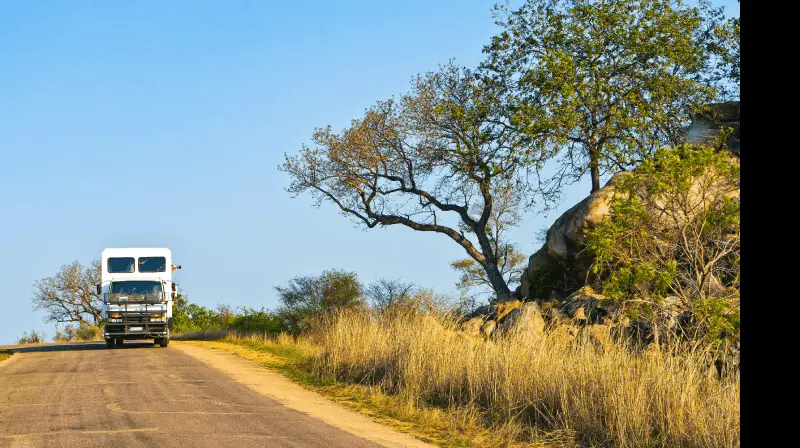
Roads leading to remote areas are often filled with gravel, stones, or thorny plants. A slow puncture may go unnoticed while you are in the middle of the wilderness, causing you to get stranded. TPMS (Tire Pressure Monitoring System) sensors instantly notify you of the slightest change in tire pressure. With this system, you can safely pull over and intervene before your tire goes completely flat and damages the rim. You should also periodically check the condition of your spare tire and always have tire repair kits (plug, compressor, etc.) with you.
What Specific Items Should Be Included in a First Aid Kit?
A standard first aid kit may not be sufficient for remote areas. It should definitely include a tourniquet, burn gel, broad-spectrum antibiotic creams, allergy medications (an epipen may be necessary), suction pumps for snake and scorpion stings, and pain relievers. Additionally, obtaining basic medical training or having a first aid manual is of vital importance. Even if you cannot stitch yourself, adhesive strips (steri-strips) that keep the wound sterile can be lifesaving. Checking the expiration dates of medications every six months should be part of your safety routine.
What Mechanical Solutions Are Available to Reinforce the Caravan's Entrance Door?
Caravan doors typically have standard and weak locking systems. Using additional security arms that are mounted on the outside of the door and can be locked from both inside and outside, offered by brands like "Fiamma" or "Thule," is a very effective solution. Additionally, pins that prevent the door hinges from being unscrewed from the outside and steel plates placed inside the door handle also enhance security. A simple wedge (door wedge) that you place behind the door while you sleep or a tension strap that connects the door handle to the frame can make it impossible to force the door open.
Are Night Vision Binoculars or Thermal Cameras Necessary?
When you hear a sound from outside in a remote area at night, looking outside blindly or turning on a flashlight can make you a target. A low-cost night vision binocular or compact thermal cameras that can be attached to smart phones can help you identify outside living beings by their heat signature or light emission. This helps you determine whether the incoming entity is a wild animal or a human, and assists you in managing your panic level. Technology provides you with a strategic advantage by eliminating the uncertainty in the darkness.
What Detectors Should Be Inside the Caravan for Fire Safety?
Security in the caravan is not only about external threats but also concerns the risks inside. A fire can engulf the entire vehicle in seconds due to the confined space you are living in. You must have a smoke detector, a carbon monoxide (CO) detector, and a gas detector that detects LPG leaks. Especially the Webasto or gas heaters used in winter pose a carbon monoxide risk. The batteries of these detectors should be regularly checked, and at least two easily accessible fire extinguishers (one on the driver's side and one in the kitchen area) should be present inside the vehicle.
How to Set Up Low Energy Camera Systems for Environmental Monitoring?
Nowadays, systems that work with a SIM card can be set up... Low-energy security cameras that transmit images via mobile data or Wi-Fi are quite accessible. Thanks to the wide-angle cameras placed on the top or sides of the caravan, you can monitor your surroundings 360 degrees from your phone without getting up. Some systems send you notifications only when there is truly significant movement by distinguishing between humans and animals using artificial intelligence. It is essential that these systems are waterproof and have night vision capabilities. The ability to monitor remotely ensures your peace of mind when you leave your caravan somewhere and go out for a walk.
Is Being a Dog Owner the Best Solution for Security in a Caravan?
A dog is both a loyal friend and the best alarm system in the world. Dogs' abilities to smell and hear allow them to detect threats that humans might not notice well in advance. Even a small bark is often enough to deter thieves. However, owning a dog comes with responsibilities; you should not let your dog roam free in the wild (it may attract wild animals or be attacked). Additionally, training your dog is important to prevent unnecessary aggression towards strangers. A well-trained dog is your greatest security asset in remote areas.
How is Safety Ensured When Reversing a Caravan?
Reversing in narrow and tight roads carries the risk of damaging trees, rocks, or cliffs behind the vehicle. A quality rearview camera is essential. However, you should not rely entirely on technology; if possible, you should get out of the vehicle to check behind or ask someone nearby to guide you from outside. Using a walkie-talkie is much safer and more professional than trying to communicate by shouting. Any damage that may occur while reversing can lead to mechanical failure of the vehicle and leave you stranded in a remote area; therefore, you should always move without rushing.
How is a Camping Spot Analyzed Against Natural Disasters?
Safety is not just about protecting against thieves; you should also be prepared for the forces of nature. Does the soil structure of the place you will stay pose a landslide risk? Do the dry grasses around you prevent your escape in a possible forest fire? Are you in a very windy area (even if the risk of the caravan overturning is low, it can disrupt comfort)? You should closely monitor weather applications and be prepared for sudden weather changes. Especially against the risk of lightning strikes, you should avoid parking under very tall and solitary trees. Instead of stubbornly resisting nature, you should position yourself according to its rules.
How Do GPS Tracking Devices Work Against Caravan Thefts?
If your caravan is stolen, it means the theft of all your life inside it. GPS tracking devices powered by batteries or the vehicle's battery, placed in a hidden location, send instant alerts to your phone when the vehicle's location changes. Some advanced systems even allow you to remotely block the vehicle's engine. To prevent thieves from finding these devices, magnetic covers and small models should be preferred, and they should be hidden inside the chassis or in invisible gaps behind furniture if possible. Even a small label stating "This vehicle is tracked by GPS" can increase its deterrent effect.
How Does the Exterior Appearance of a Caravan Affect Security Perception?
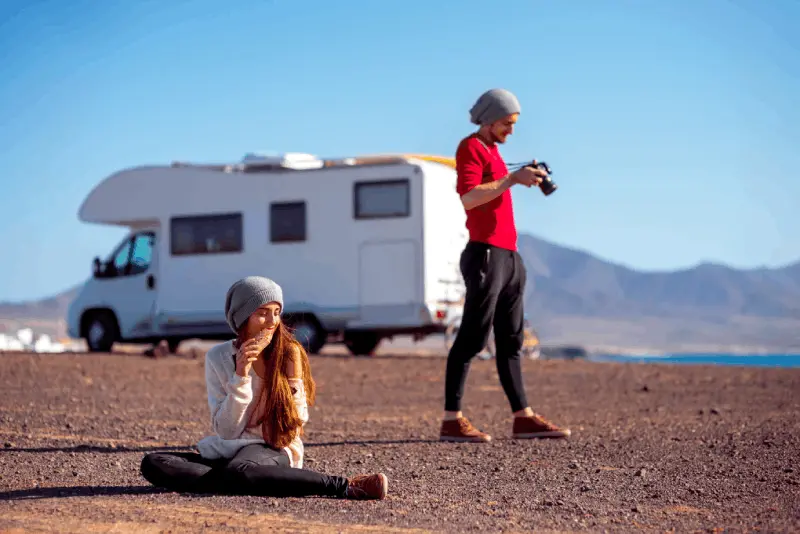
A caravan displaying expensive equipment (bicycles, canoes, large solar panels) creates an image of a "rich target" for thieves. On the other hand, a very neglected and dirty vehicle can give the impression that its owner is careless. It is important to strike a balance. Securing the equipment outside the caravan with strong locks (steel cables, etc.), covering the windows with dark film to prevent visibility inside, and ensuring the vehicle looks clean but modest is best. By adapting the "grey man" theory to the caravan, you should present a solid stance without attracting attention.
Why is the Hygiene and Safety of Water Tanks Important for Long-Term Stays?
Another aspect of safety is health. It is difficult to find a clean water source in remote areas. You should ensure the quality of the water you take into your caravan's water tank. You must prevent bacterial growth inside the tank by using UV filtration systems or silver ion disinfectants. Keeping the lid of your water tank locked also prevents external interference (contamination from sabotage or accidents). Learning to conserve water delays your obligation to leave your safe area for water replenishment. Remember, being without water can force you to make wrong decisions and go to risky areas.
What is the Legal Status of Defensive Pepper Spray or Similar Products?
Self-defense tools vary significantly according to the laws of the country you are in. While possessing pepper spray is generally not prohibited in Turkey, there are legal restrictions regarding its use. If you plan to keep such self-defense tools in your caravan, you should know very well how to use them. Misuse can harm you. Instead of pepper spray, personal alarms that produce very loud sounds (panic alarms) or flashlights with very powerful strobe features are also effective self-defense tools. Defensive methods involving physical contact should always be the last resort; the main goal is to stay away from danger.
What Extra Tips Are There for Those Traveling Alone in a Caravan?
Traveling alone in a caravan (solo vanlife) is a big adventure. It requires courage and planning. For safety, you can create the illusion that you are not alone in the vehicle by using small "illusions" like always placing two chairs outside. You should constantly share your location with a loved one and establish protocols like "if I don't call by this time, call for help." You must trust your instincts more than ever; if a place gives you the slightest discomfort, you should leave without questioning the reason. Developing your self-sufficiency skills (changing a tire, simple engine repairs) will boost your confidence and safety.
How Should Seasonal Conditions Change Your Safety Strategies?
Being trapped under snow in winter or experiencing dehydration in extreme heat during summer are serious safety risks. You must ensure that the exhaust outlet in winter accommodations is not blocked by snow; otherwise, you should be aware that you could suffer from carbon monoxide poisoning. In summer, you should not park over dry grass due to the risk of fire. Each season has its own unique equipment needs (snow chains, sunshades, extra blankets). You should not forget how volatile the weather can be during seasonal transitions and always be prepared for the worst-case scenario (for example, a sudden hailstorm in the middle of summer).
Why Is Using Digital Maps and Offline Navigation Essential?
In places where there is no internet, Google Maps or similar online applications may not work. Therefore, you must download the maps of the area where you will be staying offline to your phone. Additionally, applications that provide better topographic details, such as "Maps.me" or "Gaia GPS," will help you see forest roads and trails. Knowing how to use a paper map and having a compass is your only salvation in case digital devices fail. Informing someone in advance of the route you will take and not deviating from that route is a basic safety rule that will facilitate the work of search and rescue teams.
Why Should the Caravan's Underbody and Mechanical Checks Not Be Neglected in Remote Areas?
Being stranded in the middle of nowhere due to a mechanical failure is one of the biggest safety nightmares. Before hitting the road, you must check the oil level, coolant, brake pads, and belts. Checking for a dangling wire or a leak by looking under the vehicle should become a habit. A basic tool kit (wrench set, WD-40, zip ties, electrical tape) should be present in every caravan. Tightening a small screw can prevent a major disaster. Knowing your vehicle and understanding its language is the most fundamental rule of safe travel.
What Are the Methods for Psychological Preparation and Staying Calm in a Crisis?
The most important component of safety is your mind. Fear and panic prevent logical thinking and lead to mistakes. You should remind yourself that every sound you hear at night is likely caused by a small animal or the wind. However, when a crisis occurs (such as a burglary attempt or a natural disaster), you should activate the "action plan" you have previously devised in your mind. Practicing will enable you to automatically respond correctly in a real situation. Deep breathing exercises and the ability to quickly analyze the situation are the invisible yet strongest shields of safety in a caravan.
How Is the Perception of a "Safe Zone" Created in Caravan Accommodation?
Creating your own safe zone begins with drawing an imaginary boundary around you. From the moment you park your caravan, you should scan the surroundings and identify potential escape routes, hiding places, and danger points. This awareness gives you spatial control. Ensuring that doors are locked, curtains are closed, and systems are operational is a technical aspect; however, feeling "safe" in that area is a psychological aspect. If a place makes you uncomfortable, even if all your security systems are intact, it is not the right place for you. Your instincts are an evolutionary security mechanism developed over thousands of years.