What Are the Basic Engineering Secrets That Determine Hot and Cold Retention Performance?
The success of a camp thermos is measured by how well it prevents the exchange between the outside air temperature and the temperature of the beverage inside. From an engineering perspective, this means minimizing conduction, convection, and radiation, which are the three main pathways of heat transfer. In a quality thermos, the vacuum layer created between the inner and outer walls stops heat conduction at the molecular level. Additionally, coating the inner wall with reflective materials like silver or copper also prevents heat loss through infrared radiation. These detailed layers are fundamental elements that ensure your beverage stays at the same temperature for 24 or even 48 hours.
Why Is Vacuum Insulation So Important in Camp Thermoses?
Vacuum insulation is based on the principle of completely evacuating the air between two metal walls. Like outer space, heat cannot move in an airless environment. If you encounter harsh winds or freezing cold while camping, if the vacuum layer is of good quality, this cold will never reach the beverage inside the thermos. In standard, cheap thermoses, this space is not fully vacuumed, causing the heat to equalize within a few hours. When choosing a real camp thermos, looking for the phrase "Double Wall Vacuum Insulation" is vital for the comfort of your adventure.
What Is the Effect of 18/8 Stainless Steel Material on Heat Insulation?
Stainless steel is preferred for its durability and corrosion resistance, but 18/8 (304 grade) steel is the gold standard in terms of food safety and heat retention consistency. This type of steel contains 18% chromium and 8% nickel; this gives the thermos both its rust-resistant properties and prevents the beverage's taste from changing (metallic taste). Using thick and quality steel ensures that the vacuum remains intact and that external impacts do not damage the insulation layer. Considering the harsh conditions in a camping environment, a body made of 18/8 steel directly enhances the thermos's lifespan and heat performance.
How Does Lid Design Prevent or Accelerate Heat Loss?
While many users focus on the body, the biggest enemy of heat is actually the lid. Heat escapes through the weakest point, and since lids are usually made of plastic or silicone, they are not insulated as well as the body. In quality camp thermoses, lids are systems filled with insulating material, screw-on, and have leak-proof seals. The design of pouring mechanisms called "Stopper" allows you to pour without fully opening the lid; this helps reduce air entry, thus preserving heat. Wide-mouthed lids make filling easy, but narrow-mouthed lids are always more successful in trapping heat.
What Is the Relationship Between the Internal Volume of the Thermos and the Heat Retention Duration?
According to the laws of physics, the larger the mass of a liquid, the longer it takes to lose its heat. Therefore, a 1.9-liter thermos will keep heat much longer than a 0.47-liter thermos with the same technology. The number of people you are camping with and how long you will be outside determines this decision. If you are going for a short hike alone, a small model may suffice, but if you want to drink hot tea all day during a weekend camping trip, larger volume models offer you a much wider time window for heat retention.
Why Are Stanley Thermoses the Number One Choice for Campers?
Stanley has been an iconic brand in the thermos world since 1913. Especially the "Classic" series has proven itself everywhere from construction sites to the summit of Everest. What sets Stanley apart is its extremely durable outer body and lifetime guarantee. The brand's vacuum technology is so reliable that the stories of thermoses passed down through generations have turned into a camping legend. With the new Master series, the brand has further elevated its reputation, becoming a haven for professional distributors and camping enthusiasts with heat retention times of up to 40 hours.
How Does Thermos Brand's 'Vacuum Insulation' Technology Differ from Others?
The original brand that gave its name to the word "thermos," Thermos is known for its engineering marvel products. Especially the "Work" series and "King" models offer astonishing heat insulation despite their incredible lightness. The patented vacuum technology used by the Thermos brand minimizes the distance between the two walls, reducing the external volume of the thermos while maximizing internal performance. If you have limited space in your bag and are moving with a gram count, Thermos brand models, which provide high efficiency and ergonomic design, may be the best choice for you.
How Is the Balance Between Slim Design and Heat Performance Achieved in Zojirushi Thermoses?
One of the most elegant examples of Japanese engineering, Zojirushi is often recognized for its compact designs and obsession with leak-proofing. A Zojirushi thermos, despite appearing much thinner than its competitors, can maintain astonishingly high temperatures thanks to its "high-tech" vacuum layer. The locking systems in the lid mechanisms reduce the risk of accidental opening inside your bag to zero. Additionally, the non-stick coating on the inner surface (SlickSteel) prevents beverage residues and odors from sticking, making it easy to clean in a camping environment; this makes it ideal for coffee-loving campers.
Are Yeti Thermoses Really Necessary for Extreme Conditions?
Although Yeti was originally born as a cooler brand, it has managed to dominate the market with its "Rambler" series thermoses. The biggest feature of Yeti thermoses is their thick wall structure, which gives an almost "bulletproof" feeling. If your thermos is likely to roll down rocks, get crushed in your luggage, or be exposed to very hard impacts, Yeti's durability is undeniable. Offering a wide variety of colors aesthetically and having innovative features like magnetic (MagSlider) lids have made it a popular status symbol both in camping and daily life.
Can Hydro Flask Thermoses Compete with Aesthetic Appearance and Insulation Power?
Hydro Flask is particularly popular among young and dynamic campers for its vibrant colors and "TempShield" technology. While aesthetic design is at the forefront, it never falls behind in insulation performance. The brand strikes a great balance between lightness and performance, especially promising to keep cold beverages icy for up to 24 hours. The powder coating prevents sweating and provides an excellent grip even with wet hands. If you are looking for a combination of style and functionality in your outdoor adventures, Hydro Flask is the strongest candidate that offers you this duality.
Why Are Primus and Other European Brands Preferred in Harsh Winter Camping?
Swedish-based Primus specializes in producing equipment for the harsh Scandinavian winters. The brand's thermoses typically have a matte and textured outer surface; this provides excellent grip when used with gloves. Primus thermoses not only keep the liquid inside warm but also make life easier for winter campers by designing the lid as an excellent cup (mug). The material quality according to European standards and the minimalist design philosophy make Primus an indispensable choice for serious nature enthusiasts who want to stay away from unnecessary frills and focus solely on performance.
Can Quechua Thermoses, the Price-Performance Monster, Compete with Professional Models?
Quechua, a brand of Decathlon, surprises many campers with the performance it offers despite being budget-friendly. Of course, expecting a 40-hour performance from a Stanley Master series would be unfair, but a heat retention capacity of 12-18 hours is more than sufficient for a standard weekend camping trip. Its stainless steel structure and sturdy screw-on lids offer a great price-performance balance for beginner and intermediate campers. If you are not a professional distributor and do not want to allocate a large budget for a thermos, Quechua models will not leave you halfway.
How Should You Prepare in Advance to Extend the Heat Retention Life of a Thermos?
Even if you buy the most expensive thermos, incorrect usage can halve its performance. You must always perform "pre-heating" or "pre-cooling" before filling your thermos. If you are going to put a hot beverage, rinse the thermos with boiling water and let it sit for 5 minutes. This process ensures that the inner walls are warmed up and prevents the heat from escaping when you put your beverage in. You can also do the same process with ice water for cold beverages. This simple yet critical step is the only key to achieving the performance times written on the thermos in the real world.
How Should the Balance Between Weight and Durability Be Considered When Choosing a Thermos?
The thicker the walls of a thermos, the better its insulation and durability generally; however, this also brings weight. If you are a backpacker, every gram matters, and you should prefer titanium or thin-walled steel models. However, if you are going to stay in a vehicle or a fixed campsite, you can focus on maximum insulation and volume rather than weight. Durability is an insurance against accidents that may happen to the thermos. In addition to the quality of the steel, protective boots at the bottom are details that extend the thermos's lifespan.
Why Should BPA-Free Materials and Environmental Sustainability Not Be Ignored?
For a nature-loving camper, environmental awareness should always be a priority. When choosing a thermos, you should ensure that the plastics used in the lid and inner parts do not contain BPA (Bisphenol A). BPA is a harmful chemical that can leach into water when it comes into contact with hot liquids. All quality brands now offer BPA-free products. Additionally, using a durable stainless steel thermos instead of single-use plastic bottles is one of the most effective ways to reduce your environmental footprint. Sustainability is the biggest bonus of quality equipment.
Does Thermos Cleaning and Maintenance Affect Insulation Performance?
Yes, cleanliness directly affects performance and the quality of the contents. The tea or coffee residues that form inside the thermos over time not only create a bad smell but can also affect heat transfer at the micro level by disrupting the smoothness of the inner surface. While thermoses are often marketed as dishwasher safe, hand washing is always recommended. The high heat and aggressive detergents in dishwashers can damage the outer coating and, more importantly, can weaken the vacuum seal over time. A mixture of baking soda and hot water is the most natural and effective method to remove stubborn stains and keep the thermos fresh.
How Can You Determine the Right Thermos Capacity According to Your Adventure Type?
Capacity selection depends on the logistics of your camping. If you are going for a day hike, models between 0.5 and 0.75 liters are ideal. For an overnight camping trip, a capacity of 1 liter per person is recommended. In winter camping, due to the risk of water freezing and the need for continuous hot liquid consumption, models of 1.5 liters and above (like Stanley Classic 1.9L) can be lifesaving. Additionally, the mouth width is also important; if you want to add ice or put soup in, you should choose models with wide mouths, while if you are only consuming liquids, narrow-mouthed ones that trap heat better should be selected.
Which Brand Thermos Offers Longer Lifespan?
When it comes to a product that is "heirloom quality," Stanley and Thermos brands are undoubtedly the leaders. Stanley's steel thickness and rugged yet sturdy design make it the most resistant brand to impacts. Thermos stands out for the quality of its mechanical parts. The most critical part determining the lifespan of a thermos is the vacuum seal. If the seal breaks, the thermos simply turns into a steel container. At this point, the warranty period offered by the brand is an indicator of trust. Brands that offer a lifetime warranty essentially prove how much they trust the quality of their seals.
What Can You Do to Prevent Your Thermos from Freezing in Extreme Cold?
When camping in freezing temperatures, the plastic or metal parts outside your thermos can freeze, making it difficult to open the lid. To prevent this, you can use special neoprene covers for your thermos. Neoprene provides an extra layer of insulation, preventing the outer body from getting excessively cold. Additionally, instead of carrying your thermos outside your bag, placing it between your clothes or inside the bag allows it to benefit from your body heat or the insulation of other items. Getting into your sleeping bag with your thermos (if you are sure it is leak-proof) guarantees that you will have something warm to drink when you wake up in the morning.
Why Are Cheap Thermoses on the Market More Prone to Heat Loss?
The difference between cheap thermoses and professional camping thermoses lies in the unseen details. In cheap models, the steel quality is lower, and the walls are thinner, which causes the vacuum to leak over time. Most importantly, the insulation of the lids is often absent; they consist of just a thin plastic layer. Additionally, the polishing process on the inner surfaces (electropolishing) is not done in cheap models, which allows bacteria to grow and bad odors to persist. Investing in a quality thermos once is both more economical and much safer than buying five cheap ones.
What Accessories Can Be Used to Enhance Your Thermos's Performance?
Accessories that support thermos performance elevate your user experience to the next level. Neoprene carrying bags not only increase insulation but also protect the thermos from scratches. Spare lids are parts you should keep on hand, especially for models with mechanical lids, to mitigate the risk of leaks. Long brushes are critical for cleaning the bottoms of deep thermoses. Additionally, some brands offer lids with a "French Press" feature, allowing you to brew fresh coffee while maintaining insulation. These small additions can turn your thermos into a versatile kitchen tool.
How Do Insulated Lids and Mug Functions Affect Ease of Use?
The lid of a camp thermos often serves as a cup. However, not every lid-cup is the same. Some lids are made of double-walled stainless steel and keep your beverage warm even when you pour it into the cup. Plastic cup lids, on the other hand, cool down very quickly and can ruin your enjoyment during winter camping. Additionally, the volume of the lid is also important; a small cup requires constant refilling, while a wide lid can even be used for drinking soup. The grip of the lid and its balance during pouring are critical factors that directly affect your comfort, especially during tired camping evenings.
Why Is the Warranty Coverage and After-Sales Support of Your Thermos Critical?
Camping equipment is used under harsh conditions, and even the highest quality product can sometimes have manufacturing defects or unexpected malfunctions. Brands like Stanley have a very strong distributor network and spare parts support in the Turkish market. Being able to easily find a replacement when a lid is lost or a seal wears out saves your thermos from being thrown away. The warranty process represents the brand's stance behind its products. When you buy a product that promises "lifetime warranty," you are essentially making a one-time investment and ensuring that you will not face thermos issues for the rest of your life.
Is It Really Possible for a Thermos to Offer a 'Lifetime Warranty'?
Yes, especially in Stanley and some high-end Thermos models, this warranty exists. However, it is important to know what this warranty covers. Generally, "lifetime warranty" covers the loss of the product's insulation properties (vacuum failure) and manufacturing defects. User errors, such as dents from dropping or damage to the outer coating from improper cleaning, are usually excluded from coverage. Still, a brand replacing a thermos that experiences insulation loss even after ten years is the biggest proof of how durable the technology they use is. This trust explains why campers remain loyal to certain brands.
In Conclusion, Which Is the Best Camp Thermos?
Ultimately, the "best" thermos is the one that best meets your specific needs. If you are looking for extreme durability and lifetime use, the Stanley Classic or Master series; if your priority is lightness and compactness, Thermos Work or Zojirushi; if you want to reflect your style and drink icy beverages, Hydro Flask or Yeti are the best for you. The right choice will emerge when you blend technical specifications, your budget, and your camping habits. Remember, a good thermos is not just a container, but your warmest friend in nature.
Does the Number of Layers in Vacuum Insulation Really Meet the Expected Performance?
Just because a thermos looks shiny from the outside or is heavy does not mean it will keep its contents hot for 24 hours. As a content strategist, you should know this; professional users focus not only on the label "vacuum" but also on the quality of the void between the double walls. If the vacuum process between the two steel layers has not been completed properly during manufacturing, the phenomenon known as "thermal bridge" occurs, and heat escapes within seconds. This situation can cause your tea to be ice-cold within an hour during winter camping. Therefore, it is vital to look not only at the number of layers but also at the laboratory tests and real-world experiences users have with the brand's vacuum technology.
Does the Metallic Taste That Forms Over Time on the Inner Surface of the Steel Affect Water Quality?
Many campers complain that the taste of water changes when they first get their thermos and wonder if this poses a health risk. 18/8 stainless steel (304 grade) is the standard, but in low-quality productions, metallic taste can interact with the water's pH balance, making it impossible to drink. Especially acidic beverages (fruit juices or lemon teas) can cause corrosion when they come into contact with low-quality steel. This is not just a taste issue but also poses a risk of heavy metal accumulation in the long term. Therefore, you should ensure that your chosen thermos has an inner surface that has been polished using the "electro-polishing" method; this technology keeps the taste pure and eliminates the pores where bacteria can cling.
Do Plastic Seals in the Lid Mechanism Release Chemicals at High Temperatures?
For a health-conscious consumer, the quality of the steel is as critical as the material of the lid and seals that come into direct contact with the liquid. While most modern thermoses carry the "BPA Free" label, whether the plastic parts that come into contact with water at temperatures above 95 degrees contain phthalates that disrupt hormonal balance is a significant question mark. Silicone seals must be food-grade. If you smell a strange plastic odor coming from the lid, it indicates that the material is not stable under heat. From a content strategist's perspective, to eliminate this doubt, it is safest to choose models that have international food safety certifications (like FDA or LFGB) rather than just relying on the brand's claims, ensuring the safety of your camping kitchen.
How Much Does the Heat Loss of a Thermos Left Outside Overnight Change Depending on the Tent?
Logistical and environmental conditions can undermine the times promised by the thermos. The "24 hours hot" label written in catalogs is generally based on tests at room temperatures of 20-25 degrees. However, if you leave your thermos at the foot of Erciyes at -15 degrees overnight, the temperature difference (Delta T) between the outer body and the inner chamber reaches a tremendous level. This situation increases the load on the vacuum. If the outer surface of the thermos has frozen and you are opening the lid tightly, the heat loss will occur 40% faster. As a practical solution, placing the thermos at the foot of your sleeping bag or using a thermos cover can help translate the data on paper into real life.
Will You Have to Pay Half the Total Price of the Product to Find a Spare Lid and Seal?
The biggest trap in the category of hidden costs is the availability of spare parts. You can buy a very cheap and flimsy thermos, but when its seal wears out or you lose its lid a year later, you may have to throw the entire body away. One reason why world-renowned brands are so expensive is that you can still find the lid for the same model even after 10 years. Cheap models often do not have a "universal" lid structure, and when that brand is withdrawn from the market, your thermos simply turns into a steel container. During the purchasing phase, checking the distributor's spare parts stock or choosing popular models is actually the biggest saving you can make in the long run.
Does the Body of a Thermos That Falls from the Side Pocket of a Backpack Immediately Bend?
The biggest fear of a tourist or climber is that their equipment becomes unusable after the first accident. Stainless steel is durable, but "wall thickness" comes into play here. Brands that are obsessed with lightness thin out the steel sheet to save weight. This thinness can cause the outer body to bend enough to touch the inner body when the thermos falls to the ground. If the two walls touch each other, the vacuum feature is lost instantly, and that point starts to "leak heat." If you feel warmth when you touch the outer surface with your hand, it means that your thermos's insulation has been compromised. Therefore, for challenging routes, models classified as "heavy-duty" with reinforced bottoms and impact-resistant outer coatings should be selected.
Do One-Handed Opening Lid Mechanisms Cause Leaks While Using the Vehicle?
For drivers and cyclists, comfort takes precedence over safety. One-handed opening mechanisms (trigger-action) are great, but the complex structure of these lids carries the risk of the spring system inside loosening over time. When you pass through a bump or if the thermos tips over on the seat, the lid that promises "one-click" security may leak, which is a significant concern. Additionally, if the channels inside these types of lids trap coffee grounds, the mechanism may not close completely. If you are constantly on the move, it is advisable to choose models with locking mechanisms to prevent your vehicle from being stained with hot coffee.
Does Washing in a Dishwasher Cause the Outer Coating to Peel and Void the Warranty?
For hygiene-conscious users, the ease of cleaning a thermos is more important than anything else. However, many users throw their thermos into the machine without seeing the "dishwasher safe" label and find that the beautiful matte coating has peeled off a month later. In most brands, aesthetic damage to the outer coating is excluded from warranty coverage. Even worse, the high-temperature water in the machine can expand the seal at the bottom, compromising the vacuum. If you want a pristine thermos, you should choose models made with powder coating technology; this coating is both non-slip and much more resistant to scratches. Still, for long-lasting performance, hand washing and disinfecting with carbonated water is always the safest way.
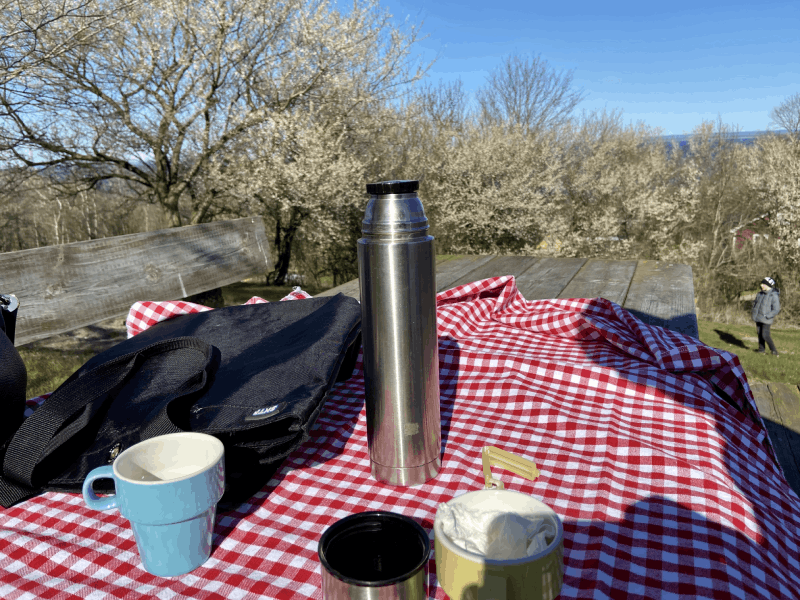
Does the Cold Retention Time Decrease When Ice Packs Do Not Fit into Narrow-Mouthed Thermoses?
During the summer, the biggest need for a tourist is ice-cold water. However, narrow-mouthed thermoses, which are champions of "heat retention," create a logistical problem: Standard ice packs do not fit through that opening. In a thermos that cannot add ice, the cold retention time depends solely on the insulation quality, while in wide-mouthed models where you can fill ice, the duration can double. Here, a balance must be struck; the wider the mouth, the more warm air enters each time you open the lid. If your priority is iced beverages, you should add models with a mouth width of at least 5-6 cm, where you can throw in ice packs without breaking them.
Does the Pressure Difference Cause the Liquid to Burst When Opening the Lid at High Altitudes?
One of the most common issues faced by climbers is pressure difference. When you take your thermos, which you closed at sea level, to 3000 meters, the difference between the internal and external pressure puts a significant load on the lid. When you start to turn the lid, the built-up pressure can spurt the boiling liquid out like a fountain. In professional camping thermoses, the lid threads are specially designed to reduce this risk, and the pressure is gradually released. This is not just a practical need but a direct safety issue. If you have high altitude plans, you should look for models with pressure release channels when you turn the lid halfway.
Does the Condensation on the Outer Surface of the Thermos Mean the Vacuum Has Failed?
When a camper sees water droplets (condensation) on the outer surface of their thermos, they may panic. If the outer surface is icy when you put a cold beverage in and is sweating, this is a definite sign that the vacuum has completely failed. In a solid thermos, regardless of how cold or hot the inner volume is, the outer layer should always remain at room temperature. This sweating not only wets your hand but also causes your beverages to quickly equalize with the ambient temperature. If a product you just bought shows this symptom, it is a manufacturing defect, and the return/exchange process should be initiated immediately. At this point, brands that offer a "sweat-proof" guarantee are among the most successful in alleviating potential customer doubts.
Do Models Weighing Over 1 Kilogram Cause Back Pain on Long Trekking Routes?
When it comes to logistical challenges, weight is the biggest enemy of comfort. A standard steel thermos weighs approximately 600-900 grams when empty. When you add 1 kilogram of water, you are carrying nearly 2 kilograms on your back just for your beverage. This may not be noticeable on a day hike, but on a 15-kilometer route, every gram increases the load on your shoulders. This is why "ultralight" series have become very popular in recent years. However, remember; lighter steel means less durability and sometimes weaker insulation. If you are not a professional climber, you should determine that fine line between durability and weight according to your physical condition.
How to Eliminate the Bacteria Smell Inside a Thermos Filled with Milk?
Hygiene is one of the toughest aspects of camping life. Dairy or sugary drinks settle into the microscopic pores inside the thermos and especially in the crevices of the lid mechanism, producing bacteria at an incredible rate. The sour smell you notice in your water during the next use is actually uncleaned residues. Most users think detergent is sufficient, but deep cleaning requires a brush. The "niche doubt" we mentioned at the beginning comes into play here: "Can I really clean the inside of this lid?" If the lid cannot be completely disassembled, that thermos will turn into a bacteria nest after a while. Therefore, models that can be completely disassembled and whose parts can be washed in the dishwasher offer long-term hygiene comfort.
Are You Spending Money on a Wrong Product by Not Knowing the Difference Between a Water Bottle and a Thermos?
Many tourists make the mistake of buying a heavy and expensive thermos just to carry water. If you are going to consume your beverage within a few hours and do not care about heat retention, buying a heavy double-walled thermos is a logistical mistake. Water bottles are usually single-walled, very light, and offer more volume. However, when we say "thermos," you are paying for that vacuum technology. If you hate drinking cold water in the middle of winter or lukewarm coffee in the summer, a thermos is a must. A purchase made without properly analyzing your needs will result in equipment that takes up unnecessary space in your camping bag, is heavy, and is not functional.
Do Large 2-Liter Models Leak When Laid Horizontally in the Car Trunk?
Large-volume thermoses are great for family camping but are a logistical nightmare to carry. They often do not fit in cup holders in vehicles and bounce around in the trunk. If the lid design is optimized only for vertical standing, a thermos that remains horizontal for hours and shakes can leak its contents due to pressure. Especially in models with short screw-on lids called "stopper," the risk of leakage is higher. If you are going to carry the thermos horizontally inside a bag or trunk, you should choose models that are screw-on and have a "leak-proof" guarantee, preferably with an additional protective outer lid.
Do Chemicals Used to Remove Tea Stains Damage the Steel Surface?
The stubborn brown tea stains that form on the inner surface of the thermos are more than just a visual issue; they are a hygiene problem. Many users use bleach or very strong acidic cleaners to remove these stains. Here lies the hidden danger: Cleaners containing chlorine can penetrate the protective layer of stainless steel (passive layer), leading to microscopic pits and rust. As a content strategist, our recommendation is to reassure users' fears with scientific facts. The safest method for stains is to add hot water and a spoonful of baking soda to the thermos and let it sit overnight. Avoiding abrasive chemicals that shorten the lifespan of the steel is as important as preserving the thermos's insulation.
Do the Handles on the Outside of the Thermos Make It Difficult to Fit in a Bag?
Design details directly affect ease of use. Models with large handles (usually 1.5 liters and above) make carrying easier but can make it impossible to fit into the side pockets of a camping bag. Logistically, if the volume of your backpack is limited, you should prefer models with collapsible handles or those that fit snugly against the body. Some users may doubt the durability of the handle; "Will this plastic handle break when carrying a full thermos?" This is a reasonable concern, especially for those who reach the campsite after long hikes. Quality brands either secure the handles to the body with rivets or use high-strength polymers. If the handle is an obstacle for you, you can also consider models with shoulder strap attachments.
Do Products with a 25-Year Warranty Really Last That Long?
The biggest doubt in the consumer's mind is the accuracy of advertisements. Some brands offer "lifetime" or "25-year" warranties. This provides a great sense of security for the user, but it is essential to read what this warranty covers. Generally, the warranty only covers "loss of insulation" and "manufacturing defects"; meaning if you drop your thermos and dent it, it will be excluded from coverage. Still, a brand's confidence in its product for 25 years says a lot about the quality of the steel used and the stability of the vacuum technology. For a tourist looking to avoid hidden costs, paying a high initial price and never having to worry about thermos issues again is the most logical content strategy.
Do Slim Long Models or Short Wide Models Retain Heat Better?
The laws of physics also apply to thermos selection. Heat loss is directly proportional to surface area. The openings of slim and long models are usually narrower, meaning less heat escapes when you open the lid. However, short and wide models are less likely to tip over and are more suitable for use inside a vehicle. If your priority is pure performance, you should choose models with the lowest surface area/volume ratio (i.e., more cylindrical and narrow-mouthed ones). This detail also explains why professional distributors always use those classic "rocket" shaped models; because every millimeter of narrowing extends the lifespan of the heat inside.
Is the Absence of a Non-Slip Rubber Base on the Bottom of the Thermos a Safety Risk?
A small but vital detail: that soft pad or rubber base on the bottom of the thermos. Camping tables may not always be flat, or the counters inside a caravan may be shaky. A thermos with a completely steel bottom can easily slide on a wet surface and tip over, wasting its contents and potentially harming someone. Additionally, placing a steel thermos on a metal table in the quiet of the night can disrupt the peace of the camp with that "clink" sound. Models with silicone bases absorb noise and provide excellent grip. If the model you choose lacks this, you can purchase external silicone "boots" available on the market to cover this deficiency.
Do Brightly Colored Thermoses Heat Up Faster Under the Sun?
For summer vacationers, color selection is not just an aesthetic preference. A dark-colored (black, navy blue, dark green) thermos absorbs heat when left under direct sunlight, and the outer surface temperature can rise to 50-60 degrees. Although the vacuum does not transmit this heat inside, the thermal stress on the vacuum increases, and the plastic parts of the lid can be adversely affected by this heat. Light-colored or metallic gray (raw steel) models stay cooler under the sun due to their reflective properties. If you plan to spend a long time on the beach or in an open area, choosing white or stainless steel-colored models will optimize the lifespan and performance of the product.

Are Models That Use the Lid as a Cup Hygienically Safe?
Many camp thermoses offer their outer lid as a cup. This is a practical solution, but it raises a logistical and hygienic question: "That cup gets dusty outside the bag, how healthy is it to drink from it?" Additionally, when you pour hot liquid into this lid, can it make it difficult to hold due to the heat? Double-walled (insulated) lid-cups solve this problem; they keep the beverage inside cool and do not burn your hand. For hygiene, simply rinsing the cup lightly before use is sufficient. If you do not want to carry an extra cup with you, wide-lidded models with flat bases (non-tipping) will be the most comfortable option for you.
Does the Steam Generated When Pouring Boiling Water from Your Thermos Cause Burns?
Safety details are sometimes hidden in the simplest actions. In narrow-mouthed models with lids that do not fully open, a sudden steam explosion can occur when pouring water. Additionally, if the flow rate of the water is not controlled, hot water can splash and burn your hand. Professional products have lids with a "pour-through" feature; by simply turning the lid without fully removing it, you can ensure that the water flows in a thin stream. This minimizes heat loss and ensures that the water is directed into the cup even in windy conditions, preventing accidents. For a tourist, this is a lifesaving detail, especially when trying to fill a cup with shaking hands from the cold.
Is Buying a Second-Hand Thermos a Risky Investment?
Budget-conscious campers sometimes turn to the second-hand market. However, it is impossible to visually determine whether a thermos's vacuum is intact. A thermos that looks perfect from the outside may have previously fallen and lost its vacuum feature. If you do not have the chance to test it (i.e., if you cannot check whether it retains heat by pouring hot water inside), buying a second-hand thermos is a complete gamble. A thermos is not a "consumable" item but a "performance-oriented" product. Microscopic scratches on the inner surface and the previous owner's cleaning habits also pose hygienic risks. If your budget is limited, it is much more logical to wait for discounts on a reliable brand's new products rather than buying an unknown brand's second-hand item.
Do Tea Leaves That Get Stuck Between the Threads of the Inner Lid Cause Leaks?
The design of the lid is more than just a logistical detail; it is the heart of the leak-proofing. If you brew tea directly inside the thermos or use herbal tea, small pieces can get stuck on the silicone seal or between the threads. In this case, even if you think you have closed the lid, that small piece can disrupt the overall leak-proofing and cause leaks into your bag. Therefore, models with infuser designs or those with inner lids that are smooth and easy to clean should be preferred. The biggest nightmare for a camper is to find all their spare clothes soaked in sweet tea when they reach the campsite. To eliminate this risk, you should check how deep the "stopper" structure is.
Are Small Thermoses Bought for Children Suitable for Their Finger Strength?
For families going camping, comfort means that children can do their own tasks. However, many professional thermoses have lids that close very tightly to ensure leak-proofing, making it impossible for a child to open them with their finger strength. "Push-button" systems are much more practical for children, but these mechanisms are difficult to clean. If you are looking for a product for your child, you should choose models that have a secure lock and are lightweight with non-slip surfaces that small hands can grasp. Additionally, considering that children will likely drop the thermos frequently, choosing models with shock-absorbing silicone covers will help protect your investment.
Does Adding Snow to Your Thermos to Get Water Damage the Vacuum System?
In extreme winter camping, melting snow may be a logistical necessity. Some users prefer to fill their thermos with snow and wait. However, be careful: While steel is resistant to sudden temperature changes (thermal shock), suddenly filling a very hot thermos with snow or ice-cold water can lead to microscopic cracks due to the expansion-contraction coefficients of the metal. This may not directly damage the vacuum but can shorten the lifespan of the inner coating. The safest method is to melt the snow in a pot first and then pour it into the thermos. You should not use your thermos as a "ice crusher" and should avoid interfering with hard and sharp metal objects.
Should Brands Made in China Be Considered Low Quality?
In the modern world, the label "Made in China" is not a standalone indicator of quality. The world's most expensive and prestigious thermos brands also manufacture in high-tech factories in China. What matters here is the brand's own quality control (QC) processes. If the brand is a global player, it tightly monitors everything from what steel will be used in its factory in China to how long the vacuum will last. The difference between "cheap Chinese goods" and "quality brands made in China" lies in the certification of the materials used and the warranty offered. To avoid hidden costs, you should look at the brand's history and the strength of its distributor rather than just the label.
Is It Necessary to Rinse the Thermos with Hot Water Before First Use?
This is not an urban legend but a practical physics rule. The process called "pre-heating" increases the thermos's performance by 20-30%. If you put your hot coffee directly into a cold thermos, some of the beverage's energy will be used to heat the cold inner steel wall, resulting in a loss of 5-10 degrees before you even start. By putting a little hot water in the thermos, swirling it for 2 minutes, and then pouring that water out before adding your actual beverage, you ensure that your coffee stays hot for much longer. The same rule applies to cold beverages; rinsing with cold water first will help your ice last longer in the summer heat.
Are Slim Elegant Designs Practical in Camping Conditions?
Sleek and slim thermoses designed for urban use are prone to tipping over on a camping table or uneven terrain. Logistically, models with a wider base are much safer as the weight center is lower. In the mountains or in windy areas, you do not want the wind to knock over your thermos when you set it down. "Elegant" designs are often optimized for vehicle cup holders. If your primary use area is nature, you should prefer bulkier models that have a solid base. Aesthetics do not benefit you when your coffee spills on the ground.
Is It a Problem if the Lid of the Thermos Is Hot?
One of the most frequently asked questions by users is: "The body is cold, but the lid is hot, is this normal?" Yes, even in the highest quality thermos, 80% of heat loss occurs from the lid area. This is because the lid is usually not made of steel but of plastic or silicone, and vacuum insulation does not continue in the lid. However, if the lid is hot enough to burn your hand, it indicates that the seal is not fitting properly or that the lid material is too thin. Some professional models have an "insulating plug"; this plug extends into the lid to reduce this loss. If you are uncomfortable with the heat of the lid, you should look for models with this feature.
Is There a Way to Avoid Drinking Water from a Thermos That Smells Like Coffee?
In a thermos that constantly carries coffee, no matter how much you wash it, that heavy smell will linger after a while. This can ruin your enjoyment, especially when you want to drink plain water. In the "hygiene and comfort" aspect of our content strategy, we emphasized that the quality of the steel is as important as the smoothness of the inner surface. The best logistical solution you can apply at home to eliminate the smell is to add some dry rice, a bit of baking soda, and a small amount of water, then shake the thermos vigorously. The rice grains will mechanically peel away the coffee oils. If this does not work, the quality of the inner surface of that thermos has likely decreased, and the pores have trapped the smell.
Will a Thermos Left Closed for a Long Time Develop Mold Inside?
When a camper is done using their thermos, they wash it and put the lid on before storing it in the cupboard. This is the biggest mistake. Even a single drop of water that does not dry can produce mold and a foul smell in an airtight environment within a few months. The sight you encounter on your next camping trip can be hazardous to your health. A thermos should always be stored with the lid open (or not fully seated on the lid). If mold has formed, it must be disinfected with vinegar water. As a practical necessity, you should ensure that the thermos is completely dry after each use and that it is stored in a way that allows air to circulate.
What Do We Overlook When Choosing the "Volume" of a Thermos?
Most people think, "the bigger, the better." However, if you fill a 2-liter thermos to half, the large empty space (air) will cause the liquid inside to cool down much faster. For a thermos to retain heat for the promised duration, it needs to be filled to the brim. If you are usually alone, a model of 0.5 or 0.75 liters will perform much better than a 1-liter model that is half full. When determining the volume you need, you should analyze your daily water consumption and carrying capacity in a balanced manner. This will save weight and preserve the quality of your beverage's temperature.
Conclusion: How Will You Choose the Most Suitable Camp Thermos for You?
In light of all these details, when choosing a camp thermos, you are essentially choosing a "lifestyle." If you are only going on weekend picnics, you may not need very expensive and heavy models. However, if you are planning an adventure in harsh winter conditions, at high altitudes, or on long routes; investing in a brand that protects your health, has spare parts available, is impact-resistant, and has real vacuum technology is the best choice. Remember, the cheapest product is the one that makes you buy twice. By planning your logistical needs and budget down to the finest detail without compromising on safety, the choice you make will provide you with years of comfort with hot coffee and cold water.