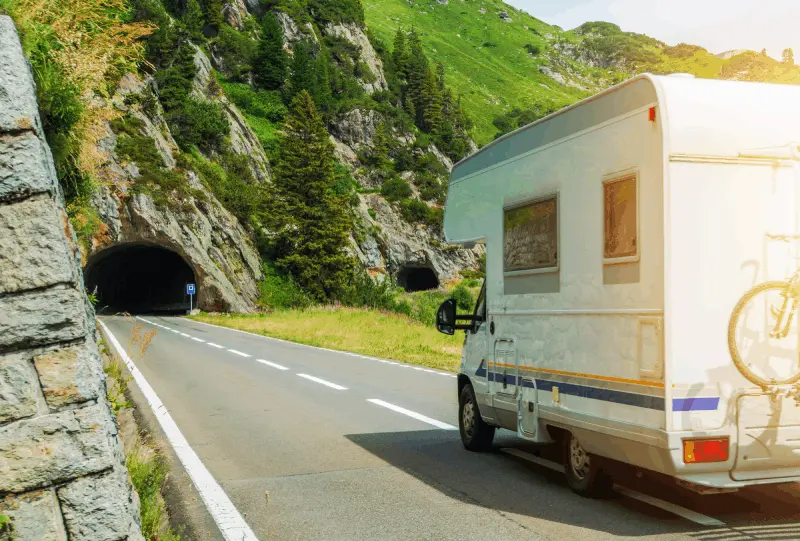
Taking a caravan tour in Europe is a unique experience that adorns the dreams of many travelers, offering a freedom beyond borders. However, turning this dream into reality requires more than just sketching a route; it also necessitates serious financial planning and budget management. The diversity of Europe causes costs to vary significantly from country to country and from season to season. In this guide, we will help you understand how much you will spend before hitting the road by examining every item of a caravan journey in detail.
Why Has Taking a Caravan Tour in Europe Become a Passion?
The increasing interest in caravan travel in recent years is no coincidence. People have discovered the joy of waking up to a different view every morning, cooking their own meals, and changing their route with spontaneous decisions instead of being trapped in hotel rooms. Europe is a paradise for caravaners with its developed road networks, safe camping areas, and options that cater to every budget. However, this passion has brought along a euro-based spending list, making exchange rates and rising costs significant variables for travelers departing from Turkey. Therefore, conducting a cost analysis is vital to avoid unpleasant surprises in the middle of the journey.
Is It More Logical to Rent a Caravan or Go with Your Own Vehicle?
The answer to this question varies depending on your travel duration and budget. If you are planning a tour shorter than a month, renting a caravan from central points in Europe (especially Germany, the Netherlands, or Poland) may be more practical. Departing from Turkey with your own vehicle means dealing with customs crossings, green insurance, and covering long distances. However, on a long tour lasting 3-4 months, daily rental fees can accumulate and turn into a fortune. In this case, departing from Turkey with your own caravan or buying a vehicle there and selling it at the end of the tour may become a more economical model. Although rental companies offer "everything included" packages, you should also consider the maintenance and depreciation costs of your own vehicle.
What Are the Daily Caravan Rental Fees?
In Europe, caravan rental prices vary dramatically based on the model of the vehicle, sleeping capacity, and most importantly, the season. In the low season (between November and March), you can find a mid-range motorhome for around 80-100 Euros per day, while in July and August, prices can rise to 180-250 Euros. Generally, rental companies require a minimum rental period of 7 or 10 days. Basic insurance is included in this price, but for full coverage, kitchen equipment, camping tables, and chairs, an additional daily fee of 10-20 Euros is usually charged. Additionally, you should remember to set aside a deposit amount ranging from 1000 to 2500 Euros as cash or credit card authorization at the beginning of the rental.
How Much Do Fuel Costs Contribute to the Total Budget?
Caravans are heavy vehicles, and their aerodynamic structures are not as efficient as passenger vehicles. An average motorhome consumes between 10-13 liters of diesel per 100 kilometers. Fuel prices in Europe vary dramatically from country to country. For example, fuel is cheaper in Luxembourg and Austria, while prices are quite high in Italy, France, and Scandinavian countries. According to projections for 2025-2026, it would be reasonable to estimate the price of diesel at around 1.70 - 2.00 Euros per liter. If you plan to sketch a route of 5000 kilometers, you will need to allocate a budget of approximately 1000 - 1300 Euros just for fuel. This item will constitute the second or third largest part of your budget.
How Do European Highway Fees and the Vignette System Work?
When traveling on European roads, you will encounter two main payment systems: Vignette and Toll Booths. Countries like Austria, Switzerland, Slovenia, the Czech Republic, and Hungary use the vignette system. In this system, you purchase a sticker or digital registration in advance for a specific duration (10 days, 1 month, or 1 year). For example, in Switzerland, there is only an annual vignette, and its price is approximately 40-45 Euros. In France, Italy, and Spain, there is a toll booth system where you pay according to the distance traveled. Especially France's "Peage" roads can be quite expensive for caravans (usually classified as class 2). Crossing France from one end to the other can cost you more than 150 Euros just in highway fees. While using free secondary roads is an option, this may increase fuel consumption and time loss.
How Do Camping Fees Vary by Country?
The cost of accommodation is one of the most variable items in caravan travel. In Europe, campsites are categorized according to a star system. A standard campsite that offers electricity, water, waste disposal, and shower facilities costs an average of 25-45 Euros per night for two people and one caravan. However, in popular coastal areas of Italy or Croatia, this figure can reach 70-80 Euros during the high season. In contrast, in Poland, Romania, or Balkan countries, you can receive high-quality service for 15-20 Euros. Obtaining camping cards like ACSI can provide significant discounts in the low season, reducing this cost to a fixed amount of 18-22 Euros per night. Using campsites is particularly important for safety and meeting basic needs.
Free Accommodation and "Wild Camping" " Is it possible to do?
"Wild Camping" means camping freely in nature, which is legally a gray area or completely prohibited in many parts of Europe. In countries like Germany, Austria, and Italy, random camping outside of designated areas can lead to heavy fines. However, in Scandinavian countries (Sweden, Norway), you can camp freely in nature thanks to the "Allemansrätten" law. In other countries, there are caravan parking spots known as "Aires" (France), "Stellplatz" (Germany), or "Sosta" (Italy), which are cheaper (0-15 Euros) or completely free compared to camping areas. By using apps like Park4Night, you can find these spots and keep your accommodation costs below a few hundred Euros a month. However, in these areas, generally only parking is allowed; setting up tables and chairs outside is prohibited.
How Much Do Kitchen Expenses and Supermarket Shopping Cost?
The biggest economic advantage of living in a caravan is being able to cook your own meals. Supermarket chains like Lidl, Aldi, Penny, and Carrefour are quite common across Europe, and their prices are reasonable. For a two-person group, you can eat very well with an average weekly shopping budget of 120-150 Euros (including meat, milk, fresh vegetables and fruits, and basic groceries). Following local markets offers both a cultural experience and access to fresh products at lower prices. If you prefer to eat in the caravan instead of dining out, you can keep your food expenses around 500-600 Euros a month. This amount is equivalent to just a few dinners at a restaurant by European standards.
How Much Budget Should We Allocate for Eating Out?
Trying local flavors in every country in Europe is part of the travel experience. However, eating out every day can quickly deplete your budget. In Western Europe, you would pay around 20-35 Euros per person for a main dish and a drink at an average restaurant. In Eastern Europe and the Balkans, this figure drops to 10-15 Euros. Our recommendation is to take advantage of "menu of the day" (like Menu del Dia) options; this way, you can enjoy a full menu at more affordable prices. Assuming you eat out twice a week, it would be wise to allocate a monthly "treat budget" of approximately 300-400 Euros for two people. Additionally, don't forget that small expenses like coffee and snacks can add up to over 100 Euros by the end of the month.
What Is the Cost of Meeting Internet and Communication Needs?
If you are working in the caravan or are active on social media, internet will be one of your biggest needs. Thanks to the "Roam Like at Home" application among EU countries, you can use a SIM card purchased in one country without additional charges in others. However, data limits are usually restricted to 20-50 GB. For those looking for unlimited internet, portable satellite internet solutions like Starlink Mini have started to become popular. Starlink's monthly subscription is around 50-80 Euros, and the initial device purchase cost is over 400 Euros. If you are a standard user, you can get a sufficient data package for around 20-30 Euros a month from a local provider. Free Wi-Fi is usually available at campgrounds, but the speeds may not always be satisfactory.
What Are the Costs of Caravan Maintenance and Unexpected Repairs?
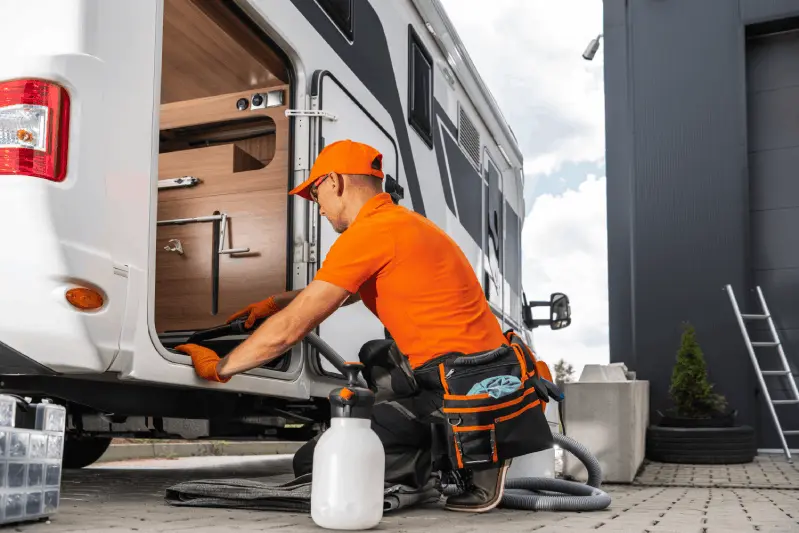
During your travels, you should always have an "emergency fund" for potential issues with the vehicle's mechanical parts or devices in the living area (refrigerator, heater, water pump). Simple tasks like changing a tire, replacing a bulb, or adding oil can be costly in Euros. Labor costs in Europe range from 80-120 Euros per hour. While getting a full maintenance check before traveling reduces this risk, it would be wise to set aside at least 500 Euros for potential repairs in your budget. Additionally, regularly checking your caravan's living supplies and gas system will protect you from larger and more expensive problems.
Are Water and Waste Disposal Operations Charged?
The most basic routine of caravan life is filling up water and disposing of waste (gray and black water). In many European countries, you can perform these operations at service stations along highways or at "saniservice" points at city entrances for 2-5 Euros or sometimes for free. When you stay at campgrounds, these services are already included in the price. If you are only staying at free parking areas, you will need to visit special points for water-waste operations every 3-4 days. Over the course of a month, this item will not exceed 20-40 Euros, but the quality of this service (cleanliness of the water hose, etc.) is very important from a hygiene perspective.
How Are Laundry and Cleaning Needs Addressed?
Doing laundry is an unavoidable necessity on a long trip. Most campgrounds have token-operated washing and drying machines. A wash typically costs around 4-6 Euros, and drying is about 3-5 Euros. Alternatively, you can use professional self-service laundromats, which are very common in European cities. Since the machines are larger here, you can handle all your linens and clothes in one go. Including detergent, the monthly laundry cost for two people will be approximately 40-60 Euros. You should also budget around 20-30 Euros a month for cleaning supplies (toilet chemicals, special cleaners).
How Much Should We Set Aside for Museum and Historical Site Entrance Fees?
Exploring Europe's cultural heritage is not free. The Louvre Museum, the Colosseum, or the Sagrada Familia all have entrance fees that can add up quickly. The entrance fees for popular spots like Lia range from 20-30 Euros. If you have a busy museum itinerary, purchasing city cards (like Paris Pass, Rome Pass, etc.) can sometimes be more economical. Additionally, in many countries, there are significant discounts available for those under 26 or over 65 years old. Keeping track of certain days when some museums are free can also help your budget. Depending on your travel habits, allocating a monthly cultural-art budget of 100-200 Euros per person will ensure you don't miss out on these riches.
How Do Ferry Crossings Affect Total Costs?
If your route includes Scandinavia, Greece, Italy, or the United Kingdom, you will need to use ferries. Ferry fees are calculated based on the length of the caravan (vehicles longer than 6 meters may pay double) and height. For example, a crossing from Italy to Greece or from Denmark to Norway can start from 150 Euros for a one-way trip and go up to 500 Euros. Making early reservations and opting for night crossings can reduce costs. Some ferries offer a "Camping on Board" option; this allows you to sleep in your caravan on the ferry, saving on cabin fees. Ferries are one of the major items that should be researched in advance when planning your budget.
Is Travel Insurance and Caravan Insurance Mandatory?
When traveling to Europe, a "Green Card" (International Insurance) is mandatory. This insurance covers damages to the other party in the event of an accident. However, it is strongly recommended to obtain comprehensive insurance to cover damages to your own vehicle or theft. Getting the European endorsement for your insurance in Turkey can sometimes be expensive (annual additional premium between 500-1000 Euros). Additionally, obtaining comprehensive travel health insurance (especially covering potential accidents in caravan life) protects you against the high healthcare costs in Europe. You can expect a monthly cost of 15-25 Euros per person for health insurance.
What Is the Extra Cost of Touring Scandinavia?
Norway, Sweden, and Denmark may be a "dreamland" for caravaners, but they can be a "nightmare" for wallets. In this region, fuel, food, and dining prices are 30-50% above the European average. Especially in Norway, many tunnels and bridges are also toll roads in addition to highway fees. However, thanks to the "free camping" opportunities offered by Scandinavia, you can completely save on accommodation costs. If you want to keep your budget tight, stocking up on supplies (canned goods, drinks, non-perishable food) from cheaper countries like Germany or Poland before entering Scandinavia can significantly reduce your costs. You should plan to increase your daily budget for Scandinavia by 20-30% above normal.
Is a Caravan Tour in the Balkans and Eastern Europe Cheaper?
Absolutely yes. Countries like Montenegro, Albania, Serbia, Romania, and Bulgaria offer a much more economical travel experience compared to Western Europe. Campsites here are cheaper, dining out can become a routine without breaking the bank, and fuel prices are generally lower. Additionally, local people and authorities are more flexible regarding wild camping in these countries. If you want to be on the road for a long time with a limited budget, allocating a large part of your route to the Balkans and Eastern Europe can reduce your total costs by about 40%. The only disadvantage of these regions is that the road quality is not as high as in Western Europe.
Is Caravan Life Expensive in Western Europe (France-Germany)?
Germany and France are among the countries with the most developed caravan infrastructure. Thanks to the "Stellplatz" system in Germany, you can securely stay very close to city centers for 5-15 Euros. The "Aires" spots in France are usually free in rural areas. Supermarket prices are quite similar in both countries. The main factor increasing costs in Western Europe is highway fees and parking and museum prices in major cities (Paris, Munich, Amsterdam). If you avoid highways and prefer rural routes, you can have a very enjoyable tour in Western Europe with a moderate budget (80-100 Euros daily for two people, excluding rental).
What Awaits You on the Mediterranean Route (Italy-Spain)?
Caravan costs in Italy and Spain vary greatly by region. Northern Italy and Tuscany are expensive, while Southern Italy and Sicily are more affordable. In Spain, inland areas are very cheap, but campsites along the coast can be quite expensive during the high season. Highways in Italy (Autostrade) are costly, but coffee and simple meals (pizza/pasta) are still reasonably priced. Extra caution is needed regarding safety in these countries; especially in the parking lots of major cities, opting for secure and paid areas against the risk of theft will be much cheaper than the cost of stolen belongings.
How Much Should You Spend Initially on Caravan Equipment?
If you are going with your own vehicle or renting a caravan that is missing equipment, initial gear can be a significant expense. Folding camping tables and chairs (150-300 Euros), kitchen set (100 Euros), a quality water hose and various adapters (50 Euros), electrical cables and European-compatible converters (50-80 Euros) are basic necessities. Additionally, safety equipment such as leveling blocks, first aid kits, fire extinguishers, and reflective vests are mandatory in Europe. Most of this equipment is purchased once and used for years, but it can create a hole in your budget of 500-700 Euros at the outset.
Are Security and Theft Prevention Measures Expensive?
Unfortunately, caravans can be targets for thieves. A simple wheel lock (30-50 Euros), door safety locks (50-80 Euros for each door), and alarms that can be installed from the inside are essential measures. Installing a safe (100-300 Euro) increases your security. Additionally, it is a good idea to install a small steel safe to store your important belongings. If you love technology, GPS tracking devices (including annual subscription 100-150 Euro) will help you locate your caravan in case it gets stolen. Although these expenses may seem optional, they are quite reasonable compared to the financial and emotional loss that a theft in a foreign country can create.
How Do Seasonal Differences Affect the Budget?
The most fundamental factor determining "when" you go and "how much" you will spend for a caravan tour in Europe is the timing. July and August are the "high season"; everywhere is crowded, campsite prices double, and finding a spot becomes impossible. The "shoulder season" of May-June or September-October is the most ideal time in terms of both weather and prices. Traveling in winter is the cheapest in terms of rental and accommodation, but you will consume more gas/diesel for heating, and many campsites may be closed. By choosing the season wisely, you can save nearly 30% on your total budget.
How Much Are Parking and Transportation Costs Within the City?
Entering large cities (Rome, Paris, Berlin) with a caravan is both stressful and costly. Parking lots in the city center may not accept caravans or may charge exorbitant fees of 5-10 Euro per hour. The most logical and economical method is to leave your caravan at a campsite or a secure parking area (P+R) outside the city and take public transport to the city center. Daily unlimited transport cards in Europe range from 10-20 Euro. This method ensures the safety of your caravan and saves you from parking stress and fuel consumption. For city tours, you should allocate an additional budget of 30-40 Euro per person per day (transport + parking).
What Is the Cost of Heating and Energy (Gas/Electricity) in a Caravan?
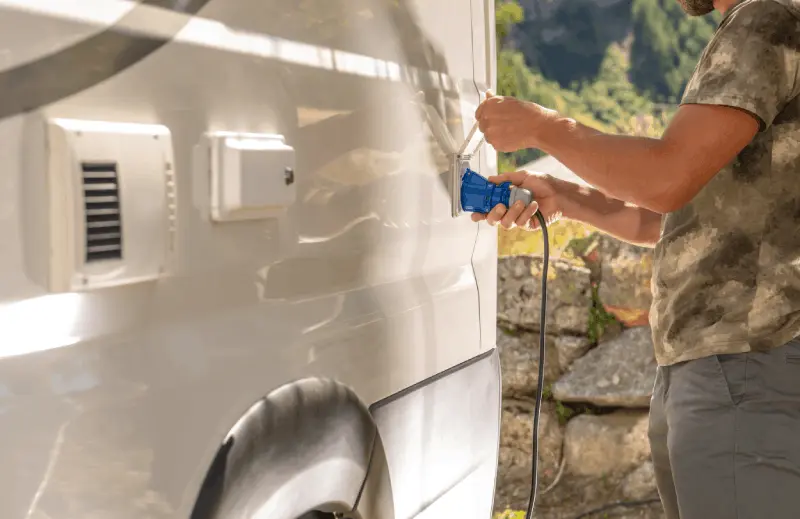
Heating, cooking, and refrigeration in a caravan require energy. Most caravans operate with large 11 kg gas cylinders. Gas systems are not standardized in Europe; you cannot refill or exchange a German cylinder in France. The most economical solution to this problem is to use refillable cylinders known as "LPG filling kits" (AluGas, etc.). A cylinder refill costs between 20-35 Euro in Europe. In winter, a cylinder lasts 3-5 days, while in summer, it can last a month just for cooking and refrigeration. Additionally, electricity usage at campsites is usually charged extra at 3-6 Euro per night. If you have solar panels, you can avoid this fee, but in shaded areas, solar panels may also be insufficient.
Are There Extra Costs for Traveling with Pets?
Bringing your pet along is a wonderful experience, but it comes with some extra costs. Firstly, a pet passport, rabies vaccination, and microchip are mandatory in the European Union. Some rental companies charge an additional daily fee of 5-10 Euro for pets or a high cleaning fee (50-100 Euro). Campsites also typically charge between 3-7 Euro per night for dogs. Additionally, there may be fees for pet cabins or shelters on ferries. It is also necessary to set aside a budget for veterinary checks and potential health needs to ensure a smooth holiday with your furry friend.
How Much Does a Month-long Tour of Europe Cost in Total?
What kind of picture emerges when we add up all these items? If you are traveling with your own caravan, with a moderate lifestyle (half wild camping, half campsite), you would spend approximately 2000 - 2500 Euro monthly, including fuel (500€), accommodation (400€), food and drink (600€), highway and vignette (200€), and other expenses (300€). If you are renting a caravan, you need to add a rental fee of 3000 - 5000 Euro to this amount. These calculations are based on a two-person team for the years 2025-2026. Of course, it is also possible to bring this amount down to 1500 Euro or raise it to 10,000 Euro; everything depends on your comfort and speed preferences.
What Are the Ways to Save While Touring Europe with a Caravan?
The best way to travel without shaking the budget is to move slowly (Slow Travel). Instead of traveling 300-400 km every day, staying in one area for 3-4 days minimizes fuel costs. Choosing supermarket private label products, filling drinking water from taps (tap water is generally drinkable in Europe), using free national roads connecting villages instead of highways, and having picnics with ingredients bought from local markets instead of eating out can make a big difference. Additionally, choosing Off-Peak (out of season) periods not only avoids crowds but also halves accommodation costs.
How Should Financial Planning Be Done for This Journey?
Creating a budget table before hitting the road and allocating a "contingency expense" share of about 15% of this budget is crucial. You can use applications that record your expenses daily (like Spendee, TravelSpend) to see where you stand with your budget. To protect yourself from additional costs due to fluctuations in the Euro exchange rate, converting some of your money to Euro in advance or using digital bank cards that offer advantageous rates can be beneficial. Also, make sure to check your credit card limits and international usage permissions, and keep some cash Euro in a safe place in the caravan for emergencies.
Is It Worth Traveling Around Europe with a Caravan?
Costs may seem high at first glance; however, a tour with a caravan is not just a trip, but a lifestyle change. The money you would spend on the hotel, flight, and restaurant triangle allows you to experience true freedom and a fully packed adventure at every moment. The spiritual satisfaction of discovering the hidden coves, mountain villages, and historical cities of Europe with the comfort of your own home is unparalleled. cannot be measured in monetary value. With proper planning and smart budget management, this dream will turn into an achievable reality for you. Remember, the biggest cost is the dreams you postpone.