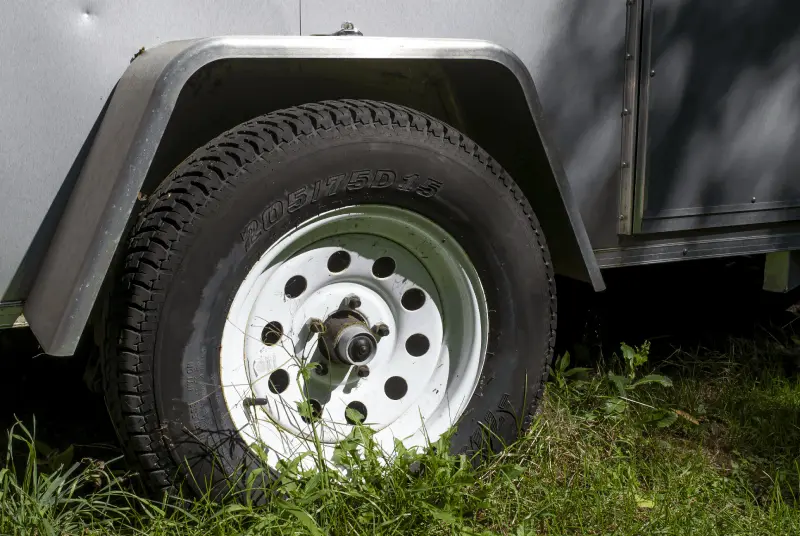
Why Should Caravan Tire Pressure Change When Loaded?
Caravans are vehicles that are used with consistently high weight capacities, unlike passenger vehicles. In a loaded caravan, tires require higher internal pressure to withstand the tons of weight placed upon them. If tire pressure remains low, the tire sidewalls excessively flex, leading to overheating due to friction during driving. The structure of the heated tire deteriorates, and eventually, sudden blowouts can occur. Therefore, optimizing the pressure according to the total weight of the water tanks, kitchen supplies, and personal belongings you add to your caravan's static weight is vital for both safety and fuel economy.
What is the Relationship Between Load Index and Pressure?
The load index found on the sidewall of caravan tires is a code that indicates the maximum weight in kilograms that tire can carry. However, this carrying capacity is only valid at the maximum air pressure level specified by the tire manufacturer (usually around 65 PSI or 4.5 Bar). If a loaded caravan approaches this maximum capacity, the air pressure must also be maintained at upper limits accordingly. Keeping the pressure low actually reduces the safe carrying limits provided by the load index. Therefore, as the total weight of your caravan increases, you should approach the highest safe pressure value suitable for your tire's load index, ensuring that the tire maintains its shape and performs its function properly.
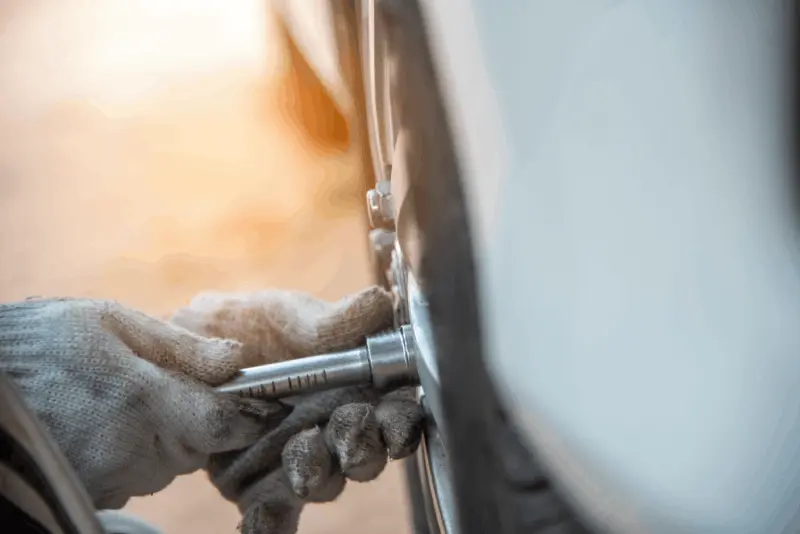
How to Adjust Pressure According to the Caravan's Weight?
Many caravan users set off with standard data without knowing the actual weight of their caravan. However, the most accurate tire pressure setting is determined by weighing the caravan in its fully loaded state (water tanks full, all belongings in place) on a scale. When you divide the total weight by the number of tires (weight per axle), you find the load each tire carries. Using the "Load/Pressure Tables" published by tire manufacturers, the ideal bar or PSI value required for this specific weight can be determined. For example, if a 1500 kg caravan has 750 kg of load on each tire, the pressure recommended by the manufacturer for this weight will generally be 0.5 to 1.0 bar higher than the standard empty weight pressure.
How Does Incorrect Pressure Affect the Caravan's Road Holding?
Tire pressure directly determines the contact area of the caravan with the road. In low-pressure conditions, the tire tread collapses inward, and only the shoulder parts make contact with the road; this causes the caravan to skid in turns and leads to a loss of stability that feels like "burning." Conversely, an over-inflated tire only makes contact with the middle part, increasing the bouncing effect. Especially on wet surfaces, incorrect pressure increases the risk of aquaplaning by hindering water drainage. For a loaded caravan to exhibit stable driving, the tire's footprint must be complete and balanced, which can only be achieved with the correct pressure suitable for the weight.
How Much Does Low-Pressure Tires Increase Fuel Consumption?
According to the laws of physics, a tire with low air pressure has much higher rolling resistance. When pulling a heavy and aerodynamically resistant load like a caravan, the extra resistance created by low-pressure tires puts more strain on the engine. Research shows that every 0.5 bar (approximately 7 PSI) decrease in tire pressure can increase fuel consumption by between 3% and 5%. For caravaners embarking on long journeys, this rate can make a significant difference in the holiday budget. Additionally, early tire wear due to low pressure, combined with the cost of new tires, can lead to even greater economic loss. Therefore, savings begin with properly inflating the tires.
Do Over-Inflated Tires Damage Caravan Furniture?
This question is often overlooked among caravaners but is very important. When you over-inflate a tire beyond what is necessary, it behaves like a hard stone instead of functioning as a suspension element. Every small bump and jolt on the road is transmitted directly to the caravan's chassis and interior without being absorbed by the tire. This can cause the connections of caravan furniture to loosen, kitchen cabinets to shift, and even delicate items like glass/mirrors to crack. Increasing pressure is necessary for a loaded caravan, but this increase should not exceed the tire's maximum limits and must consider the comfort-safety balance.
What Does the 'Max Press' Indicator on the Tire Sidewall Mean?
Tires have expressions like "Max Press 65 PSI" on them. This represents the highest air pressure limit that the tire can withstand when cold. While many caravaners see this value as a target, it is actually a limit. If the load of your caravan is below the maximum carrying capacity of the tire, continuously driving at the "Max Press" value can lead to unnecessary stiffness. However, if your caravan is fully loaded, reaching this maximum value is necessary for safety. An important note: When inflating, always ensure that the tires are cold (not moved for at least 3 hours), as the pressure in heated tires naturally rises after driving and can be misleading.
How Often Should the Spare Tire's Pressure Be Checked?
For many users, the spare tire is a piece that is "out of sight, out of mind." However, having a flat spare tire when it is needed can turn the entire trip into a nightmare. Even if not used, the spare tire gradually loses air over time. In the event of a tire change while the caravan is loaded, the spare tire must be capable of carrying the full load directly. Therefore, the spare tire...
In pressure, the caravan's normal operating pressure should be kept approximately 0.5 bar higher (it can be reduced if necessary when in use). Checking the spare tire's air at least once a month or before every long trip is a simple but effective habit that will save you from being stranded in difficult moments.Is TPMS (Tire Pressure Monitoring System) Necessary for Caravanners?
Absolutely yes. Since caravans are behind the towing vehicle, it is much harder to feel a problem with the tire (slow leak or excessive heating) during driving compared to passenger vehicles. TPMS sensors instantly reflect the pressure and temperature of each tire on the screen inside the vehicle. The heating of the tire on a loaded caravan is the first sign of an impending disaster. Thanks to TPMS, you can stop in a safe place by seeing warnings of heating or pressure drop before the tire bursts. These systems are an invaluable safety investment, especially for double-axle caravans, to detect when one tire is overloaded compared to the other.
Should the Tire Pressure of a Loaded Caravan Be Reduced in Winter Conditions?
There is a common misconception among the public that tire pressure should be reduced to achieve better grip in winter snow. However, the situation is different for caravans. Cold weather causes the air inside the tire to contract and the pressure to drop spontaneously. In the winter months when the caravan is loaded, low pressure can lead to the tire's tread closing and a decrease in snow/water drainage capacity. Therefore, instead of reducing pressure in winter, it is necessary to return the tires to their manufacturer-recommended values to compensate for the pressure drop due to cold weather. The heavy weight of the caravan already creates some pressure on the snow, so the ideal pressure should be maintained to transmit this pressure to the ground without deforming the tire's shape.
Should Pressure Adjustment Change on Rough and Stabilized Roads?
If you are going to drive your caravan on rough, stony, or sandy roads outside of asphalt, small modifications in pressure adjustment may be necessary. While driving at low speeds, slightly reducing the pressure (by about 15-20%) allows the tire to act as a cushion, absorbing shocks and reducing vibrations inside the caravan. However, this situation is only valid for short-distance and very low-speed off-road transitions. When you return to asphalt and your speed increases, you must bring the pressure back to the required old level for loaded conditions. Driving at high speed on asphalt with low pressure can cause the tire to overheat and burst immediately on a loaded caravan.
Does the Tire Manufacturing Date (DOT) Affect Pressure Durability?
Tires are made of rubber-based materials and lose their chemical properties over time, becoming hard. The 4-digit DOT code on the sidewall of the tire indicates the week and year of manufacture. Caravan tires older than 5 years, even if they visually appear new, can develop fatigue in the wires of their internal structure and microscopic cracks in the rubber. This situation forces the tire to maintain its structural integrity under high pressure that a loaded caravan requires. Inflating an old tire to 4.5 bar under full load can pose a significant risk for weakened sidewalls. The golden rule for caravanners is: regardless of tread depth, it is essential for safety not to continue using tires that are 5-6 years old under high pressure and load.
Should Tire Pressure Be Maintained While the Caravan is Parked?
When you park your caravan during the winter season or for long-term stays, all the weight rests on just one contact point of the tires. If the tire pressure is low, a permanent flat-spotting can occur at this point. This can lead to uncomfortable vibrations and imbalance when you hit the road. Keeping the caravan's tire pressures at the recommended maximum level while parked helps maintain the round shape of the tire. If possible, the most professional solution is to lift the caravan with a jack or use tire-saving wedges to completely or partially relieve the loaded tires, but if this is not feasible, high pressure is the best defense.
Does Nitrogen Gas Provide Advantages for Caravan Tires?
Nitrogen gas has larger molecules compared to normal air, which reduces the rate of leakage from the tire sidewalls and helps maintain pressure for a longer time. Additionally, since nitrogen does not contain moisture, it minimizes pressure fluctuations due to heating inside the tire. When it is assumed that tires on loaded caravans get very hot, using nitrogen can help keep the pressure more stable and prevent the rims from rusting from the inside. However, the biggest disadvantage of nitrogen is that it is not readily available everywhere in case of a pressure drop on the road. If you are using nitrogen and the pressure drops, there is no harm in adding normal air; just the purity advantage provided by nitrogen will decrease somewhat.
What is the Scientific Relationship Between Braking Distance and Tire Pressure?
During braking, the entire weight of the caravan is transferred forward with momentum, and a large part of this load is transmitted to the ground by the tires. If the tire pressure is low, the tire gets crushed under this sudden load transfer, and its tread cannot grip the road evenly, which extends the braking distance by meters. On the other hand, in over-inflated tires, the contact area is reduced, which decreases grip and causes the ABS system to engage prematurely, negatively affecting the stopping distance again. To safely stop with a loaded caravan, the tire's footprint must "fully sit" on the road. This full seating can only be achieved with a pressure value that is perfectly compatible with the load.
Is There a Relationship Between the Risk of Snaking and Tire Pressure?
One of the biggest fears of caravanners is snaking (snaking), is generally caused by speed, wind, and load distribution; however, tire pressure is a hidden factor that triggers or mitigates this situation. Low-pressure tires increase the lateral movement of the caravan towards the sides because the tire sidewalls are very flexible. This flexibility can lead to a small oscillation becoming larger and uncontrollable. Stiff and properly pressurized sidewalls increase the stability of the caravan following the towing vehicle. Keeping the tires at ideal stiffness when loaded minimizes the autonomous oscillation caused by sidewall flex and maximizes driving safety.
Does Wheel Diameter Change the Ideal Tire Pressure?
Yes, the wheel diameter and the tire profile height (sidewall width) affect the volume of air inside and thus the pressure requirement. Generally, in caravans with small wheels like 13 inches, higher pressures (like 4.0 - 4.5 Bar) are needed because the air volume inside the tire is less. In 15-inch or larger wheels, however, the air volume is larger, allowing similar loads to be carried at lower pressures (like 3.2 - 3.8 Bar). However, this is a generalization; as the caravan's wheel-tire combination changes, the load index and pressure table for that new measurement must be re-evaluated. An incorrect wheel-pressure combination can even cause the wheel to hit the asphalt under load or the tire to separate from the wheel.
What Should the Pressure Routine Be to Extend Tire Life?
Caravan tires are generally replaced before the tread depth wears out, as they complete their structural life. However, incorrect pressure usage can greatly accelerate this process. You should make it a ritual to always check your tires when they are cold and adjust according to the weight of your caravan. Signs of uneven wear (wearing only the edges or only the center) are the clearest indicators of a pressure error. Additionally, changing the position of the tires every 5,000 kilometers (if possible and if they are not directional tires) ensures balanced wear. A caravan tire used at the correct pressure serves you safely until the rubber life is over and saves you from early replacement costs.
Should You Follow the Caravan Manufacturer's Recommendations or the Tire Manufacturer's?
This is a frequently asked dilemma among caravaners. The caravan manufacturer recommends a pressure range for the vehicle's chassis and comfort. The tire manufacturer, on the other hand, specifies the physical limits of the tire. The most accurate approach is to base it on the values in the caravan manufacturer's manual; because these values are calculated considering the vehicle's suspension structure and weight center. However, if you are using a different type of tire than the original on the caravan (for example, a reinforced C-type load tire instead of a standard tire), the tire manufacturer's data becomes more prioritized. The safest way is to stay within both sets of data and never exceed the "Max Load" capacity.
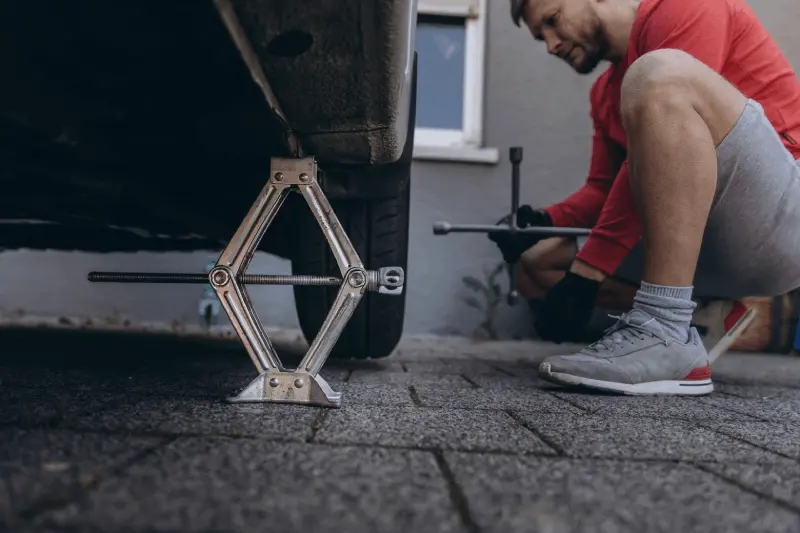
Why Should Tire Pressure Be Checked Right Before Going on a Long Trip?
Temperature changes and microscopic air leaks that develop over time can cause tire pressure to drop without you noticing. Even if everything seems fine the night before, the pressure may be insufficient in the morning's coolness or when you load your caravan to full capacity. On long trips, tires continuously work and heat up; if you set off with low pressure, the tire can enter an overheating cycle at the beginning of the road and get damaged. Therefore, checking the tires when they are still cold just before starting your journey ensures your peace of mind throughout the trip. Remember, experiencing a tire issue while driving at 90 km/h on the highway is much more difficult than stopping for 5 minutes in front of your home to inflate them.
What Role Do Tire Valve Caps Play in Pressure Loss?
Although they may seem small and insignificant, valve caps are a critical line of defense in maintaining tire pressure. Since caravan tires operate at high pressure, even a very small leak in the valve stem can lead to air loss due to centrifugal force at high speeds. Using quality, sealed, and preferably metal caps can prevent this leakage. Additionally, valve caps prevent dust and mud from entering the valve, which could cause the valve not to close completely when you inflate it. Since pressure loss in a loaded caravan is an intolerable risk, immediately replacing missing or damaged valve caps is a small but vital safety step.
Does the Distribution of Load Inside the Caravan Change the Tire Pressure Requirement?
Yes, the distribution of load on the right and left sides of the caravan or front and back changes the vertical load on each tire. If you have loaded heavy items (water tanks, batteries, cylinders) to one side of the caravan, the tire on that side will be compressed much more than the other. Ideally, the weight should be distributed over the axle and balanced left-right. However, if uneven loading is unavoidable, the tire pressure on the side with more load can be increased to a certain extent (within manufacturer limits) to counterbalance that weight. However, the safest approach is to balance the load and apply equal and ideal pressure to both tires; because asymmetric pressures negatively affect braking and cornering stability.
What Technical Details Should Be Considered When Choosing a Compressor?
Since caravan tires require high pressure (usually 4 bar and above), cheap and small compressors made for standard passenger vehicles may not be able to handle this load. For caravaners, models with at least 100-150 PSI capacity, high airflow (high values in Liters/Minute), and directly connected to the battery terminals should be preferred. Compressors powered from the cigarette lighter socket may sometimes not draw enough current and can blow fuses or inflate very slowly. When inflating a loaded caravan tire, the compressor's heat... The accuracy (calibration) of the pressure gauge is vital. Carrying reliable equipment next to you allows you to ensure your safety even in a remote campsite.
Are Digital or Analog Pressure Gauges More Reliable?
Many cheap analog pressure gauges on the market (pen-type or circular gauges) can measure inaccurately up to 0.5 bar. A 0.5 bar error in a loaded caravan means the tire is 15% under-inflated, which is dangerous. Quality digital pressure gauges generally provide more accurate results and have the advantage of a readable screen in the dark. However, there is a risk of the batteries in digital devices running out. Professional caravaners usually use a well-calibrated digital gauge but also keep a sturdy analog gauge as a backup. The most important point is that your measuring device should be capable of measuring the high pressure values (at least 5-6 bar) that caravan tires can withstand.
How Do You Prevent the Risk of Tire Blowouts?
A blowout or sudden explosion usually occurs due to the wires in the tire's inner structure separating from the rubber due to excessive heating. The biggest reason for this is low air pressure in the loaded vehicle. To prevent this risk: 1) Never keep the pressure below the limit required for your load. 2) After every 2 hours of driving, take a break and carefully touch the tires with your hand; if they are hot enough to burn, there is a problem. 3) Regularly check for cracks and bulges in the tire sidewalls. 4) Adhere to speed limits; high speed increases the heat inside the tire. 5) Use TPMS to monitor temperature increases from the cabin. These precautions are professional approaches that will save your holiday from ending in disaster.
What is the Relationship Between Towing Capacity and Caravan Tire Pressure?
The tire pressure of the towing vehicle is as critical as that of the caravan. The vertical load (nose weight) applied to the back of the vehicle through the caravan's tow bar increases the weight on the vehicle's rear tires. Therefore, when towing a caravan, you should also raise the rear tires of your vehicle to the recommended pressure level for a "fully loaded" condition. If the back of the vehicle is under-inflated while the caravan's tires are inflated, the vehicle will wander on the road and have difficulty steering the caravan. The tire pressures of both vehicles (towing and caravan) must be suitable for their loads and compatible with each other to ensure that the "train" moves stably like a single unit on the road. Incompatible pressures reduce towing performance and increase stress on the clutch/transmission.
How Does the Caravan's Suspension System Assist Tire Pressure?
In caravans, the suspension and tires work as a team. While the shock absorbers absorb large shocks and road undulations, the tires absorb smaller, high-frequency vibrations. If your tire pressure is too high, excessive load will be placed on the suspension system because the tire does not flex at all; this shortens the lifespan of the shock absorbers. If the pressure is too low, all damping work falls to the tire, causing it to flex excessively and the suspension system to fail. Finding the balance between these two in a loaded caravan prevents the vehicle from bouncing on the road and protects both the cargo and the items inside. The correct pressure is the greatest ally of the suspension system.
What is the Effect of Sunlight (UV) on Tire Pressure and Structure?
UV rays from the sun dry out the rubber structure of parked caravan tires and lead to the formation of fine cracks known as "ozone cracks." These cracks weaken the layers that hold the pressure inside the tire. The air inside the tire exposed to the sun heats up, increasing the pressure, but because the rubber has weakened, its ability to withstand this high pressure decreases. For caravaners who are particularly exposed to the sun, covering the tires with protective covers or using UV protective sprays extends the tire's lifespan and pressure safety. Traveling with a cracked sidewall at high pressure and load is like riding on a bomb ready to explode at any moment.
Does Pressure Change When Ascending from Sea Level?
Although this is a technical detail, it is of interest to caravaners climbing to high-altitude plateaus or mountain passes. As the external atmospheric pressure increases with altitude, the pressure inside the tire technically increases due to the "relative" pressure applied by the air inside the tire to the outside. However, this change is usually negligible (about 0.1 bar for every 1000 meters). The main concern is the excessive expansion of the tire air due to the heated rims from continuous braking on steep descents on mountain roads. In a loaded caravan, using engine braking on descents to protect the tires and brakes from excessive heat is a much more practical solution to prevent pressure imbalance.
How Should Tires Be Protected When Winterizing the Caravan?
If you are not going to use your caravan throughout the winter, you need to take some steps to protect the health of the tires. First, try not to leave the caravan fully loaded (empty the water tanks, remove heavy items). Clean the tires thoroughly and inflate them to the maximum limit (Max PSI). It is best to lift the caravan on a jack to break contact between the tires and the ground; however, if this is not possible, move the caravan a few centimeters forward or backward every month to ensure that the load is on a different point of the tire. This "load point change" prevents the wires inside the tire from being permanently crushed and avoids unbalanced vibrations when you take it out on the road in the summer.
Does the Pressure Limit Change for Punctured or Repaired Tires?
A caravan tire that has been repaired due to reasons such as a nail puncture is technically a "wounded" tire. The repair process may reduce its durability under high speed and high heat somewhat. The high pressure applied to a tire in a loaded caravan puts extra stress on the repaired point. If there is a repair on the side of your tire, this You should definitely not use the tire under high pressure and heavy load; you should change it immediately. The professional "mushroom patches" in the tread area are generally safe, but it is still a more cautious approach to use this tire at a lighter load point rather than on the heaviest side of the caravan or to reserve it for the spare tire.
Why Should the Tire Track Width Be Monitored When Loaded?
The "tire track" or "footprint" is the part of the tire that touches the ground. When you look at your caravan from the back while it is loaded, you should check whether the part of the tires that contacts the ground has excessive "bulge" outward. If the tire sidewalls appear excessively bulged outward, this is a visual indication that the pressure is insufficient for that load. At ideal pressure, the tire sidewall should largely maintain a vertical position under load. If the contact shapes of your caravan's left and right tires differ, it indicates that one side is loaded heavier or that one tire is leaking air. This simple visual check should be your last safety check before hitting the road.
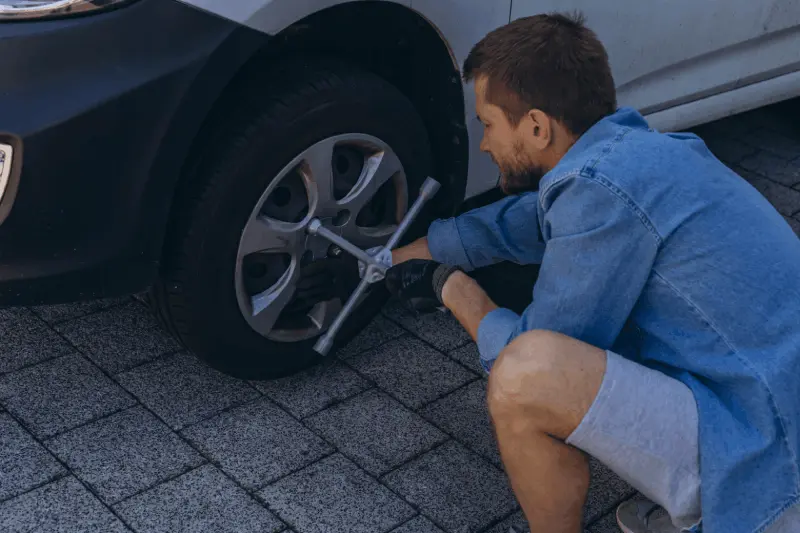
What Does Tire Noise (Road Noise) Tell Us About Pressure?
The road noise coming from the caravan during driving is directly related to tire pressure. If the tire pressure is low, the increased rubber surface in contact with the road produces a more muffled and rumbling sound. If the pressure is too high, sharper and "thumping" sounds are heard due to the stiffness of the tire from the bumps on the road. Experienced caravan users know the normal sound of their vehicles and understand that an unfamiliar rumble could indicate a loss of pressure or load shifting. Monitoring changes in road noise can serve as an early warning system, especially in vehicles without TPMS.
What Pressure Issues Do Wear Symptoms Indicate?
The wear pattern on the tire treads tells you about your past pressure mistakes. If both edges of the treads are worn more than the center, it means the tire has been used for a long time with "low pressure." If only the center part is worn, this is an indication of "over-inflation." If the treads are worn in a one-sided or patchy manner like "saw teeth," this usually indicates a shock absorber or alignment issue. Tires on a loaded caravan are very expensive parts; therefore, regularly inspecting the wear pattern to calibrate your pressure settings can extend the life of your tire by thousands of kilometers.
What Precautions Should Be Taken Against Tire Blowouts During Caravan Travels?
Maintaining the correct tire pressure is the most important precaution, but you should still be prepared for everything. Always have: 1) A jack capable of lifting the weight of the caravan (usually 2-3 tons), 2) A lug wrench and, if available, a coded lug adapter, 3) A spare tire at the correct pressure, 4) A reflective vest and warning triangle. Never panic and brake hard at the moment of a blowout; try to gently release the gas and pull the vehicle to the side without shaking it to maintain control of the caravan. Remember, changing a tire on a loaded caravan is much more cumbersome and requires more attention than on a passenger vehicle.
Are Standard Pressure Charts Reliable for Different Types of Caravans?
General statements like "4.5 bar is recommended for caravans" that you find on the internet or forums can be dangerous. Each caravan's chassis, tire size, and load capacity are different. For example, a small teardrop caravan may perform excellently at 2.5 bar, while a large family caravan may require 4.5 bar. Use general charts only for reference; your actual reference should always be the values specified for that specific model and tire type written on the metal plate on your caravan's chassis or in the user manual. It is best to rely on the manufacturer's engineering data rather than someone else's recommendation.
Is There a Correlation Between Chassis Height and Tire Pressure?
Yes, tire pressure affects the ground clearance of the caravan and thus its balance. Low-pressure tires bring the caravan's chassis closer to the ground by a few centimeters. This can cause the bottom of the caravan to scrape on bumps or uneven roads, especially when entering caravan parks. Additionally, the chassis getting closer to the ground also slightly alters the center of gravity of the caravan. Keeping the chassis height of a loaded caravan within manufacturer standards ensures that the suspension operates at full stroke. Therefore, saying "it won't hurt if it's a little low" actually means disrupting the entire geometry of the vehicle.
How Does the Fullness of the Caravan's Water Tanks Affect Pressure?
Water tanks typically range from 40 to 100 liters (i.e., 40-100 kg). They are usually located near the kitchen and bathroom equipment, meaning right above or on one side of the axle. Filling the water tanks completely before hitting the road directly increases the total weight of the caravan and thus the load on the tires. If you are traveling with "full" water tanks, you should also account for this extra 100 kg when adjusting the tire pressure to the upper limit. Many caravaners prefer to fill the fresh water tank only near the destination for fuel savings and tire health, which is a smart method that reduces stress on the tires.
Should Bicycle Carriers and Rear Loads Be Included in the Pressure Calculation?
Bicycle carriers attached to the back of the caravan and the bicycles on them create a lever effect, increasing the load on the tires more than you might think. The further the weight is from the axle, the more the tire "squashes" under the load. It is subjected to e" force. Rear loading can increase the vehicle's swaying tendency by reducing the weight in front of the caravan (on the tow hitch). Therefore, if you are carrying extra weight in the back, you must keep the tire pressure at the highest level that will compensate for that weight (within manufacturer limits). These small changes in weight distribution can completely alter the stress points on the tire sidewalls.
Does Increasing Tire Pressure Improve the Caravan's Fuel Economy?
Yes, but there is a limit to this. Bringing the tire pressure to the ideal level reduces rolling resistance and provides fuel savings. However, over-inflating the tire with the logic of "more air, less fuel" (for example, above 5.5 bar) creates more safety risks and comfort loss than fuel savings. Additionally, overly hard tires do not absorb energy from the road, causing the caravan to bounce; these bounces can lead to constant changes in the engine speed of the towing vehicle, thereby increasing fuel consumption again. The best fuel economy is achieved when the caravan is perfectly "in contact" with the road, at an ideal pressure value where the tire is in perfect balance between resistance and grip.
When is it Appropriate to Reduce Tire Pressure in Off-Road Caravans?
If you have a special off-road caravan and AT (All-Terrain) or MT (Mud-Terrain) tires, reducing the pressure (down to 1.5 - 2.0 bar levels) while moving on soft sand or deep mud increases ground contact. Lower pressure allows the tire to spread like a paddle and prevents sinking. However, this should only be done until you get out of that difficult terrain and at very low speeds (below 20 km/h). Never forget that when you lower the tire pressure, their load-carrying capacities dramatically decrease. As soon as the tough stage is over, you should bring the tires back to highway pressure so that the loaded caravan can carry its weight.
Is it Necessary for Tires to be Cold When Inflating Caravan Tires?
Yes, this is a technical necessity. As tires move, the air molecules inside heat up and expand, causing the pressure gauge to show a value that is 0.3 to 0.6 bar higher than normal. If you adjust to the "ideal pressure" value while the tires are warm, they will actually remain more deflated than they should be when they cool down. The definition of "cold tire" is that the vehicle has been parked for at least 3 hours or has traveled less than 2 kilometers. If you need to inflate at a gas station and the tires are warm, inflate by adding about 0.4 bar above the target value, but measure again as soon as the tires cool down.
What Happens if the Tire Load Rating Limit is Exceeded?
If the total weight of the caravan exceeds the "Max Load" total written on the tires, no pressure adjustment can save you. In this case, the tire will begin to structurally fail independently of the air inside. Inflating to high pressure only accelerates the risk of blowout. If your caravan's load is within the tire capacity limit, the only safe action is to lighten the load or replace the tires with those that have a higher load index (C series commercial or reinforced tires). Caravan safety is based on the equation "tire capacity > total weight". When this equation is violated, tire pressure ceases to be a safety parameter and becomes a risk factor.
Is There a Difference in Pressure Between Highway Driving and Country Road Driving?
Driving continuously at high speeds (80-100 km/h) on the highway creates a constant heat buildup in the tires. Therefore, it is vital that the pressure is exact and flawless during highway driving. On country roads, where speeds are lower but the terrain is full of potholes and stones, slightly reducing the pressure (by about 0.2-0.3 bar) can increase the comfort of the caravan. However, from a practicality standpoint, instead of constantly adjusting the pressure during caravan trips, it is most logical to find and maintain the "ideal loaded pressure" value that ensures both highway safety and protects against rough roads. Remember that the impact created by a pothole in the road can cause a bent rim on a deflated tire, while it only causes a jolt on a properly inflated tire.
Does the Quality of Rubber in Caravan Tires Affect Pressure Retention Time?
Yes, the inner liner technology used by premium tire manufacturers minimizes the escape of air molecules through the rubber pores. Cheap and low-quality tires can lose pressure more quickly due to the lack of rubber density in their structure. When traveling with a loaded caravan, using tires from a quality brand is a significant comfort and safety advantage to avoid having to check the pressure every morning. Still, regardless of the brand, all tires lose pressure over time due to thermal cycles (night cooling and daytime heating). Therefore, the idea that "I have quality tires, I don't need to check" is not valid in caravanning.
Why Should the Spare Tire Pressure Always Be a Few Bars Higher?
Keeping the spare tire pressure high serves two purposes: 1) It creates a reserve against natural air loss that will occur over time. 2) It is ready to transfer air to a deflated tire (with special hoses) or to immediately carry full weight when needed. If your spare is at 4.5 bar and you need 3.5 bar, you can release air in seconds with a valve. However, if you are left with a deflated spare at 2.0 bar on the road and have no compressor with you, it will be impossible to inflate that tire. In loaded caravans, the spare tire is a lifebuoy kept ready for the "worst-case scenario" and should always be fully inflated.
How to Perform Manual Checks When Tire Sensors Malfunction?
Electronic systems (TPMS) can sometimes lose signal or run out of batteries. In this case, you need to revert to old-fashioned methods. You should always have a reliable manual pressure gauge on hand. Additionally, perform a "hand test" on the tires during driving breaks. mak; checking the flexibility and warmth of the tires tells a lot. If one tire is significantly warmer than the other, or if the sound when you hit it (with a stick) is more "dull", there may be a loss of pressure in that tire. Manual checks reduce your dependence on technology and give you a deeper understanding of your vehicle.
Why is the total weight of the caravan (MTPLM) crucial for determining pressure?
MTPLM (Maximum Technically Permissible Laden Mass) is the highest weight your caravan can legally carry. Caravan manufacturers often provide tire pressure recommendations based on this MTPLM value. If you have filled your caravan up to this limit, your tire pressures must also be at the "Maximum Load" value specified in the manual. Many caravan owners mistakenly think, "I'm not that heavy." However, caravans typically use a much larger portion of their capacity (usually 80-90%) loaded compared to passenger vehicles. Therefore, it is always advisable to be pessimistic (i.e., weigh more) when calculating weight and adjust the pressure accordingly, which will increase your safety margin.
What is the safest approach for caravan tire pressure?
Considering all these details, the safest approach is to weigh your caravan in its fully loaded state, check the load index of your tire, and apply the manufacturer's recommended cold pressure value for this weight (usually between 3.5 - 4.5 Bar) with a precise measuring instrument. Keeping track with TPMS while driving, replacing tires every 5-6 years, and distributing the load evenly within the caravan are the cornerstones of a safe holiday. Remember, the only contact your caravan has with the road is that small rubber area of a few square centimeters; supporting that area with the correct pressure is the most effective way to protect your loved ones and your efforts.