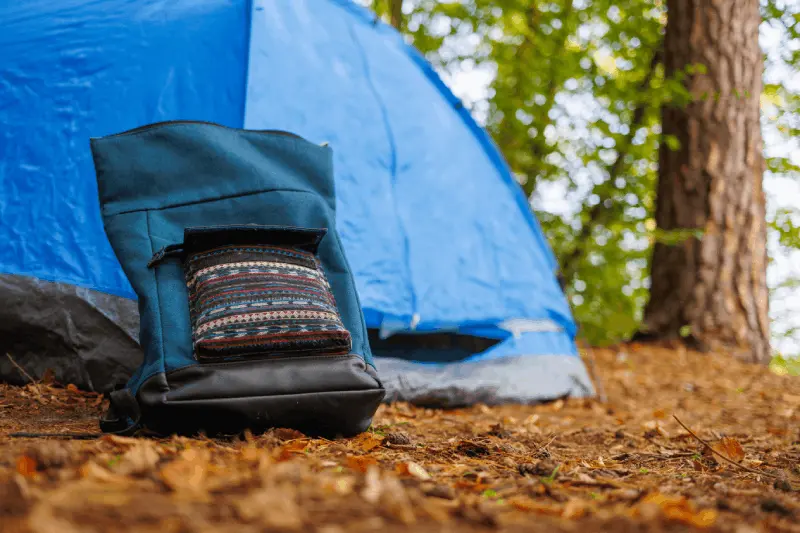
How Does Backpack Weight Distribution Directly Affect the Camping Experience?
In backpacking, the way you pack your bag is not just about transporting your gear from one place to another; it is also directly related to how you use your body mechanics. Proper packing ensures that the center of gravity is kept as close to your body as possible, allowing you to use your energy efficiently. A poorly packed bag creates a constant feeling of being pulled backward, putting excessive strain on your back and shoulder muscles. This can lead to early fatigue and pain during long hikes. Additionally, balance is the most critical factor in reducing the risk of falling on uneven terrain. A well-balanced bag moves as if it is a part of your body, allowing you to step freely.
What Does the Concept of Center of Gravity Mean When Carrying a Backpack?
The center of gravity is the theoretical point where an object's mass is balanced. In the human body, this point is usually close to the waist level. When you wear a heavy backpack, the center of gravity of this new system (body + backpack) shifts backward and upward. If you cannot keep this center close to your body axis, you will have to lean forward excessively to maintain your balance. This postural imbalance increases the pressure on your spine, predisposing you to chronic injuries. In an ideal setup, heavy items should be placed close to the back and aligned with the shoulder blades, maximizing your mobility by keeping the center of gravity closest to your natural posture.
Why Should Light and Bulky Items Be Placed at the Bottom of the Backpack?
The bottom layer of the backpack serves as a sort of base or cushion. Strategically placing sleeping bags, spare clothes, or soft items that you won't need until you reach the campsite here is a smart decision. Since these items are light, they do not pull the center of gravity down; instead, they create a stable platform for the heavier loads above. If you place a heavy boot or a can at the bottom, the bag will hit your back with every step, disrupting your rhythm and throwing off your balance. A full bottom helps maintain the shape of the backpack while also contributing to the even distribution of the weight placed on it.
Where Should the Heaviest Items Be Placed in the Backpack?
The heaviest items in your backpack (food, water reserves, stove kit, and heavy parts of the tent) should be placed as close to your back and in the middle of the vertical axis as possible. This area between your shoulder blades ensures that the weight is transferred directly to your lumbar spine and thus to the large muscle groups. Placing heavy items on the outside of the backpack (away from the body) creates a lever effect that pulls you backward. The extra energy you expend fighting this pull can lead to fatigue after a few hours. Therefore, stacking heavy items "against the back" is a fundamental rule of balance.
What Types of Equipment Should Be Placed in the Middle and Outer Sections?
After placing heavy items close to your back, the remaining middle and outer sections of the backpack should be filled with medium-weight materials. This area typically contains spare layer clothing, first aid kits, lightweight cooking utensils, and personal care items. The purpose of these items is to stabilize the heavy center and fill gaps to prevent the internal materials from shifting. Items placed in the outermost (back) section of the backpack should be as light as possible since they are the farthest from the body. This way, the overall torque (rotational effect) of the backpack is minimized, controlling the risk of tipping over.
What Items Should Be Placed on the Top of the Backpack to Increase Accessibility?
The top section of the backpack (commonly referred to as the "head" or "lid") should be reserved for items you will need frequently throughout the day. Items like rain jackets, sunscreen, snacks, headlamps, maps, and compasses should be placed here. If you bury these items deep in the backpack, you will have to unpack the bag for every little need, disrupting your balance. Care should be taken not to overload the top section; a very heavy top can cause the backpack to sway with your head movements, throwing off your balance. Quick access and a balanced top load enhance your hiking comfort.
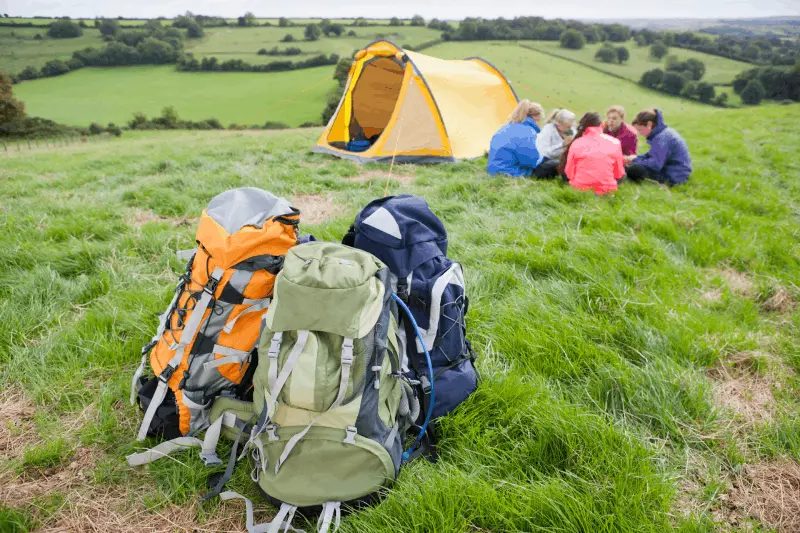
What Is the Effect of Side Pockets and External Attachment Points on Balance?
Side pockets are typically used for carrying water bottles or trekking poles. The most important consideration here is symmetry. If you place a 1.5-liter water bottle on one side and leave the other side empty, your body will lean to one side, and your muscles will constantly work to correct this asymmetry. This can lead to unilateral back pain. Items attached to external points (straps) can sway in the wind or get caught in branches, disrupting balance. Whenever possible, stuffing everything inside the backpack is safer, but if you must secure external loads, doing so tightly is essential for a safe hike.
Are There Differences in Packing Based on Female and Male Body Structures?
Biologically, the centers of gravity for women and men differ. In men, the center of gravity is generally closer to the chest, while in women, it is closer to the waist area. Therefore, men carry heavy loads slightly higher (near shoulder level) while feeling more balanced.
They can be adjusted. For women, keeping the heavy loads closer to the hips, slightly more towards the waist, can optimize balance. Modern backpack manufacturers design shoulder straps and hip belts specifically tailored for women, taking these anatomical differences into account. Finding the most suitable distribution for your body shape through trial and error ensures long-term comfort.How Do Backpack Adjustments Play a Role in Maintaining Balance?
It is as important to secure the backpack to the body as it is to place it correctly. The hip belt should transfer approximately 70-80% of the load from the shoulders to the hip bone. The shoulder straps ensure that the backpack fits snugly to the body but should not constrict the shoulders. The small adjustments at the top of the shoulder straps, known as "load lifters," pull the top of the backpack closer to your head, shifting the center of gravity forward. The load stabilizer helps prevent the shoulder straps from sliding outward, allowing the arms to move freely. Ensuring that all these adjustments are at the correct tension prevents the backpack from shifting on your back, maintaining both static and dynamic balance.
How Should Backpack Placement Change When Hiking on Uneven Terrain?
If your route includes steep climbs or very technical descents, you may need to update your balance strategy slightly. In very steep climbs, pulling the center of gravity a bit lower (below the midsection) can help maintain your balance. This way, when your body leans forward on a steep slope, the backpack will not try to tip you backward. In descents, it is critical that the backpack does not sway side to side; therefore, you should maximize all compression adjustments. When moving on slippery or rocky surfaces, having every centimeter of the backpack integrated with your body can be life-saving in situations where you need to react quickly.
How Does Using a Water Reservoir Improve Balance?
Water reservoirs are typically placed in a special compartment just behind the back panel of the backpack. This ensures that one of the heaviest items in the backpack, water, is positioned at the center of gravity and closest to your back. While traditional water bottles can cause an uneven distribution on the sides or inside the backpack, a water bladder distributes weight evenly in a vertical manner. Additionally, as the water decreases, the volume of the bladder shrinks, preventing the water from sloshing and disrupting balance. Not having to remove the backpack to drink water also helps maintain your dynamic balance while on the move and allows you to keep your rhythm.
How Should Bulky Items Like Tents and Mats Be Packed?
Tents are often one of the heaviest items in a backpack. If your tent takes up a lot of space, you can separate the tent stakes and poles and place them vertically on the sides of the backpack, while the tent fabric can be tightly packed inside the main compartment close to the center of gravity. Mats, being generally lightweight, can be attached to the bottom or top of the backpack. Inflatable mats fit easily inside the backpack, while foam mats can be carried outside. However, care should be taken to ensure that the mat attached outside does not create a sail effect in the wind or get caught in narrow passages. Using bulky but lightweight items to fill strategic gaps helps maintain the overall integrity of the backpack.
Where Should First Aid Kits and Emergency Equipment Be Located?
Safety is the top priority in camping, and equipment placement should support this safety. First aid kits, materials like storm shelters or emergency blankets, should always be at the most accessible point. Typically, this is the top flap of the backpack or the large "kangaroo" pockets on the front. In an emergency, panicking and emptying the backpack can lead to both time loss and the loss of critical items. It is also important that everyone in the team knows the location of these materials. Having them in an easily accessible position does not pose a technical problem as long as they are light enough not to disrupt balance significantly.
Why Are Compression Straps Vital?
Compression straps located on the sides and sometimes the front of the backpack are designed to eliminate voids inside the backpack. When the backpack is not fully packed or as items shift, the load inside can start to sway. This uncontrolled movement can throw your balance off by shifting your body in different directions with each step. By tightening the straps to create a "single block" effect, the weight remains stable at the closest point to your body. Additionally, this process narrows the profile of the backpack, reducing the risk of snagging on obstacles. A well-compressed backpack allows you to respond more quickly and accurately to your movements, enhancing your safety.
How Does Backpack Placement Differ in Winter Camping Compared to Summer?
In winter camping, the amount and weight of equipment significantly increase. Thick sleeping bags, heavier tents, extra clothing, and additional fuel strain the volume of the backpack. In this case, maintaining balance becomes more challenging. The center of gravity in winter can be pulled slightly lower because a lower balance point may be necessary to avoid sinking into the snow or slipping while hiking with crampons. Additionally, using waterproof bags to separate wet clothes from dry items inside the backpack prevents weight from increasing due to moisture and facilitates organization. Wide zipper openings that can be accessed even with gloves and a practical packing plan determine your comfort in winter.
Do Shoes and Boots Affect Balance When Carried in a Backpack?
Spare shoes or sandals you bring for wearing at the campsite may seem lightweight, but their bulky structure can complicate placement. If you hang them on the outside of the backpack, they can sway continuously while hiking, disrupting your rhythm. Ideally, Place these shoes in dirty bags and stuff them into the middle or lower-middle sections of your backpack, among other soft items. If there is no space inside the bag, make sure they are securely attached when hanging outside. The weight of the shoes should not be distributed asymmetrically; balance can be achieved by placing one shoe on the right and the other on the left. This small detail can significantly reduce fatigue on long routes.
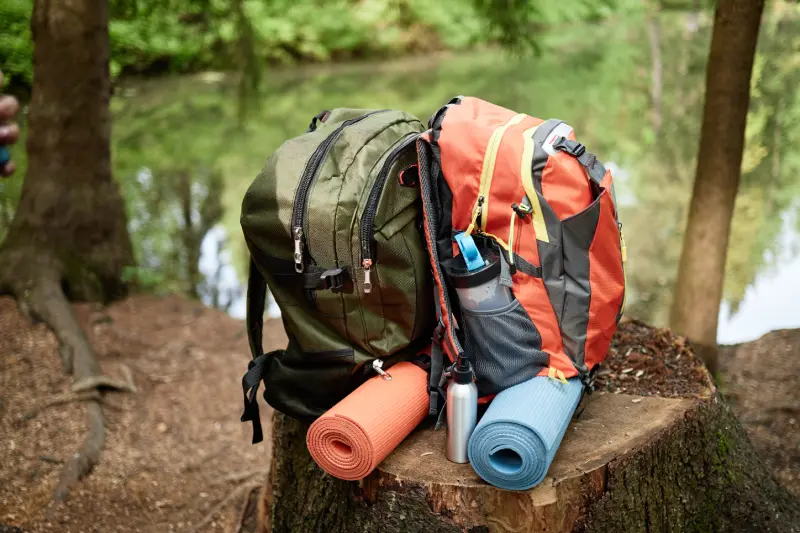
How to Safely Arrange Kitchen Supplies and Fuel Items?
The stove, pot set, and fuel items require special attention in terms of both weight and safety. Fuel items should always be kept upright to avoid leakage risk and stored away from food, preferably in the side pocket of the bag or in the lower-middle section of the main compartment. You can gain volume by placing the stove and cleaning cloths inside the pot set. The clanging of these metal items can be both annoying and distracting, preventing you from focusing. Therefore, it is a sensible approach to provide sound insulation by placing small cloths or pieces of clothing in between to ensure they stay stable.
Where Should Personal Hygiene Products and Small Details Be Stored?
Small items like toothbrushes, sunscreen, toilet paper, and disinfectants are often at risk of getting lost inside the bag. Carrying them in small, transparent, or color-coded "organizer" bags provides great convenience. Placing these small bags in the top part of the bag or in easily accessible mesh pockets does not disrupt balance since they are very lightweight. However, the cumulative weight of these small items can reach a surprising amount. Therefore, instead of cramming them all to one side, you can distribute them across different pockets to maintain balanced weight. A well-organized bag contributes to a more peaceful and planned journey mentally.
How Does Overpacking Sabotage Balance?
Many campers carry more items than necessary with the thought of "maybe I will need it." However, pushing the capacity of your backpack and your own carrying limit makes it nearly impossible to maintain balance. When the bag is overstuffed, zippers are strained, and the ergonomic structure of the bag is compromised; the bag becomes round like a cylinder and does not fit your back properly. This distortion causes the weight to shift away from your body and lean to one side. Adopting a minimalist approach, taking only what you truly need, not only preserves your back but also maintains your balance. Remember, every gram you carry is a struggle against gravity.
How Should the Placement of Electronic Devices and Power Sources Be?
Electronic devices like power banks, phones, cameras, and spare batteries are both delicate and heavy materials. To protect these devices from moisture, it is best to carry them in waterproof cases, and to protect them from shocks, carry them among soft clothing. Due to their weight, positioning these devices close to the body at a medium height contributes to balance. If you are using a solar panel, it should be secured on the top or back of the bag in a way that it receives sunlight but does not sway. Allowing cables to dangle outside is not only unappealing but can also create small jolts that disrupt balance. A tidy and protected electronic arrangement ensures uninterrupted use of technology in nature.
Does the Sleeping Bag and Mat Affect Balance When Rolled?
How you fold your items affects the amount of empty space in your bag and thus its stability. Instead of rolling the sleeping bag, stuffing it into its own stuff sack (preferably a waterproof bag) helps you fill the gaps at the bottom of the bag better. This way, the bottom creates a sturdier base. The same applies to mats; if you are using an inflatable mat, folding it neatly and placing it along the back panel provides extra cushioning and brings the center of gravity closer to your back. Foam mats should be rolled up and hung outside with great attention to symmetry; otherwise, wind resistance can disrupt your balance.
How Does Using Poles Relate to Bag Balance?
Trekking poles act like "two extra legs" while moving with a backpack. Especially when navigating rugged terrain with a heavy bag, poles distribute the weight across four points, reducing the load on your legs and significantly enhancing dynamic balance. Even if your bag placement is not perfect, you can easily mitigate small wobbles that may occur thanks to the poles. They help protect your knees on descents and assist in maintaining your rhythm by providing support from your arms on ascents. Adjusting the pole length according to the terrain (short on ascents, long on descents) helps keep your center of body weight in harmony with the bag.
How to Prevent "Load Shifting" Inside the Bag?
The shifting of items inside the bag during a hike is referred to as "load shifting" and can suddenly disrupt your balance. The main reason for this is either the bag not being fully packed or the compression straps being left loose. If there are gaps between items, materials will slide down or sideways with each step due to gravity. To prevent this, you can use your clothes to fill the gaps as "padding material." Additionally, using bags that keep similar items together minimizes individual shifts by ensuring collective movement of items. Ensuring that everything inside the bag stays securely in place makes your movements predictable.
Should You Quickly Rearrange When Weather Conditions Change?
When the weather suddenly deteriorates or the temperature drops, it is essential to quickly adjust your setup. You may have to change clothes in the rain. In these situations, the location of your "quick access" layers will also change. Instead of putting dry items inside a wet rain bag, they should be placed in the outer mesh pocket or on top. During these temporary changes, you must continue to maintain the balance of your bag. A wet jacket hastily hung on one side of the bag can disrupt the weight distribution. To be prepared for weather changes, always leave some "maneuvering space" at the top of your bag and check the compression straps at every stop to ensure you can progress safely in variable natural conditions.
How Should Common Equipment Be Shared in Group Hikes?
If you are camping as a group, sharing common materials such as tents, stoves, and food reduces individual loads and balances the overall group pace. In this sharing, everyone's physical capacity and bag volume should be considered. For example, one person can carry the outer fly of the tent while another can carry the poles and inner tent. In this case, everyone must adhere to the weight distribution rules in their own bags. Since common equipment is usually heavy, each participant should place these materials as close to their back as possible. A fair weight distribution helps even the slowest member of the group to progress safely while maintaining balance.
What Should Be Considered When Crossing Streams with a Backpack?
Stream crossings are one of the riskiest moments in terms of balance. While the water current exerts pressure on your legs, the weight on your back can disrupt your balance at any moment. In such crossings, unlike normal, it is recommended to loosen (or significantly loosen) the hip belt and chest strap. The reason for this is to prevent your bag from pulling you underwater in case of a fall and to be able to escape from the bag quickly. In this situation, since the bag will be looser, maintaining balance will rely entirely on leg and pole strength. Leaning slightly against the current while crossing and shifting your body's center of gravity against the flow will help compensate for the disadvantages of bag placement.
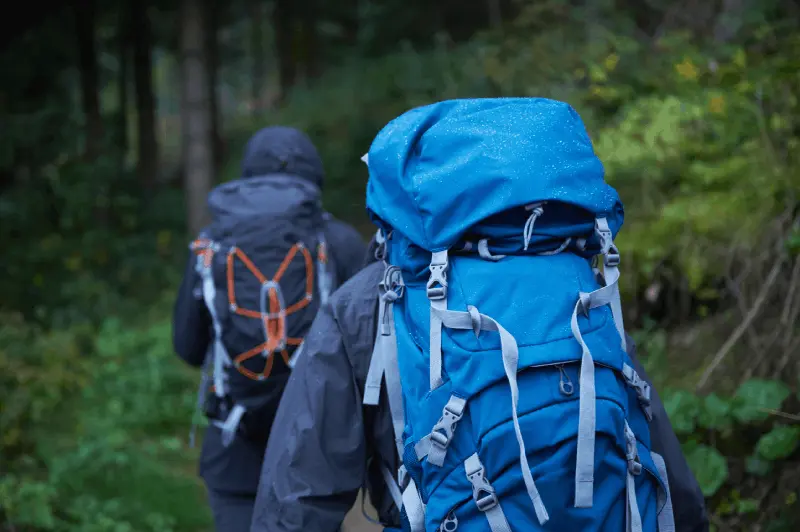
How Should Bag Placement and Protection Be in a Night Camp?
When you arrive at the campsite, unpacking and settling your bag is relaxing, but it is important to maintain order for the next morning. After unpacking your bag, you should clean it and air out any damp items. If you plan to leave your bag outside at night (if there is no risk of wild animals), you must ensure it is waterproof and secure it to a tree. Storing food inside the bag in odor-proof bags or bear canisters prevents nighttime visitors. When packing up your bag in the morning, even if you are tired, you should not compromise on packing rules. Starting a morning with a poorly packed bag makes the rest of the day much more difficult.
What Percentage of Body Weight Should a Backpack's Weight Be?
As a general rule, the weight of a fully loaded backpack should not exceed 20% of the person's body weight (25-30% for trained individuals). For example, for a person weighing 80 kg, an ideal load would be between 16-20 kg. When this limit is exceeded, no matter how perfect the packing is, the load on the joints and spine will exceed physiological limits. Excessive weight alters the center of gravity so much that the body's ability to balance it decreases. This increases the risk of injury and falling. Choosing "ultralight" options when selecting equipment is one of the most effective ways to solve balance issues from the start.
How to Develop a Packing Routine for Long-Distance Hiking (Thru-Hiking)?
In long hikes lasting weeks, bag packing becomes a reflex. You know by heart where each item fits perfectly and which void will be filled with which clothing. During this process, while bag packing optimizes, your body also adapts to this load. However, as the amount of food decreases daily and fuel runs out, the weight distribution in the bag continuously changes. To adapt to this dynamic situation, you may need to readjust compression straps daily and reposition heavy items to balance the lightening parts. Balance on a long hike is not just a physical condition; it is also a process of establishing harmony with your equipment.
What Are the Most Common Mistakes Related to Bag Packing?
At the top of the most common mistakes is placing heavy items at the top or outside of the bag. This mistake causes the bag to swing excessively and forces the person to lean forward continuously. Another mistake is not paying attention to symmetry; placing a heavy water bottle on the right side while leaving the left side light is a major cause of back pain. Additionally, not using compression straps and allowing items to move freely inside disrupts your balance with every step. Finally, burying emergency equipment at the bottom of the bag poses a significant risk in critical moments. Avoiding these mistakes increases both comfort and safety significantly.
How Can You Find Your Ideal Packing Arrangement?
Every camper's body structure, equipment list, and hiking style are unique. Therefore, after learning the general rules, you should experiment to create your own arrangement. At home, fill your bag to full capacity and do short hikes with different packing models. Take note of which model tires you less and in which situation your balance is more stable. During the hike, pay attention to the signals from your body (shoulder strain, back pain, feeling of pulling back). This feedback will show you the most accurate way to make small adjustments in your bag. Remember, the best packing arrangement is one that you forget exists while wearing it.
Conclusion: Is It Possible to Enjoy Nature with a Balanced Bag?
A properly placed and balanced backpack fundamentally changes the quality of the time you spend in nature. With a packaging strategy that adheres to physical laws and respects your anatomical structure, you can cover miles with less fatigue and more enjoyment. Balance not only ensures that you don't fall, but also allows you to enjoy the scenery around you, focus on your steps, and adapt to the rhythm of nature. By applying the tips in this guide, you can transform your backpack from a burden into a loyal partner that accompanies you on your adventures. I wish you good hikes and safe camps!