How to Optimize Heat Distribution in a Cast Iron Pan Over a Campfire?
The most defining feature of a cast iron pan is its massive heat capacity. The irregular and hard-to-control nature of a campfire can cause some food to burn in thin aluminum or stainless steel pans while leaving other parts undercooked. However, once a cast iron pan absorbs heat, it distributes that heat evenly across every point of the surface. This homogeneous heat distribution ensures that every bite is cooked to the same degree, especially when grilling large cuts of meat or thick vegetable mixtures. Stabilizing the heat in this way is the main reason you can achieve professional kitchen-quality results even under camp conditions.
Does Seasoning Really Enhance the Flavor?
The famous layer of fat on the cast iron pan, known as "seasoning," not only provides non-stick properties but also carries an aromatic "memory" of previous meals in every cooking. This polymerized fat layer, combined with the smoky aroma of the campfire, adds a depth to the food that cannot be achieved with any other cooking utensil. Over time, this seasoned surface traps the juices of the meat while creating a caramelized texture on the outside. Thanks to this natural coating, it minimizes the use of fat while allowing the food to cook in its own juices, which helps the flavor to be much richer and more layered.
How Does the Heat Retention Capacity of a Cast Iron Pan Perfect the Process of Searing Meat?
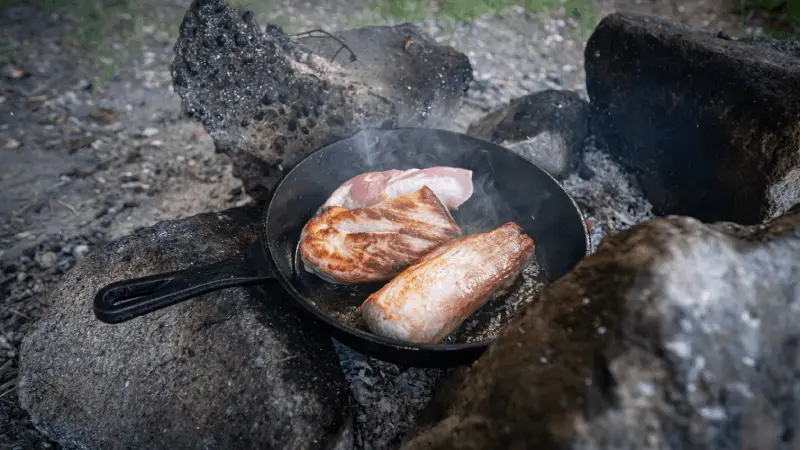
If you want to cook a perfect ribeye or a thick filet mignon over a campfire, the only thing you need is high heat capacity. Thin pans lose heat quickly the moment cold meat touches the surface, causing the meat to start steaming instead of searing. However, a cast iron pan retains its heat even if you place cold meat on it due to its thermal mass. This ensures the immediate realization of the "Maillard reaction," creating that desired crispy brown crust on the outside of the meat. The juices trapped inside keep the meat tender, while the outer crust infuses the smoky aroma of the campfire into every fiber of the meat.
How is the Aroma of Wood Fire Captured in a Cast Iron Pan?
The main difference in food cooked over a campfire is the smoky aroma from the burning wood. Cast iron pans, due to their porous structures, hold these smoke particles better on their surfaces and transfer them to the food. Especially when cooked over a fire fueled by oak, hickory, or fruit tree woods, the cast iron pan acts almost like an aroma sponge. When you close the lid of the pan, the convection currents created inside allow the smoke aroma to penetrate the food. This creates the key to that authentic and wild flavor profile that can never be replicated in closed kitchens.
Why is Camp Breakfast Cooked in a Cast Iron Pan More Delicious than Others?
In the coolness of the morning, sizzling bacon and eggs in a cast iron pan are something else. The reason is that the cast iron pan retains fats perfectly and allows for a very gentle transition of heat from the bottom upwards. While the outside of the potatoes becomes crispy, the inside remains fluffy, which is only possible with the heavy and patient heat conduction of cast iron. Additionally, the natural fats that accumulate around the edges of the pan transfer to the eggs, giving them a rich creamy texture. The satisfying and unforgettable taste of camp breakfast is a flavor explosion combined with the richness of cast iron.
How Do the Chemical Reactions of Cast Iron Change the Aromatic Profile of Foods?
A cast iron pan is not just a vessel but also a catalyst. The micro-interactions that occur between the metallic surface and acidic or fatty foods during cooking make the taste of the food more "earthy" and full-bodied. Especially in processes like tomato sauces or onion caramelization, the consistent heat provided by the cast iron optimizes the breakdown speed of sugars. This ensures that the resulting aroma is more complex and satisfying. In this pure metal environment, free from chemical coatings or Teflon, foods express their true characters much more clearly.
How Do Cooking Techniques in the Wild Evolve with a Cast Iron Pan?
Using a cast iron pan in camp cooking allows you to test your skills as a chef. Once you learn to control the heat, you will see that a cast iron pan can function like an oven, a grill, and even a smoking machine. This versatility gives you complete control over the texture of the food. For example, you can sweat vegetables in one corner of the pan while searing meat in the other corner. These "microclimates" offered by cast iron allow for the combination of different textures within the same vessel. As a result, even if cooked in a single pot, you end up with a layered and professional-looking dish.
How Does Using a Cast Iron Pan Affect the Iron Content and Flavor of Food?
Scientific studies show that food cooked in uncoated cast iron pans, especially if they are acidic, has an increased iron content. This not only represents a health benefit but also has a subtle effect on flavor. That slightly metallic yet not unpleasant "bloody" or rich taste particularly enhances the flavor of red meats. Iron stimulates the taste receptors on the palate in a different way, making the food feel more filling and characteristic. In the midst of nature, obtaining the minerals your body needs directly from your food is a biological reward of the camping experience.
How Does Thermal Inertia Preserve Flavor by Preventing Food from Cooling?
The biggest problem in a camp environment is that food cools down quickly after being served.
The food is likely to freeze due to the cold weather outside. A cast iron pan can retain its heat for 15-20 minutes even after being removed from the fire, thanks to its high thermal inertia. Serving the food directly from the pan ensures that it stays hot, as if it has just come off the stove, with every bite. This prevents the fats from freezing and the flavors from dulling. This is especially vital for fatty meats and sauced dishes; because heat is the most important factor that allows the aromas to vaporize and reach your nose.How Do Different Types of Wood Add Character to Food Cooked in a Cast Iron Pan?
A cast iron pan is an excellent conductor to reflect the character of the burning wood. When cooking with pine wood, more resinous and sharp notes can be felt in the dish, while beech wood leaves a more neutral and strong smoky aroma. The bottom surface of the pan collects these smoky particles and, through heat, initiates a proper aroma circulation from the edges of the pan to the food. For campers, the choice of wood becomes as important as the choice of spices when using a cast iron pan. The heavy body of the pan provides the pressure and stability necessary for these elusive aromas to penetrate deeper into the food.
How Does the Porous Structure of Cast Iron Transfer the Essence of Previous Meals to the Future?
Cast iron has a highly porous structure when viewed at a microscopic level. These pores fill with fats and spices with each use. The reason a "seasoned" cast iron pan is so valuable is the accumulation of flavors stored in these pores. The aroma of a spiced sausage you cooked in a previous camp can add a subtle background note to the cornbread you cook next. This is like adding a "soul" to the dish. Unlike the sterility of modern non-stick pans, a cast iron pan offers you a continuously evolving and enriching flavor journey; each camp adds a new chapter to this story.
How Is Uncontrolled Heat Balanced Thanks to a Cast Iron Pan Over a Campfire?
The fire flaring up and dying down can be a disaster for delicate ingredients. However, the thick base of the cast iron pan acts as a shock absorber by absorbing these sudden heat fluctuations. No matter how erratic the flames outside are, the heat inside the pan changes much more slowly and controllably. This stability is especially vital when caramelizing onions or preparing a delicate sauce. By reducing the risk of burning, it ensures that the sugars in the food caramelize evenly. Thus, you can create balanced and sweet dishes that do not have a burnt taste, even under camping conditions.
How Do "Dutch Oven" Style Cookings in a Cast Iron Pan Deepen Flavor?
If your cast iron pan has a heavy lid, you can use it like a mini Dutch Oven. The lid prevents steam from escaping and allows the food to cook in its own steam. Dishes or slowly cooked meats made this way achieve incredible tenderness and aromatic richness. In this closed-loop system that creates a pressure cooking effect, the connective tissues of the meats melt into gelatin and naturally thicken the sauce. The secret of that melt-in-your-mouth meat, which is waited for hours at the campfire, is preserved in the cast iron's non-draining and heavy structure.
Why Do Professional Campers Prefer Cast Iron Pans Over Titanium?
Light materials like titanium and aluminum are ideal for backpacking travelers, but they fall short when it comes to flavor. Lightweight metals conduct heat very quickly and lead to hot spot issues; this means that one spot of the food burns while other areas remain cold. Professional campers and culinary enthusiasts are willing to bear the weight of cast iron because they know that the key to flavor is heat stability. A cast iron pan is the only way to bring that safe environment from your kitchen to the wild. The weight is a small price to pay for flavor, and the result is always worth it.
How Does the Natural Non-Stick Property of Cast Iron Support Caramelization?
A well-maintained cast iron pan offers excellent non-stick properties without the need for chemical coatings. However, this non-stick property is not as smooth and inert as Teflon; rather, it allows the material to slightly adhere to the surface and form a wonderful crust. These brown bits, known as "fond," collect on the surface of the cast iron pan and are the richest places for flavor. When you deglaze by adding a bit of water or wine to these bits, the taste of your dish elevates to a higher level. A cast iron pan is the best tool to apply this professional technique and adds depth to camp meals.
How Do Mistakes Made During Cleaning Reduce the Flavor Potential of a Cast Iron Pan?
Washing a cast iron pan with soap or leaving it wet can destroy the flavor layer (seasoning) you have painstakingly created. Soap can break down the layer of fat, causing the metal to rust and corrode. The taste of rust is the biggest enemy that ruins all the natural aromas of camp food. The correct cleaning method is to use only hot water and a stiff brush, followed by thoroughly drying the pan and rubbing it with a bit of oil. This maintenance ritual increases the flavor capacity of the pan each time. A camper who does not take good care of their pan is doomed to miss out on the richness that cast iron offers.
How Is "Umami" Flavor Captured in Vegetable Dishes Made with a Cast Iron Pan?
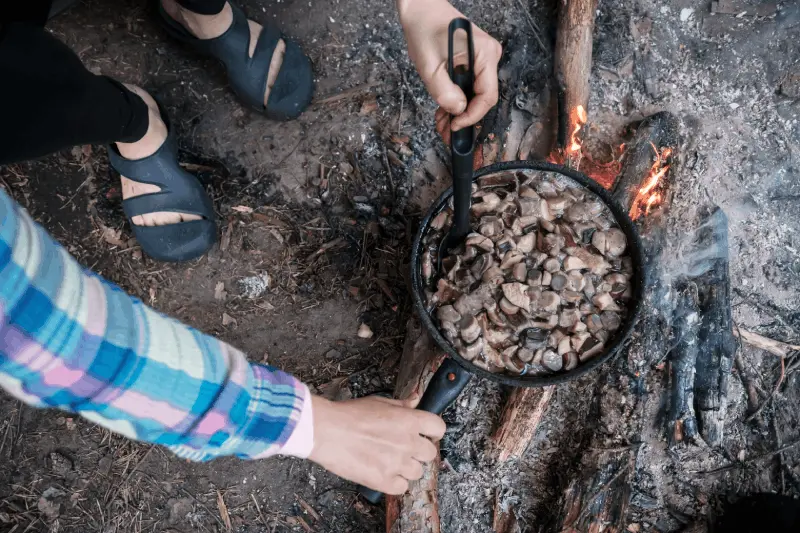
Vegetables release their natural sugars quickly when cooked at high heat. A cast iron pan retains enough high heat to prevent the vegetables from releasing their juices and steaming. Asparagus, peppers, or mushrooms... When vegetables like r are cooked in a cast iron pan, a smoky and caramelized layer forms on the outside while the insides remain firm. This situation ensures that the savory taste known as "umami" reaches its highest level. Especially when the woody aroma of the campfire clings to these caramelized surfaces of the vegetables, even the simplest vegetable sauté turns into a satisfying feast akin to a main course.
What Is the Secret of Baking Bread in a Cast Iron Pan in Camping Conditions?
The smell of freshly baked bread on a camping morning is priceless. The cast iron pan ensures that the bottom crisps due to the effect of the stone oven while the heat from the side walls helps the bread rise evenly. The porous texture of the metal gives a slight smoky aroma to the bottom of the bread dough. If you cover the pan with another lid or cast iron pan, the moisture released from the dough gets trapped inside, and the steam ensures that the crust of the bread is thin and crispy. Baking your own bread in a cast iron pan outdoors is one of the most fulfilling moments of camping, both visually and taste-wise.
How Does the Low-Temperature Long Cooking Technique Create a Miracle in a Cast Iron Pan?
The cast iron pan is not only for searing at high temperatures; it is also ideal for slow cooking on the edges of the coals. Cooking a dry bean or a piece of meat for hours with just the heat from the coals, the cast iron creates a transformation. The constant heat allows the ingredients to meld together and the flavors to steep thoroughly. This patient cooking process makes the texture of the dish silky while ensuring that the taste is much more refined and balanced. This long cooking time expected by the campfire is a testament to the mastery of cast iron.
What Is the Direct Relationship Between the Durability of Cast Iron and Flavor?
A cast iron pan is durable enough to be passed down through generations, and this durability is essentially a flavor investment. The flavor difference between a new pan and a 20-year-old pan is due to the buildup of that non-stick layer on the surface with each use. Over the years, the metal becomes less porous and develops a more "glass-like" surface. This not only changes the speed of heat transfer but also alters the quality of heat transfer to the food. A more non-porous surface means better searing and less burning. Therefore, as your cast iron pan ages, the quality of your camp meals increases proportionally.
Why Does the Burnt Oil Layer Add a Smoky Depth to the Food?
While many people fear that black layer in the cast iron pan, it is actually a polymerized natural oil layer (seasoning). This layer imparts a very light and pleasant smoky flavor when exposed to high heat. It gives the food a mystical depth as if a special spice has been added. Especially in outdoor camps, this flavor harmonizes perfectly with the wildness of nature. Stainless steels used in ordinary kitchens cannot offer this character because they are inert. The cast iron pan, however, is like a living organism; it generously offers a piece of its own character to the food.
Is It Possible to Smoke with a Cast Iron Pan in Camp Cooking?
Yes, a cast iron pan can actually be transformed into a perfect "stovetop smoker". By placing some wet wood chips under the pan, adding a wire rack on top, and then placing the meat on it, you create your own smoking chamber by closing the heavy lid of the pan. The ability of cast iron to retain heat ensures that the wood chips continuously produce smoke without burning. A fish or chicken prepared this way will absorb the natural smoke of the campfire in the most intense way. This technique is proof of how far the effect of cast iron on flavor can go.
Why Has Using a Cast Iron Pan Become a Ritual in Camping Culture?
Using a cast iron pan is not just a practical choice; it is a tribute to history and traditions. The fact that cowboys, explorers, and mountaineers have used the same tool for centuries stems from the reliability of cast iron. Being a part of this ritual symbolizes the time and care the camper dedicates to the food. Instead of a meal that is quickly cooked, waiting for the cast iron to heat up and interacting with it is a psychological preparation process that helps you appreciate the taste of the food better. This spiritual bond is an invisible factor that enhances the flavor of the food on the palate; because everything prepared with effort is more delicious.
How Does the Weight of a Cast Iron Pan Protect Food Against Temperature Shocks?
While camping, the weather can suddenly cool down or the wind can change the direction of the fire. Other pans quickly change their temperature due to these sudden external factors, while the cast iron pan is resistant to these shocks thanks to its "thermal mass". The internal warmth of the food is unaffected by the chaos outside. This especially guarantees the success of foods that require stable heat, such as baked goods. The cast iron pan creates an impenetrable barrier between the food and the outside world, preserving the consistency of flavor. Thanks to this protective shield, you can maintain the comfort and taste of your kitchen even in harsh weather conditions.
Why Are Modern Uncoated Cast Iron Pans Unmatched in Flavor?
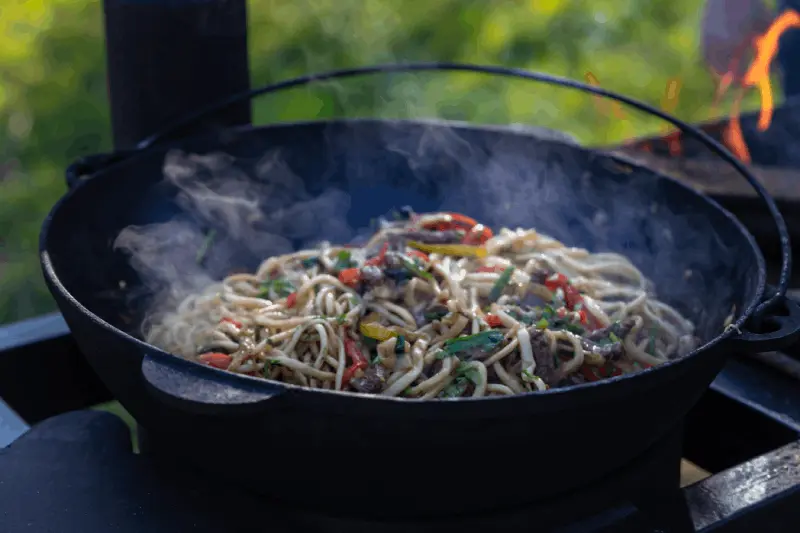
Although enameled cast iron pans are popular today, for campers, the place of "pure" cast iron is different. Uncoated cast iron pans are in direct contact with fire and food. Enameled coatings seal the pores of the metal, preventing the heat of the wood fire from penetrating the metal. Additionally, enamel poses a risk of chipping at very high temperatures like those of a campfire. Pure cast iron, on the other hand, has unlimited tolerance to heat. This direct contact ensures that the food is cooked with "character". Food cooked with the metal itself has a much more masculine and robust flavor profile compared to food cooked in enameled or ceramic-coated pots.
How Does the Weight of a Cast Iron Pan Affect Cooking Comfort and Results?
While weight may seem like a disadvantage, it is actually a significant advantage during cooking. . The cast iron pan sits steadily on the grill or over the fire without slipping. This stability prevents the pan from sliding while mixing ingredients or flipping meat, ensuring that every point of the food maintains contact with the heat. Additionally, a heavy pan provides better surface contact by pressing down on the ingredients. Especially in techniques like "smash burger," the weight of the pan helps cook the meat quickly without losing its juices. This feeling of weight adds seriousness and quality to the cooking process.
What Are the Advantages of Cooking with a Cast Iron Pan Over Campfire Coals?
Instead of sitting among the flames, a cast iron pan placed directly on the coals works almost like a magma oven. The infrared heat radiated from the coals perfectly heats the thick bottom of the pan. In dishes cooked this way, the source of heat is much more intense and stable. The cast iron pan absorbs this massive energy from the coals and transfers it to the food in a controlled manner. Using a cast iron pan over coals is the best way to achieve juicy meats and perfectly cooked root vegetables. Even the most intense form of fire can be transformed by the cast iron pan into gentle and effective cooking power.
How Does the Distribution of Spices on the Cast Iron Pan Surface Homogenize Flavor?
Although the cast iron surface may develop a slight patina over time, it always remains textured at the micro level. This texture ensures that spices and oils are trapped on the surface of the pan. During cooking, these spices not only adhere to the bottom of the food but also vaporize into the food through the heat. This "spice bed" provided by the cast iron helps distribute flavor evenly throughout the dish. In other pans, spices either burn or gather in one corner; in cast iron, you experience a balanced mixture of spices in every bite.
How Does the Type of Oil Used in Maintaining a Cast Iron Pan Determine Its Flavor?
The oil you use to "season" your cast iron pan essentially adds a fundamental layer of flavor to your dish. While flaxseed oil creates a more neutral and firm layer, using animal fats or lard adds tremendous depth and a meaty flavor to the food. Campers often choose the oil they use for maintaining the pan based on the types of dishes they love to cook. This is a way to personalize the flavor profile of the pan. The right oil selection and regular maintenance not only determine the pan's non-stick properties but also directly influence the aromatic richness it offers.
Why Is Cooking Seafood with a Cast Iron Pan in a Camping Environment Risky Yet Rewarding?
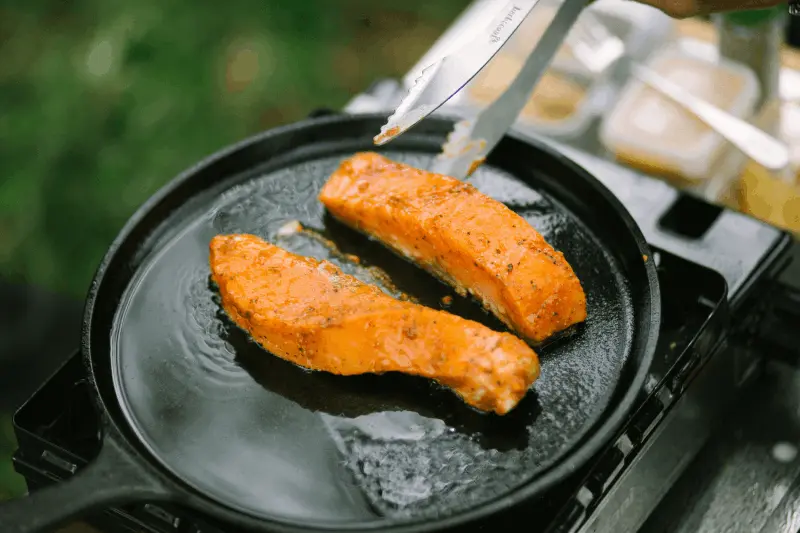
Seafood cooks very quickly and can dry out immediately at high temperatures. However, the instant and intense heat provided by the cast iron pan ensures that shrimp or fish are sealed on the outside within seconds while remaining juicy on the inside. The risk lies in the pan being too hot and, if not monitored, the fish can overcook. However, with a well-seasoned cast iron, a sea bass or salmon combined with the smoky aroma of campfire achieves a flavor that you won't find even in the world's finest restaurants. The iodine scent from the seafood, combined with the earthy aroma of the cast iron, creates a contrast that is a complete gourmet experience.
Does the Aging of a Cast Iron Pan Lead to Enhanced Flavor?
Absolutely yes. A cast iron pan is like wine; it gains value and improves performance as it ages. As it is used, the metal's pores fill completely, the surface turns black, and a natural "Teflon" effect is created. Dishes cooked on these seasoned surfaces require less oil compared to new pans and transfer the taste of the metal to the food in a more sophisticated way. The micro flavor layers that accumulate on an old cast iron pan work like an "umami booster" with every cooking. For this reason, an heirloom cast iron pan is far more valuable than the most expensive modern camping gear among campers.
How Does Using a Cast Iron Pan Transform the Camping Experience into a Culinary Feast?
Using a cast iron pan elevates camp cooking from a survival effort to an art form. With its ability to manage heat, accumulate flavor, and provide unmatched texture quality, cast iron represents the purest form of cooking in nature. The weight and maintenance challenges pale in comparison to the deep and unforgettable flavors it offers. At the edge of a campfire, under the stars, the sizzle and aroma emanating from the cast iron pan serve the true purpose of camping; to reconnect with nature and reality. Flavor is not just a taste that lingers on the palate, but a memory of the moment created with the cast iron pan.