Is Camping with a Baby Really Possible?
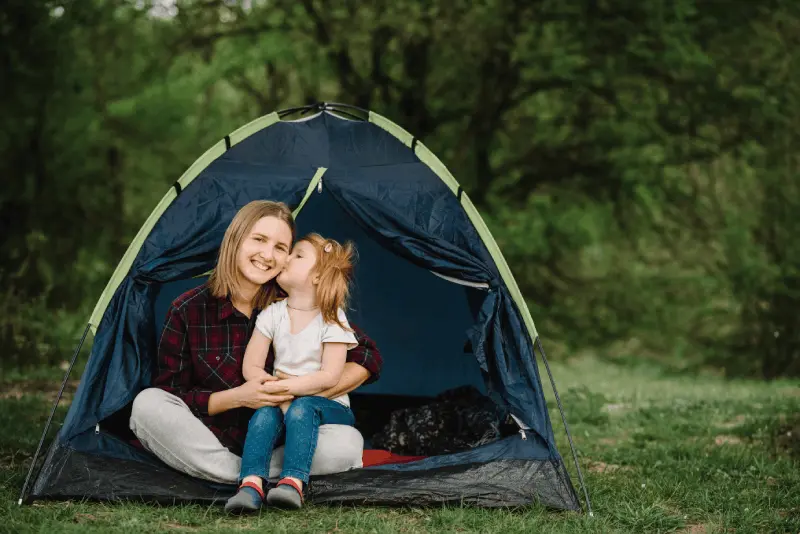
Many parents think they need to take a long break from camping life after having a baby. However, babies have a much faster ability to adapt to the rhythms of nature than adults. Fresh air, bird sounds, and the natural light cycle positively affect the sensory development of babies while also helping parents to get away from city stress. Of course, the key to this process is "flexibility" and "preparation." When you set aside your old camping habits and create a new routine centered around your baby's needs, you will realize that spending time in nature is much easier and more enjoyable than you thought.
What Should Be Considered When Choosing a Campsite?
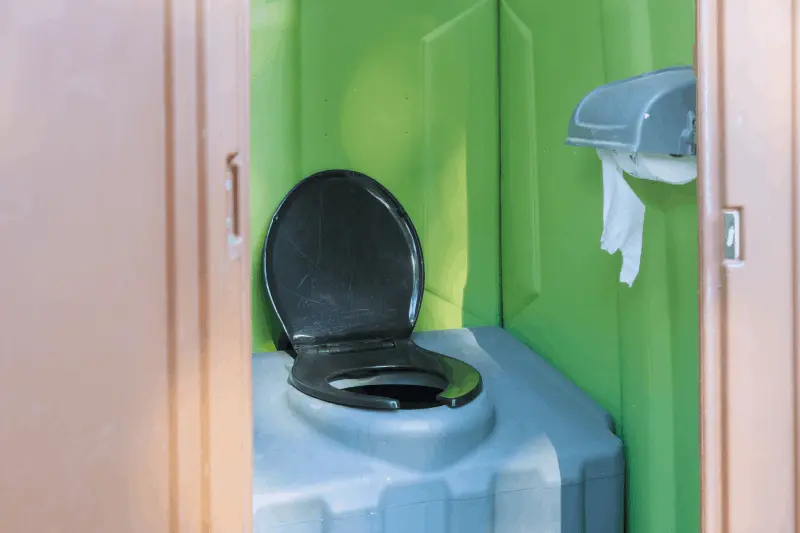
In your first camping experience with a baby, choosing organized campsites with facilities instead of a remote and wild forest will directly increase your comfort. Areas with hot water, clean toilets, and shower facilities provide great convenience for baby hygiene and bottle sterilization. Additionally, it is critically important for the campsite to be not too far from a health facility in case of an emergency, as it helps you feel safe. Places with plenty of greenery and shaded areas, where the ground is suitable for pushing a stroller or laying out a play mat, will enhance your mobility during the day.
What is the Best Season for Camping with a Baby?
Extreme heat and freezing cold can be risky for babies, so the transitional seasons of spring and autumn are the most ideal times for camping with a baby. Days when the temperature ranges between 15-25 degrees make it easier to keep your baby's body temperature stable. While the risk of humidity and sunburn increases on the hottest days of summer, you will need a lot of equipment to keep the baby warm during the harsh cold of winter. If you plan to camp in summer, you can minimize seasonal challenges by choosing high and cool plateaus; if you plan to camp in winter, opt for warmer areas at sea level.
How Does Tent Selection Affect Baby Comfort?
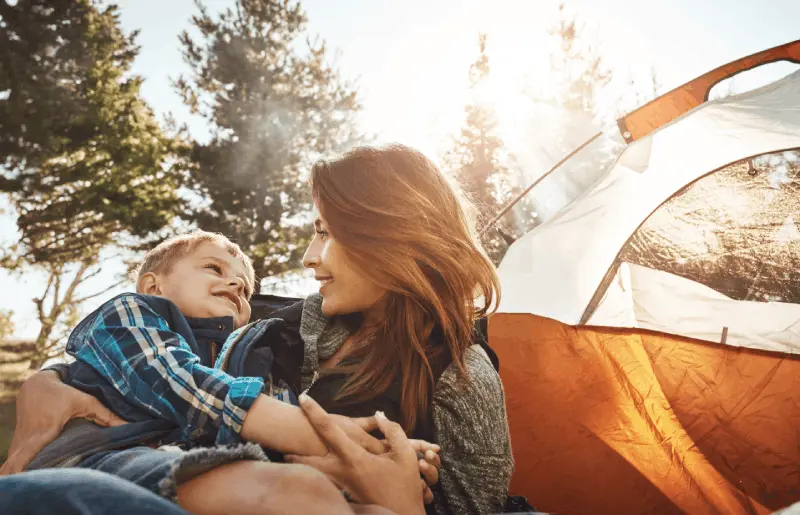
For a family with a baby, a tent is not just a sleeping area, but also a safe play area and a changing center. Therefore, "family-type" tents with high ceilings that allow you to stand inside and spacious interiors are fundamental to comfort. A tent with high ventilation capacity ensures that the air inside stays fresh and prevents moisture buildup. Additionally, tents with "blackout" fabric technology, which blocks light, prevent your baby from waking up with the first rays of morning light, allowing both you and your baby to sleep longer. Double-room tents provide excellent compartmentalization to keep your belongings organized.
How Can Sleep Patterns Be Maintained While Camping?
Maintaining a sleep pattern in nature starts with transferring the home routine directly to the campsite. When it's time for your baby to sleep, having their sleep companion, blanket, or white noise machine with you will give them a sense of security. It is important to position the tent in a quiet corner to keep the light level inside the tent under control and minimize outside noises. Babies may take time to fall asleep in an unfamiliar environment; therefore, you should be patient and make sure to follow your pre-sleep rituals (like reading a book or singing a lullaby). Fresh air can tire your baby out more quickly, so be careful not to skip daytime naps.
What Should a Camping Bed for Babies Be Like?
To cut off the cold from the ground and support your baby's spinal development, a quality camping bed is essential. While inflatable mattresses are practical, they should always be covered with an insulating mat or blanket. Portable playpens (travel cribs) are very functional for babies to both sleep and spend time safely while camping. If your baby is smaller, portable cribs that resemble a bedside sleeper can easily fit inside the tent. The important thing is that the place where the baby sleeps is flat, medium-firm, and has complete surrounding safety; this way, you eliminate the risk of rolling over or getting stuck during the night.
What Clothes Should Be Chosen to Protect from Night Cold?
The night temperatures in nature can drop faster than you expect. The best way to protect your baby is the "layering" method. Instead of synthetic fabrics, wool or cotton thermal undergarments that allow the skin to breathe should be preferred. Specially designed camping sleeping bags or wearable blankets for babies eliminate the worry of them kicking off their covers during the night. Keeping hands, feet, and head warm plays a key role in maintaining body temperature; therefore, it may be necessary to dress them in a thin hat and soft socks while sleeping at night. You should frequently check your baby's neck to see if they are sweating or feeling cold.
How to Manage Baby Feeding in Nature?
Camping is quite easy for babies who are breastfed because the food is always ready and at the right temperature. However, for babies who use formula, it requires a bit more planning. You should have a camping stove or a quick water heater with you to boil clean and drinkable water. To clean the bottles, you need to have...
A washable tub and a detergent suitable for babies are essential. Pre-portioning their meals into small storage containers makes the process of preparing food much more practical, whether in the dark of night or while on the move. Using a food thermos also allows you to keep hot water for a long time.What Are Practical Tips for Babies Transitioning to Solid Foods?
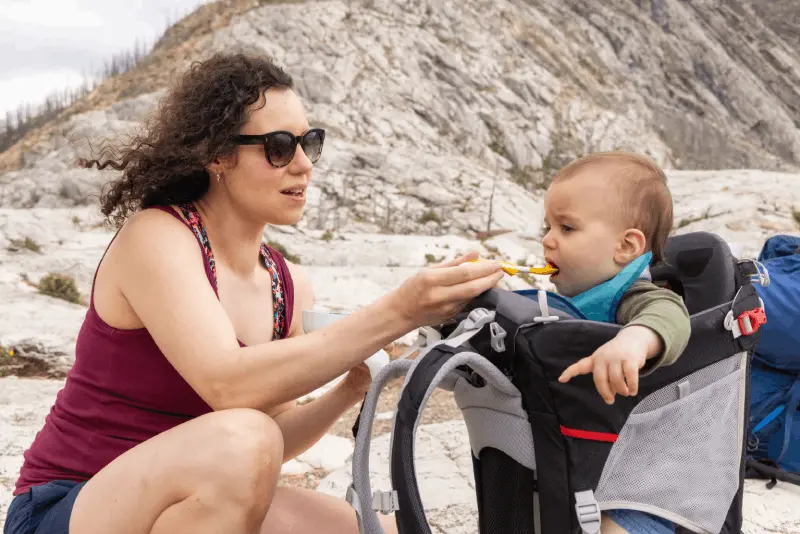
The camping menu for babies in the solid food period should consist of nutritious and non-perishable foods. Fruit or vegetable purees that you prepare and vacuum seal at home are lifesavers for the first days of camping. Easy-to-prepare fruits like oatmeal, bananas, and avocados can be served mashed, providing great convenience in nature. Glass jar foods should definitely be included in the camping bag as they do not require heating or can be easily warmed using a double boiler method. Additionally, finger foods suitable for self-feeding (BLW) help keep your baby occupied while you prepare your camp meal. A portable, foldable high chair makes mealtime more organized.
How to Ensure Changing and Hygiene Conditions?
Maintaining hygiene in the camping area is quite simple with the right equipment. A foldable, wipeable changing mat allows you to safely clean your baby on any surface. In addition to wet wipes, it is always better to use a bowl of warm water and cotton for your baby's sensitive skin. Placing used diapers in odor-trapping, leak-proof bags and throwing them in a covered trash can keeps the camping area clean and keeps wildlife away from the campsite. Always keep hand sanitizers handy for times when you cannot find water and soap to clean your hands thoroughly.
How to Bathe a Baby in Nature?
If your camping trip is long and your baby needs a bath, portable foldable baby bathtubs or inflatable pools are great solutions. Bathing your baby at the end of the day with warm water heated on the camp stove helps them relax and sleep more deeply. If you don't have space to carry a bathtub, you can also bathe your baby under a warm shower while holding them in your arms. To prevent your baby from getting cold quickly after the bath, have a towel ready in the sun or inside the tent. In very cold weather, it may be sufficient to wipe the body with baby oils and damp wipes instead of a full bath.
What Precautions Should Be Taken to Protect from the Sun?
Babies' skin is much thinner than that of adults and is extremely sensitive to the sun. The first rule is to keep the baby away from direct sunlight as much as possible. Wide-brimmed hats that also protect the neck and UV-protective clothing are your basic line of defense. For babies over 6 months, you should use mineral-filtered and high SPF sunscreen approved by your pediatrician, reapplying it every 2 hours. To create shaded areas for your baby in the camping area, having a beach umbrella or a portable shade (canopy) nearby will help keep them cool and safe throughout the day.
What to Do About Insect and Bug Bites?
Insects and bugs are unavoidable in nature, but there are effective methods to protect your baby from them. The most basic rule is to always keep the tent screens closed. Fine mesh insect nets stretched over the stroller or playpen mechanically protect your baby. Instead of chemical repellents, plant-based (like lemon eucalyptus) repellents suitable for babies over 6 months should be preferred. In case of bites, always have baby-safe soothing gels or natural cold compresses on hand to relieve itching and swelling. Choosing light-colored clothing helps you spot ticks and other bugs more easily.
What Should Be in the First Aid Kit for Babies?
When going camping with a baby, some special items should be added to a standard first aid kit. Baby-safe fever reducers and pain relievers, a thermometer, a nasal aspirator, and saline drops should be at the top of the list. Additionally, diaper cream, soothing lotions for after sun exposure, antiseptic solutions, and band-aids in various sizes should definitely be included. If your baby regularly uses a medication or vitamin, don't forget to bring extras. Having an antihistamine syrup recommended by your doctor in the kit can be lifesaving in case of any allergic reactions.
Why Is Using a Baby Carrier and Sling Important?
Using a stroller in nature may not always be possible; rugged terrain, rocky paths, or steep hills can limit your mobility. At this point, an ergonomic baby carrier or a professional camping backpack (carrier) comes into play. Carrying your baby in front of you or on your back allows your hands to be free and enables you to hike with them. Additionally, your baby will feel safer by sensing your body heat and will discover the outside world from your eye level. For long hikes, professional carriers with sun protection and storage space maximize your comfort.
How Should Baby Toys and Activity Selection Be in Camping?
Nature itself is actually a huge playground; a leaf, a stone, or a branch swaying in the wind can be more interesting to your baby than any toy. However, it is beneficial to bring a few favorite toys with you to ensure the comfort of familiar objects. Playing with mud, water... Spending time or examining natural objects with different textures supports your baby's sensory development. A play mat that you can bring along will allow your baby to play safely inside the tent without direct contact with the ground. In the evenings, light games with a headlamp or shadow games can be fun activities for your baby.
How Does Route Planning Change When Camping with a Baby?
When camping with a baby, you should consider the "journey" process as part of the camping experience. You should plan to take 6-7 hours to cover a distance that used to take you 4 hours, factoring in breastfeeding, diaper changes, and breaks. Ensuring that your destination is not too far will prevent your baby from being too cramped in the car seat. Identifying baby-friendly rest stops along the route and aligning the journey with your baby's nap times will make the process much smoother. Setting your arrival time at least a few hours before sunset will give you enough time to set up the tent and acclimate your baby to the environment.
What Are the Tips for Car Travel with Families with Babies?
The comfort of your baby during long car trips affects the overall success of the camping experience. Sunshades attached to the car windows help prevent direct sunlight from hitting your baby's face, allowing for more comfortable sleep. Having an adult sit next to the baby in the back seat makes it easier to intervene during restless moments. Securing toys and pacifiers to the seat with a strap prevents them from falling to the floor and getting dirty. Additionally, preparing a playlist of baby lullabies or calming music to listen to during the trip can help ease stressful moments. Taking your baby out of the car seat to move around during each break will reduce physical fatigue.
How Do Natural Sounds Affect Babies' Sleep?
Many parents worry about the noise at the campsite or, conversely, the extreme silence. In fact, the "white noise" provided by nature (sounds of running water, rustling wind, bird calls) often has a calming effect on babies. The absence of artificial city sounds (horns, sirens, construction noise) can help your baby sleep more deeply. However, the sound of other campers or an owl hooting at midnight may wake your baby. For such situations, using a portable, battery-operated white noise machine can mask external sounds and prevent your baby's sleep from being disturbed. Over time, you may find that your baby adapts to these natural sounds and sleeps even better than at home.
Is a Camping Chair and High Chair Necessary?
Just as quality camping chairs are important for parents' comfort, having a suitable seating arrangement for the baby is equally important. Low-profile, safety-belted, and foldable camping high chairs designed for babies can save mealtime from chaos. These chairs are not only for eating but also crucial when you need to keep your baby safe for a while (for example, while cooking or packing up the tent). If your baby cannot sit up yet, a portable baby seat or a lightweight stroller can serve the same purpose. The important thing is that your baby is at the same level as you and can continue to engage socially.
How Should the Process of Babies Adapting to Nature Be Managed?
Babies quickly absorb the energy around them; if you are calm, happy, and prepared, your baby will adapt to this new environment quickly. Instead of immediately closing them in the tent upon arrival at the campsite, allow them to explore their surroundings. Hold them in your arms and take a small tour around the campsite, ensuring they touch the trees and explaining the things they see. It is normal for them to be a bit restless the first night; this could be the excitement of discovering a new environment. Stay patient and reassure them that everything is okay. Every hour spent in nature will increase their comfort with this environment, making the next camping trip much easier.
How Should Parents Prepare Themselves Psychologically?
The most important rule of camping with a baby is this: Not everything may go as planned. Keeping your expectations low and being flexible will help you enjoy the camping experience. Your baby may cry, not sleep, or the weather may suddenly turn bad; these are not the end of the world. Maintaining your calm while dealing with these situations positively affects both your relationship with your partner and your baby's mood. Instead of chasing the perfect camping photo, focus on enjoying the moment. Support each other when you face challenges and remind yourselves how valuable this experience is for your baby's development. Remember, even the worst camping day is better than a day spent in the office!
How to Create an Emergency Plan When Camping with a Baby?
Safety comes before comfort when camping with a baby. Before heading to the campsite, make sure to note the location and working hours of the nearest hospital. If you are going to an area where your phone has no signal, download offline maps and write emergency contact numbers on a physical piece of paper. Always keep an emergency light (flashlight) and a fully charged power bank in your tent. Also, regularly check the weather and have an "evacuation" plan for sudden storms or extreme heat changes. If things are really not going well, never hesitate to end the camping trip early and return home; this is not a failure, but a responsible parenting decision.
How Should Relationships with Other Campers Be Managed?
In organized campgrounds, other people are also seeking peace and quiet. It is normal to feel stressed when your baby cries at night, but remember that most people are understanding. Still, try to position your tent a little further away from other tents. Setting up at a distant point provides more privacy for you and prevents the noise from disturbing others. A brief greeting with your neighbors and a sincere explanation like "we have a baby, there might be some noise at night" usually helps you establish a positive connection. Acting respectfully and harmoniously as a family with a baby will always be well received within the camping community.
How Long Should the Duration Be for the First Camping Experience with a Baby?
If you are going camping for the first time with a baby, it is best to plan this experience as a short weekend getaway of 1 or 2 nights instead of a week-long vacation. This short duration will be sufficient for you to see what is missing, gauge your baby's reactions, and establish your own routine. If everything goes smoothly, you can extend the duration next time. Short camping trips allow you to carry less gear during the preparation phase and reduce the risk of giving up when you encounter any difficulties. The lessons learned from your first experience will provide a much stronger foundation for your future long-term camping adventures.
How to Stay Alert to Weather Changes in Nature?
Weather forecasts in nature may not always be 100% accurate. Therefore, you should have clothing and equipment suitable for all kinds of scenarios with you. For sunny weather, lightweight clothing is essential, as well as baby-appropriate raincoats and waterproof shoes (or spare socks) for sudden downpours. An additional shade or tarp that you can spread over your tent provides an extra layer of protection from both extreme heat and rain. Windbreaks or blankets should always be on hand to protect your baby from the wind. Make it a habit to observe the sky and the direction of the wind to notice changes in the weather in advance.
What Are Practical Ways to Organize Baby Gear?
Living with a baby in a small space requires organization, which is half the comfort. Transparent plastic boxes or fabric organizers help you find what you need instantly. For example, create categories like "cleaning box", "food box", and "clothing bag". Pre-packing daily outfits into zip-lock bags prevents clutter inside the tent and speeds up the dressing process. Always use a separate, airtight bag for dirty laundry. Ceiling hooks or side pockets inside the tent make it easier to access frequently used small items like pacifiers, diaper cream, and flashlights. A tidy campsite also helps you feel more mentally relaxed.
Are Portable Heaters and Coolers Safe?
You might consider using portable heaters or coolers to maintain the ideal temperature for the baby at the campsite. However, safety is the most critical factor here. If you are going to use electric heaters, you should choose models with tip-over protection and that do not pose a fire risk; however, using heating devices inside the tent is generally not recommended. Instead, using hot water bottles (in a way that does not directly contact the baby) to warm the bed is safer. In hot weather, battery-operated fans can help create a gentle airflow over the baby to keep them cool. For keeping food and supplies from spoiling, high-insulation passive coolers or compressor refrigerators are the most reliable solutions.
What Are the Benefits of Camping with a Baby for Development?
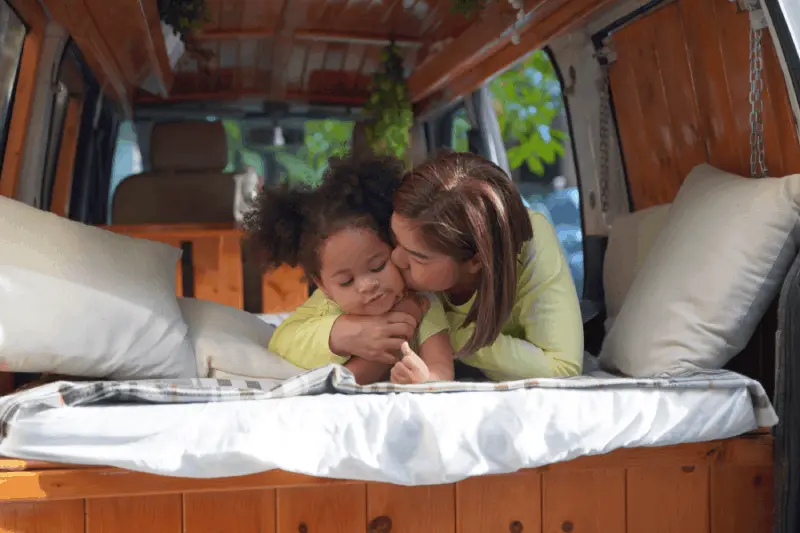
Camping is not just a vacation; it is also an unparalleled learning laboratory for your baby. The different textures, colors, and smells in nature stimulate the baby's nervous system and support sensory integration. Time spent outdoors helps synthesize vitamin D and strengthens the immune system. Additionally, in this environment without technological devices, the one-on-one bond you establish with your baby is invaluable for their emotional development and sense of security. The process of overcoming small obstacles encountered in nature triggers the baby's curiosity and problem-solving skills at an earlier age. These experiences contribute to their growth as a respectful individual with a high environmental awareness.
What Technological Devices Facilitate Camping with a Baby?
While traditional camping is about "disconnecting from technology", some devices can be lifesavers when camping with a baby. Video or audio baby monitors allow you to spend time outside by the fire while your baby sleeps in the tent (but don't forget to check the monitor's range). A rechargeable night light provides a soft glow that won't wake the baby during nighttime diaper changes or feedings. A portable high-capacity power bank keeps your phone and other rechargeable devices alive. If you are preparing formula, a battery-operated or rechargeable bottle warmer provides great comfort. These tools help you maintain the practicality of modern life while being in nature.
What Mistakes Should Be Avoided When Camping with a Baby?
The biggest mistake is trying to keep everything as perfect and clean as at home. The baby will get dirty, come into contact with dirt, and their clothes will get stained; be prepared for this and don't worry. Another mistake is bringing too much stuff and turning the campsite into a storage area; focus on the essential items you need. Ignoring the baby's sleep schedule and forcing them on long hikes can lead to excessive fatigue and restlessness. Additionally, saying "it will be fine" and forgetting the first aid kit or sunscreen can lead to serious problems. Finally, you should never leave your baby alone and unsupervised in the tent.
Why Is This Experience Valuable for Future Camping Adventures?
The camping habit that starts in infancy lays the foundation for a lifelong passion for your family. As your baby grows, nature will become a familiar friend. It is not that he will see it as his home. These first camps will boost your confidence as a parent and prove that you can be happy with your baby even in the toughest conditions. The adventures shared together allow you to collect unforgettable moments that strengthen family bonds. Years later, when you look back at old camping photos, you will realize how valuable and educational even the moments you struggled with were. Camping with a baby is not just a vacation choice; it is one of the most beautiful life philosophies you can give to your child.