Although caravan living offers freedom, it often faces humidity problems due to limited space and insulation properties. In this article, we will examine in detail whether using a dehumidifier in the caravan prevents mold formation and how to manage this process.
What Are the Main Causes of Humidity Formation in Caravans?
There are multiple sources of humidity formation in confined spaces like caravans. One of the primary reasons is the water vapor expelled by the human body through respiration and sweating; a person can produce nearly half a liter of humidity even while sleeping. Additionally, cooking inside the caravan, taking hot showers, and drying wet clothes indoors rapidly increase the water molecules in the air. When the air outside the caravan is cold, the warm and humid air inside comes into contact with cold surfaces (windows and walls), causing condensation. This condensation creates ideal conditions for mold by turning into water droplets in areas where insulation is weak.
Does a Dehumidifier Really Prevent Mold Formation?
Yes, a dehumidifier used at the correct capacity is one of the most effective methods to prevent mold formation in a caravan. Mold spores begin to proliferate rapidly in environments where the relative humidity exceeds 60%. Dehumidifiers allow you to maintain humidity levels between 45% and 55% by extracting excess moisture from the air. This range is ideal for human health and makes it impossible for mold and mildew colonies to survive. The device also prevents hidden mold formation behind furniture or under beds by drying the condensation on surfaces. However, the efficiency of the device is directly dependent on the volume of the caravan and the type of technology used.
What Is the Most Suitable Type of Dehumidifier for Caravans?
Generally, two main types of dehumidifiers are preferred in caravans: compressor and desiccant devices. If you are usually traveling in warm climates, compressor devices are better in terms of energy efficiency. However, if you are traveling during the winter months or in cold weather, desiccant-type devices are far superior. Desiccant models can operate without losing performance even if the air temperature drops by 1-2 degrees, while compressor models may freeze in the cold. Additionally, desiccant devices help warm the caravan by providing a slight warmth to the environment during operation. The size of the caravan and its energy capacity should determine your final decision between these two options.
What Is the Difference Between Compressor and Desiccant Dehumidifiers?
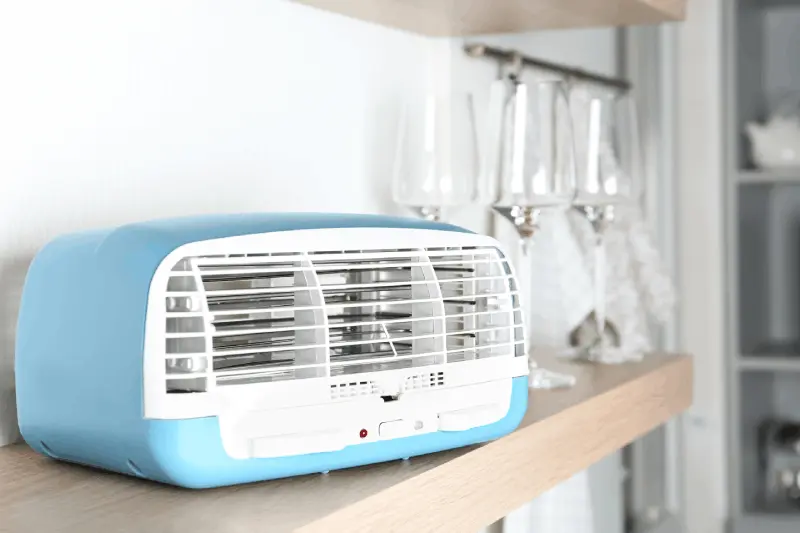
Compressor devices work on the principle of condensing moisture by passing air over a cooled coil; similar to a refrigerator. These devices are very efficient at temperatures of 20 degrees and above. On the other hand, desiccant devices pass air over a chemical disk that absorbs moisture and then vaporizes this moisture with a heater to collect it in a water tank. Desiccant models are lighter and quieter, but their energy consumption is slightly higher. In a mobile and variable climate environment like a caravan, desiccant models generally provide a more professional solution due to their quiet operation and low-temperature performance. If you have energy constraints, the low watt consumption of compressor models may be appealing.
What Should Be Considered When Using a Dehumidifier?
The most important point when using the device is its placement. To avoid obstructing airflow, there should be space around the device, and it should preferably be placed in the area of the caravan that collects the most moisture. Additionally, attention should be paid to the capacity of the device's water tank; models with small tanks can fill up quickly when you leave the caravan and shut off the device. For continuous use, using a drainage hose to direct the water directly to the caravan's waste water tank or outside provides great convenience. Regular cleaning of the filters is also critical for both air quality and the lifespan of the device. A dusty filter strains the device's motor, increasing energy consumption and reducing dehumidification performance.
Can Chemical Moisture Absorbers Replace Electric Devices?
Chemical solutions like moisture-absorbing tablets or gel bags can be helpful for small cabinet interiors or drawers, but they are definitely not sufficient to maintain the humidity balance of an entire caravan. The water collection capacity of these products is limited to just a few milliliters per day, whereas the amount of moisture in an active caravan life can reach liters. Chemical moisture absorbers can be used as a supportive measure when you leave the caravan parked during winter. If you are living or traveling inside the caravan, you need a motorized, active air circulation electric device to cope with the continuously generated new moisture in the air.
What Kind of Damage Does Mold Formation Cause to the Structure of the Caravan?
Mold is not just an aesthetic issue; it poses a serious threat to the structural integrity of the caravan. Mold fungi penetrate the wooden panels used in caravan furniture, causing them to deteriorate over time. Especially when materials like "plywood" absorb moisture, they swell and separate into layers. It also accelerates corrosion in metal parts and creates moisture accumulations that can lead to short circuits in the electrical system. One of the worst aspects of mold is its ability to infiltrate soft materials, such as cushions, mattresses, and curtains. Removing the smell and stains of mold that penetrate these areas is nearly impossible, which significantly reduces the second-hand value of the caravan.
Is Ventilation Enough to Prevent Humidity?
Is it necessary to have a dehumidifier?Ventilation is an indispensable part of humidity management, but it can be insufficient on its own when the outside air is also humid. For example, on a rainy day or when you are staying by the sea, the outside air can have a humidity level of 80-90%. In this case, opening the windows allows more humidity to enter. Additionally, ventilating in winter means losing valuable heat inside. A dehumidifier saves energy by filtering only the water inside without expelling the air outside. The ideal method is to ventilate with a powerful ceiling fan while cooking or taking a shower, and to maintain air quality with a dehumidifier during the rest of the time.
Is a Dehumidifier Necessary When Storing a Caravan in Winter?
If you are not using your caravan in winter and are towing it to a parking lot, not controlling the humidity inside can lead to unpleasant surprises when spring arrives. Changes in the outside temperature create a "condensation cycle" inside the caravan. If your caravan has an electrical connection, setting a device with a humidity sensor to 50% and leaving it running continuously is the safest way. The device only activates when humidity rises, thus saving energy. If there is no electricity, you should place all cushions inside the caravan in an upright position, leave cabinet doors open, and place several large chemical dehumidifier boxes. However, no passive method can provide the protection that an active electrical device offers.
How Does the Energy Consumption of Dehumidifiers Affect Caravan Life?
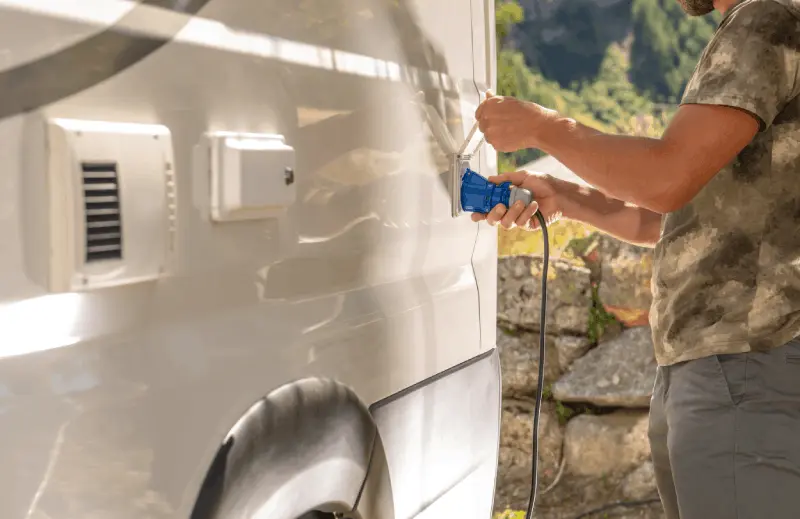
Energy management is the most critical issue in a caravan. A compressor dehumidifier typically consumes between 150-300 watts per hour, while dryer models can reach 300-600 watts. If your caravan has a solar panel and battery system, it is logical to operate these devices only during sunny hours or when receiving 220V electricity from outside. In caravans with a lithium battery bank, it is possible to operate through an inverter, but it can quickly drain the battery capacity. Therefore, to save energy, the humidity meter (humidistat) feature on the device should be used. Instead of running the device in "continuous" mode, fixing it to a certain percentage ensures that the motor stops when the target is reached, preserving battery life.
What Should Be the Ideal Humidity Level in a Caravan?
For human health and material preservation, the ideal relative humidity level inside a caravan is between 45% and 55%. Falling below 40% can cause dry throat, eye irritation, and static electricity. Exceeding 60% creates a suitable environment for mold spores, dust mites, and bacteria to thrive. Especially in winter, if the outside air is very cold, it may be necessary to lower the humidity level a bit more to 40-45% to prevent condensation on the windows. You should definitely have a quality digital hygrometer (humidity meter) in your caravan. This way, you can monitor the performance of your device and easily understand when extra ventilation is needed.
Why is Humidity Balance Important for Healthy Caravan Air?
In a small area like a caravan, air quality directly affects your overall health. High humidity causes the spread of mold spores that trigger respiratory diseases, asthma symptoms, and allergies. The mycotoxins produced by mold can lead to chronic fatigue, headaches, and immune system issues when inhaled for long periods. Additionally, excessively humid air can make the environment feel colder and more uncomfortable than it is. Dry and balanced air improves your sleep quality and ensures you wake up refreshed in the mornings. Using a dehumidifier in a caravan is not just a comfort choice; it is also a health investment that guarantees the cleanliness of the air you breathe in a confined space.
How to Protect Caravan Furniture from Humidity?
Caravan furniture is usually made from materials like poplar plywood to keep it lightweight, and these materials are quite sensitive to moisture. In addition to controlling the humidity in the environment with a dehumidifier, the arrangement of the furniture is also important. Not completely attaching the furniture to the outer walls of the caravan and leaving a small air gap between them helps with air circulation. Small ventilation vents placed inside cabinets ensure that the air circulates in enclosed spaces. If you have previously experienced humidity issues in your caravan, coating wooden surfaces with special varnishes or protective oils that do not retain moisture will create an extra layer of security.
What is the Effect of Cooking and Taking a Shower on Humidity?
Boiling a pot of water or taking a hot shower adds liters of water vapor to the caravan air in a very short time. This sudden increase in humidity causes condensation to start immediately in the cold corners of the caravan. When cooking, a kitchen hood must be used, or a nearby window should be opened. When taking a shower, the bathroom ceiling fan must be operated at the highest speed. Instead of immediately opening the bathroom door after the shower, it is necessary to wait for the humidity to be expelled outside by the fan. During activities that produce such high humidity, setting the dehumidifier to the highest level helps the device clean the air and prevents the condensation from becoming permanent.
Is It Necessary to Use a Humidity Meter (Hygrometer)?
Having a hygrometer in the caravan is as important as having a navigation device. It is essential to monitor the humidity levels to ensure a comfortable and healthy living environment.
You may not always accurately perceive the humidity changes; sometimes we don't notice the humidity because the weather is warm, and sometimes we feel it is humid because the weather is cold. A digital hygrometer provides you with objective data. When you see that the device shows 65%, you know that you need to turn on the dehumidifier or ventilate the caravan. Although many modern dehumidifiers have built-in hygrometers, these measure the humidity right next to the device. A separate humidity meter located in the farthest corner of the caravan or in the bedroom ensures that balance is maintained throughout the caravan.Where Should the Device Be Placed in the Caravan?
The placement of the dehumidifier can affect its performance by up to 30%. Cramping the device into a corner or blocking its front restricts air circulation. The most efficient placement is in the central area between the kitchen and living area of the caravan. The air intake and exhaust channels of the device should be at least 20 cm away from the wall. If you are experiencing mold issues in areas like under the bed, you can periodically operate the device close to those areas or direct dry air into those tight spaces with a fan. Remember that the easier the device can draw in and blow out air, the faster it will reduce the humidity throughout the caravan.
Does Noise Level Disturb Caravan Life?
Especially in small caravans, noise can be a serious issue. Compressor devices make a low-frequency hum, while dryer devices produce more of a fan noise. Most modern devices have "night mode" or "low fan speed" options. If you are sensitive to noise, you should prefer models with a decibel (dB) value below 40. Generally, it is a good strategy to perform the dehumidification process during the day while you are outside the caravan or active, and turn off the device or set it to low mode at night. It should be noted that dryer models usually offer a quieter sound profile since they do not have a mechanical compressor part, making them less disturbing while sleeping.
What Are the Best Practices for Emptying the Water Tank?
Caravan dehumidifiers typically have a water tank capacity between 1.5 and 3 liters. In a humid environment, this tank can fill up within 10-12 hours. When the tank is full, the device automatically stops, which can cause humidity to rise again while you are away. To solve this problem, using the continuous drainage hose that usually comes with the device is the most professional solution. By directing this hose to a sink drain or a hole in the floor of the caravan, you can completely eliminate the hassle of emptying. If you are using the tank, remember that the collected water is considered "clean water" (not drinkable but can be used for cleaning) and that you need to clean the tank weekly with vinegar water to prevent bacteria growth.
Can a Dehumidifier Help with Heating?
This is especially true for desiccant-type dehumidifiers. Desiccant devices heat the air during the dehumidification process, and the air they release can be 10-12 degrees warmer. This is a great side effect for increasing the internal temperature of the caravan during winter camping; they work almost like a 500-600 watt electric heater. Compressor models, on the other hand, only slightly increase the temperature (1-2 degrees) while drying the air. However, since both types of devices reduce the humidity in the air, they positively affect the "perceived" temperature. Humid air makes you feel colder; while you feel comfortable at 20 degrees in dry air, you may shiver at 20 degrees in humid air.
Is Drying Laundry Harmful to Humidity?
Drying laundry in the caravan invites a humidity crisis. Wet towels or machine laundry release about 2-3 liters of water into the air. If you must dry laundry indoors, you should do it right next to the dehumidifier and slightly open a window. Many upper-segment dehumidifiers have a "Laundry" mode. In this mode, the device operates at the highest fan speed to instantly capture the moisture released into the air, ensuring that the laundry dries much faster. However, if possible, drying laundry outside or in drying machines outside the caravan is always a safer choice for the structural integrity of the caravan.
Can Air Conditioning Be Used to Remove Humidity?
Most caravan air conditioners have a "dry" mode. The air conditioner condenses the moisture in the air using compressor technology and expels it outside. This method is quite effective in summer since it cools the environment and removes humidity. However, air conditioners have two major disadvantages: First, they consume excessively high energy (usually 1000 watts and above), which makes it mandatory to use them only with an external electricity connection. Second, they do not operate in dry mode when the air is cold; you cannot use the air conditioner for dehumidification in winter because the evaporator will freeze. Therefore, for real humidity management, a standalone dehumidifier that can operate in every season is always a more flexible solution.
What Are the Risks of Living in a Humid Caravan?
Living in a highly humid caravan poses both financial and physical risks. Financially; the wetting of insulation materials (EPS/XPS or Rockwool) leads to a loss of insulation properties and can cause the caravan not to heat properly. Furniture can rot, upholstery can smell musty, and the circuits of electronic devices can oxidize and fail. Physically; increased rheumatism pain, skin rashes, persistent nasal congestion, and insomnia are the most common complaints. The worst is the toxic gases released by black mold (Stachybotrys chartarum) that grows in hidden areas. When these risks are taken into account, the cost of a dehumidifier is very small compared to the repair costs of the caravan and health expenses. It remains a small investment.
What Method Should Be Followed for Long-Term Storage?
If you are not going to use the caravan for months, you should change your strategy for dealing with moisture. First, empty all the water systems inside the caravan and dry the tanks. Be sure to leave the refrigerator door open. If there is electricity, it is best to leave a dehumidifier in "smart mode" (so it will work when humidity exceeds 50%). If there is no electricity, place 4-5 large (1 kg) calcium chloride-based dehumidifier boxes inside the caravan. Gather the mattress cushions in the middle and ensure that their bottoms can breathe. If you are using an external protective cover, make sure that the cover has "breathable" properties; otherwise, the moisture trapped between the cover and the caravan can damage the caravan's exterior paint and waterproof silicones.
Why is Filter Cleaning Important?
Dehumidifiers also act as a kind of air filter since they circulate the air. In environments like caravans, where dust and pet hair are abundant, the filters of the device can fill up very quickly. A clogged filter prevents the temperature change inside the device; this can cause freezing in compressor models and excessive heating in dryer models, leading to the device shutting down in safe mode. Cleaning the filters with a vacuum cleaner every two weeks or washing them with warm water can increase the device's moisture extraction performance by 25%. Additionally, a clean filter minimizes the amount of allergens inside the caravan by trapping airborne mold spores and dust.
Are Smart Sensor Devices Advantageous?
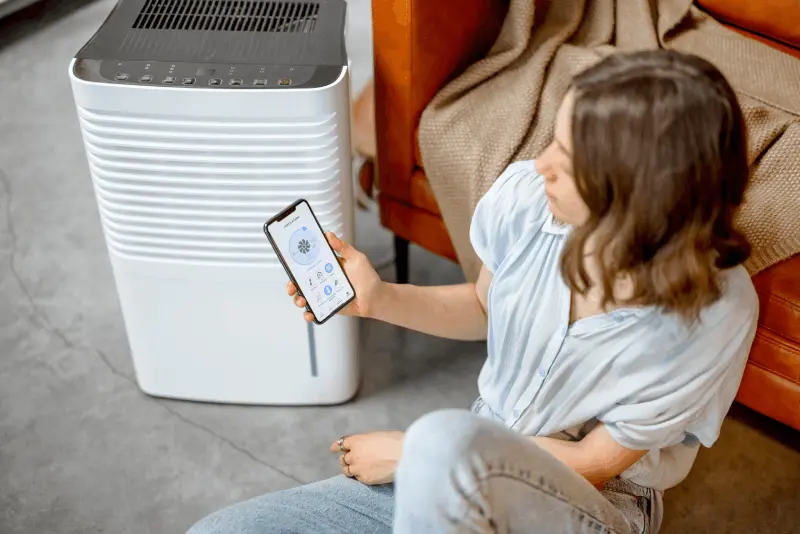
Absolutely yes. Devices with smart sensors instantly measure the humidity in the environment and only operate when the humidity exceeds the set threshold. This feature provides two huge advantages in caravan life: energy savings and noise control. A continuously running device unnecessarily consumes your electricity, while a smart device only uses as much energy as needed. Some modern devices connect to your phone via Wi-Fi, allowing you to monitor and intervene in the humidity level remotely. If you are curious about the humidity level while away from your caravan or want to check if the device's tank is full, these technological features can be lifesaving.
Is the Capacity of Portable Devices Sufficient?
You can find very small and cheap dehumidifiers on the market that operate with "Peltier" technology. These devices typically have a water collection capacity between 500 ml and 1 liter. However, be warned: these small devices are designed only for very narrow spaces like a bathroom cabinet or a small wardrobe. It is impossible to cope with the humidity in a 10-15 square meter caravan living area. A device that only collects 250 ml of water per day cannot even match the moisture produced by your breath. You should prefer a real compressor or dryer device with at least 10 liters (ideally 12-20 liters) of moisture extraction capacity per day for your caravan. Small devices only add extra burden to your electricity bill but do not prevent mold.
How to Eliminate Moisture-Related Odors in the Caravan?
If your caravan has developed that characteristic "old house" or "damp" smell, it means that mold spores have spread significantly. Running the dehumidifier and reducing the humidity to 45% alleviates the odor but does not completely eliminate it. The first step is to locate the source of the smell (usually under the beds or behind the cabinets) and wipe it with vinegar water or special mold cleaning sprays. Then, the dehumidifier should be run continuously for 24 hours to filter all the air in the environment. The "ionizer" feature found in some dehumidifiers helps to break down odor molecules in the air, aiding in odor removal. The permanent solution is to clean the source, dry it thoroughly, and then prevent moisture from rising again.
How to Detect Wood Rot?
To understand whether you have missed using a dehumidifier, you should regularly check the wooden parts of the caravan. If there are color changes, dark spots, or bulges on the wooden panels, this is a sign of moisture leakage or high humidity. Press firmly on suspicious areas with your finger; if the wood feels soft or if it is visibly swollen, it means that rot has started from the inside. Additionally, the peeling of PVC strips on the edges of furniture is also an indicator of high humidity. If you see these types of signs, you should immediately start using a professional dehumidifier and, if necessary, have a leak control (moisture test) done. Early detection can save the structure of the caravan.
How is the Price-Performance Analysis of Dehumidifiers?
When purchasing a dehumidifier, you should not only look at the sticker price but also consider the operating costs. Desiccant devices may initially be cheaper, but their energy consumption is higher. Compressor devices are more expensive but consume less electricity in the long run. However, for a caravan owner, the "performance" criterion is the ability of the device to operate under the most difficult conditions (in cold). From this perspective, if you are camping in all four seasons, the performance price difference offered by desiccant models is definitely worth it. Instead of buying a cheap and low-quality device that breaks down after a year, choosing models from well-known brands with service support is a more economical choice in the long run.
How Does Underfloor Heating Affect Humidity?
In recent years, underfloor heating systems that have become popular in caravans help with moisture management. The heat rising from the floor eliminates the cold areas at ground level, preventing condensation on the floor. However, underfloor heating warms the air but does not eliminate the moisture within it. Since warm air can hold more moisture, if you do not have a dehumidifier, the air will remain humid. The remaining water quantity increases and this humidity condenses in the higher, cooler corners or windows of the caravan. In other words, underfloor heating changes where the humidity will accumulate but does not eliminate it from the environment. The best combination is an underfloor heating system with a low-level dehumidifier operating.
Is Window Condensation a Sign of Humidity?
Condensation on the windows is a humidity alarm in your caravan. If the inside parts of the windows are completely covered with water droplets when you wake up in the morning, the humidity level inside the caravan is likely above 70%. Although double-glazed caravan windows provide some insulation, the metal or plastic frames at the edge of the glass trigger condensation by acting as a "thermal bridge". Wiping this water with a cloth every morning is a temporary solution; because some of that water has likely already seeped into the walls or joints. When your dehumidifier is set to the correct level, you will see that your windows are completely dry in the mornings; this is the clearest evidence that the device is doing its job successfully.
Can a Dehumidifier Be Powered by Solar Energy?
This depends on the capacity of the solar panel in the caravan. If an average dehumidifier consumes 200 watts and you plan to operate it for 5 hours a day, that means 1000 watt-hours (1 kWh) of energy. With a 400-watt solar panel system and a 200Ah lithium battery bank, you can comfortably operate this device on sunny days. However, during cloudy weather or in winter when the sun is less, the dehumidifier can quickly drain your batteries. In this case, it is most logical to operate the device only during peak sunlight hours or to use a smart voltage protector to ensure the device shuts off when the batteries drop below a certain level.
How to Protect Metal Parts in the Caravan from Corrosion?
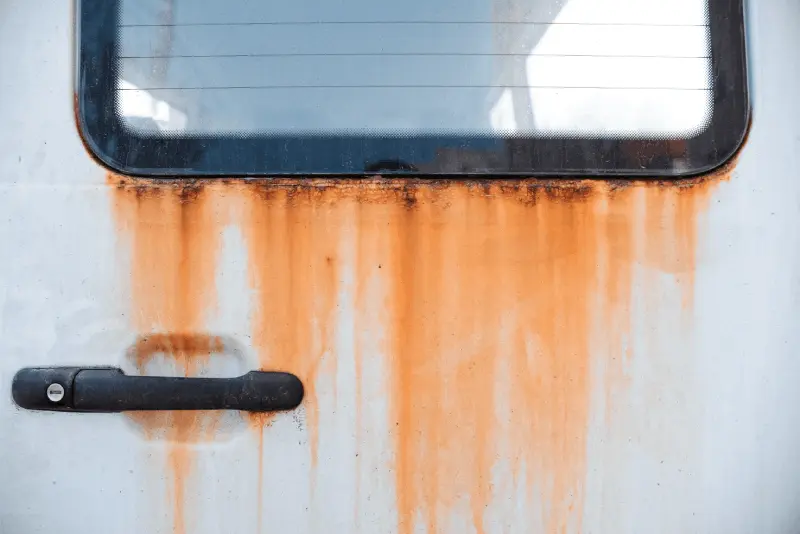
Humidity attacks not only wood but all metal parts in the caravan. Stainless steel sinks, hinges, screw heads, and most importantly, the caravan's chassis can rust due to high humidity. Especially if you are staying in coastal areas, the combination of salt in the air and high humidity accelerates corrosion. Keeping the indoor humidity low by using a dehumidifier stops this hidden corrosion. In addition to keeping metal surfaces dry, applying a thin layer of protective oil or silicone spray is also beneficial to extend their lifespan. However, cutting off the humidity at the source, that is, drying the air, is always the most fundamental and hassle-free solution.
Is Using a Dehumidifier a Luxury or a Necessity?
For someone who only uses their caravan in the dry Aegean air during the summer, a dehumidifier may be a luxury. However, for those living in their caravans, camping in winter, or traveling to humid regions like the Black Sea, this device is undoubtedly a necessity. Considering the health problems caused by mold and the thousands of lira worth of material damage it can cause in the caravan, investing in a dehumidifier actually means insuring your caravan and yourself. The peace of waking up in a dry, clean, and fresh-smelling caravan is the greatest luxury this device offers. In modern caravanning, the key to comfort is no longer just a good bed, but also a balanced and healthy indoor air climate.