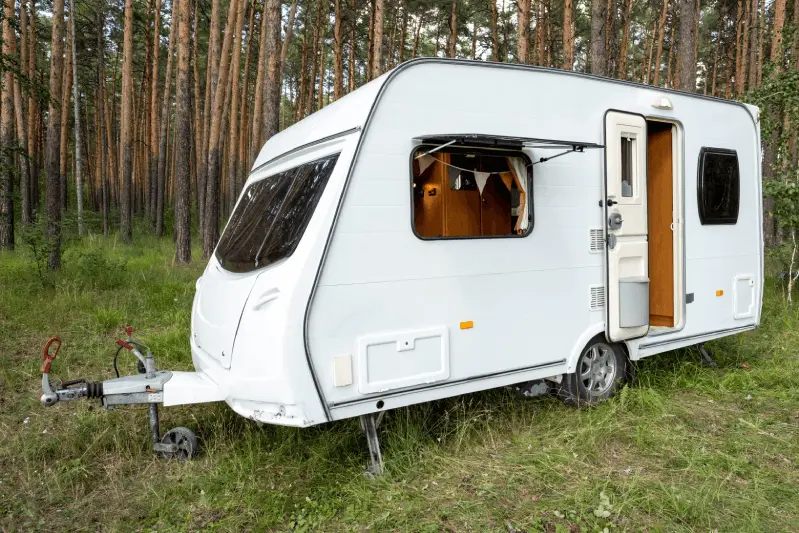
What is an Off-Road Caravan?
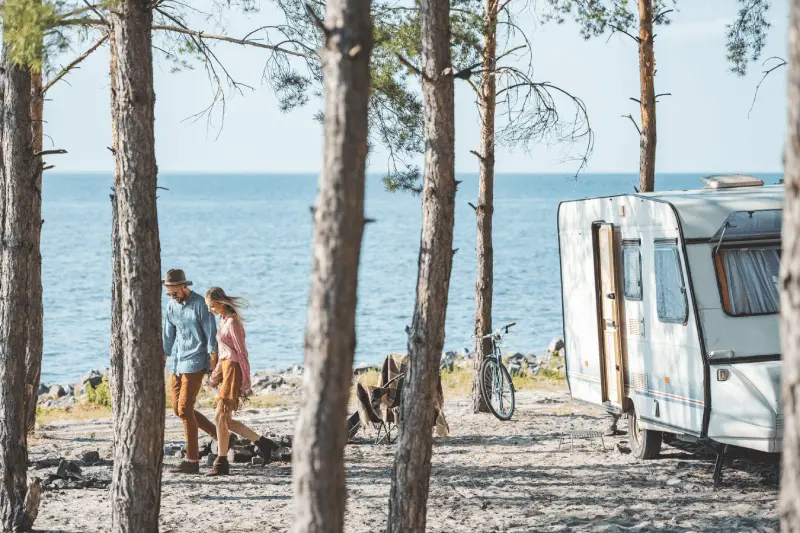
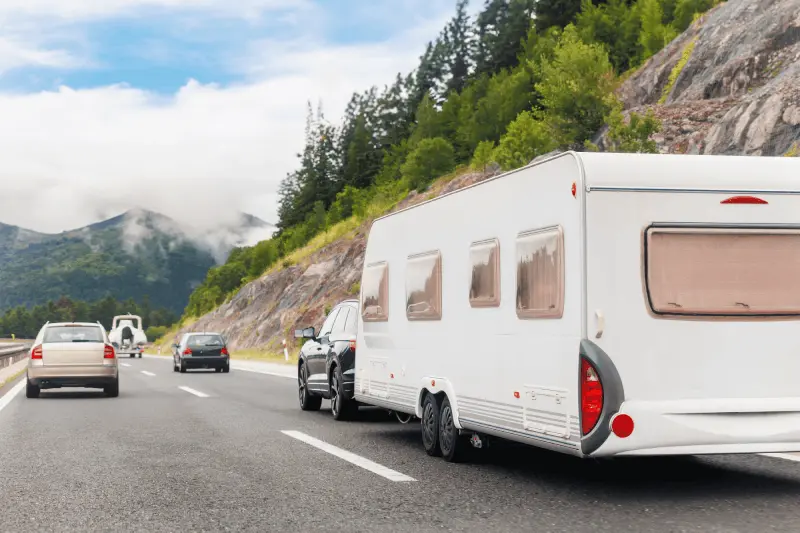
Off-road caravans are trailer homes specially designed for adventures that begin where standard asphalt roads end. The most fundamental difference from classic tow caravans is that their chassis are made of much more durable steel and they have independent suspension systems. They are usually equipped with high ground clearance, off-road tires, and insulation materials resistant to harsh weather conditions. However, the heavy materials used in their production significantly increase the total weight, which directly puts pressure on the capacity of the vehicle towing the caravan.
Is a Standard Vehicle Suitable?
The answer to whether a standard passenger car can tow an off-road caravan depends entirely on numerical data. Every passenger car has a maximum towing capacity determined by the manufacturer. If the loaded weight of the caravan does not exceed this limit in your vehicle's registration, it can technically be towed. However, since most passenger cars are optimized for comfort and fuel economy on asphalt, they may struggle to manage a heavy mass off-road. Towing a heavy off-road caravan with a small-engine sedan or hatchback designed for city use could be a mechanical suicide attempt.
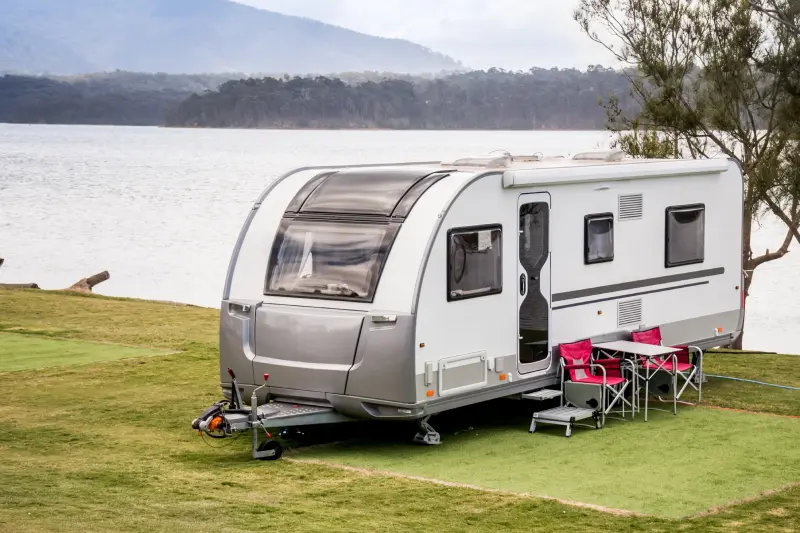
Is the Towing Capacity Sufficient?
When checking your vehicle's towing capacity, you need to look at two different values: braked and unbraked towing capacity. Since almost all off-road caravans have their own braking system, the "braked towing capacity" should be considered. While a standard passenger car typically has a capacity between 1000 kg and 1500 kg, a well-equipped off-road caravan can start from 1200 kg and exceed 2000 kg. If your caravan fills more than 80% of your vehicle's capacity, your driving safety and vehicle health may be at risk. Instead of operating at the limits, it is always the most logical approach to leave a safety margin.
Why is Torque Power Important?
While horsepower allows you to speed, torque power allows you to move the load. Standard passenger cars usually have diesel engines producing high torque at low revs or modern turbocharged petrol engines. When towing an off-road caravan, especially on slopes and rough terrain, high torque values are needed to prevent the vehicle from stalling. Trying to tow an off-road caravan with a small-capacity, naturally aspirated engine will cause the engine to constantly stay at high revs and overheat. This situation shortens the engine's lifespan in the long run and makes critical maneuvers like overtaking impossible during instant driving.
Is Chassis Strength Sufficient?
The chassis of passenger cars are usually in a "monocoque" structure integrated with the body. This structure is great for crash safety and weight savings but is not designed for towing heavy loads. Off-road caravans, on the other hand, are built on much stiffer and bend-resistant platforms called "ladder frames". Towing a heavy caravan with a passenger car for a long time can lead to flexing over time on the vehicle's monocoque chassis and micro-cracks at body junction points. Especially on rough terrain, the swinging movements of the caravan impose serious loads in vertical and horizontal directions that passenger cars are not designed for.
How Does the Brake System Work?
Off-road caravans typically use an "overrun brake system". When you apply the vehicle's brakes, the weight of the caravan exerts pressure towards the vehicle's tow bar, and this mechanical thrust engages the caravan's own brakes. The standard passenger car's own brakes also have to assist this system. If the caravan's brakes are not well-adjusted or if it is far beyond the vehicle's capacity, the braking distance can extend unimaginably. Continuous brake use on steep descents can cause the small discs and pads of passenger cars to overheat, leading to a phenomenon known as "brake fade".
Is Transmission Heating a Risk?
If you are using an automatic transmission passenger car, towing a heavy off-road caravan will rapidly increase the transmission oil temperature. Standard transmissions are designed to cope with such a large resistance without an additional cooling system. Especially torque converter or dual-clutch (DSG, EDC, etc.) transmissions produce significant friction heat during stop-and-go and on inclined roads. If your vehicle does not have a "transmission oil cooler", the transmission may enter failure mode or sustain permanent damage as a result of prolonged caravan towing. In manual transmission vehicles, there is always a risk of burning the clutch disc.
What is the Suspension Difference?
Off-road caravans use long-stroke independent suspensions to absorb shocks on rocky and muddy roads. Standard passenger cars, on the other hand, have soft or road-holding-focused stiff suspensions. The vertical load on the caravan's tow bar (nose weight) causes the rear of the vehicle to sag. The sagging of the rear reduces the contact of the front wheels with the ground and consequently weakens steering control. Additionally, the headlights... The fact that your vehicle shows the sky can disturb drivers coming from the opposite direction. To overcome this issue, reinforced rear springs or air bags may need to be installed on passenger vehicles.
Is Hill Start Assist Necessary?
When stopping and restarting on a steep slope with a heavy off-road caravan, gravity will pull the caravan backward, and this load will be entirely on the vehicle's drivetrain. Hill start assist systems in modern passenger vehicles usually provide a hold for a few seconds, but the tons of weight of the caravan can push this system to its limits. If your vehicle is front-wheel drive, the traction of the front wheels will decrease because the load is at the back, and it will try to start with wheel spin. Although rear-wheel drive vehicles are somewhat more fortunate in this regard, the most ideal solution for towing an off-road caravan is always a four-wheel drive system with a locking differential.
How Should Tire Selection Be?
The tires of the vehicle towing the caravan are the only point of contact with the ground for this heavy combination. Standard passenger vehicle tires are designed for low rolling resistance and quietness. However, if you are towing an off-road caravan, these tires may be helpless, especially on wet grass, mud, or loose surfaces. The weight of the caravan increases the pressure on the tire sidewalls. For safe towing, it is recommended to use at least "All-Terrain" (AT) type tires with reinforced sidewall construction on your vehicle. Additionally, the caravan's own tires should also be off-road type so that the vehicle does not have to drag the caravan behind it like an anchor.
Does the License Class Change?
According to the highway regulations in Turkey, if the loaded weight of the caravan you are towing is below 750 kg, a standard B class license is sufficient. However, almost all off-road caravans are over 750 kg and fall into the O2 class category. In this case, if the total weight of the vehicle and caravan (combined weight) exceeds 3500 kg or if the caravan is over 750 kg, you are required to obtain a BE class license. Exceeding legal limits while towing this mass with a standard passenger vehicle can lead to the insurance not covering damages in the event of an accident and heavy traffic fines. Before planning, you should definitely gather the weight data on the registration and check your license.
Does Fuel Consumption Increase?
Towing an off-road caravan can almost double your vehicle's fuel consumption. There are two main reasons for this: Weight and aerodynamic resistance. Off-road models generally act as a large shield against wind resistance because they are higher and boxier. While passenger vehicles are designed to slice through the air aerodynamically, a massive box behind them disrupts this airflow and creates turbulence. The engine has to constantly inject more fuel to overcome this resistance. If your vehicle's fuel tank is small, your range on long journeys will be significantly shortened, and you will need to make frequent station stops.
Does the Clutch Plate Burn?
If you have a manual transmission passenger vehicle, the biggest enemy of an off-road caravan is the clutch plate. Especially when trying to park a heavy caravan in a tight space or when you have to use half-clutch in heavy traffic, the plate heats up quickly. The weight of the caravan makes it difficult for the plate to fully grip the flywheel and causes slipping. By the time you smell burnt clutch, it may already be too late. This type of use can deplete the lifespan of the clutch set in passenger vehicles 10 times faster than normal. To reduce the risk, maneuvers should be done quickly, or remote-controlled parking systems called "caravan movers" should be used.
Is Automatic Transmission an Advantage?
Modern torque converter automatic transmissions offer greater advantages for towing caravans compared to manual transmissions. The torque converter increases engine torque slightly at the start, allowing the vehicle to move more smoothly. However, the situation is different with "dual-clutch" (DCT/DSG) transmissions. Since these systems are essentially robotized manual transmissions, they may give a clutch overheating warning under heavy load. If you are towing an off-road caravan with an automatic transmission passenger vehicle, putting the transmission in manual mode and keeping the engine at slightly higher revs will prevent the transmission from constantly searching for gears and overheating.
How Is Cornering Safety Ensured?
An off-road caravan added to the back of a passenger vehicle completely changes the vehicle's center of gravity. When entering corners, the caravan's tendency to sway (centrifugal force) tries to push the rear of the vehicle outward. This situation, known as "Tail wagging dog", can cause you to lose control of the vehicle at high speeds. The light structure of passenger vehicles struggles to counteract the pushing force of a heavy off-road caravan. You should reduce your speed much earlier when taking corners and keep steering movements smooth. Additionally, placing heavy items over the axle is of vital importance.
Is Mirror Visibility Sufficient?
Off-road caravans are generally wider than passenger vehicles. The standard side mirrors of your vehicle do not provide enough angle for you to see the traffic coming from the side of the caravan behind you. This is not just a comfort issue but also a serious blind spot danger. When changing lanes or maneuvering on narrow roads, you cannot see where the caravan ends. To solve this issue, you It is mandatory to use "caravan extension mirrors" attached to your vehicle's mirrors. These mirrors expand your field of view, allowing you to see the rear corners of the caravan and increase your confidence as a driver.
How Should the Coupling Be Chosen?
The 50 mm classic couplings used in standard caravans are designed for flat road conditions. However, if you are going off-road with a caravan on rough terrain, into pits or ditches, there will be a significant angle difference between the vehicle's tow bar and the caravan's coupling. Classic couplings can lock in these angles or cause breakages by putting excessive load on the tow bar. Special "off-road couplings" that can rotate 360 degrees are generally used in off-road caravans. You must ensure that the coupling is fully compatible with your vehicle's tow bar knob and provides the necessary articulation in off-road conditions.
What is the Effect of Wind Resistance?
As your speed increases, the wind resistance you encounter increases quadratically. The difference between speeds of 80 km/h and 100 km/h is very significant in terms of fuel consumption and engine strain. The off-road caravan behind creates a parachute effect. Strong crosswinds can push your vehicle out of the lane due to the large surface area of the caravan. Especially during viaduct crossings or when large trucks overtake you, the air vacuum created can destabilize your vehicle. To reduce these effects, maintaining your speed in the 80-90 km/h range even on highways is the safest way.
Should Tire Pressure Be Adjusted?
When towing an off-road caravan, the load on the rear tires of your vehicle increases, so you must readjust the tire pressures. You should reach the PSI values specified for the "fully loaded" condition in your vehicle's chart. Low-pressure tires flex more under heavy load, which can cause the sidewalls to overheat and lead to tire blowouts during driving. The same applies to caravan tires. When you enter rough terrain, you may need to slightly reduce the pressure to increase traction, but you must increase it again as soon as you return to asphalt. Correct pressure optimizes braking distance.
Is There a Risk on Dirt Roads?
While most passenger vehicles have a ground clearance of around 15-18 cm, off-road caravans have a clearance of 30 cm or more. This means that a stone or bump that the caravan can easily pass over may damage the underside of your vehicle. In passenger vehicles without an oil pan guard, hitting the underside of the engine on a rock can end your adventure right there. Additionally, towing a heavy caravan on loose dirt roads with a front-wheel-drive vehicle is nearly impossible; the wheels will spin freely, and the vehicle will get stuck. With a standard passenger vehicle, you should only stick to hardened dirt roads.
How is Tow Bar Installation Done?
When installing a tow bar on your passenger vehicle, you must choose a system that is projected and TSE approved. The tow bar is equipment directly connected to the vehicle's chassis, and even the slightest error during installation can cause the bar to break under load. Since off-road caravans are heavy, the tow bar's "D value" (dynamic force resistance) must be at a level that can support the caravan's weight. After installation, this equipment must be registered on the vehicle's license. Additionally, the electrical system should be in a 13-pin socket structure to supply the caravan's systems. Cheap and unapproved tow bars endanger life safety.
Is the Electrical System Suitable?
The electrical systems of standard passenger vehicles are sensitive. Equipment such as the refrigerator, lighting, and water pump inside the caravan can draw energy from the vehicle's battery. If your vehicle's alternator (charging dynamo) is not powerful enough, it may struggle to power both the vehicle's systems and charge the caravan's battery during driving. This situation can lead to the vehicle's battery running out early or cause electronic control unit (ECU) errors. Off-road caravan users often balance this load by installing devices called "DC-DC chargers" between the vehicle and the caravan.
Is a Stabilizer Necessary?
Snaking is the most feared scenario in caravanning. When the caravan starts swaying from side to side, if your vehicle is a light passenger car, this sway can quickly get out of control. To minimize this risk, a "stabilizer" should be attached to the caravan's coupling part. The stabilizer prevents the caravan from making unnecessary side-to-side movements thanks to friction pads that tightly grip the tow knob. For passenger vehicle users, this equipment is not a luxury but a vital safety belt. It greatly helps keep your vehicle on track, especially in windy conditions.
How is Load Distribution Done?
The weight distribution inside the off-road caravan directly affects the road holding of your passenger vehicle. The golden rule is: Heavy items should be placed directly over the axle or in areas close to the base. If you place heavy items at the very back of the caravan, a "pendulum effect" occurs, and the risk of swaying peaks. If you load too much weight at the front, the rear of your vehicle will press down too much, causing the front wheels to lift off the ground. In an ideal load, the weight on the tow bar knob (nose weight) should generally be between 50-75 kg.
What is the Effect of the Water Tank?
Off-road caravans typically have large water tanks of 100-150 liters to stay in nature for extended periods. Water is a movable mass. If the tank is not completely full or empty, the sloshing of water during turns and sudden braking can add extra force to the caravan. accelerates. This situation can lead to unexpected jolts for the light passenger vehicle driver. If possible, you should ensure that your tank is "baffled". Additionally, the weight of water (100 liters = 100 kg) is a significant item that should be deducted from your total towing capacity.
Is Solar Panel Weight Important?
Off-road caravans usually have large solar panels on their roofs. Although the panels themselves are not very heavy, being at the highest point of the caravan, they raise the center of gravity slightly. This situation causes the caravan to lean more, especially in corners and on rough terrain transitions, leading to body roll. Adding extra heavy items, canoes, or spare tires to the roof of the caravan increases the risk of tipping over. Therefore, when towing with a light passenger vehicle, keeping the top part of the caravan as light as possible is critical for driving stability.
Is 4x4 Necessary for Adventure?
If you have an off-road caravan, your spirit probably wants to venture off the asphalt. When you enter wet grass or light mud with a standard front-wheel-drive passenger vehicle, the weight of the caravan will anchor you to the ground like an anchor. 4x4 or AWD (All-Wheel Drive) systems are lifesavers in such situations by distributing the traction power to the wheels. For a true off-road caravan experience, vehicles with low range gear are the best. However, if you only plan to stick to asphalt and smooth stabilized roads with your standard passenger vehicle, 4x2 might suffice.
Does a Second-Hand Vehicle Wear Out?
A passenger vehicle constantly towing a heavy off-road caravan ages much faster than normal. Engine bearings, transmission gears, wheel bearings, and chassis connection points are constantly under stress. If you plan to sell your vehicle second-hand, the label "caravan-towed vehicle" may cause hesitation for some buyers. However, a vehicle that has been maintained on time and thoroughly, with transmission oil changed frequently, can handle this load successfully. Still, it's important to remember that mechanical fatigue is a reality and that passenger vehicles are always working at the limits for such a heavy hobby.
Does Warranty Coverage Get Voided?
Most car manufacturers clearly specify towing capacities in vehicle manuals. If it is determined that you have towed a caravan exceeding these limits, engine or transmission failures may be considered "user error" and excluded from warranty. In new-generation vehicles, computer systems record how much load the engine has been under and how often it has been strained. To maintain your vehicle's warranty, you must use the manufacturer-approved tow bar and adhere to the specified weight limits.
Is Stopping on a Slope Risky?
Stopping on a steep slope with a heavy caravan is both a mechanical and psychological pressure. The handbrake systems of passenger vehicles are generally designed to hold only the vehicle's own weight. The additional load of the caravan can cause the handbrake cables to stretch or the system to slip. In such a case, you must engage the caravan's own handbrake before releasing the foot brake. Additionally, chocking the wheels is always the safest method. During takeoff, be very careful to protect the vehicle's clutch or transmission.
How to Reverse Maneuver?
Reversing a caravan with a passenger vehicle is an art where the steering logic works in reverse. To turn the caravan left, you need to turn the steering wheel right. Off-road caravans often have shorter drawbars, so they respond much faster. This increases the risk of jackknifing for novice drivers. Practicing in an empty parking lot is the best way to learn how to control the caravan from your passenger vehicle's mirrors.
How Should Parking Area Selection Be?
When choosing a place to camp with your off-road caravan, you should not forget the limits of your passenger vehicle. Your vehicle may not be able to enter places where the caravan can go on its own. Soft sand, deep mud, or very steep terrains are traps for passenger vehicles. Make sure the ground you park on is firm and plan an exit route where the vehicle will not get stuck. Also, when detaching the caravan from the vehicle, make sure the caravan's legs and handbrake are secured to prevent it from sliding. The lightness of your passenger vehicle can cause it to shake during sudden load releases when detaching the caravan.
Is Towing in Winter Safe?
Towing an off-road caravan on snowy and icy roads is the toughest test for a passenger vehicle. The weight of the caravan continues to push the vehicle forward during braking. If the road is slippery, even if the vehicle does not lock, the push of the caravan can cause the vehicle to lose control. If you are traveling in winter, both your vehicle and caravan should have winter tires. Additionally, if you need to use chains, attaching them to both the driving wheels of the vehicle and the braking wheels of the caravan increases safety.
Do Highway Tolls Change?
When you enter the highway with your passenger vehicle, you are usually in the 1st class vehicle category. However, when you attach a caravan to the back (especially depending on the number of axles and width), your category can rise to 2nd class or higher. Since HGS/OGS systems automatically detect the number of axles, your toll fees will increase significantly. Additionally, some bridges and tunnels have width or weight restrictions. Before setting out on a trip, checking the tolls and restrictions on your route helps protect your budget.
Do Insurance Premiums Increase?
In Turkey, caravans over 750 kg must have their own registration and compulsory traffic insurance. Additionally, it is mandatory to add the "tow hitch and caravan towing" clause to your vehicle's insurance. Otherwise, in the event of an accident while towing a caravan, the insurance company may refuse to pay. Taking out separate insurance for the caravan itself protects your investment against damages such as theft, overturning, or storms that you may encounter in nature.
How Do Registration Procedures Work?
When you own an off-road caravan, it must have an identity. For O2 class caravans, sales are made through a notary, and registration is obtained from traffic registration units. The caravan has its own license plate and must go for an annual inspection (TÜVTÜRK). The tow hitch on your vehicle must also be registered with its project. Missing these documents during traffic checks can lead to the caravan being impounded and high fines.
What Are the Lighting Standards?
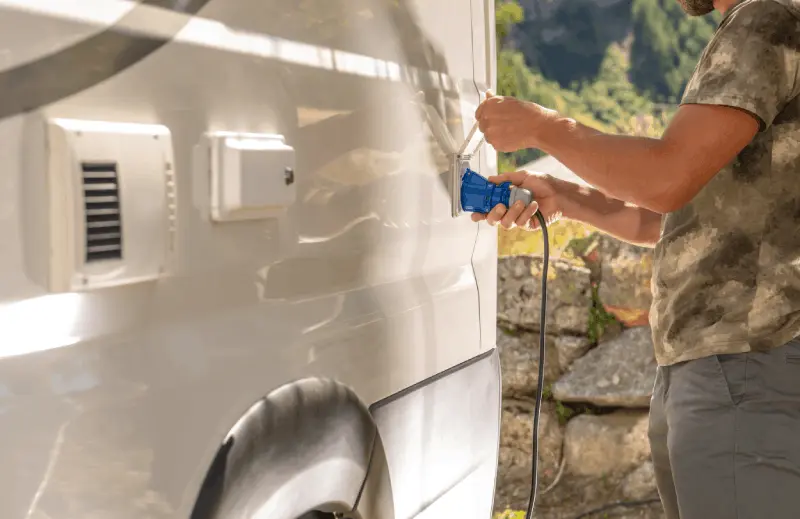
According to highway regulations, all signaling systems on your vehicle (brake lights, signals, parking lights, license plate lighting) must be operational at the back of the caravan. Off-road caravans often have extra "marker lights". Your vehicle's electrical socket must be able to power these lights. It is important to regularly clean the socket connections and protect them with conductive sprays to prevent oxidation.
What Is Off-Road Equipment?
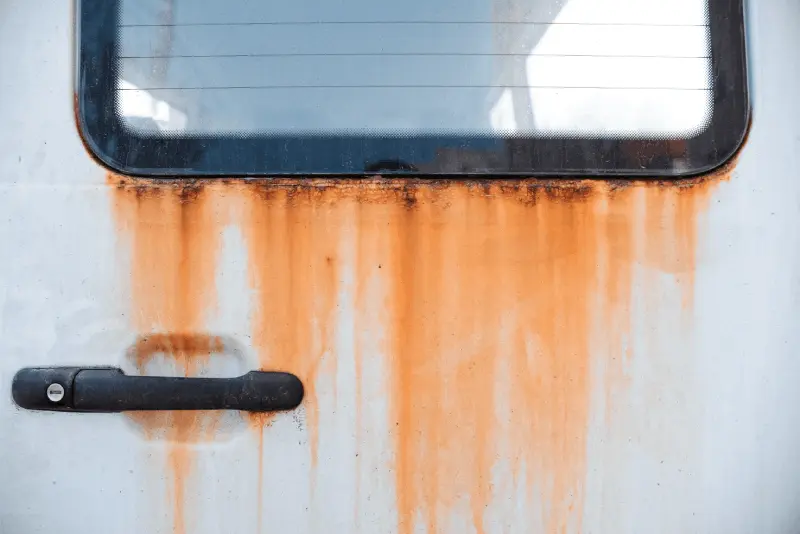
For a caravan to truly be "off-road," it is not enough for its tires to be large. True off-road models have independent air-supported or coil spring suspensions. Additionally, having the chassis coated with "hot-dip galvanizing" prevents rusting during water crossings. The water tanks and pipe installations under the caravan should be protected with metal enclosures. While these features make the caravan safer, they are an extra load that must be carried by the vehicle.
Are Compact Models Advantageous?
If you have a standard vehicle and want to enter the off-road world, "teardrop" type or mini off-road caravans are the best option for you. These models are usually between 750-1000 kg and are much more suitable for the towing capacities of vehicles. They create less wind resistance, do not increase fuel consumption as much, and are much easier to maneuver. Instead of dealing with a large and heavy off-road caravan, you can have much more peaceful trips with a compact model that does not push the limits of your vehicle.
Is a Roof Rack Necessary?
When space inside the caravan is limited, it may seem logical to install a roof rack on the vehicle. However, with wind resistance already at the back, adding a load on top of the vehicle completely disrupts aerodynamics. Additionally, the weight placed on the vehicle's roof raises the center of gravity, causing more leaning in corners. Distributing the load inside the vehicle to the trunk and over the rear seats is safer than a roof rack.
Do Heating Systems Add Weight?
Diesel heaters, indispensable for winter camps, add approximately 20-40 kg of extra weight with the fuel tank and battery group. In off-road caravans, large lithium batteries are usually preferred for these systems. Although lithium batteries are much lighter than traditional gel batteries, they are a line item in the caravan's total weight budget. Remember that every 10 kg inside the caravan adds an extra load to your engine when traveling with your vehicle.
Does the Trip Computer Give Errors?
The trip computers of modern vehicles constantly monitor the engine's real-time operating data. When towing a caravan, if the engine overheats, you may see warnings like "Engine Overheated" or "Transmission Fault" on the dashboard. In this case, you should immediately pull over and let the engine cool down by idling (never stop immediately). Monitoring the oil temperature or coolant temperature screen on the trip computer is a more professional approach.
Is Spare Part Access Easy?
Special parts like suspension and couplings of off-road caravans may not be available in standard caravan services. Before embarking on a long journey, it is beneficial to carry spares of your caravan's critical parts (e.g., spare bearings, coupling pads, fuses) with you. The same applies to your vehicle. You should more frequently check the belts, fluid levels, and pads of your vehicle, which is more strained when towing a caravan.
Is Design Aerodynamics Important?
Although off-road caravans look "boxy," some manufacturers try to reduce wind resistance by designing the front part sloped. For vehicle owners, such "aerodynamic" models are invaluable. Towing a caravan with a front that rises like a vertical wall is like constantly fighting against the wind. A sloped design allows the air to pass more smoothly over the vehicle to the caravan, providing both fuel savings and reducing the wind load on the vehicle.
What Is the Off-Road Spirit?
Caravanning is not just about getting from one place to another; it is a lifestyle. Off-road caravanning is the most free-spirited and fierce form of this lifestyle. It is possible to step into this world with a standard vehicle, but with the condition of knowing your limits. To preserve this spirit, you must respect your vehicle, not push it beyond its capacity, and adapt to the rhythm of nature. Take your time. Every journey made without rushing and enjoying the scenery is the safest one.
Is It Suitable for Families?
Setting out with a standard passenger vehicle and an off-road caravan as a family of four requires planning. When the luggage, food, and camping equipment for four people are added, the total weight increases rapidly. The interior volume and payload capacity of the passenger vehicle must handle this load. In off-road caravans, models with bunk beds are generally popular for families, but these models are larger and therefore heavier. You should minimize your belongings and pay extra attention to the weight distribution inside the vehicle.
Is Solo Setup Possible?
When you reach the campsite with a passenger vehicle, detaching and leveling the caravan can sometimes require physical strength. The support legs of off-road caravans are generally stronger and heavier. Adjusting the caravan by hand is impossible for passenger vehicle owners due to its weight. At this point, "movers" (motors attached to the wheels) provide great comfort. If you are traveling alone, you should pay attention to the quality of the "jockey wheel" (front support wheel) that reduces the load on the caravan's hitch.
Is Night Driving Difficult?
Driving at night with a heavy mass behind you can challenge your senses. The width of the caravan changes the depth perception in the mirrors. Additionally, the headlights of oncoming vehicles can reflect off the caravan's mirrors and dazzle you. The headlight illumination capacity of passenger vehicles may be short because the front of the vehicle lifts slightly due to the load at the back. A quality "rearview camera" attached to the back of the caravan allows you to see behind you and make maneuvers much more safely during night drives.
How to Make the Right Decision?
In conclusion; off-road caravan models can be towed with standard passenger vehicles, but it is a matter of "compatibility". If you know the technical limits of your vehicle, have met legal requirements, and invested in driving safety equipment (stabilizer, mirror, etc.), you can hit the road. But remember, passenger vehicles are the heroes of the asphalt; off-road caravans are the heroes of the terrain. You should plan your route without forgetting that your vehicle is the weakest link. With the right caravan and proper preparation, your passenger vehicle will be your most loyal travel companion, taking you to that deserted scenery of your dreams.