
How Does the Thermal Conductivity Coefficient of Enamel Perform in Camping Conditions?
Enamel is a composite material obtained by melting glass powder at high temperatures onto a metal core, such as carbon steel or cast iron. The metal core has a naturally high thermal conductivity. In a camping environment, when eating or drinking outdoors, this high conductivity causes heat to be rapidly transferred to the outside environment. While plastic materials exhibit insulating properties due to their molecular structures, enamel acts like a bridge, transferring the heat inside to the cool air outside. This is a fundamental physical factor that leads to a hot drink or meal cooling down much faster than expected, especially during windy and cold camping nights.
Why Does Your Morning Coffee Cool Down Faster in an Enamel Mug Than in a Plastic Cup?
A coffee consumed by the campfire in the early morning light is one of the most precious camping rituals. However, if you are using an enamel mug, you will notice that your coffee starts to cool down rapidly after the first five minutes. The reason for this is the thin structure of enamel and its metallic nature. Metal absorbs the thermal energy in the coffee and transfers it to the outer surface of the mug; the outer surface, being in contact with the air, dissipates this energy into the environment. In plastic cups, however, heat transfer is much slower because plastic fibers hinder the passage of heat energy. If you want to sip your coffee hot for a long time, an enamel mug will create a significant disadvantage compared to plastic sets.
Are Plastic Camping Sets Superior to Enamel Products in Terms of Thermal Insulation Capacity?
When it comes to thermal insulation, plastic materials (such as polypropylene or polycarbonate) have an undeniable superiority over enamel products. Because plastic has a low thermal conductivity coefficient, it delays the transfer of heat from the inside of the mug or plate to the outer surface. This not only keeps the food warm but also prevents your hands from burning. When you pour boiling water into an enamel mug, it can sometimes become impossible to hold the handle of the mug because the metal core distributes heat evenly in all directions. Plastic sets, on the other hand, provide a more user-friendly experience by acting as a thermal barrier.
How Does the Heat Loss Process of Food Served on Enamel Plates Work?
Enamel plates are quite prone to heat loss through convection due to their large surface area. When a hot meal comes into contact with an enamel plate, the bottom of the plate heats up quickly and transfers this heat to the table or surface it is resting on. In plastic plates, however, this transmission is much more limited. In environments where variable weather conditions prevail, such as camping, the bottom of the food in an enamel plate cools down very quickly, while the top part remains warm due to contact with the air. This situation is a factor that directly affects the taste and quality of food, especially in winter camps; as no one prefers a frozen dinner.
How Do Enamel Products Respond to Thermal Shocks?
A thermal shock is when a material suddenly transitions from extreme heat to extreme cold without cracking or deforming. Enamel products are sensitive to thermal shock due to their glass coatings. If you suddenly immerse a very hot enamel plate into ice-cold river water, micro-cracks or "chipping" can occur on the glass surface. Plastic sets, however, are much more resistant to thermal changes due to their flexible structures; as long as they do not reach their melting points, they are not affected by sudden temperature changes. It is critical to keep this sensitivity in mind when using enamel and to wait for the product to reach room temperature, as this is crucial for the longevity of the product.
Why Is the Chemical Leaching Risk of Plastic Sets Make Enamel Use Safer?
The biggest disadvantage of plastic camping sets is their potential to leach harmful chemicals like BPA (Bisphenol A) or phthalates into food, especially at high temperatures. Even if there is a "BPA-Free" label, the risk of plastics releasing microplastics is always present. Enamel, on the other hand, is considered one of the safest materials for food contact because it has a glass surface made entirely of natural minerals. The enamel surface does not react with acidic foods (such as tomato sauce, lemon dishes, etc.) and does not alter the taste. For health-conscious campers, the inert nature of enamel is a much heavier preference than the insulation advantage of plastic.
What Are the Differences Between Enamel and Plastic in Terms of Flexibility of Use Over an Open Fire?
Having multifunctional equipment in camping is a significant advantage. Enamel containers can be used directly over an open fire or camping stove due to their metal core. You can heat your food directly on your plate or boil water in your mug. This is impossible with plastic sets; they melt the moment you bring them close to the fire and release toxic gases. This situation transforms enamel products from mere serving utensils into cooking utensils. For minimalist campers, a single enamel pot/plate set can lighten the load in their backpack by serving both cooking and eating functions.
Are Micro Cracks on Enamel Surfaces a Disadvantage from a Hygiene Perspective?
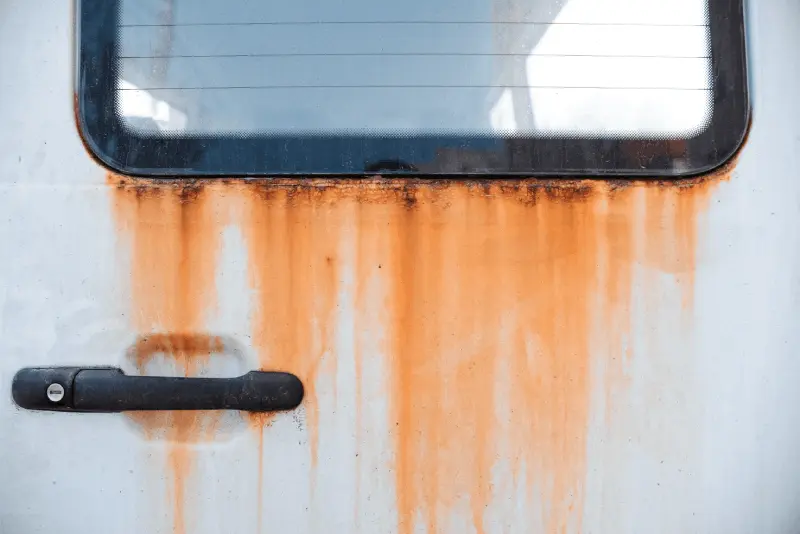
The weakest point of enamel products is the chipping of the glass coating due to impacts. If a crack or chipping occurs on the enamel surface, the underlying carbon steel becomes exposed, and this part quickly starts to rust. Eating from a rusty surface can be risky from a health perspective and is quite difficult to clean. In plastic sets, while chipping does not occur, deep scratches can form over time due to knife impacts. These scratches create a suitable environment for bacteria to thrive. From a hygiene perspective, enamel is far superior to plastic as long as the surface remains intact and non-porous; however, when damaged, it can become riskier than plastic.
What Is the Weight Advantage of Polycarbonate or Melamine Plastics Compared to Enamel?
In long-distance hiking, every gram counts. Plastic camping sets are much lighter compared to enamel products. The steel or cast iron layer inside enamel products adds a certain weight and volume to the product. While an average plastic plate weighs about 50-80 grams, a similar-sized enamel plate can weigh 200-300 grams. If you are not going to the campsite with a vehicle and are carrying your gear on your back, choosing an entire set made of enamel can put a serious strain on your back. In this regard, plastic has an absolute superiority in terms of lightness and portability.
How Does the Heat Sensation on the Lip of Enamel Mugs Affect User Comfort?
One of the most criticized aspects of an enamel mug is the metallic and sudden heat transfer at the lip. While drinking hot tea, the edge of the mug can become hot enough to burn your lips, while the drink can cool down within a few minutes. This "lip burning" phenomenon is caused by the metal rim of the enamel mug transferring heat directly to the lips. In plastic cups, however, the lip area always remains at a more tolerable temperature, making it more comfortable to drink from. Many enamel enthusiasts try to overcome this issue by attaching silicone rings to the rim of the mug, but this does not replace the natural comfort that plastic offers.
Which Is More Reliable in Impact Resistance Tests: Enamel or Plastic?
Camping life is tough; items can fall off the table, get crushed in a backpack, or hit rocks. Plastic sets are impact-resistant; they do not break when dropped, they only dent. However, although enamel products are marketed as "unbreakable," their glass coatings are quite fragile. An enamel mug that falls onto a hard surface may not break, but the glass layer on top can chip and crack. This situation compromises the aesthetics of the product and initiates the rusting process. Therefore, in terms of "indestructibility," plastic sets provide a more reliable performance than the rigid yet fragile structure that enamel offers.
How Do Aesthetic and Nostalgia Factors Create a Favorable Situation for Enamel in the Camping Experience?
Camping is not just about survival; it is also a lifestyle and a visual pleasure. Enamel products have a unique aesthetic that reflects the classic camping spirit of the past. They look great in photos and evoke that "old-fashioned" feeling by the campfire. No matter how high-quality they are, plastic sets generally have a "cheap" and "temporary" appearance. Many campers overlook the disadvantages of enamel, such as cooling down faster or being heavier, in favor of that nostalgic feeling and visual satisfaction. This positive impact on mood and atmosphere is the strongest marketing argument for enamel.
What Are the Differences Between Enamel and Plastic Surfaces in Terms of Ease of Washing?
Water is limited in camping areas, and cleaning is often challenging. Enamel, thanks to its glass surface, easily releases oils and food residues. Generally, wiping with a cloth or rinsing with a small amount of water may be sufficient for cleaning. Plastic surfaces, however, tend to retain grease; especially after oily meals, cleaning a plastic plate with cold water is nearly impossible, requiring plenty of detergent and hot water. For environmentally conscious campers who want to minimize detergent use in nature, the easy-to-clean surface of enamel provides a significant logistical advantage over plastic.
Which Material Is More Economical in Terms of Long-Term Use and Sustainability?
Plastic camping sets become brittle over time due to exposure to UV rays from the sun, and they can become unusable by absorbing stains or food odors. An average plastic set needs to be replaced within a few years. Enamel, on the other hand, can last for decades, even generations, if well cared for (protected from impacts). This makes enamel a more economical and environmentally friendly option in the long run. Considering the environmental pollution caused by single-use plastics, purchasing a durable enamel set aligns with the vision of protecting nature. The "buy and never think again" mentality is more applicable to enamel.
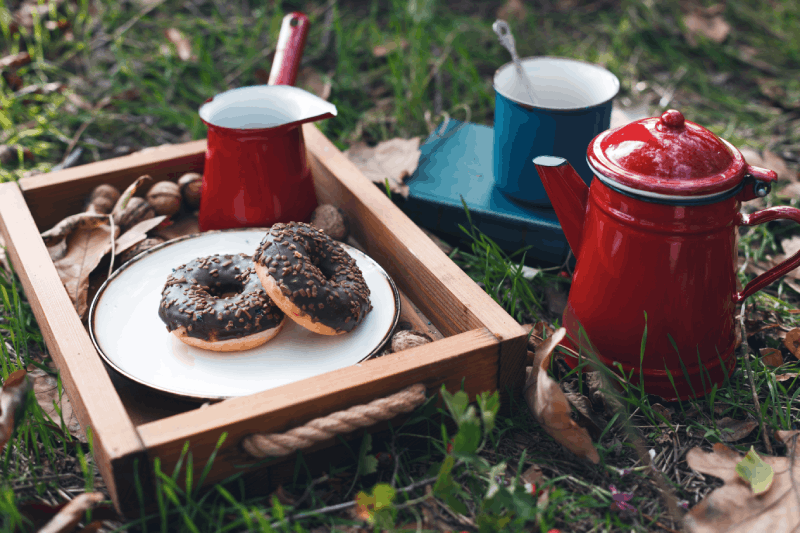
Why Is the Smell and Taste Absorption Problem More Pronounced in Plastic Sets?
Plastics have porous structures, which cause them to trap the odors of the food and drinks placed inside. If you had a garlic dish in a plastic plate a day before, it is likely that you will smell that odor when you eat fruit the next day. Enamel, however, has a completely non-porous glass layer, so it does not retain odors or tastes. Even if you put herbal tea in a coffee cup immediately after washing it, the flavors will not mix. This flavor purity is a feature that puts enamel sets far ahead of plastic for gourmet taste seekers in camping kitchens.
Is Microwave Compatibility a Criterion in Modern Caravan Camping?
If you are camping with a caravan and have a microwave in your vehicle, your equipment choice may change accordingly. Enamel products cannot be placed in the microwave at all because their insides are metal; this can cause serious arcing and damage to the microwave. Plastic sets (those that are microwave-safe) can be used in these devices. While this is not an issue in traditional tent camping, the limitation of enamel products in technologically equipped caravan camps can be a disadvantage. Depending on your usage area, this technical detail should not be overlooked.
How Does Wind Create Chaos in Heat Distribution in Enamel Products?
Wind is a factor that significantly increases convective heat loss. Since the outer surface of an enamel mug is metal, when the wind hits the mug, it quickly absorbs the heat of the liquid inside and carries it away. In a plastic mug, even if the outer surface is affected by the wind, the drink inside is protected. This situation makes it difficult to use enamel in windy mountain settings; your food can be ice-cold after the first bite. In such cases, enamel users often try to keep the heat by placing a cloth under the plate or wrapping the mug with their hands. However, the natural insulation of plastic eliminates the need for such efforts.
When Balancing Price and Performance, Which Set Makes More Sense?
It is possible to find very cheap plastic sets on the market, which can be appealing for beginner campers. A quality enamel set is generally 3-4 times more expensive than plastic. However, the "performance" criterion here is not just about heat retention; it also includes health, durability, and enjoyment of use. If you only go camping once a year, a plastic set may be sufficient and reasonable. However, if you are a regular camper, your investment in enamel will pay off in terms of both health and longevity. If you want to get the full value of your money, you should evaluate the versatility that enamel offers.
Should Enamel or Plastic Be Preferred for Safety for Families with Children?
Children are active and tend to drop their belongings. In this regard, enamel products can be risky; broken glass pieces can be sharp, or a chipped surface can rust, threatening the child's health. Additionally, the outer surface of enamel can become very hot, causing burns to children's hands. Plastic sets, on the other hand, offer much safer use for children due to their lightweight and non-heating surfaces. Instead of giving a child an enamel mug filled with hot milk, providing an insulated plastic mug will ensure a more peaceful camping experience for parents.
What Are the Material Differences in Environmental Impact and Recycling Processes?
Plastic waste is in a state of becoming a major environmental disaster on a global scale, and recycling them is quite costly and difficult. Most plastic camping gear eventually ends up in the wild or in landfills. Enamel, however, is a material that is 100% recyclable because it is primarily made of iron. Additionally, the glass powder and minerals used in the production process of enamel produce less chemical waste compared to plastic production. For an environmentally conscious camper, choosing the material that causes the least harm to nature is a responsibility, and in this respect, enamel carries the sustainability flag at the forefront.
How Does Color and Pattern Variety Play a Role in User Personalization?
Plastic sets generally have limited color options and are often matte. The world of enamel, however, is limitless. Handmade patterns, antique-looking finishes, and vibrant colors create the character of enamel. Campers feel more special with custom-designed enamel mugs that reflect their style. This personalization opportunity transforms enamel from just a tool into a collectible item. It is difficult to get attached to a plastic plate, but a enamel mug with a design you love can become a loyal companion that you never part with for years.
Which Material Is Better for Stackability and Bag Space Optimization?
The ability of camping kitchenware to nest inside each other is crucial for saving space in your bag. Plastic sets are generally designed to fit perfectly inside each other due to their modern designs. Enamel products, however, can sometimes be bulky due to their more traditional shapes. However, the thinness of enamel plates allows you to fit more enamel plates in the space occupied by many plastic plates. For a camper who strategically organizes their bag, thin enamel plates can sometimes offer a more efficient storage solution than bulky plastic containers.
Why Is Sound and Acoustic Comfort Important in Camping Silence?
Every sound that breaks the silence of nature echoes. Enamel products produce a high-pitched "clinking" sound when they bump into each other or are placed on a table due to their metallic nature. Plastic sets, on the other hand, are much quieter; the clinking sounds are muffled and do not disturb. If you want to throw something in the middle of the night at the campsite, the sound of enamel plates can wake up all your neighboring tents. If you are a camper who values silence and peace, the acoustic comfort that plastic offers can become a preferable feature over the metallic clinking of enamel.
How Should Enamel Be Stored in Humid Environments to Avoid Rust Risk?
Enamel does not rust as long as the glass layer on it remains intact. However, in a humid camping environment, even a small unnoticed crack can quickly lead to rust. Removing enamel products without thoroughly drying them after camping can lead to oxidation on the metal rims. Plastic sets, on the other hand, have zero rust risk; even if they get wet, their structures do not deteriorate. In camps near the sea or in very oily areas, if you cannot spend much time maintaining your equipment, the "maintenance-free" structure that plastic offers will make your life much easier.
What Are the Additional Features for Heat Protection: How Do We Preserve Heat When Using Enamel?
There are some practical solutions to overcome the rapid cooling disadvantage of enamel. For example, warming the enamel plate next to the campfire before serving food ("pre-heating") extends the life of the meal. Using neoprene or wool sleeves for your mug prevents heat loss and also prevents your hands from burning. Plastic sets do not require such accessories. However, for campers who do not want to deal with these solutions, the thermal performance of enamel will always remain a question mark. Using enamel is a choice that requires a bit more care and preparation.
Usage Preferences in Different Seasons: Summer Camping vs. Winter Camping?
In summer, the thermal conductivity of enamel can actually be an advantage; drinking a cold beverage in an enamel mug creates a refreshing feeling as the mug itself cools down. However, in winter camping, enamel is a complete "heat monster." It cools down everything inside within seconds and feels freezing when touched with bare hands. Plastic, on the other hand, performs neutrally in every season; it does not get too hot in summer and does not get too cold in winter. Therefore, campers who camp in all four seasons usually carry products made of both materials in their bags or choose according to the season.
What Is the Hidden Connection Between Enamel Rim Strips and Hygiene?
Many enamel products have a rim made of stainless steel at the lip. This rim adds aesthetic value and provides protection against impacts. However, the point where this metal rim meets the enamel surface can become a difficult area to clean over time, as food residues can accumulate there. Plastic sets generally do not have such hidden dirt accumulation points as they are produced in one piece (monoblock). When cleaning your enamel set, paying extra attention to these rim areas is crucial for long-term hygiene and health.
What Is the Shine of Melamine Plates and Their Potential to Be an Alternative to Enamel?
Melamine is a harder and ceramic-like form of plastic and is often seen as the strongest competitor to enamel in the camping world. Melamine plates are both very shiny and do not conduct heat as quickly as enamel. However, like other plastics, melamine can also leach chemicals at high temperatures (above 100 degrees) and should never be placed over fire. The choice between enamel and melamine is often a preference between "aesthetics and lightness" and "traditional safety and fire compatibility." While caravan users prefer melamine more, tent campers swear by enamel.
Which Material Is More Likely to Absorb Liquids and Change Colors?
Some low-quality plastics absorb the colors of the foods placed inside (for example, saucy dishes or curries) and become permanently stained. This makes the plate always look dirty. Enamel, on the other hand, is completely resistant to pigments. No matter how colorful or spicy a dish you eat, it will return to its original whiteness (or color) when washed. This stain resistance feature makes enamel indispensable for those who value visual cleanliness in camping kitchens. A clean appearance is a hidden factor that increases camping motivation.
Under Which Conditions Should Enamel Be Chosen, and Under Which Conditions Should Plastic Be Chosen?
If your priority is to keep your food warm for a long time, lightness, and low cost, high-quality, BPA-free plastic sets are the most suitable for you. Especially for families with children and long-distance hikers, plastic is unmatched in terms of practicality. However, if you do not want to compromise on your health, value aesthetics and nostalgia, and want your equipment to come into contact with fire, enamel is the right choice for you. You can solve the problem of rapid heat distribution by using a sleeve for your mug or pre-heating your plate. Both materials have their own unique character, and the best choice is the one that suits your camping style the most.
Does Hot Coffee in an Enamel Mug Burn My Lips Immediately?
The biggest feature of enamel products is the incredible speed at which the carbon steel in their core conducts heat. When you want to sip your coffee by the campfire, you will notice that the edge of the mug suddenly becomes hot. This can pose a serious burning risk, especially for campers who love hot drinks. Enamel is not an insulating material like porcelain; rather, it transfers heat directly to the surface. Therefore, when you pour boiling water into your mug, you must wait a few minutes before making contact with your lips. If the edge of your mug is not thickly rolled, the intensity of the heat can irritate your lips within seconds. While this may seem like a "comfort" issue, it can actually turn into a health problem if not taken into account.
Do Enamel Plates Cause Food to Cool Down Faster Compared to Other Materials?
Absolutely yes. Enamel plates adapt to the ambient temperature very quickly due to their thin steel structures and large surface areas. Especially in autumn or winter camping, if you are eating a hot sauté or rice outdoors, it can drop to room temperature within minutes. The heat retention capacity of enamel is significantly lower compared to cast iron or thick ceramic plates. The metal core absorbs the heat of the food and quickly transfers it to the cold air outside. This can cause a pleasant camping meal to turn into a cold dish in an instant. If it is critical for you to consume your food hot, you may need to move quickly when using enamel plates or pre-heat your plate by the fire.
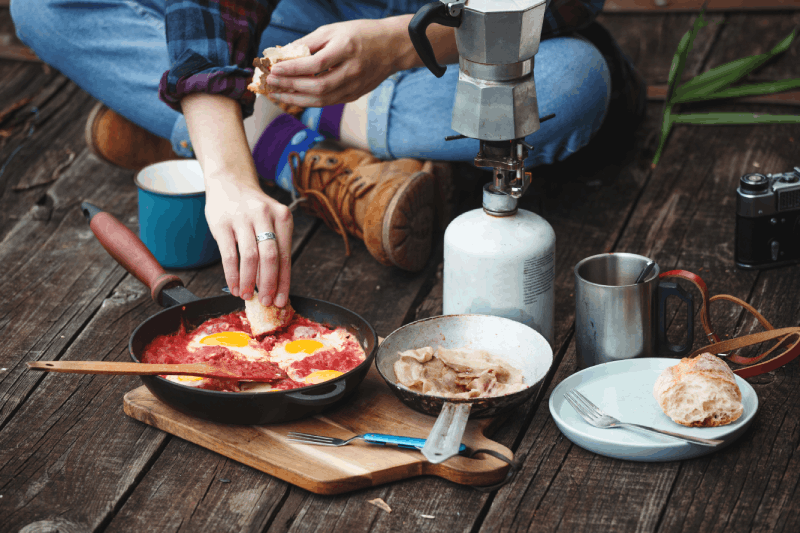
Does Drinking Water from a Chipped Enamel Mug Lead to Metal Poisoning?
This is a safety issue that campers fear the most but often overlook. Enamel is essentially a glass layer over metal. If your mug falls to the ground or receives a hard impact, this glass layer can chip, exposing the underlying carbon steel. When exposed to moisture, this steel can quickly start to rust. Especially acidic drinks (lemon tea, fruit juices, etc.) can cause metal ions to leach into the drink from this area. Although most modern enamel products are made from food-grade steel, there is always a risk of swallowing small glass fragments that may chip off from the cracked area. Therefore, continuing to use enamel products with chipped edges or deep cracks can pose a long-term risk to the digestive system.
Does Washing Enamel Products in the Dishwasher Immediately Dull Their Shine?
The appealing shine of enamel products comes from the glass layer called frit on their surface. The high-temperature water and aggressive chemical detergents used in dishwashers can cause microscopic wear on this glass layer over time. After a few washes, you may notice that your mug has lost its initial showroom shine and has taken on a more "matte" or "frosted" texture. This is not just an aesthetic issue; a dulled surface becomes porous, making it easier to retain tea and coffee stains. If you want your enamel set to last a lifetime, washing it by hand with a soft sponge and gentle soap will be the most logical logistical decision. The abrasive effect of chemicals can cause irreversible damage to enamel.
Do Enamel Mugs Make Noise When Carried in a Backpack, Scaring Away Wildlife?
From a logistical perspective, enamel products are durable but not silent. An enamel mug hanging outside your backpack can produce a rhythmic "clinking" sound as it hits the metal parts of your backpack or other equipment with every step. This sound can be heard from quite a distance in a quiet forest environment. Some campers believe that this sound keeps wildlife away, but in reality, these metallic sounds fall into the category of "foreign" sounds that do not belong to nature and can arouse curiosity in some animals. Additionally, this constant metallic sound can become an annoying noise pollution after a while while walking with your group. If you are looking for privacy and peace, it is best to secure your enamel mugs inside your backpack, between your clothes.
Is Cold Water Enough to Remove a Frozen Grease Stain from an Enamel Plate?
Washing dishes outdoors or at home can be challenging, and enamel can make you sweat a bit in this regard. Although the enamel surface appears smooth, especially after a meal containing animal fats, you will find that the grease sticks to the surface when trying to wash it with cold water. The metal core quickly conducts cold, causing the grease to freeze on the plate. In a camping scenario where hot water is not available, you may have to scrub the enamel plate with sand or use a lot of detergent. However, scrubbing with sand can scratch the glass surface. This practical difficulty makes it essential for enamel set owners to always carry some hot water. Compared to plastic or titanium utensils, enamel tends to hold onto grease more stubbornly.
Is There a Difference in Thermal Insulation Between Cheap Enamel and Branded Enamel?
It is possible to find enamel mugs for 50 TL and also for 500 TL in the market. The price difference usually relates to the thickness of the steel used and the number of layers of enamel coating. Cheap enamels are often made from very thin sheets and are single-layered. This means that heat escapes quickly, causing your food to cool down instantly. Quality, heavy, and thick steel-core enamels can retain heat a bit longer. However, it should not be forgotten that even the most expensive enamel cannot perform like a vacuum thermos. The hidden cost is actually the lifespan of the product. While thin enamels may break into large pieces upon the first drop, quality and thick enamels may only chip slightly.
Will an Enamel Mug Turn Black If Placed Directly on a Campfire?
Many campers place their enamel mugs on the edge of the fire to achieve a nostalgic look. Enamel is heat-resistant as it is produced by firing at temperatures up to 800 degrees. However, soot and carbon from the campfire will create a lasting blackness on the bottom of the mug. This blackness is not just a "color change"; it also alters the mug's heat retention capacity and makes it quite difficult to clean. If you do not want the bottom of your mug to turn completely black, you should heat it on a grill instead of directly over the fire. Additionally, placing an empty enamel mug over the fire can cause the metal core to expand excessively, leading to the glass coating cracking and exploding. This poses a safety risk due to the loss of the mug and the potential for glass shards to scatter.
Are Enamel Mugs Too Heavy and Dangerous for Families with Children?
Enamel is heavier than plastic or silicone camping containers. This weight can make it difficult for small children to control, especially when the mug is full. Because it conducts heat away so quickly, your child may burn their hand when holding the mug or may not accurately predict the temperature of the liquid inside. Additionally, children are prone to dropping their belongings. If an enamel mug falls on a hard surface, the glass coating can shatter. These shards can be sharp. From a logistical and safety perspective, it may be more sensible to provide children with double-walled stainless steel or BPA-free plastic containers instead of enamel. Enamel is more of a material that appeals to adults' "aesthetic and nostalgia" passions.
Does Food Cook in Enamel Pots Leave a Metallic Aroma?
The biggest advantage of enamel is that it actually has a completely non-reactive glass surface. Therefore, you will never taste a metallic flavor when eating from an enamel-coated plate or pot. However, if there is a crack or chipping in the inner surface, the acids in the food can react with the underlying steel, giving that notorious "metal" taste to the food. This interaction is particularly enhanced in dishes with tomato sauce or wine-based recipes. If you are a gourmet camper with a refined palate, you should check the inner surface of your enamel utensils for smoothness before each use. A healthy enamel is even more successful in flavor transfer than stainless steel.
Do Stacking Enamel Plates on Top of Each Other Lead to Scratches and Cracks?
When planning logistics, randomly placing enamel plates in your bag is a big mistake. Enamel is a hard material, but it is fragile against impacts. When two enamel plates rub against each other or collide harshly while being transported, the protective layers on their edges can wear away. Especially during vehicle journeys, microscopic cracks can form on the edges of plates that are constantly in contact due to vibrations. To prevent this, placing paper towels, cloths, or silicone mats between the plates provides hidden protection. This small detail can extend the lifespan of your set for years. Remember, enamel is more likely to be damaged by interactions with other hard materials of its kind than by external factors.
Does Putting an Enamel Mug in Ice-Cold River Water Cause Cracking?
Thermal shock is the biggest enemy of enamel. If you suddenly immerse a hot enamel mug or plate that has been warmed by the fire into ice-cold river water, the metal core will expand rapidly while the glass coating on top cannot respond at the same speed. The result? A "crack" sound and tiny cracks all over your mug. These cracks may not be visible at first but can widen over time and lead to the enamel chipping off. As a content strategist, my warning is this: Always allow hot enamel to cool to room temperature or gradually cool down. Placing it directly into cold water is the worst thing you can do to your equipment. This rule also applies when washing for hygiene with boiling water.
Do My Teeth Hurt When Drinking from Enamel Mugs?
For some people, contact with metal or glass surfaces can trigger tooth sensitivity. The rim of an enamel mug is usually supported by a metal strip (stainless steel ring). If your teeth are sensitive to metal, contact with this ring may cause discomfort. Additionally, since enamel conducts heat very quickly, the heat of the hot beverage is transferred directly from the edge of the mug to your teeth. This can be an uncomfortable situation, especially for campers with sensitive teeth. As a solution, you may prefer models with a lip that is not coated in enamel (without a ring) or drink while leaving a lip margin. Enamel can never provide the soft and full feeling of a ceramic mug; it offers a more "hard" drinking experience.
Does Using a Knife on Enamel Plates Scratch the Surface Permanently?
If you want to cut a beautiful steak in your camping meal, applying pressure with a sharp stainless steel knife on your enamel plate means you are actually scratching the glass. Enamel is not a high-hardness coating, but metal knives can leave gray scratches on it. These scratches are usually the result of the metal of the knife "transferring" onto the enamel surface (metal transfer) and can sometimes be impossible to clean. If you care about the aesthetics of your plate, you should avoid cutting on enamel plates or use wooden serving boards. In the long run, these scratches can compromise the hygienic structure of the plate and create areas where bacteria can nest.
Do Acidic Foods Like Lemon or Vinegar Change the Color of Enamel?
Enamel is a highly acid-resistant material, but this resistance is not infinite. If you leave an enamel container with vinegar salad or lemon drink inside for a long time (for example, overnight), you may see a wear called "etching" on the enamel surface. This results in a loss of shine and a more porous texture. Especially in dark-colored enamels, this type of whitish stain becomes very pronounced. As a practical rule; serve acidic foods in enamel containers but do not store them inside. Rinsing the plate immediately after the meal will prevent the acid from penetrating the glass layer. This is the secret key to preserving the vibrant colors of your enamel.
How Can I Remove Tea Stains from Enamel Mugs Without Using Detergent?
Tea stains inside enamel mugs can be quite stubborn, whether outdoors or at home. Many people immediately reach for detergent, but this can further wear down the protective glaze on the enamel. A safer and "healthier" method is to use a mixture of baking soda and lemon. Baking soda, with its mild abrasive effect, removes the stain without damaging the glass surface. Apply a paste-like mixture of baking soda to the stain with your finger and let it sit for a few minutes. The result will be surprisingly bright. This method not only extends the lifespan of your equipment but also prevents you from releasing chemicals into nature while camping.
Is Weight a Disadvantage or an Advantage When Buying Enamel Kitchen Sets?
This is a dilemma from a logistical perspective. If you are a caravan camper, weight is not an issue for you; in fact, heavy enamel plates can be an advantage as they do not blow away in the wind. However, if you are a backpacker, every gram counts. A full set of enamel (plates, bowls, mugs) can add about 1-1.5 kilograms of extra weight. Titanium sets weigh a quarter of that. The hidden cost here is your physical fatigue. However, the "home feeling" and sense of health that enamel offers makes it worth enduring this weight for many campers. Before making a decision, you need to clarify your camping style (vehicle vs. hiking).
Can Enamel Containers Break Due to Vibrations While Traveling in a Caravan?
Enamel products are very popular in caravan kitchens, but they are also quite risky. The vibrations and sudden shocks that occur while the caravan is in motion can cause stacked enamel containers to hit each other. If the containers are not secured or there is no protective layer between them, you may find that enamel pieces have chipped off when you open the lids at the end of the journey. As a solution; it is necessary to use non-slip mats in caravan cabinets and place a thin felt between each plate. Enamel is not "unbreakable"; it is just "chip-resistant." However, broken enamel can render the product unusable. This is a detail that is often overlooked in caravan logistics.
Why Do Enamel Mug Handles Often Get Very Hot?
This is entirely a design-related physical rule. Most enamel mugs have handles made from the same metal sheet as the body of the mug, and they are welded to the body. Heat transfers directly from the hot liquid inside the mug to the handle through conduction. If the handle design is too short or thin, when you bring your hand close to the mug, your finger joints may touch the hot body of the mug. This is a serious comfort issue. In quality enamel mugs, the point where the handle connects to the body is usually wider, or the handle itself is made from thicker material. When purchasing, you should definitely test the ergonomics of the mug by holding it and checking how close your fingers get to the body.
Is the "Handmade" Label on Enamel Products a Quality Indicator?
Many brands use the "handmade" or "produced using traditional methods" label as a marketing strategy. The enamel production process inherently involves stages that require human hands. However, being "handmade" does not mean that every product is perfect. On the contrary, handmade enamels may have paint drips, small air bubbles, or slight color inconsistencies at the edges. These situations are not a "flaw" but rather the character of the product. However, these small pores can become weak points where rust may begin over time. As a consumer, you need to distinguish between a "rustic" appearance and a "manufacturing defect."
Does the Metal Sound Produced When Eating from Enamel Plates Disturb?
Comfort is not only physical but also sensory. The high-pitched "clink" sound produced when metal forks and knives touch the enamel plate surface can be as annoying for some people as nails scraping on a chalkboard. If you value silence and peace, this sound can overshadow your enjoyment of the meal. Especially in crowded camping groups, the sound of ten people using metal forks on enamel plates at the same time can create significant noise pollution in the environment. To minimize this situation, using wooden camping fork-spoon sets is a great solution. The combination of wood and enamel is visually appealing and completely eliminates that annoying metallic sound.
Is Drinking Alcohol from Enamel Mugs Safe?
Some beverages that are essential for camping evenings, especially high-acid wines or spirits, how do they interact with enamel? Since enamel is glass-based, it does not react with alcohol. However, there is still a point to be cautious about: If there are cracks in the enamel, alcohol can come into contact with the metal in those areas. Additionally, some cheap enamel paints (especially bright red or yellow coatings) may not be suitable for food contact. Always prefer products with a white or cream-colored inner surface (the natural color of enamel) for safety.
Is It Hygienic to Store Food in Enamel Containers?
It is common to leave leftover food in a pot or plate at the campsite and cover it with a lid. Enamel is quite resistant to bacteria growth due to its non-porous and non-absorbent surface. However, leaving food in enamel containers in an outdoor environment for a long time is risky. Because enamel quickly conducts the outside temperature inside. This can lead to rapid spoilage of the food. Additionally, if the lid of the enamel pot does not seal completely, food residues that seep into the micro-cracks on the glass surface can cause odors. For hygiene, it is better to use enamel containers only for serving and cooking, and to prefer airtight vacuum containers for storage.
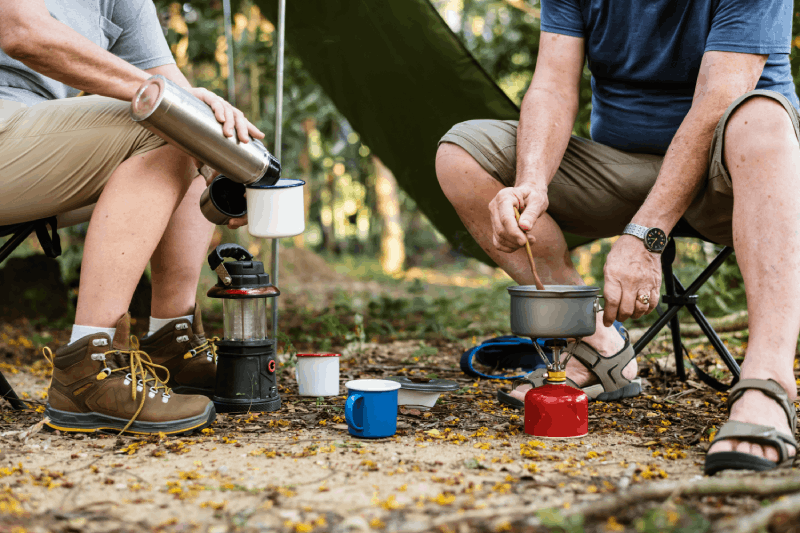
Is the Recyclability of Enamel Products a Responsibility Towards Nature?
Modern campers now think not only of their own comfort but also of nature. Enamel is a much more environmentally friendly option compared to plastic containers. Theoretically, it is completely recyclable because it is made of steel and glass. However, even more importantly, the longevity of enamel is what matters. A mug that can be used for decades prevents hundreds of plastic mugs from ending up in the trash. This is a hidden cost-saving and ecological investment. If one day your enamel mug becomes too damaged to use, you can extend its life by using it as a planter, thus continuing to live the camping spirit in your home.
Why Does Everything Stick When Making Omelets in Enamel Plates?
Enamel pans or plates do not have non-stick properties like cast iron or Teflon. If you heat an enamel plate directly over the campfire and crack an egg into it, you will see that the egg sticks to the plate like concrete within seconds. The enamel surface tends to bond with food molecules when it gets very hot. This not only creates cleaning difficulties but can also damage the glass layer on the plate. If you are going to cook in enamel containers, you should always use plenty of oil and control the heat (low flame). Enamel is designed more as a "serving" tool than a "cooking" tool.
Do the Colors on the Outer Surface of Enamel Mugs Fade in the Sun?
In long-term camping, your equipment is constantly exposed to UV rays. Quality enamel coatings are fired at high temperatures, so the color pigments are trapped within the glass. Therefore, enamel does not fade easily under the sun like plastic or painted aluminum. However, you may see that the designs on very cheap and low-quality printed enamel mugs fade or wear over time. If aesthetics are important to you, you should choose products that are colored using "screen printing" or directly enamel paint instead of "sublimation" printing. This ensures that your equipment still looks vibrant in photos years later.
How Can Heat Loss Be Prevented When Drinking Soup from Enamel Bowls?
Enamel bowls are the kitchenware that loses heat the fastest due to their wide mouth designs. A hot lentil soup can become lukewarm in just 5 minutes on a cold camping evening. A practical way to prevent this is to pre-warm the bowl with hot water before use. The metal core will retain this heat and support the warmth of your soup instead of losing it. Additionally, covering the bowl with a lid or another plate will also stop heat loss through evaporation. Logistically, these small steps can elevate your camping comfort to a higher level.
Will the Antique Value of Enamel Equipment Increase in the Future?
As a content strategist, I can say this: Enamel is not just a camping tool; it is also a collectible item. Even a damaged enamel mug from the 1950s can fetch high prices in certain circles today. This shows that what you purchase is not an "expense" but an "investment." An enamel set you buy from a branded and limited production series can turn into a nostalgic object that you can pass down to your children in the future. Unlike plastics, enamel gains character as it ages. Every scratch and small chip on it is actually a signature of your experiences from that camping trip.
Why Is Size Important When Choosing Enamel Mugs?
The difference between 250 ml and 400 ml can be vital for a camper. Smaller mugs retain heat better because their surface area is smaller. However, for those who love a big morning coffee, 250 ml may not be enough. The biggest problem with larger enamel mugs (mugs) is that the bottom can cool down completely before the drink is finished. Additionally, larger mugs take up more space in your bag. For an ideal balance, 350 ml models offer a satisfying portion while keeping heat loss at a reasonable level. When purchasing, you should also check if you can clean the bottom of the mug by putting your hand inside; cleaning the bottom of narrow and deep mugs can be a complete nightmare while camping.
Do Enamel Plates Blow Off the Table in Windy Weather?
The biggest enemy of plastic and paper plates is wind. It is disheartening to see your food fly away with your plastic plates in a light breeze at a camping table. Enamel plates, thanks to their metal cores, have a certain weight. This weight makes them much more stable against the wind. If you are going to places where the wind is abundant, such as beach camping, enamel is the safest logistical choice for you. You do not need to struggle to secure your plates; they will sit on the table like a rock. This "weight" disadvantage is the best example of how it can turn into a "comfort" advantage in the field.
Is the Black Strip on Enamel Products Just a Visual Detail?
Most enamel mugs have a black or differently colored strip on the rim. This usually indicates that two layers of enamel have been applied. The rim areas are the most vulnerable and thinnest parts of the enamel. This strip provides an extra layer of protection and prevents the metal from coming into contact with air, thus preventing rust. If the rim of your mug is completely non-porous and one color, the likelihood of wear starting from that area is higher. Additionally, this strip creates a visual contrast that helps you see where the mug ends. It is a small but functional design marvel.
What Certifications Should Be Looked For When Buying Enamel Camping Sets?
Not every enamel product on the market may comply with food safety standards. Especially in some enamel products produced for "decorative" purposes, paints containing lead or cadmium may be used. As a content strategist's advice; you should definitely turn to brands that have "Food Grade" certification. Products that comply with EU standards (LFGB) or US standards (FDA) do not put your health at risk. Health and safety should be your top priority while camping. Loading your body with heavy metals for a cheap mug is the worst cost-saving decision you can make.