How Does the Ideal Heat of Campfire Affect the Popping Speed of Corn?
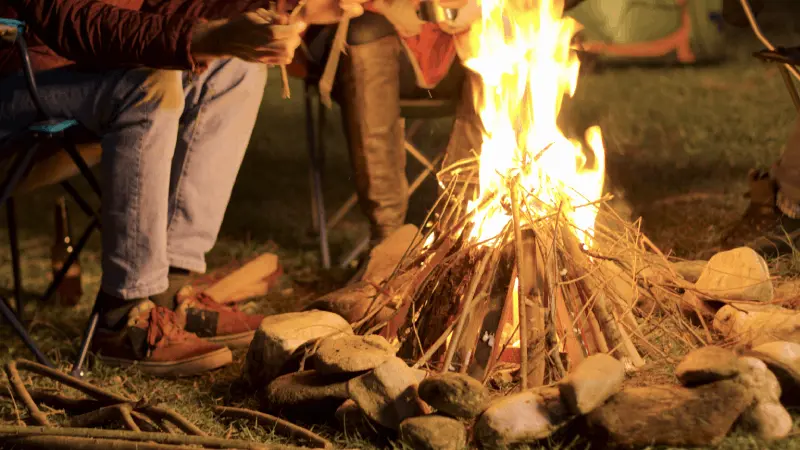
When popping corn over a campfire, managing the heat is the most fundamental factor for achieving a successful result. Corn kernels need a temperature of about 180-190 degrees Celsius to turn the moisture inside into steam and pop the shell. If the fire is too fierce, the moisture inside the corn will slowly evaporate, and the kernel will lose its ability to pop by "drying out." On the other hand, corn exposed to excessively high heat due to direct flames will burn from the outside while remaining uncooked inside, turning completely black. The ideal method is to work over coals that have become slightly settled and emit a homogeneous heat. This way, the heat gradually and evenly penetrates the corn kernels, ensuring that all kernels pop at the same time and at full performance.
Which Type of Corn Kernels Gives Better Results Over Fire?
When popping corn in open air and variable heat conditions, the type of corn is crucial. While "mushroom" type corns are generally suitable for caramelized coatings, "butterfly" type corns yield much better results in the irregular heat of a campfire. Butterfly type corns have a larger surface area when popped, allowing them to better capture the aroma of smoke and wood. Additionally, the corn must be fresh, and the moisture content should be between 13.5% and 14%. Stale corn, regardless of how long it is kept over the fire, will not reach sufficient internal pressure and will result in "half-popped" or hard kernels. Keeping the corn you pack in your camping bag in an airtight container will directly increase your efficiency at the fire.
What Are the Advantages of Using Aluminum Foil for Popping Corn?
For those who do not want to carry heavy cast iron pans among camping gear, aluminum foil serves as a "pocket-sized popping container." A pouch made of foil quickly transmits heat while cutting off the corn kernels' contact with the fire. The biggest advantage of this method is that it creates a closed environment that allows the corn to cook in its own steam. Placing corn and oil in the center of a large piece of foil and folding it into a dome shape gives the corn room to expand. This method also eliminates the hassle of cleaning; once you are done, simply return the foil to recycling. However, to avoid puncturing the foil, it is wiser to cook it by continuously moving it over a grill rather than burying it directly in the coals, minimizing the risk of burning.
How Should Heat Distribution Be Adjusted When Popping Corn in a Cast Iron Pan?
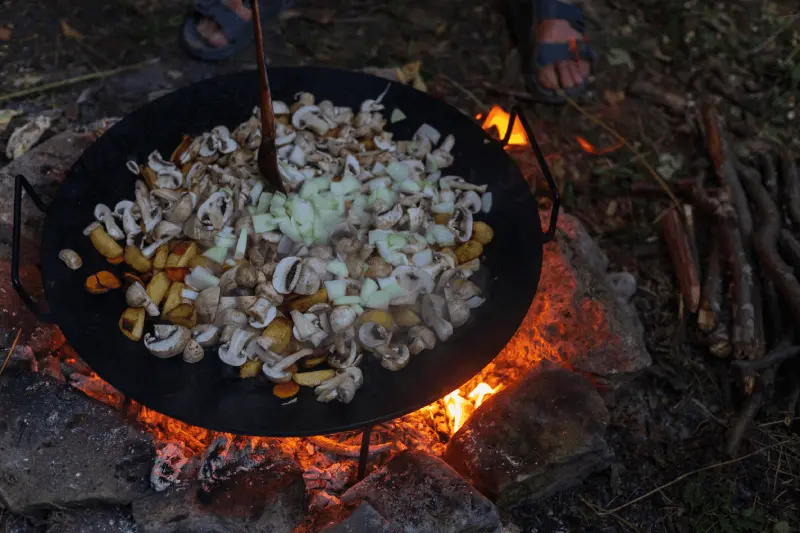
Cast iron pans are the best friends of campfires due to their ability to retain heat for a long time and distribute it evenly. However, the heat retention of the cast iron requires careful management when popping corn. When you place your pan over the fire, make sure it is thoroughly heated before adding the corn. To optimize heat distribution, the pan should be placed slightly off-center rather than directly in the middle of the fire, and it should be turned frequently. When the corn starts to pop, you can reduce the intensity of the fire or move the pan slightly away from the coals, as the thermal mass of the pan will retain heat. Remember that corn continues to cook even after popping; therefore, transferring the corn to another container immediately after the last popping sound is essential to prevent the kernels at the bottom from burning.
What Are the Hidden Ways to Add Campfire Aroma to Popped Corn?
Simply having salty corn may not fully satisfy the camp spirit; a true "campfire" aroma requires smoky touches. The most natural way to capture this aroma is to take advantage of the smoke from aromatic woods like mesquite or cherry wood while popping corn. If you are using a covered system, slightly ajar the lid to allow smoke to enter, giving the corn a wonderful smoky flavor. Another professional touch is to use "smoked salt" or "smoked paprika." Adding these spices immediately after the popping process, while the corn is still hot and oily, ensures that the flavor penetrates every kernel. Additionally, lightly crushing roasted garlic over the fire and mixing it with your oil will create a deep aroma layer.
What Should Be Done to Prevent the Smell of Burnt Corn at the Campfire?
The smell of burnt corn can instantly disrupt the peace of the campsite with its sharp and lingering odor. The golden rule to prevent this is to carefully listen to the intervals between popping sounds. When the gap between pops exceeds two or three seconds, you should pull the corn away from the fire. Many campers, driven by the desire to "pop all the kernels," leave the corn on the fire too long, causing the first popped kernels at the bottom to char. Additionally, using an oil with a high smoke point can also prevent burnt smells. While butter burns at low temperatures and releases a bitter smell, coconut oil or canola oil is more resistant to high heat. If the burnt smell starts to spread, immediately move the pot away from the fire without opening the lid and take it to a windy area to prevent the smoke from settling into the tents.
How Does Oil Selection Change the Flavor of Popped Corn Over a Campfire?
Oil serves both as a heat conductor and a flavor carrier. Using olive oil over the unpredictable heat of a campfire is generally not recommended because olive oil has a low smoke point and can impart a heavy taste to the corn. Instead, using coconut oil brings that characteristic sweet aroma from movie theaters to the campsite. If you are looking for a more neutral flavor, corn oil or canola oil are safe havens. However, for a true gourmet experience, I recommend using "clarified butter." Clarified butter, which has had its milk solids removed, does not burn at high temperatures while imparting that unique richness of butter to the corn. The amount of oil is also important; using enough oil to coat each corn kernel in a thin layer ensures that the heat is evenly transmitted to each kernel.
Why Is the Direction and Intensity of the Wind Important When Popping Corn?
When cooking outdoors, wind can be both a helper and a significant obstacle. The direction of the wind can concentrate the heat of the fire in one direction, causing one side of your pot to overheat while the other side remains cold. Taking the wind at your back while popping corn protects your eyes from smoke and stabilizes the airflow to the pot. Additionally, strong winds can cause the heat in the pot to escape quickly, prolonging the popping time. To combat this, it is quite beneficial to create a temporary windbreak using stones or camping gear. Also, remember that wind can increase the oxygen levels in the fire, intensifying the flames; in such cases, you should pull the corn to the safer edges rather than deeper into the coals.
Is There a Way to Dry Damp Corn Kernels While Camping?
During camping, corn kernels can become damp due to humid air or improper storage, which can reduce the quality of popping. Damp corn will take on a texture similar to being steamed rather than popping over the fire. To solve this problem, you can "preheat" the corn before throwing it directly into the fire. Spreading the corn on a dry cloth and letting it sit on a warm stone away from the fire for 10-15 minutes helps remove excess moisture from the surface. However, care must be taken not to lose the moisture inside the kernel; otherwise, the corn will not pop at all. If the corn is too wet, it may be more sensible to use it in alternative recipes like corn soup rather than trying to pop it.
Are Long-Handled Corn Popping Tools Necessary for Safety?
The heat from the campfire not only heats the pot but also significantly warms the surrounding air. Trying to pop corn over the fire with a short-handled home pan invites hand and arm burns. Long-handled corn popping tools or specially designed camp strainers keep you at a safe distance from the flames. Another advantage of these tools is that they are lightweight and allow you to shake continuously without tiring. If you do not have such a tool, you can make your own extension by securely tying a sturdy stick to the handle of your pan. Safety means not only preventing burns but also keeping the energy of the corn at the moment of popping under control.
Does Waiting for the Fire to Become Coals Increase Popping Efficiency?
Many novice campers try to pop corn when the flames are at their highest, but this is a significant mistake. Flames are inconsistent and can create hot spots on the bottom of the pot, causing the corn to burn. In contrast, coals emit radiant heat, which is much more stable, long-lasting, and controllable. Waiting for the fire to settle and the wood to turn into glowing red coals increases popping efficiency by 40-50%. A grill that you place over the coals leaves an excellent distance between the pot and the heat source. With this method, each corn kernel receives the necessary heat evenly from all sides, resulting in much fluffier, softer, and fully popped corn.

Should Spices Be Added During Popping or After?
The timing of adding spices completely alters the texture and flavor profile of the corn. Heat-resistant substances like salt can be added before the corn pops; this allows the salt to penetrate the corn's shell. However, substances like chili powder, oregano, garlic powder, or sugar burn quickly at high temperatures and can become bitter. Therefore, it is best to add complex spice mixtures immediately after the corn has popped and been removed from the fire. The thin layer of oil on the hot corn acts as a binder for the spices to adhere to the kernels. After adding the spices, closing the lid of the pot and shaking it well is a critical step for even flavor distribution.
How to Create a Flavor Explosion with Natural Butter Over a Campfire?
Making buttered corn over a campfire is an art because butter burns very quickly due to the milk solids it contains. The best way to capture this flavor is through the "two-step" method. First, pop the corn with a high smoke point vegetable oil. On the other hand, melt the butter on a warm stone at the edge of the fire or in a small pot. While melting the butter, add a sprig of fresh rosemary or a crushed clove of garlic for flavor. After the corn has popped, drizzle this melted golden liquid over them. This way, you will capture the rich flavor of the butter while avoiding the unpleasant smell of burnt butter. Using natural spreadable butter will add a depth that industrial oils cannot provide to your corn.
How to Conduct a Safe Corn Popping Activity with Children Around a Campfire?
Popping corn over a campfire is an exciting experience for children, but safety should always come first. A "safety boundary" should be established to prevent children from getting too close to the fire. When assigning tasks, instead of having them pop corn, they can be given less risky jobs like preparing corn packets or mixing spices. If children are to participate in the corn popping process, long-handled tools and heat-resistant camping gloves must be used. Listening to the popping sounds can be turned into a game for them. After the corn pops, they should be warned in advance that the pot will be very hot and the steam can be burning. This will be both a fun and educational nature lesson.
Is It Necessary for the Lid Used While Popping Corn to Be Perforated?
One of the biggest enemies when popping corn is "steaming." As the corn kernels inside the pot heat up, they release moisture as steam. If the lid is completely sealed and airtight, this steam gets trapped inside the pot, causing the popped corn to become soft and take on a "chewy" texture. Therefore, professional camping pots have small holes in their lids, or the lid is left slightly ajar. Allowing the steam to escape ensures that the corn remains crispy. If you are using a regular pot from home, instead of completely closing the lid, place it so that there is a one-millimeter gap or use a wire strainer to significantly improve the quality of the corn.
How Do Different Types of Wood Smoke Alter the Flavor of Corn?
Corn has the ability to absorb smells and flavors like a sponge. Therefore, the type of wood you burn plays a decisive role in the final flavor of the corn. Hardwoods like mesquite and hickory give a classic and strong smoky flavor, while woods from fruit trees like apple, cherry, or plum impart a slightly sweet, fruity aroma to the corn. You should definitely avoid resinous woods like pine and spruce; the smoke from these woods gives the corn a chemical and bitter taste like "turpentine" and leaves too much soot. For the best results, you should choose completely dried and bark-removed hardwood coals. Throwing a piece of soaked aromatic wood chips into your fire will give your corn a professional "smokehouse" atmosphere.
How to Clean Up After Popping Corn in the Camp Kitchen?
When water and cleaning supplies are limited in the outdoors, cleaning up after popping corn can be tedious. To avoid dealing with burnt oil stains, lightly oiling and salting the interior surface of your pot before use can create a protective layer. The best way to facilitate cleaning is to put some water into the pot while it is still hot and leave it at the edge of the fire; this way, the stuck pieces will easily dissolve. If you are using a cast iron pan, the healthiest method is to clean it by rubbing a handful of coarse salt with a cloth instead of using detergent. Additionally, using a special "smoke bag" or simply an old pot designated for this purpose will prevent other cooking vessels from getting sooty and smelling like corn.
How to Apply the Continuous Shaking Technique to Ensure All Kernels Pop?
When popping corn, "stopping means burning." Continuous movement is required to ensure that the heat is evenly distributed to the kernels at the bottom of the pot and that the popped corn rises while the unpopped ones sink. The shaking motion should be done with quick and horizontal movements from the wrist. If you completely lift the pot off the fire, you will lose heat; therefore, it is best to gently slide the bottom of the pot over the grill or coals. This movement not only prevents burning but also ensures that the oil continuously contacts each kernel. When popping sounds become frequent, increasing the shaking speed helps the kernels collide with each other and expand better. A patient and rhythmic shaking will ensure that all kernels pop without any "loss" at the bottom of the pot.
How to Balance Between Sweet and Salty Corn Over a Campfire?
For those who love American-style "kettle corn" or caramel corn, popping corn over a campfire can be a challenging test because sugar caramelizes at very low temperatures and can burn within seconds. If you want to make sweet corn, you should add the sugar not with the corn but during the popping process when it is halfway done. However, the safest method is to pop the salty corn and then sprinkle honey, maple syrup, or powdered sugar over it. Using "sea salt" to balance the sweet and salty creates a more sophisticated flavor by cutting through the intensity of the sugar. If you are going to make caramel over the fire, you should pull your pot to the coolest area of the coals and combine it with the corn as soon as the sugar turns amber.
Where Does the Popularity of Corn as a Snack Come From While Camping at Night?
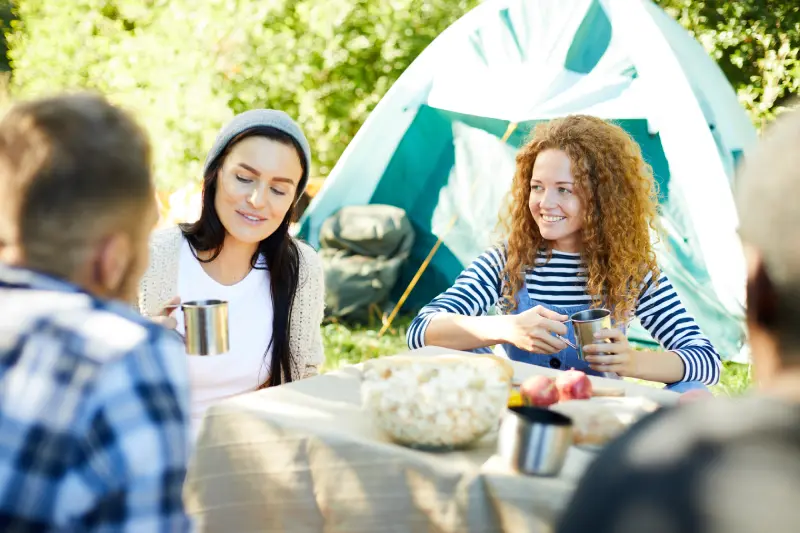
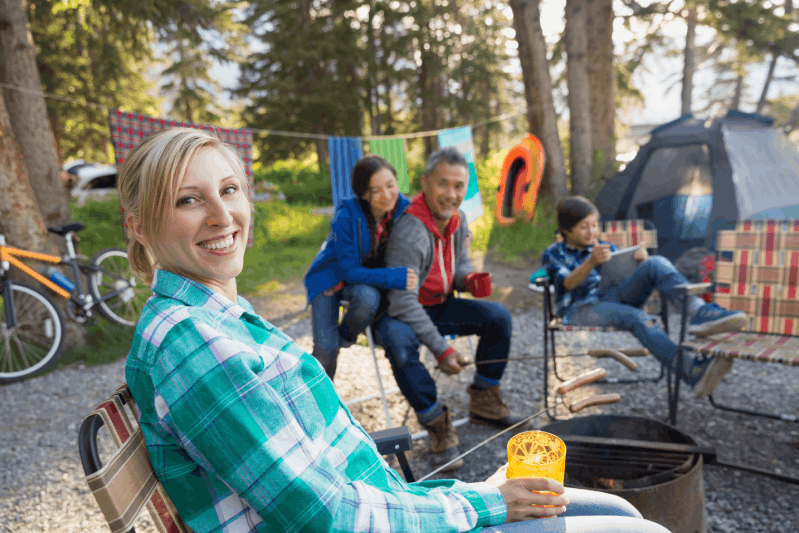
The popularity of corn at campsites comes not only from its taste but also from the social experience it offers. The popping sounds create a rhythmic music that accompanies conversations around the fire. Additionally, corn is one of the easiest, most portable, filling, and shareable foods due to its lightness. Passing a warm bowl of corn around during a chilly night strengthens the bond among campers. The carbohydrates in corn provide a light energy boost, while the visuals and sounds during the preparation process combine the "wild" atmosphere of camping with the warmth of home. For many campers, popping corn means finding an activity to focus on while shaking off the fatigue of the day and watching the stars.
Do Portable Stoves or Open Fires Yield Better Results?
Portable gas stoves offer great convenience for popping corn due to their precise heat control. Being able to adjust the intensity of the fire with a button almost eliminates the risk of burning. However, the "woody" aroma and the wild joy of the popping ritual that an open fire provides cannot be replicated on portable stoves. If your goal is just to cook quickly, a stove makes sense; however, if you are looking for a true camping experience, the coals of an open fire are unmatched. Popping corn over an open fire is a display of skill and requires more attention. Professional campers often prefer to pop the main batch of corn over the coals and prepare delicate sauces or butter on a portable stove, using a hybrid method.
Is Soaking Corn Kernels in Water Before Popping a Myth?
Soaking corn kernels in water for 10-15 minutes before popping and then drying them is recommended by some circles with the claim that it leads to "bigger pops." The logic behind this is to increase the moisture content inside the corn, maximizing the steam pressure at the moment of popping. This method may work in camping conditions, especially if your corn is a bit stale. The soaked shell becomes more flexible, and since the popping pressure increases, the corn has a "puffier" texture. However, it is crucial to dry the corn thoroughly after soaking; otherwise, it can lead to severe splattering when it comes into contact with oil. If your corn is of good quality, this process is unnecessary, but if you want to enhance your results, it is worth trying.
What Is the Relationship Between Popping Time and Pressure at High Altitudes?
Popping corn at high-altitude mountain camps differs from sea level. As altitude increases, air pressure decreases, and the boiling point of water drops. This means that the water inside the corn kernel begins to vaporize at lower temperatures. However, the internal pressure required for the corn to pop remains unchanged. As a result, popping corn at high altitudes may take a bit longer, and the kernels may not reach the same massive size as those at sea level. To compensate for this, you may need to increase the heat slightly and keep the pot lid tighter to prevent the corn from losing moisture. The biggest challenge when popping corn in the mountains is that the lower pressure causes the corn to cool more quickly; therefore, it is essential to consume the corn immediately.
What Should Be the Storage Conditions to Keep Popped Corn Fresh?
Once corn is popped, it quickly begins to absorb moisture and loses its crispness. To keep corn fresh in a camping environment, you should store it in a dry place away from the fire. If it will not be consumed immediately, placing it in airtight bags (ziploc) and removing all the air inside is the best method. Sauces poured over the corn (especially butter or honey) can cause the corn to soften more quickly; therefore, it is wise to only coat as much as you will consume. Corn left outside overnight will become inedible as it absorbs moisture with the morning dew. Storing leftover corn in a high place inside the tent will protect it from moisture and small rodents that may visit the campsite.
What Stories Should Be Told While Popping Corn Around the Campfire?
The popping sounds of corn create a perfect background for storytelling. Legends about the sacredness of corn in Native American culture or tales of the "little spirit" inside the corn kernel that jumps out when it gets hot create a wonderful atmosphere, especially in children's camps. Additionally, anecdotes about the "biggest fires" or "funniest corn disasters" from old campers bring the community closer together. Using the rhythm of the popping corn while telling stories; shaking quickly during exciting parts and pausing to listen to the popping sounds at intriguing moments strengthens the narrative. The story ends when the corn is finished, creating a natural flow in terms of timing.
Why Does Controlling the Heat Become More Challenging When Making Caramelized Corn?
Caramel is one of the most dangerous and challenging ingredients over a campfire. Once the sugar starts to melt and caramelize, the temperature rises very quickly and becomes uncontrollable after a certain point. If the fire is too fierce, the caramel can burn at the bottom of the pot before it adheres to the corn. The secret to making caramelized corn over a campfire is to use "indirect heat." After popping the corn, set it aside and prepare the caramel in a smaller, controllable pot rather than in the pot itself. Once the sugar has completely melted and turned into a smooth liquid, quickly toss in the corn and mix. This process should be done by taking advantage of the heat from the fire but not directly over the coals.
What Is the Psychological Relaxation Effect of Popping Corn Over a Campfire?
Cooking something over a fire appeals to the most primitive and basic instincts of humans. The process of popping corn; preparation, waiting, the rising sounds, and the final reward is a complete "mindfulness" exercise. Watching the fire calms the mind, while the rhythmic popping sounds create a meditative effect. Focusing solely on not burning a pot of corn while escaping the chaos of city life promotes dopamine release. Additionally, being a food shared outdoors breaks social isolation and makes one feel connected to nature. The familiar smell of corn triggers childhood memories, enhancing feelings of safety and tranquility.
How to Capture the Best "Campfire Popcorn" Photos?
If you want to immortalize your camping experience, the moment of popping corn offers fantastic shots. The best photos are usually taken during the "blue hour," which is right after sunset when the sky turns deep blue. In this environment, contrasting with the orange glow of the fire, you should use a high shutter speed to capture the smoke rising from the pot and the popping corn. If you are shooting at night, using the natural light of the fire instead of a flash gives a warmer and more intimate texture. Photographing popped corn in a wooden bowl or an enamel camping plate supports the rustic vibe. Standing in front of the fire with a bowl of corn in smoke is an iconic shot that should be in every camper's album.
How to Handle Small Accidents That May Occur While Popping Corn?
Accidents are part of camping; the important thing is to be prepared. The most common issue when popping corn is hot oil splattering. If oil splashes onto your skin, you should immediately cool it with cold water and apply burn cream from your camping first aid kit. In case the pot tips over, instead of trying to save the corn, you should control the fire; because corn and oil can intensify the flames. If the pot catches fire, never pour water on it; instead, cover it with the lid or a fire blanket to cut off its oxygen. If smoke gets into your eyes, it is best to rinse them with clean water without rubbing. Always keeping a bucket of water or sand next to the fire prevents the fun from turning into a disaster.
How Do Seasonal Conditions Shape the Enjoyment of Popping Corn Over a Campfire?
Popping corn during winter camping is a great excuse to warm up in the cold, and corn requires quick consumption as it cools down much faster. In summer, however, lighting a fire may be restricted due to high temperatures and the risk of forest fires; in such cases, corn should only be popped in designated areas and very small fires. Popping corn in rainy weather is not a complete challenge; you need to protect the fire with a tarp (from a safe distance) and prevent the corn from getting wet. Each season brings a different pairing to corn: in autumn, caramel corn pairs well with hot chocolate, while in summer, it goes well with a cool drink. Aligning with the cycles of nature enriches the corn popping experience.